Key Takeaways
1. By 2027, LG is expected to produce most iPhone 20 screens, shifting from Samsung’s current dominance in display production.
2. LG Display is investing 400 billion Korean won (around $271 million) to develop new display technology for Apple’s upcoming iPhone.
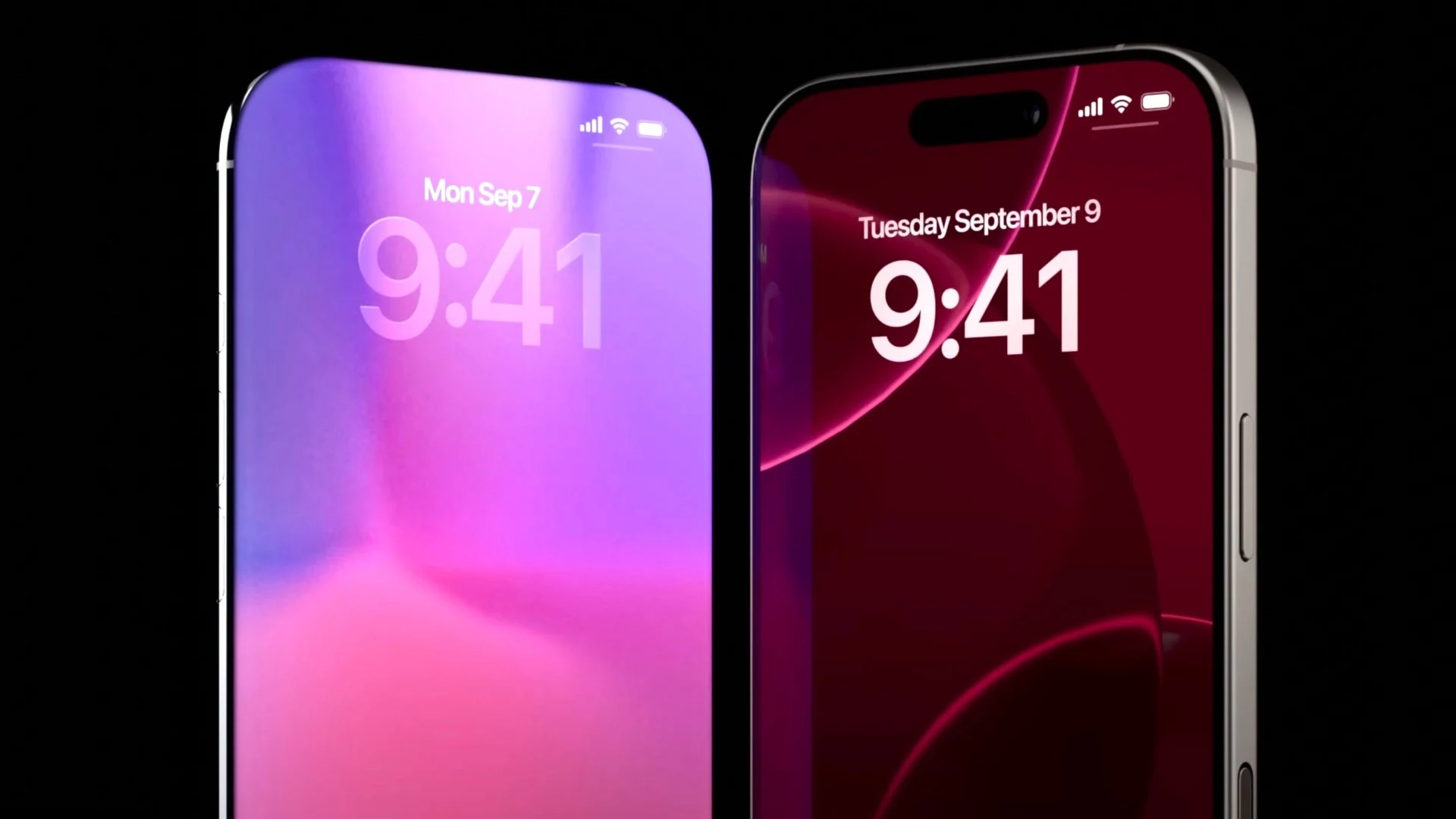
3. The iPhone 20 will feature entirely new AMOLED panels that are borderless and curved, differing from Samsung’s previous Edge panels.
4. New production challenges include creating curved edges, thinner protective layers, and integrating components like Face ID and the camera under the display.
5. Samsung may need to build additional factories to meet the demands of producing the new type of display required by Apple.
From today’s view, it seems that by 2027, most iPhone 20 screens might be produced by LG. This is according to a report from the Korean media outlet Dealsite which says LG is making significant efforts to gear up for making these new displays. Typically, Samsung Display accounts for 60% of iPhone display panels, while LG Display makes up the remaining 40%. Yet, Samsung seems to be focusing mainly on creating foldable AMOLED panels for the upcoming iPhone Fold next year, as shared by an industry source with the magazine. When it comes to the anniversary iPhone, there’s a surprising lack of updates from Samsung’s suppliers.
LG’s Major Investment
On the flip side, LG Display is said to be putting in a massive investment of 400 billion Korean won (around $271 million) for Apple’s 2027 iPhone, which, after the iPhone 18, is expected to skip the iPhone 19 name and go straight to iPhone 20 or iPhone XX. Industry insiders note that these large investments are mainly because Apple’s display needs call for entirely new manufacturing techniques. The AMOLED panels are designed to be completely borderless and curved on all sides, which is a whole new idea compared to Samsung’s previous Edge panels.
New Production Challenges
The panels must have their edges curved, and the circuitry has to follow suit. Moreover, the thin-film encapsulation (TFE) method that protects against moisture and air must be much thinner. Additionally, Apple plans to seamlessly integrate all visible components, like the Face ID sensor and FaceTime camera, under the display. This plan will demand brand new production facilities from display makers. An industry expert believes that Samsung will also likely need to construct additional factories to manufacture this new type of Apple display.
Source:
Link