Category: Phones

Stay updated with the latest phone news, reviews, and trends. Discover cutting-edge smartphones, features, and innovations in our Phones category at GizNewsDaily

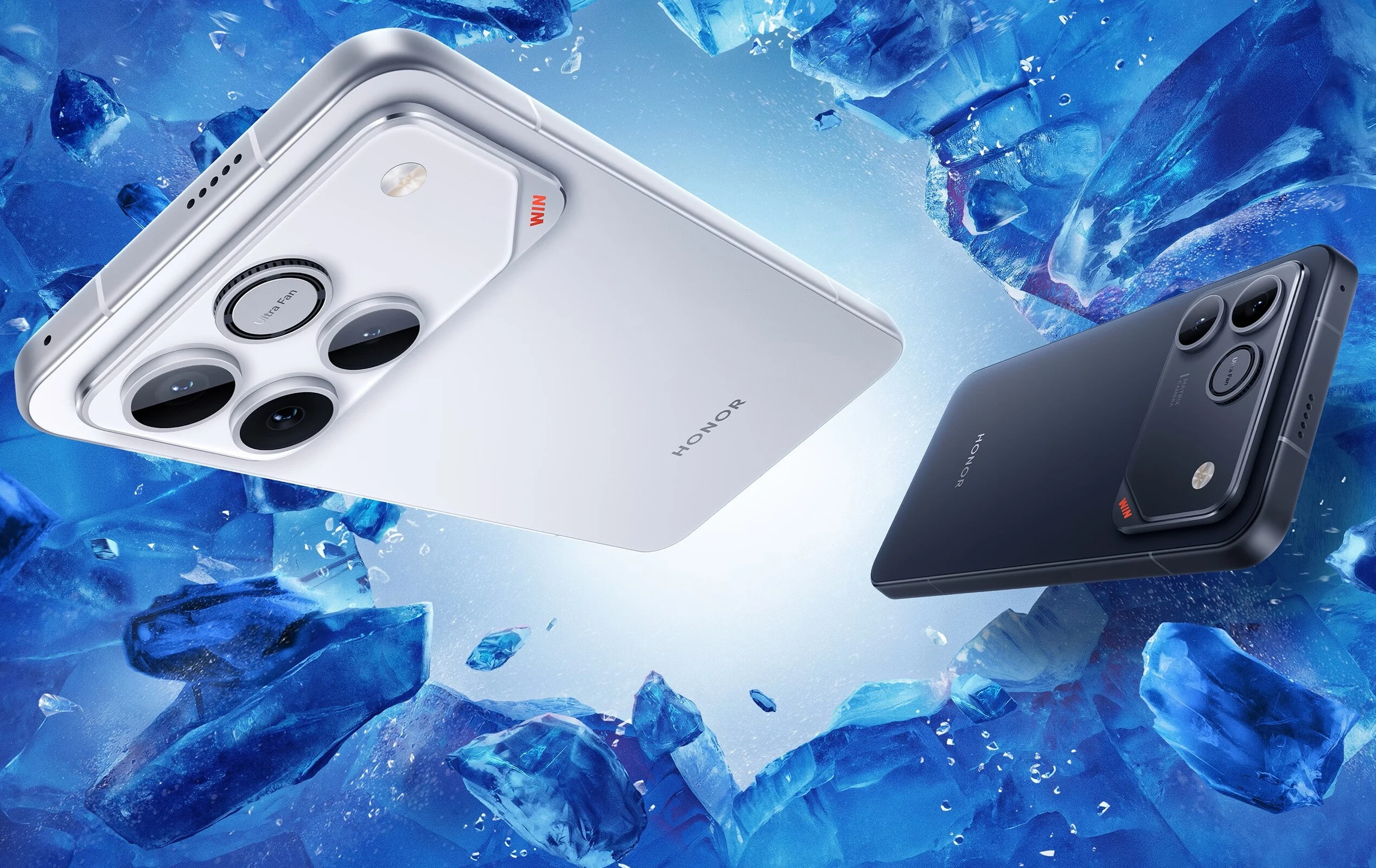
  • Honor Launches Win and Win RT Gaming Phones with Snapdragon 8 Gen 5

    Honor Launches Win and Win RT Gaming Phones with Snapdragon 8 Gen 5

    Key Takeaways

    1. Powerful Performance: Both Honor Win and Win RT smartphones are equipped with Qualcomm’s Snapdragon processors, featuring Snapdragon 8 Elite Gen 5 and Snapdragon 8 Elite chipsets.

    2. Impressive Display: The devices have a 6.83-inch FHD+ OLED screen with a refresh rate of 185 Hz and a brightness of up to 6,000 nits, supporting HDR10+.

    3. Long-lasting Battery: Both models come with a 10,000 mAh silicon-carbon battery, supporting 100 W wired and 80 W wireless charging.

    4. Advanced Camera Systems: The Win features a triple rear camera setup (50 MP + 12 MP + 50 MP), while the Win RT has a dual camera setup (50 MP + 12 MP), both with a 50 MP front camera.

    5. Pricing and Variants: The Honor Win starts at CNY 3,999 ($570), while the Win RT starts at CNY 2,699 ($385), with both models available in multiple storage configurations.


    Honor has recently released two smartphones aimed at performance, the Win and the Win RT, in China. Both devices are equipped with Qualcomm’s top-of-the-line Snapdragon processor, an active cooling fan, a 185 Hz OLED screen, and a substantial 10,000 mAh silicon-carbon battery that supports 100 W wired charging.

    Performance and Display

    The Honor Win and the Honor Win RT have been introduced as the latest flagship devices in China, designed with gaming enthusiasts in mind. They share a similar array of features. To be more specific, these smartphones come with a huge 10,000 mAh silicon-carbon battery that allows for 100 W wired and 80 W wireless charging. Both models sport a sizable 6.83-inch FHD+ OLED display, delivering a refresh rate of up to 185 Hz and a maximum brightness of 6,000 nits.

    Camera and Specifications

    Additionally, the display also supports HDR10+ and features 5,950 Hz high-frequency PWM dimming. Internally, the Honor Win is driven by a Snapdragon 8 Elite Gen 5 chipset, combined with an Adreno 830 GPU. Meanwhile, the Win RT is powered by a Snapdragon 8 Elite chipset. It is available with up to 16 GB of LPDDR5X RAM and 1 TB of UFS 4.1 storage.

    For photography, the standard model includes a triple rear camera system, which has a 50 MP primary camera with OIS, a 12 MP ultrawide camera, and a 50 MP telephoto lens that offers 3x optical zoom. Conversely, the RT version comes with a dual rear camera setup consisting of a 50 MP and a 12 MP camera, but it does not include a telephoto lens. Both models feature a 50 MP front camera.

    Additional Features and Pricing

    Other noteworthy features of both the Win and the Win RT are an in-display fingerprint sensor, an IP68/IP69/IP69K rating for dust and water resistance, Wi-Fi, Bluetooth 6.0, stereo speakers, an AI surround subwoofer, NFC, along with an active cooling fan capable of reaching 25,000 RPM for optimal cooling.

    In terms of pricing, the Honor Win starts at CNY 3,999 ($570) for the base model with 12 GB RAM and 256 GB storage, while the 12 GB + 512 GB and 16 GB + 1 TB versions are priced at CNY 4,499 ($640) and CNY 5,299 ($755), respectively. It is available in black, white, and blue.

    The Win RT is priced at CNY 2,699 ($385) for the 12 GB + 256 GB model, with the top-tier 16 GB + 1 TB variant costing CNY 3,999 ($570). Both smartphones can be purchased now in China through Honor’s official website.

    Source:
    Link


  • Affordable OnePlus Turbo Leaked in Live Images Before Launch

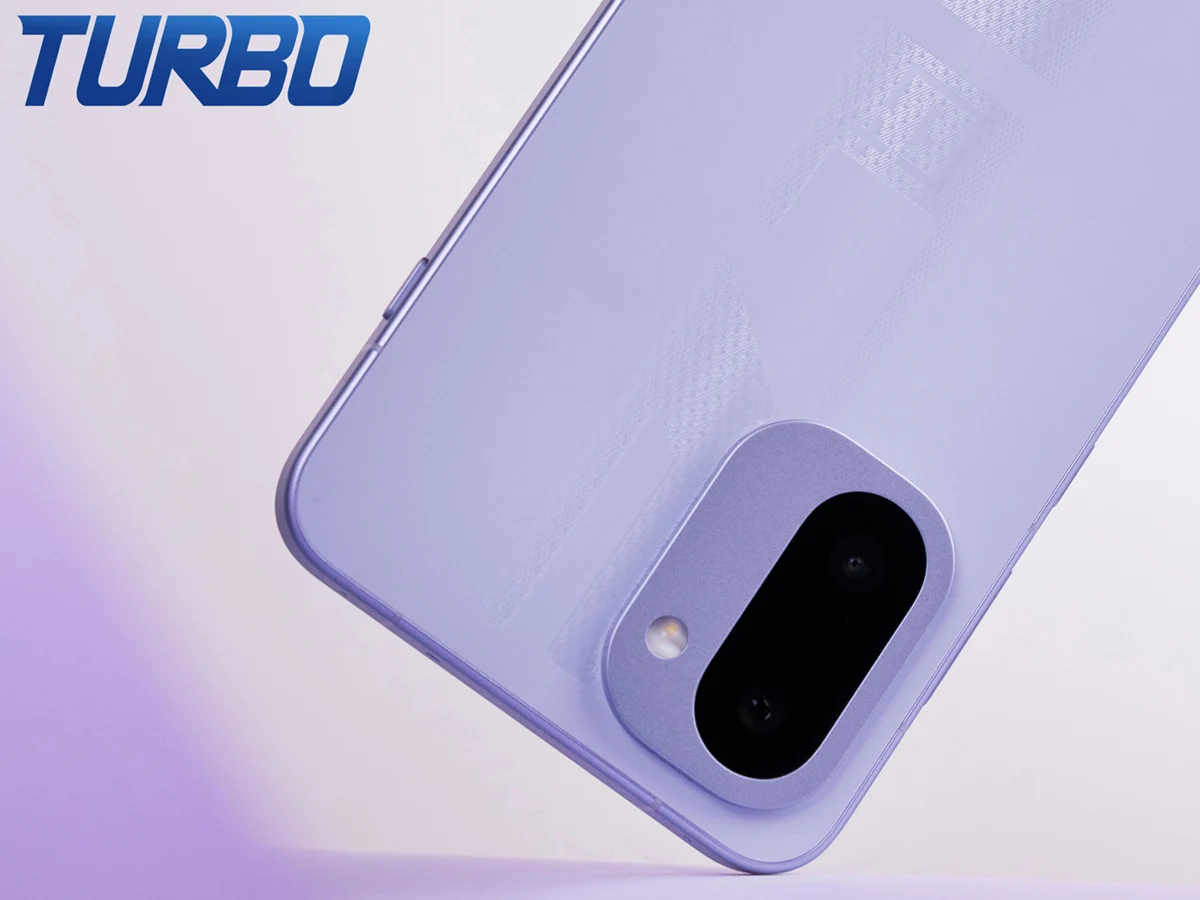
    Affordable OnePlus Turbo Leaked in Live Images Before Launch

    Key Takeaways

    1. OnePlus is developing a new smartphone series called Turbo, with the first model expected to launch soon.
    2. The OnePlus Turbo features a 6.8-inch display with a 144 Hz refresh rate and “1.5K” resolution, showcasing slim bezels.
    3. The phone will have a dual-camera setup on the back and a metal mid-frame, along with an IR blaster.
    4. It is expected to be powered by a Snapdragon 7s Gen 4 SoC, with 8 GB of RAM and storage options up to 256 GB.
    5. Anticipated features include a 9,000 mAh battery with 80 W fast charging, WiFi 6, Bluetooth 5.4, and a 50 MP main camera.


    OnePlus has confirmed that it is developing a new series named Turbo. While the first smartphone from this series is likely to debut soon, the company has not provided any official details yet. Before any formal announcement, some live images of the initial OnePlus Turbo phone have surfaced, offering a sneak peek at the anticipated budget-friendly device.

    Design and Display Features

    According to the leak from Android Headlines, the images reveal the smartphone from various angles. The OnePlus Turbo is said to have fairly slim bezels that are even across all sides. The display is reportedly a 6.8-inch screen boasting a 144 Hz refresh rate and a “1.5K” resolution.

    Camera and Build Details

    The leaked images depict a dual-camera arrangement on the back, resembling the design seen on the OnePlus 15R. Additional pictures of the phone’s sides reveal a metal mid-frame, and it looks like it will include an IR blaster.

    Expected Specifications

    While detailed specifications for the OnePlus Turbo are not yet available, recent reports suggest that it will be equipped with a Snapdragon 7s Gen 4, which is a mid-range system-on-chip (SoC). This SoC is expected to be combined with 8 GB of RAM and storage options of up to 256 GB.

    A large 9,000 mAh battery is anticipated to power the device, which will likely support 80 W fast charging (the 140 W Anker Prime charger is currently priced at $69.99 on Amazon). Additional features expected for the phone include WiFi 6, Bluetooth 5.4, a 50 MP main camera on the back, and a 32 MP front-facing camera. It’s likely the phone will be released outside of China under the OnePlus Nord branding, potentially named the CE 6.

    Source:
    Link


  • Samsung Galaxy Z TriFold Fails Durability Test Results

    Samsung Galaxy Z TriFold Fails Durability Test Results

    Key Takeaways

    1. The Galaxy Z TriFold has failed durability tests, particularly in the bending test.
    2. The device’s thin design (0.15 inches) contributes to its weak structural integrity.
    3. The smartphone’s interior screen is made of easily scratchable plastic, and the fiberglass back panel is also prone to scratches.
    4. Dust and dirt can severely affect the performance of the Galaxy Z TriFold’s hinges.
    5. The disassembly reveals design flaws, including potential hazards when removing the batteries.


    Samsung’s latest smartphones, like the impressively slim Galaxy Z Fold 7 (starting at $1,599 on Amazon), have passed all durability tests conducted by YouTuber Zack Nelson, until now. The new Galaxy Z TriFold, measuring just 0.15 inches at its thinnest point, failed the durability test. Even before the bending test kicks off around the 9:30 mark in the video below, the imported Samsung foldable faces issues. As the right side is folded with the rear camera first—a move Samsung specifically advises against—it begins to vibrate and show signs of trouble.

    Scratching Concerns

    It’s not uncommon for a foldable smartphone to have a 10-inch interior screen made of plastic that scratches easily, but the back panels are also prone to scratches due to being made of fiberglass, which is essentially another form of plastic and is more susceptible to scratches compared to metal or glass. Owners need to be extra cautious about keeping dust away from the Galaxy Z TriFold, even more than with traditional foldables. A test involving a significant amount of dirt leads to very crunchy hinges.

    The Bend Test Failure

    The bend test in the opposite direction ultimately causes the Galaxy Z TriFold to fail completely. With two hinges and a fairly weak structural integrity in its ultra-thin frame, the smartphone is easy to bend if one deliberately attempts to do so. After the frame breaks, the YouTuber starts a teardown of the Samsung TriFold around the 11:50 mark. This disassembly reveals three batteries and highlights another design flaw. Pulling the tabs to remove the batteries causes them to bend, which is a potentially hazardous issue. The YouTuber wraps up by advising against sitting on the unfolded Samsung foldable.

    Source:
    Link


  • MediaTek Dimensity 8500 Leaks on Geekbench with Minor Upgrades

    MediaTek Dimensity 8500 Leaks on Geekbench with Minor Upgrades

    Key Takeaways

    1. The Honor Power 2 features a MediaTek Dimensity 8500 chipset, succeeding the earlier Honor Power model from 2025.
    2. The device has 12 GB of RAM and shows a modest performance increase of about 7% over the Dimensity 8400 in benchmark tests.
    3. The Dimensity 8500 achieves a single-core score of 1,728 and a multi-core score of 6,762, compared to the Dimensity 8400’s scores of 1,621 and 6,208.
    4. The chipset’s core configuration is similar to the Dimensity 8400, with slightly higher clock speeds for each core type.
    5. The GPU for the Dimensity 8500 is the ARM Mali-G720 MC8, which does not show significant improvements over the Mali-G720 MC7 used in the Dimensity 8400.


    Honor has a number of new gadgets ready for launch. Among these is the Honor Power 2, which follows the Honor Power that was introduced earlier in 2025. This new device seems to have appeared on Geekbench, showcasing its MediaTek Dimensity 8500 chipset, along with its specifications and performance capabilities.

    Device Specifications

    The tested device is recognized by the identifier “Honor SER-AN00” and comes with 12 GB of RAM. In terms of performance, the Dimensity 8500 does not seem to be a major upgrade over the Dimensity 8400. The chipset achieves a single-core score of 1,728 in its best test, while the multi-core score stands at 6,762. In contrast, the Dimensity 8400 typically scores 1,621 and 6,208 in the same benchmarks.

    Performance Insights

    These figures indicate a roughly 7% increase in performance, but it’s important to stress that this is only a preliminary benchmark and not definitive. Moreover, the chipset’s core configuration mirrors that of the Dimensity 8400, although with slightly elevated clock speeds: a prime core at 3.40 GHz compared to the 3.25 GHz of the Dimensity 8400, three cores at 3.20 GHz instead of 3.0 GHz on the previous model, and four efficiency cores running at 2.20 GHz, a minor rise from the predecessor’s 2.10 GHz. It remains uncertain if the cores themselves are identical.

    GPU Details

    Finally, the listing discloses the GPU, which is ARM’s Mali-G720 MC8. Since the Dimensity 8400 uses a Mali-G720 MC7, it appears there won’t be notable enhancements on the GPU front either.

    Source:
    Link


  • Xiaomi 17 Ultra 200MP Leica Edition with Zoom Ring Released

    Xiaomi 17 Ultra 200MP Leica Edition with Zoom Ring Released

    Key Takeaways

    1. The Xiaomi 17 Ultra has been officially launched in China, including a special Leica Edition in black and white.
    2. The Leica Edition features a unique design with a dual-tone aesthetic, Leica logo, and special engravings.
    3. The camera ring on the Leica Edition functions like a zoom ring and can also control focus and exposure.
    4. An accessory kit for photography includes a filter adapter, detachable shutter button, camera grip, and a built-in 2,000 mAh battery.
    5. The Xiaomi 17 Ultra Leica Edition has two pricing options: CNY 7,999 ($1,138) for 16 GB RAM/512 GB storage and CNY 8,999 ($1,280) for 16 GB RAM/1 TB storage.


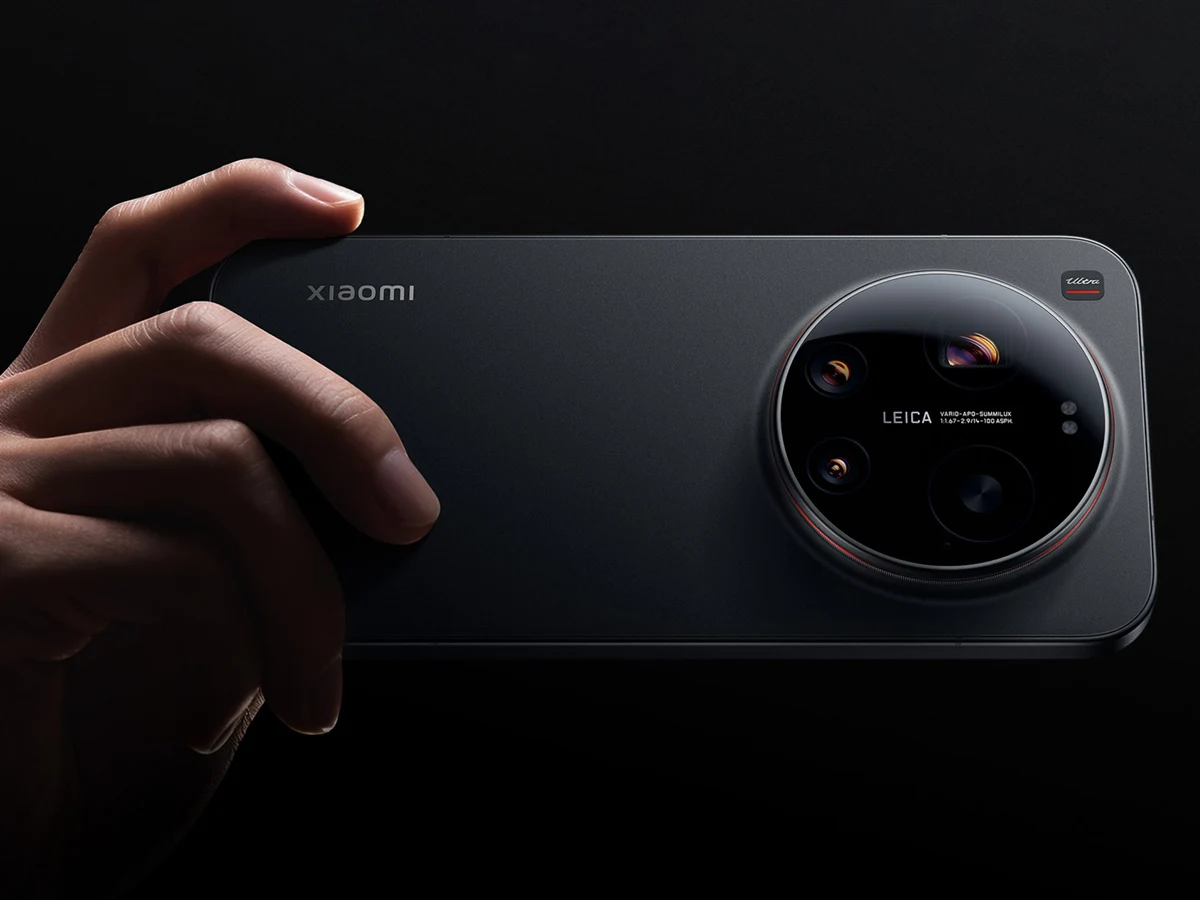
    Xiaomi has been hinting at the Xiaomi 17 Ultra for some time, and it is now officially launched in China. Along with the standard version of the Snapdragon 8 Elite Gen 5 device, the company has unveiled a special Leica Edition, which is available in two colors: black and white.

    Unique Design Features

    The Xiaomi 17 Leica Edition in both color options showcases a stylish design that sets it apart from the standard model. It features a dual-tone aesthetic and a striking Leica logo, giving it a look akin to traditional cameras. Additionally, certain areas of the mid-frame include a unique Leica engraving and knurling for added flair.

    Enhanced Functionality

    This special version not only looks different but also adds practical features. The camera ring around the back Leica camera setup operates similarly to an actual zoom ring. Interestingly, users won’t be limited to just one function, as the ring can also control focus and exposure.

    Accessory Kit for Better Photography

    Moreover, photography enthusiasts can enhance their experience with a camera kit available for both the Xiaomi 17 Ultra Leica and the standard variant. This kit includes a 67 mm filter adapter, a detachable shutter button, and a camera grip. It also has a built-in 2,000 mAh battery to prolong usage during photo sessions (compact Iniu 10K power bank currently priced at $19.99 on Amazon).

    Specifications and Pricing

    The main specifications of this new Snapdragon 8 Elite Gen 5 phone remain unchanged. It boasts a 200 MP periscope telephoto lens, accompanied by a 1-inch primary sensor and a 14 mm ultrawide camera. Regarding pricing, the Xiaomi 17 Ultra Leica Edition is offered in two configurations in China.

    The entry-level version with 16 GB of RAM and 512 GB of storage is priced at CNY 7,999, which is approximately $1,138. On the other hand, the model featuring 16 GB of RAM and 1 TB of storage retails for CNY 8,999, around $1,280. Xiaomi has also provided some camera samples taken with this Leica Edition of the Xiaomi 17 Ultra, which are shared below. These images are said to be the outcome of a Leica-focused AI integrated into this phone model.

    Xiaomi CN

    Source:
    Link


  • Xiaomi 17 Ultra Launches: 200 MP Periscope Telephoto Camera

    Xiaomi 17 Ultra Launches: 200 MP Periscope Telephoto Camera

    Key Takeaways

    1. The Xiaomi 17 Ultra features a 1-inch Leica-enhanced primary sensor for superior photography, including a 200 MP periscope telephoto lens.
    2. The device is powered by the Snapdragon 8 Elite Gen 5 chip, offering improved performance over other models in the Xiaomi 17 series.
    3. It has a 6.9-inch LTPO AMOLED display with a brightness rating of 3,500 nits and a robust 6,800 mAh battery with fast charging capabilities.
    4. The camera system includes telephoto macro capabilities and a 14 mm ultra-wide sensor, all certified by Leica.
    5. The base model starts at CNY 6,999 (around $996), while the premium version is priced at CNY 8,499 (approximately $1,209).


    After a few days of hints and sneak peeks, the Xiaomi 17 Ultra has been officially unveiled in China. This is the latest high-end device in Xiaomi’s flagship smartphone range, specifically designed with photography in mind. It boasts a remarkable 1-inch Leica-enhanced primary sensor among its trio of rear cameras.

    Impressive Camera Features

    The primary sensor is the Light Hunter 1050L, utilizing LOFIC technology for improved dynamic range. It has an f/1.67 aperture and is coupled with a Leica 200 MP periscope telephoto lens. The Samsung HPE camera sports a sensor size of 1/1.4-inch, and based on the shared samples, the Xiaomi 17 Ultra excels in capturing both zoomed-in images and portraits.

    Additionally, it offers telephoto macro capabilities, allowing the zoom camera to seamlessly transition between 75 mm and 100 mm focal lengths while maintaining detail. The phone also includes an ultra-wide sensor on the back, featuring a 14 mm focal length, all certified by Leica.

    High-End Specifications

    Beyond its impressive camera setup, the other specifications of the Xiaomi 17 Ultra are equally elite. It is powered by the Snapdragon 8 Elite Gen 5, Qualcomm’s top-performing flagship chip. This SoC is reported to deliver improved performance than other models in the Xiaomi 17 series, including the Pro Max variant.

    On the front, the device showcases a stunning 6.9-inch LTPO AMOLED display with a brightness rating of 3,500 nits. The entire system is sustained by a robust 6,800 mAh battery that supports 50 W wireless and 90 W wired fast charging (the 150 W Anker Prime charger is currently priced at $115.99 on Amazon). Additional features include numerous camera modes, slim screen bezels, a better cooling system compared to its predecessor, and support for the PPS charging protocol.

    Pricing and Variants

    Xiaomi has made the standard version available in four stylish colors, with the base model equipped with 12 GB of RAM and 512 GB of storage. This entry-level variant is priced at CNY 6,999, approximately $996, while the premium version, featuring 16 GB of RAM and 1 TB of storage, comes at CNY 8,499, roughly $1,209.

    Xiaomi CN

    Source:
    Link


  • Poco F8 Ultra: Premium Power, Bose Sound, Denim Style

    Poco F8 Ultra: Premium Power, Bose Sound, Denim Style

    Key Takeaways

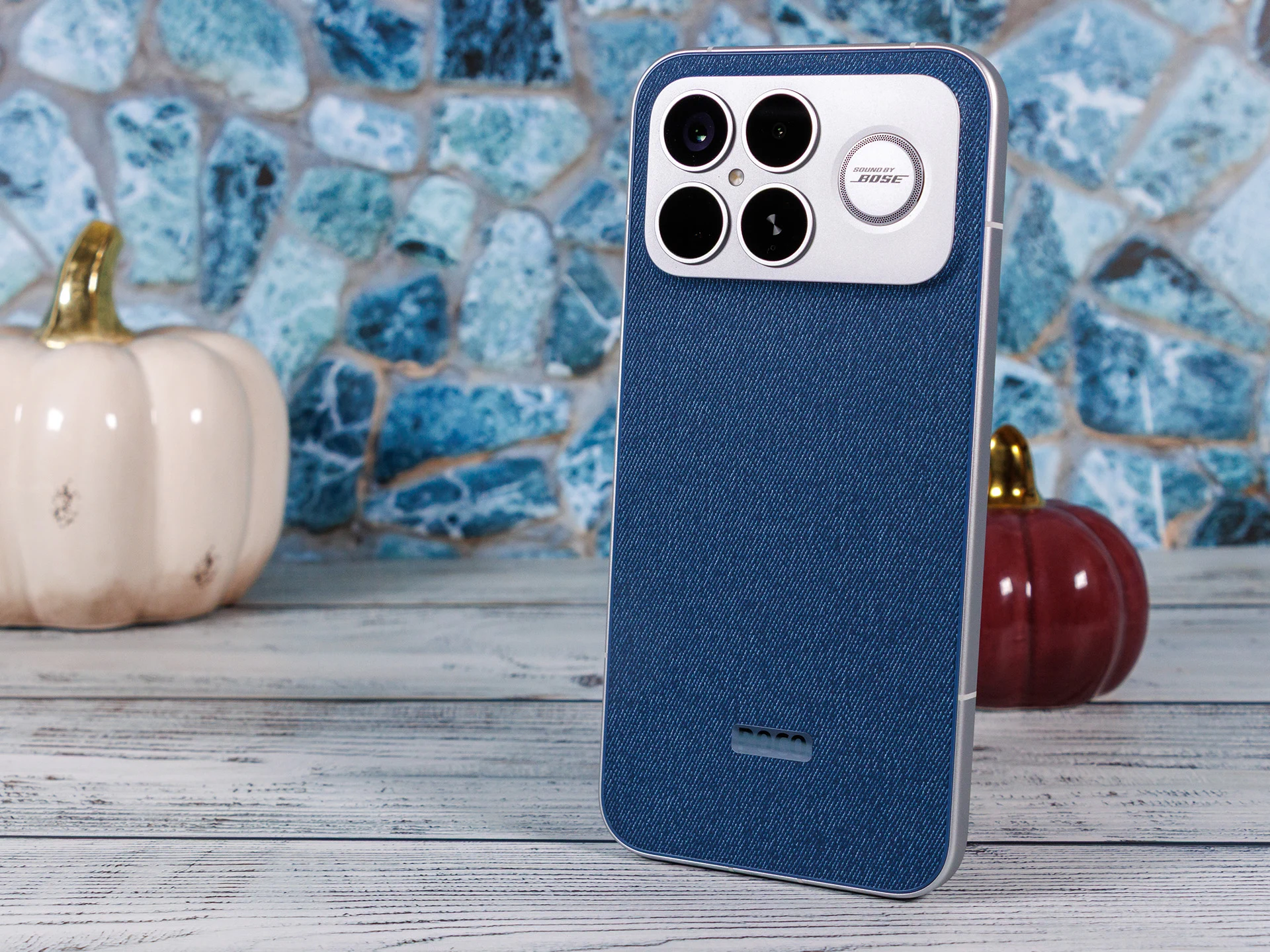
    1. Premium Build and Design: The Poco F8 Ultra features a sturdy design with a thickness of 8.3 mm, IP68 rating, and is available in black fiberglass and denim blue nanomaterial.

    2. Connectivity Features: It includes advanced connectivity options like USB 3.2, Wi-Fi 7, and dual SIM capability (Nano/eSIM), ensuring high performance.

    3. Camera and Display Quality: With three 50 MP cameras and a 120 Hz AMOLED display, the phone excels in photo quality and offers vibrant visuals, including 8K video recording.

    4. Performance and Battery Efficiency: Powered by the Snapdragon 8 Elite Gen 5 and available with up to 16 GB of RAM, it delivers exceptional performance, though it may experience overheating during heavy use; the 6,500 mAh battery provides long-lasting usage.

    5. Software Concerns: The device runs HyperOS 3.0 on Android 16 but is criticized for bloatware and advertisements, with a commitment to four years of updates and two years of security improvements.


    The Poco F8 Ultra comes to the market just eight months after its previous version, thanks to a shift in Poco’s approach. This smartphone stands out with its premium build quality, available in black (fiber glass) and denim blue (nanomaterial). With a thickness of 8.3 mm and IP68 rating, it feels sturdy, has minimal creaks, and offers a good grip. The device includes a USB 3.2 port (supporting speeds up to 768 MB/s), Wi-Fi 7 (excluding 6 GHz), and dual SIM capability (Nano/eSIM). HyperOS 3.0 runs on Android 16 and promises four years of system updates along with two years of security improvements, though it suffers from excess bloatware and advertisements. The commitment to sustainability is also quite superficial, as user repairs are not an option.

    Connectivity and Call Quality

    The mobile, GNSS (dual-band), and Wi-Fi performance are top-notch, with precise Satfix both inside and outside. When it comes to calls, the voice quality excels in quiet settings, but the noise cancellation feature does not perform well in louder environments.

    Camera and Display

    Equipped with three 50 MP cameras (Light Fusion 950 main, ultra-wide, and zoom with OIS), the Poco F8 Ultra captures well-balanced photos in daylight, decent low-light images, and supports macro photography. It can shoot videos at resolutions of up to 8K/30 FPS or 4K/60 FPS. The 120 Hz AMOLED display (416 PPI, 3,500 cd/m²) is bright, accurately represents colors, and remains easily readable in sunlight.

    Performance and Battery Life

    At the heart of the device is the Snapdragon 8 Elite Gen 5, available with either 12 or 16 GB of RAM, paired with Adreno 840 and VisionBoost-D8, ensuring exceptional performance. However, it does experience throttling under heavy usage (up to 50 °C) and tends to overheat during stress tests. The Bose speakers, featuring a subwoofer, are a standout element. The 6,500 mAh battery can last for about 22 hours of Wi-Fi use, and charging options include a cable (100 W: 35 min) or wireless (50 W).

    In conclusion, the Poco F8 Ultra delivers high-end performance, impressive audio quality, and strong battery life at a reasonable cost. Yet, issues related to cooling, updates, and bloatware might dampen the overall experience.

  • Dish Offers Starlink Internet with Free Hardware and Installation

    Dish Offers Starlink Internet with Free Hardware and Installation

    Key Takeaways

    1. Dish acquired spectrum from Sprint to become a major mobile carrier but shifted strategy to sell off the spectrum instead.
    2. AT&T purchased $23 billion worth of spectrum from Dish, impacting Dish’s original 5G network plans.
    3. SpaceX invested $19 billion in EchoStar for spectrum and licenses to enhance its Starlink satellite services.
    4. Dish is now a hybrid MVNO, offering both AT&T and Starlink services, including installation assistance.
    5. Starlink plans to introduce a low-cost $40 per month plan, with potential discounts for Dish customers.


    When Sprint had to sell its Boost Mobile division to get the merger with T-Mobile approved, the assets were acquired by Dish, a satellite TV company.

    Dish’s Ambitious Goals

    Dish originally had grand ambitions to utilize the spectrum it gained and become the fourth largest mobile carrier in America by launching its own 5G network. However, T-Mobile’s merger with Sprint allowed it to advance so quickly in 5G deployment that traditional competitors like Verizon and AT&T found themselves lagging behind.

    A Shift in Strategy

    Instead of constructing a 5G network, EchoStar, Dish’s parent company, chose to sell off its spectrum. This decision led AT&T to purchase $23 billion worth of 50 MHz low-band, 600 MHz, and 3.45 GHz spectrum. Consequently, Dish transitioned into a hybrid MVNO and began shutting down its existing towers.

    SpaceX’s Major Investment

    In a significant move, SpaceX paid $19 billion to EchoStar for additional 50 MHz spectrum and MSS licenses. This investment aims to enhance the capacity and speed of its Starlink direct-to-cell satellite system by a factor of 100. With this, SpaceX can compete with major players like T-Mobile, Verizon, and AT&T by providing 5G services from space, especially when it rolls out its large V3 satellites in 2026.

    Dish’s New Offerings

    Although Dish’s vision of becoming a leading American mobile carrier didn’t materialize and it turned into a hybrid MVNO, its collaboration with spectrum licensees has enabled it to provide both AT&T and Starlink services.

    Dish is now offering Starlink Internet, which comes with no upfront hardware costs and assistance with installation from its satellite service technicians. The Starlink subscription fee starts at $80 per month for speeds of up to 200 Mbps, while SpaceX’s satellite Internet service provides speeds over 400 Mbps for an additional $40.

    Potential Discounts for Customers

    Starlink is considering introducing its most affordable $40 per month plan with the Mini dish, which is currently available at a 40% discount on Amazon. Dish customers might also have the chance to benefit from this promotion.

    Source:
    Link


  • Xiaomi 17 Ultra Leica Edition Revealed in New Official Videos

    Xiaomi 17 Ultra Leica Edition Revealed in New Official Videos

    Key Takeaways

    1. The Xiaomi 17 Ultra features the Snapdragon 8 Elite Gen 5 and is designed for photography enthusiasts with a Leica-enhanced camera system.
    2. A special Leica edition of the Xiaomi 17 Ultra includes a “Master Zoom Ring,” a physical rotary ring for real zoom functionality.
    3. The Leica edition has a stylish 3D Leica engraving near the camera module.
    4. It features a 200 MP periscope telephoto lens capable of delivering detailed portrait and zoom shots.
    5. The launch of the Xiaomi 17 Ultra is scheduled for December 25, 2025, with more official details expected soon.


    Xiaomi is gearing up to unveil its latest flagship camera phone, the Xiaomi 17 Ultra. This device is powered by the Snapdragon 8 Elite Gen 5 and features a camera system enhanced by Leica, making it a great choice for photography enthusiasts. Additionally, the company has introduced a unique Leica edition specifically for those who prioritize camera capabilities.

    Unique Camera Features

    In contrast to the standard model, the Leica edition of the Xiaomi 17 Ultra will include something called the “Master Zoom Ring.” As the name suggests, this is a physical rotary ring that encircles the entire camera module.

    Xiaomi has shared a sneak peek of the rotary ring in a recent video, which showcases an experience reminiscent of using classic cameras. Although Xiaomi hasn’t officially confirmed this yet, a trusted leaker named Digital Chat Station has mentioned that the physical ring is more than just for looks; it is designed to provide real zoom functionality.

    Additional Enhancements

    The zoom ring isn’t the only exciting feature in the special edition of the Xiaomi 17 Ultra. It also boasts a 3D Leica engraving close to the camera module, adding an extra touch of style to this version.

    Previously, Xiaomi revealed details about the impressive 200 MP periscope telephoto lens on the Xiaomi 17 Ultra. Based on the sample images released, it appears that this sensor can deliver exceptionally detailed portrait and zoom shots. More information about the phone is expected to be officially announced soon, just ahead of its launch in China, scheduled for December 25, 2025.

    Source:
    Link


  • Apple iPhone Fold vs Samsung Wide Fold: Design and Size Comparison

    Apple iPhone Fold vs Samsung Wide Fold: Design and Size Comparison

    Key Takeaways

    1. The Apple iPhone Fold features a unique design, differing from Samsung’s Galaxy Z Fold series, resembling Passport-style foldable phones like the Oppo Find N.
    2. Samsung is developing its own Passport-style folding phone, referred to as the “Samsung Wide Fold,” to compete with the iPhone Fold.
    3. Both devices are expected to have a 4:3 aspect ratio when unfolded, with the iPhone Fold having a 5.35-inch outer display and a 7.58-inch inner screen.
    4. The design of the iPhone Fold includes rounded edges, while the Samsung Wide Fold has a sharper, more angular appearance.
    5. Both the iPhone Fold and Samsung Wide Fold are anticipated to launch in the latter half of 2026, allowing time for potential design changes.


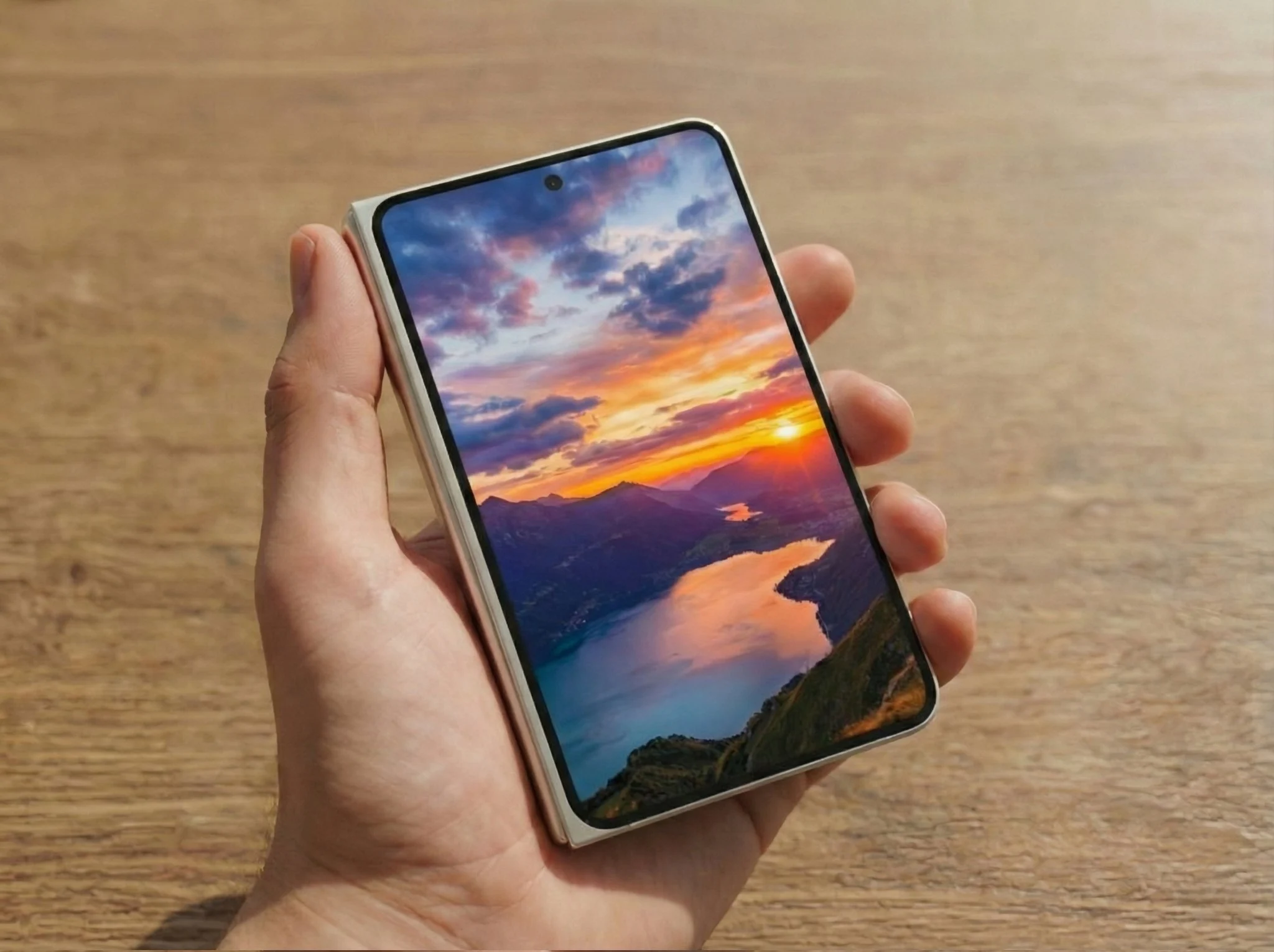
    The highly anticipated Apple iPhone Fold is starting to become a reality, with 3D-printed models and CAD images of the device now appearing online. The design of the iPhone Fold is said to be quite different from the Samsung Galaxy Z Fold series and is more similar to the Passport-style foldable phones like the original Oppo Find N. Reports suggest that the iPhone Fold will be shorter and wider compared to traditional book-style foldables such as the Galaxy Z Fold 7.

    Samsung’s Response

    In response, Samsung is reportedly working on its own Passport-style folding phone to compete with the iPhone Fold. Currently dubbed the “Samsung Wide Fold” in online circles, this new device is anticipated to feature a 4:3 aspect ratio for its inner display. Ice Universe has drawn comparisons between the iPhone Fold and the Samsung Wide Fold, highlighting both the similarities and a key difference in their designs.

    Display Specifications

    Ice Universe has showcased what appear to be dummy models of both the iPhone Fold and the Samsung Wide Fold. According to Ice Universe, when unfolded, both devices have a 4:3 aspect ratio. However, the screen sizes noted by Ice Universe differ from those reported by Ben Geskin for his 3D-printed iPhone Fold dummy. Ice Universe claims that the iPhone Fold will have a 5.35-inch outer display and a 7.58-inch inner screen. In contrast, the Samsung Wide Fold is expected to feature similar-sized displays, with a 5.4-inch outer panel and a 7.6-inch inner screen. This suggests that, assuming comparable weight and thickness, both phones will feel similar in hand.

    Design Differences

    Despite both companies opting for wider foldable devices with a 4:3 inner display, the Samsung Wide Fold seems to have a sharper, more angular look, while the iPhone Fold appears to borrow elements from the original Google Pixel Fold with its rounded edges. The original Oppo Find N has a wider and shorter design that proved to be beneficial. It was compact when folded and unfolded into a landscape orientation, which many users prefer over the portrait style of the Galaxy Z Fold series. This makes us eager to see Apple venture down a different path than Samsung with a focus on a Passport-style form factor.

    In conclusion, both the Samsung Wide Fold and the iPhone Fold are expected to launch in the latter half of 2026. There is still ample time for both companies to alter their strategies, so it’s wise to view all speculation, including details about design and form factor, with caution.

    Source:
    Link