Category: Phones

Stay updated with the latest phone news, reviews, and trends. Discover cutting-edge smartphones, features, and innovations in our Phones category at GizNewsDaily

  • Phreeli’s Unlimited Phone Plans: Pay with Crypto, Name Optional

    Phreeli’s Unlimited Phone Plans: Pay with Crypto, Name Optional

    Key Takeaways

    1. Louis Rossmann and Nicholas Merrill launched Phreeli, a privacy-focused cellular network that minimizes personal identification requirements.
    2. Phreeli offers five pricing plans, all providing unlimited talk, text, and data, with varying amounts of high-speed data, starting at $25 per month.
    3. The network emphasizes user privacy by not requiring personal information and allowing payments in cryptocurrency.
    4. Phreeli’s unique data handling protocol separates user interactions into three distinct services to enhance data security.
    5. Despite its appealing features and pricing, Phreeli may face regulatory scrutiny, leading to potential hesitation from customers to switch services.


    Prominent YouTuber and privacy advocate Louis Rossmann has teamed up with Nicholas Merrill, a notable figure in the digital privacy arena, to launch a cellular network that prioritizes user privacy. This Mobile Virtual Network Operator (MVNO) is built on existing network infrastructure, but it stands out because it doesn’t enforce most of the personal identification requirements that most carriers demand. Moreover, Phreeli employs a unique protocol to make sure that any data shared is both compartmentalized and randomized. Still, it’s expected that this approach will attract significant scrutiny from regulatory bodies.

    Pricing Plans Overview

    At the moment, Phreeli presents five different plans, each providing unlimited talk, text, data, and hotspot data. The only differences between them lies in the amount of “high-speed” data available. The most affordable option is a prepaid plan that begins at $25 a month, allowing users to purchase an additional 5 GB of data for $20. On the high end, there’s the “Max” plan, which costs $85 a month and includes 65 GB of high-speed data. All plans also offer unlimited international calling and texting to over 90 countries, alongside the same strong privacy protocol.

    Privacy Features Explained

    Phreeli has taken significant steps to avoid the common pitfalls of data security that many networks either ignore or exploit for profit. They do not ask for a name, address, email, or credit card, and users can even pay using cryptocurrency. In an announcement video, Rossmann highlighted an FCC investigation that discovered AT&T and other carriers selling user location data to third parties without consent. To prevent similar issues, the Phreeli network separates user interactions into three distinct services. The user service, which possesses the most information about customers, is kept separate from the data service, which is also distinct from the mixer service. In this design, each compartment collects its own data, which the mixer service then combines into a pool of information that can only be interpreted with the right randomized tokens.

    Future Considerations

    Beyond its strong privacy features, Phreeli has a tempting array of options and is competitively priced as well. However, given its newness and the potential challenges it may face from regulators, customers might hesitate to transfer their numbers until the service becomes more established.

    For more information, visit Phreeli.com.

    Source:
    Link


  • Void Phone VX1: Linux-Based, Privacy-Focused with Camera Switch

    Void Phone VX1: Linux-Based, Privacy-Focused with Camera Switch

    Key Takeaways

    1. The Void Phone VX1 is designed for business users with special software and Mobile Device Management (MDM) features.
    2. It operates on FuriOS, a Debian variant, ensuring no user data is stored on foreign servers and allowing app installation without the Google Play Store.
    3. A hardware switch on the phone can disable cameras, microphones, and wireless connections for enhanced security.
    4. The technical specifications include a MediaTek Dimensity 900 processor, 8GB RAM, 128GB expandable storage, a 6.7-inch display, and a 5,000mAh battery.
    5. The phone is available by request, with a minimum order of 100 units for discounts, and MDM features come with an additional monthly fee of $2.50 per device.


    The Void Phone VX1 is a smartphone that derives from the FuriPhone FLX1s, but it’s tailored with special software for business users. This makes the Linux-based phone attractive to a different set of customers, as Mobile Device Management (MDM) simplifies the handling of multiple devices, which can include tasks like remote software installation or resetting phones.

    Software and Security Features

    This smartphone operates on FuriOS, a unique variant of Debian for mobile devices. Void Phone highlights that no user data is kept on foreign servers and that applications can be installed without the need for the Google Play Store. One notable aspect is the hardware switch located on the side, which can turn off the cameras, microphones, and wireless connections. This feature ensures that sensitive information isn’t recorded or transmitted. However, some components of the hardware are a bit old-fashioned.

    Technical Specifications

    In terms of specifications, the Void Phone VX1 features a MediaTek Dimensity 900 processor from 2021, accompanied by 8GB of RAM and 128GB of internal storage, which is expandable through microSD. The device has a 6.7-inch IPS display with a resolution of 1600 x 720 pixels and a refresh rate of 90Hz. Additionally, the phone includes a 13MP front camera, a 20MP main camera with an f/1.8 aperture, and a 2MP secondary sensor. The battery capacity stands at 5,000mAh.

    Purchase Information

    The Void Phone VX1 can only be obtained by request on the manufacturer’s official website. Companies ordering a minimum of 100 units are eligible for a discount. To access the mentioned MDM features, there’s an extra fee of $2.50 for each smartphone each month.

    Source:
    Link


  • 3D-Printed Apple iPhone Fold vs iPhone 17 Pro Max & Oppo Find N5

    3D-Printed Apple iPhone Fold vs iPhone 17 Pro Max & Oppo Find N5

    Key Takeaways

    1. The Apple iPhone Fold is expected to feature a smaller 5.3-inch secondary screen with a 3:2 aspect ratio, differing from competitors like the Samsung Galaxy Z Fold 7.

    2. A 3D model of the iPhone Fold shows it has a 7.7-inch main screen, appearing wider but shorter than the iPhone 17 Pro Max when folded.

    3. Users may need both hands to operate the iPhone Fold effectively when it is unfolded, providing more usable screen area than the iPhone 17 Pro Max.

    4. The Oppo Find N2 and Oppo Find N5 are key competitors, with the Find N2 having a smaller secondary display and the Find N5 offering a larger main display.

    5. The official reveal of the iPhone Fold is anticipated for September 2026, and current rumors should be viewed with caution.


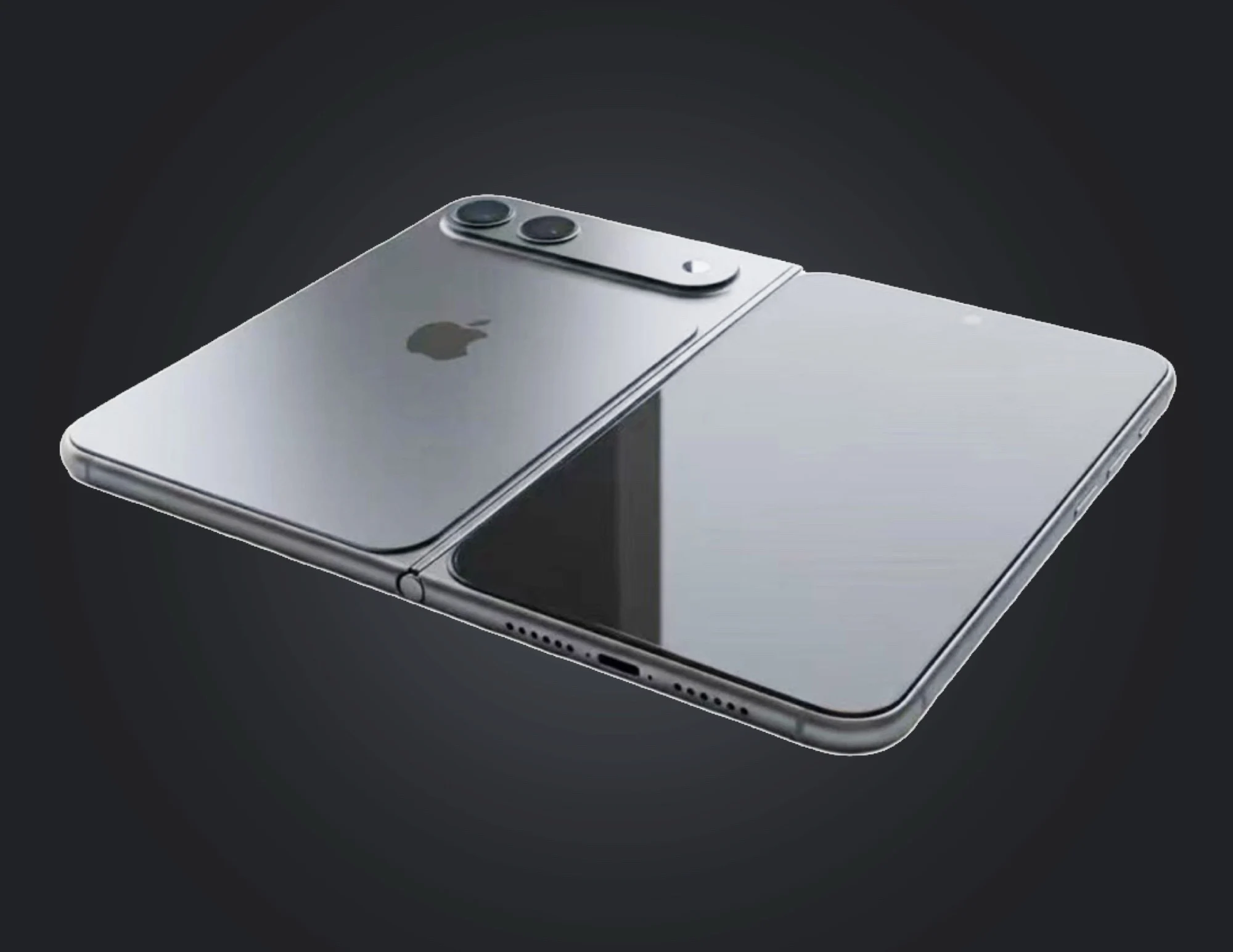
    Several speculations have suggested that the Apple iPhone Fold might come with a rather unique design. Unlike the Samsung Galaxy Z Fold 7 (starting at $1,599 on Amazon), which is about the size of a regular smartphone when closed, Apple is anticipated to have a notably smaller 5.3-inch secondary screen with a broad 3:2 aspect ratio.

    3D Model Creation

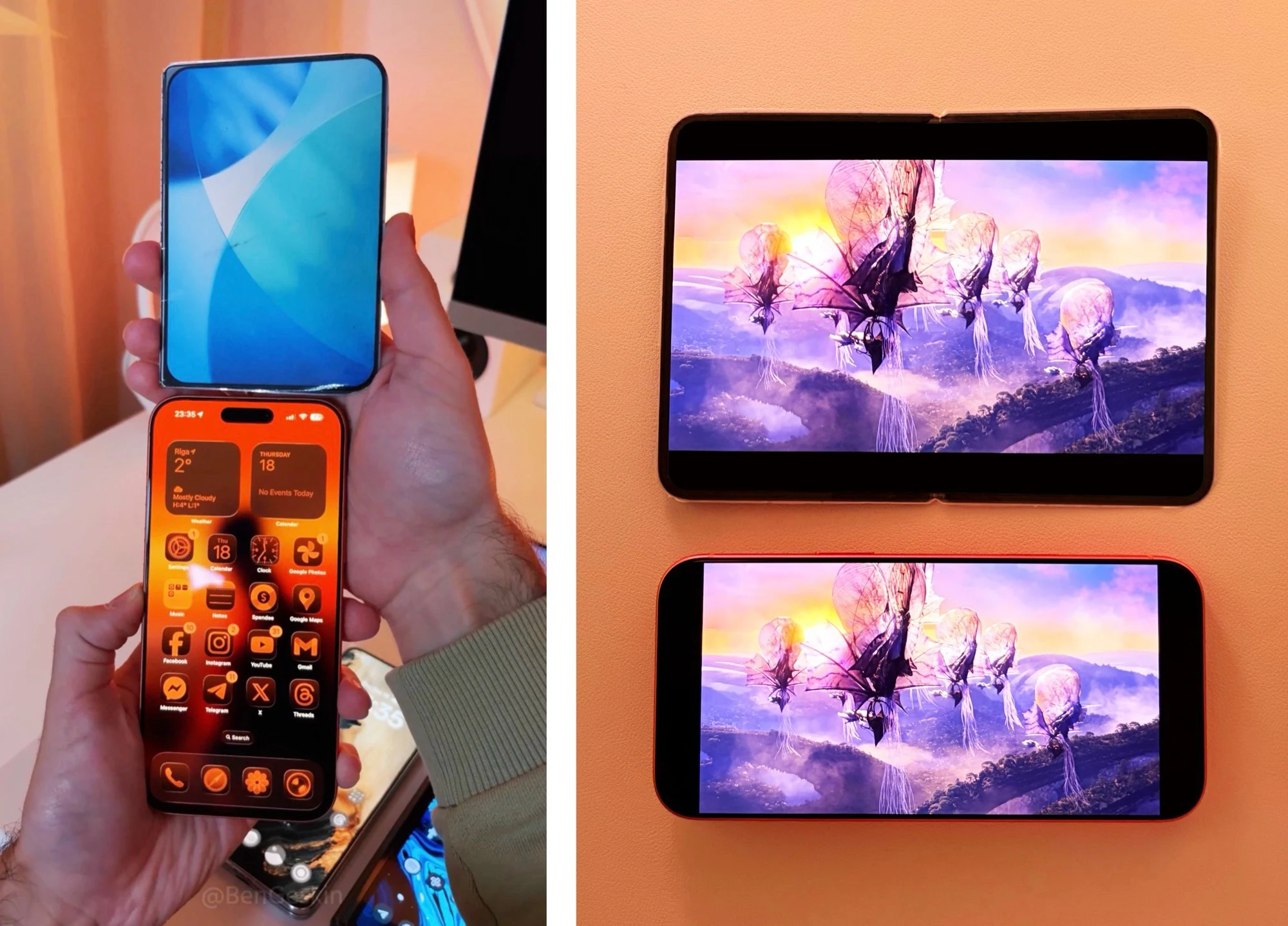
    Ben Geskin has utilized a 3D printer to make a dummy model of the iPhone Fold, featuring a 5.3-inch secondary display alongside a 7.7-inch main screen, just as the latest rumors indicate. A direct comparison with the Apple iPhone 17 Pro Max reveals that the iPhone Fold appears to be a bit wider but also much shorter when it’s folded. From the pictures, it seems challenging to reach all areas of the screen using just one hand.

    User Experience When Unfolded

    When opened, it’s likely that users will need both hands to effectively operate the iPhone Fold. As the comparison illustrates, the unfolded iPhone Fold provides considerably more display space than the iPhone 17 Pro Max. Because of its aspect ratio, the difference in usable area is even larger than what would be expected from a jump from 6.9 inches to 7.7 inches.

    Competing Models

    The Oppo Find N2 is the closest competitor to the iPhone Fold, featuring a 5.54-inch secondary display with an 18:9 aspect ratio and a 7.1-inch main display, but it offers noticeably less screen area when unfolded. On the other hand, the Oppo Find N5 boasts a 6.62-inch secondary display with a 21:9 aspect ratio and an 8.12-inch main display, which aligns more with the current foldable trend and looks quite massive compared to the iPhone Fold dummy.

    The official reveal of the Apple iPhone Fold is predicted to happen in September 2026. As always, it’s best to approach rumors with skepticism until then, as Apple’s intentions could still change.

    Source:
    Link


  • Samsung Galaxy S25 FE Falls Short in DxOMark Camera Test

    Samsung Galaxy S25 FE Falls Short in DxOMark Camera Test

    Key Takeaways

    1. The Samsung Galaxy S25 FE is a budget-friendly alternative to the Galaxy S25+, starting at about $475.
    2. It features a slower Exynos 2400 processor and has reduced camera capabilities to maintain a lower price.
    3. The camera setup includes a 50 MP main camera, a 12 MP ultrawide camera, and an 8 MP telephoto camera but scores low in independent reviews.
    4. Photography performance is limited, with issues in HDR videos, white balance, and noise in images, even in good lighting.
    5. Portrait mode struggles with detail loss and artifacts, leading to recommendations for other mid-range options like Xiaomi and Google Pixel.


    The Samsung Galaxy S25 FE, which starts at about $475 on Amazon, is designed to be a more affordable option than the Galaxy S25+. To achieve this lower price, Samsung has made two major compromises. The phone is equipped with a slower Exynos 2400 processor and features reduced camera capabilities.

    Camera Specifications

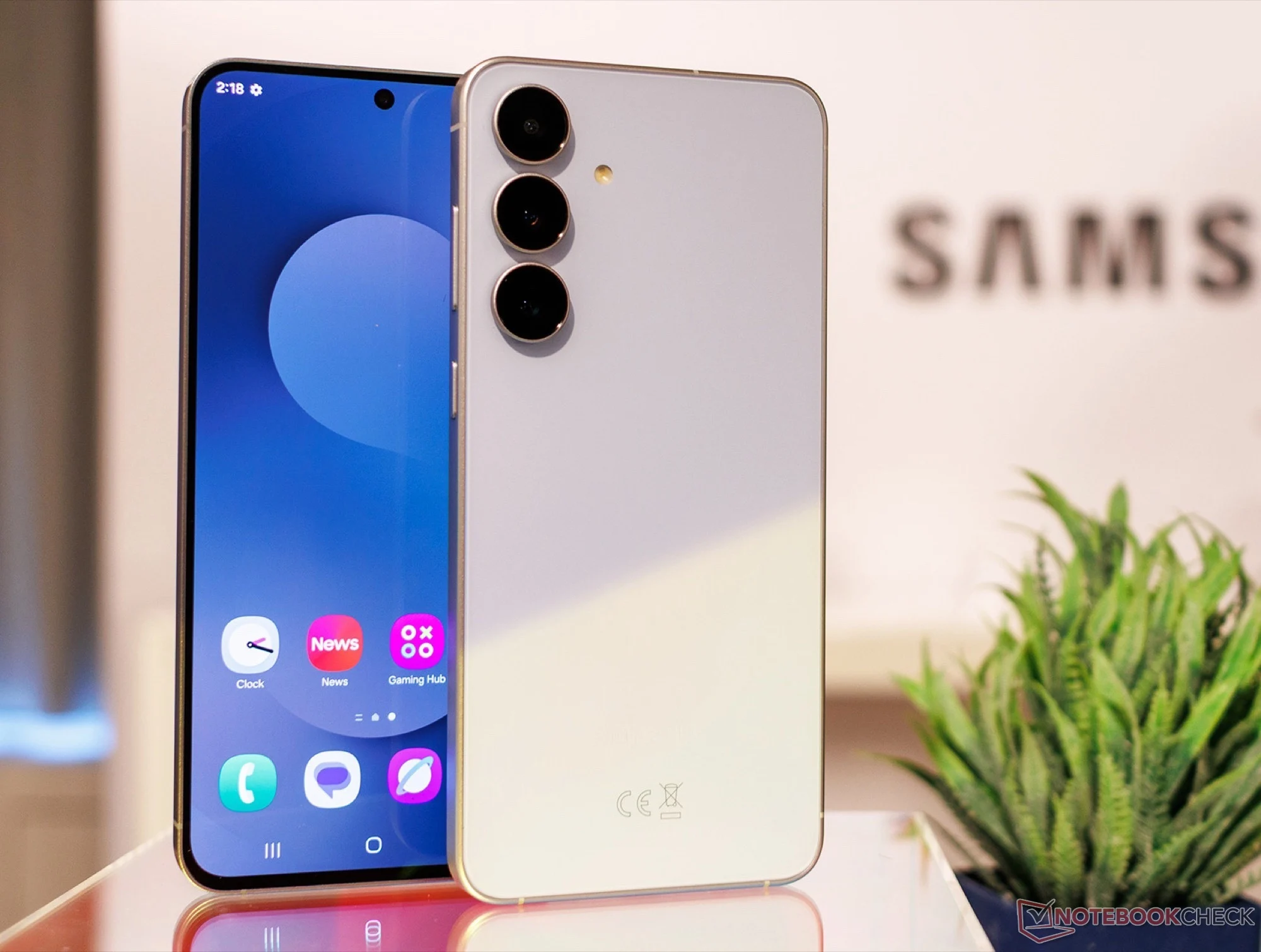
    The Galaxy S25 FE has a main camera with 50 MP and an f/1.8 aperture, paired with a 1/1.57-inch sensor. It also includes a 12 MP f/2.2 ultrawide camera that uses a small 1/3-inch sensor, and an 8 MP f/2.2 telephoto camera, which has an even smaller 1/4.4-inch sensor and offers 3x optical zoom. An in-depth camera review by DxOMark has highlighted the true limitations of this triple-camera arrangement. With a score of 118, the Galaxy S25 FE is ranked 123rd globally, falling behind even the five-year-old Apple iPhone 12 Pro Max (which scored 131 points) and the more affordable Google Pixel 6a (with 122 points).

    Performance in Photography

    While the camera setup does provide mostly correct exposure and color in photos, it fails to impress in almost every other aspect. HDR videos often suffer from underexposure and sometimes show a pink tint, revealing issues with white balance. The small sensors also lead to noisy images and videos, even when shooting in bright daylight.

    Issues with Portrait Mode

    When using portrait mode that simulates bokeh, there was a clear loss of detail throughout the image. Additionally, unwanted artifacts appeared regularly when trying to capture moving subjects. DxOMark suggests that anyone looking for a quality camera system at a mid-range price should consider alternatives like the Xiaomi 15, Google Pixel 10, or Xiaomi 14T instead of opting for the Samsung Galaxy S25 FE.

    Source:
    Link


  • Xiaomi 17 Ultra Front Design and New Color Revealed in Video

    Xiaomi 17 Ultra Front Design and New Color Revealed in Video

    Key Takeaways

    1. Xiaomi is set to launch the high-end camera flagship phone, the Xiaomi 17 Ultra, soon.
    2. The phone features a rounder design with slim bezels, though it’s unclear if they are thinner than the previous model.
    3. An additional color option, a violet shade, brings the total to four color choices, including Starry Green, which will be highlighted at launch.
    4. A hands-on video released by Lu Weibing shows the phone’s front design and stylish color variations.
    5. More official details will be revealed before the launch event scheduled for December 25, 2025, in China.


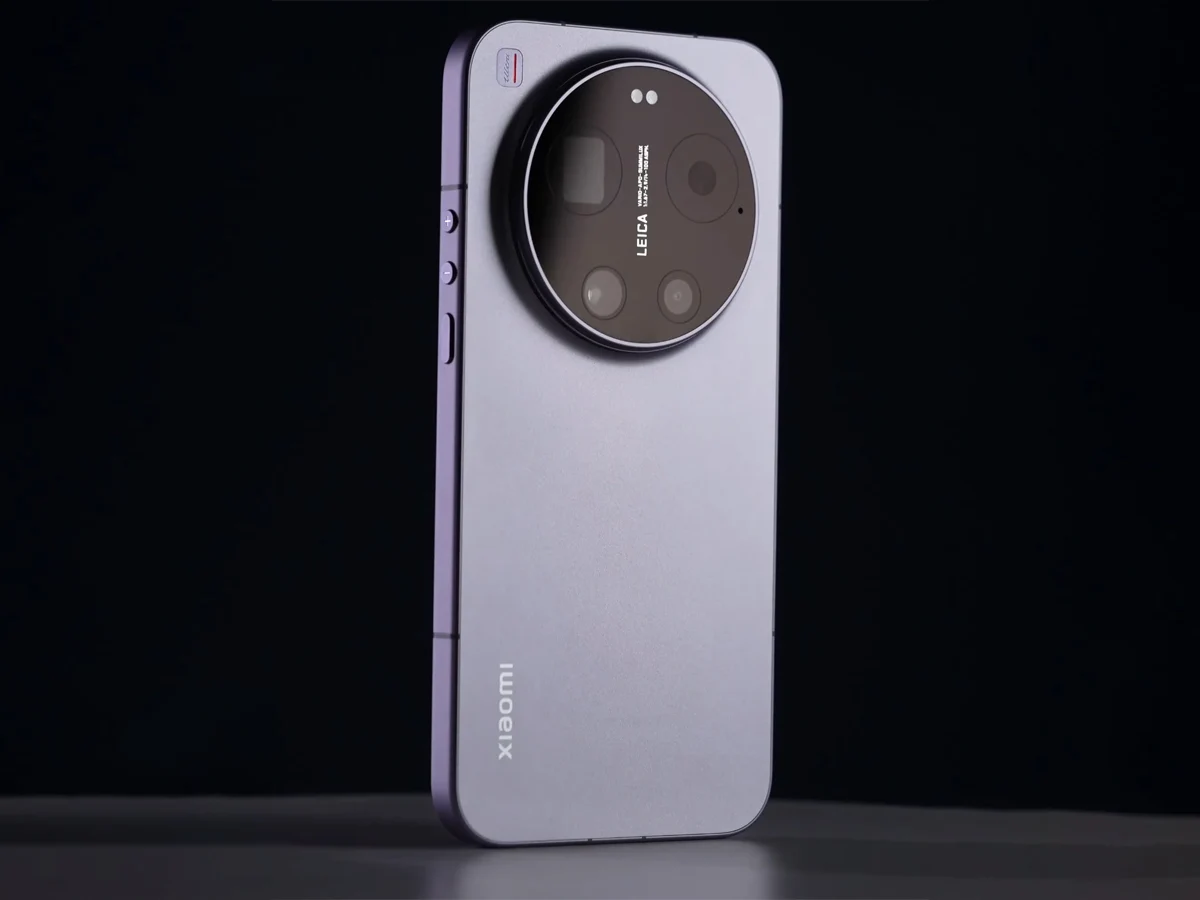
    Xiaomi is preparing to unveil its high-end camera flagship phone, the Xiaomi 17 Ultra, in the near future. Official renders have already provided a sneak peek at the three color options, though the front view was not revealed initially. However, an official hands-on video by Lu Weibing, the company’s president, now offers a brief look at the phone’s front design.

    Design Features

    The video highlights the rounder design of the Xiaomi 17 Ultra, which is more evident from the frontal view. Similar to other models in the series, the bezels are notably slim and consistent on all sides. It remains uncertain if these bezels are thinner compared to those of the previous model (which can be found on TradingShenzhen).

    Color Variations

    In addition to revealing the front of the device, the hands-on video also showcases the various color options that will be available. While Xiaomi had previously displayed three colors, the video introduces an additional color for the first time.

    This unexpected color variant features a violet shade, bringing the total number of color choices for the Xiaomi 17 Ultra to four. Among these, the Starry Green is expected to be the main focus at the launch, and the video demonstrates how its sparkling elements help it stand out.

    Anticipation Builds

    From the real-world images shown in the video, the other three colors also appear quite stylish. More official details regarding the camera flagship are anticipated to be released leading up to the launch event set for December 25, 2025, in China.

    Lu Weibing shared updates on Weibo.

    Source:
    Link


  • OnePlus Turbo Impresses on AnTuTu Without Flagship SoC

    OnePlus Turbo Impresses on AnTuTu Without Flagship SoC

    Key Takeaways

    1. OnePlus is developing a Turbo series smartphone, confirmed to be in progress.
    2. The device will feature the Snapdragon 8s Gen 4 chip, an upper mid-range processor.
    3. The OnePlus Turbo achieved an impressive AnTuTu score of 2,609,327 points with 16 GB RAM and 512 GB storage.
    4. The smartphone will have a 6.78-inch OLED display with a 165 Hz refresh rate and a 9,000 mAh battery with 140 W fast charging.
    5. The OnePlus Turbo is expected to launch in China in January 2026, followed by a global release.


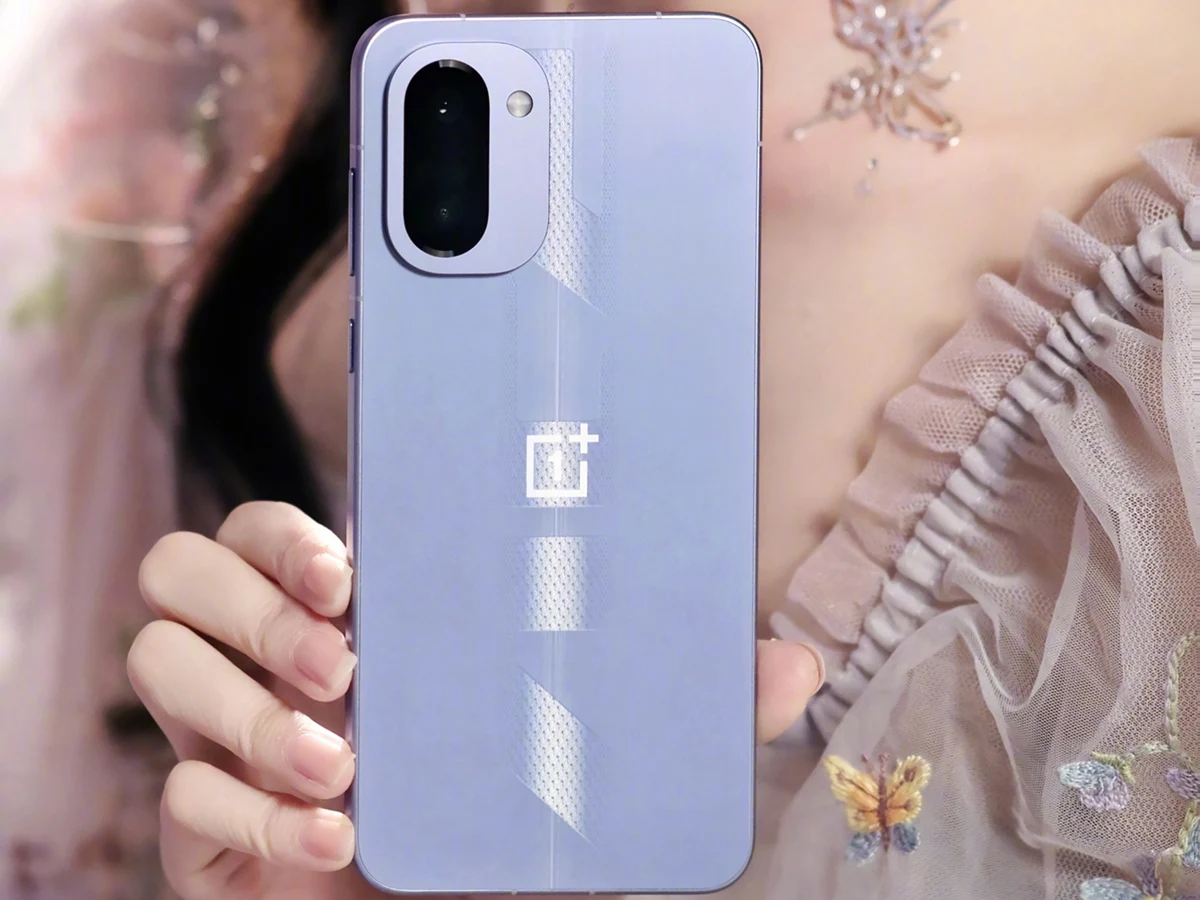
    There have been some news about OnePlus creating a Turbo series smartphone, and the company has now confirmed it is working on this device. The smartphone has been seen on Geekbench, and early reports indicate that it won’t be a high-end model like the OnePlus 15R or 15.

    Geekbench Insights

    The Geekbench results for the upcoming OnePlus Turbo reveal that it will run on the Snapdragon 8s Gen 4 chip. This detail has also been verified by AnTuTu, where a OnePlus device with the model number PLU110 was recently identified.

    The Snapdragon 8s Gen 4 is considered an upper mid-range processor, seen as a budget-friendly option compared to the previous Snapdragon 8 Elite. While it offers solid performance overall, it may not be the best fit for a device that’s intended to challenge the soon-to-be-released Redmi Turbo 5 Pro.

    AnTuTu Performance Score

    Looking at the AnTuTu benchmark details, shared by the official account, the OnePlus PLU110, which has 16 GB of RAM and 512 GB of storage, achieved an impressive overall score of 2,609,327 points. This is quite a remarkable achievement for a smartphone equipped with the Snapdragon 8s Gen 4 chip.

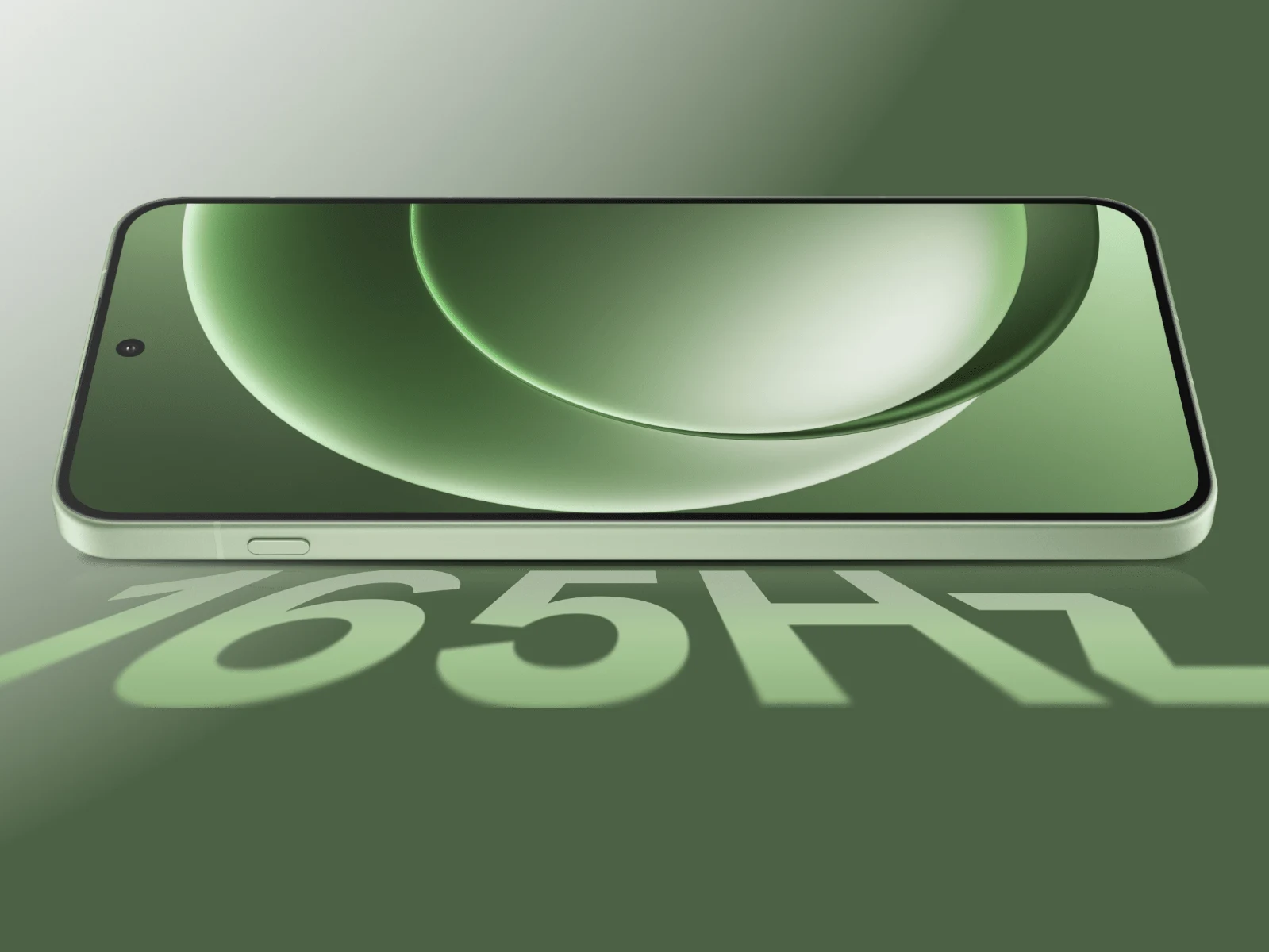
    Recent leaks also indicate that the OnePlus Turbo will feature a 6.78-inch OLED screen with a refresh rate of 165 Hz, and it will include a large 9,000 mAh battery with fast charging capabilities (140 W Anker charger curr. $64.99 on Amazon), along with a metal mid-frame. The phone is expected to launch in China in January 2026, and it is said to make its global appearance shortly after.

    Source:
    Link


  • Pixel Duo Smartphone: Dual Front Displays with E-Ink Panel

    Pixel Duo Smartphone: Dual Front Displays with E-Ink Panel

    Key Takeaways

    1. IPS and OLED screens provide smooth video playback, bright colors, and high contrast, while e-ink displays are energy-efficient and easier on the eyes.
    2. The Pixel Duo concept smartphone features a 3.5-inch IPS display and a 5.2-inch e-ink display, combining both technologies in one device.
    3. The e-ink display is ideal for reading e-books, even though it only shows content in grayscale.
    4. The dual-screen setup allows users to run multiple applications simultaneously, enhancing the overall user experience.
    5. The Pixel Duo is designed for long battery life, as most apps will operate on the e-ink display, but it is currently only a concept with no plans for commercial release.


    An IPS panel or OLED screen, like the one found on the Apple iPhone 17, offers smooth video playback and animations, bright colors, and a very high level of contrast. However, e-ink displays are much more energy-efficient and gentler on the eyes, which is why they are mainly used in e-book readers.

    Combining Display Technologies

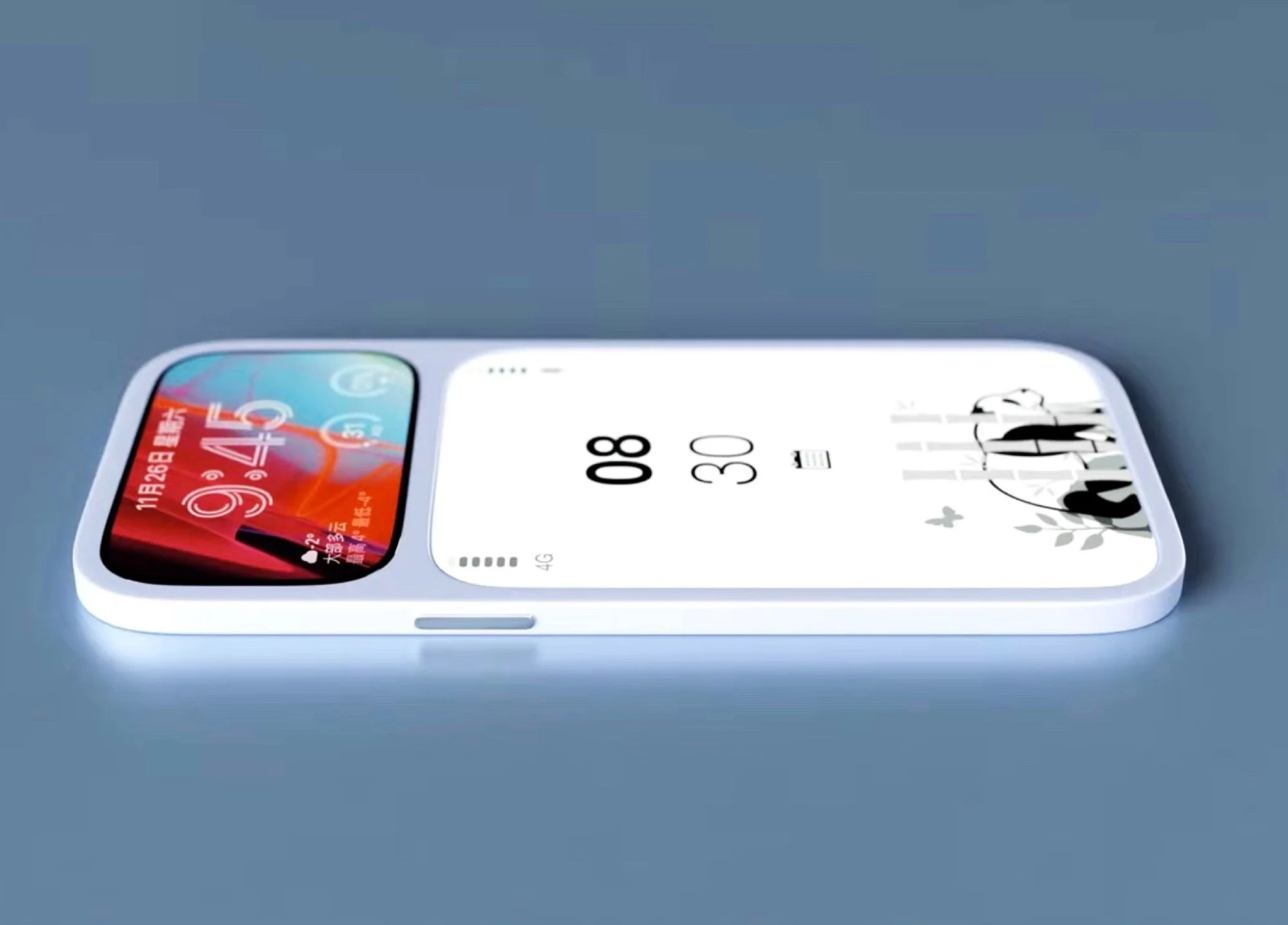
    The Pixel Duo concept smartphone illustrates how both types of displays can be integrated into a single device. At the top portion of the front, there is a 3.5-inch IPS screen with a resolution of 1280 x 800 pixels and a refresh rate of 120Hz. Below this is a 5.2-inch e-ink display, featuring a resolution of 1300 x 838 pixels and a pixel density of 300 PPI. Although this e-ink screen can only show content in grayscale, it is considered ideal for reading e-books.

    Enhanced User Experience

    On the other hand, the LCD display provides a smoother experience for watching videos, utilizing the rear camera, or browsing the internet, even though the screen size is relatively small. This dual-screen setup aims to allow users to run multiple applications at the same time. For instance, music controls could be visible on the IPS screen while a book is displayed below.

    The LCD is also capable of showing the time and various widgets. Since most apps will run on the larger e-ink display, the Pixel Duo is expected to have a very long battery life. As of now, this device remains a concept smartphone with no plans for its commercial release.

    Source:
    Link


  • Samsung Galaxy Fold to Feature 25W Wireless Charging Like S26 Ultra

    Samsung Galaxy Fold to Feature 25W Wireless Charging Like S26 Ultra

    Key Takeaways

    1. Samsung plans to launch a Galaxy Z Fold Wide model in 2026, mimicking Apple’s upcoming foldable iPhone design.
    2. The new Z Fold model will feature a 7.6-inch inner display with a 4:3 aspect ratio and a wider 5.4-inch outer screen.
    3. Both Samsung and Apple will support 25W wireless charging in their new foldable devices, enhancing charging speed.
    4. Samsung’s design decision aligns with trends seen in other devices like the Pixel Fold and Oppo Find N.
    5. The launch of Samsung’s Z Fold Wide is expected to coincide with Apple’s foldable iPhone release in the fall of 2026.


    Samsung is reportedly set to imitate Apple as it gears up to unveil a Galaxy Z Fold Wide model that will support 25W wireless charging in 2026.

    Following Apple’s Lead

    The company plans to mirror Apple closely with a second Z Fold model in 2026 that replicates the aspect ratio and screen size of the first flexible iPhone. Apple is rumored to introduce an iPhone Fold, or some other name, featuring a broader body when closed, enabling it to unfold into a 7.58-inch display. This display will have an aspect ratio that ensures compatibility with countless apps developed for the iPad Pro.

    Expanding the Foldable Lineup

    In a similar vein, Samsung is looking to expand its foldable phone lineup in 2026 with a third model, which will feature a 7.6-inch inner display with a 4:3 aspect ratio and a wide 5.4-inch outer screen. This outer panel will be significantly broader than the one on the forthcoming Galaxy Z Fold 8. The launch is anticipated in the fall, coinciding with Apple’s own foldable iPhone release, which seems to be a strategic move.

    Competitive Features

    Samsung’s return to a wider Z Fold design aligns with those seen in the original Pixel Fold and the Oppo Find N. Interestingly, the first foldable iPhone is expected to come with 25W wireless charging, matching the capabilities of the current iPhone 17 series when paired with a compatible Qi2.2 charger, like the Anker Prime MagSafe 3-in-1 station that is currently discounted by 30% on Amazon.

    In a noteworthy twist, Samsung will also equip its wide Z Fold with the same 25W charging feature, making it the fastest wireless charging it has ever provided in a Galaxy device. Additionally, the premium model in the upcoming Galaxy S26 series, the Ultra, will offer 25W wireless charging, matching the iPhone 17 Pro’s speed.

    In summary, Samsung is determined to provide direct competition to Apple in all its 2026 iPhone ventures, despite the fact that a nearly square 4:3 aspect ratio might seem less logical for a Galaxy compared to an Apple foldable.

    Source:
    Link


  • Huawei Nova 15 Ultra: Dual-Ring Design and 120Hz OLED Display

    Huawei Nova 15 Ultra: Dual-Ring Design and 120Hz OLED Display

    Key Takeaways

    1. Huawei launched the Nova 15 series in China, consisting of three models: Nova 15, Nova 15 Pro, and Nova 15 Ultra.
    2. The Nova 15 Ultra features a unique dual-ring design and a triple rear camera system, including three 50 MP lenses.
    3. It is powered by the Kirin 9010S chipset, offering an 18% performance boost and has a 6.84-inch LTPO OLED display with a resolution of 2856 x 1320 and peak brightness of 4,000 nits.
    4. The device includes a 6,500 mAh battery with 100 W wired and 50 W wireless charging, along with features like satellite connectivity and IP68/IP69 waterproof ratings.
    5. The Nova 15 Ultra starts at CNY 2,999 ($596) for the base model, with higher storage options available, and pre-orders are currently open in China.


    Huawei has introduced its latest Nova 15 series smartphones in China. This new lineup focuses on mid-range devices and includes three models: the Nova 15, Nova 15 Pro, and Nova 15 Ultra. The Nova 15 Ultra stands out with significant improvements in design, chipset, battery life, and camera capabilities.

    Design and Camera Features

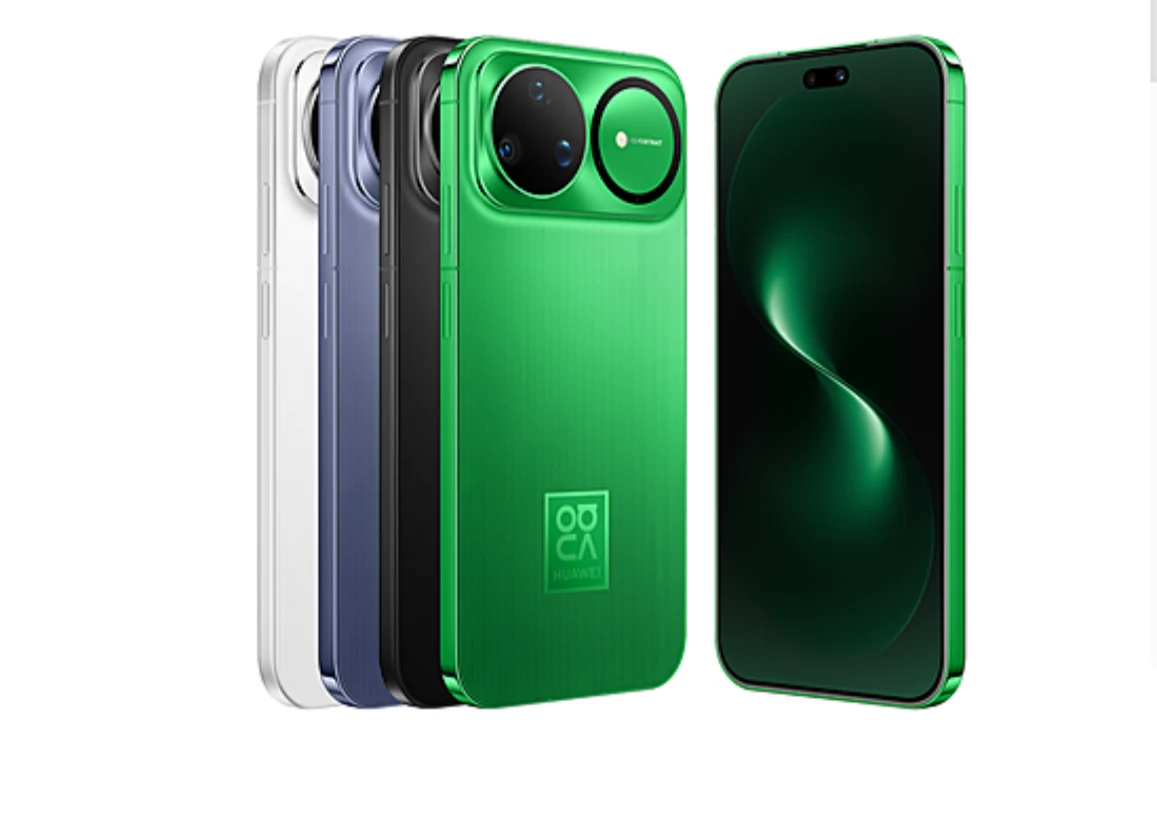
    The design of the 15 Ultra features a fresh dual-ring aesthetic. In terms of photography, it boasts a triple rear camera system, which includes a primary lens of 50 MP with OIS, a 50 MP telephoto periscope lens offering 3.7x optical zoom, and a 50 MP ultrawide lens that has a 118° field of view. On the front, it carries a pill-shaped 50 MP selfie camera along with a 1.5 MP multispectral sensor for added functionality.

    Performance and Display

    Powering the Nova 15 Ultra is Huawei’s own Kirin 9010S chipset, which claims to provide an 18% performance increase compared to the previous Kirin 8020 chipset. The device features a 6.84-inch LTPO OLED display with a resolution of 2856 x 1320, achieving peak brightness of 4,000 nits and a refresh rate that ranges from 1 to 120 Hz. Additionally, it is equipped with Kunlun glass for enhanced protection against falls and scratches.

    Battery and Pricing

    The unit is sustained by a 6,500 mAh silicon carbon battery that supports wired charging at 100 W (the Anker 160 W Prime GaN charger is currently listed at $107.49 on Amazon) and 50 W for wireless charging. Additional features include satellite connectivity, stereo speakers, a side-mounted fingerprint scanner, Harmony OS 6.0, and impressive waterproof ratings of IP68 and IP69.

    Offered in colors like purple, vibrant green, white, and phantom night black, the Huawei Nova 15 Ultra begins at CNY 2,999 ($596) for the base model with 256 GB of storage. The 512 GB and 1 TB versions are available at CNY 4,499 ($639) and CNY 4,999 ($710), respectively. Pre-orders are now open via Vmall in China, but there is no information regarding international availability at this time.

    Source:
    Link


  • OnePlus Turbo Early Benchmarks: 16GB RAM, 165Hz OLED Display

    OnePlus Turbo Early Benchmarks: 16GB RAM, 165Hz OLED Display

    Key Takeaways

    1. The OnePlus Turbo is expected to feature 16 GB of RAM and the Qualcomm Snapdragon 8s Gen 4 processor.
    2. The Snapdragon 8s Gen 4 includes a high-performance ARM Cortex-X4 core and seven Cortex-A720 cores, providing strong performance metrics.
    3. The OnePlus Turbo’s Geekbench scores are on par with the Poco F7 but slightly lower than the Nothing Phone (3) by about 3%.
    4. The OnePlus Turbo is positioned below the newer OnePlus 15R but comparable to the older OnePlus 13R.
    5. The launch of the OnePlus Turbo is anticipated next month in China, featuring a 165 Hz OLED screen and a nearly 9,000 mAh battery.


    Although the retail name of the device hasn’t been confirmed by Geekbench, the PLU110 is thought to be the upcoming OnePlus Turbo. The listings suggest that the OnePlus Turbo is equipped with 16 GB of RAM and features Qualcomm’s latest Snapdragon 8s Gen 4 processor. This chipset is also found in the Nothing Phone (3) and the Poco F7, which is currently priced at $529.99 on Amazon. The Snapdragon 8s Gen 4 includes a single ARM Cortex-X4 core running at a speed of 3.2 GHz.

    Performance Breakdown

    The Snapdragon 8s Gen 4 is further supported by seven Cortex-A720 cores arranged in three clusters: one cluster with three cores and two clusters with two cores each, operating at frequencies of up to 3 GHz, 2.8 GHz, and 2.0 GHz. This configuration allows the OnePlus Turbo to deliver performance that is on par with the Poco F7, achieving Geekbench 6.5 scores averaging 2,143 and 6,883. However, the unreleased OnePlus model does fall short by about 3% compared to the Nothing Phone (3) in both test results.

    Market Positioning

    Due to these performance metrics, the OnePlus Turbo is notably behind the newer OnePlus 15R but stands equally with the older OnePlus 13R. Presently, it is anticipated that OnePlus will unveil its first Turbo smartphone next month in China, featuring a 165 Hz OLED screen and a battery capacity close to 9,000 mAh. As of now, there are no updates regarding its availability outside of China.

    Geekbench through Abhishek Yadav.

    Source:
    Link