Category: Phones

Stay updated with the latest phone news, reviews, and trends. Discover cutting-edge smartphones, features, and innovations in our Phones category at GizNewsDaily

  • iPhone Prices May Surge 3.5x Due to New Tariffs

    iPhone Prices May Surge 3.5x Due to New Tariffs

    Key Takeaways

    1. Economic sanctions by the U.S. may lead to severe backlash and a potential “self-inflicted Economic Armageddon.”
    2. Consumer buying power is expected to decline, with prices of premium smartphones, like the iPhone, potentially rising to $3,500.
    3. Apple’s supply chain may face cost increases of 40% to 50%, contributing to higher product prices.
    4. Rumors of a design overhaul for the iPhone 17 Pro series may not ease pricing concerns.
    5. The current price for the 256GB iPhone 16 Pro Max is $1,149.99 on Amazon.


    The economic sanctions recently enacted by the current U.S. administration have sparked significant backlash from trade analysts, including those at Wedbush Securities. They suggest that these measures could result in a “self-inflicted Economic Armageddon.”

    Consumer Impact

    If this scenario unfolds, it will probably be seen through a notable decline in consumer buying power, as prices for commonly sought-after items, such as new premium smartphones, are expected to rise. Wedbush estimates that an iPhone, which previously retailed for $1,000, could jump to as high as $3,500 once the tariffs are implemented.

    Supply Chain Issues

    This dramatic price surge is believed to be tied to the effects on Apple’s supply chain, which may experience cost increases of 40% or even 50%.

    Upcoming iPhone Updates

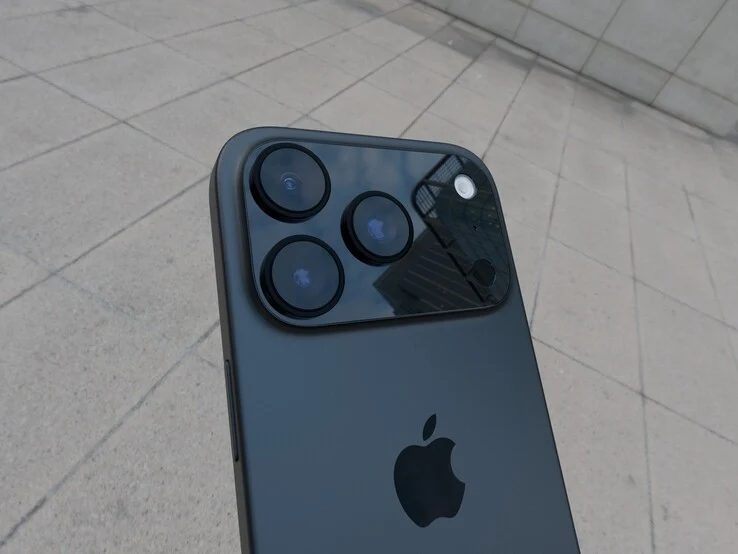
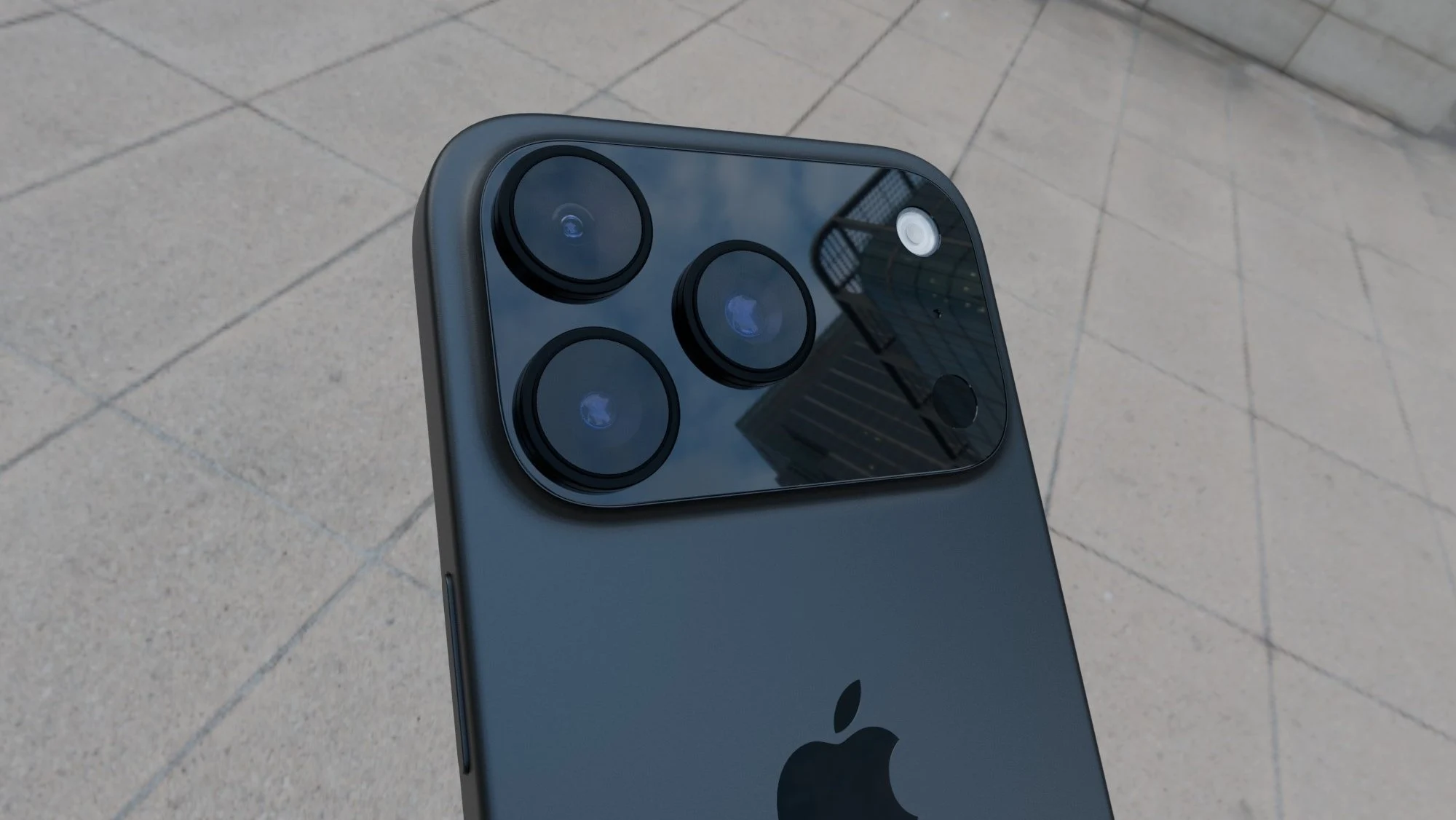
    If the rumors about the iPhone 17 Pro series receiving a design overhaul turn out to be true, it may not alleviate the situation. The anticipated new camera design, which is speculated to blend elements from both the 16 Pro Max and the Pixel 9 Pro XL, has recently surfaced via a leaked image.

    Source:
    Link


  • Samsung Galaxy S26 Ultra Rumors: 200MP Camera, Qi2, S-Pen Updates

    Samsung Galaxy S26 Ultra Rumors: 200MP Camera, Qi2, S-Pen Updates

    Key Takeaways

    1. The Samsung Galaxy S26 Ultra may reintroduce a variable aperture feature from the Galaxy S9 series.
    2. Conflicting reports exist about the camera setup, including the possibility of two 200-megapixel sensors or periscope lenses, though these ideas seem unlikely.
    3. The S-Pen might be phased out in future Galaxy S flagship models, but the Galaxy S26 Ultra is expected to still include it.
    4. Samsung may upgrade its camera sensor with improved pixel structures and enhanced optics, potentially using a single 200-megapixel sensor.
    5. There is a chance that an Exynos processor could return for the Galaxy S26 series, but only for specific regions and models.


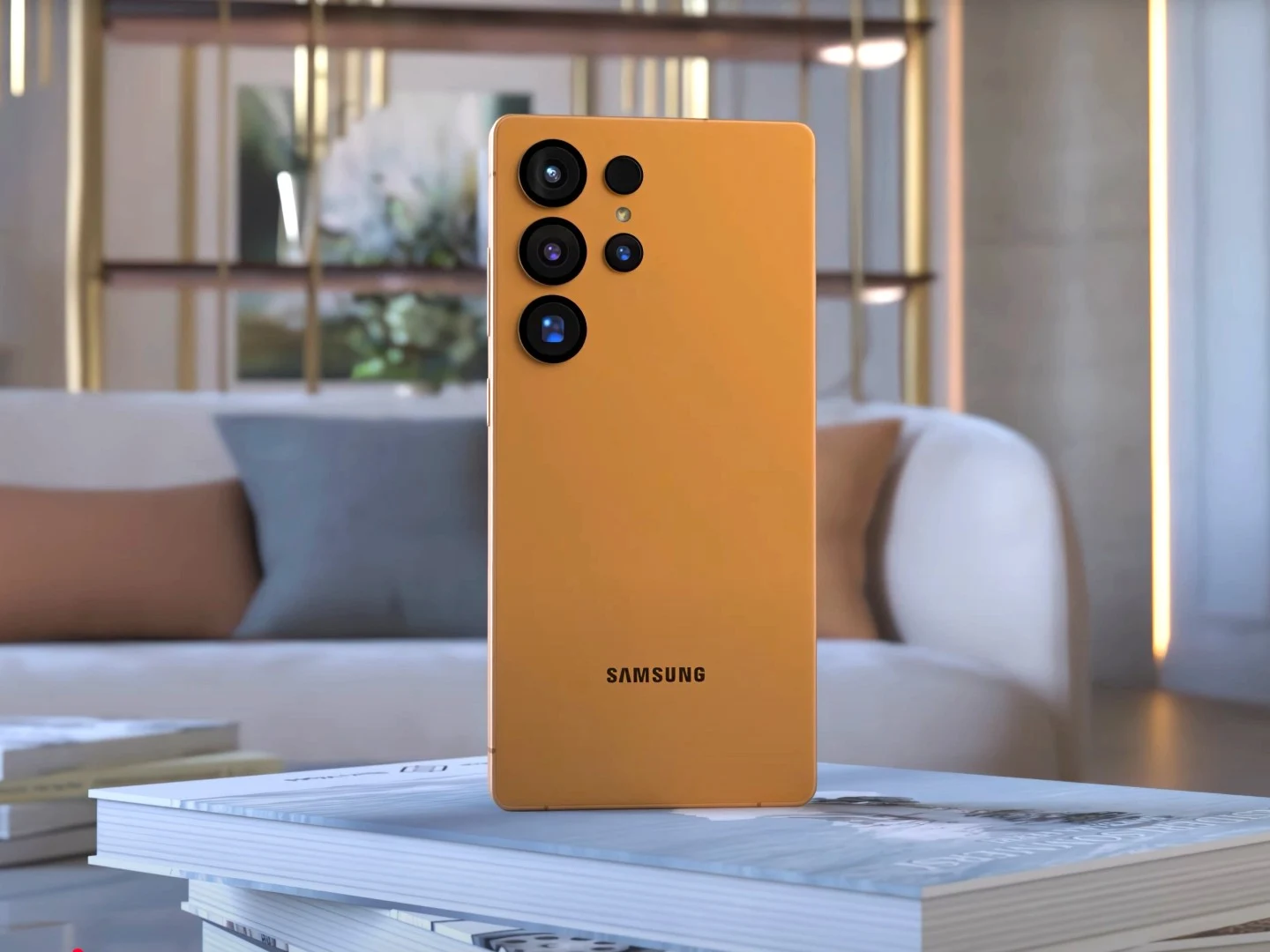
    There have been some really crazy speculations regarding the upcoming Samsung Galaxy S26 Ultra, which is slated to be revealed in January 2026. One intriguing rumor suggests the possible reintroduction of a feature that harks back to the Galaxy S9 series—specifically, a main camera that has a variable aperture. Additionally, there are conflicting reports concerning the use of two 200-megapixel sensors or two periscope telephoto lenses, although these ideas seem quite unlikely. Still, we can’t completely dismiss these outlandish claims at this point.

    X User Insights

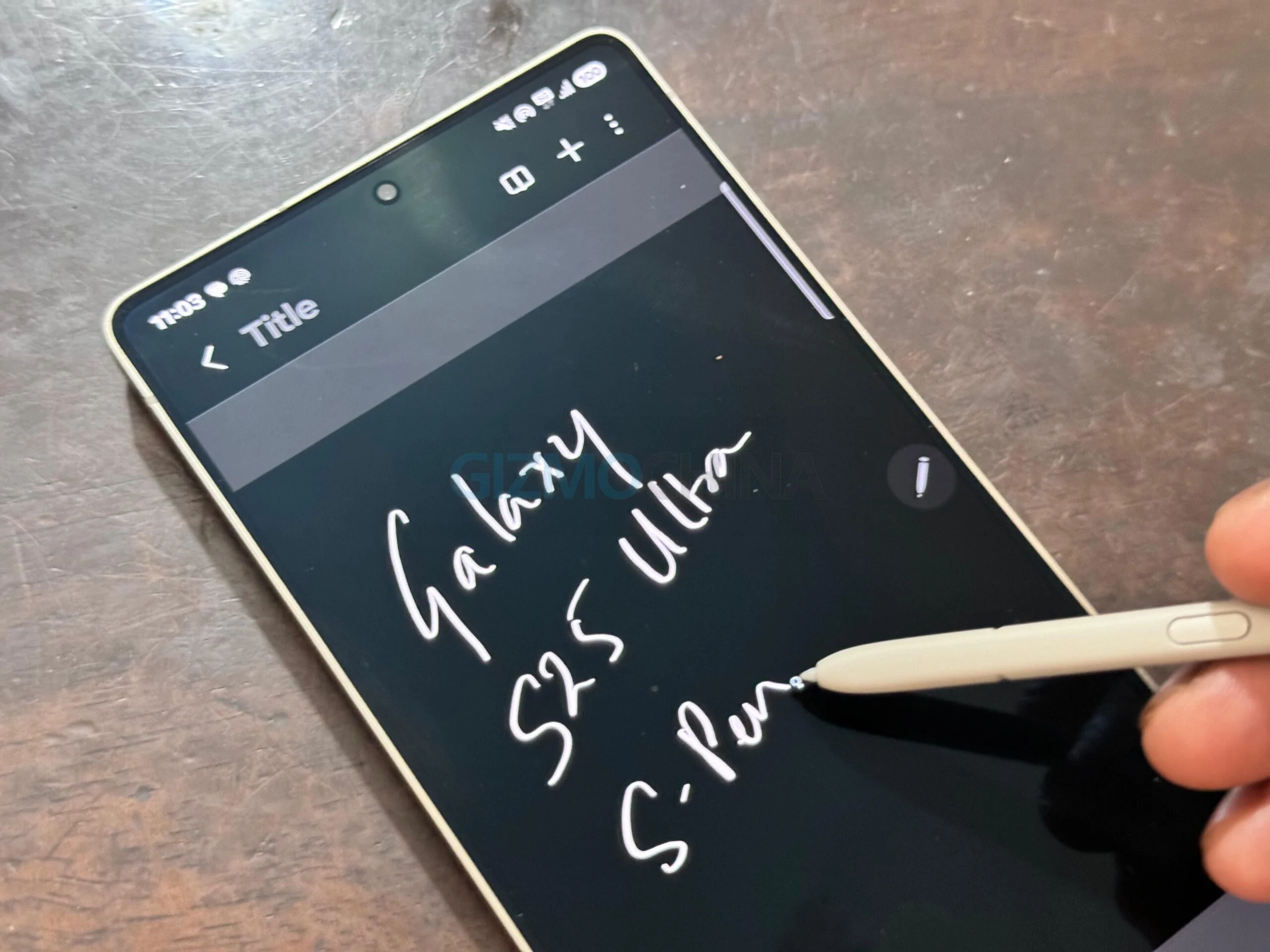
    In recent days, user @PandaFlashPro on X has also made some claims that sound somewhat credible. However, it’s unclear if his sources are reliable. He mentioned that Samsung is likely to phase out the S-Pen in future Galaxy S flagship models to make room for additional components. This move does seem logical, considering that the S-Pen in the Galaxy S25 has already been simplified and no longer includes Bluetooth features.

    Future of the S-Pen

    Nevertheless, the leaker quickly clarified that the Galaxy S26 Ultra is expected to still include the S-Pen, which raises the question of whether the new device will lack the magnets necessary for full Qi2 compatibility. This means that Samsung enthusiasts may still need to invest in a case with magnets if they want to use magnetic accessories with their device.

    Since the launch of the Galaxy S23 Ultra, Samsung has regularly utilized its own 200-megapixel ISOCELL HP2 sensor. The company typically unveils a sensor upgrade every three years, which could be due again with the Galaxy S26 Ultra. While the leaker mentions that early prototypes do not show a larger sensor, there may be some improvements in camera functionality and optics.

    Camera Specifications

    To be specific, reports indicate that two prototypes are fitted with a 1/1.3-inch sensor, identical in size to the ISOCELL HP2 found in the Galaxy S25 Ultra. However, this new sensor is said to feature better pixel structures and enhanced optics, potentially including a variable aperture. The informant also asserts that Samsung has chosen to go with a single 200-megapixel sensor instead of two. Lastly, there’s a possibility that an Exynos processor may return for the Galaxy S26 series, but this would only apply to select regions and model versions.

    Source:
    Link

  • OnePlus 13 Battery Drain Test Shows Poor Efficiency Results

    OnePlus 13 Battery Drain Test Shows Poor Efficiency Results

    Key Takeaways

    1. Battery drain tests revealed the iPhone 16 Pro Max has the longest battery life at 12 hours and 44 minutes, followed by the Vivo X200 Pro and iPhone 16e.
    2. The iPhone 16e is the most efficient device at 6.068mAh/min, while the Vivo X200 Pro leads among Android devices at 8.130mAh/min.
    3. The OnePlus 13 exhibits significant efficiency challenges, being 20% less efficient than Snapdragon 8 Elite competitors.
    4. The OnePlus 13 also suffers from poor thermal performance, reaching the highest temperature of 63.5°C during testing.
    5. OnePlus plans to address these issues with the upcoming OnePlus 13T, which will feature a larger battery and improved heat management.


    Equipping a smartphone with a larger battery is often seen as a sure way to boost its battery life, but the pursuit of bigger batteries may have negatively impacted efficiency. A recent battery drain test has compared various flagship smartphones currently available, shedding light on their efficiency, with the OnePlus 13 not making a favorable impression.

    Testing Process and Results

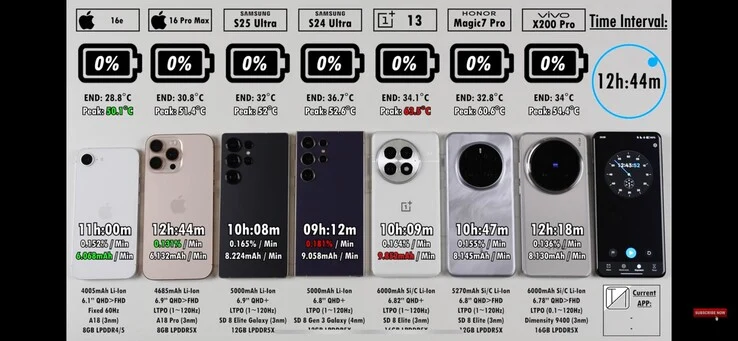
    In an experiment conducted by TechNick, the iPhone 16 Pro Max, Galaxy S25 Ultra, OnePlus 13, Vivo X200 Pro, among other high-end devices, were evaluated, resulting in some intriguing findings. As is typically the case, the iPhone 16 Pro Max exhibited the longest battery life in the group, lasting 12 hours and 44 minutes. The Vivo X200 Pro came in second with 12 hours and 18 minutes, while the iPhone 16e took third place, lasting precisely 11 hours.

    Next in line are the Honor Magic7 Pro, followed by the OnePlus 13, Galaxy S25 Ultra, and Galaxy S24 Ultra, in that sequence. While these results establish a basic understanding of battery performance, the analysis becomes even more compelling when evaluating the battery capacities of these devices.

    Efficiency Insights

    The tested iPhones are clearly leading the race, demonstrating top-tier efficiency on a mAh/min basis. The iPhone 16e stands out as the most efficient, achieving 6.068mAh/min, closely trailed by the iPhone 16 Pro Max at 6.132mAh. This slight difference can likely be attributed to the 16e’s lower resolution and refresh rate display.

    Among the Android devices, the Vivo X200 Pro asserts itself as the most efficient, reaching 8.130mAh/min, showcasing MediaTek’s impressive work with the Dimensity 9400. Following closely are the Snapdragon 8 Elite-driven Honor Magic7 Pro and Galaxy S25 Ultra (buy on Amazon) with 8.145mAh/min and 8.224mAh/min, respectively. Meanwhile, the OnePlus 13 lags far behind at 9.852mAh/min.

    The OnePlus 13’s Challenges

    These findings paint a vivid picture of the OnePlus 13’s efficiency challenges, showing it to be as much as 20% less efficient than its Snapdragon 8 Elite competitors. Moreover, the phone’s thermal performance was the poorest in the group, reaching the highest temperature of any device tested at an alarming 63.5°C. In contrast, the Galaxy S25 Ultra peaked at a much lower 52°C. This isn’t just a fluke either; we observed similar thermal issues with the OnePlus 13 in our internal tests, where inadequate thermals hindered the phone’s long-term performance.

    Fortunately, OnePlus’s upcoming flagship is set to address the shortcomings of the OnePlus 13. The OnePlus 13T has been confirmed for release later this month, featuring a larger battery and improved heat management. If executed correctly, it wouldn’t be shocking to see the 13T debut with the best battery life among current-generation Android flagship devices.

    Source:
    Link


  • Motorola Edge 60 Pro Review: Design, Specs, Camera, Battery & More

    Motorola Edge 60 Pro Review: Design, Specs, Camera, Battery & More

    Key Takeaways

    1. The Motorola Edge 60 Pro features a sleek design with a 6.67-inch OLED display, curved edges, and a faux leather back, maintaining a premium look and feel.

    2. It is powered by the MediaTek Dimensity 8350 SoC, with memory options ranging from 8GB to 16GB of RAM and storage options from 128GB to 1TB.

    3. The device comes with a larger 6,000mAh battery but supports slightly reduced 90W wired charging, allowing for a full charge in under an hour.

    4. The camera setup includes a 50MP main sensor, a 13MP ultrawide lens, and a likely telephoto lens, with a 32MP front camera for selfies.

    5. The Edge 60 Pro will offer a near-stock Android experience with features like Moto Gestures and Peek Display, although pricing and a specific launch date are still pending.


    Motorola is kicking off its yearly refresh of the Edge series with the recent launch of the Edge 60 Fusion. However, there are more devices on the horizon, as two additional models are anticipated to join the lineup: the Edge 60 and the premium Edge 60 Pro.

    Design Overview

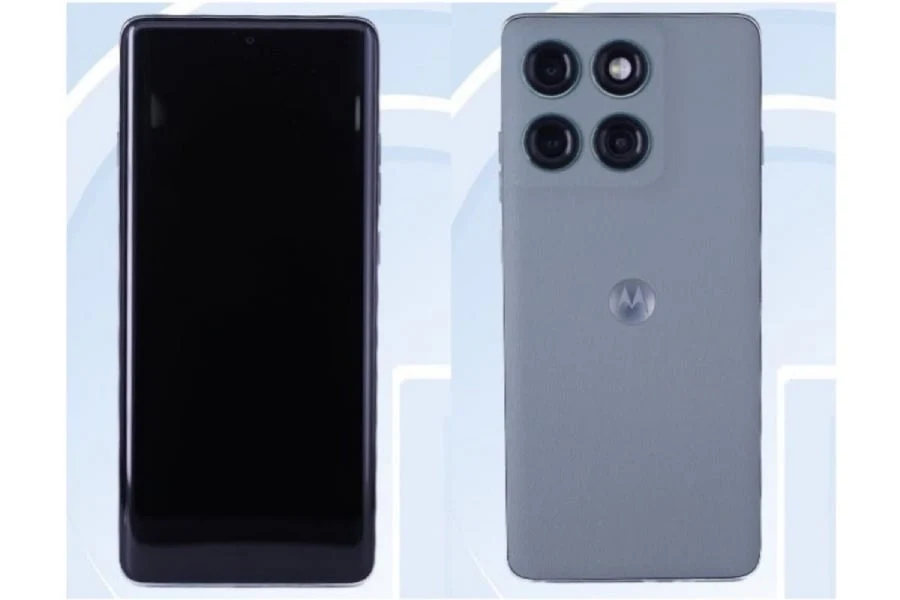
    As expected, the Edge 60 Pro is the flagship of the series. Thanks to a TENAA certification from China, we have a solid idea of what to expect. The design of the Motorola Edge 60 Pro does not stray far from its predecessors. It maintains a faux leather back and features a soft-edged square camera module.

    The front showcases a 6.67-inch OLED display with curved edges, which has become a signature look for the Edge line. This screen offers a sharp 1.5K resolution and includes an under-display fingerprint scanner. It appears modern and luxurious with slim bezels and a centered punch-hole for the selfie camera. The display flows seamlessly into the body, giving the device a sleek feel despite its measurements.

    At a mere 7.25mm thick, the Edge 60 Pro is thinner than the typical Edge 60, which is 7.95mm. Even with a larger battery (more on that later), it tips the scales at a manageable 188 grams, just slightly heavier than the standard model. Interestingly, this Pro version includes an unfamiliar physical button not seen on earlier Motorola devices. Its purpose remains a mystery—could it be a camera shutter or a shortcut to AI features? It seems Motorola is trying something new this time.

    Performance Specs

    Now, let’s discuss performance. The Edge 60 Pro will run on the MediaTek Dimensity 8350 SoC, reaching clock speeds of up to 3.35GHz. Memory configurations will include options of 8GB, 12GB, or 16GB of RAM, with storage capacities of 128GB, 256GB, 512GB, and even 1TB.

    While we don’t have official benchmark scores for the Edge 60 Pro yet, other devices with this chip, like the Oppo Reno 13 5G, score around 1,134,729 on AnTuTu, alongside Geekbench 6 scores of 1324 for single-core and 4073 for multi-core. Overall, you can anticipate smooth everyday use and casual gaming without much hassle. For more details on chip performance, refer to our comprehensive Reno 13 review.

    Battery and Camera Features

    Motorola appears to be making significant strides with the battery in the Edge 60 Pro. It comes equipped with a substantial 6,000mAh battery, which is an increase of 1500mAh compared to its predecessor. However, while the battery life is improving, Motorola has slightly reduced charging speeds. Instead of the 125W fast charging available on the Edge 50 Pro, the Edge 60 Pro will support 90W wired charging. Nevertheless, this should still allow for a full charge in under an hour.

    We can also expect wireless charging to be included, as last year’s model had this feature as well. The camera setup boasts a 50MP main sensor, complemented by a 13MP ultrawide lens, and a third lens which is yet to be confirmed but is likely to be a telephoto shooter with 3x optical zoom. For selfies, there is a 32MP camera on the front.

    Final Thoughts

    Currently, the only missing details are the pricing and software specifics. Although Motorola has not announced a launch date, the TENAA certification typically indicates that a release is near, at least in China. A global or Indian launch may follow shortly after.

    Regarding the software, Motorola has maintained a consistent approach by offering a near-stock Android experience with sensible customizations. Features like Moto Gestures, Peek Display, and selective personalization contribute to a user-friendly Android environment, and we expect the Edge 60 Pro to uphold this legacy.

  • Samsung Phones to Receive 8 Android OS Upgrades to Android 23

    Samsung Phones to Receive 8 Android OS Upgrades to Android 23

    Key Takeaways

    1. Samsung launched the Galaxy S25 smartphone lineup in January, with Enterprise Editions revealed in February.
    2. The standard Galaxy S25 series will receive seven years of Android OS and security updates, while Enterprise Editions will receive eight years of OS updates.
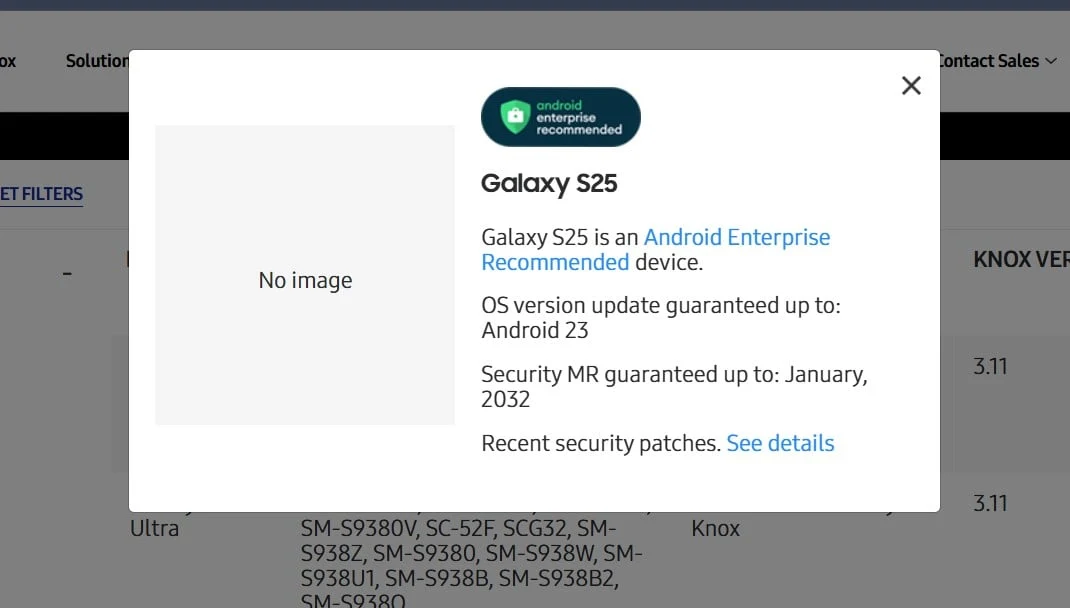
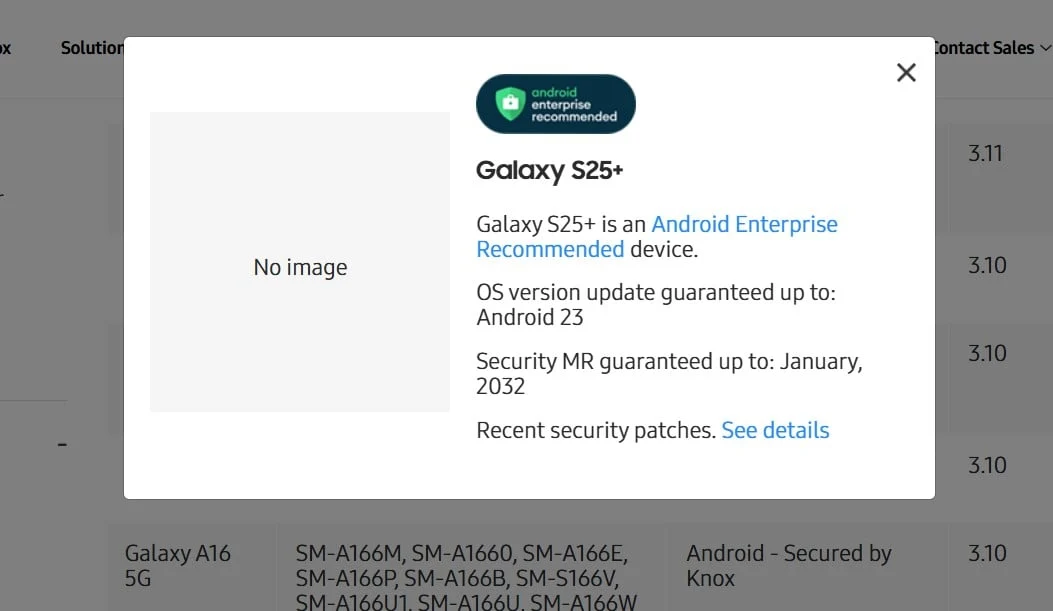
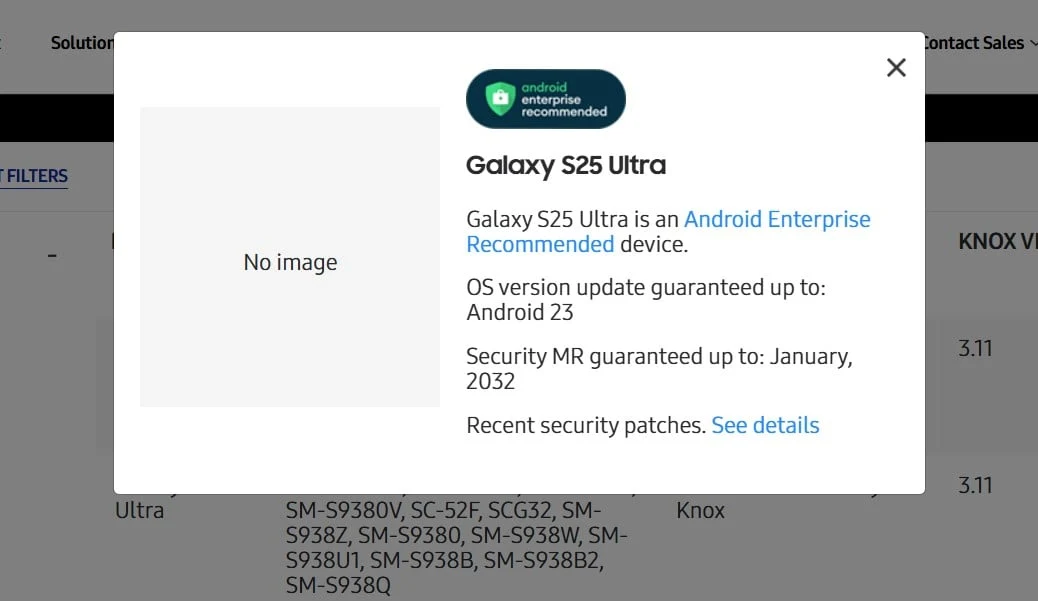
    3. Enterprise Editions are designated as “Android Enterprise Recommended” and will receive security patches until January 2032.
    4. The Enterprise Edition includes a free one-year subscription to Samsung Knox Suite and up to three years of extra business support.
    5. Enhanced features for the Enterprise Edition include AI-driven tools for call transcription, meeting recording transcription, and a Writing Assist tool, with a slightly higher price due to these added benefits.


    In January, Samsung introduced the Galaxy S25 smartphone lineup globally. The South Korean tech company revealed the Enterprise Editions of the Galaxy S25, S25+, and S25 Ultra in February. The standard S25 series will get seven years of Android OS updates and seven years of security updates. As per the official Samsung Knox website, the Enterprise Edition of the Galaxy S25 series will enjoy even longer software support than the regular versions.

    Extended Android Support

    Samsung has officially stated that the Galaxy S25, Galaxy S25+, and Galaxy S25 Ultra Enterprise Editions will receive a total of eight major Android OS updates. These devices come pre-installed with Android 15 and are expected to be updated all the way to Android 23. This is one version more than the standard Galaxy S25 models, which are capped at seven major OS updates, concluding with Android 22.

    Software Lifespan for Businesses

    The extended support for Enterprise Editions isn’t something new—Samsung usually provides longer update periods for its devices aimed at businesses. Besides the OS updates, these models will also get security patches until January 2032. The Knox platform designates these devices as “Android Enterprise Recommended,” highlighting their suitability for long-term use in professional settings.

    Features of the Enterprise Edition

    The Samsung Galaxy S25 series Enterprise Edition distinguishes itself from the standard versions by including a range of business-oriented enhancements. It provides a free one-year subscription to the Samsung Knox Suite for enhanced security and remote device management, along with up to three years of extra business support.

    The Enterprise Edition also features AI-driven tools like call transcription with summaries, meeting recording transcription, and a Writing Assist tool for crafting professional emails. While the hardware stays the same as the regular S25 models, the Enterprise Edition has a slightly increased price, which is justified by its superior security, productivity utilities, and long-term enterprise support.


  • Dimensity 9400 Beats Snapdragon 8 Elite in AnTuTu Rankings

    Dimensity 9400 Beats Snapdragon 8 Elite in AnTuTu Rankings

    Key Takeaways

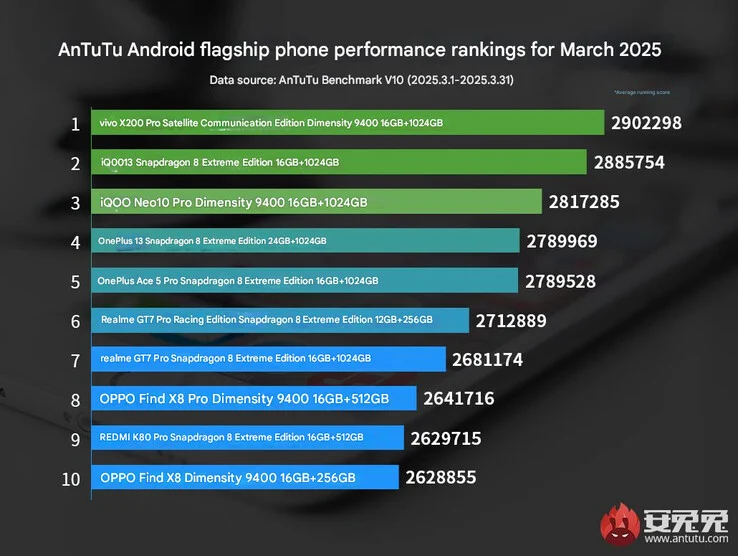
    1. The Vivo X200 Pro Satellite Edition, using the Dimensity 9400, topped the AnTuTu benchmark scores for March 2025 with 2,902,298 points.
    2. The iQOO 13, featuring the Snapdragon 8 Elite, ranked second with an average score of 2,885,754 points.
    3. The iQOO Neo 10 Pro, also with the Dimensity 9400, secured the third position with a score of 2,817,285 points.
    4. Other notable smartphones include the OnePlus 13 and OnePlus Ace 5 Pro, scoring 2,789,969 and 2,789,528 points, respectively.
    5. AnTuTu rankings are based on devices having at least 1,000 valid benchmark tests, and scores may vary month to month due to different testing conditions.


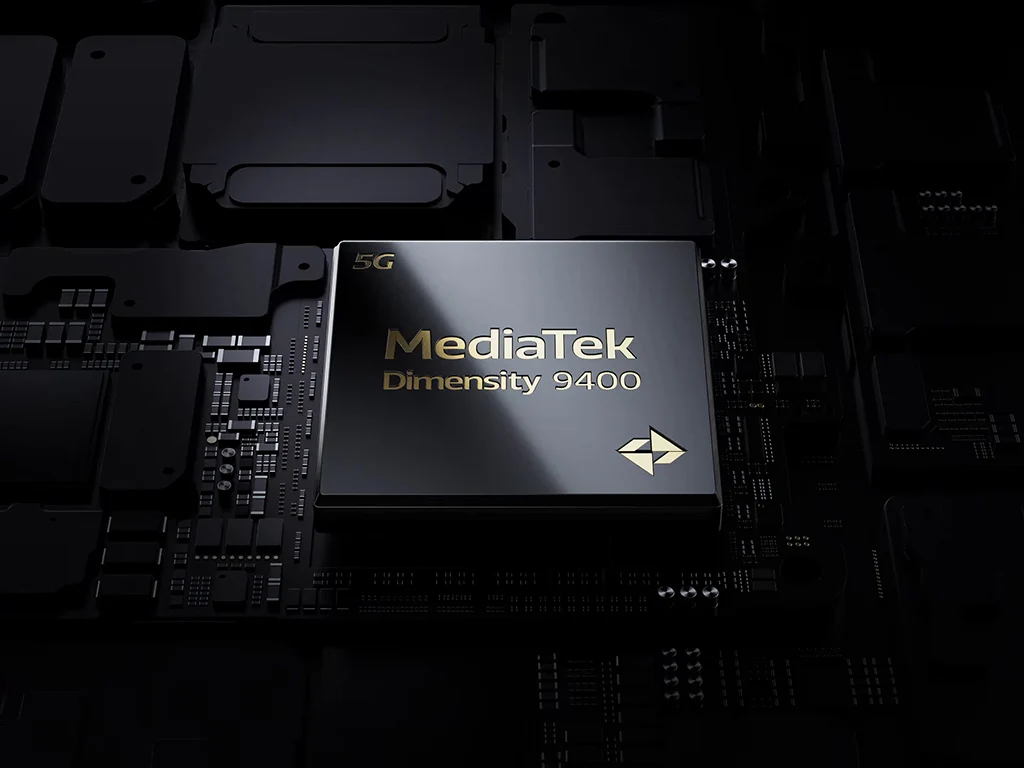
    AnTuTu has revealed the leading 10 smartphones based on their average benchmark scores for March 2025. In the past few months, the Snapdragon 8 Elite was at the top of this list, but before that, the Dimensity 9400 had a strong presence. Now, the latest MediaTek flagship SoC has returned to take the lead, with the Vivo X200 Pro Satellite Edition being the top performer featuring this chip.

    Vivo’s Performance

    The Vivo phone equipped with the Dimensity 9400 achieved an average AnTuTu score of 2,902,298 points in March 2025. Meanwhile, the top-ranking flagship phone with the Snapdragon 8 Elite is not far off. The iQOO 13 ranks second in this performance chart, boasting an average score of 2,885,754 points.

    iQOO Neo 10 Pro and Others

    Taking the third spot is another flagship that uses the Dimensity 9400, the iQOO Neo 10 Pro. It holds this position with a score that is significantly lower than the leading smartphone, averaging 2,817,285 points. Following closely are the OnePlus 13 and OnePlus Ace 5 Pro, which scored 2,789,969 points and 2,789,528 points, respectively.

    Ranking Criteria

    The other smartphones that made it into the latest AnTuTu performance ranking are listed as follows:

    It’s important to remember that AnTuTu compiles these monthly performance charts by taking into account several factors. One key requirement is that the devices must have at least 1,000 valid benchmark tests. This is why not every flagship phone appears in these rankings. Also, it’s worth mentioning that benchmark scores can vary greatly based on different conditions, which is why the rankings of the phones can change month to month.

    Source:
    Link


  • Oppo Reno 14 Pro Render Leaked with Key Specifications

    Oppo Reno 14 Pro Render Leaked with Key Specifications

    Key Takeaways

    1. The Oppo Reno 14 Pro features a new camera layout, moving to a cohesive vertical design instead of the previous triple-camera setup with individual metal rings.
    2. The device will have a flat OLED screen with a 120Hz refresh rate, enhancing practicality for daily tasks.
    3. The camera specifications include a 50MP main sensor with OIS, an 8MP ultrawide camera, and a 50MP periscope telephoto lens with 3.5x optical zoom.
    4. A customizable “Magic Cube” button will replace the Alert Slider, allowing for personalized hardware functionality.
    5. The Reno 14 Pro is expected to launch in China in May, with pricing similar to the previous Reno 13 series, starting around 2,699 Yuan (approximately $370).


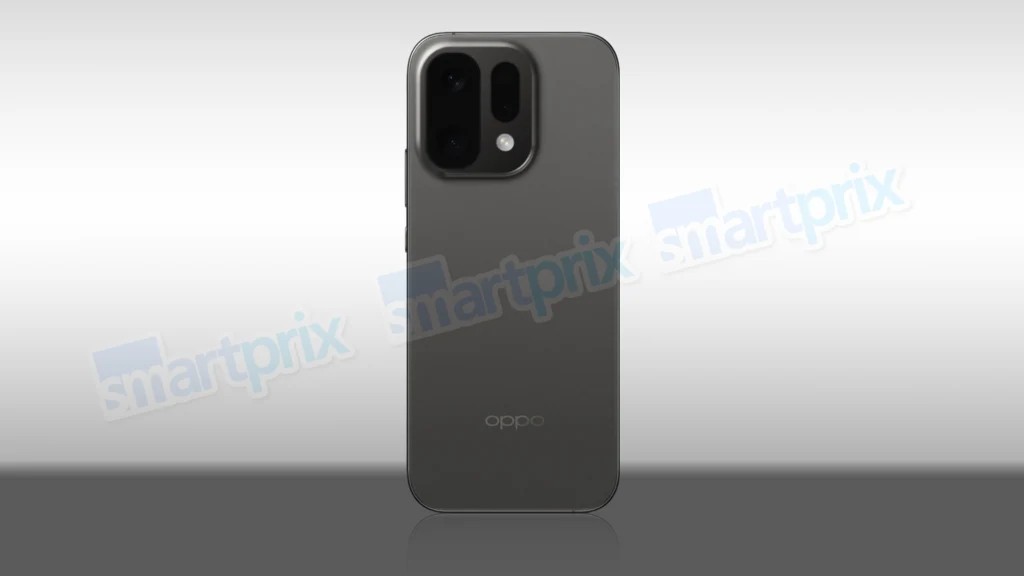
    Oppo is preparing to unveil a fresh design for its mid-tier Reno series. Recent leaked images suggest that the forthcoming Reno 14 Pro focuses on enhancing successful features while introducing some smart improvements. These images, shared exclusively by Smartprix, provide an in-depth first glance at the phone’s new look and its overall more functional design.

    A New Look for the Reno 14 Pro

    One of the most noticeable changes is the revamped camera layout. The Reno 14 Pro moves away from the Reno 13 Pro’s triple-camera setup with individual metal rings around each lens. Instead, it opts for a more cohesive, vertical design. The main and ultrawide cameras are now grouped together in a single module, while the periscope telephoto lens is positioned adjacent to it, just above a simple dot-style LED flash. This update makes the design more streamlined and slightly more upscale.

    Display and Performance Enhancements

    On the front, Oppo is finally abandoning curved displays. The Reno 14 Pro will boast a flat OLED screen that supports a 120Hz refresh rate. This change aligns with trends observed in Oppo’s own Find X8 series as well as the broader Android market. While flat screens may not appear as glamorous in promotional materials, they offer more practicality for daily tasks, particularly for typing, gaming, and minimizing accidental touches.

    The specifications reveal a robust triple-camera arrangement: a 50MP main sensor with Optical Image Stabilization (OIS), an 8MP ultrawide camera, and a 50MP periscope telephoto lens that provides 3.5x optical zoom. Additionally, the device is rumored to include a “Magic Cube” button, which is a customizable physical key that takes the place of the Alert Slider. It is expected to function similarly to Apple’s Action Button and will likely feature in other Oppo models, including the Find X8 Ultra and X8s series, marking a new chapter in customizable hardware for the brand.

    Release and Pricing Information

    The Reno 14 Pro will come pre-installed with Android 15, layered with Oppo’s ColorOS 15. The device is also anticipated to maintain the same glass back, a metal frame, and an IP68/IP69 rating for improved water and dust resistance.

    The Reno 14 series is expected to be launched in China come May, with prices likely mirroring those of the Reno 13 series, which started at 2,699 Yuan (approximately $370) for the entry-level model and 3,299 Yuan (around $455) for the Pro variant.

    Source:
    Link

  • Pixel 10 Series Camera Specs: Upgrades and Downgrades Unveiled

    Pixel 10 Series Camera Specs: Upgrades and Downgrades Unveiled

    Key Takeaways

    1. The standard Pixel 10 will include a telephoto lens, marking a change from previous basic models that only had wide and ultrawide lenses.
    2. The main camera sensor is downgraded from a larger GNV to a smaller Samsung GN8, potentially affecting low-light performance.
    3. The ultrawide sensor is also downgraded, switching from an IMX858 to a Sony IMX712, which may not meet some users’ expectations.
    4. The Pixel 10 Pro and Pro XL will maintain their existing camera hardware, focusing on software improvements for better performance.
    5. Google is creating a larger divide between the standard and Pro models, balancing the introduction of the telephoto lens with compromises in sensor sizes.


    As the official launch of Google’s Pixel 10 series approaches, new leaks are shedding light on the devices in development. A recent report indicates that the standard Pixel 10 will finally come with a telephoto lens, similar to what the Pro models offer. Insider documents accessed by Android Authority reveal the complete camera specs for all models, showcasing a blend of enhancements and sacrifices.

    Changes in Camera Features

    The introduction of a telephoto lens in the Pixel 10 comes with some downsides, such as a reduced main and ultrawide camera. Since the Pixel 6, basic models have only featured wide and ultrawide lenses, whereas Pro models included an extra telephoto lens. The Pixel 10 series changes this pattern, as the standard Pixel 10 will include an 11MP Samsung 3J1 telephoto lens taken from the Pixel 9 Pro Fold.

    Compromises in Specs

    However, there’s a downside: the main sensor is downgraded from the larger GNV (1/1.31″) to the smaller Samsung GN8 (1/1.95″), and the ultrawide sensor switches from an IMX858 (1/2.55″) to a Sony IMX712 (1/3.1″). These are the same sensors found in the Pixel 9a, which might not be great news for some users. Smaller sensors generally struggle with low-light performance, a limitation that Google’s AI and algorithms might only mitigate to a certain extent. The selfie camera remains unchanged from last year, while the rest of the setup feels like a remix of the Pixel 9a with an extra telephoto lens.

    Pro Models Stay Steady

    On the other hand, the Pixel 10 Pro and Pro XL retain their existing camera hardware, relying on the Tensor G5’s custom ISP and new algorithms to achieve improvements. The Pixel 10 Pro Fold sees a minor adjustment, trading the Sony IMX787 (from the Pixel 8a) for the GN8 (used in the Pixel 9a), but this change is hardly newsworthy. Google appears to be creating a larger divide between its standard and Pro versions, a trend that started last year. The camera downgrade in the Pixel 10—where larger sensors are swapped for smaller ones—likely balances out the cost and space of the new telephoto lens. We will find out later this year if this strategy proves beneficial. Even with the smaller main and ultrawide sensors on the basic model, the final image quality may not vary significantly from the Pixel 9, as image processing plays a crucial role and can improve regardless of the sensors used.

    Source:
    Link


  • Future Galaxy S Ultra Phones May Remove S Pen Slot: Reasons Why

    Future Galaxy S Ultra Phones May Remove S Pen Slot: Reasons Why

    Key Takeaways

    1. Samsung may remove the built-in S Pen slot from future Galaxy S Ultra models to free up internal space for other features, although the S Pen itself will remain available.
    2. The Galaxy S26 Ultra is expected to retain the S Pen slot, but changes could begin with the S27 Ultra, requiring users to carry the S Pen separately.
    3. Samsung is facing challenges with packaging costs, which could lead to the S Pen being sold separately rather than included in the box.
    4. The S25 Ultra will not have Bluetooth capability in the S Pen, but a future external version could reintroduce this feature at a higher price.
    5. The information about these changes comes from leaks and should be viewed with caution.


    Samsung might be planning to remove the built-in S Pen slot from its upcoming Galaxy S Ultra models, which is causing some worries among its fans. Although the Galaxy S26 Ultra is likely to keep the S Pen slot, a recent leak indicates that the company is considering a redesign in the future to free up internal space—however, the S Pen itself will not disappear.

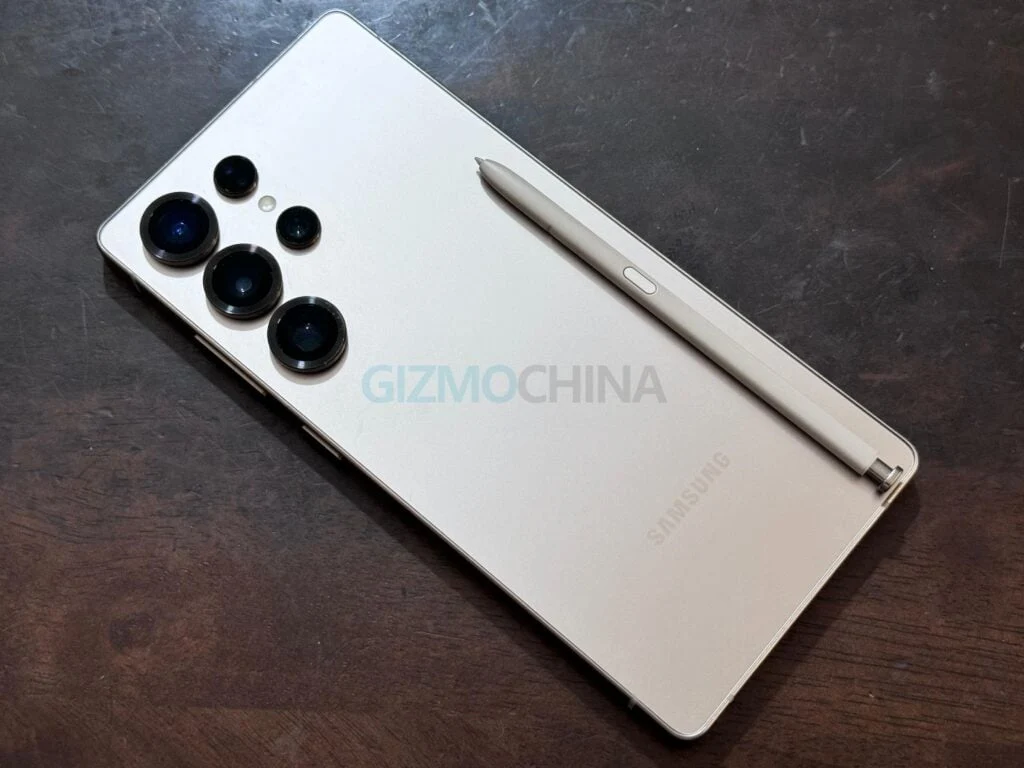
    S Pen in Samsung Galaxy S25 Ultra

    Since the Galaxy Note series ended, the S Pen has become a defining feature of the Ultra line, snugly fitting within the phone’s design. However, that slot takes up valuable space that could be used to increase battery capacity. An X user known as @PandaFlashPro claims that Samsung is weighing this change, possibly starting after the S26 Ultra.

    Will the S Pen Still Come in the Box?

    Samsung is already having troubles with the cost of providing a charging cable in the box. They have recently switched from a 5A cable to a thinner 3A version, which has reportedly caused some issues with compatibility with existing 45W chargers. If the rumor about eliminating the S Pen slot is accurate, it’s likely that the premium stylus will be sold separately. Given the current trends in the industry, this reason seems more plausible than merely needing extra internal space.

    Changes to the S Pen Features

    For the S25 Ultra, Samsung has removed the Bluetooth capability from the S Pen, reportedly because very few users actually utilize it. If the slot is removed, an external S Pen—still compatible—could bring back Bluetooth functionality, but probably at a significant cost.

    The S26 Ultra, which is set to launch next year, should still feature the S Pen slot, while the stylus itself might not have Bluetooth. Starting with the S27 Ultra, users may need to carry the stylus separately, similar to Galaxy Z Fold users. Alternatively, Samsung might sell a case that includes a slot for the S Pen. Nonetheless, this information comes from a leak and should be regarded skeptically.

    Source:
    Link


  • Xiaomi In-House Chipset Specs Leaked: Key Details Inside

    Xiaomi In-House Chipset Specs Leaked: Key Details Inside

    Key Takeaways

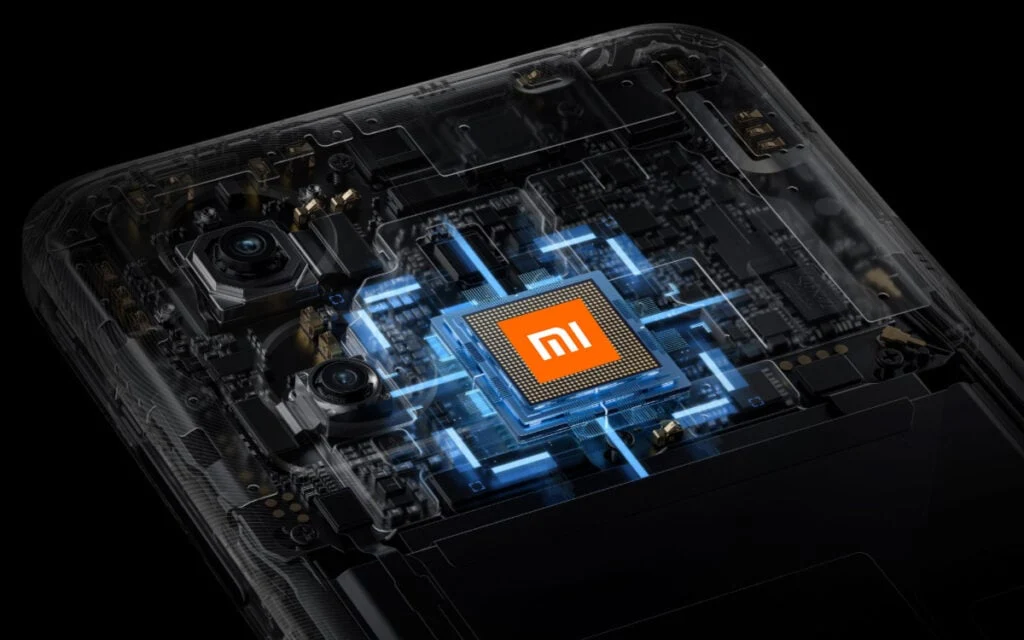
    1. Xiaomi is making a comeback in chip development, focusing on its own System on Chip (SoC) for smartphones.
    2. The new chip will use TSMC’s N4P node, balancing performance and production efficiency rather than adopting a cutting-edge 3nm design.
    3. It features an octa-core CPU with a configuration of 1+3+4, aimed at upper mid-range devices, likely debuting in the Xiaomi 15S in 2025.
    4. The SoC is expected to include an Image Signal Processor (ISP) and may source components like the 5G modem from other companies, reducing reliance on Qualcomm and MediaTek.
    5. Geopolitical factors, particularly U.S. export regulations, could impact Xiaomi’s access to advanced manufacturing techniques and production timelines.


    After previously stepping away from developing chips, Xiaomi is said to be gearing up for a strong comeback in the in-house System on Chip (SoC) arena. Recent leaks have shed light on what might be the company’s next effort in creating its own smartphone processor.

    Chip Design Details

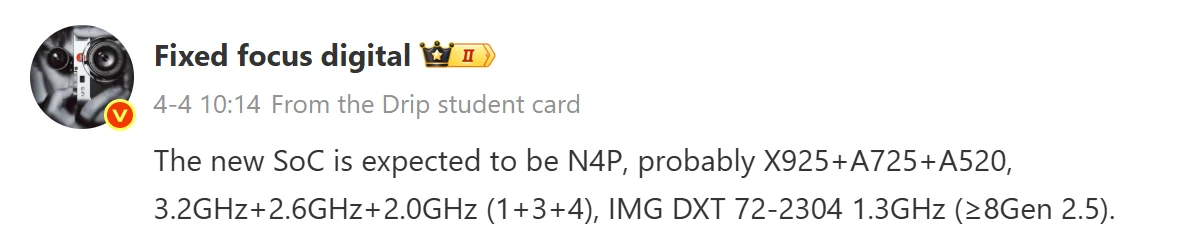
    Contrary to earlier speculations suggesting a cutting-edge 3nm design, tipster Fixed Focus Digital (shared via Jukanlosreve on X) claims that Xiaomi’s first Arm v9-based chip will utilize TSMC’s N4P node instead. This more established and cost-effective process indicates that Xiaomi aims for a balanced strategy, prioritizing both performance and production efficiency as it makes a significant return to chip production.

    CPU and GPU Specs

    The leaked specifications reveal an octa-core CPU arrangement in a 1+3+4 configuration. It includes one high-performance Cortex X925 core operating at 3.2GHz, three Cortex A725 cores clocked at 2.6GHz, and four energy-efficient Cortex A520 cores running at 2.0GHz. While this may not indicate flagship-level performance, it seems well-suited for upper mid-range devices, possibly debuting in the anticipated Xiaomi 15S, expected in 2025.

    On the graphics front, the SoC is reported to incorporate an Imagination Technologies IMG DXT72 GPU running at 1.3GHz. Surprisingly, early projections suggest that it could even surpass the Adreno 740 in the Snapdragon 8 Gen 2, hinting at strong graphics capabilities.

    Integration and Supply Chain

    Xiaomi is also likely to include its own Image Signal Processor (ISP), with other components such as the 5G modem and DSP possibly sourced from MediaTek, Synopsys, or even Huawei, depending on availability and geopolitical considerations.

    Creating an in-house SoC aligns with Xiaomi’s larger goal of minimizing dependence on third-party chipmakers like Qualcomm and MediaTek. This strategy not only provides more control over hardware-software integration but also positions Xiaomi to better navigate supply chain dynamics and manage production costs. However, the geopolitical environment, especially U.S. export regulations, could affect Xiaomi’s ability to access advanced manufacturing techniques, potentially impacting production timelines and capabilities.

    As the expected launch date draws nearer, additional detailed information is anticipated to surface, offering deeper insights into Xiaomi’s strategic direction and the potential influence of its custom SoC on the smartphone market.

    Source:
    Link