Category: Phones

Stay updated with the latest phone news, reviews, and trends. Discover cutting-edge smartphones, features, and innovations in our Phones category at GizNewsDaily

  • Pixel 10 Leak Reveals Exciting New Color Variants

    Pixel 10 Leak Reveals Exciting New Color Variants

    Key Takeaways

    1. The Pixel 10 will be available in four colors: Obsidian, Indigo, Frost, and Limoncello.
    2. The Pixel 10 Pro and Pro XL will come in Obsidian, Porcelain, Moonstone, and Jade.
    3. The Pixel 10 features a larger camera module with a telephoto sensor, a first for non-Pro Pixel models.
    4. Key specifications include a 6.3-inch display with a 120Hz refresh rate, a 4,970mAh battery, and 128GB of storage.
    5. The Pixel 10 will run on a Tensor G5 SoC, which may not match the performance of top models from Qualcomm and MediaTek.


    With the Pixel 10 series set to launch on August 20, new leaks have surfaced that spoil Google’s plans a bit. We (thanks to Android Headlines) can now see the basic Pixel 10 in four different colors. An earlier leak had already hinted at these colors, and now we finally have images to confirm them.

    Color Options

    Google will provide the standard Pixel 10 in Obsidian, Indigo, Frost, and Limoncello shades. In comparison, the Pixel 9 was available in Penoy, Wintergreen, Porcelain, and Obsidian. Only the Obsidian (black) variant remains, but it’s likely that Google will reintroduce some of the Pixel 10 color options in the future. For the Pixel 10 Pro and Pixel 10 Pro XL, they will come in Obsidian, Porcelain, Moonstone, and Jade.

    Camera Features

    The images also reveal a significantly larger camera module, which will include a telephoto sensor. This is the first telephoto sensor to be featured on a non-Pro Pixel phone in recent years. Additional specifications for the Pixel 10 include a 6.3-inch display with a 120Hz refresh rate, a 4,970mAh battery, and 128GB of storage on the basic model. It will run on a Tensor G5 SoC made by TSMC, which seems not to have the power to compete with top models from Qualcomm and MediaTek.

    In conclusion, these leaks provide valuable insights into what users can expect from the upcoming Pixel 10 series, highlighting both its color choices and hardware capabilities.

    Source:
    Link


  • Sharge Unveils 3-in-1 Charging Accessory Preview

    Sharge Unveils 3-in-1 Charging Accessory Preview

    Key Takeaways

    1. Sharge’s retractable cable accessory helps save space in bags for users carrying separate cables and power sources.
    2. The device features a built-in 10,000mAh battery, allowing charging without a wall socket.
    3. It includes a dot-matrix LED display for monitoring charging status and an integrated lanyard for security.
    4. The Retractable 3-in-1 has a foldable plug and a second USB-C port, maintaining a maximum charging speed of 30 watts.
    5. Pricing for the new 3-in-1 device is not yet announced, but the current model is priced at $49.99 with a 20% discount available.


    Sharge claims that its upcoming retractable cable accessory will help users save space in their bags, especially for those who need to carry a cable, a power brick, or a power bank separately all the time.

    Latest Features

    The newest member of the Sharge Retractable series is capable of charging devices even when there’s no wall socket available, thanks to the built-in 10,000mAh battery.

    It also features a cable that is stored on an internal roller, which adds to the design that Nothing might have envisioned for its new Phone (3).

    Useful Design Elements

    Additionally, a dot-matrix LED display shows the power bank’s charging status, and an integrated lanyard could help stop it from being lost or stolen.

    The Retractable 3-in-1 comes with a foldable plug and a second USB-C port. However, it maintains the same specifications as the previous model, meaning it can charge or recharge at a maximum of 30 watts (W). This speed is adequate for an iPhone, but may not be sufficient for other smartphones.

    Pricing Information

    Sharge has not yet revealed the price for its new 3-in-1 device. For reference, the Retractable 65 is currently available on Amazon for $49.99, with a 20% discount available through a limited-time coupon code 5UCCIATW.

    Source:
    Link


  • HMD Pulse 2, Pulse 2+, and Pulse 2 Pro: Affordable Mid-Range Phones

    HMD Pulse 2, Pulse 2+, and Pulse 2 Pro: Affordable Mid-Range Phones

    Key Takeaways

    1. HMD Pulse 2 Specifications: Features a Unisoc Tiger T7200 chip, 4 GB RAM, and 64-128 GB storage, with a 6.67-inch 720p+ IPS display at 90 Hz.

    2. HMD Pulse 2+ Upgrade: Similar to Pulse 2 but offers 6 GB RAM and a 50-MP main camera at a higher price.

    3. HMD Pulse 2 Pro Enhancements: Includes a 6.7-inch IPS display at 120 Hz, a newer Unisoc T7250 chip, and improved camera setup with dual 50-MP cameras.

    4. Increased Memory and Storage: Pulse 2 Pro may feature up to 8 GB RAM and 256 GB storage, along with 20-watt fast charging support.

    5. Leaker Insights: Leaker @smash_60 has provided key information about the Pulse 2 series, with more details expected as the launch date nears.


    The upcoming models following the HMD Pulse and HMD Pulse Pro seem to be getting ready for their release soon. After an initial leak regarding the Pulse 2 Pro last November, leaker @smash_60 has now gathered more information about three different models in the Pulse 2 lineup.

    Specifications of the HMD Pulse 2

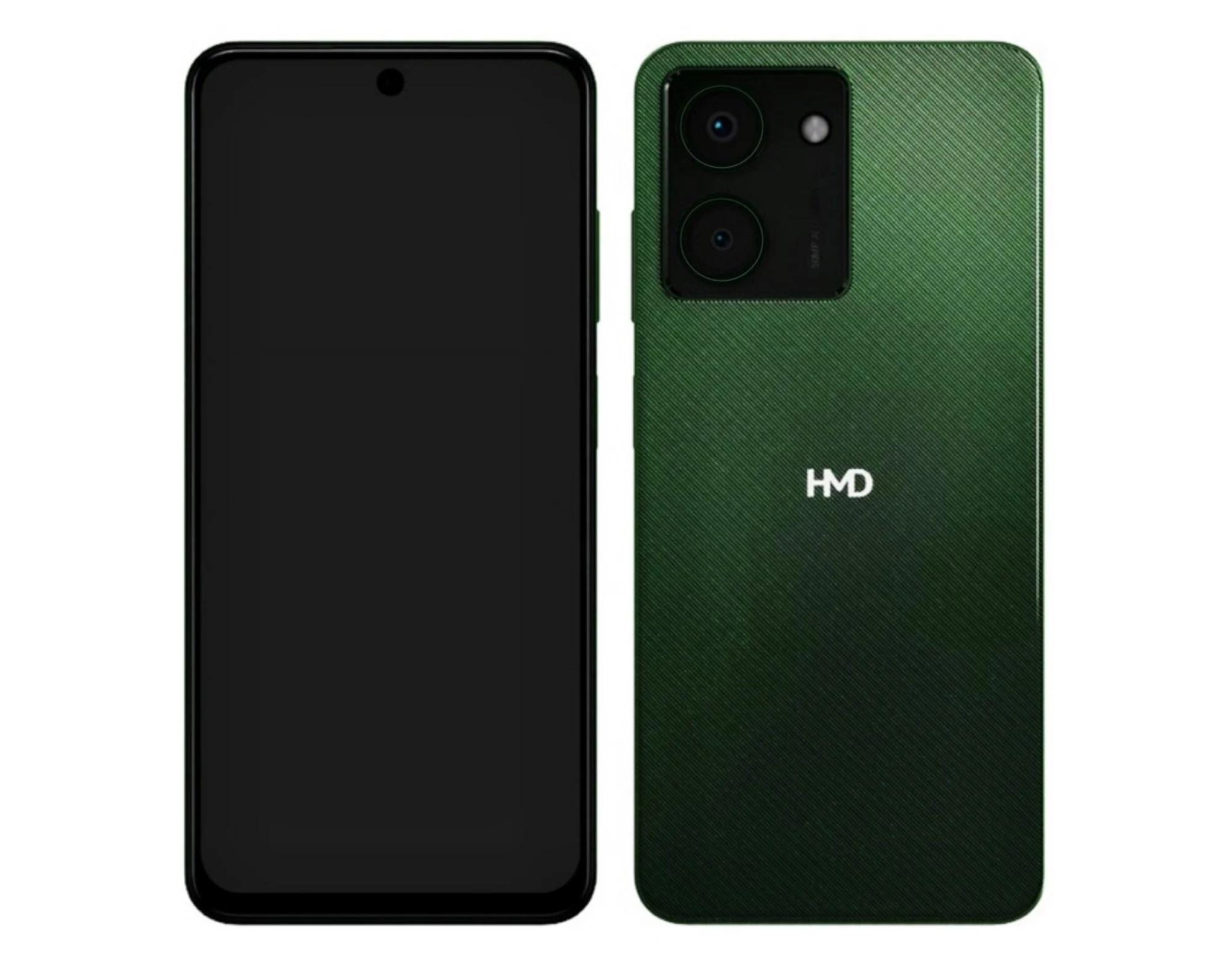
    The HMD Pulse 2 is rumored to come with a Unisoc Tiger T7200, a 12 nm ARM chip from 2019 that boasts two Cortex-A75 performance cores alongside six Cortex-A55 efficiency cores. It will also include 4 GB of RAM and offer storage options ranging from 64 GB to 128 GB. The device features a 6.67-inch IPS display that achieves a 720p+ resolution, yet it maintains a frame rate of 90 Hz. Additionally, it has an 8-MP front camera, a 13-MP main camera, and a 2-MP sensor. The HMD Pulse 2+ is said to share the same display and processor, but it will come with 6 GB of RAM and a 50-MP main camera for an extra cost.

    Upgrades in the HMD Pulse 2 Pro

    The HMD Pulse 2 Pro is anticipated to offer several enhancements, beginning with a 6.7-inch IPS display and a refresh rate of 120 Hz, although the resolution is still expected to be only HD+. The Unisoc T7250 chip is five years newer than its predecessor but has only minor improvements in clock speeds compared to the Unisoc T7200. Reports suggest that the Pulse 2 Pro will include a 50-MP front camera, a 50-MP main camera, along with 2-MP macro and depth cameras. It may also feature up to 8 GB of RAM and 256 GB of flash storage, plus support for 20-watt fast charging.

    Insights from Leaker @smash_60

    Leaker @smash_60 has been instrumental in revealing these details, providing valuable insights into the upcoming models. As the launch date approaches, more information may become available, offering potential buyers a clearer picture of what to expect from the HMD Pulse 2 series.

    Source:
    Link

  • Essential Smartphone Feature That Can Save Your Life in an Earthquake

    Essential Smartphone Feature That Can Save Your Life in an Earthquake

    Key Takeaways

    1. Android phones can act as earthquake early warning (EEW) systems by using their accelerometers to detect seismic activity.
    2. The Android Earthquake Alerts system has warned millions of people in nearly 100 countries and has identified thousands of earthquakes.
    3. Alerts are sent to users based on the detection of primary (P) waves before the more destructive secondary (S) waves arrive.
    4. Approximately 2.5 billion Android users now have access to EEW information, significantly increasing the reach of earthquake notifications since 2019.
    5. The accuracy of real-time magnitude estimation for earthquakes has improved, matching or exceeding traditional seismic networks, with successful alerts demonstrated in various countries.


    Weather and pollution notifications on smartphones are quite common, but your Android device can do even more. Google researchers have demonstrated how Android phones can serve as earthquake early warning (EEW) systems that detect earthquakes around the world and notify users before the ground begins to shake.

    Research Highlights

    In a paper called “Global earthquake detection and warning using Android phones,” published in the journal Science, researchers found that the Android Earthquake Alerts system has identified thousands of quakes and warned millions of people across nearly 100 countries. The system is also capable of learning from user feedback to enhance important factors like magnitude estimation.

    How It Works

    To identify potential seismic activity, Android utilizes the phone’s accelerometer. This sensor detects linear acceleration and helps with orientation detection and pedometer functions. The accelerometer works alongside other parts of the inertial measurement unit (IMU) in a smartphone, which includes additional micro-electromechanical systems (MEMS), such as the gyroscope and compass.

    Earthquakes consist of faster, non-destructive primary (P) waves and the slower, more harmful secondary (S) waves. For the earthquake alert system to function, an Android phone must be connected to Wi-Fi or a cellular network, with the Android Earthquake Alerts and location settings enabled. Users have the option to turn off this feature.

    Alert Mechanism

    When a stationary Android phone’s accelerometer first detects the P-wave, it sends a signal to Google’s earthquake detection server along with an approximate location. This location is identified in a rough manner to ensure user privacy is maintained.

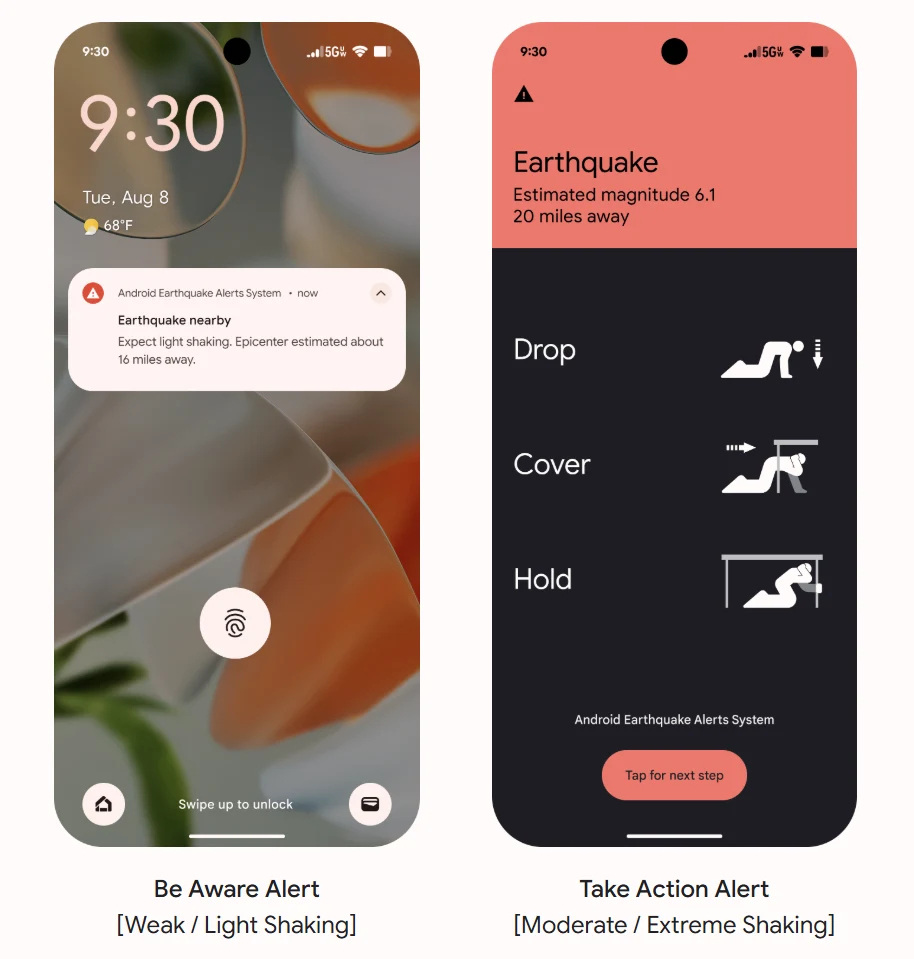
    The server checks whether other phones in that area are sending similar signals and attempts to determine the quake’s location and magnitude. If confirmed, it sends alerts to all devices in the vicinity. The goal is to notify users before the more intense S wave hits. The system issues two types of alerts: Be Aware alerts for minor tremors and Take Action alerts that take over the phone’s screen and emit a loud sound.

    A Global Network

    Ultimately, each Android phone acts like a small seismometer, and collectively, they create a highly effective EEW system. Due to the widespread adoption of Android devices worldwide, around 2.5 billion people now have access to EEW information—a tenfold increase from 2019, when individuals relied solely on traditional EEWs.

    This feature began to roll out in 2021 in countries like New Zealand and Greece and is now operational in 98 countries as of 2023. Google reports that the system has detected over 18,000 earthquakes, ranging from small M1.9 tremors to significant M7.8 ones. A total of 790 million alerts have been sent to phones globally for about 2,000 notable quakes.

    Advancements in Accuracy

    Google acknowledges that estimating an earthquake’s magnitude in real-time is a difficult task, but accuracy has improved over time, matching or even exceeding that of established major seismic networks.

    The company also highlights recent successful examples in the Philippines, Nepal, and Turkey, where the system demonstrated its effectiveness. For instance, during the April 2025 Turkey earthquake, which registered a magnitude of 6.2, the system issued its first alert just 8 seconds after the quake started, sending over 16 million alerts and providing users with a warning time of a few to 20 seconds, depending on their distance from the epicenter.

    Source:
    Link


  • Samsung Galaxy Z Fold 7 Fails to Unfold Flat in Demo Tests

    Samsung Galaxy Z Fold 7 Fails to Unfold Flat in Demo Tests

    Key Takeaways

    1. The Galaxy Z Fold7 is the slimmest and lightest foldable flagship smartphone from Samsung globally.
    2. Improvements have been made in durability and battery reliability.
    3. Reports indicate the main 8-inch display struggles to maintain a 180° angle by itself.
    4. User feedback on Reddit shows mixed experiences, with some replicating the display issue and others not encountering it.
    5. The Z Fold6 had a similar display issue, but it was limited to a small number of cases.


    The Galaxy Z Fold7 has officially become the slimmest and lightest foldable flagship smartphone from Samsung available globally. The company also claims improvements in its durability and battery reliability.

    Main Display Concerns

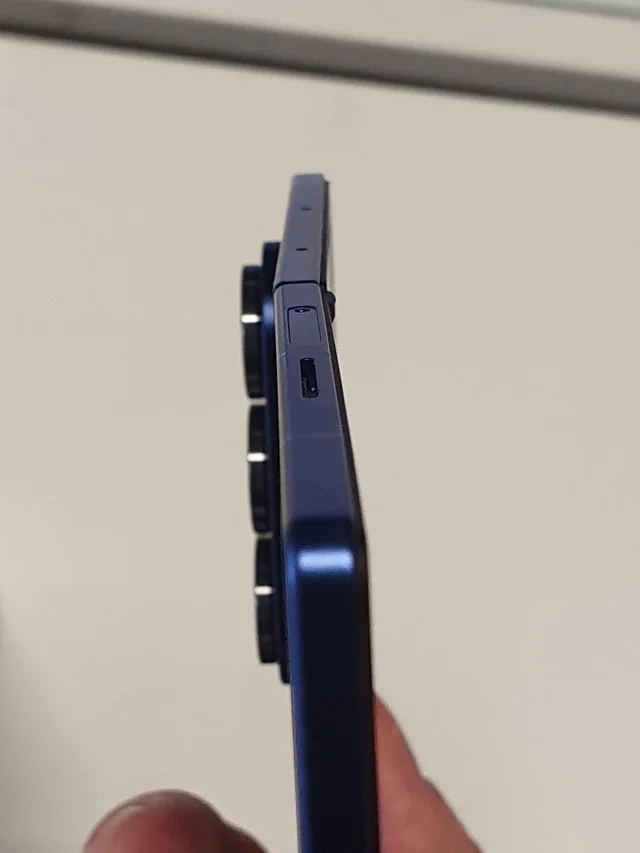
    However, reports suggest that its main 8-inch display is not performing as expected. It has been noted that it struggles to maintain a 180° angle by itself, which was part of the original advertising at the time of its reveal.

    The folding issue seems to have first appeared during a hands-on test at a Best Buy store, where the Galaxy Z Fold7 is listed at a price of $1,999.99, which is consistent with its price on Amazon and other retailers.

    User Feedback on Reddit

    This concern was shared on Reddit by user u/djda9l, who received several responses from other users claiming to support this finding. However, there are also some individuals who reported they could not replicate the issue during their own in-store experiences.

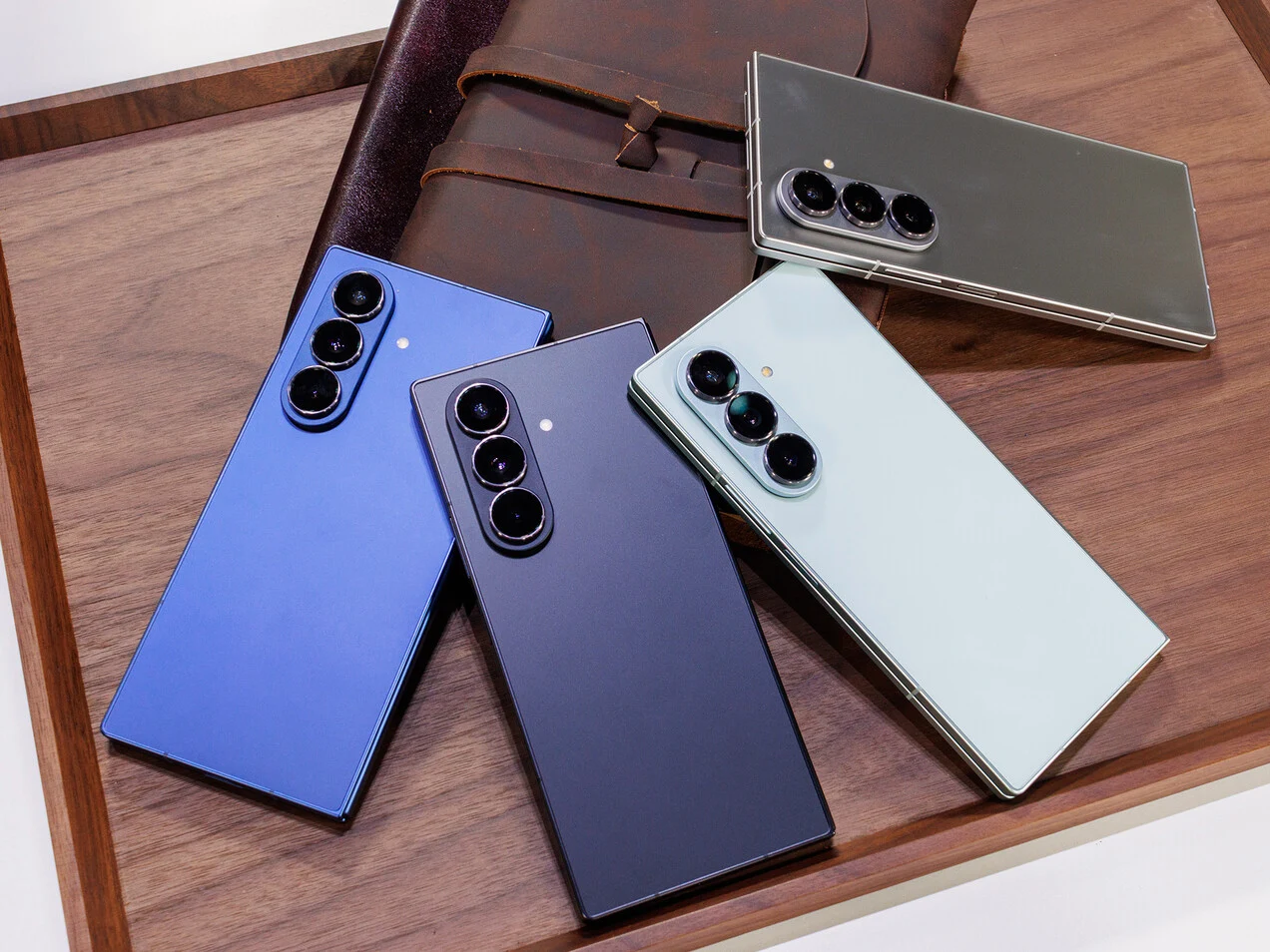
    This suggests that the problem might be limited to demo units at this point, especially since the majority of pre-orders have not yet been delivered. Additionally, reviewers have not indicated facing this issue, and we personally had no trouble placing the device face down for photos during our hands-on experience at the recent Unpacked event.

    Historical Context

    It’s worth noting that the Z Fold6 reportedly had a similar issue, though it was seen in only a small number of cases.

    Source:
    Link

  • Apple iPhone Fold Launching in 2026: Similar to Samsung Galaxy Z Fold 7

    Apple iPhone Fold Launching in 2026: Similar to Samsung Galaxy Z Fold 7

    Key Takeaways

    1. Apple plans to launch its first foldable iPhone, likely called the iPhone Fold, in fall 2026, marking its entry into the foldable market after being behind competitors like Samsung.
    2. The iPhone Fold is expected to closely resemble Samsung’s Galaxy Z Fold series, with many parts sourced from Samsung, including the flexible AMOLED screen.
    3. Despite not setting new benchmarks, the iPhone Fold is anticipated to have solid sales, attracting iPhone users hesitant to switch to Android.
    4. The foldable iPhone could be financially beneficial for Apple, with high retail prices expected to exceed $2,000, while also benefiting Samsung from the sale of its foldable components.
    5. Unique features are expected for the iPhone Fold, including a nearly invisible display crease and an enhanced hinge design, along with customized software through iOS 27.


    Bloomberg’s recent Power On Newsletter from July 20, 2025, offers a captivating look into Apple’s plans for the iPad Pro in 2025 and its most daring venture for 2026: the very first foldable iPhone. Just before the spotlight shines on the iPhone’s 20th anniversary with its sleek glass design, Apple is expected to launch its inaugural foldable iPhone in the fall of 2026, following several delays over the past few years.

    Late to the Foldable Market

    Apple is somewhat behind its competitors, given that the first Galaxy Fold was introduced back in 2019. In contrast to those previous moments when Apple’s innovations reshaped the industry, like the original iPhone, iPad, or AirPods, this initial foldable iPhone will likely reflect the advancements made by Samsung and others over the seven years leading up to 2026.

    Insights from Gurman

    As per Mark Gurman’s insights, the Apple foldable, likely referred to as the iPhone Fold, is expected to closely resemble Samsung’s Galaxy Z Fold series, particularly the current Galaxy Z Fold 7. This isn’t surprising, since most of the parts, including the flexible AMOLED screen, are sourced from the South Korean tech giant. While the iPhone Fold’s debut might not set new benchmarks, Gurman anticipates solid sales. Many iPhone enthusiasts who are hesitant to switch to Android might be excited about a foldable option from Apple, especially given the positive reviews surrounding the Galaxy Z Fold 7.

    Financial Prospects for Apple and Samsung

    The introduction of the first foldable iPhone could be lucrative for both Apple and Samsung. Apple is poised for financial success: even though production costs are expected to be relatively low, retail prices are anticipated to soar above $2,000, leading to substantial profit margins. The foldable trend is notably gaining traction in China, providing Apple a chance to recover from its recent underwhelming iPhone sales. On the other hand, Samsung can take pride in the years it spent developing this format and may be happy to have a new client for its foldable components. This collaboration might even attract new Galaxy Z Fold 8 buyers from the Android market following Apple’s entry.

    Expected Features and Innovations

    While the first foldable iPhone will share similarities with Samsung’s model, there are expected to be unique features as well. Previous reports have indicated that Apple’s foldable device will boast a nearly invisible display crease, which is also anticipated for the Galaxy Z Fold 8 next year. Gurman also mentions a “dramatically” enhanced hinge design. Additionally, Apple is likely to customize its software to fit the new form factor through iOS 27, potentially outshining its competitors in certain aspects.

    Source:
    Link

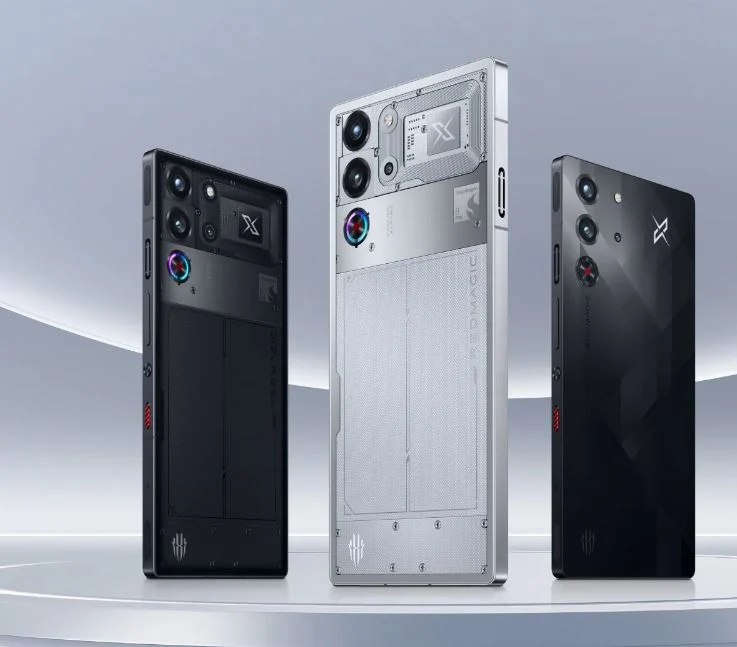
  • RedMagic 11 Ultra Launch: Next-Gen Gaming Phone Flagship

    RedMagic 11 Ultra Launch: Next-Gen Gaming Phone Flagship

    Key Takeaways

    1. RedMagic is known for powerful Android devices with bold designs and advanced cooling systems.
    2. The upcoming RedMagic 11 series is expected to include an “Ultra” version, likely named RedMagic 11 Ultra.
    3. The RedMagic 11 Ultra may feature the Snapdragon 8 Elite 2 processor and other high-performance components.
    4. There is confusion about the naming, with potential options including “RedMagic 11 Pro,” “RedMagic 11 Ultra,” and “RedMagic 11S Pro.”
    5. The RedMagic 11 Ultra may replace the RedMagic 10 Pro+ with enhancements and a slight price increase.


    RedMagic is well-known for providing some of the most powerful Android devices available, mainly due to its bold designs and advanced cooling systems. This trend is expected to continue with the upcoming RedMagic 11 series, and a recent leak suggests that there might be an “Ultra” version in the works.

    New Model Insights

    According to Paras Guglani, the Nubia gaming brand plans to introduce its first “Ultra” smartphone later this year. This upcoming model is expected to be named the RedMagic 11 Ultra and will take the top spot in the brand’s range. Following the trend of previous flagship devices, the RedMagic 11 Ultra is likely to feature Qualcomm’s forthcoming Snapdragon 8 Elite 2 processor along with various other high-performance components.

    Naming Confusions

    It remains uncertain if the RedMagic 11 Ultra will be a completely new model. An entry in the IMEI database shows potential names such as “RedMagic 11 Pro,” “RedMagic 11 Ultra,” and “RedMagic 11S Pro,” all linked to the same device, identified by the model number “NX809J”. It would not be unexpected if the RedMagic 11 Ultra takes over from the RedMagic 10 Pro+, but with certain enhancements and a slight increase in price.

    Source:
    Link


  • Doogee S200 Max Leaks: Next-Gen Android Flagship Design Revealed

    Doogee S200 Max Leaks: Next-Gen Android Flagship Design Revealed

    Key Takeaways

    1. The Doogee S200 Max will feature a new 1.3-inch square secondary display next to the rear cameras.
    2. The camera design of the S200 Max is similar to the Xiaomi Mi 11 Ultra, but Xiaomi’s upcoming flagship may have a slimmer build and a metallic-effect back.
    3. The Doogee S200 Max boasts a remarkable 22,000mAh battery, significantly larger than the expected battery in the Xiaomi “16 Pro.”
    4. New features for the S200 Max include a “dual” flashlight for various light patterns and a microSD card slot supporting up to 2TB of storage.
    5. The S200 Max is estimated to launch at $559.99 with 16GB of RAM, while the standard S200 is currently priced at $349.98 on Amazon.


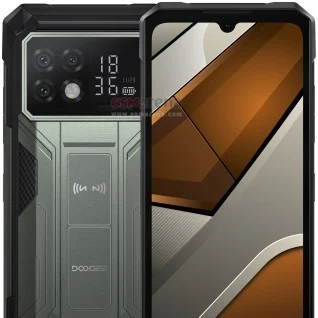
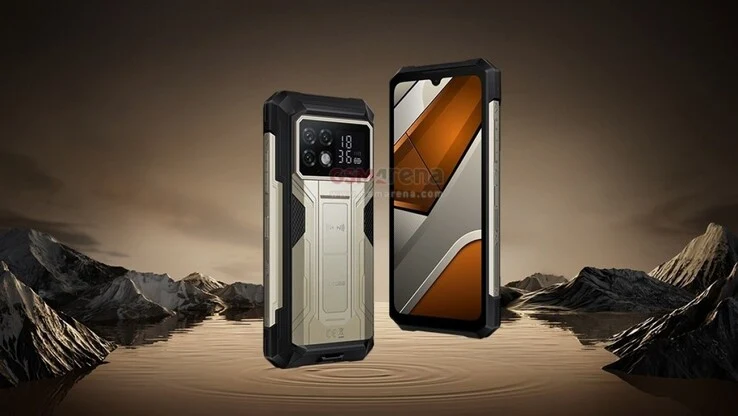
    The Doogee S200 Max is rumored to keep the secondary display from its earlier model, but it will have a different design. This new display will be a 1.3-inch square screen positioned next to the rear cameras.

    Camera Design Similarities

    The camera bump on the S200 Max is said to resemble that of the Xiaomi Mi 11 Ultra, and potentially its upcoming successor, the “16 Pro,” based on recent leaks. Unlike the S200 Max, the next-gen flagship from Xiaomi is expected to have a less bulky build and might not feature the same rugged IP68/IP69K/MIL-STD-810H ratings. Instead, it will sport a metallic-effect back, available in gray or pale gold.

    Battery Capacity Comparison

    While the Xiaomi “16 Pro” (or “Pro Max”) may boast a larger battery, it is likely to fall short of the Doogee’s impressive 22,000mAh capacity, which utilizes cutting-edge silicon-carbon technology. The S200 Max is anticipated to retain most of the core features from the S200, including a 120Hz 6.72-inch LCD screen powered by the MediaTek Dimensity 7050 SoC.

    New Features and Storage Options

    A potential highlight for the S200 Max is a “dual” flashlight located at the top edge, which can produce various light patterns, including an SOS signal when necessary. Additionally, it may come with a microSD card slot supporting up to 2TB of storage, a feature that may not be included in the Xiaomi 16 series.

    As for the release date of the new S200-series flagship, it remains uncertain. However, it is estimated to retail for $559.99 with 16GB of RAM at launch. In the meantime, the standard S200 has seen a price drop and is currently available on Amazon for $349.98.

    Source:
    Link


  • Mainstream Smartphones to Feature 10,000mAh Batteries by 2026

    Mainstream Smartphones to Feature 10,000mAh Batteries by 2026

    Key Takeaways

    1. 2025 is marked as the year of the 8,000mAh smartphone, with significant advancements in battery technology.
    2. The first non-rugged smartphone with an 8,000mAh battery has been introduced, while brands like OnePlus and Xiaomi aim to standardize ~7,000mAh batteries in flagship models.
    3. Anticipations for 2026 include smartphones with 8,500mAh to 9,000mAh batteries, and a possibility of a 10,000mAh device in development.
    4. The new mid-range devices emphasize high battery capacity as a key selling point, while maintaining features like flagship-level fast wireless charging.
    5. Future smartphones, including the rumored 10,000mAh model, are expected to combine impressive battery technology with competitive features.


    2025 has turned out to be the year of the 8,000mAh smartphone. This battery size was once unimaginable in a regular mid-range device, such as the Honor Power, just a year ago.

    New Innovations in Battery Technology

    Not stopping there, the manufacturer moved ahead to introduce the world’s first non-rugged smartphone with over 8,000mAh battery capacity. Other brands, including OnePlus, iQoo, and Xiaomi, are reportedly planning to make ~7,000mAh the new standard for previously ~6,000mAh flagship models by the end of this year.

    Future Expectations

    Looking to the future, 2026 might very well be the year we see smartphones with 8,500mAh batteries, if not even 9,000mAh. Additionally, the well-known leaker Digital Chat Station has suggested that one smartphone maker is set to begin developing a “10,000mAh” device in the first half of next year.

    Features to Look Forward To

    Like the Honor Power and the X70, this new device is expected to be a mid-range option that highlights its impressive 5-figure battery spec as a key selling point. Its previous model, with an 8,300mAh battery, also offers flagship-level fast wireless charging, while the Power remains surprisingly slim for a device of such capacity.

    It is hoped that the rumored 10,000mAh device will also include comparable features along with its potentially groundbreaking battery technology.

    Source:
    Link

  • Galaxy Z TriFold Leaks: One UI 8 Reveals Chipset Details

    Galaxy Z TriFold Leaks: One UI 8 Reveals Chipset Details

    Key Takeaways

    1. The initial name for Samsung’s tri-fold smartphone may be the Galaxy Z TriFold instead of Galaxy G Fold.
    2. It is expected to be powered by the Snapdragon 8 Elite processor, indicated by internal code found in One UI 8 beta.
    3. The Galaxy Z TriFold is anticipated to have a 10-inch inner display, similar to Huawei’s tri-fold smartphone.
    4. The camera setup is expected to be similar to that of the Galaxy Z Fold 7.
    5. The launch is projected for the fourth quarter of 2025, with an estimated price around $2,880 and possible limited availability in Korea and China.


    Samsung’s initial tri-fold smartphone was thought to be called the Galaxy G Fold. However, new reports indicate it might be named the Galaxy Z TriFold. A tipster previously mentioned that the Galaxy Z TriFold will feature a Qualcomm Snapdragon processor, but didn’t clarify which specific model it would be.

    Internal Code Reveals Insights

    In the One UI 8 beta, a code string labeled “siop_q7mq_sm8750” was found by Android Authority. The “q7mq” part is believed to be the internal code name for Samsung’s tri-fold device, while “sm8750” refers to the Snapdragon 8 Elite processor model number.

    This suggests that the Samsung Galaxy Z TriFold is likely to be equipped with the Snapdragon 8 Elite for Galaxy chipset. This is Qualcomm’s leading processor, which has powered numerous high-end smartphones, including the Galaxy S25 Ultra (currently priced at $1,099 on Amazon).

    Display and Camera Features

    The Galaxy TriFold is expected to have a 10-inch inner display. For comparison, the Huawei Mate XT, recognized as the first tri-fold smartphone, also features a 10.2-inch inner screen. Additionally, the Galaxy TriFold is anticipated to incorporate a camera setup similar to the one found in the Galaxy Z Fold 7.

    The Galaxy Z TriFold is projected to launch in the fourth quarter of 2025. Its availability might be limited, possibly only to the Korean and Chinese markets. The anticipated price is estimated to be around KRW 4 million in Korea, which is roughly equivalent to $2,880 USD. As of now, all this data remains unverified and should be viewed with skepticism.

    Source:
    Link