Category: Phones

Stay updated with the latest phone news, reviews, and trends. Discover cutting-edge smartphones, features, and innovations in our Phones category at GizNewsDaily

  • iPhone 17 Series Expected to Outpace iPhone 16 by 10%

    iPhone 17 Series Expected to Outpace iPhone 16 by 10%

    Key Takeaways

    1. Apple is taking a significant risk with the iPhone 17 Pro and Pro Max due to comparisons with the Google Pixel 10 series.
    2. The iPhone 17 Air is designed to compete with the slim design of the Samsung Galaxy S25 Edge and will feature a silicon-carbon battery.
    3. The new iPhones are expected to increase Apple’s smartphone market share by 15% annually, especially in the last quarter of 2025.
    4. Apple may not anticipate strong sales for the 17 Air, and its Pro models could fall behind Android competitors in battery upgrades.
    5. The iPhone 17 Pro and Pro Max will likely feature performance improvements with the new A19 Pro platform and reintroduce a popular color option.


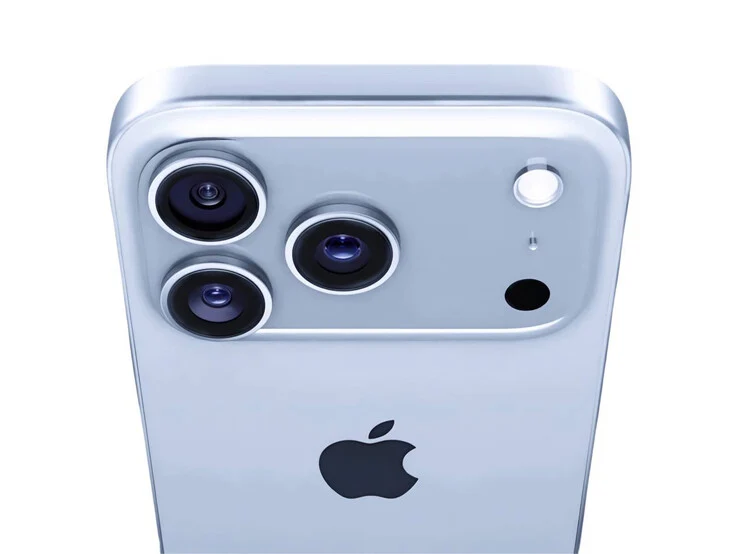
    Apple seems to be taking a significant risk with the design of the iPhone 17 Pro and Pro Max. This risk primarily comes from the likelihood of being continuously compared to the Google Pixel 10 series upon their release.

    iPhone 17 Air and Its Unique Features

    Moreover, there’s talk that the lineup will also feature the 17 Air, which is the first iPhone designed specifically to rival the sleekness of the Samsung Galaxy S25 Edge. This model is expected to come equipped with a state-of-the-art silicon-carbon battery.

    Market Predictions and Growth

    The anticipated iPhones, along with their standard 17 counterpart, are projected to boost Apple’s smartphone market share by 15% each year. This growth could be even more pronounced during critical periods, particularly during the essential last quarter of 2025.

    Sales Expectations and Performance Enhancements

    However, it’s been suggested that Apple itself might not expect strong sales for the 17 Air, while its Pro models could lag behind Android competitors in terms of battery upgrades.

    Despite this, the 17 Pro and Pro Max are likely to offer significant performance improvements thanks to the new A19 Pro platform. Additionally, the 17 Air aims to capture attention by reintroducing one of Apple’s best-loved color options at its launch.

    Source:
    Link
  • Xiaomi Redmi Note 15 Pro Plus to Have 3 Key Upgrades Over 14 Pro Plus

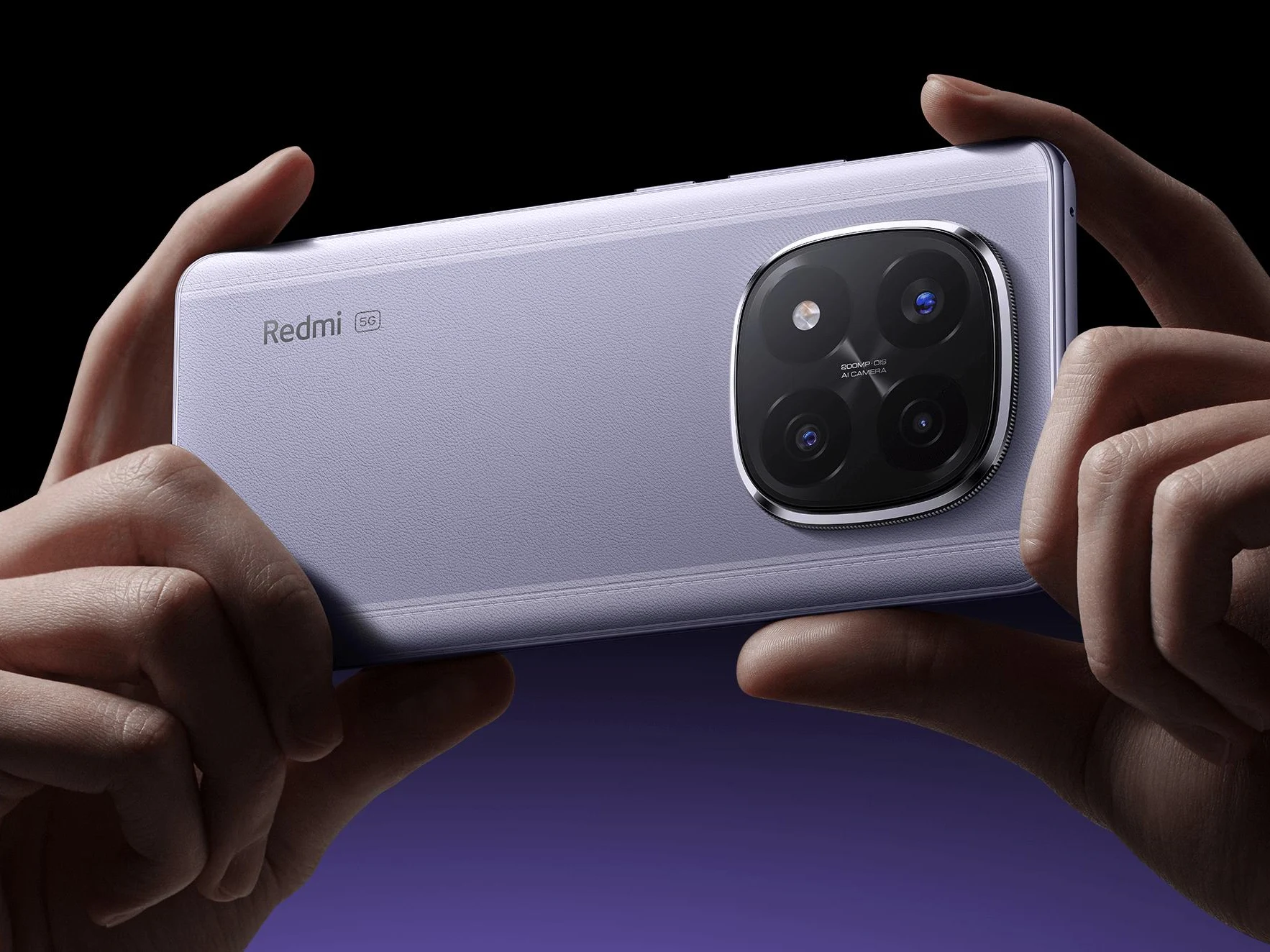
    Xiaomi Redmi Note 15 Pro Plus to Have 3 Key Upgrades Over 14 Pro Plus

    Key Takeaways

    1. Xiaomi is set to launch the Redmi Note 15 Pro, which may replace the Redmi Note 14 Pro Plus.
    2. The Redmi Note 15 Pro Plus is expected to feature the new Snapdragon 7s Gen 4 chipset.
    3. The device will have a significantly larger battery capacity of around 7,000 mAh, up from 5,110 mAh in the previous model.
    4. It is rumored to come with a 1.5K AMOLED display and symmetrical bezels.
    5. The phone may include 50 MP primary and telephoto cameras, though it’s uncertain if these features will be available in global versions.


    Digital Chat Station has shared some insights regarding one of Xiaomi’s new Redmi Note 15 series phones. To give some background, leaks have already revealed information about the Redmi Note 15 Pro and Redmi Note 15 Pro Plus. It appears that the Redmi Note 15 Pro will be available worldwide, and it may also serve as the next version of this year’s Poco X7 (currently priced at $294.99 on Amazon).

    New Upgrades on the Horizon

    As per Digital Chat Station, Xiaomi is set to introduce a device that will take the place of the Redmi Note 14 Pro Plus, providing enhancements in various aspects. The leaker suggests that the Redmi Note 15 Pro Plus will feature a fresh Snapdragon 7s chipset. It’s likely that this chipset will be the Snapdragon 7s Gen 4, which is positioned below the Snapdragon 7 Gen 4 in Qualcomm’s lineup.

    Impressive Battery and Display Features

    In addition, the Redmi Note 15 Pro Plus is rumored to include a battery capacity of around 7,000 mAh, marking an increase of nearly 13% over the current 5,110 mAh battery found in the Redmi Note 14 Pro Plus. This notably larger battery is expected to be paired with a 1.5K AMOLED display with symmetrical bezels, as well as 50 MP primary and telephoto cameras. At this point, it’s unclear if these 50 MP cameras and substantial battery will be part of the global versions, which was not the case for the Redmi Note 14 Pro Plus.

    Source:
    Link

  • Google Mandates Battery Update for Last Pixel 4a Users

    Google Mandates Battery Update for Last Pixel 4a Users

    Key Takeaways

    1. Google launched the Pixel 4a Battery Performance Program in early 2025, including a mandatory software update that halved battery capacity.
    2. Users experienced significantly lower battery life after the update, with no option to revert to previous software versions.
    3. Some users found a workaround to avoid the automatic update by changing settings in Developer Options.
    4. Google has since enforced the update on users who previously resisted, effectively removing the workaround.
    5. Despite the update’s challenges, users can still access battery replacements and other support offers from Google.


    Google unveiled the Pixel 4a Battery Performance Program in early 2025, which takes a comprehensive approach to tackle issues surrounding device malfunctions and overheating. This program included a software update that reduced the battery capacity by fifty percent.

    Poor Battery Life After Update

    As anticipated, the Pixel 4a that received this update experienced significantly lower battery life. Since previous software versions were no longer available, users found it difficult to revert back to older builds. Google made it abundantly clear that this update was mandatory. While the company offered battery replacements and some compensation, many users discovered ways to avoid the automatic updates.

    Users Find a Workaround

    It seems that some users managed to dodge the automatic update by turning off a specific setting in the Developer Options. However, recent reports from the r/Pixel4a subreddit indicate that Google has now “forcefully” updated those who had previously resisted. This means the Developer Options method has been circumvented.

    Consequences of the Update

    It remains uncertain how Google bypassed this workaround, but the company’s tactic was effective. The silver lining is that this action has helped ensure that all Pixel 4a devices running the standard firmware are now protected against severe battery failures. Additionally, users of the Pixel 4a can still take advantage of Google’s battery replacement program, and all previous offers from the company are still valid.

    Source:
    Link

  • Best Smartphone Cameras Tested: Our Verdict and RAW Files for Pros

    Best Smartphone Cameras Tested: Our Verdict and RAW Files for Pros

    Key Takeaways

    1. The Vivo X200 Ultra excels in sharpness and dynamic range, while Oppo Find X8 Ultra and Xiaomi 15 Ultra also produce quality photos.
    2. Oppo Find X8 Ultra is the best for night shots and video due to its large 1-inch sensor, with Xiaomi 15 Ultra performing decently but less effectively in low light.
    3. Ultrawide-angle cameras perform well in daylight but suffer from edge softness, with Vivo X200 Ultra delivering sharper images compared to Oppo Find X8 Ultra.
    4. Samsung Galaxy S25 Ultra struggles in overall camera quality, particularly in low light and ultrawide performance, but is better for selfies.
    5. None of the smartphones save RAW photos by default; RAW format is available in Pro mode and stored in Adobe’s DNG format for editing.


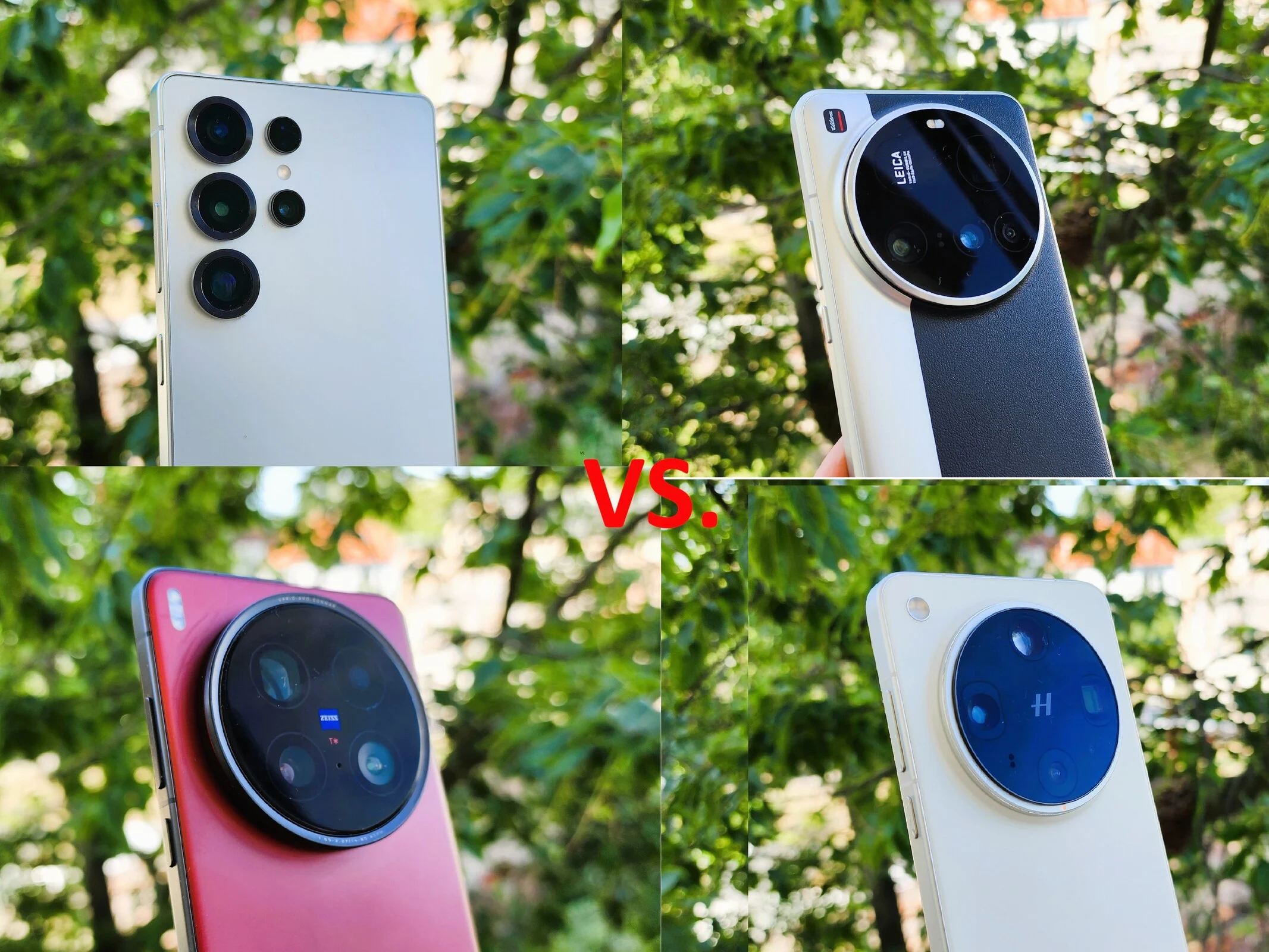
    The results of our recent comparison of smartphone cameras show that all major models can capture quite detailed images. The Vivo X200 Ultra stands out with its impressive sharpness and broad dynamic range, while both the Oppo Find X8 Ultra and Xiaomi 15 Ultra also deliver good-quality photos. However, images from the Samsung Galaxy S25 Ultra appear a bit softer overall and sometimes display unexpected weaknesses. Be sure to check out parts 1 and 2 of our smartphone camera evaluation for more insights.

    Best for Night and Video

    When it comes to night shots and video recordings that need good detail and stability, the Oppo Find X8 Ultra is likely the best option. Its large 1-inch sensor allows it to capture details even in low-light situations and during short exposure times. The Xiaomi 15 Ultra also performs decently in low light, but it doesn’t quite match the Oppo’s capabilities, resulting in more blurriness. Even with a smaller sensor, the Vivo X200 Ultra manages to take nice night photos, while the Samsung Galaxy S25 Ultra falls behind in quality.

    Ultrawide and Zoom Performance

    The ultrawide-angle cameras produce nice photos during the day but tend to show noticeable softness at the edges. The Oppo Find X8 Ultra suffers the most in this area. Thanks to its larger sensor, the Vivo X200 Ultra generally delivers sharper ultrawide images. Both Oppo and Vivo also provide good options for zoom shots, while Samsung is more favorable for selfie lovers. Overall, the Galaxy S25 Ultra struggles to match the quality offered by its Chinese rivals.

    In bright light, Xiaomi is a solid option for capturing very good photos, but its ultrawide and telephoto cameras face serious challenges in low-light conditions, mainly with focusing issues.

    RAW Photo Options

    None of the smartphones we tested save RAW photos by default; all devices record JPEGs using the stock settings. The RAW format retains nearly unprocessed image data and is only available as a feature in the Pro mode of camera apps, requiring manual activation. RAW files are saved in Adobe’s DNG format, which is compatible with most image editing tools.

    If you’re interested in viewing the RAW images from our camera comparison, you can find the respective DNG files here: Xiaomi 15 Ultra (file), Vivo X200 Ultra (file), Samsung Galaxy S25 Ultra (file), Oppo Find X8 Ultra (file).

    You can read Notebookcheck’s camera review parts 1 and 2 for more details.

    Source:
    Link


  • Google Reveals New Look for Pixel 10 Pro Before Launch

    Google Reveals New Look for Pixel 10 Pro Before Launch

    Key Takeaways

    1. Google will unveil the Pixel 10 series, including the Pixel 10 Pro, on August 20.
    2. A new color option named “Moonstone” features a bluish tint.
    3. The design remains similar to the Pixel 9 Pro, with a pill-shaped camera module housing three sensors.
    4. The Pixel 10 Pro is expected to have a 4,870 mAh battery with 29 W wired and 15 W wireless charging.
    5. Anticipated specs include the Tensor G5 SoC, 16 GB of RAM, and up to 1 TB of storage.


    Google is set to reveal the Pixel 10 series, with an event scheduled for August 20. In the lead-up to this announcement, the company has given a sneak peek at what seems to be the Pixel 10 Pro, showcased in a fresh color option.

    New Color Option

    The new color appears to be named “Moonstone,” a shade with a bluish tint. This teaser video also highlights the side profile of the anticipated Google flagship, indicating that the Pixel 10 models will once again feature sleek, polished edges.

    Design Similarities

    In terms of appearance, there aren’t significant changes from the Pixel 9 Pro. The teaser indicates that the new Pro variant will maintain the pill-shaped camera module on the rear, which includes three camera sensors. According to recent leaks, the rear setup will consist of a 50 MP main sensor, a 48 MP ultrawide sensor, and a 48 MP telephoto sensor. Notably, the telephoto lens is expected to offer tele-macro photography, marking a new feature for this smartphone.

    Battery and Performance Upgrades

    Previous reports have suggested that the Pixel 10 Pro will receive a battery enhancement, featuring a capacity of 4,870 mAh, along with support for 29 W wired charging and 15 W wireless charging (Anker 621 wireless power bank curr. $27.99 on Amazon). The display size is likely to remain unchanged at 6.3 inches, ensuring that the new device retains a fairly compact design.

    Expected Specifications

    Other anticipated specifications include the Tensor G5 SoC, 16 GB of RAM, and storage options reaching up to 1 TB. Rumors indicate that the Pixel 10 Pro will be priced similarly to its predecessor, and Google currently has an exclusive email offer that will activate on August 20.

    Source:
    Link

  • Samsung Galaxy A56 Launches in US at $499.99 with No Extras

    Samsung Galaxy A56 Launches in US at $499.99 with No Extras

    Key Takeaways

    1. The Galaxy A56 5G is now available in the US, marking its significance as the first model in the A series to be released here after the A55 5G was not.
    2. Pricing for the Galaxy A56 5G starts at $499.99 for the 128GB model and $549.99 for the 256GB model, with no special offers from Samsung except for a discount on Galaxy Buds FE.
    3. The phone is available in Lightgray and Graphite colors, with Amazon offering an additional Olive color option.
    4. The Galaxy A56 5G competes in a crowded mid-range market against devices like the Pixel 9a and OnePlus 13R, which have similar pricing.
    5. Key features include a premium design with Gorilla Glass Victus+, an IP67 rating for water and dust resistance, and a commitment from Samsung for 6 OS updates and 6 years of security patches.


    Last month, news surfaced that the Galaxy A56 5G would soon be released in the US. That information has now been confirmed, as the smartphone is currently for sale through Samsung and various retail partners.

    Important US Launch

    The arrival of the Galaxy A56 5G in the United States is significant, especially since the previous model, the Galaxy A55 5G, wasn’t released here. Many thought the same would happen with the A56 since it has been on sale in other markets since March.

    Purchase Details and Pricing

    Interestingly, Samsung is not providing any special offers for customers who buy the Galaxy A56 from its website, except for a 40% discount on the Galaxy Buds FE. The phone comes in two configurations: a 128GB model priced at $499.99 and a 256GB model available for $549.99. Both options include 8GB of RAM.

    The Galaxy A56 5G is offered in two colors, Lightgray and Graphite, despite being introduced in four shades. Additionally, Amazon sells the phone at the same price as Samsung, but with an extra color option: Olive.

    Competitive Market Landscape

    Samsung’s latest mid-range device is entering a crowded market, competing with devices like the Pixel 9a, which starts at $499.99 for the base 128GB model, going up to $599 for the 256GB version. The OnePlus 13R is also a contender, currently priced at $532.89 on Amazon (down from $599.99) for the 12GB RAM and 256GB model.

    Features and Upgrades

    There’s plenty to appreciate about the Galaxy A56 5G. Its premium design features Gorilla Glass Victus+ on both sides along with an aluminum frame, and it boasts an IP67 rating for dust and water resistance. Our review highlighted improvements in the selfie camera, overall performance, and battery life, which outshine its predecessor.

    Samsung has also committed to providing 6 OS updates and 6 years of security patches for the Galaxy A56 5G, rivaled only by the Pixel 9a in this segment, which is set to receive 7 years of both OS and security updates.

    Source:
    Link

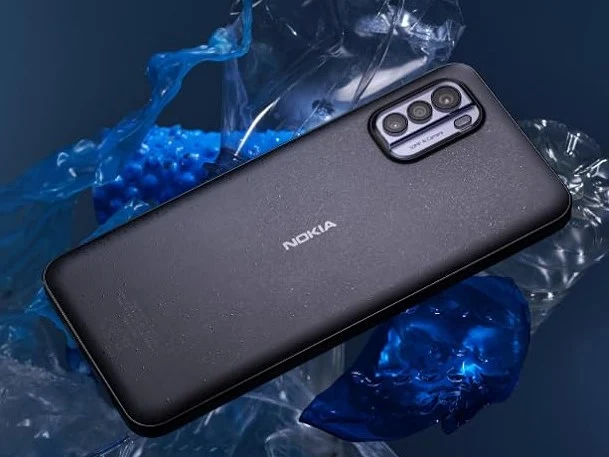
  • Nokia Looks for New Smartphone Manufacturing Partner on Reddit

    Nokia Looks for New Smartphone Manufacturing Partner on Reddit

    Key Takeaways

    1. Nokia is exploring a new manufacturing partner for upcoming smartphones, moving beyond feature phones.
    2. The company aims for large-scale production, suggesting a focus on budget-friendly and widely available devices.
    3. Nokia’s recent smartphones have emphasized longevity and sustainability, though software updates have lagged.
    4. Some models, like the XR21, have been successful, but many devices have received average reviews.
    5. There is growing excitement among fans on Reddit about Nokia’s potential return to the smartphone market.


    Nokia was previously considered to be absent from the smartphone arena, as its collaboration with HMD mainly revolved around feature phones branded with its name (like the revival of the 3310) – but that may be changing.

    New Manufacturing Partner

    The company’s Community Manager has posted on its subreddit to share news about seeking a manufacturing partner for upcoming mobile devices.

    Nokia seems to prefer a “large-scale” production facility for this endeavor, hinting that it may aim for its new smartphones to be budget-friendly, widely available, or possibly both.

    Focus on Longevity and Sustainability

    Previously, Nokia’s latest smartphones emphasized longevity and sustainability as key features, although keeping software current was often not their strong point: for instance, the G60 listed on Amazon is still running on Android 14.

    The brand had some notable successes with models like the XR21, but most of its devices were merely average at best. Here’s hoping that this new attempt in the market can achieve better results this time around.

    Looking Ahead

    Reddit has been buzzing with excitement about this news, and many fans are eager to see what Nokia will deliver next. The anticipation is building, and it will be interesting to see how Nokia re-enters the competitive landscape of mobile devices.

    Source:
    Link

  • Galaxy Z Fold8 May Be Thicker Due to US-China Trade War

    Galaxy Z Fold8 May Be Thicker Due to US-China Trade War

    Key Takeaways

    1. The Samsung Galaxy Z Fold7 is one of the lightest and thinnest foldable phones, using titanium for a luxurious and slim design.
    2. Trade tensions between the US and China may lead Samsung to change materials for the Galaxy Z Fold8, potentially switching from titanium to carbon fiber reinforced plastic (CFRP).
    3. The cost and availability of titanium could be impacted by current trade issues, making it less feasible for future devices.
    4. Samsung removed S Pen support in the Galaxy Z Fold FE and Z Fold7 to maintain a thinner design, but is working on a new slimmer digitizer for the Z Fold8.
    5. A crease-free display is expected for the Galaxy Z Fold8, although the switch to CFRP might affect the premium feel of the device.


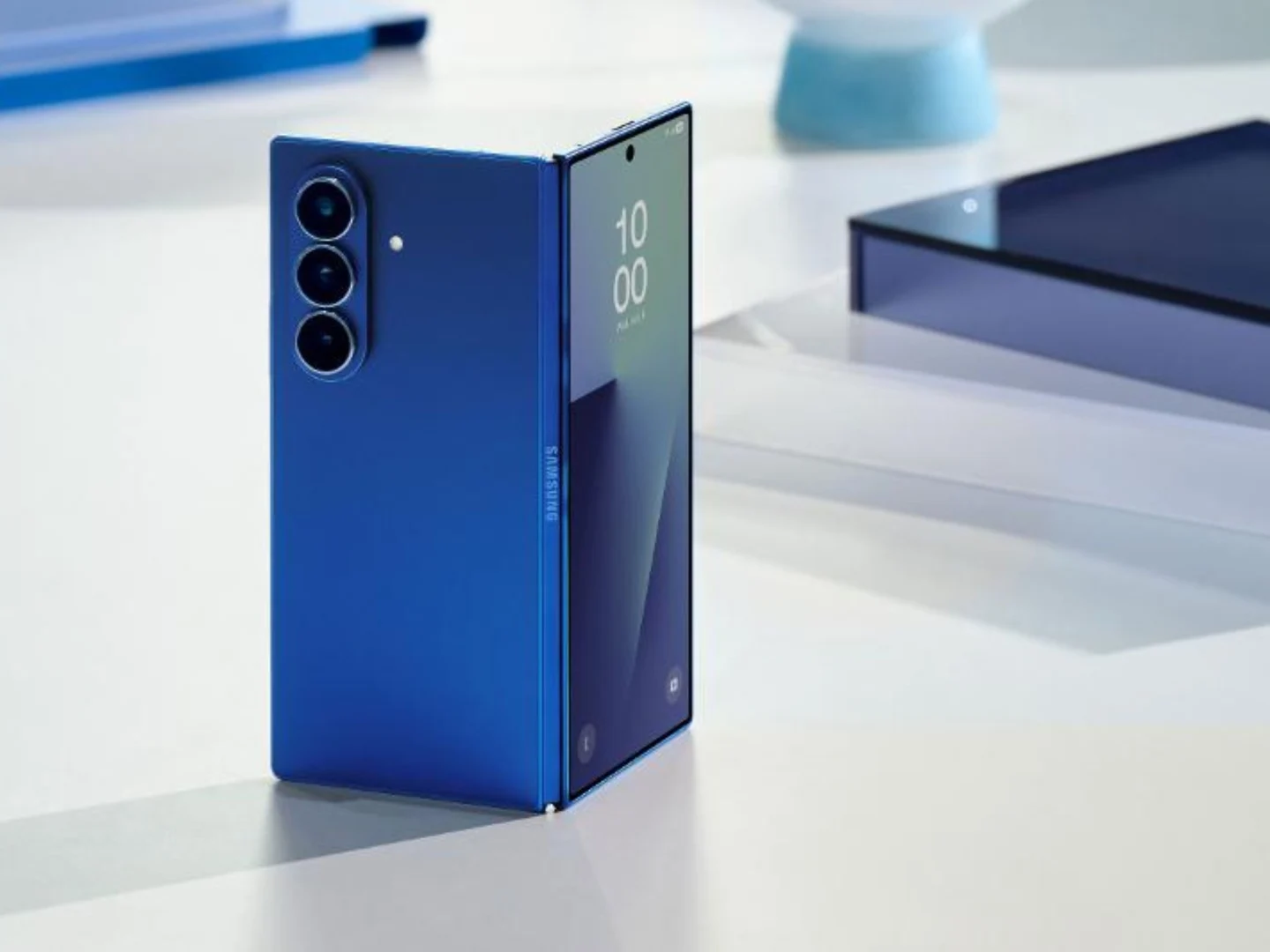
    The Samsung Galaxy Z Fold7 stands out as one of the lightest and thinnest foldables on the market, thanks to the innovative materials used in its design. Among these materials, titanium has played a key role in making the device feel more luxurious while keeping it slim and lightweight. However, recent reports suggest that Samsung might reconsider using titanium for the upcoming Galaxy Z Fold8.

    Material Concerns

    As per the latest insights from The Elec (translated into English), the ongoing trade tensions between the US and China could potentially lead to changes in materials for Samsung’s next foldable device. The Galaxy Z Fold7 utilized a titanium backplate, contributing to its sleek profile, but acquiring titanium might become increasingly challenging. This situation might force Samsung to revert to using carbon fiber reinforced plastic (CFRP) for the backplate, which may result in a heavier and bulkier device.

    Trade Impact

    China plays a significant role in the titanium supply chain, and the current trade war could drive up the costs of this material, making it less feasible for the Galaxy Z Fold8. Samsung has experience with CFRP, as it has been used since the Galaxy Z Fold3 and continued through to the Galaxy Z Fold6 (available renewed on Amazon).

    S Pen and Design Changes

    Another trade-off made by Samsung in the Galaxy Z Fold FE and Galaxy Z Fold7 is the absence of S Pen support. To achieve a thinner design, the company eliminated the digitizer layer necessary for S Pen functionality. However, there are reports that Samsung is developing a slimmer digitizer, which could enable S Pen support to return with the Galaxy Z Fold8, despite the anticipated thicker CFRP backplate. Additionally, a recent leak indicated that a crease-free display is in the works for the Galaxy Z Fold8, promising a significant improvement over the current model.

    It’s possible that Samsung may discover a way to reduce the thickness of the CFRP backplate to bring it closer to the dimensions of a titanium backplate. Nonetheless, this might mean that the upcoming Samsung foldable may not deliver the same premium feel that users experienced with the Galaxy Z Fold7.

    Source:
    Link

  • Oppo K13 Turbo Series Launches with Cooling Fan and Waterproof Ratings

    Oppo K13 Turbo Series Launches with Cooling Fan and Waterproof Ratings

    Key Takeaways

    1. The Oppo K13 Turbo series features an integrated cooling fan and multiple water-resistance ratings (IPX9, IPX8, IPX6).
    2. The phones maintain temperatures between 41° C and 43° C during gaming, with the K13 Turbo using the Dimensity 8450 and the Pro version using the Snapdragon 8s Gen 4.
    3. Both smartphones are optimized for gaming, running FPS games at 60 FPS and MOBA games at around 120 FPS.
    4. They have a 6.8-inch AMOLED display with FHD+ resolution, a dual-camera system (50 MP main and 2 MP secondary), and a 16 MP front camera.
    5. The K13 Turbo models feature a 7,000 mAh battery with 80 W fast charging, up to 512 GB storage, 16 GB RAM, and are priced at CNY 1,799 ($250) for the base model and CNY 1,999 ($278) for the Pro version.


    Oppo has officially launched the K13 Turbo series, which includes two upper-mid-range smartphones. A standout feature of these devices is the integrated cooling fan, alongside multiple water-resistance ratings. More specifically, they are rated IPX9, IPX8, and IPX6.

    Cooling and Performance

    The company emphasizes that the active cooling fan, paired with the vapor chamber inside, maintains temperatures between 41° C and 43° C when the phones are used for MOBA and open-world mobile games. Regarding the internal hardware, the Oppo K13 Turbo is equipped with the Dimensity 8450, whereas the Pro version features the Snapdragon 8s Gen 4.

    Gaming Capabilities

    Both K13 Turbo smartphones come with a range of gaming enhancements and can reportedly run first-person shooter games at an average of 60 FPS. Oppo also asserts that these devices can handle MOBA games with an average frame rate of around 120 FPS.

    Specifications

    Apart from the SoC, the specifications for both Oppo K13 Turbo phones are the same. They boast a 6.8-inch AMOLED display with an FHD+ resolution and a 120 Hz refresh rate. On the rear, there is a dual-camera arrangement consisting of a 50 MP main sensor and a 2 MP secondary sensor. For selfies, users will find a 16 MP front camera.

    These two new mid-range offerings from Oppo are also packed with a large battery. Specifically, they feature 7,000 mAh batteries that support 80 W fast charging (100 W Anker 25K power bank currently priced at $94.49 on Amazon). Other noteworthy features include support for WiFi 7, a stereo speaker system, up to 512 GB of UFS 3.1 storage, 16 GB of LPDDR5X RAM, and a touch sampling rate of 240 Hz.

    Pricing Information

    In terms of pricing, the base model of the K13 Turbo is set at CNY 1,799, which is roughly $250. Meanwhile, the Pro version starts at CNY 1,999, or about $278. Oppo has not yet provided information regarding global pricing or availability.

    Source:
    Link


  • 200MP Rugged Smartphone Now Available with 20% Discount

    200MP Rugged Smartphone Now Available with 20% Discount

    Key Takeaways

    1. Impressive Battery Life: The F107 Pro features a massive 28,000mAh battery, claimed to replace 8 typical smartphones, offering up to 2,800 hours of standby and 40 hours of video playback.

    2. High-Quality Camera System: It includes a 200MP AI main camera with a Sony IMX766 sensor and a specialized macro lens, plus a night vision camera for low-light and underwater photography.

    3. Storage and Performance: The smartphone provides 512GB of internal storage, expandable via microSD, and runs on Android 15 with a MediaTek Dimensity 7300 processor.

    4. Charging Capability: The device supports USB-C charging with a maximum power delivery of 66W, although charging the large battery will take time.

    5. Pricing and Availability: The retail price is $549, currently available for $439.99 on fossibot.com, and the Fossibot F3600 Pro has launched on Amazon.


    The F107 Pro is quite hefty, especially for a smartphone designed for tough conditions, but this is somewhat justifiable due to its impressive 28,000mAh battery.

    Fossibot claims it can replace 8 typical smartphones, at least those from before the battery advancements of 2024-2025.

    Standby and Display

    This device can stay on standby for about 2,800 hours and can deliver up to 40 hours of video playback on its large 6.95-inch 120Hz FHD screen.

    Camera Features

    The F107 Pro also makes a mark in the outdoor smartphone segment with its impressive ‘200MP AI’ main camera, which includes a specialized macro lens.

    While many macro lenses rely on lesser 2MP sensors, the F107 Pro features a high-quality Sony IMX766 sensor.

    Additionally, the largest of its three rear cameras is designed for night vision, allowing users to take underwater photos in low light conditions, according to Fossibot.

    Storage and Performance

    This smartphone offers 512GB of internal storage, which can be expanded using a microSD card, and supports NFC, all powered by a relatively current Android 15-based operating system.

    However, it runs on the mid-tier MediaTek Dimensity 7300 processor, and the “30GB RAM” mentioned in the product page is largely software-based—about 60% of it.

    Charging the massive battery will take a while via USB-C, as the port supports a maximum of 66W power delivery.

    The Kickstarter offer for the F107 Pro has ended, and its suggested retail price is now $549. However, it has just launched at a price of $439.99, which is a 20% discount for a limited time on fossibot.com.

    Source:
    Link