Key Takeaways
1. The Snapdragon 8 Elite has achieved ~2.9 million AnTuTu scores, making it the current benchmark champion with the RedMagic 10S Pro+.
2. The upcoming “11 Ultra” is rumored to potentially reach a score of 4 million, aiming to surpass the current record.
3. The Adreno 840 GPU in the Elite 2 has a maximum speed of ~1.2GHz, an upgrade from the previous model’s 1.1GHz.
4. The Snapdragon 8 Elite 2 is expected to feature advanced ARM’s Scalable Vector Extension 2 (SVE2) and Scalable Matrix Extension (SME) for enhanced performance.
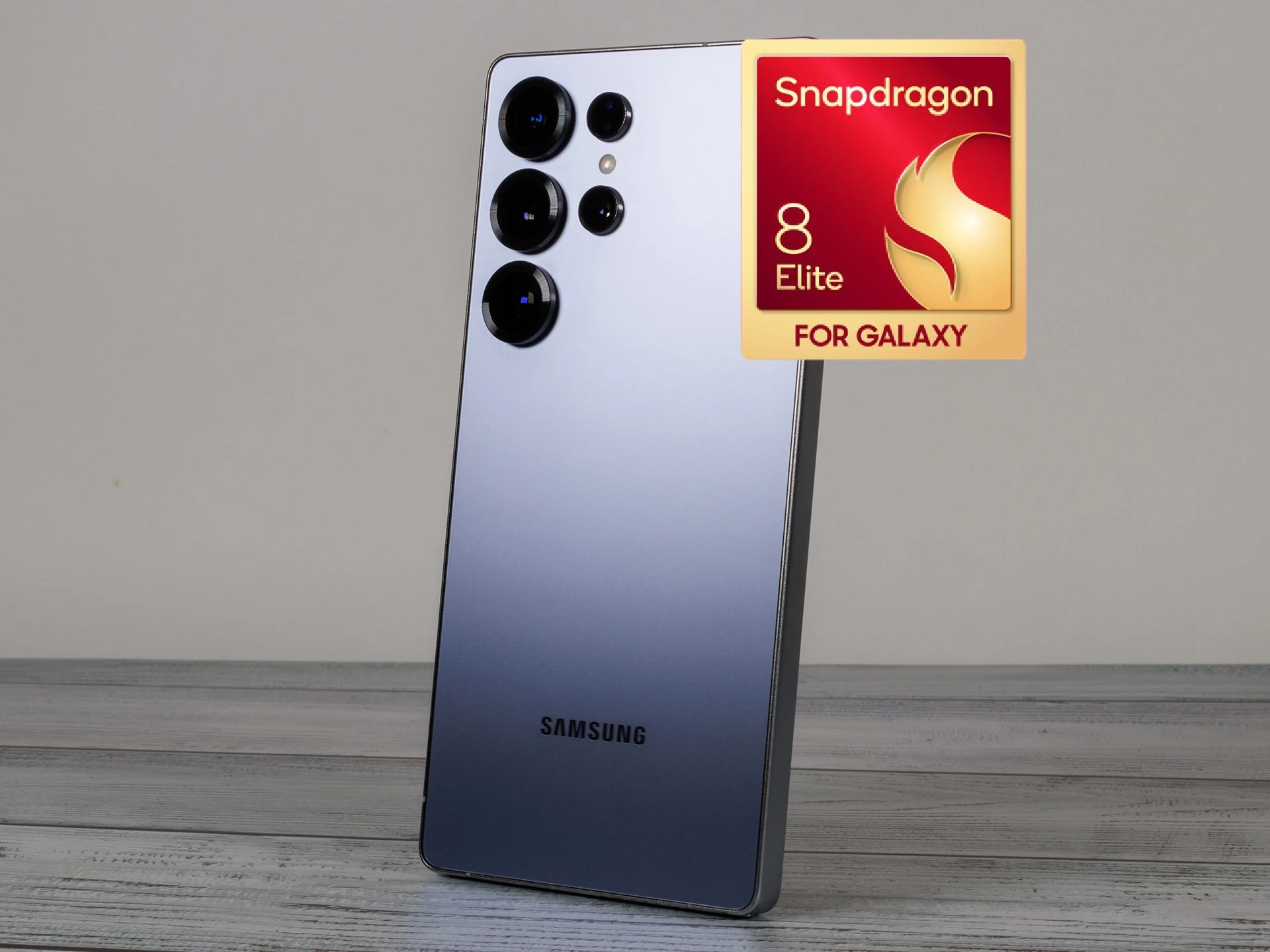
5. The Elite 2 will power next-gen devices like the Honor Magic8 Pro, Xiaomi 16, and OnePlus 15, with the Samsung Galaxy S26 Ultra expected to lead with a custom chipset version reaching up to 4.74GHz.
The Snapdragon 8 Elite’s newest Leading Version has astonishingly hit the ~2.9 million mark in AnTuTu scores, claiming the title of the benchmark’s current champion with the RedMagic 10S Pro+.
Surpassing Expectations
Rumor has it that its upcoming successor, the “11 Ultra,” is set to outshine this achievement, potentially becoming one of the first devices globally to reach a score of 4 million, as per a recent leak.
Enhanced Performance
The Adreno 840 GPU found in the Elite 2 is believed to play a significant role in achieving these impressive scores, boasting a maximum speed of ~1.2GHz, which is an upgrade from the 1.1GHz in the previous 830 model.
Next-Gen Devices
This second-generation 8 Elite, also known as “Qualcomm SM8850,” is expected to include its variant of ARM’s latest Scalable Vector Extension 2 (SVE2) along with Scalable Matrix Extension (SME) features to enhance its octa-core Oryon CPU, which is said to have a straightforward layout of 2 prime and 6 performance cores.
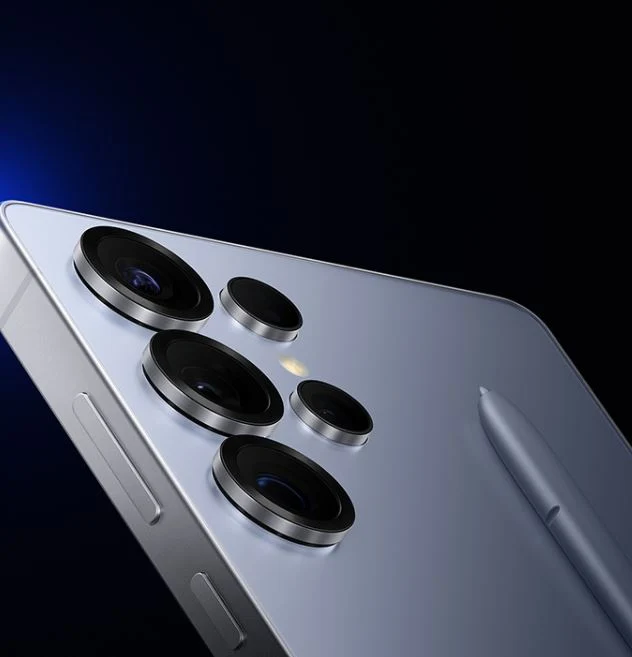
The 8 Elite 2 is anticipated to power various next-generation gadgets like the Honor Magic8 Pro, Xiaomi 16, and OnePlus 15. However, these devices may be surpassed by the Samsung Galaxy S26 Ultra, thanks to its custom ‘for Galaxy’ version of the same chipset.
It is now forecasted to reach a peak speed of 4.74GHz, an upgrade over the estimated ~4.6GHz of the standard variant of this chipset, ensuring it remains at the forefront of mobile technology.
Source:
Link