Category: Phones

Stay updated with the latest phone news, reviews, and trends. Discover cutting-edge smartphones, features, and innovations in our Phones category at GizNewsDaily

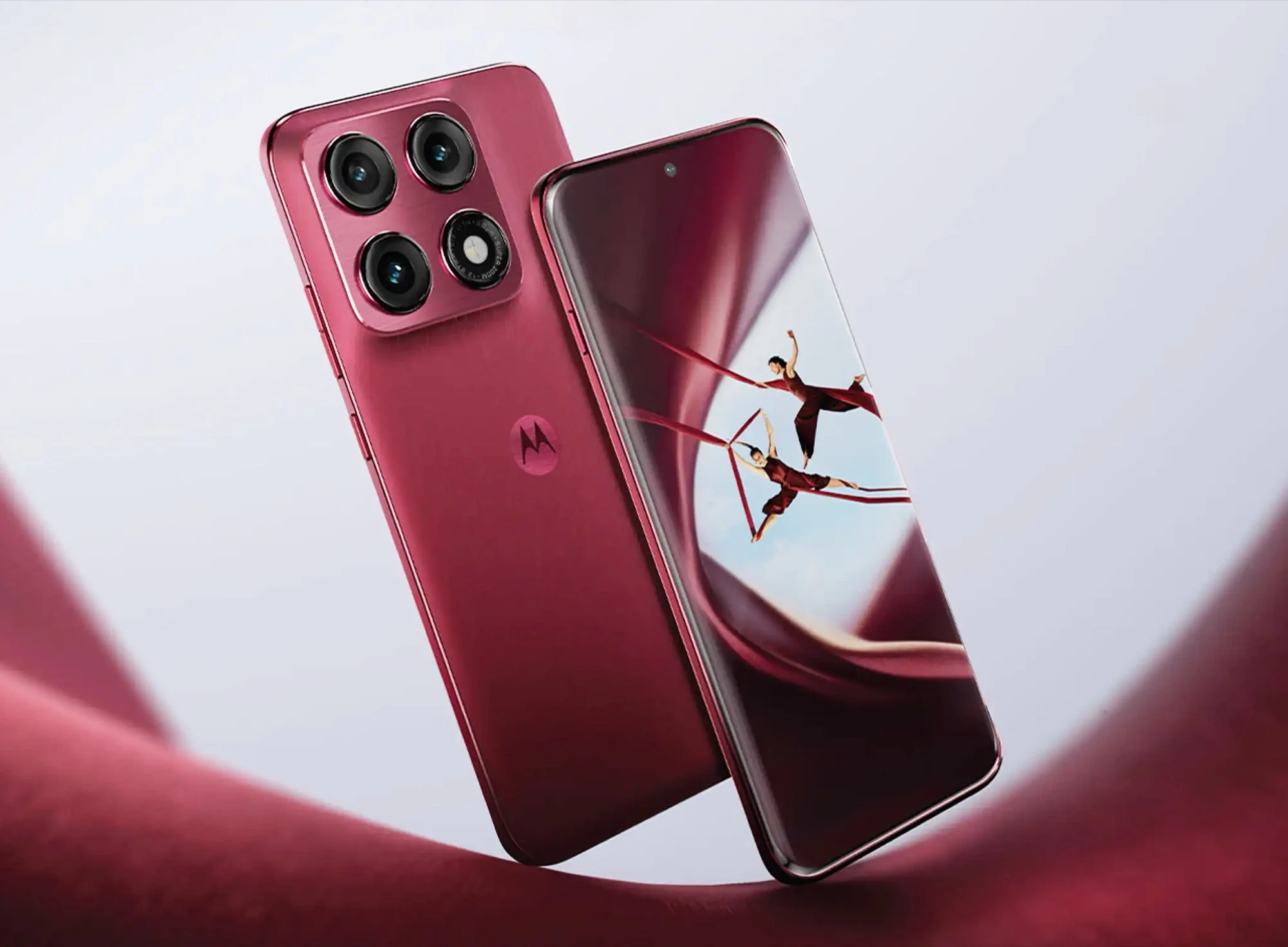
  • Motorola Edge 70 Pro+ 3 Colors, 50 MP Quad Cameras Launch Soon

    Motorola Edge 70 Pro+ 3 Colors, 50 MP Quad Cameras Launch Soon

    Key Takeaway

    – Periscope telephoto with 3.5x optical zoom and up to 50x hybrid zoom with digital magnification
    – 50 MP main Sony LYT-710 sensor (1/1.56″); 50 MP ultra-wide and 50 MP selfie cameras rumored
    – 6.8″ 144 Hz OLED display, 5,200 nits peak HDR brightness; 6,500 mAh battery with up to 90W charging; Android 16 with at least three major updates


    Motorola Edge 70 Pro+ teaser and official reveal update

    The Motorola Edge 70 Pro+ was first seen on teaser images last week. Motorola has now revised the teaser website on the Indian online store Flipkart and not only confirmed that the mid-range smartphone will be officially unveiled on June 4, 2026, but also removed the miserable sample photo of the portrait mode. this paragraph keeps a casual tone while noting the dates and changes, and it tries to mirror the shifting mood of the original update without strict formalism.

    Portrait mode and camera details

    The portrait mode is instead advertised with a photo that is less sophisticated for a bokeh simulation, but also looks much better. The Motorola Edge 70 Pro+ offers a periscope telephoto camera with 3.5x optical zoom; 50x hybrid zoom is said to be possible in combination with digital magnification. The main camera is based on the 50 megapixel Sony LYT-710 sensor in 1/1.56 inch format. this section emphasizes the camera capabilities while maintaining a slightly informal narrative style, and it preserves the technical specifics from the source.

    Design and color options

    The design is strongly reminiscent of the Motorola Edge 70 ($619 on Amazon), although the Edge 70 Pro+ is likely to be slightly thicker and is offered in three eye-catching colors: Pantone Zinfandel (red), Pantone Stormy Sea (turquoise) and Pantone Chicory Coffee (brown). Motorola has not yet confirmed any further details on the price or features of the Edge 70 Pro+. in this part, the writing shifts to a comparative tone with a sense of anticipation and color naming, while still listing the key points from the original.

    Specs rumors and display characteristics

    Rumors suggest that the mid-range smartphone will feature a MediaTek Dimensity 8500 Extreme, a 50 MP ultra-wide-angle camera and a 50 MP selfie camera. Motorola is said to be using a 6.8-inch display based on a 144 Hz OLED panel with a peak HDR brightness of 5,200 nits. The battery is said to have a capacity of 6,500 mAh and can be charged via USB-C with up to 90 watts. The Motorola Edge 70 Pro+ will be shipped with Android 16 and will receive at least three major Android updates. this paragraph maintains a speculative yet informative tone, including all the quoted specs as presented.
    Sources

  • Huawei Nova 16 Ultra: Fresh Design Ahead of Launch

    Huawei Nova 16 Ultra: Fresh Design Ahead of Launch

    Key Takeaway

    – Nova 16 series launch scheduled for Monday, June 1, with reservations open for all four models in China.
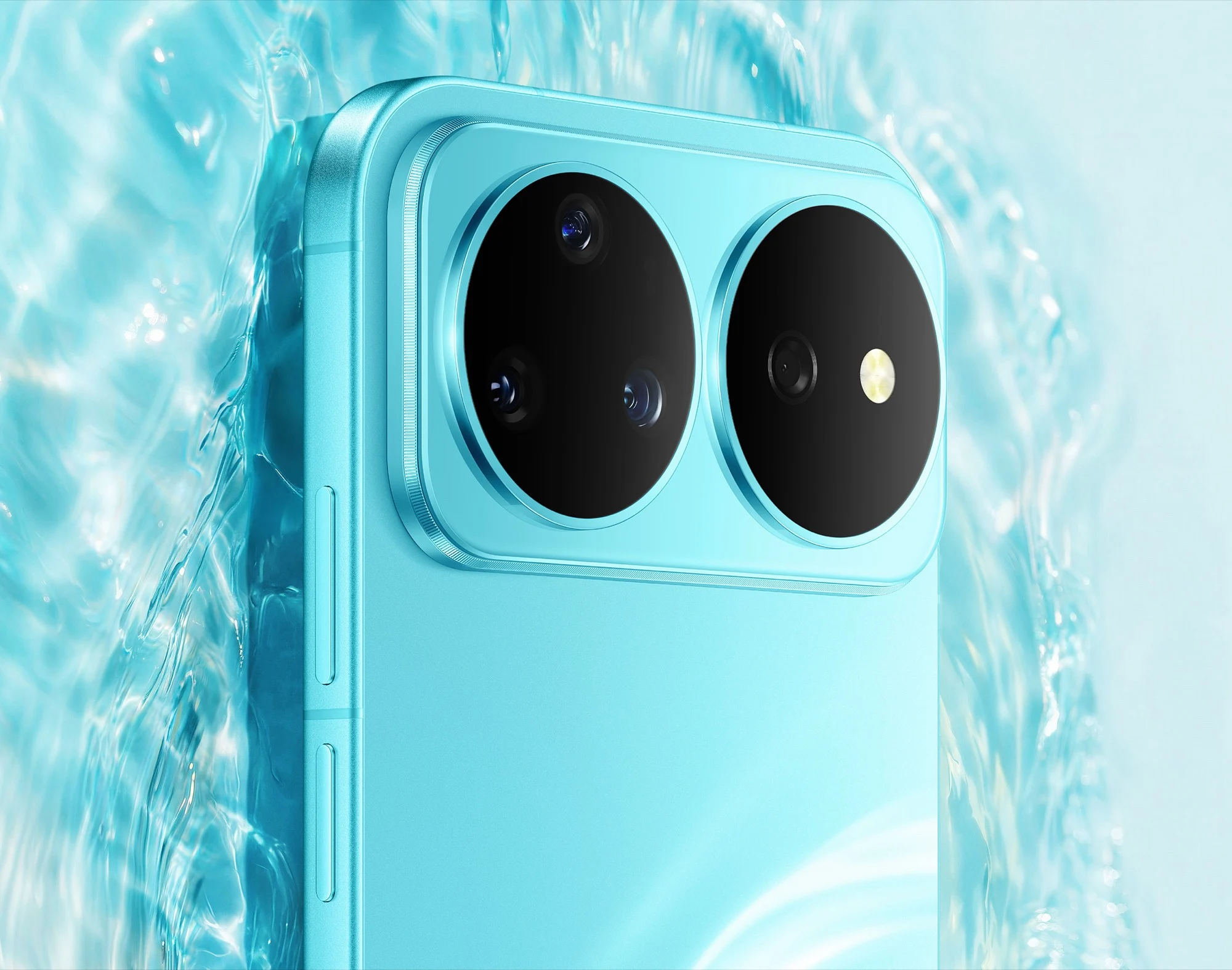
    – Nova 16 Pro and Nova 16 Ultra feature a wide, rectangular camera module with a large black circle housing main sensors and a secondary circle for an extra sensor/LED flash; Ultra’s area around the module is in a contrasting color.
    – Front camera configurations include two pop-up selfie cameras on the Pro/Ultra models (pill-shaped punch-hole), while the cheaper Nova 16 has a single front camera; Nova 16z uses a smaller dual-lens module with two LED flashes.


    Overview of the Nova 16 Series Announcement

    The Huawei Nova 15 will have a successor in just a few days, as Huawei has confirmed that the Nova 16 series will be officially unveiled on Monday, June 1. Huawei is already taking reservations for all four models in China and has taken this opportunity to unveil the design of the smartphones.

    Design Highlights and Camera Layout

    The Huawei Nova 16 Pro and the Huawei Nova 16 Ultra offer a rectangular camera module that spans almost the entire width of the smartphone, somewhat reminiscent of the Apple iPhone 17 Pro ($1,233 on Amazon). However, Huawei does not install the cameras individually in this module, but in a large, black circle. A second circle houses an additional sensor and an LED flash. The Huawei Nova 16 Ultra has the area around this camera module in a contrasting color.

    Front Camera Configurations and Variants

    The two more expensive models place two selfie cameras in a pill-shaped punch-hole. Huawei could combine an ultra-wide-angle camera with a selfie camera with a square sensor. The cheaper Huawei Nova 16 has only one front camera and two rear cameras, while the Huawei Nova 16z relies on a much smaller camera module that houses two lenses and two LED flashes.

    Current Known Specifications and Rumors

    So far, only a few details about the features of the Nova 16 series are known. Rumors suggest that the Huawei Nova 16 Ultra will feature a flagship chip from the HiSilicon Kirin 9 series, a 6.84-inch LTPO AMOLED display and a 7,000 mAh battery. Huawei is said to install a 50 MP main camera with 1/1.3 inch sensor and a 50 MP periscope telephoto camera.


  • First look at all-screen iPhone X successor renders reveal major design changes

    First look at all-screen iPhone X successor renders reveal major design changes

    Key Takeaway

    – Expect a dramatic design shift toward a heavily rounded chassis with a possible quad-curved display and thinner panel assembly using CoE technology.
    – Face ID could move completely under the display, potentially reducing the notch/Dynamic Island to a single camera hole-punch.
    – Camera system may shift to new LOFIC-type sensors with enhanced HDR and dynamic range, possibly starting with a dual-camera setup on the anniversary model.


    Intro

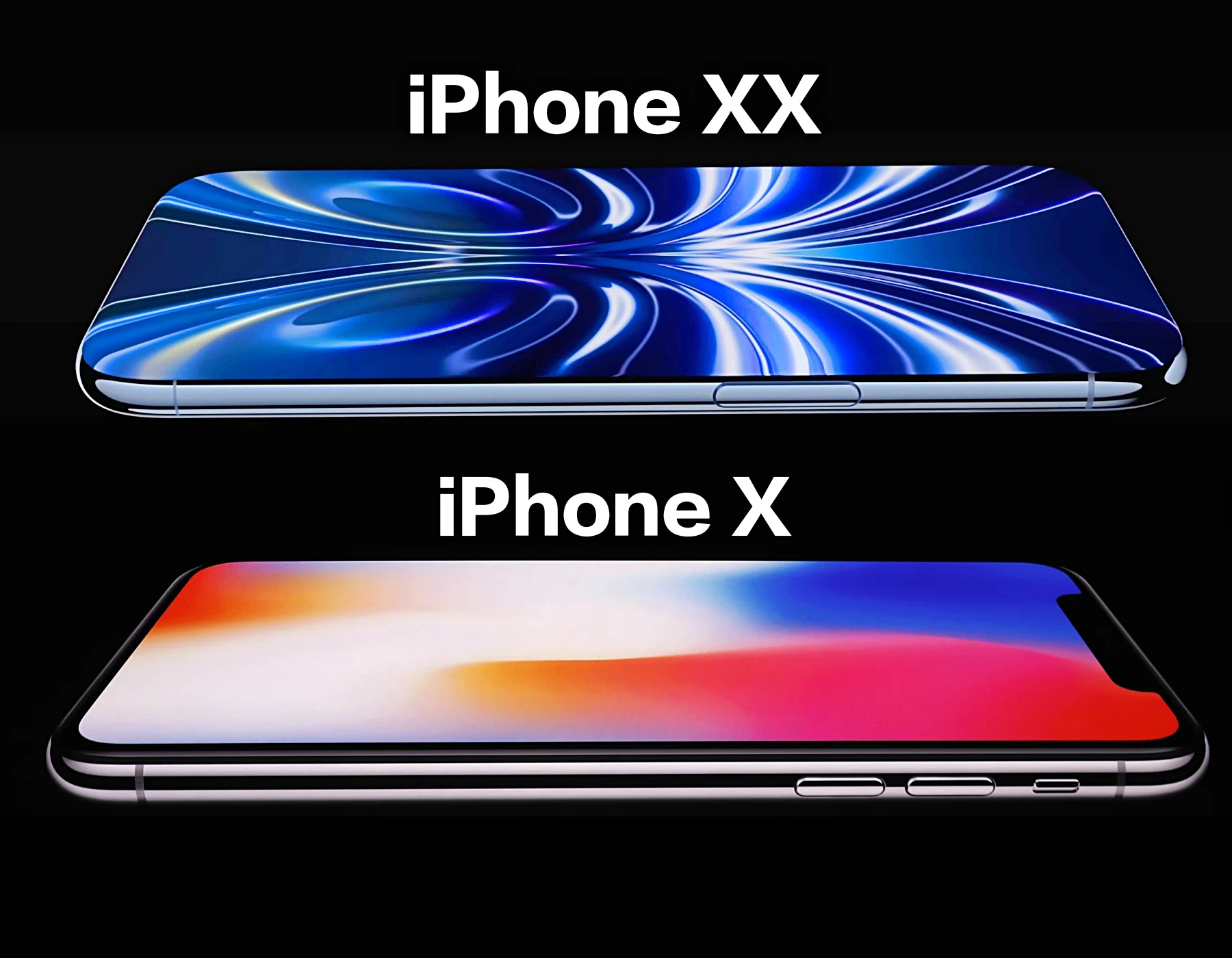
    As we approach the 20th anniversary of the phone that redefined the smartphone industry, anticipation is mounting regarding Apple’s next major design overhaul. While the name remains a mystery, with “iPhone XX/20” being a highly anticipated nod to the 2017 iPhone X (2017), fresh reports have shed light on what to expect from the 2027 flagship.

    Design Expectations

    Now, industry insiders are aligning on the belief that Apple is preparing a significant visual departure from its current iPhone 17 Pro design. Alleged iPhone 20 renders based on prototypes (which might or might not be 100% accurate) suggest a dramatic shift toward a heavily rounded chassis combined with a “quad-curved” display panel. Meanwhile, reports originating from the Apple supply chain suggest that Cupertino is currently evaluating advanced Samsung panels to facilitate this distinctive curved glass look.

    Display and Interface

    While a completely uninterrupted screen may still be a reach for 2027, internal testing reportedly involves moving Face ID hardware entirely beneath the display panel, potentially reducing the notch or “Dynamic Island” to a solitary hole-punch for the front-facing camera. Apple is said to be exploring “CoE” (Color filter on Encapsulation) technology, which promises a significantly thinner display assembly, which calls for a new anti-reflective coating.

    Buttons and Sensors

    Furthermore, rumors continue to swirl regarding the adoption of capacitive, solid-state buttons on the iPhone XX/20, marking a potential end to traditional physical switches. However, it’s important to note that this rumor (and other supply chain leaks) can change at any given moment due to a variety of reasons.

    Camera Tech

    The latest leak also suggests the camera department on the 20th anniversary iPhone might also be seeing a shake-up. New sensor technology is currently in the works, specifically targeted at pushing the limits of HDR performance and overall dynamic range, thanks to a LOFIC sensor (like the one in the Xiaomi 17 Ultra).

    Renders and Speculations

    Speaking of cameras, the renders in the video you see below show a dual-camera setup, which is surprising, to say the least. Of course, Apple’s top flagships have three cameras, including a zoom and ultra-wide-angle snappers.

    Product Strategy

    If the dual camera prototype of the iPhone XX/20 ever ships, it only makes sense it’ll be joined by a set of “Pro” iPhones with a more powerful camera system, while the anniversary iPhone might end up being a “special edition” iPhone (like a fancier iPhone Air). Of course, that’s just an educated guess based on the current leaks/rumors.

    Progress and Timeline

    Once again, these early leaks reflect work-in-progress hardware (at best). With the 2027 release of the iPhone XX/20 still over a year away, much of this design could evolve before the final product reaches the assembly line.

    That said, the iPhone 18 Pro should be launching in September, together with the long-awaited foldable iPhone Ultra.

  • First Galaxy Z Fold 8 Wide Screen Protectors Leak Reveals New Aspect Ratio

    First Galaxy Z Fold 8 Wide Screen Protectors Leak Reveals New Aspect Ratio

    Key Takeaway

    – Galaxy Z Fold 8 Wide uses a notably wider cover display (5.4 inches) with a near-square 4:3 inner screen, signaling a more tablet-like productivity mode when open.
    – The design emphasizes a traditional smartphone-like experience on the cover while expanding the inner display for larger tasks.
    – Rumored camera trade-off: potential removal of a telephoto lens in favor of a dual-camera setup to achieve the slimmer/compact form factor.


    New leaked images hint at Galaxy Z Fold 8 Wide design

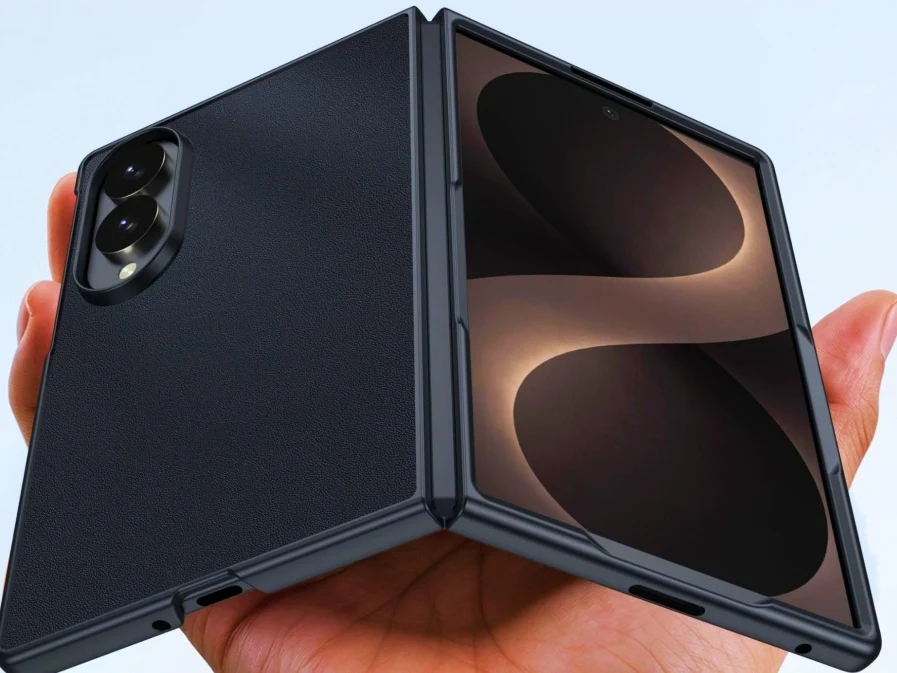
    New leaked images shared by one of the top smartphone tipsters provide a glimpse into the anticipated design of the upcoming Samsung Galaxy Z Fold 8 Wide. The photos showcase a tempered glass screen protector for the first time, emphasizing a significantly wider aspect ratio compared to previous Samsung foldables. The visuals seem to underline a bold shift in how the cover display behaves, which could influence daily usage in ways many users haven’t imagined yet. The imagery also hints at build choices that might affect durability and usability in real world scenarios, making this leak worthy of attention despite being unconfirmed by official channels.

    Wide variant aims for a more traditional cover experience

    This leak reinforces the growing consensus that the “Wide” variant is intended to offer a more traditional, smartphone-like experience on the cover display while transitioning to a near-square 4:3 inner screen for tablet-like productivity. Such a design could please users who favor a familiar single-screen feel when the device is closed, while still delivering expansive multitasking potential when unfolded. It suggests Samsung is balancing familiarity with productivity in its latest foldable strategy, though final specs remain speculative until official announcements are made.

    Overlaid guard image and comparisons

    The leakster has overlaid the screen guard with an image for illustration purposes. We can see a direct comparison of the Fold 8 Wide’s protector to that of the Huawei Pura X Max, suggesting Samsung’s wide foldable will be narrower when closed and wider when opened. This visual juxtaposition implies a design philosophy that prioritizes a more compact closed state without compromising an expansive display when opened, a trade off that many potential buyers will weigh against other competing devices in the market.

    Specifications teased: cover and inner displays

    Previous reports have highlighted that the wider variant of the Z Fold 8 should feature a 5.4-inch cover display and a 7.6-inch inner panel. To achieve its sleek form factor, the phone is rumored to make compromises in the camera department, allegedly ditching the telephoto lens in favor of a dual-camera setup. If true, this could mark a notable shift from Samsung’s typical camera line, affecting zoom performance and overall photo versatility, though final camera specs will only be verified by official disclosures.


    Sources

  • Is 3,500 Nits Brightness Too Bright for Daily Use?

    Is 3,500 Nits Brightness Too Bright for Daily Use?

    Key Takeaway

    – Industry-leading brightness for a mid-range display, excelling in direct sunlight and extreme lighting conditions.
    – Noticeable balance issues: high peak brightness drains battery and reduces continuous brightness, causing more frequent charging.
    – Eye comfort and usability trade-offs: indoors the panel can feel too intense; automatic brightness can be sluggish, leading to abrupt brightness jumps.
    – Color accuracy and viewing angles remain competitive vs. rivals, but overall energy efficiency and automatic brightness limits temper daily use.


    Motorola Moto G87 review highlights

    The Moto G87 stands out in the mid-range arena with its 6.78-inch extreme AMOLED panel, boasting a peak brightness that tops around 3,500 nits in our testing and claims up to 5,000 nits per the manufacturer. It sports a 1.5K resolution and a 120 Hz refresh rate, aiming to outshine many rivals while staying near the 450 US$ price point. This section preserves the original pricing and spec details as requested, though the exact currency and price may vary over time.

    Display performance in real life

    In everyday use, the screen provides exceptional brightness that can ensure readability even under direct sunlight according to laboratory measurements. Yet indoors, the same panel can feel too intense, potentially tiring the eyes after longer sessions. The best brightness is not constant; it only appears under certain conditions, while the sustained brightness is notably lower, affecting how the display looks during extended use. The high energy draw also impacts battery life, resulting in more frequent charges during heavy tasks.

    Brightness comparisons

    When directly compared to the Samsung Galaxy A57, the Moto G87 demonstrates superior brightness, making it easier to read in bright environments. The Samsung, however, keeps a solid edge in color accuracy and viewing angle stability. For everyday users, this means the Moto G87 can excel in bright outdoor situations but may require dimming indoors or under artificial lighting. Automatic brightness responds with a slight delay at times, which can cause abrupt changes in screen intensity.

    Energy efficiency and overall balance

    Overall, the phone delivers a display that sits near the top of mid-range brightness. Yet the trade-offs include energy efficiency concerns and imperfect automatic adjustments. These drawbacks detract from its otherwise strong display performance, and they weigh into the overall recommendation. You can explore these factors in our complete test report to understand why a cautious verdict is warranted despite the standout brightness.

    Conclusion

    The Motorola Moto G87 offers a display that pushes the mid-range envelope in brightness, but its high energy requirements and imperfect automatic brightness adjustments create a mixed picture. With 6.78 inches of extreme AMOLED, it keeps pace with competitors in some aspects while lagging in others, pushing buyers to weigh the importance of brightness against battery longevity and ease of use in varied lighting.

    Sources
    • AGM G3 Pro Rugged Phone: Pros, Cons, Review

      AGM G3 Pro Rugged Phone: Pros, Cons, Review

      Key Takeaway

      – Built for durability with MIL-STD-810H rating, extreme temperature tolerance, and long battery life, but at the expense of sophisticated multimedia and modern features.
      – Thermal imaging camera provides point measurement and hot/cold area detection, though temperature readings are only approximate.
      – Camera system is a major weak point (poor rear image quality, no stabilization, digital zoom, subpar videos; front camera only mediocre), while other strengths include an extremely loud speaker and a programmable function key.
      – Hybrid SIM/microSD slot offers flexible storage/connection options but lacks DRM certification and overall connectivity is average (single-band GNSS, Wi‑Fi 5, limited noise cancellation in calls).
      – Display is bright but basic (TFT-LCD with cool color tone; no OLED), and the device uses a mid-range MediaTek Dimensity 7300 with solid everyday performance but not flagship power.


      Overview of the AGM G3 Pro

      The AGM G3 Pro is a rugged smartphone built primarily for durability rather than sleek style, and it really shows in its construction. Its MIL-STD-810H certification suggests it can handle drops from up to 1.5 meters, dust and water resistance, and it even tolerates temperatures from -20 °C to +60 °C, making it a tough pick for outdoor use and demanding work environments. The device feels solid in the hand, and the design choices emphasize resilience over polish, which might appeal to users who need reliability in harsh conditions.

      Key rugged features and unusual capabilities

      Among its standout traits are a very bright camping light on the back and an integrated thermal imaging camera. This camera can mark individual measurement points and automatically highlight the hottest and coldest spots in a scene. In real-world use, though, temperature readings tend to be only approximate, often running a bit higher than reference measurements. A programmable function key and an built-in FM radio round out some of the practical extras, adding convenience for field work and outdoor activities.

      Storage, connectivity, and performance notes

      The device includes a hybrid SIM/microSD slot that supports either two SIMs or one SIM plus memory expansion, which is a handy flexibility feature. However, DRM certification is absent, which could limit higher-quality streaming on certain services. Connectivity is middle-of-the-road: single-band GNSS can affect location accuracy, Wi‑Fi 5 has limited performance, and voice quality is decent but lacks strong noise cancellation. The vibration motor falls short of expectations as well, contributing to a less premium-feeling tactile experience.

      Camera and display impressions

      Camera performance is a notable weakness. The front camera is passable but images tend to look overly sharpened, while the rear cameras disappoint with poor detail, no stabilization, and digital zoom-only capabilities. Video recording tops out at 30 FPS. The TFT-LCD display is sufficiently bright but cannot rival OLEDs and skew toward a cooler color temperature, impacting overall image quality and viewing comfort.

      Performance, battery, and long-term durability

      Under the hood sits a MediaTek Dimensity 7300 that provides solid everyday performance without venturing into high-end territory. The speaker is exceptionally loud, and the large battery supports lengthy use between charges, which are strong points for outdoor work or prolonged field sessions. On the downside, the manufacturer estimates the battery life may endure around 800 charge cycles, which could influence long-term durability expectations and total cost of ownership.

      Bottom line and target audience

      The AGM G3 Pro stands as a specialized outdoor device prioritizing ruggedness, extended battery life, and thermal imaging over camera quality, multimedia capabilities, and some modern features. If your needs lean toward harsh environments, durability, and functions like thermal imaging or long-lasting battery life, this model could be a fit, albeit with clear trade-offs in camera performance and streaming capabilities.

      Sources
      • Is 3500 nits too bright for daily smartphone use?

        Is 3500 nits too bright for daily smartphone use?

        Key Takeaway

        – Extremely bright display for direct sunlight, with superior peak brightness versus competitors like the Samsung Galaxy A57.
        – High energy demand leads to shorter battery life and more frequent charging under intensive use.
        – Indoor/ shaded use can feel excessively intense, and automatic brightness reacts sluggishly, causing brightness jumps.
        – Continuous (average) brightness is notably lower than peak specs, affecting consistency in real-world viewing.
        – Overall, while the display is top-tier for mid-range, energy efficiency and auto-adjustment drawbacks temper everyday appeal.


        The Motorola Moto G87 sets standards in the mid-range with its 6.78-inch extreme AMOLED display: With a peak brightness of up to 3,500 nits in our test (up to 5,000 nits according to the manufacturer) and a 1.5K resolution at 120 Hz refresh rate, it outperforms many competitors at a price of around 450 US$.

        Introduction

        However, this technical superiority also comes with challenges that are noticeable in everyday life. The lab measurements confirm an exceptional brightness that guarantees perfect readability even in direct sunlight. Indoors, however, the panel sometimes appears too intense, which can quickly tire the eyes. The high peak brightness is only achieved under certain conditions, while the continuous brightness is significantly lower. The battery life suffers from this high energy requirement, which leads to more frequent charging cycles during intensive use.

        Real-World Performance

        In a direct comparison with the Samsung Galaxy A57, the Moto G87 shows superior brightness, while the competitor’s display loses legibility in the same lighting conditions. Nevertheless, the Samsung device remains competitive in terms of color accuracy and viewing angle stability. For everyday use, this means that the Moto G87 shines in extreme lighting conditions, but often has to be dimmed in the shade or under artificial lighting. The automatic brightness control reacts somewhat sluggishly from time to time, which can lead to unpleasant jumps.

        Display and Efficiency

        The Moto G87 offers a display that is at the forefront of the mid-range in terms of brightness. However, there are drawbacks in terms of energy efficiency and automatic adjustment. You can find out why we cannot recommend the phone without hesitation despite its great display in our detailed test report.

      • iPhone 20 Redesign: Curved Bezel-less Display Under Test, Android Follows

        iPhone 20 Redesign: Curved Bezel-less Display Under Test, Android Follows

        Key Takeaway

        – Android brands (Huawei/Xiaomi) are rumored to push even thinner-bezel or edge-to-edge displays first, potentially beating Apple to all-screen designs.
        – iPhone 19 Pro / iPhone 20/XX are speculated to showcase a “quad-curved”, borderless display on a glass-heavy, four-edge-curved body.
        – Rumors mention Xiaomi flagship with bezel thickness around 0.35mm, possibly the Xiaomi 18, contributing to the race for minimal bezels.


        Some reputable tech tipsters are talking about next-gen smartphone screens that are currently in testing, and because of prior leaks and rumors, enthusiasts are tying these designs to a handful of potential 2027 flagships. The chatter suggests that a prototype could be aimed at a major Apple launch, possibly the iPhone 19 Pro or a 20th-anniversary iPhone 20/XX, with whispers of a revolutionary quad-curved display and a glass-heavy chassis that curves along all four edges for a near-borderless appearance.

        Speculation about design directions and display tech

        Meanwhile, another form factor rumor points toward Huawei, with talk of a 2027 flagship that boasts a wider aspect ratio and an edge-to-edge display that stretches toward the sides. In related tidbits, Xiaomi is rumored to be pursuing a flagship with astonishingly thin bezels, as low as 0.35mm, which some speculate could be the Xiaomi 18. These ideas mix ambition with a dash of hype, as insiders caution that early leaks should be treated cautiously.

        Comparisons and expectations across brands

        The ongoing question remains which company will reach the all-screen dream first. In line with past patterns, many believe Android manufacturers might outpace Apple in delivering an expansive, bezel-minimized experience, echoing Huawei’s earlier move with a wider Pura X Max before a foldable iPhone Ultra made its debut. Yet, without official confirmations, these projections are educated guesses from rumor ecosystems rather than confirmed facts.

        • Industry insiders emphasize that early supply chain hints are not definitive proof of final products.
        • The discourse continues to circle around whether a truly edge-to-edge experience will become mainstream soon.
        • As always, timing, feasibility, and practical durability remain critical questions for any new screen technology.

        Stay tuned for updates as more concrete details surface from manufacturers or trusted outlets, and remember that the landscape around 2027 flagships is still largely speculative at this stage.


        Sources

      • iPhone 18 Pro and 18 Pro Max Screen Protectors Hint Taller Displays

        iPhone 18 Pro and 18 Pro Max Screen Protectors Hint Taller Displays

        Key Takeaway

        – Two design cues: a smaller selfie camera cutout and a taller, narrower display aspect ratio for the iPhone 18 Pro lineup.
        – Possible diagonal increases to at least 6.4 inches (18 Pro) and 7 inches (18 Pro Max) if the taller panels are real.
        – Official confirmation or further leaks expected by September; treat current images with skepticism.


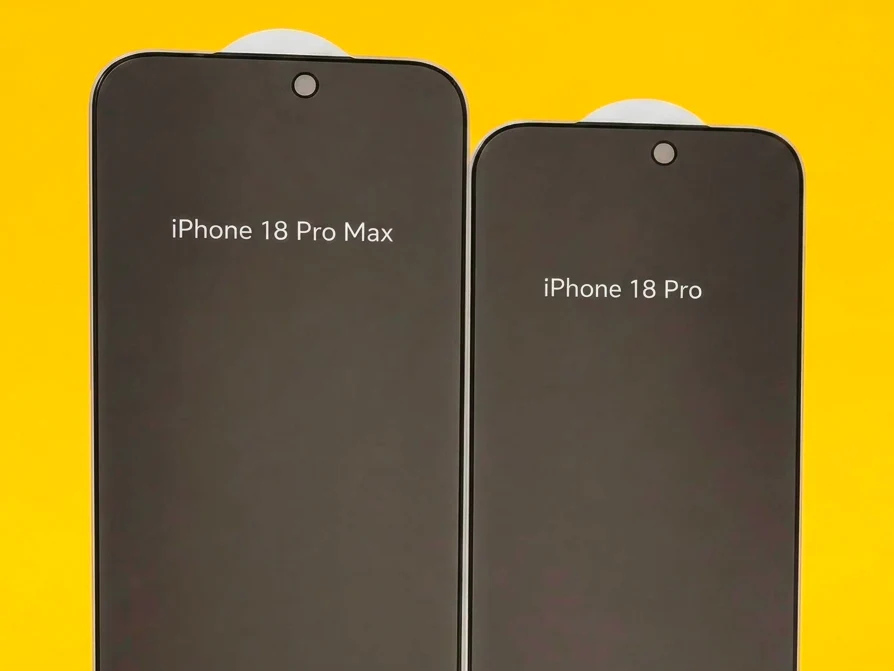
        Following the leaked iPhone 18, iPhone 18 Pro, and iPhone 18 Pro Max cases we showed you earlier, we get our first look at what are believed to be screen protectors for Apple’s 2026 flagships.

        There are two notable design elements. The first is the much smaller selfie camera cutout, which is in line with long-standing rumors of a 25-35% smaller Dynamic Island. The smaller hole you see in the protective glass is perhaps specifically there for the selfie camera.

        Unclear design shifts and speculation

        However, the second notable difference compared to the design of the iPhone 17 Pro and 17 Pro Max appears to be a slightly taller, narrower aspect ratio, a design change that hasn’t been mentioned in previous leaks. Of course, unofficial images should always be taken with a dose of skepticism, but it would be quite interesting to see Apple adopt a taller display for the iPhone 18 Pro series.

        Taller displays and potential measurements

        A taller aspect ratio for for the regular iPhones would be in contrast with the super-wide cover screen of the foldable iPhone Ultra, but perhaps that is the whole point? If the iPhone 18 Pro and 18 Pro Max end up with taller/narrower panels, this could bring their diagonal measurements to at least 6.4-inches for the 18 Pro and 7-inches for the 18 Pro Max model.

        • There’s only one way to find out if Apple is indeed going to break the 7-inch display barrier, and this is to wait for the official announcement of the iPhone 18 Pro series in September.
        • Or further leaks. Stay tuned!


        Sources

      • Xiaomi Redmi Note 17 Global Release Plans Leaked

        Xiaomi Redmi Note 17 Global Release Plans Leaked

        Key Takeaway

        – Xiaomi appears to be skipping the Redmi Note 16 branding and moving to a Redmi Note 17 series, with multiple model numbers signaling different regional variants.
        – The listed model numbers (2607DRA18C, 26073RA49C/G, 2609FRA74C) and new entries (26012RN62L/Y/A) suggest a global rollout planned for late 2026, with regional releases preceding a broader launch.
        – The Redmi Note 17 is expected to launch in China first, with India follow-ups, and a full global introduction likely by the end of 2026; the 26012RN62L variant is linked to the “Redmi Note 17 too” marketing name.
        – Based on current patterns, 26012RN62L is anticipated to be the successor to the Redmi Note 15 4G rather than the Redmi Note 15 5G.
        – Timing signals point to a July 2026 release window for some variants and a December 2026 global release for the main Note 17 lineup.


        New evidence that Xiaomi is developing the Redmi Note 17 series has emerged online

        New evidence that Xiaomi is developing the Redmi Note 17 series has emerged online. In March, multiple sources reported that Xiaomi planned to skip Redmi Note 16 branding altogether. Instead, the company was rumoured to be charging ahead with the Redmi Note 17 series, just as it did in late 2025 by replacing Xiaomi 15 smartphones with Xiaomi 17 successors. The article carries a sense of urgency and intrigue, mixing rumors with supposed confirmations from various outlets without clear official statements.

        Speculation and model numbers

        At the time, Xiaomi Time reported that the 2607DRA18C, 26073RA49C and 2609FRA74C were in development. Shortly afterwards, the 26073RA49G appeared on the Eurasian Economic Commission (EEC) as a global alternative to the 26073RA49C. Now, XimiTime has observed the 26012RN62L, 26012RN62Y and 26012RN62A being added to GSMA databases. The progression of model numbers suggests regional variants of the same device rather than distinct phones, hinting at a strategy to tailor releases per market with minor spec tweaks. The sources imply a tempo that could accelerate toward a late-2026 rollout.

        Global rollout expectations

        As far as we can tell, these are regional variants of the same device. The screenshot shared by XimiTime links 26012RN62L to the marketing name ‘Redmi Note 17 too’. Moreover, the model number indicates that Xiaomi hopes to release the Redmi Note 17 around December 2026. By contrast, the other model numbers that have emerged so far point towards a July 2026 release in some capacity. The narrative paints a pattern where China-first launches lead to broader international availability, yet a worldwide debut might push toward the end of 2026, potentially delaying a comprehensive global release until next year.

        Market timing and historical patterns

        Typically, Xiaomi releases three new Redmi Note smartphones in China first before launching them in India a month or so later. However, a global launch is unlikely to occur until the end of 2026. If past generations are any indication, then 26012RN62L is probably the successor to the Redmi Note 15 4G (curr. $187 on Amazon) rather than the Redmi Note 15 5G that we reviewed a few months ago. The piece wraps speculative timing with a nod to prior release cadences, underscoring uncertainty about the order and timing for international availability while citing historical patterns as justification.


        Sources