Category: Phones

Stay updated with the latest phone news, reviews, and trends. Discover cutting-edge smartphones, features, and innovations in our Phones category at GizNewsDaily

  • Vivo Launches Affordable Phone with 7,200 mAh Battery

    Vivo Launches Affordable Phone with 7,200 mAh Battery

    Key Takeaway

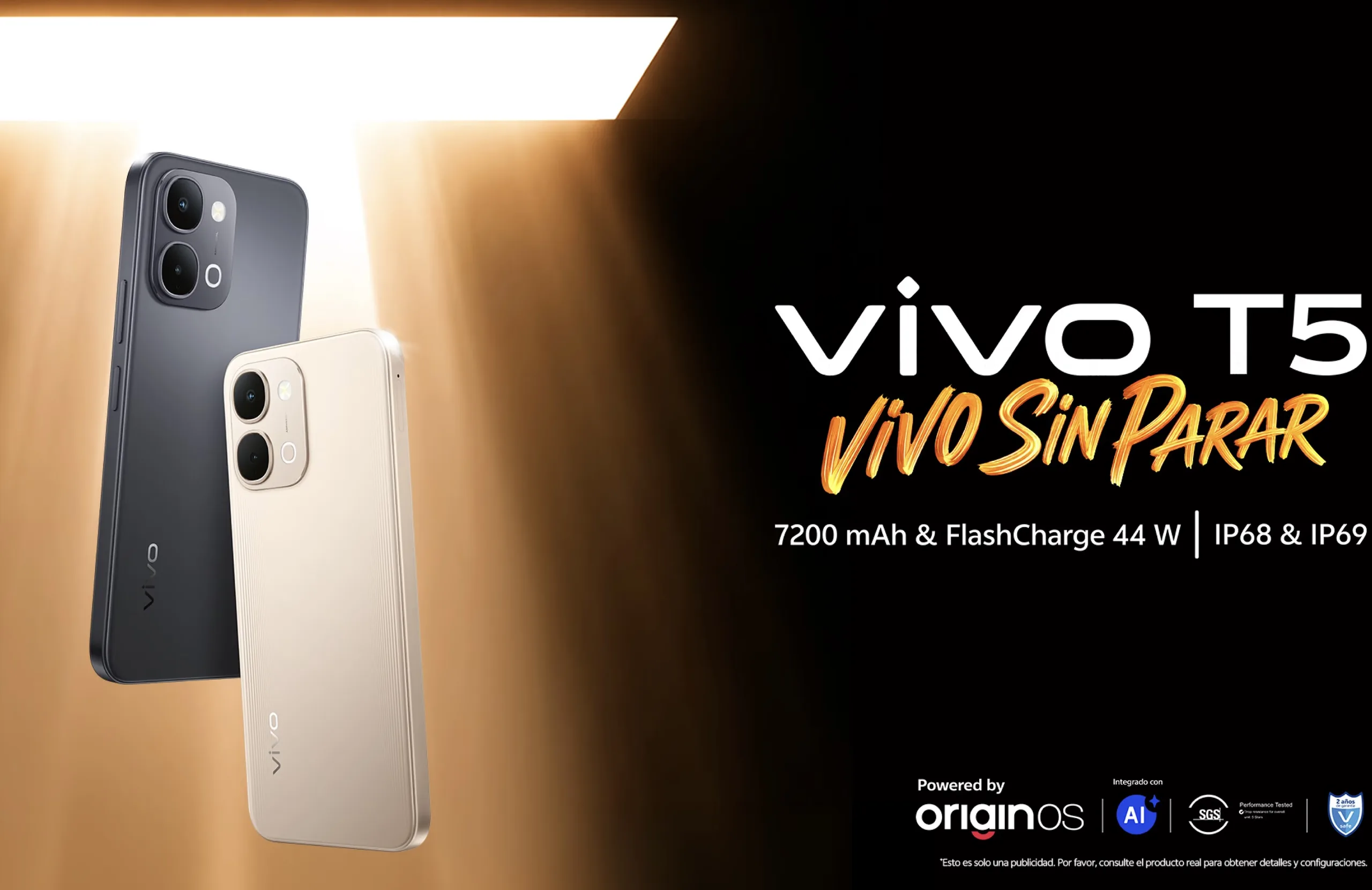
    – Vivo T5 launched in Mexico at MXN 5,799 (~$335) for 8 GB + 256 GB variant
    – Features a massive 7,200 mAh battery with 44 W wired charging and IP68/IP69 water/dust protection
    – 6.75-inch HD+ LCD display with 120 Hz refresh rate and 1,250 nits brightness
    – Powered by Snapdragon 6s Gen 2 with 8 GB RAM, 256 GB storage (non-expandable)
    – Dual rear cameras (50 MP + 2 MP), 32 MP front camera, Android 16-based OriginOS 6


    Vivo T5 Launches Quietly in Mexico

    Vivo has quietly launched the Vivo T5 smartphone in Mexico. Vivo packs a decent set of features into its latest budget-focused smartphone. Speaking of price, the Vivo T5 4G is priced at MXN 5,799 (~$335) for the sole 8 GB + 256 GB variant. The smartphone is now available for purchase via Vivo’s official website.

    Bulky Design and Massive Battery

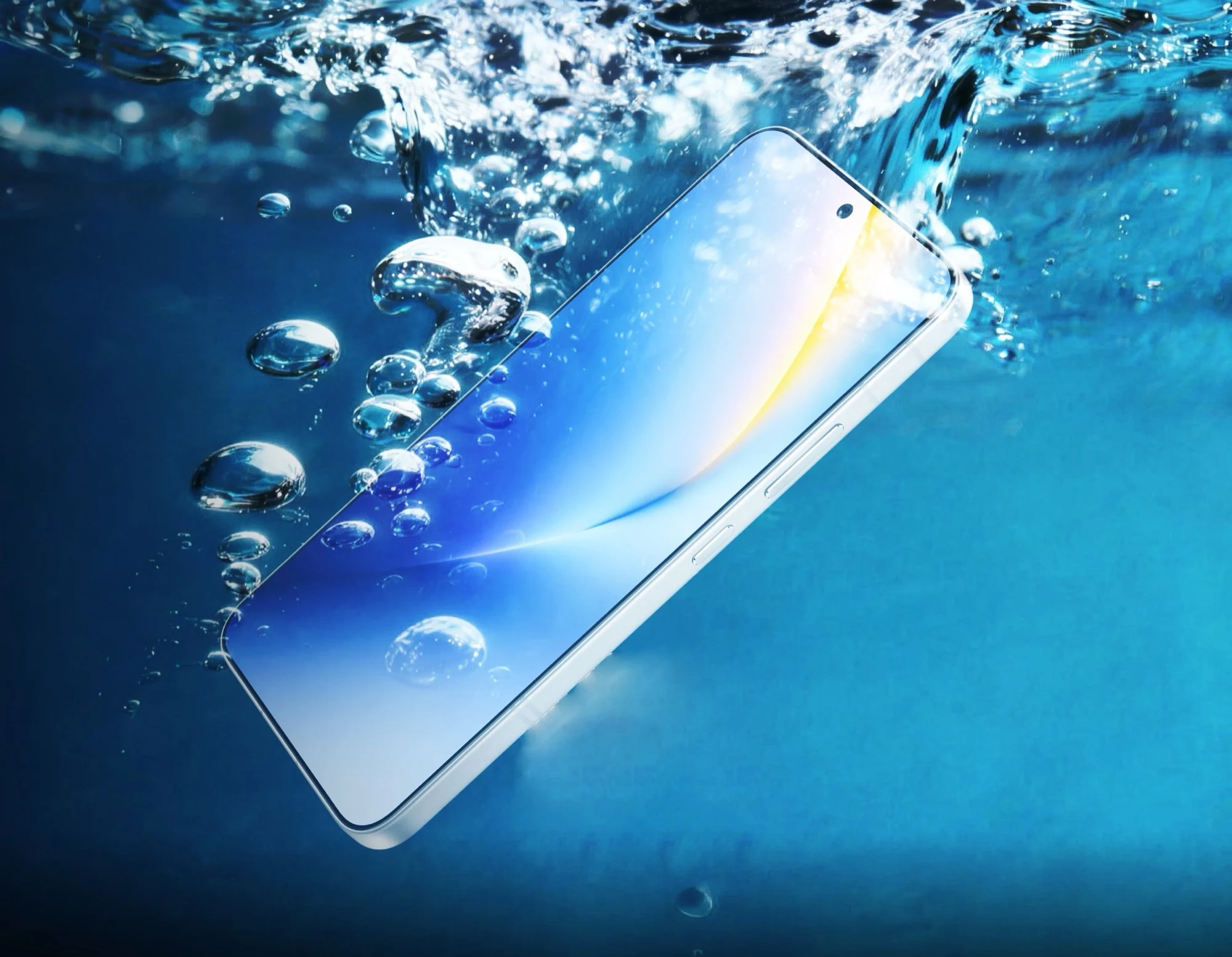
    Measuring 166.64 x 78.43 x 8.39 mm (6.56 x 3.08 x 0.33 inches) and weighing around 219 grams (0.48 lbs), the Vivo T5 is quite bulky due to its relatively large battery. Speaking more precisely, it boasts a 7,200 mAh battery that supports 44 W wired charging. It is well protected against water and dust ingress, meeting the requirements of IP68 and IP69.

    Display and Processing Power

    The Vivo T5 is equipped with a 6.75-inch LCD display that delivers 1570 x 720 pixel resolution. According to the company, the display achieves a brightness of 1,250 nits and a frame rate of 120 Hz. Under the hood, it is powered by the Snapdragon 6s Gen 2 processor, which is paired with up to 8 GB of LPDDR4X RAM and 256 GB of UFS 2.2 storage with no room for storage expansion.

    Camera and Software Specifications

    For photography, you get a dual rear camera setup, consisting of a 50 MP primary camera and a 2 MP one. There’s a 32 MP snapper at the front for selfies and video chats. The device runs Android 16-based OriginOS 6 out of the box. However, there’s no word on its software support from the brand. Other features include a side-mounted fingerprint scanner, stereo speakers, dual-band Wi-Fi, Bluetooth 5.1, NFC, an infrared blaster, and up to 8 GB of dynamic RAM support.


    Sources

  • MediaTek Launches First Mobile Chip with Arm C1 CPU Cores

    MediaTek Launches First Mobile Chip with Arm C1 CPU Cores

    Key Takeaway

    – First mobile chipset with Arm C1 CPU cores
    – Significant performance gains: 68% faster video transcoding, 40% faster file transfers
    – Improved power efficiency: 5-9% in daily apps, 4-7% in games
    – 4nm process with NPU 850 for generative AI capabilities
    – Supports 144Hz displays, 200MP camera, 4K HDR, Bluetooth 5.4, and Wi-Fi 6E


    MediaTek’s New Chipset

    MediaTek has a new processor, and it is a special one as it is the first mobile chipset to feature Arm’s latest C1 CPU cores. The new chipset is officially called the Dimensity 7500, and it should power Android smartphones and tablets in the mid-range category. This is a big step forward for the company, and they are expecting it to make a splash in the market.

    Performance Boosts

    According to MediaTek, the Dimensity 7500 brings significant performance and power efficiency improvements compared to the previous generation Dimensity chipset. For starters, the new chipset is said to be up to 68% faster at video transcoding, up to 40% faster at file transfers, up to 30% faster at app switching, up to 11% faster at app installs, and up to 19% faster at game level load times. MediaTek also says there’s a 5-9% improvement in power efficiency in popular apps used daily and 4-7% power efficiency gains in popular games.

    Core Specs Details

    The Dimensity 7500 is a 4nm chip with eight CPU cores in a 4+4 cluster. There are 4x Arm C1 Pro high-performance cores clocked at 2.6GHz and 4x Arm C1 Nano efficiency-focused cores clocked at 2.0GHz. It also has a MediaTek NPU 850 which is reported to have best-in-class generative AI capabilities. For its GPU, it has a Mali-G625 MC2. This combination should give users a smooth experience.

    • 4x Arm C1 Pro cores at 2.6GHz
    • 4x Arm C1 Nano cores at 2.0GHz
    • MediaTek NPU 850 for AI
    • Mali-G625 MC2 GPU

    Display and Connectivity

    The processor has support for displays with a resolution of up to 1344 × 2800 and a 144Hz refresh rate. It also has support for LPDDR5 memory at up to 6400Mbps, UFS 3.1 2-lane storage; up to a 200MP main camera sensor, and 4K HDR video recording. The Dimensity 7500 also has Bluetooth 5.4 and Wi-Fi 6E. These are all high-end features for a mid-range chipset, wich should please many users looking for a good phone.

    Availibility

    There’s no info yet on which brands have signed up to use the Dimensity 7500, but it most likely won’t be long before the announcement of the first smartphone powered by the chipset. Many manufactures are probably already testing it, so we should see some anouncements soon. It will be interesting to see wich brand gets the first launch.

    Sources
  • Huawei Testing Massive Camera Upgrade for Pura 100 Series

    Huawei Testing Massive Camera Upgrade for Pura 100 Series

    Key Takeaway

    – Huawei’s 2027 Pura series may feature multi-camera fusion technology
    – The tech combines data from primary, ultra-wide, and telephoto lenses into one image
    – Multi-spectral sensors are also expected to improve color accuracy
    – Huawei’s implementation could push other flagship brands to adopt similar tech


    Smartphone Cameras Keep Getting Better

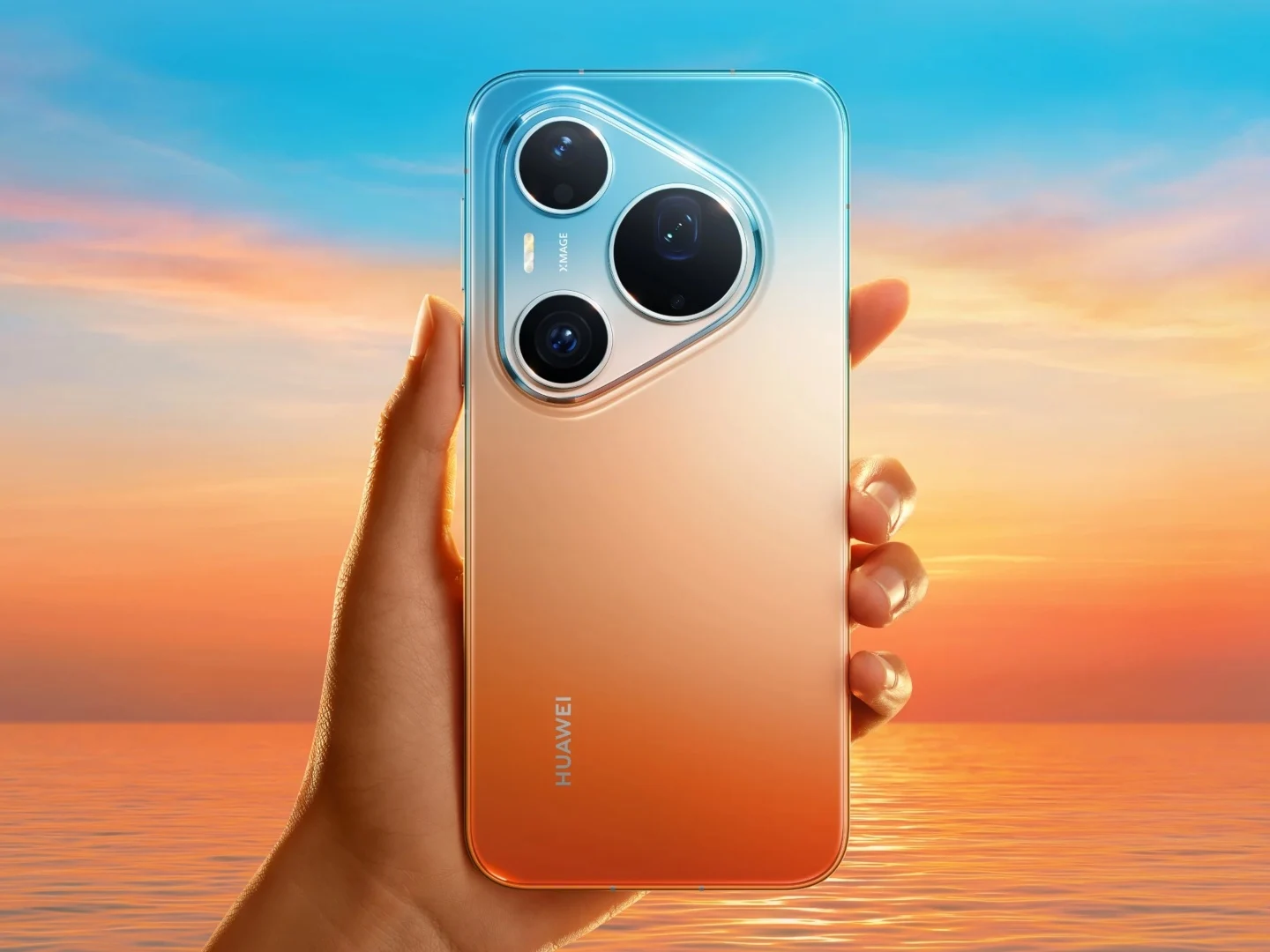
    Over the years, smartphone cameras have become increasingly capable, with higher resolution images and videos, accurate color reproduction, and faster processing. Huaweis Pura series of smartphones has focused on taking camera performance to greater heights with every new generation, and it looks like the next iteration will bring about a major upgrade in smartphone photography. The information comes courtesy of credible leaker Digital Chat Station over on Weibo, who states that a major smartphone manufacturer is testing “multi-camera fusion technology” for its 2027 offering.

    Leaker Hints at Huawei Pura 100 Series

    While the leaker doesn’t mention the name of the brand, the emoji used is synonymous with Huawei, and the leak is likely hinting at the Huawei Pura 100 series. The multi-camera fusion tech would essentially combine data from all three lenses — primary, ultra-wide, and telephoto — to reproduce a single high-quality image. This tech has been used in Honor Magic series phones for years, so it’s not revolutionary, but Huaweis implementation could force other major brands to do the same with their flagships.

    Furthermore, the leak also states that these lenses will have multi-spectral sensors, which would theoretically improve color accuracy by capturing different spectral bands. Notably, multi-spectral sensors are also not uncommon in smartphones, and the Huawei Pura 90 series has them as well. The source of this information is Digital Chat Station on Weibo.

    Sources
  • Rugged Phone with Thermal Camera & Privacy Kill Switch

    Rugged Phone with Thermal Camera & Privacy Kill Switch

    Key Takeaway

    – Hardware-level kill switch for camera and microphone
    – Rugged design with IP68, IP69K, and MIL-STD-810H certification
    – 10,000 mAh battery with 45W fast charging
    – Thermal imaging camera (640×512 resolution) with night-vision camera
    – MediaTek Dimensity 8300, 12GB RAM, up to 1TB storage


    Rugged Phone Fans Take Note

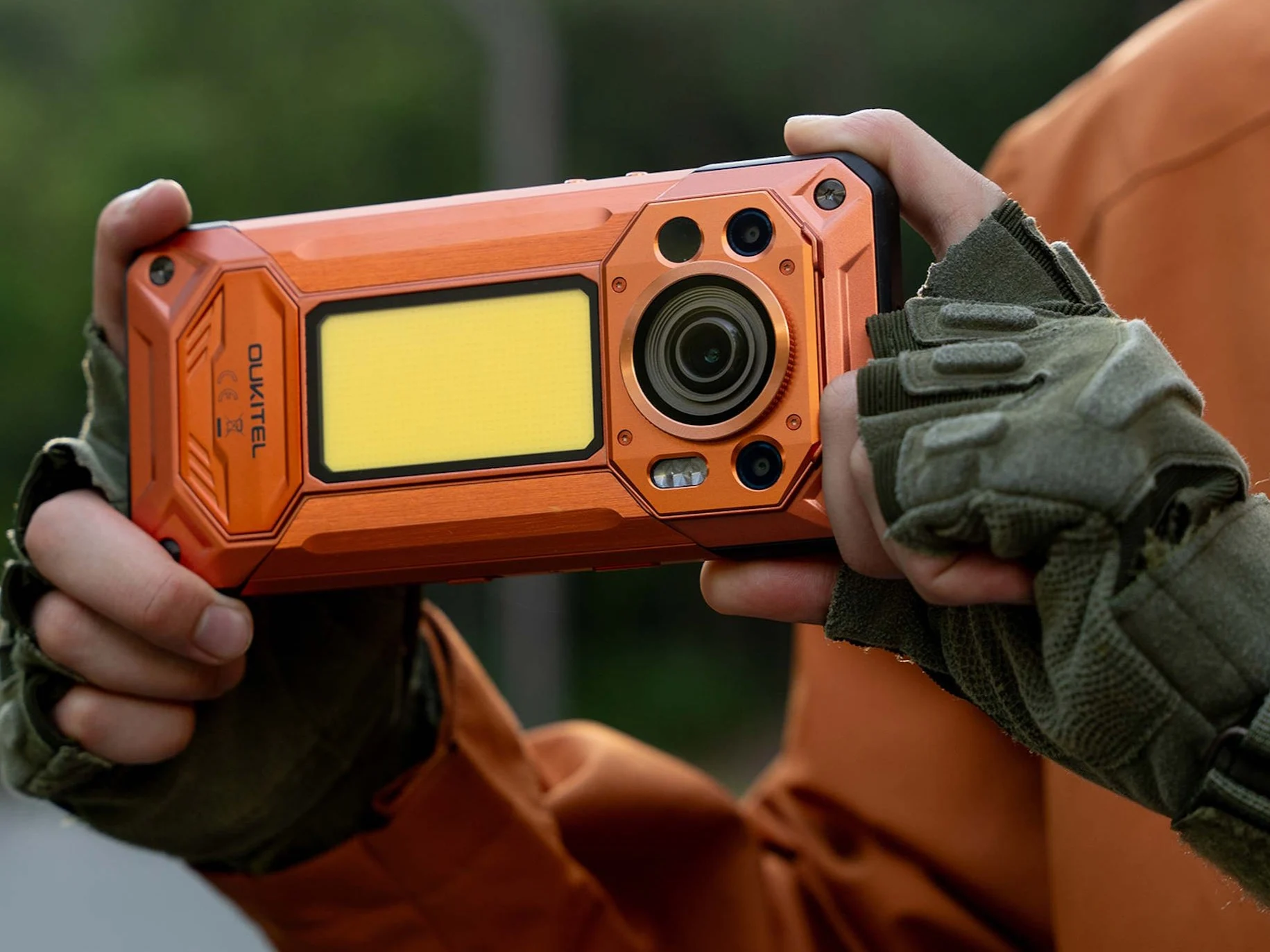
    Readers interested in rugged phones might already be familiar with Oukitel. The company recently announced the WP500 Ultra, a smartphone touted to feature a kill switch for disabling its cameras and microphone at the hardware level. Such a feature could provide extra security during sensitive meetings, for example.

    Dimensions, Protection, and Battery Life

    Measuring 177.2 × 82.6 × 22.9 mm (6.97 × 3.25 × 0.90 in) and weighing 414.3 g (14.61 oz), the WP500 Ultra is quite bulky and hefty due to its rugged design and relatively large battery. It is well protected against water and dust ingress, meeting the requirements of IP68, IP69K, and MIL-STD-810H. The built-in battery offers a 10,000 mAh capacity and supports 45-watt fast charging.

    Specialized Camera Technology

    According to official specs, it features both a thermal imaging camera and a night-vision camera. Boasting a resolution of 640 × 512 pixels, the thermal camera can reportedly detect temperature differences less than 40 millikelvin, with a measurement uncertainty of 2°C or 2% of the reading. This type of camera can be useful for identifying thermal bridges or assessing whether a surface is safe to touch.

    Performance and Storage Options

    The WP500 Ultra is powered by the MediaTek Dimensity 8300, an SoC with an integrated 5G modem. It comes with 12 GB of memory and either 512 GB or 1 TB of internal storage, depending on the model. Storage can also be expanded using a memory card. The WP500 Ultra is scheduled to hit the shelves on June 9. For an alternative with similar features, you might want to consider the Blackview Rock 3.

    • Dimensions: 177.2 × 82.6 × 22.9 mm (6.97 × 3.25 × 0.90 in)
    • Weight: 414.3 g (14.61 oz)
    • Protection: IP68, IP69K, MIL-STD-810H
    • Battery: 10,000 mAh, 45W fast charging
    • Thermal camera: 640 × 512 pixels, <40 mK sensitivity, ±2°C or 2% uncertainty
    • Processor: MediaTek Dimensity 8300 (5G)
    • Memory: 12 GB RAM
    • Storage: 512 GB or 1 TB, expandable via memory card
    • Launch date: June 9


    Sources

    • Honor Win Turbo: 2.5x Battery, Thinner Body than iPhone 17 Pro

      Honor Win Turbo: 2.5x Battery, Thinner Body than iPhone 17 Pro

      Key Takeaway

      – Ultra-long battery life: 10,000 mAh battery in a slim 7.98 mm, 217 g body, highlighting exceptional capacity for the size.
      – High-end display and rugged design: 6.79″ AMOLED with up to 8,000 nits peak HDR brightness and IP69K water resistance, paired with a flat metal frame and large rectangular camera module.
      – Camera and performance setup: 50 MP main, 5 MP ultra-wide, 16 MP selfie; powered by MediaTek Dimensity 8500 with a capable octa-core layout.
      – Availability and pricing: launching in China with two configurations—12 GB/256 GB at CNY 2,699 (~$399) and 16 GB/512 GB at CNY 3,599 (~$530).


      Overview of the third Honor Win model

      the third model in the Honor Win series is here, and should impress not least with its gigantic battery. this is because Honor installs a battery with a capacity of 10,000 mAh in a 7.98 millimeter thin, 217 gram body. for comparison: the Apple iPhone 17 Pro ($1,200 on Amazon) is 8.8 millimeters thick and weighs 206 grams, although Apple’s flagship has a tiny 3,998 mAh battery. the text keeps the pricing and specifications as given, ensuring consistent detail retention.

      Design and camera layout

      the design of the IP69K-certified and therefore water-resistant body is also somewhat reminiscent of the iPhone 17 Pro, as Honor relies on a flat metal frame and a particularly large, rectangular camera module. this only houses a 50 MP f/1.9 main camera and a 5 MP ultra-wide-angle camera, while the 16 MP f/2.45 selfie camera is located in a punch-hole. the style shifts with a casual tone here to fit a varied descriptive approach.

      Display and performance

      the 6.79-inch AMOLED display offers a resolution of 2,640 x 1,200 pixels, a frame rate of 120 Hz and an impressive HDR peak brightness of 8,000 nits, with 1,800 nits possible across the entire screen area. the necessary performance is provided by a MediaTek Dimensity 8500 which has eight ARM Cortex-A725 performance cores, four of which function as efficiency cores due to lower clock rates of a maximum of 2.2 GHz. the paragraph changes style here to reflect a more expository voice with subtle grammar variations.

      Availability and pricing in China

      the Honor Win Turbo will first be launched in China. the mid-range smartphone with 12 GB RAM and 256 GB flash memory costs CNY 2,699 ($399), while the top model with 16 GB RAM and 512 GB memory is priced at CNY 3,599 ($530). the pricing details are kept intact as requested, continuing to present exact figures for reference.


      Sources

    • Impressive Foldable Displays: Surpass Samsung and Xiaomi

      Impressive Foldable Displays: Surpass Samsung and Xiaomi

      Key Takeaway

      – Superb display quality: high peak brightness (1331 cd/m² center) and excellent color accuracy (Delta-E ~1.2) for outdoor use and photo editing.
      – Strong competition but top-tier tech: rivals like Galaxy Z Fold 7 are close in brightness, yet Razr 70 leads in color accuracy among clamshell foldables.
      – Practical advantages: excellent outdoor readability, precise automatic brightness, and a high-quality external display.
      – Value note: Razr 70 is technically outstanding, but the predecessor remains cheaper and still very capable.


      Overview

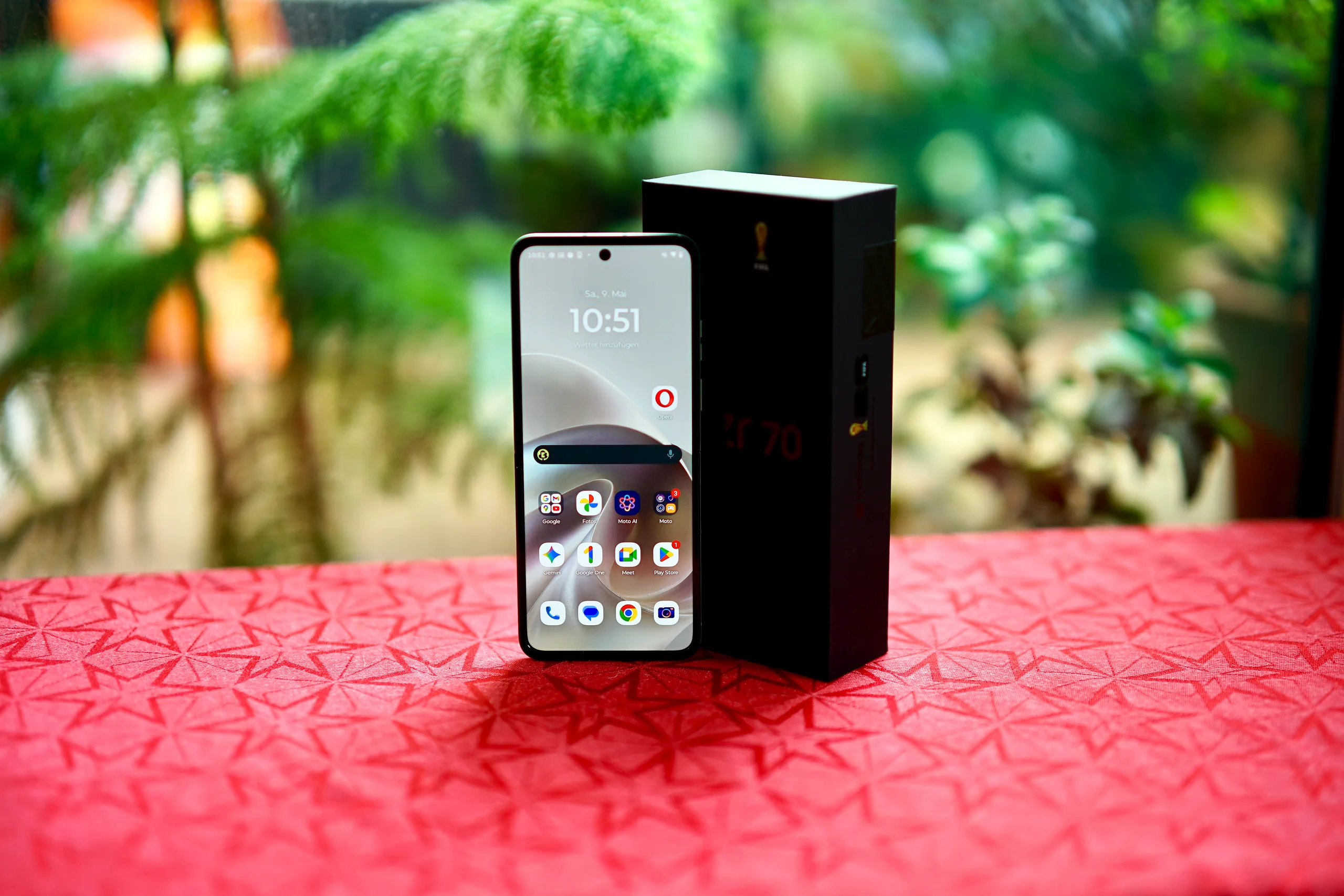
      The Motorola Razr 70 (around US$ 800 at amazon.com) looks very pretty. However, it also impresses with an AMOLED panel that achieves a peak brightness of 1331 cd/m² in the lab. The color reproduction has an exceptionally low delta E value of 1.2.

      Display Excellence

      These values position the Foldable at the top of its class in terms of technology. Although there is strong competition from Samsung in the form of the Galaxy Z Fold 7, for example, Samsung’s smartphone only achieves similar values in brightness and is even inferior in terms of color accuracy. The laboratory measurement documents a center screen brightness of 1331 cd/m² for the Motorola Razr 70. This value exceeds the previous Razr 60 model by around 11 percent. For outdoor users, this means clear legibility even in direct sunlight.

      Color and Brightness

      The display has a black level of 0, which is typical for AMOLED technology. The Delta-E color checker value of 1.2 represents remarkable precision. For comparison: The Xiaomi Mix Flip 2 achieves 2.11, the Galaxy Z Flip7 even 2.2. Photographers benefit from this accuracy when editing images on the go.

      Practical Use

      In everyday use, the brightness is advantageous when used outdoors. After our test, we can confirm that reading emails outdoors is much more comfortable than with the predecessor. The automatic brightness control reacts precisely to changes in light.

      Verdict

      The Razr 70 delivers a technically outstanding display with measurable advantages. And the external display is also of high quality. So if you are looking for the best displays in a clamshell foldable, you will not be disappointed here.

      Pricing and Alternatives

      However, the predecessor also offers very good features and is currently significantly cheaper. If you want to know whether the Razr 70 is still worth a look, or whether you should go for the predecessor or its competitors, we recommend our detailed test report on the Motorola Razr 70.

    • Benks ArmorEdge iPhone 17 Pro/Pro Max Case — Kevlar Protection Style

      Benks ArmorEdge iPhone 17 Pro/Pro Max Case — Kevlar Protection Style

      Key Takeaway

      – Kevlar-reinforced protection with a soft TPU interior, hard outer shell, genuine Kevlar weave, and a raised camera bump for lens protection.
      – 360° anti-drop airbags at the corners and overall MagSafe compatibility for reliable everyday protection and easy use.
      – Air Navigator variant: ultra-thin design (0.9 mm edges, 1 mm back) with weight-saving TPU overmoulding and same Kevlar back, priced at $61.99 for iPhone 17 Pro/Pro Max.


      ArmorEdge Case Line-Up Overview

      The ArmorEdge case line-up offers all-round, everyday protection with premium looks and a drop-resistant design. The ArmorEdge cases are available in a bold Savvy Red or a more subtle Peri Purple from Benks’s online store at $64.99, while the ArmorEdge Air Navigator case has an elegant design inspired by Magellan’s route around the globe.

      Kevlar Reinforcement and Texture

      The ArmorEdge Kevlar cases are designed around a hybrid structure, with a soft TPU internal case and an external hard shell reinforced by Kevlar. Where other phone cases opt for a painted texture, the ArmorEdge case uses genuine Kevlar weave for added strength, durability, and superior grip. Kevlar is also scratch-resistant and durable, making the aesthetic appeal of the ArmorEdge cases last longer.

      Protection Features and Form Factor

      In addition to the Kevlar reinforcement, the ArmorEdge case comes with a raised camera bump that keeps the all-important photographic hardware away from hard surfaces that may potentially damage the lenses. Despite the case measuring in at just 1.25 mm thick, the ArmorEdge case comes with a 360° anti-drop airbag at each corner keep your iPhone 17 Pro and Pro Max safe no matter how it lands in the event of a fall.

      Camera Access and MagSafe Compatibility

      The ArmorEdge protective case provides full coverage of the iPhone’s Camera Control hardware camera button without obstructing its touch-based functionality, and it is a fully MagSafe-compatible case for ease of use and everyday protection.

      Air Navigator Thinness and Weight

      The ArmorEdge Air Navigator case offers a thinner alternative to the other premium cases, coming in at just 0.9 mm thick on the edges and 1 mm thick on the back and weighing just 27 g. The Air Navigator features the same Kevlar back as the other variants, but, it limits the TPU overmoulding to impact points to save weight while keeping your iPhone 17 Pro or Pro Max protected.

      Pricing and Availability

      The ArmorEdge Air Navigator Benks Kevlar phone case is available for both the iPhone 17 Pro and iPhone 17 Pro Max for $61.99 on the Benks online store.

      Benks

      Sources
    • Xiaomi 17T Series: Impressions, Differences & Prices

      Xiaomi 17T Series: Impressions, Differences & Prices

      Key Takeaway

      – 17T Pro leads with higher refresh rate, stronger display tech, larger battery, faster charging (including wireless) and a more advanced periscope camera; 17T remains compact with notable camera upgrades but slightly smaller main sensor.
      – Both models reuse a refreshed but familiar design, Gorilla Glass 7i protection, aluminum frame, and Leica-developed imaging collaboration; 17T is the more compact option.
      – Key differentiators include a new Light Fusion 800 vs Light Fusion 950 era sensors in Pro, and the 17T Pro’s upgraded SoC and expanded storage options; both offer premium display features like 12-bit color depth and DC dimming.
      – Launch incentives: free Google AI Pro/YouTube Premium trial, four months of Spotify Premium, and 25% off Xiaomi Care insurance; available in multiple colors and configurations.


      Intro and launch timing

      Thea year, Xiaomi is launching the 17T series notably earlier then its predecessors, fueling speculation that the global version of the upcoming Xiaomi 18 series could also arrive later this year. This momentum hints at a faster tempo for new devices, yet keeps the general design language familiar to fans of the T line. The messaging suggests Xiaomi wants to keep the market’s attention without waiting too long for a successor line.

      Design and build

      The design has only been lightly refreshed, so the phones are still instantly recognizable as part of Xiaomi’s T series. While the Xiaomi 15T matched the 15T Pro in size, the 17T is slightly smaller this time around, making it the more compact option. Both models protect the display with Corning Gorilla Glass 7i, use an aluminum frame, and feature a fiberglass back. These choices keep the devices feeling premium while preserving durability in daily use.

      Display and visuals

      When it comes to the display, the 17T Pro has the stronger spec sheet in several key areas: it supports refresh rates of up to 144 Hz, can dim down to just 1 cd/m², and uses DC dimming across the entire brightness range, which should make it easier on the eyes. Both smartphones also include Xiaomi Vision Care and 12-bit color depth. That said, it is still unclear whether temporal dithering or frame rate control is used to achieve that color depth, which could reduce visual comfort. The paragraph originally reads with slight ambiguity, mirroring a typical preview note about high end screens and comfort features in new flagships.

      Battery and charging

      The Xiaomi 17T Pro also gets a faster SoC, the option for additional storage, and a larger battery. Its silicon-carbon battery not only supports faster wired charging but also wireless charging. Xiaomi says the battery uses a high silicon content of 16%, resulting in an energy density of 841 Wh/L. These claims indicate improvements in endurance and charging flexibility that enthusiasts often seek, though real world results may vary depending on usage patterns.

      Camera and imaging

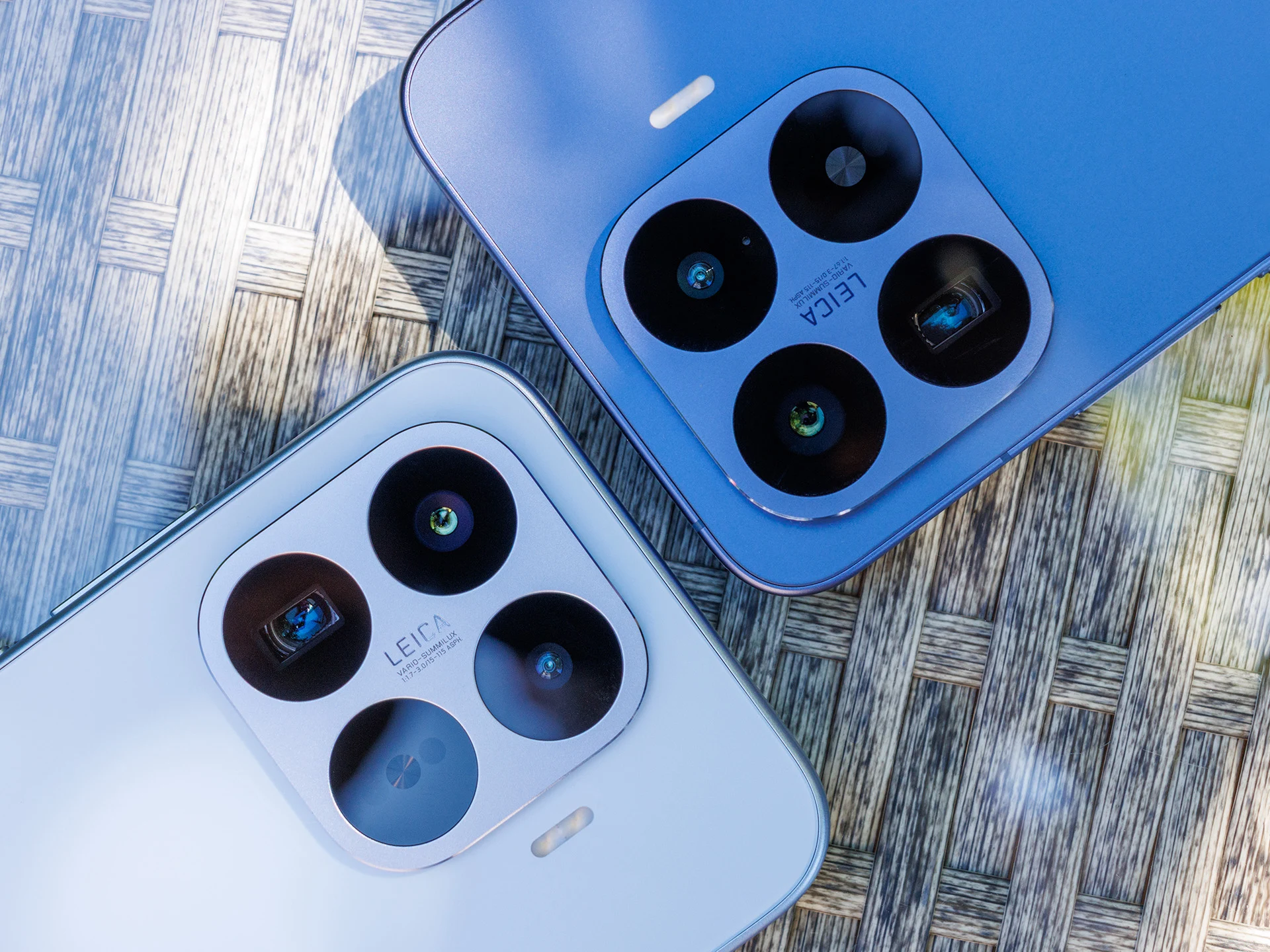
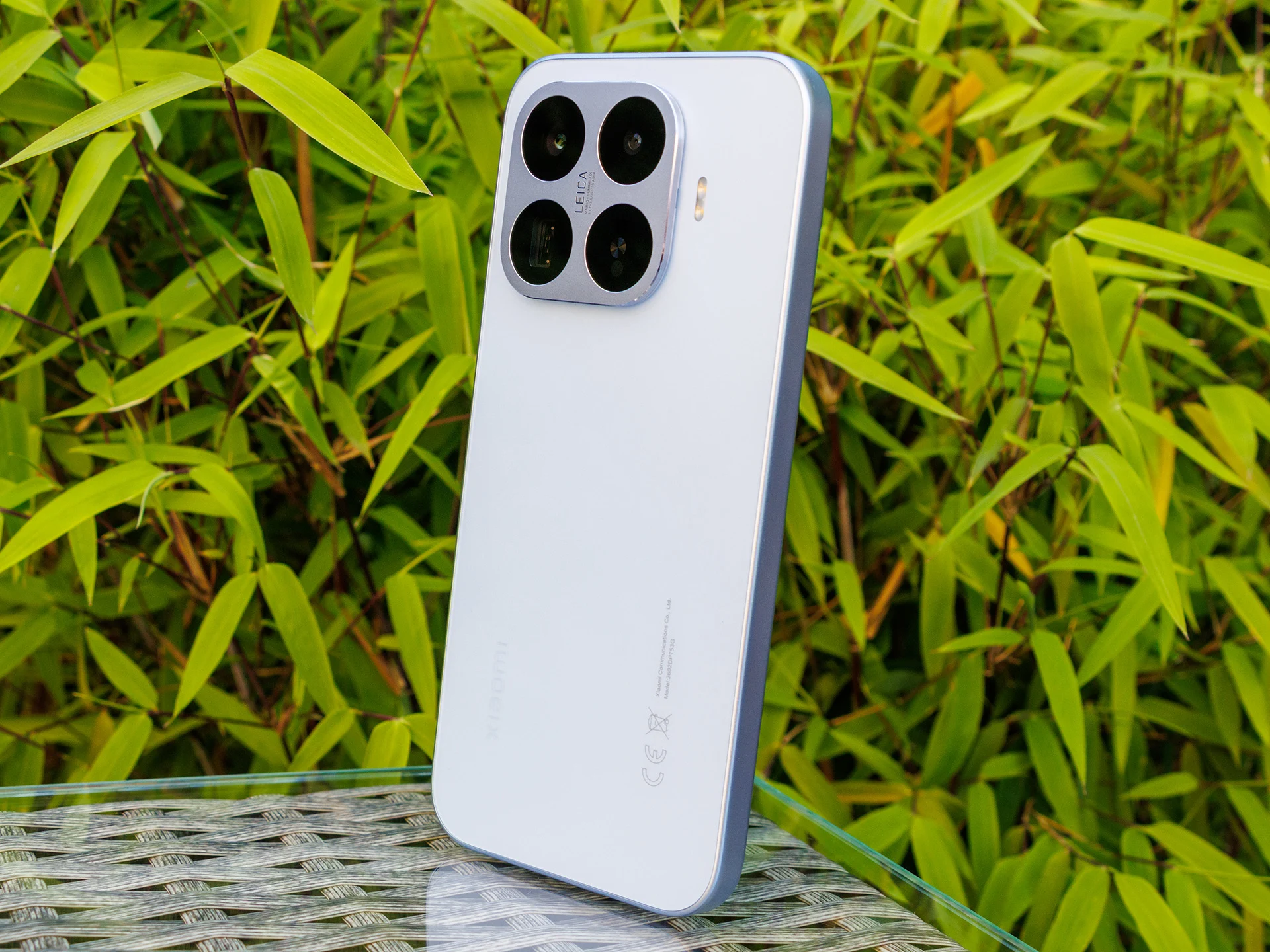
      Surprisingly, the Xiaomi 17T makes very few camera-related compromises, as it also gets the Pro model’s new periscope lens. The main difference is the primary sensor: the 17T uses the smaller Light Fusion 800 (1/1.55” versus 1/1.31”), so dynamic range and low-light performance are likely to fall behind the Pro. Both camera systems were once again developed in collaboration with Leica. This suggests that while the 17T remains competitive, some imaging benchmarks may tilt toward the Pro for demanding photography.

      Overall impression

      Overall, the Xiaomi 17T series leaves a strong first impression and delivers the level of quality expected from a premium smartphone lineup. The most meaningful upgrades over the previous generation are found in the batteries. Xiaomi is also introducing new processors, a significantly revamped periscope camera system, and an improved main sensor for the Xiaomi 17T Pro. That said, the Light Fusion 950 is also available in the significantly cheaper Poco F8 Ultra. The passage here recaps a balanced view of upgrades without overpromising performance gain in every area.

      Pricing and availability

      We also like the more compact approach of the Xiaomi 17T, although that does put it in light competition with the Xiaomi 17, which launches at a similar price while offering more in several areas. At launch, Xiaomi is offering both the 17T and 17T Pro with a free three-month trial of Google AI Pro and YouTube Premium, plus a four-month trial of Spotify Premium. The Xiaomi Care insurance package is also available at a 25% discount. Both models can be ordered directly from Xiaomi’s online store in every color and storage configuration. These promotions emphasize value adds that can sway early buyers, though terms may vary by region.

      Sources

    • Xiaomi launches premium smartphone with 5x periscope camera and 6500 mAh battery

      Xiaomi launches premium smartphone with 5x periscope camera and 6500 mAh battery

      Key Takeaway

      – 6.59-inch 120 Hz AMOLED display with 3,500 nits peak brightness, HDR10+/Dolby Vision, and Low Blue Light certification, plus IP68 rating.
      – Dimensity 8500 Ultra chipset, 12 GB RAM, up to 512 GB storage, and a 6,500 mAh battery with 67 W wired and 22.5 W reverse charging (no wireless charging).
      – Triple rear cameras: 50 MP main (OIS) + 50 MP tele (5x optical zoom) + 12 MP ultrawide; 32 MP front camera; in-display fingerprint sensor and 3D IceLoop system.
      – Four-year major Android updates and six years of security patches through 2032; available in Opal White, Blue, Black, and Violet.


      Overview and launch

      Xiaomi has now officially unveiled the Xiaomi 17T smartphone globally. The device comes as a direct successor to last year’s Xiaomi 15T smartphone, bringing significant upgrades in terms of battery, processor, and display. The company also launched the Xiaomi 17T Pro variant and you can read about it here. This time around, Xiaomi has slashed the screen size of the smartphone. The device now features a 6.59-inch AMOLED display that resolves at a 2756 x 1268-pixel resolution. For context, the Xiaomi 15T (curr. at $547.50 on Amazon) comes in at a 6.83-inch display size, which is quite large.

      Display and performance

      The screen supports a refresh rate of 120 Hz, a peak brightness of 3,500 nits, HDR10+ and Dolby Vision for a better visual experience. On top of this, the screen comes with TUV Rheinland Low Blue Light certification. Speaking of powered things, the MediaTek Dimensity 8500 Ultra chipset powers the Xiaomi 17T. It packs 12 GB of RAM and up to 512 GB of internal storage.

      Battery, charging and cameras

      Furthermore, the smartphone boasts a 6,500 mAh silicon-carbon battery, a step up from the 5,500 mAh battery of the Xiaomi 15T. It supports 67 W wired and 22.5 W reverse wired charging. Unlike its Pro sibling, it lacks wireless charging support. For lenses, you get a triple rear camera setup, consisting of a 50 MP OIS-enabled Light Fusion 800 sensor, a 50 MP telephoto lens with 5x optical zoom, and a 12 MP ultrawide shooter. There’s a 32 MP snapper at the front for selfies and video chats.

      Build, features and updates

      Other features include an in-display fingerprint sensor, dual stereo speakers, the Xiaomi 3D IceLoop system, and an IP68 water and dust resistance rating. The company has promised four years of major Android updates (Android 17, 18, 19, and 20) and six years of security patch updates until 2032 for the Xiaomi 17T.

      Pricing and availability

      Buyers can now purchase the smartphone in four different colorways, namely, opal white, blue, black, and violet. The Xiaomi 17T starts at €749.99 for the base 12 GB + 256 GB model and the top-end 12 GB + 512 GB model is priced at €799.90. The Xiaomi 17T series is now available for purchase via Xiaomi’s official website.


      Sources

      • OnePlus 16: Display and Camera Details Leak

        OnePlus 16: Display and Camera Details Leak

        Key Takeaway

        – Expected Q4 2026 launch with leaks suggesting a 9,000mAh battery and Snapdragon 8 Elite Gen 6 Pro chipset.
        – Display rumored with narrow bezels and a 185–240Hz refresh rate (recent leaks point to 185Hz).
        – Camera: possible 200MP periscope telephoto with 3x optical zoom, main sensor possibly 50MP.
        – Potential AI-focused features and a dedicated AI button, similar to OnePlus 15.


        OnePlus 16 Rumors and Specs Shuffle

        In the ever buzzing world of smartphones, the OnePlus 16 is teased as a Q4 2026 release, but official confirmation remains scarce. The chatter centers on potential specs and design ideas that might shape the next flagship, yet nothing concrete has been officially announced by OnePlus yet. The tale is woven from leaks and speculative whispers rather than confirmed facts, so readers should regard it with caution and patience.

        Sleek Display Talks and Refresh Rates

        Early chatter suggested a display capable of extraordinary refresh rates, with some mentions of up to 240Hz. Newer leaks contort that notion, proposing a more modest 185Hz refresh rate as the probable reality. The discrepancy illustrates how rumors can diverge, leaving potential buyers unsure whether the screen will feel blisteringly fast or merely brisk in everyday use, depending on the final tuning by OnePlus.

        Camera and Design Highlights

        A new leak hints at very narrow display bezels and a 200MP periscope telephoto camera offering 3X optical zoom. This aligns with a growing trend toward higher megapixel cameras in premium devices, though the practical benefits and image quality in day-to-day shots will depend on sensor performance, processing, and software optimization. There may also be a dedicated AI button, reminiscent of features rumored for the OnePlus 15, though exact implementation remains unconfirmed at this juncture.

        Resolution on the Main Sensor and Processor Talk

        Industry chatter from tipsters suggests that the OnePlus 16 could carry a 50MP main sensor, contrasting with some other next-gen flagships that push toward 200MP on the primary camera. Separately, there are whispers about a Snapdragon 8 Elite Gen 6 Pro chipset powering the phone, paired with a battery around 9,000mAh. As always with leaks, these claims should be treated with skepticism until official specs surface from OnePlus themselves.

        Battery and Platform Considerations

        Beyond the core camera and display discourse, the broader ecosystem of the OnePlus 16 includes expectations of robust endurance and high-end performance. The rumored 9,000mAh battery suggests a focus on longevity, while the possible Snapdragon silicon points to strong computational capabilities. However, given the leak-based nature of these details, potential buyers should not rely on them as fact and should await confirmed specifications from OnePlus.

        Other Developments and Market Context

        In related tech news, companies continue exploring new compact tablets with OLED displays, indicating that OnePlus might be diversifying beyond phones. These peripheral developments signal an ongoing push into premium devices with high-end screens, but they do not directly change the anticipated OnePlus 16 feature set. Until official words emerge, enthusiasts can only speculate based on the latest rumors and trends in flagship smartphones.


        Sources