Category: Home

  • Dying Star Consumes Shattered Planet: Earth’s Future When Sun Dies

    Dying Star Consumes Shattered Planet: Earth’s Future When Sun Dies

    Key Takeaways

    1. Astronomers discovered a white dwarf named LSPM J0207+3331, located 145 light-years from Earth, showing signs of planetary debris.
    2. The star has a hydrogen-rich atmosphere containing 13 heavy elements, remnants of a planet that was destroyed and is the largest number found in a white dwarf.
    3. The lost planet shared similarities with Earth, including a dense metallic core and a rocky mantle, but was about 200 km wide with a higher core mass ratio.
    4. Researchers believe the planet was recently consumed by the star, as the heavy elements are still on the star’s surface rather than its interior.
    5. The destruction of the planet may have been caused by a disturbance in the star system, potentially triggered by a Jupiter-sized body influencing smaller objects’ orbits.


    What will become of our cherished planet when the sun fades away? Astronomers have discovered what might be Earth’s fate when its star reaches the end of its existence, and the news is not comforting.

    Discovery of a Dying Star

    Using the W.M. Keck Observatory, scientists identified a white dwarf named LSPM J0207+3331 in the Triangulum constellation. This star is approximately 145 light-years from Earth and shows the clearest chemical signs of planetary debris ever observed.

    Elements from a Destroyed Planet

    LSPM J0207+3331 has a hydrogen-rich atmosphere that contains 13 heavy elements like iron, nickel, and magnesium. These elements did not come from the star itself but are remnants of a planet that once orbited it and was later destroyed. This represents the largest number of planetary elements discovered in any white dwarf to date.

    Similarities to Earth

    The astronomers noted similarities between the lost planet and our own Earth. The doomed world was an even more extreme version of our planet, featuring a dense metallic core and a rocky mantle. They estimate this planet was about 200 km across, with roughly 55 percent of its total mass concentrated in the core, which is nearly twice the ratio seen on Earth. For comparison, Mercury has a core mass of about 70 percent.

    Recent Consumption of the Planet

    The researchers believe that the planet was “recently” devoured by LSPM J0207+3331. This conclusion comes from the observation that the elements from the destroyed planet still rest on the star’s outer layer rather than having sunk into its interior.

    How Did This Happen?

    What caused this unfortunate planet to become a meal for the dead star? Researcher John Debes from the Space Telescope Science Institute proposes that another celestial object instigated an instability within the star system long after its demise. This disturbance could have been triggered by a Jupiter-sized body that pushed smaller objects into unstable orbits, leading them directly into LSPM J0207+3331’s path.

    Implications for Exoplanet Chemistry

    Studying the results of these tragic interactions between dead stars and planets provides valuable insights into the internal chemistry of exoplanets due to the chemical traces they leave. Furthermore, it offers a possible glimpse of what could await Earth when the sun eventually dies billions of years from now.

    Source:
    Link


  • TP-Link Tapo P410M: Weatherproof Smart Plug for Matter, Alexa, Google Home

    TP-Link Tapo P410M: Weatherproof Smart Plug for Matter, Alexa, Google Home

    Key Takeaways

    1. Matter Compatibility: The Tapo P410M is designed to work with the Matter standard, enhancing cross-platform compatibility.

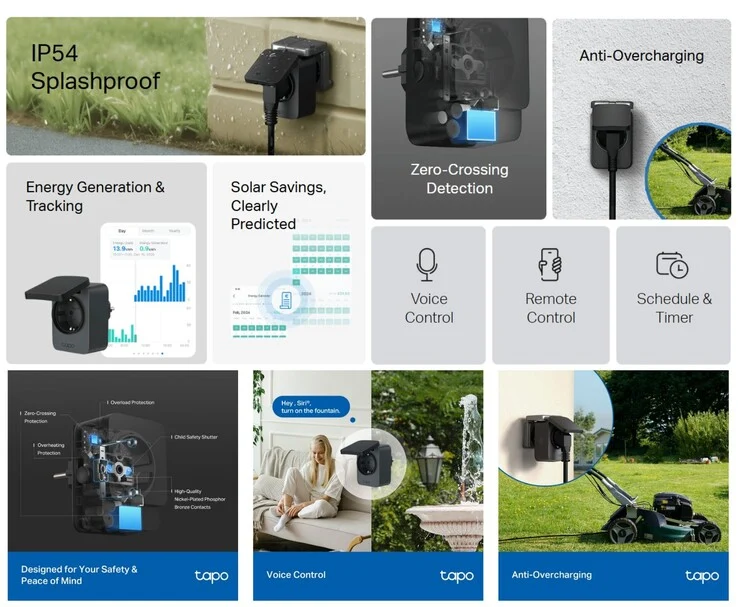
    2. Weather Resistance: It has an IP54 rating, making it resistant to dust and water splashes, and can operate in temperatures from –20 °C to +50 °C.

    3. Smart Control and Automation: Users can manage the plug through the Tapo app or voice assistants and create automated schedules for connected devices.

    4. Safety and Protection Features: The plug includes zero-cross switching, overheating and overload protection, and child-safety features, ensuring safe operation.

    5. Energy Monitoring: It offers real-time energy monitoring with bidirectional flow detection, ideal for managing energy consumption and usage efficiently.


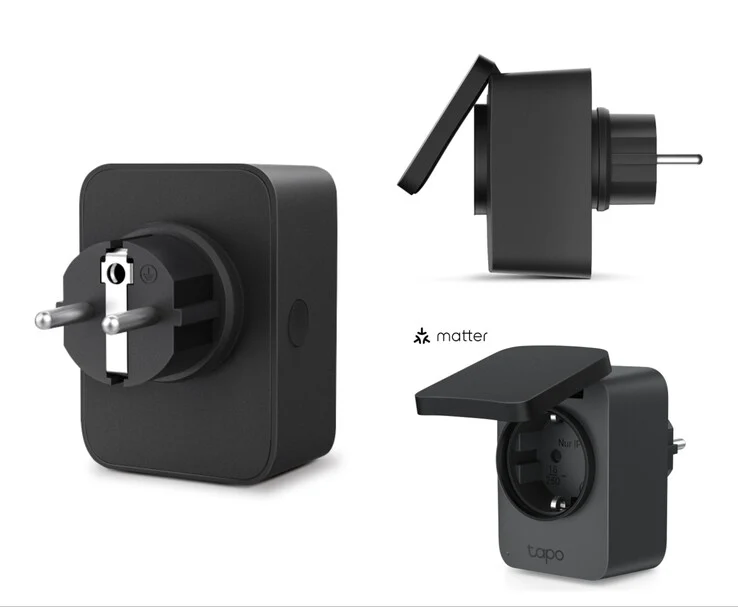
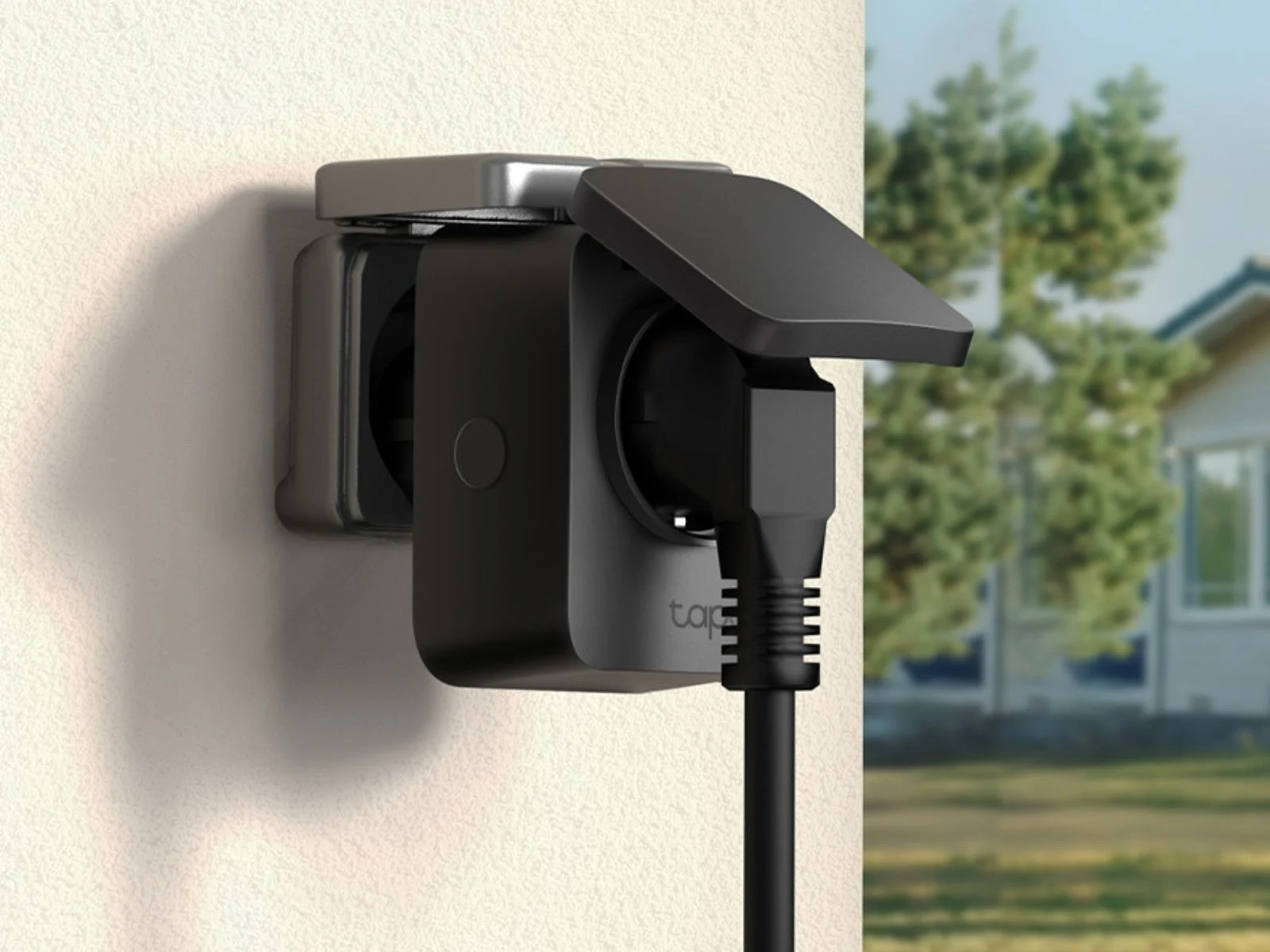
    TP-Link has introduced the Tapo P410M, a smart outdoor plug that is designed to be compatible with the Matter standard. This device is also weather-resistant, has power monitoring capabilities, and works across various platforms.

    Weather Resistance and Connectivity

    The Tapo P410M boasts an IP54 rating, which means it offers protection against dust and water splashes. It can function in temperatures between –20 °C and +50 °C. Users can connect the plug via Wi-Fi (2.4 GHz) and Bluetooth LE, making setup possible through the Tapo app or direct pairing with a Matter QR code, eliminating the need for an additional hub.

    Control and Automation

    Once set up, the plug can be managed through the Tapo app or voice assistants like Alexa, Google Assistant, and Siri Shortcuts. Users have the option to create automated schedules, timers, or routines for devices such as outdoor lights and water pumps.

    Safety Features and Energy Monitoring

    The P410M is equipped with zero-cross switching to minimize electrical stress and prolong the relay’s life. It also includes protections against overheating, overload, and has child-safety features. An encrypted Wi-Fi connection ensures secure communication.

    Additionally, the smart plug provides real-time energy monitoring with bidirectional flow detection, which allows it to monitor both energy consumption and feedback. This makes it ideal for uses like balcony solar systems (Balkonkraftwerke), allowing users to control connected devices based on the surplus energy available.

    The TP-Link Tapo P410M can be found in Europe for €24.90. For more information, you can visit the official Tapo website.

    Source:
    Link


  • iRobot Faces Bankruptcy: Roomba Vacuums May Lose Key Features

    iRobot Faces Bankruptcy: Roomba Vacuums May Lose Key Features

    Key Takeaways

    1. iRobot has faced ongoing financial troubles, resulting in a significant revenue decline of 24.6% year-over-year in Q3 2025.
    2. The company reported a loss of $17.7 million in Q3 2025, compared to a profit of $7.3 million in the previous year.
    3. iRobot currently holds only $24.8 million in financial reserves and has lost access to additional funding.
    4. The company has postponed a deadline with a major creditor until December 1, 2025, to find potential solutions to avoid bankruptcy.
    5. If iRobot files for bankruptcy, Roomba vacuum users may lose access to app features, forcing manual control of their devices.


    The US-based firm iRobot has faced financial troubles for several years now. After a significant buyout attempt by Amazon fell apart because of regulatory issues, iRobot has been working hard to regain its market position amidst rising competition from China. This past spring, the company rolled out a new line of robot vacuums equipped with LiDAR scanners and mops, aiming to rival similar products from other brands.

    Revenue Decline

    Unfortunately, this strategy doesn’t seem to be swaying potential buyers. As per the financial report for the third quarter of 2025, which concluded on September 27, 2025, iRobot is experiencing a drop in revenue. The company brought in only $145.8 million, marking a 24.6% decrease compared to Q3 2024. Rather than posting a profit of $7.3 million from the previous year, iRobot faced a loss of $17.7 million this quarter.

    Financial Reserves and Future Outlook

    Currently, the company holds just $24.8 million in financial reserves. According to its own disclosures, iRobot has lost access to additional funding, which means it might have to halt operations in the coming months. In their SEC Form K-8, iRobot mentioned that it has postponed a deadline with one of its major creditors until December 1 to explore possible solutions. If the company is unable to secure a buyer or find new funding by that date, it risks facing bankruptcy.

    iRobot didn’t clarify to The Verge what bankruptcy could mean for Roomba vacuum owners. However, it is likely that the servers would go offline, leading to the iRobot app ceasing to function. This would result in the robots losing access to all mapping and automation capabilities, forcing users to control them manually using the buttons on the device. Some models like the Roomba Max 705 Combo (starting at $899 on Amazon) are anticipated to include Matter support, enabling control through third-party apps. However, this software update has yet to be launched.

    Source:
    Link


  • Leica Unveils Cine Play 1 Plus Projector with Gimbal Stand

    Leica Unveils Cine Play 1 Plus Projector with Gimbal Stand

    Key Takeaways

    1. Improved Brightness and Color: The Cine Play 1 Plus offers 3,500 CVIA lumens and covers 110% of the BT.2020 color spectrum, enhancing viewing in bright spaces compared to the original model’s 3,000 lumens and 100% coverage.

    2. Similar Core Features: The projector displays 4K visuals up to 300 inches, supports Dolby Vision, HDR10+, and DTS Virtual:X, and includes a long-lasting triple RGB laser light source with a lifespan of 25,000 hours.

    3. Enhanced Interface: The upgraded visual interface is based on the VIDAA operating system, providing access to popular streaming services like Netflix.

    4. Connectivity Options: It supports HDMI 2.1, USB ports, and an Ethernet connection for versatile connectivity.

    5. Budget-friendly Pricing: The Cine Play 1 Plus is priced at approximately $1,700 in China, significantly lower than the original model’s price of around $3,795 in the U.S.


    Leica has introduced a new home cinema projector called the Cine Play 1 Plus, expanding its Cine lineup. This new model improves upon last year’s Cine Play 1 and aims to deliver enhanced picture quality while being more budget-friendly.

    Brightness and Color Improvements

    The most significant enhancements are in brightness and color precision. The Cine Play 1 Plus achieves 3,500 CVIA lumens and covers 110% of the BT.2020 color spectrum. In contrast, the original Cine Play 1 provided 3,000 lumens and 100% BT.2020 coverage, making the latest model not only brighter but also better for viewing in well-lit spaces. Viewers can expect a more vibrant experience for movies and TV shows on the Cine Play 1 Plus.

    Consistent Core Features

    Most other specifications remain similar. The Cine Play 1 Plus can display 4K visuals up to 300 inches with a throw ratio ranging from 0.9 to 1.5. It supports Dolby Vision, HDR10+, and DTS Virtual:X sound technology. Additionally, it incorporates a triple RGB laser light source with a lifespan of 25,000 hours, an MT9655 chip, Leica’s Summicron zoom lens, and stereo speakers rated at 10W. The built-in tilting stand provides various placement options for users.

    Interface and Pricing

    The projector is also said to come with a revamped visual interface, which is likely an updated version of the VIDAA operating system that allows access to popular streaming services such as Netflix. It supports HDMI 2.1, USB ports, and an Ethernet connection. The Cine Play 1 Plus is priced at CNY 11,888 (roughly $1,700) in China, or CNY 13,887 (about $1,950) if you choose the optional stand. This pricing is surprisingly lower than the Cine Play 1, which currently retails for around $3,795 in the United States.

    Source:
    Link


  • Mysterious Solar System Object Shares Traits with Saturn

    Mysterious Solar System Object Shares Traits with Saturn

    Key Takeaways

    1. Chiron is a small planetoid discovered in 1977, classified as both an asteroid and a comet.
    2. Astronomers observed a change in star brightness during Chiron’s transit in 2023, leading to the discovery of three rings around it.
    3. The rings are located at distances of 273 km, 325 km, and 438 km from Chiron.
    4. The exact formation time of the rings is unknown, but they appear to still be developing.
    5. The existence of the rings may provide insights into ring formation processes around other planets like Saturn, Neptune, and Uranus.


    Space is a huge and enigmatic expanse, and each year, researchers unveil many exciting findings. One such discovery involves a small planetoid called Chiron, which intriguingly resembles Saturn in some aspects.

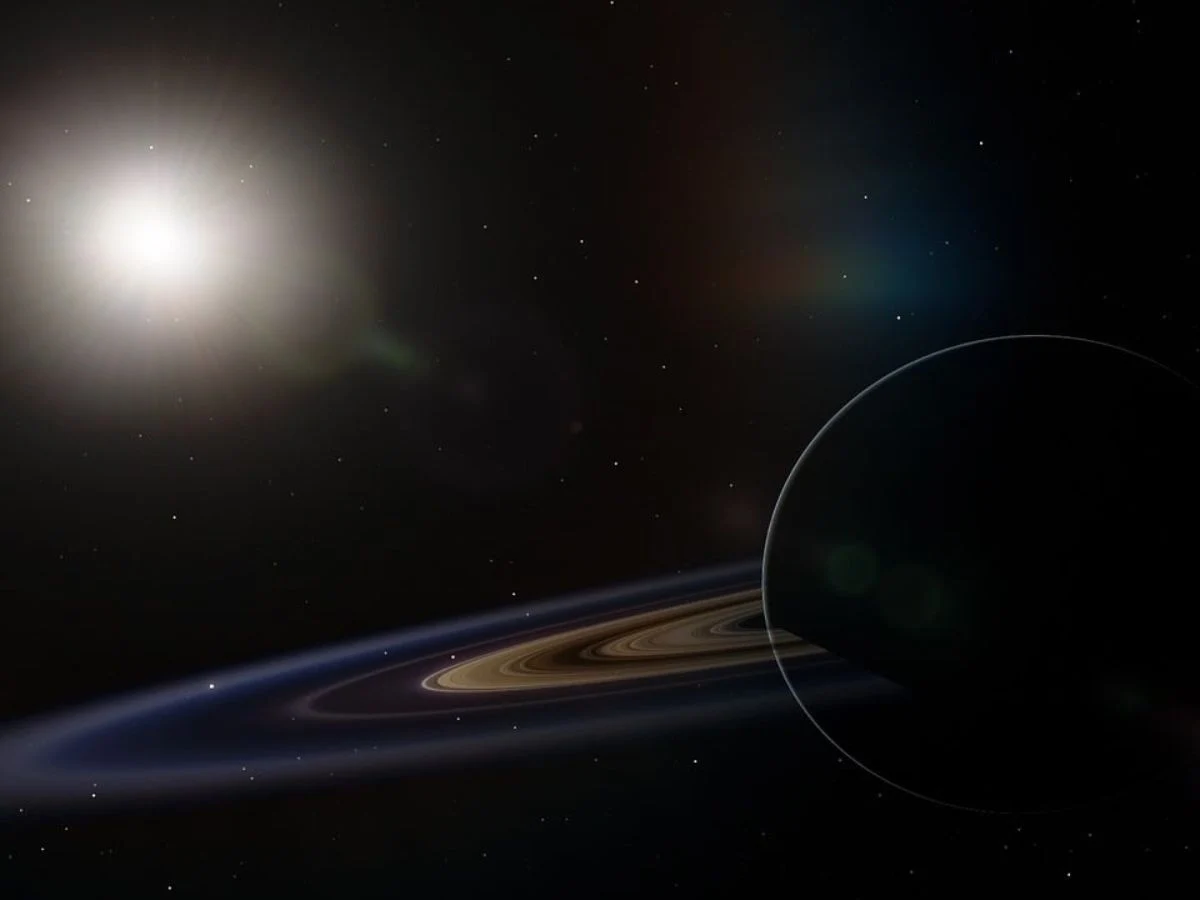
    Chiron was found in 1977 by Charles T. Kowal, and it was classified both as an asteroid and a comet. With its diameter ranging from 166 to 313 kilometers, it caught the attention of astronomers during its transit in front of a star in 2023.

    Observations and Discoveries

    During this occurrence, scientists noticed a change in the brightness of the star. To grasp the reasons behind this phenomenon, they compared it with other data, leading them to identify three rings surrounding this celestial body, situated at distances of 273 km, 325 km, and 438 km.

    Consequently, a research paper was published on October 14, 2025, in The Astrophysical Journal Letters. Astronomers mentioned that while the exact time of the rings’ formation remains unknown, it appears that they are still in the process of developing.

    Theories and Implications

    Several theories might clarify the existence of these rings, though more research is necessary in the future. Some astronomers hypothesize that the rings are composed of ice and rock particles, while others suggest that they could have formed as a consequence of a collision with another celestial body. Ultimately, this finding could enhance astronomers’ understanding of how rings develop around Saturn, Neptune, and Uranus.

    The Astrophysical Journal Letters

    Source:
    Link


  • James Webb Telescope Finds Life’s Frozen Ingredients in Distant Galaxy

    James Webb Telescope Finds Life’s Frozen Ingredients in Distant Galaxy

    Key Takeaways

    1. NASA’s James Webb Space Telescope (JWST) detected frozen organic molecules around a young star in the Large Magellanic Cloud, 163,000 light-years away.
    2. The discovery was made while studying ST6, a protostar, using the JWST’s Mid-Infrared Instrument (MIRI).
    3. This marks the first time the JWST has identified essential life elements outside the Milky Way galaxy.
    4. The findings provide insights into the chemical complexities of star formation regions in different galaxies.
    5. Preliminary analyses suggest the presence of glycolaldehyde, a potential precursor to RNA-related sugars.


    A recent discovery in space has completely amazed astronomers. NASA’s James Webb Space Telescope (JWST) has detected frozen organic molecules in the most unexpected place: surrounding a young star in a far-off galaxy.

    Discovery of Organic Molecules

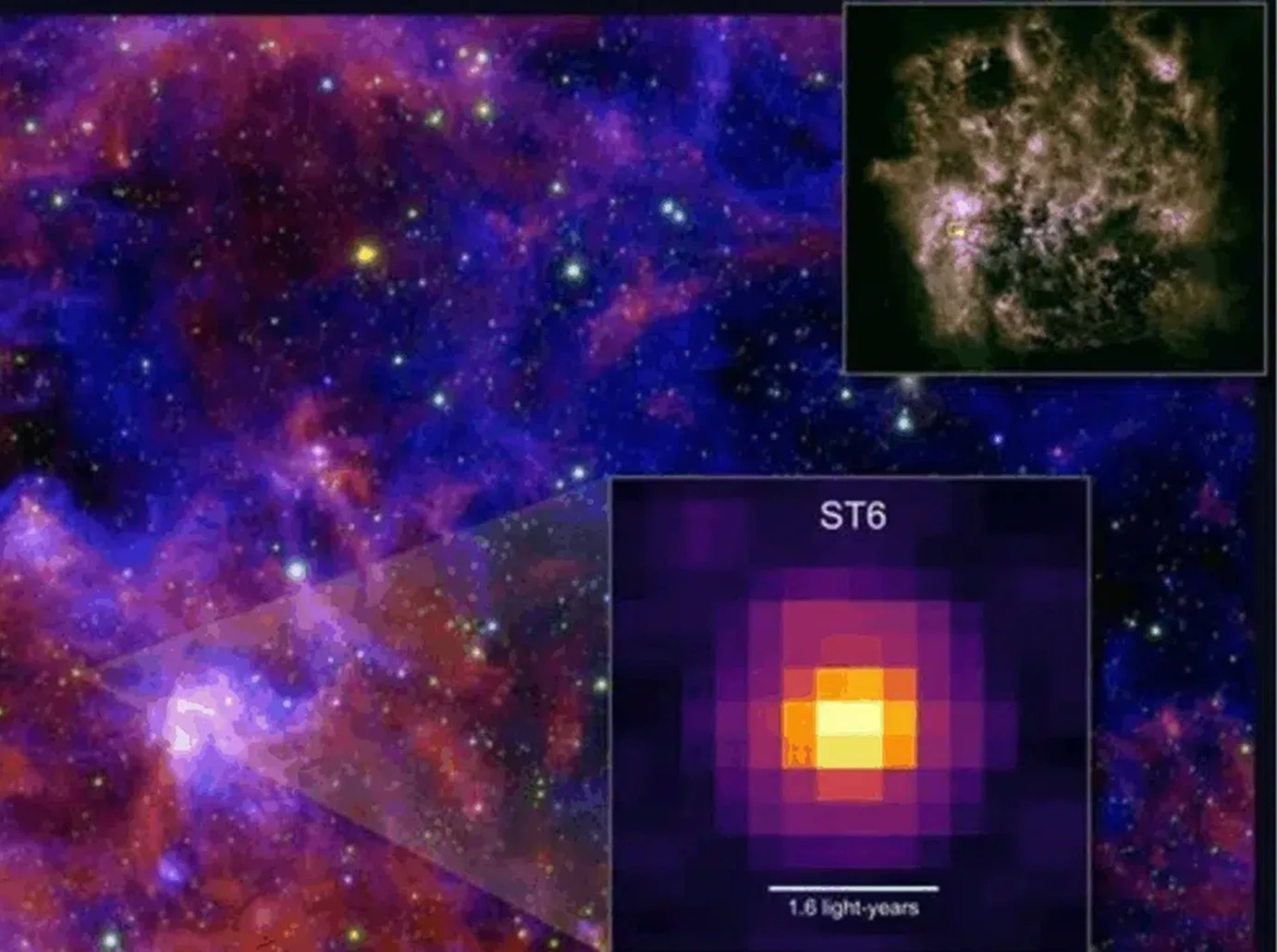
    The scientists were exploring ST6, a protostar (a star in its very early formation stage), when they stumbled upon these carbon-based compounds. This ‘young’ star is located in the Large Magellanic Cloud (LMC), a dwarf galaxy situated 163,000 light-years from our planet.

    Research and Techniques Used

    The study was led by Marta Sewilo from the University of Maryland. Using the JWST’s Mid-Infrared Instrument (MIRI), the team uncovered complex organic molecules (COMs, or carbon-bearing molecules containing more than six atoms) within interstellar ice. These findings were close to the Tarantula Nebula, which is known for being a prolific factory for star formation.

    Importance of the Findings

    The discovery of COMs marks a significant achievement for the JWST. This is the first occasion the space telescope has identified the essential elements for life outside our Milky Way galaxy, as previous findings were restricted to within our galaxy.

    The carbon-based compounds present an opportunity to expand our knowledge about the chemical intricacies of areas where stars are formed. Researchers can also examine how molecular chemistry evolves under varying conditions in different galaxies. Early analyses have even hinted at the existence of glycolaldehyde, which could be a precursor to ribose, a sugar that is vital for RNA.

    Source:
    Link


  • Creality Falcon Laser Engraver Buyer’s Guide for Black Friday 2025

    Creality Falcon Laser Engraver Buyer’s Guide for Black Friday 2025

    Key Takeaways

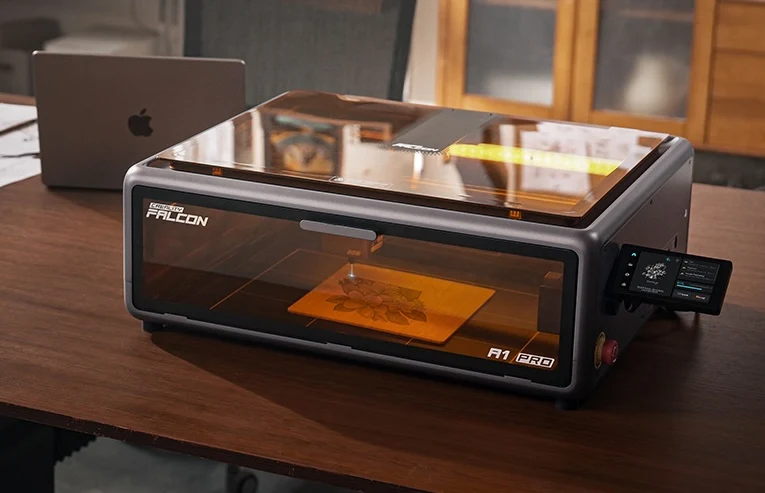
    1. Falcon A1: Ideal for beginners; user-friendly, safe, and effective for small tasks like engraving wood, leather, and acrylic.

    2. Falcon A1 Pro: A 20W upgrade offering more power and versatility; can engrave metals and handle thicker materials, suitable for small business owners and seasoned hobbyists.

    3. Falcon2 Pro Series: Top-tier option with 40 or 60 watts; designed for professionals, capable of cutting and engraving tough materials with high precision.

    4. Target Users: Each model serves different users: A1 for beginners, A1 Pro for enthusiasts, and Falcon2 Pro for professionals.

    5. Current Discounts: All models are available with up to 35% off during Black Friday, plus an additional 10% with coupon code ZFN10, valid until December 25.


    Laser engraving has gained popularity as a means to personalize various materials, and Creality’s Falcon series provides machines tailored to different users interested in this craft. The three primary models are the A1, A1 Pro, and Falcon2 Pro. Each model boasts unique advantages based on the user’s experience, budget, and specific needs.

    Falcon A1: Perfect for Beginners

    To begin with, the Falcon A1 (10W) is designed for novices seeking a basic laser engraver. It’s user-friendly, safe, and sufficiently powerful for small creative tasks. For example, the 10-watt laser can engrave materials like wood, leather, paper, cardboard, and acrylic. It’s also effective for creating items such as wooden coasters, keychains, or smartphone cases. For hobbyists or students eager to explore laser engraving, this model provides solid performance and simplicity in use. You can find the reasonably priced Creality Falcon A1 here.

    Upgrading to Falcon A1 Pro

    Next, the Falcon A1 Pro (20W) is an upgrade for those wanting more power and versatility. It operates at a quicker pace and can tackle thicker or more resistant materials. With the optional 2-watt infrared laser head, it even has the ability to engrave metals. The Falcon A1 Pro is also capable of working with stone, glass, and ceramics, alongside wood and acrylic. It’s an excellent choice for small business owners or seasoned hobbyists looking to craft items like metal nameplates, layered acrylic signs, or engraved glass. In this scenario, the Falcon A1 Pro fits the bill, offering more capabilities than the standard A1. Plus, it’s currently available at a significant discount on Creality’s official website.

    Falcon2 Pro Series: For Professionals

    The top-tier option is the Falcon2 Pro Series, available with 40 or 60 watts of power. These machines are engineered for more intricate projects. They are capable of cutting and engraving tough materials such as hardwood, thick acrylic, composites, and stone. The enhanced laser power, speed, and accuracy make them ideal for workshops and commercial users who require reliable outcomes. The Falcon2 Pro is built to manage a broad array of materials and more complicated designs without losing efficiency.

    In conclusion, each model in the Creality Falcon range caters to a distinct group of users. The A1 serves as an excellent launching pad for beginners, the A1 Pro supports enthusiasts in tackling more ambitious projects, while the Falcon2 Pro is tailored for professional applications. All these devices are currently benefiting from Black Friday discounts of up to 35%, and customers should remember to apply the coupon code ZFN10 for an extra 10% off. This special offer will conclude on December 25.

    Source:
    Link


  • November Meteor Shower: A Spectacular Sky Show to Watch

    November Meteor Shower: A Spectacular Sky Show to Watch

    Key Takeaways

    1. The Leonids meteor shower has a long history, first observed in 902 and peaking in the 1800s with up to 200,000 meteors per hour.
    2. The meteors originate from comet 55P/Tempel-Tuttle, which has a 33-year orbit around the sun, affecting the shower’s intensity.
    3. Recent activity showed a decline in meteor counts, with only about 100 meteors per hour in 2008 and 2009, and this year expected to see no more than 15 per hour.
    4. Despite the lower count, Leonid meteors can be very bright and often leave long green trails in the sky.
    5. The best viewing times are around November 9, 17, and 18, and it’s important to find a dark location and avoid smartphone use to enhance visibility.


    Every year, the night sky brings a lot of surprises. Right now, there’s a meteor shower happening at night, and it promises to be quite a show.

    History of the Leonids

    The Leonids were first seen in 902 and made a big impact in the 1800s, displaying between 50,000 to 200,000 meteors each hour. These meteors come from the comet 55P/Tempel-Tuttle, which orbits the sun every 33 years. Because of this, the intensity of the meteor shower can change greatly.

    Recent Activity

    In 2008 and 2009, the count dropped to only about 100 meteors per hour. This year, though, we can’t expect to see more than 15 meteors hourly.

    Despite this low number, which might seem less exciting when compared to the Perseids, it’s worth noting that these meteors can be very bright. They are known to leave long green trails in the sky that can linger for several minutes.

    Tips for Watching

    When these meteors come from the Leo constellation, we can look forward to several active peaks. Notably, November 9, along with November 17 and 18, might be the best times to observe them.

    Yet, if you plan to watch, there are a few tips to remember. It’s crucial to find a spot away from bright lights, and you should avoid using your smartphone, as its light could hinder your ability to see the meteors.

    Source:
    Link


  • Xiaomi Unveils Compact Fast Charger with Foldable Design and Multi-Protocol Support

    Xiaomi Unveils Compact Fast Charger with Foldable Design and Multi-Protocol Support

    Key Takeaways

    1. Fast Charging Performance: The 45W GaN mini charger can charge various smartphones, like the Redmi Note 14 Pro and iPhone 16 Pro Max, to over 50% in about 30 minutes.

    2. Support for Multiple Protocols: It is compatible with several fast charging protocols, including PPS, QC, and PD.

    3. Compact and Portable Design: The charger is 47% smaller than typical chargers of similar power, making it travel-friendly with foldable prongs.

    4. Affordable Pricing: The launch price in China is budget-friendly at CNY 54.90 (about $8), but it does not include a charging cable.

    5. Uncertain Global Availability: There is no information on when or if the charger will be available outside of China, although Xiaomi generally releases its accessories globally.


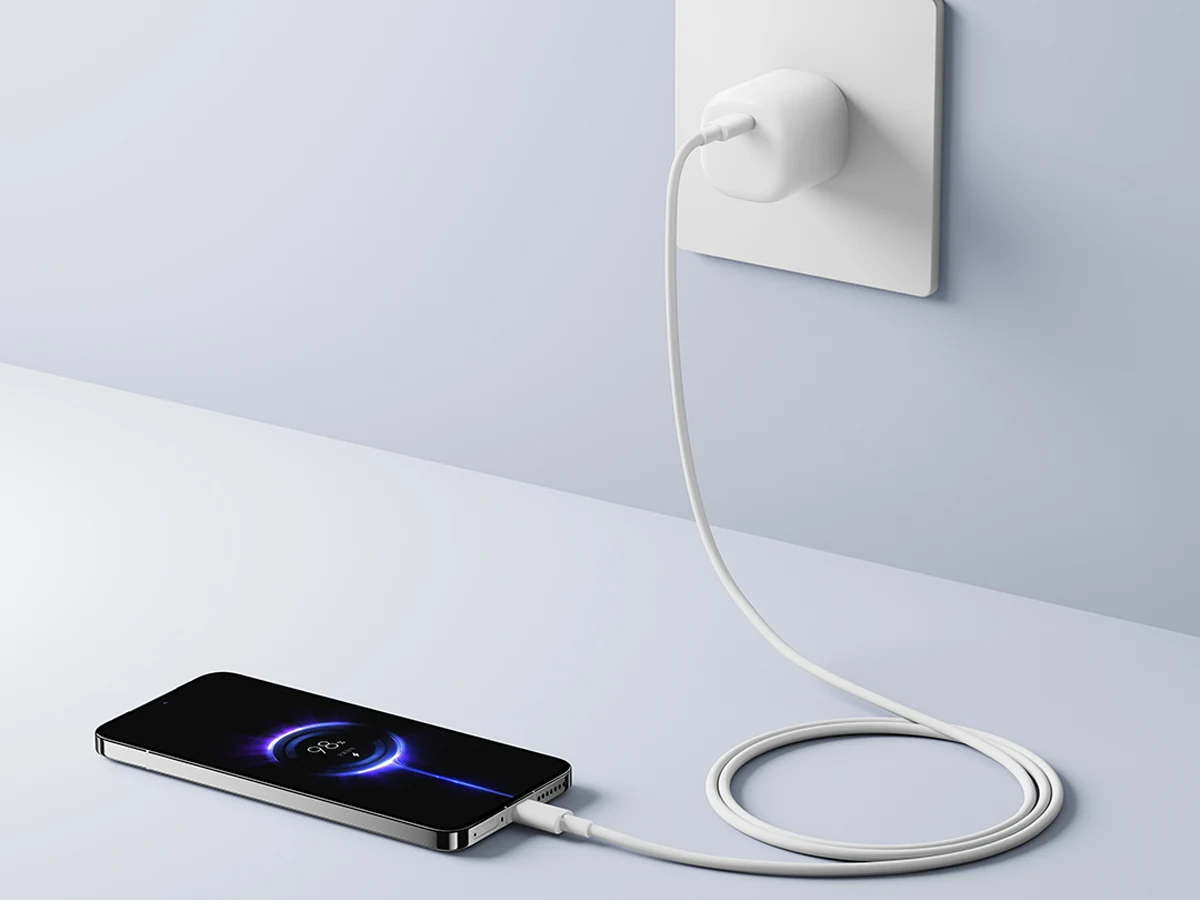
    Xiaomi has launched a new power adapter in China, the 45W GaN mini charger. This charger supports 45W fast charging and can power many smartphones from 0% to over 50% in about 30 minutes, as claimed by the company.

    Fast Charging Capabilities

    Specifically, Xiaomi states that this fast charger can charge the Redmi Note 14 Pro to 60%, the Note 15 to 57%, and the iPhone 16 Pro Max to 55% within the same time period. Additionally, it supports various fast charging protocols like PPS, QC, and PD.

    Versatile and Compact Design

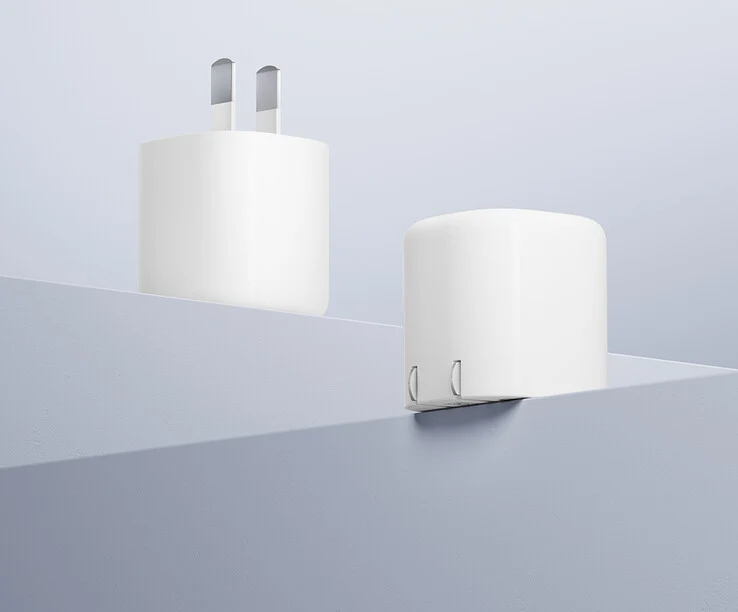
    The extensive compatibility allows this fast charger to be used with numerous devices, including low-powered gadgets. Xiaomi also emphasizes the compact design of the power adapter, which is reportedly 47% smaller than typical chargers with equivalent power output.

    Travel-Friendly Features and Pricing

    Thanks to its foldable prongs, the size of this new Xiaomi charger makes it quite convenient for travelers. As for pricing, the adapter has a budget-friendly launch price in China, tagged at CNY 54.90, or about $8. It’s important to mention that no cable is included with the charger (Baseus 3.3-feet 100W cable curr. $7.99 on Amazon).

    Global Availability

    One more thing to consider is that Xiaomi has not provided any information regarding a global release for the 45W mini charger. Nonetheless, the brand usually makes most of its accessories available in markets outside of China.

    Source:
    Link


  • Astronomers Discover New Infant Planet Forming 400 Light-Years Away

    Astronomers Discover New Infant Planet Forming 400 Light-Years Away

    Key Takeaways

    1. Astronomers have identified the HD 34282 system in the Chamaeleon constellation as a site where planets are being formed, located 400 light-years from Earth.

    2. The star HD 34282 is surrounded by a transition disk, a thick ring of gas influenced by forming planets, showcasing signs of planet formation.

    3. Detailed imaging revealed uneven patterns and brightness variations in the disk, indicating dust and gas are coalescing into planetary material.

    4. A gap of about 40 AU exists between the inner dusty envelope and outer disk, which is formed as a planet pulls in surrounding materials during its growth phase.

    5. HD 34282 provides unique insights into planet formation, with researchers aiming to use advanced tools to further study this process and enhance our understanding of how planets like Earth are formed.


    It can be difficult to imagine a planet as a baby in a nursery, yet astronomers have recently spotted one of the places where these heavenly bodies are created. A team of scientists utilized the impressive Keck Observatory to investigate a region known as the HD 34282 system, which is a star located in the Chamaeleon constellation, merely 400 light-years away from our planet.

    Understanding HD 34282

    The star HD 34282 is considered “young” and is surrounded by what indicates it’s a spot where planets are being born: a transition disk. This structure consists of a thick ring of gas that experts think is shaped and influenced by planets that are still in their formative stages.

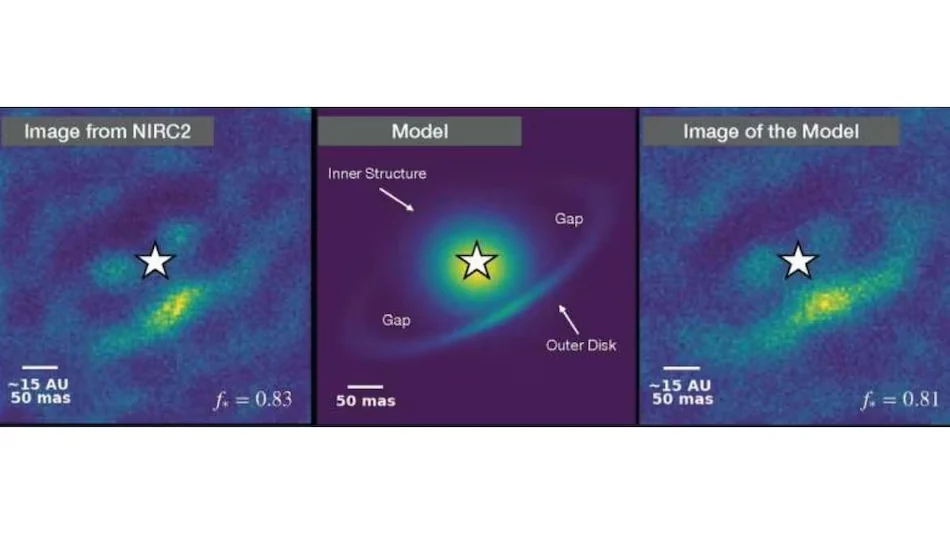
    With the aid of Keck’s NIRC2 infrared camera, researchers managed to create one of the most detailed images of the inner part of the disk that encircles the HD 34282 star. This image showed uneven patterns and variations in brightness within the disk, which are clear signs that dust and gas are coming together to form the basic elements of planets.

    The Components of the Disk

    As per the findings, the materials around HD 34282 can be divided into an inner dusty envelope and an outer disk. There is a gap between these two areas that measures about 40 AU, which is roughly the distance from the sun to Neptune.

    The researchers noted that this gap typically occurs when a planet, while in its growth phase, pulls in materials from its surroundings, thus creating a path along its orbit around the star.

    The bright clumpy designs and inconsistent textures seen on the disk indicate that a planet in its early stages might be actively drawing in material. This phenomenon, known as accretion, is recognized as the initial phase in the lifecycle of a planet.

    The Challenge of Observing Planet Formation

    Finding a planet that is actively forming is quite a challenge. In fact, only two planets (PDS 70 b and PDS 70 c) have been captured in images while still within their birth disks. The unique information provided by HD 34282 makes it particularly precious.

    Other star systems like HL Tau also show similar disks, suggesting they could be sites for planet creation. Nevertheless, HD 34282 may offer the clearest live views of planet formation that we have witnessed, even though no actual planets have been directly observed.

    The scientists express their intent to keep studying HD 34282 using even more advanced tools, such as the soon-to-be-released Keck SCALES imager. They aspire to follow the full journey of planet formation, which could help us gain a deeper understanding of how worlds like Earth came to be.

    Source:
    Link