
Tag: white dwarf

  • Unique White Dwarf Discovered Ejecting Matter in Mysterious Way

    Unique White Dwarf Discovered Ejecting Matter in Mysterious Way

    Key Takeaways

    1. RXJ0528+2838 is an unusual white dwarf located 730 light-years away, known for emitting jets of matter.
    2. It exists in a binary system with a star similar to our Sun, but lacks a typical accretion disk.
    3. The white dwarf’s jets have been active for 1,000 years, defying common expectations of white dwarf behavior.
    4. Astronomers are surprised by the discovery, noting it is an unexpected phenomenon without prior observations.
    5. The magnetic field of the white dwarf may be responsible for the jets, but the energy source remains a mystery.


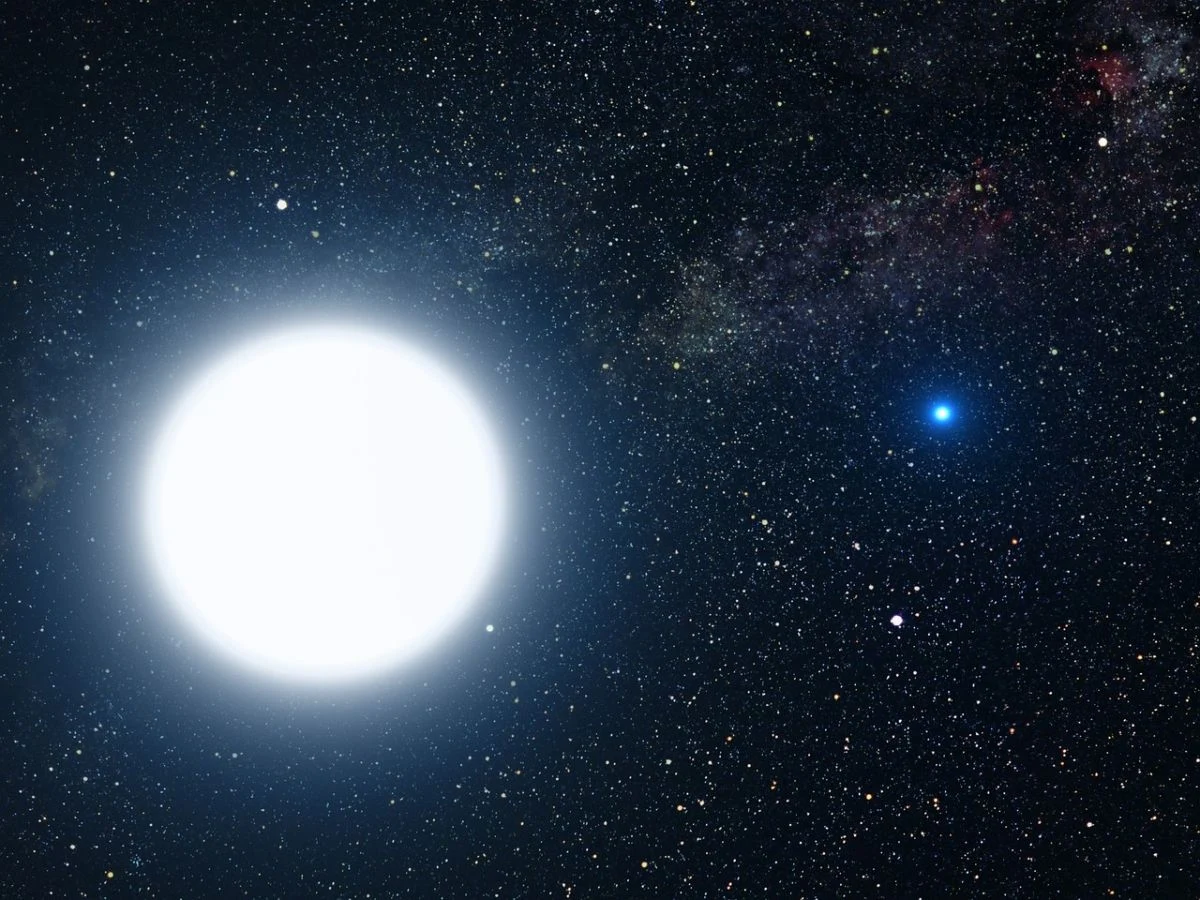
    Some celestial objects can sometimes bring unexpected findings for astronomers. Such is the case with this white dwarf, which continues to give off jets of matter. Moreover, its characteristics seem quite different from those of typical white dwarfs.

    An Unusual White Dwarf

    RXJ0528+2838 is a white dwarf situated around 730 light-years away from our solar system. It exists in a binary system with a star that is similar to our Sun and is responsible for these mysterious jets of matter.

    The Enigma of Accretion Disks

    White dwarfs are generally known for their strong gravitational force, which allows them to pull material from their companion star. This process leads to the formation of an accretion disk, which then produces powerful jets. However, this particular white dwarf hasn’t shown any signs of an accretion disk. Simone Scaring, an associate professor at Durham University in the UK, shares:

    “We discovered something that has never been observed before and, even more importantly, completely unexpected. The astonishment that a seemingly quiet, discless system could create such a stunning nebula was one of those rare ‘wow’ instances.”

    Theories and Mysteries

    Despite the lack of definitive conclusions, astronomers have put forth several theories. Observations made by the Muse (Multi Unit Spectroscopic Explorer) on the Very Large Telescope hint that the magnetic field of this white dwarf might be the cause behind these jets of matter. However, the mystery persists, as these jets have been active for 1,000 years, and the source of this energy remains unknown.

    Source:
    Link


  • Dying Star Consumes Shattered Planet: Earth’s Future When Sun Dies

    Dying Star Consumes Shattered Planet: Earth’s Future When Sun Dies

    Key Takeaways

    1. Astronomers discovered a white dwarf named LSPM J0207+3331, located 145 light-years from Earth, showing signs of planetary debris.
    2. The star has a hydrogen-rich atmosphere containing 13 heavy elements, remnants of a planet that was destroyed and is the largest number found in a white dwarf.
    3. The lost planet shared similarities with Earth, including a dense metallic core and a rocky mantle, but was about 200 km wide with a higher core mass ratio.
    4. Researchers believe the planet was recently consumed by the star, as the heavy elements are still on the star’s surface rather than its interior.
    5. The destruction of the planet may have been caused by a disturbance in the star system, potentially triggered by a Jupiter-sized body influencing smaller objects’ orbits.


    What will become of our cherished planet when the sun fades away? Astronomers have discovered what might be Earth’s fate when its star reaches the end of its existence, and the news is not comforting.

    Discovery of a Dying Star

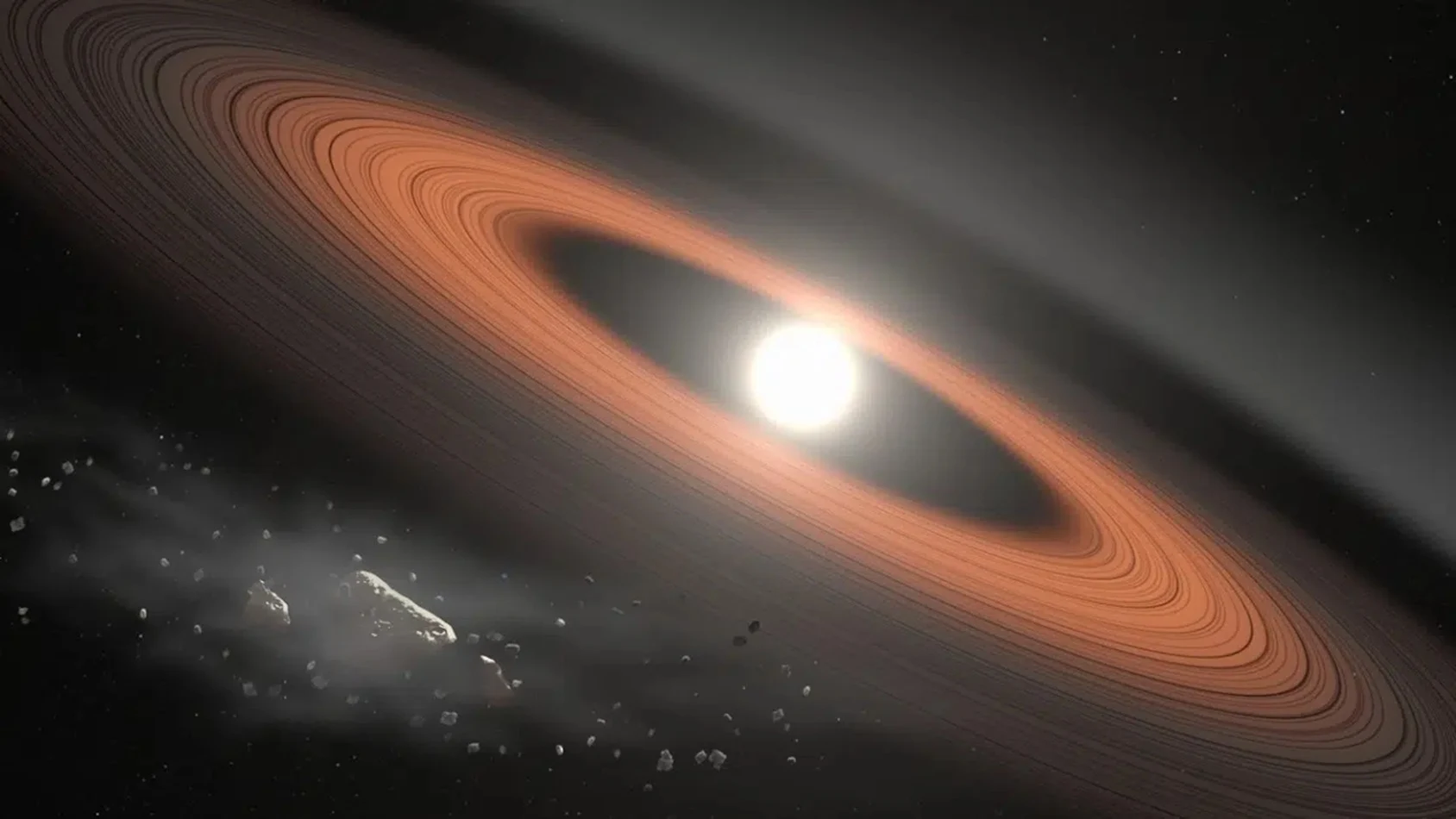
    Using the W.M. Keck Observatory, scientists identified a white dwarf named LSPM J0207+3331 in the Triangulum constellation. This star is approximately 145 light-years from Earth and shows the clearest chemical signs of planetary debris ever observed.

    Elements from a Destroyed Planet

    LSPM J0207+3331 has a hydrogen-rich atmosphere that contains 13 heavy elements like iron, nickel, and magnesium. These elements did not come from the star itself but are remnants of a planet that once orbited it and was later destroyed. This represents the largest number of planetary elements discovered in any white dwarf to date.

    Similarities to Earth

    The astronomers noted similarities between the lost planet and our own Earth. The doomed world was an even more extreme version of our planet, featuring a dense metallic core and a rocky mantle. They estimate this planet was about 200 km across, with roughly 55 percent of its total mass concentrated in the core, which is nearly twice the ratio seen on Earth. For comparison, Mercury has a core mass of about 70 percent.

    Recent Consumption of the Planet

    The researchers believe that the planet was “recently” devoured by LSPM J0207+3331. This conclusion comes from the observation that the elements from the destroyed planet still rest on the star’s outer layer rather than having sunk into its interior.

    How Did This Happen?

    What caused this unfortunate planet to become a meal for the dead star? Researcher John Debes from the Space Telescope Science Institute proposes that another celestial object instigated an instability within the star system long after its demise. This disturbance could have been triggered by a Jupiter-sized body that pushed smaller objects into unstable orbits, leading them directly into LSPM J0207+3331’s path.

    Implications for Exoplanet Chemistry

    Studying the results of these tragic interactions between dead stars and planets provides valuable insights into the internal chemistry of exoplanets due to the chemical traces they leave. Furthermore, it offers a possible glimpse of what could await Earth when the sun eventually dies billions of years from now.

    Source:
    Link