
Tag: meteor shower

  • Peak of the Year’s Most Stunning Meteor Shower Approaches

    Peak of the Year’s Most Stunning Meteor Shower Approaches

    Key Takeaways

    1. The Geminids meteor shower originates from the asteroid 3200 Phaethon, not a comet.
    2. The particles from the Geminids are larger than those from comets, resulting in a brighter display.
    3. The peak viewing time for the Geminids will be the night of December 13 to 14, 2025, with up to 150 meteors per hour.
    4. Meteors from the Geminids travel toward Earth at a speed of 35 km/s.
    5. To maximize your viewing experience, find a dark location and ensure clear, cloud-free skies.


    Every year, there are a lot of meteor showers that give a special show if you catch them just right. But in the coming days, the Geminids will be at their most active, and the display might just surprise you.

    Unique Origin of Geminids

    It’s important to understand that the Geminids are not like other meteor showers that happen throughout the year. Most meteor showers originate from comets that leave behind dust, which enters our atmosphere when Earth travels through those debris clouds. However, the Geminids are from an asteroid, which is quite unexpected. This asteroid is called 3200 Phaethon, has a diameter of 6 kilometers, and acts like a comet by shedding dust as it moves.

    Bright Show Ahead

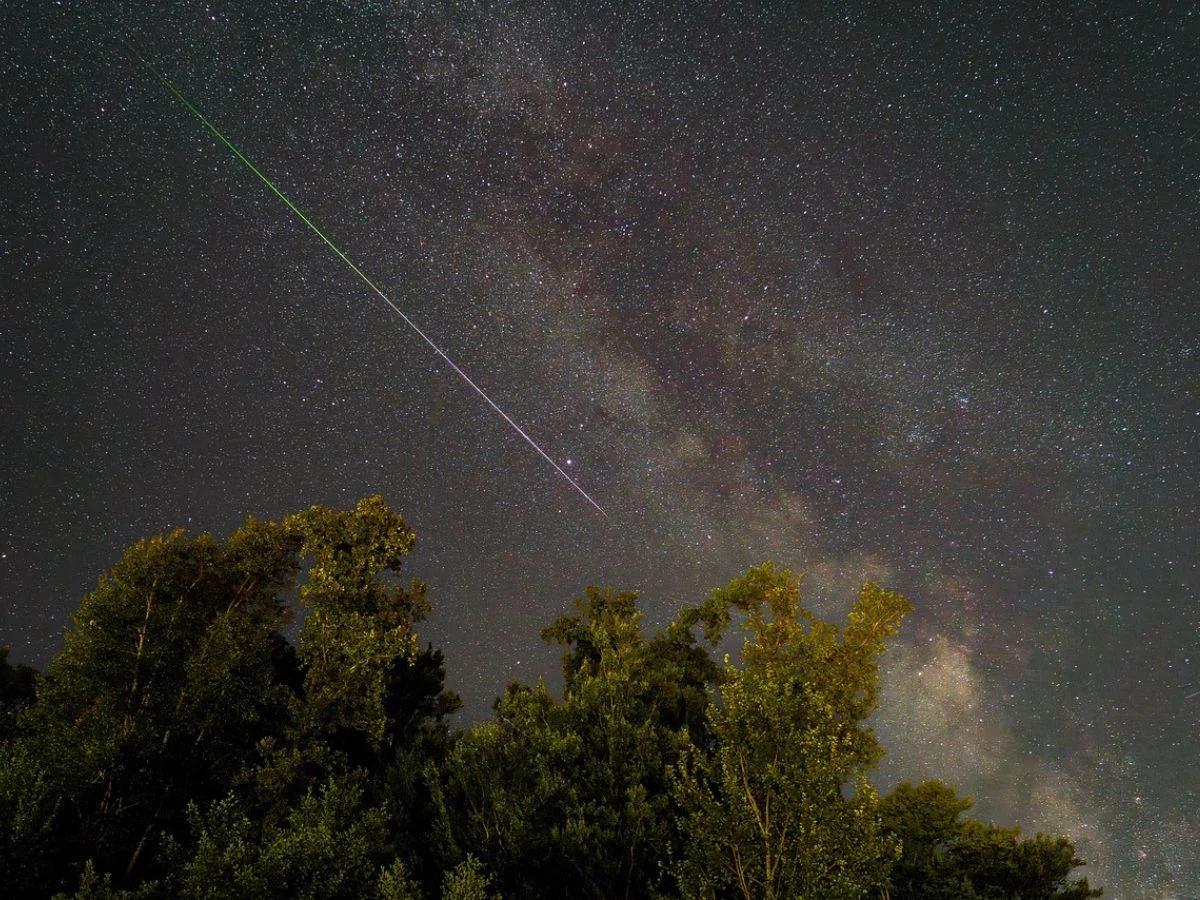
    The particles from this asteroid are actually larger than those from comets. This means that when they enter the atmosphere, they shine more brightly and can create an amazing visual experience.

    If you’re keen to witness this meteor shower, mark your calendar for the night of December 13 to 14, 2025. At this time, the Geminids will peak, and you could see around 150 meteors per hour, zooming towards Earth at a speed of 35 km/s.

    Tips for Observation

    However, it’s crucial to take some precautions, similar to what was necessary for the Taurids. You should avoid any light pollution to ensure a completely dark sky. Plus, having a clear and cloud-free night will allow you to fully appreciate this spectacular event.

    Star Walk

    Source:
    Link


  • November Meteor Shower: A Spectacular Sky Show to Watch

    November Meteor Shower: A Spectacular Sky Show to Watch

    Key Takeaways

    1. The Leonids meteor shower has a long history, first observed in 902 and peaking in the 1800s with up to 200,000 meteors per hour.
    2. The meteors originate from comet 55P/Tempel-Tuttle, which has a 33-year orbit around the sun, affecting the shower’s intensity.
    3. Recent activity showed a decline in meteor counts, with only about 100 meteors per hour in 2008 and 2009, and this year expected to see no more than 15 per hour.
    4. Despite the lower count, Leonid meteors can be very bright and often leave long green trails in the sky.
    5. The best viewing times are around November 9, 17, and 18, and it’s important to find a dark location and avoid smartphone use to enhance visibility.


    Every year, the night sky brings a lot of surprises. Right now, there’s a meteor shower happening at night, and it promises to be quite a show.

    History of the Leonids

    The Leonids were first seen in 902 and made a big impact in the 1800s, displaying between 50,000 to 200,000 meteors each hour. These meteors come from the comet 55P/Tempel-Tuttle, which orbits the sun every 33 years. Because of this, the intensity of the meteor shower can change greatly.

    Recent Activity

    In 2008 and 2009, the count dropped to only about 100 meteors per hour. This year, though, we can’t expect to see more than 15 meteors hourly.

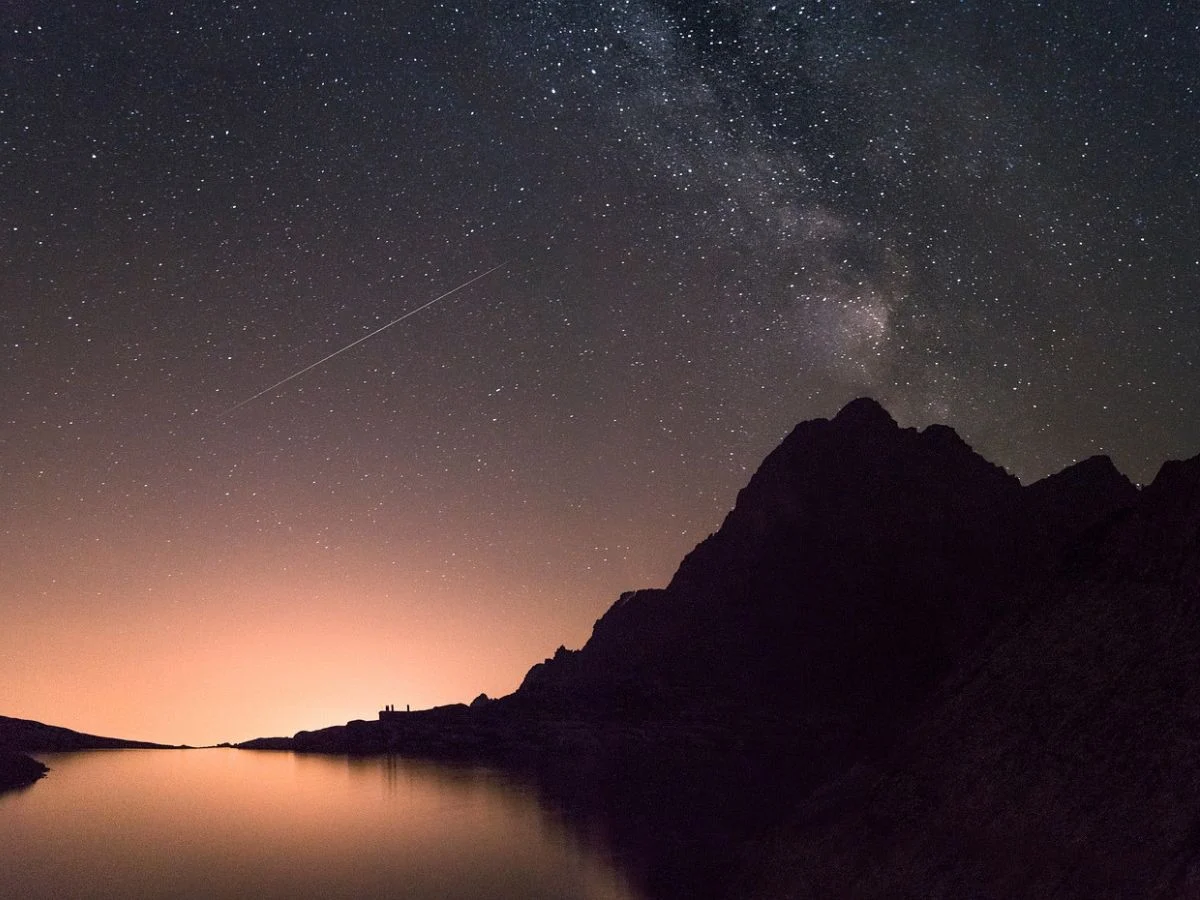
    Despite this low number, which might seem less exciting when compared to the Perseids, it’s worth noting that these meteors can be very bright. They are known to leave long green trails in the sky that can linger for several minutes.

    Tips for Watching

    When these meteors come from the Leo constellation, we can look forward to several active peaks. Notably, November 9, along with November 17 and 18, might be the best times to observe them.

    Yet, if you plan to watch, there are a few tips to remember. It’s crucial to find a spot away from bright lights, and you should avoid using your smartphone, as its light could hinder your ability to see the meteors.

    Source:
    Link