Category: Gaming

  • Pre-Order the Earthion Edition 8BitDo M30 Bluetooth Gamepad Now

    Pre-Order the Earthion Edition 8BitDo M30 Bluetooth Gamepad Now

    Key Takeaways

    1. The 8BitDo M30 Bluetooth Gamepad – Earthion Edition is a special version inspired by the upcoming game Earthion.
    2. The controller features a unique design with a white color scheme, game logos, and colorful buttons.
    3. It is compatible with Nintendo Switch/Switch 2, Windows, and Android devices, and costs $24.99.
    4. The controller has a 480mAh battery that allows for up to 18 hours of gameplay.
    5. Earthion, developed by Yuzo Koshiro, releases on July 31, 2025, for multiple platforms, including a Mega Drive cartridge next year.


    The 8BitDo M30 Bluetooth Gamepad is a contemporary version of the classic SEGA controller designed for the SEGA Mega Drive. First revealed in 2019, this controller can be purchased in Black or White colors. Now, 8BitDo has introduced a unique edition.

    Special Edition Announcement

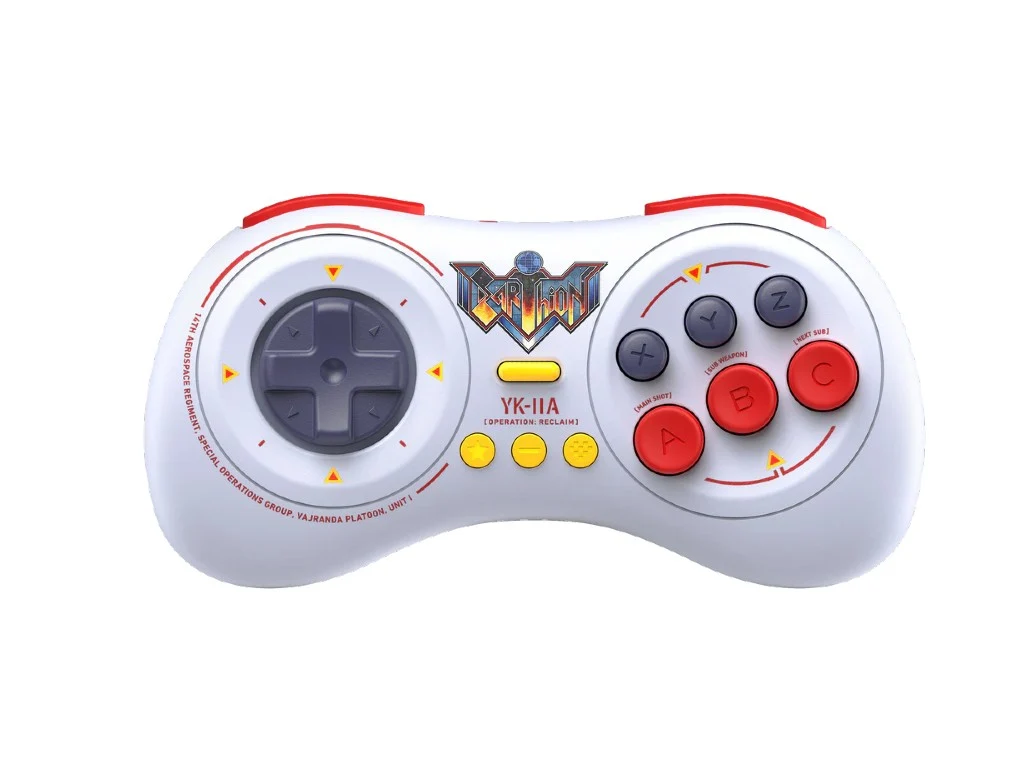
    This new release is named the 8BitDo M30 Bluetooth Gamepad – Earthion Edition, and it’s inspired by the forthcoming shoot ’em up title, Earthion. The Earthion Edition features a predominantly white design, prominently displaying a large logo from the game on its front. It includes dark gray XYZ buttons, red ABC buttons, and the start, star, select, and home buttons are all bright yellow. The shoulder buttons match the red of the ABC face buttons. Additionally, there are game-related inscriptions printed on the controller’s face.

    Pricing and Compatibility

    This special edition controller is visually distinct from the standard version of the 8BitDo M30 Bluetooth Gamepad, which is currently available on Amazon for $24.99. Similar to the regular model, this six-button controller works with Nintendo Switch/Switch 2, Windows, and Android devices. It features a matte-textured D-pad and can connect to supported devices using Bluetooth or a USB-C cable. Inside, it has a 480mAh battery that provides up to 18 hours of gameplay.

    Game Release and Development

    Earthion is being developed by Yuzo Koshiro and is published by Japan’s Superdeluxe Games, with whom 8BitDo has teamed up for this special controller. The game is set to launch on July 31, 2025, and will be available on platforms like PlayStation 5, PlayStation 4, Xbox Series X|S, Nintendo Switch, and Steam. There will also be a cartridge version for the Mega Drive, although it won’t be released until next year.

    Source:
    Link

  • Aokzoe A1X Launches Early with AMD Ryzen 9 HX 370 and 64GB RAM

    Aokzoe A1X Launches Early with AMD Ryzen 9 HX 370 and 64GB RAM

    Key Takeaways

    1. Aokzoe launched its A1X gaming handheld earlier than expected, priced at $899 for the standard model.
    2. The A1X features an 8-inch VRR display and a 72.7 Wh battery, powered by the Ryzen 7 8840U processor.
    3. Upgrading to the Ryzen AI 9 HX 370 APU costs $239, and configuring with 64 GB of RAM raises the price to $1,599.
    4. All Aokzoe A1X models support OCuLink connectivity for adding an external GPU (eGPU).
    5. Aokzoe plans to start shipping orders on July 16, making it a competitive option for portable gaming devices.


    Aokzoe has finally launched its A1X gaming handheld, just as it prepares to reveal its competitor to the GMKtec EVO-X2 (currently priced at $1,499 on Amazon). To summarize, the company presented its newest gaming device on Kickstarter in the spring. Following this, it announced when the A1X would be available to the public, and it has actually arrived almost a week earlier than expected.

    Pricing and Specifications

    As of now, Aokzoe is selling the A1X for $899 in its standard model. This version comes with an 8-inch VRR display and a 72.7 Wh battery, but it does not include AMD’s Ryzen AI 9 HX 370 APU. Instead, it features the Ryzen 7 8840U along with its Radeon 780M iGPU. Although the Ryzen 7 8840U is still a strong processor, it doesn’t provide the same performance and efficiency improvements that AMD has rolled out with its Strix Point series.

    Upgrade Costs

    Sadly, Aokzoe has set the price for upgrading from the Ryzen 7 8840U to the Ryzen AI 9 HX 370 at $239. Furthermore, if you want to configure the A1X with 64 GB of RAM, it will set you back $1,599. Regardless, all Aokzoe A1X models come with OCuLink connectivity, allowing for the addition of an eGPU. As of now, Aokzoe aims to begin shipping orders on July 16. For more hardware details, check out the company’s website and our initial launch article.

    Conclusion

    Aokzoe’s A1X gaming handheld makes a noteworthy entry into the market, especially with its early release and competitive pricing. The combination of good specifications and upgrade options makes it an interesting choice for gamers looking for a portable device.

    Source:
    Link


  • Steam Now Supports Native macOS Performance

    Steam Now Supports Native macOS Performance

    Key Takeaways

    1. Steam now has native support for Apple Silicon with the launch of a new beta version for M-series Macs.
    2. The new Steam app performs significantly better than the previous Intel version, improving startup times and user experience.
    3. The app previously relied on Rosetta 2 for compatibility, which limited performance; now it runs natively on Apple Silicon.
    4. The beta version fixes various macOS-specific issues, enhancing usability for non-Steam games.
    5. Major updates for Intel-based Macs will cease after WWDC 2025, with Rosetta 2 support ending in macOS 27.


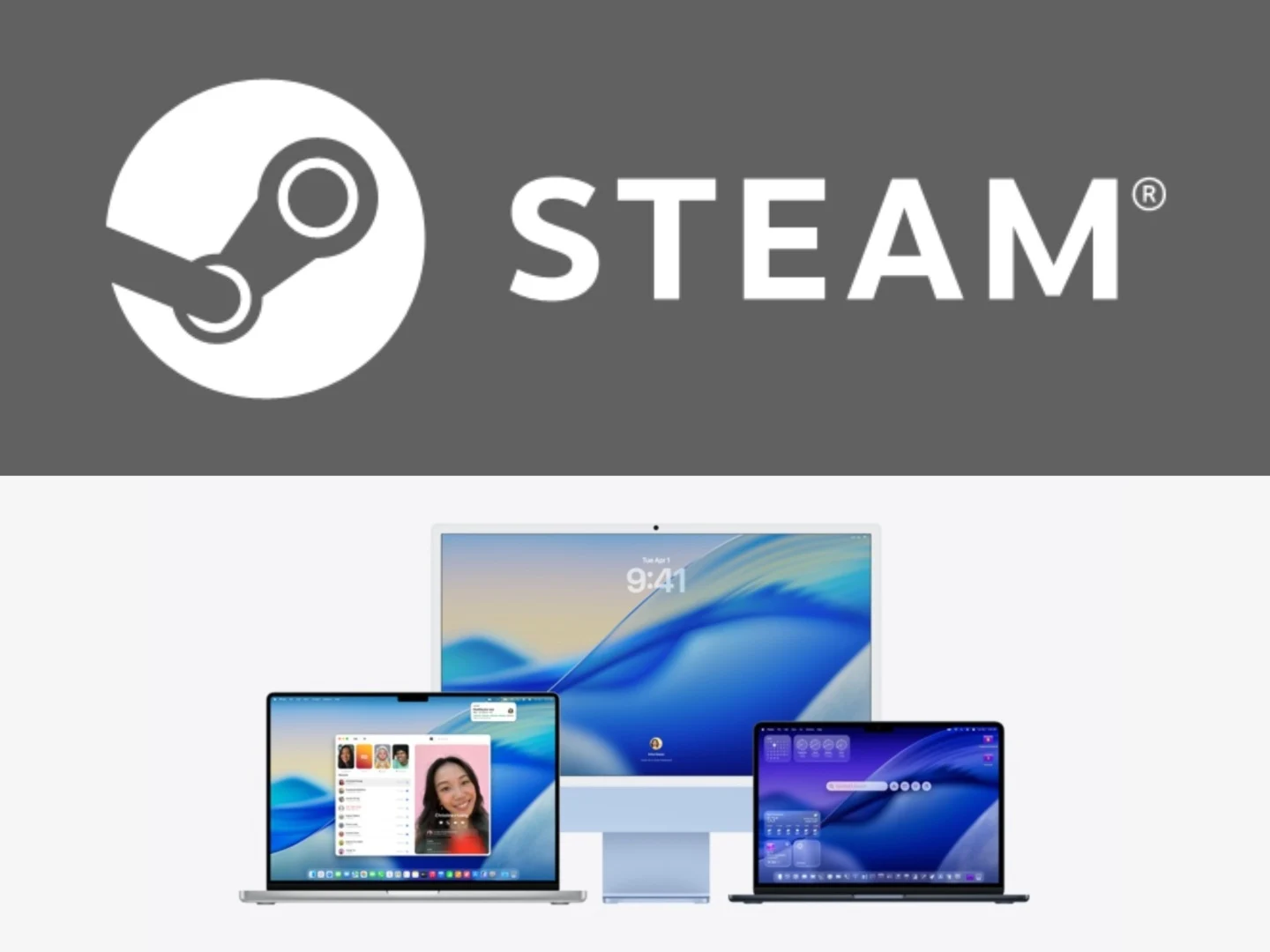
    Steam has been on Mac for a long time, but it didn’t have proper support for Apple Silicon until now. This changes with the launch of a new beta version of the game marketplace app, which is now available for Macs that use Apple’s M-series chips. The new version is much better optimized and performs significantly better than the Intel version. This update comes as Apple continues its shift to its own silicon and is phasing out support for Intel-powered Macs.

    Native Support for Apple Silicon

    The announcement about the Steam Client Beta was made on the Steam community forum, where it was revealed that both the Steam Client and Steam Helper apps now run natively on Apple Silicon. Previously, the Steam app depended on Rosetta 2 to function on Apple Silicon, which didn’t provide the best experience. Steam utilizes the Chromium browser for most of its web content, and the Intel version had to consistently process through the Rosetta layer. Now, Valve has transitioned the Chromium Embedded Framework from being Intel-exclusive to supporting Apple Silicon.

    Performance Improvements

    YouTuber Andrew Tsai conducted a comparison between the Intel and Apple Silicon versions of the Steam app, showing significant enhancements in startup times, navigation, and overall user satisfaction. The new version also fixes some macOS-specific issues, including problems with icons not automatically setting for non-Steam games and the missing game icon file dialog.

    To get the new Steam beta, you need to open the Steam app on your Mac, go to Settings, then Interface, and find ‘Client Beta Participation.’ After that, you should click on Steam Beta Update, and the app will ask you to restart. Once you’ve restarted, the app will update to the latest beta version.

    Future Updates

    After WWDC 2025, Apple announced that it would stop providing major updates for Intel-based Macs post-macOS Tahoe. Regarding Rosetta 2, macOS 27 will be the final firmware update that supports it.

    Source:
    Link

  • Dragon Age Veilguard’s Failure: EA’s Erratic Strategy Explained

    Dragon Age Veilguard’s Failure: EA’s Erratic Strategy Explained

    Key Takeaways

    1. Corporate Changes Impact Development: EA’s attempts to reshape its identity led to significant changes in the Dragon Age project, impacting BioWare’s creative control.

    2. Shift to Live-Service Model: The game shifted towards a live-service model, focusing on multiplayer and action instead of the strategic combat and dark storytelling that defined earlier titles.

    3. Leadership Resignations: Key leaders from BioWare resigned in protest over the shifting goals, leading to further instability in the game’s development process.

    4. Return to Single-Player Format: EA later demanded a return to a single-player format, complicating development as the team struggled to integrate existing multiplayer elements into a cohesive story.

    5. Mixed Reception and Sales Forecast Issues: Although Dragon Age: The Veilguard initially debuted well, it failed to satisfy legacy fans, leading EA to drastically lower its sales forecasts and raise concerns about BioWare’s future.


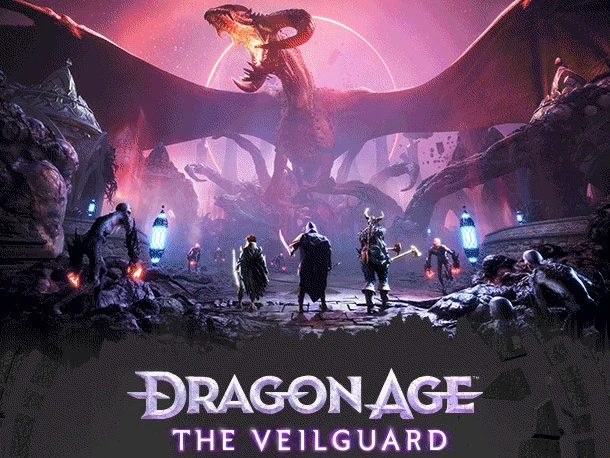
    A unique insight into the making of Electronic Arts’ Dragon Age: Veilguard has exposed the reasons behind BioWare’s highly anticipated game faltering so quickly.

    The Corporate Shuffle

    While it might seem like the usual tale of a large company engulfing a smaller studio that doesn’t mesh with its culture, it was actually EA’s chaotic attempts to reshape its identity that caused the latest Dragon Age title to falter. Known for its widely successful sports game franchises that generate a significant portion of its revenue, EA acquired BioWare for $860 million, aiming to broaden its sports-centric portfolio.

    However, in the process, EA altered the Dragon Age concept so drastically that the BioWare team struggled to adapt to the constant changes, leaving them racing against the clock while losing creative control. Instead of sticking to the dark storyline of the semi-open Dragon Age world that had brought EA its first major success with BioWare’s Inquisition, which sold 12 million copies, EA opted to shift towards a live-service game model.

    A Shift in Direction

    The shift away from the intense atmosphere of earlier Dragon Age games aimed to mimic the financial success of lighter online games like Overwatch, but the BioWare team was skeptical. They believed EA was steering them towards creating “Anthem with dragons,” a nod to another EA project that had failed. While past games in the series featured strategic combat, this new direction would focus solely on action. Instead of quests meant for single experiences, it would be packed with missions for replayability with friends and random players. Important characters were also not allowed to die since they needed to remain for multiple players in the endless gameplay.

    In light of this, both the leaders of the BioWare studio and the Dragon Age franchise resigned in protest of the team’s shifting goals, only to be swiftly replaced by EA, who demanded yet another change in direction.

    The Return to Single-Player

    Now, EA wanted BioWare to revert to the single-player format that had initially brought success to the Dragon Age series. However, the team was challenged with creating a new story based on the multiplayer elements they already had, all while racing to finish the game in a year and a half instead of starting from scratch, which is usually the case with such major changes. EA even enlisted the Mass Effect team to steer development towards completion, pushing aside the Dragon Age leaders during critical decisions about the game’s tone and characters. The Mass Effect heads, for instance, advocated for revamping the dialogue from typical multiplayer chatter to a more serious tone, with mixed results.

    Consequently, Dragon Age: The Veilguard ended up missing both the live-service narrative it was originally meant to have and the compelling single-player storyline filled with tough choices that fans had eagerly anticipated from previous games.

    Despite this, Dragon Age: The Veilguard debuted strongly on Steam, receiving positive reviews from critics and newer players, making it an instant chart-topper and displacing Call of Duty from the top position. However, legacy Dragon Age fans, while initially excited by EA’s trailer, never truly embraced the game after its release.

    In a cautionary turn of events, EA had to revise its sales forecast dramatically, causing its stock to plummet and leaving the future of the BioWare team within Electronic Arts uncertain.

    Source:
    Link

  • Dying Light: Free Beast DLC for DL2 Ultimate Owners Confirmed

    Dying Light: Free Beast DLC for DL2 Ultimate Owners Confirmed

    Key Takeaways

    1. Release Date: Dying Light: The Beast will launch on August 22, 2025.

    2. Free Access for Ultimate Edition Owners: Players with the Ultimate Edition of Dying Light 2: Stay Human will receive the new game at no extra cost.

    3. Hero of Harran Bundle: Pre-ordering or owning the Ultimate Edition will grant players exclusive in-game items, including weapons, a patrol vehicle, and a unique outfit.

    4. Purchase Requirement for Others: Players who did not buy the Ultimate Edition must purchase The Beast separately for $59.99, as the Ultimate Edition is no longer available.

    5. Game Platforms: The game will be available on PC, PS5, PS5 Pro, and Xbox Series X|S, with potential support for PS4 and Xbox One later in 2025.


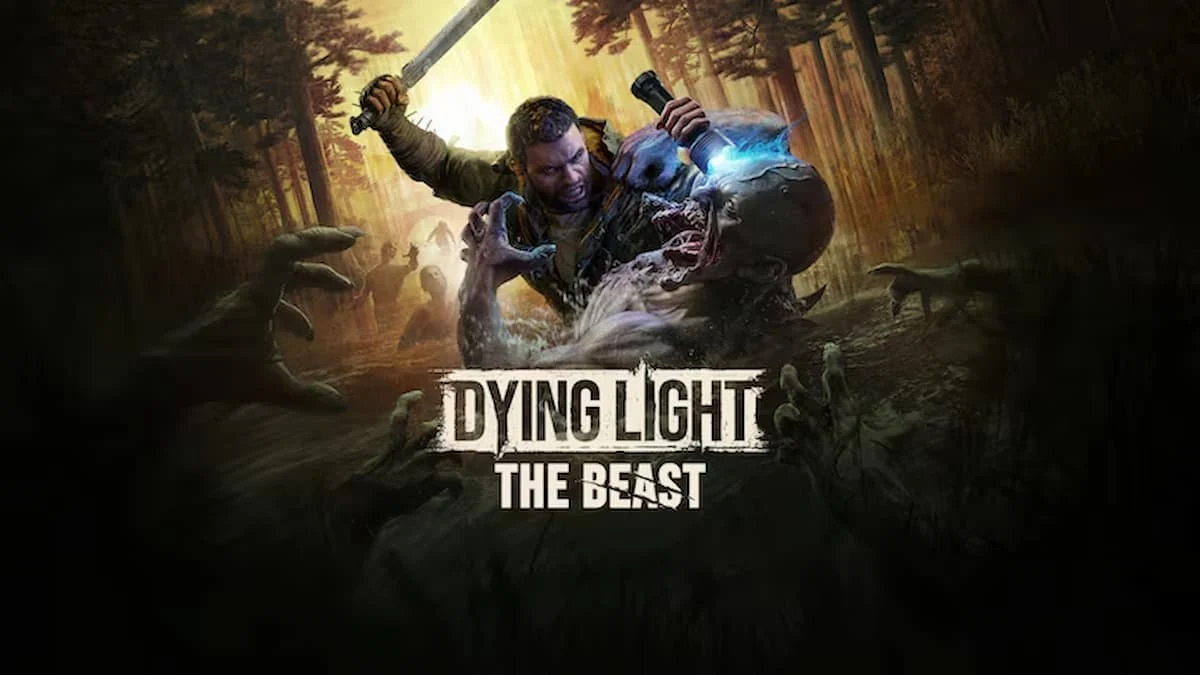
    Techland has announced that the new chapter in the Dying Light series, titled Dying Light: The Beast, is set to launch on August 22, 2025. Excitingly, it will be free for certain players.

    Free Access for Ultimate Edition Owners

    Specifically, those who have the Ultimate Edition of Dying Light 2: Stay Human will get Dying Light: The Beast at no extra cost. According to information on the official Dying Light website, eligible players will find the game automatically added to their libraries on the release day.

    Bundle of Extras Included

    In addition to the main game, players will also get the Hero of Harran Bundle as pre-order content, with no further action needed. This bundle features exclusive in-game weapons, a patrol vehicle, and a unique outfit for Kyle Crane.

    It’s important to note that this offer is limited to players who already have the Ultimate Edition, a version that is no longer available for purchase. Those who did not buy the Ultimate Edition before it was removed will need to purchase The Beast separately for $59.99. Additionally, the Hero of Harran Bundle won’t be available for individual purchase after the game is released; players must pre-order the game or own the Ultimate Edition to obtain it.

    Release Date and Platforms

    As stated before, Dying Light: The Beast is set to launch on August 22, 2025, which is just a few weeks away. The game will be released on PC, PS5, PS5 Pro, and Xbox Series X|S, with plans for support on PS4 and Xbox One possibly arriving later in 2025. Due to some technical difficulties, players will have an opportunity to upgrade to the deluxe edition after the launch.

    Moreover, Techland confirmed that Dying Light 2: Stay Human will keep getting new content throughout 2025. Upcoming additions include a Summer Event, a Halloween Event, a Winter Tales Event, and a Fall update.

    Source:
    Link

  • PS5 Surpasses PS4 in Monthly Players for the First Time

    PS5 Surpasses PS4 in Monthly Players for the First Time

    Key Takeaways

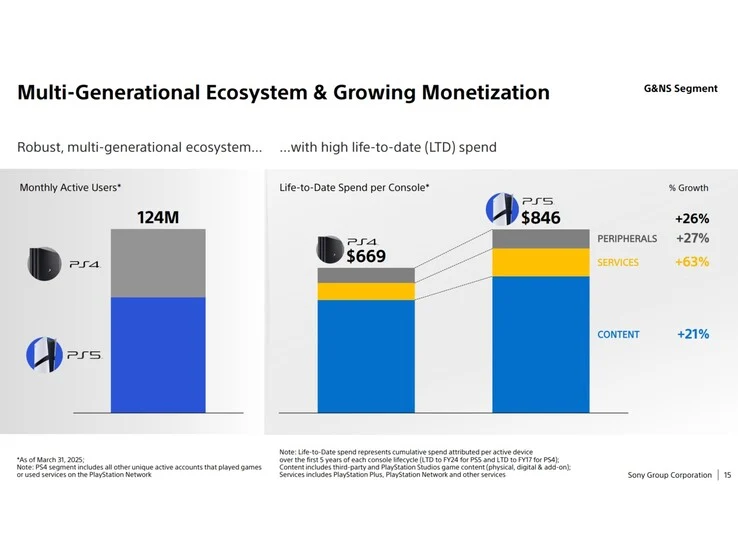
    1. The PlayStation 5 has surpassed the PlayStation 4 in monthly active players for the first time since its launch in 2020.
    2. Combined monthly active users on PS5 and PS4 reached 124 million, up from 97 million the previous year.
    3. The PS5 showed a 21% increase in content spending, 63% rise in services, and 27% jump in peripheral sales compared to the PS4.
    4. PlayStation Plus subscribers for the Premium and Extra tiers increased to 38% despite previous price hikes.
    5. Total gameplay hours in FY24 reached 51 billion, marking a 14% increase from FY22, indicating higher user engagement.


    Sony Interactive Entertainment recently held its annual earnings meeting, where they announced a major growth achievement for the PlayStation 5. For the first time since its launch in 2020, the PS5 has surpassed the PS4 in terms of monthly players. Sony is confident that these users are very engaged and spending more on games and services. The total count of monthly active players has also seen a notable rise compared to the previous year.

    Key Growth Metrics

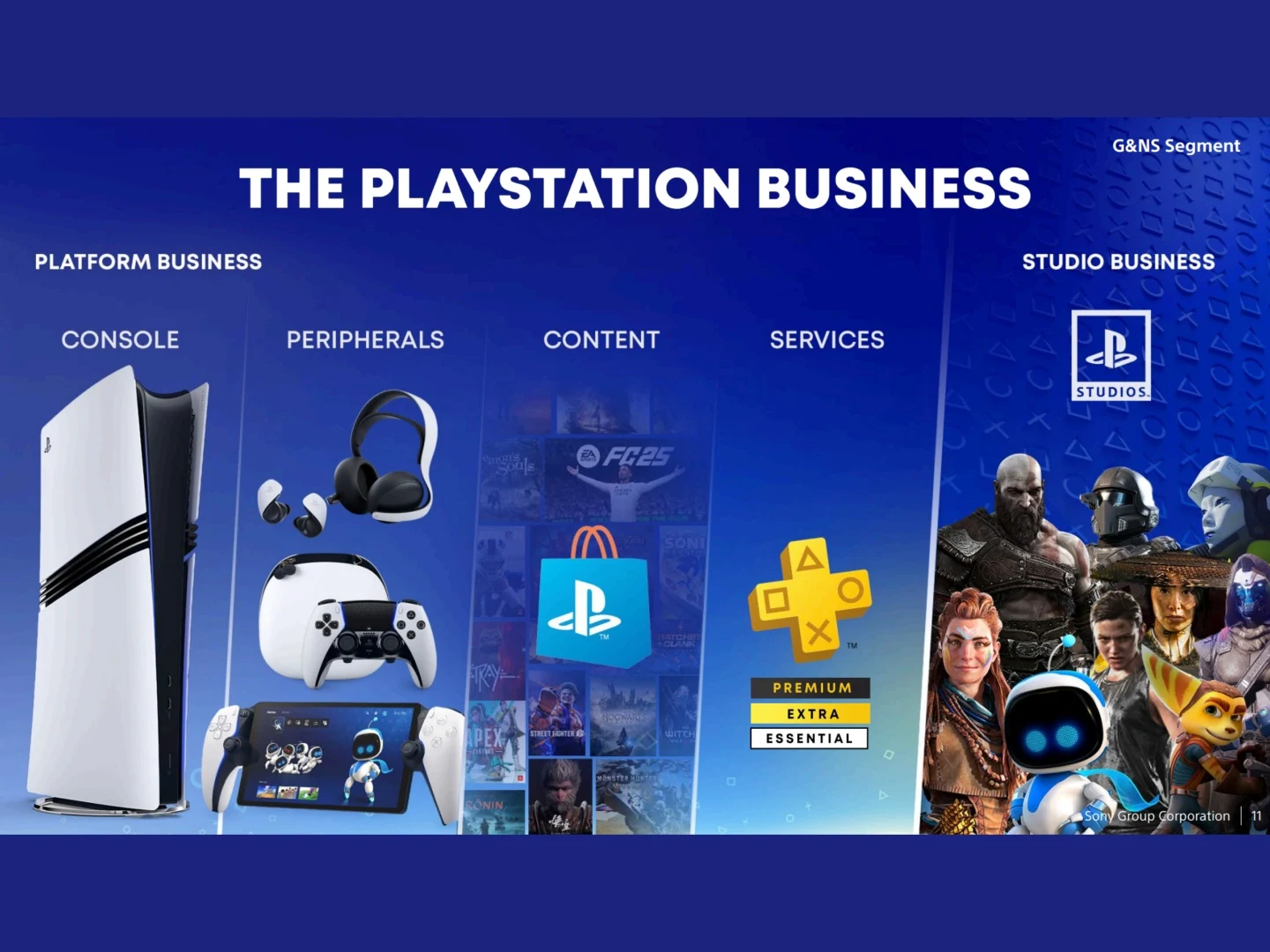
    During the meeting, key figures like Hideaki Nishino (President and CEO), Hermen Hulst (CEO of Studio Business Group), and Lynn Azar (SVP of Finance and Corporate Development) presented slides illustrating robust growth and console achievements. As of March 31, 2025, the combined monthly active users on both PS5 and PS4 reached 124 million, which marks a significant increase from last year’s 97 million. Notably, the PS5 has taken the lead in monthly active users for the first time since it was launched, outpacing the PS4.

    User Engagement Insights

    Although Sony didn’t disclose the specific monthly active user numbers for the PS5, the presented graphics indicated that the new console captured a large portion of the user base. Additionally, the spending per console showed positive trends for the PS5, with a 21% increase in content spending, a 63% rise in services, and a 27% jump in peripheral sales compared to the PS4.

    The CEO also addressed the pricing of PlayStation Plus, noting that despite previous price hikes, the number of Premium and Extra tier subscribers has risen to 38%. In light of this growth, the company plans to continue enhancing value and adjusting prices to optimize profitability.

    Increased Engagement in FY24

    Moreover, it appears that users were more engaged with PlayStation in FY24 compared to both 2023 (FY22) and 2024 (FY23), as the total gameplay hours reached 51 billion, reflecting a 14% increase from FY22.

    This reflects a positive trend for Sony’s Game & Network Service (G&NS) segment and points towards a bright future for the PlayStation ecosystem.

    Source:
    Link


  • Next Week on Xbox Game Pass: 3 New Games, 2 Day-One Releases

    Next Week on Xbox Game Pass: 3 New Games, 2 Day-One Releases

    Key Takeaways

    1. Three new titles added to Game Pass: Lost in Random: The Eternal Die, FBC: Firebreak, and Crash Bandicoot 4: It’s About Time.
    2. Crash Bandicoot 4 features classic 3D platforming gameplay with new mechanics involving four Quantum Masks.
    3. Lost in Random: The Eternal Die introduces isometric hack-and-slash gameplay with roguelite elements and a focus on upgrades and customization.
    4. FBC: Firebreak is a cooperative first-person shooter set in the Control universe, featuring team-based gameplay against supernatural enemies.
    5. Game Pass lineup offers a mix of new experiences and nostalgic favorites for players.


    While Microsoft brought five new games to Game Pass in the second week of June, the third week sees only three new titles. Among them are two exciting new releases – Lost in Random: The Eternal Die and FBC: Firebreak. Fans of classic platform games can rejoice with the addition of Crash Bandicoot 4: It’s About Time, which is a well-loved installment in the famous series.

    A Look at Crash Bandicoot 4

    It’s About Time marks the fourth and latest installment in the beloved Crash Bandicoot franchise, having launched in October 2020. Staying faithful to its origins, this game is a linear 3D platformer where players control the playful marsupial, Crash Bandicoot. The story takes place after Crash Bandicoot 3, where villains Dr. Neo Cortex and Dr. N. Tropy have escaped from their dimensional prison and are ripping apart reality itself to take over the multiverse. It’s up to Crash and his sister Coco, along with four ancient Quantum Masks, to put a stop to their plans.

    Gameplay Features

    Regarding gameplay, It’s About Time remains true to the traditional Crash Bandicoot style. Players will run, jump, spin, smash crates, dodge obstacles, and fight enemies just like in the classic games, but with improved controls and skillfully designed levels. The introduction of the four Quantum Masks brings new gameplay features, like reversing gravity, slowing time, transforming Crash into a whirlwind for better movement, or phasing platforms in and out of reality.

    Lost in Random: The Eternal Die is a unique and dark roguelike spin-off of the 2021 game Lost in Random. In this installment, players take on the role of Queen Aleksandra instead of the original protagonist, Even. Set within the Eternal Die, a large mystical cube, the game guides players through bizarre, twisted environments. The art style combines magical allure with eerie, haunting designs.

    Gameplay Mechanics

    Players can look forward to isometric hack-and-slash gameplay with a roguelite structure. Combat occurs in randomly generated areas, where you can collect relics, activate card effects, and utilize the talking cube named “Fortune” for strategic benefits. There are four upgradable weapons, over 15 abilities, and various permanent upgrades to enhance gameplay depth. Between runs, players can improve their gear, complete side quests, and customize their builds.

    FBC: Firebreak is a cooperative first-person shooter that exists in the Control universe. Players become agents of the Federal Bureau of Control, fighting against the Hiss invasion using supernatural powers. As part of the specialized Firebreak Special Forces, teams of up to three are sent into the mysterious Oldest House to face and contain otherworldly dangers.

    Mission Dynamics

    Before each mission, teams choose their difficulty and equipment before entering randomly generated sectors. The main goal is to defeat Hiss enemies with weapons and gadgets, while also repairing equipment and securing important areas. As you progress, you unlock new gear and abilities through a requisition system, eliminating the need for a battle pass or live service.

    In summary, this week’s lineup for Game Pass offers a mix of excitement and nostalgia for players.

    Source:
    Link

  • Xbox Game Pass Price May Increase After Console and Game Costs Rise

    Xbox Game Pass Price May Increase After Console and Game Costs Rise

    Key Takeaways

    1. Price Increases: Microsoft has raised console prices and launched $80 games, indicating a likely rise in Xbox Game Pass fees.

    2. Subscription Insights: The code “SubscriptionPriceIncrease” suggests potential price changes for Game Pass, which hasn’t been offered as a standalone subscription.

    3. Game Pass and AAA Titles: The increase in Game Pass fees is linked to high-profile AAA games, with new titles being released at steep prices.

    4. Challenges in Growth: There is a slowdown in new Game Pass subscribers, which may necessitate higher subscription costs to support expensive game releases.

    5. Console Sales Impact: Declining Xbox console sales are hindering Game Pass growth, prompting Microsoft to target new audiences through Windows gaming handhelds.


    With Microsoft increasing console prices and launching $80 games, a rise in Xbox Game Pass fees seems unavoidable. Better xCloud is a plugin that enhances browser-based game streaming and recently shared a finding on the Xbox Cloud Gaming site. The code mentioning “SubscriptionPriceIncrease” could alert players about potential price changes.

    Subscription Insights

    Currently, Xbox Cloud streaming isn’t offered as an independent subscription, suggesting that this message probably relates to Game Pass costs. The last adjustment in pricing occurred in July 2024, where the Ultimate Game Pass tier went up from $16.99 to $19.99. Other tiers, such as PC, Standard, and Core, lack cloud streaming features. Historically, Microsoft tends to deliver unsatisfactory news to gamers during the summer months.

    Game Pass and AAA Titles

    Many experts have connected the 2024 increase in Xbox Game Pass fees to high-profile AAA games like Call of Duty: Black Ops 6. Since then, Microsoft has introduced several other games that are priced steeply on their own. Subscribers have access to new Xbox releases like Indiana Jones and the Great Circle and Doom: The Dark Ages. Notably, The Outer Worlds 2 is set to launch in October at $80. When Xbox console prices rose in May, Microsoft cautioned about more expensive first-party titles.

    Challenges Ahead

    One major issue for Microsoft is the slowing growth in new Game Pass subscribers. A LinkedIn post by an employee recently suggested that current numbers are similar to those seen in 2024. If new memberships don’t increase, the monthly subscription costs might need to rise to keep up with the new high-budget Xbox games.

    Furthermore, dwindling Xbox console sales aren’t aiding Game Pass expansion. Microsoft is banking on Windows gaming handhelds like the ROG Xbox Ally to attract a fresh audience to the service.

    Source:
    Link

  • RTX 5050 GPU Set to Compete with RX 9060 XT in Key Feature

    RTX 5050 GPU Set to Compete with RX 9060 XT in Key Feature

    Key Takeaways

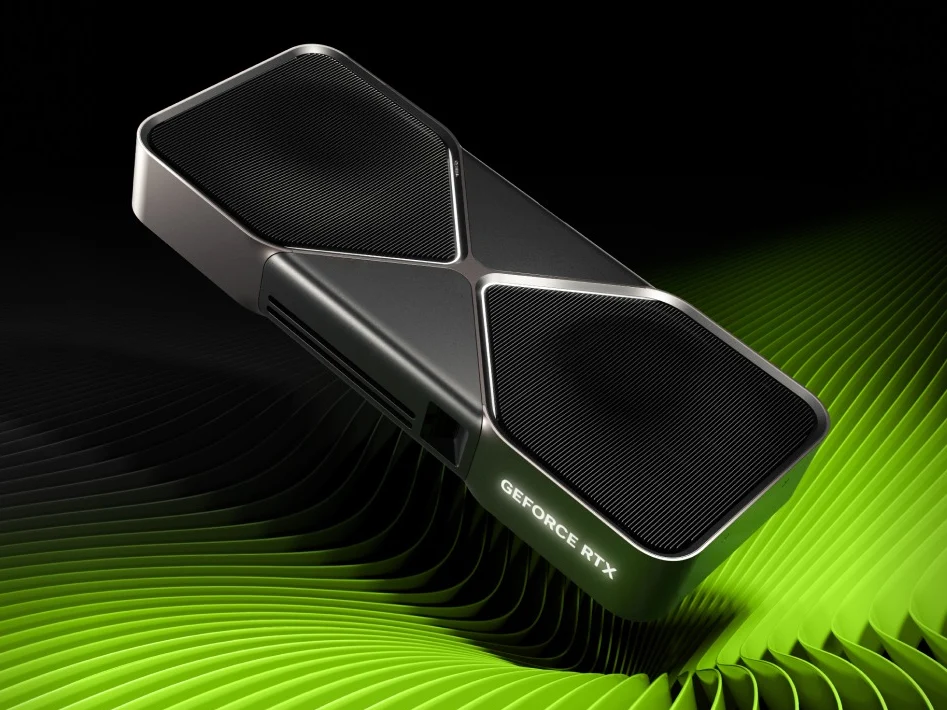
    1. The Nvidia RTX 5050 GPU is expected to feature a GB207-300 chip with 2,560 CUDA cores and 8 GB of VRAM, with a potential release in July 2025.
    2. There is conflicting information about the VRAM, but it is now confirmed to have 8 GB of GDDR6 VRAM operating at 20 Gbps.
    3. The RTX 5050 will be the only model in the RTX 50 series to use GDDR6, while higher models will use GDDR7, potentially limiting its performance.
    4. The RTX 5050 is expected to be an entry-level GPU priced under $250, possibly around $200, justifying the choice of GDDR6.
    5. Performance expectations for the RTX 5050 are uncertain, with speculation that it may not significantly outperform the previous-gen RTX 4060.


    We shared some news back in March about Nvidia working on an RTX 5050 desktop GPU that comes with a GB207-300 chip. This chip is said to have 2,560 CUDA cores and 8 GB of VRAM. Initially, there were rumors that the card would be released in April, but when that didn’t happen, sources from AIBs suggested a launch in July 2025 for the RTX 5050.

    Conflicting VRAM Information

    While there has been a lot of talk about the specs and release date of the RTX 5050, the details regarding the 8 GB VRAM have been inconsistent. For example, kopite7kimi stated back in March that the RTX 5050 would have 8 GB of GDDR6 VRAM. However, a recent leak mentioned that it would actually be using GDDR7 modules like the rest of the RTX 50 series.

    Now, a dependable leaker, MEGAsizeGPU, has revealed that the RTX 5050 will indeed feature 8 GB of GDDR6 VRAM operating at 20 Gbps. This puts the RTX 5050 on par with the RX 9060 XT, which also utilizes 20 Gbps GDDR6 VRAM modules.

    Performance Insights

    If the RTX 5050 does come with GDDR6, it will be the only model in the RTX 50 family to use GDDR6. The rest, from the RTX 5060 to the RTX 5090, will have GDDR7. This difference is likely to limit the bandwidth and overall performance of the card.

    Even so, the use of GDDR6 isn’t particularly surprising. The RTX 5050 is expected to be an entry-level GPU, likely priced under $250 and possibly as low as $200. Thus, it makes sense for Nvidia to opt for the more affordable GDDR6 instead of the pricier GDDR7.

    Uncertain Performance Expectations

    At this stage, we can’t make any definite claims about performance. In previous discussions, we suggested that with a CUDA core count similar to the RTX 4050 mobile GPU, but a 15 W higher TDP and a 33.3% wider bus, a significant performance increase might be possible. However, it’s likely that the final performance won’t be too impressive, as the previous-gen RTX 4060 may still outperform it.

    Source:
    Link

  • Alienware 16 RTX 5080 vs Razer Blade 16 RTX 5090: Performance Showdown

    Alienware 16 RTX 5080 vs Razer Blade 16 RTX 5090: Performance Showdown

    Key Takeaways

    1. The Alienware Area-51 is significantly larger and heavier than the Razer Blade 16, allowing it to run GeForce RTX 50 GPUs at higher power levels for better performance.

    2. In certain gaming scenarios, the Area-51 with the RTX 5080 can outperform the Blade 16 with the RTX 5090, despite having a lower power output.

    3. Benchmark results show that while synthetic tests favor the Razer Blade 16, actual gaming performance can favor the Alienware in specific titles.

    4. The extra 8 GB of VRAM on the RTX 5090 does not significantly enhance performance in most gaming situations compared to the RTX 5080.

    5. Running the Alienware in “Overdrive” mode can further increase its performance advantage over the Blade 16 by 5 to 10 percent in gaming.


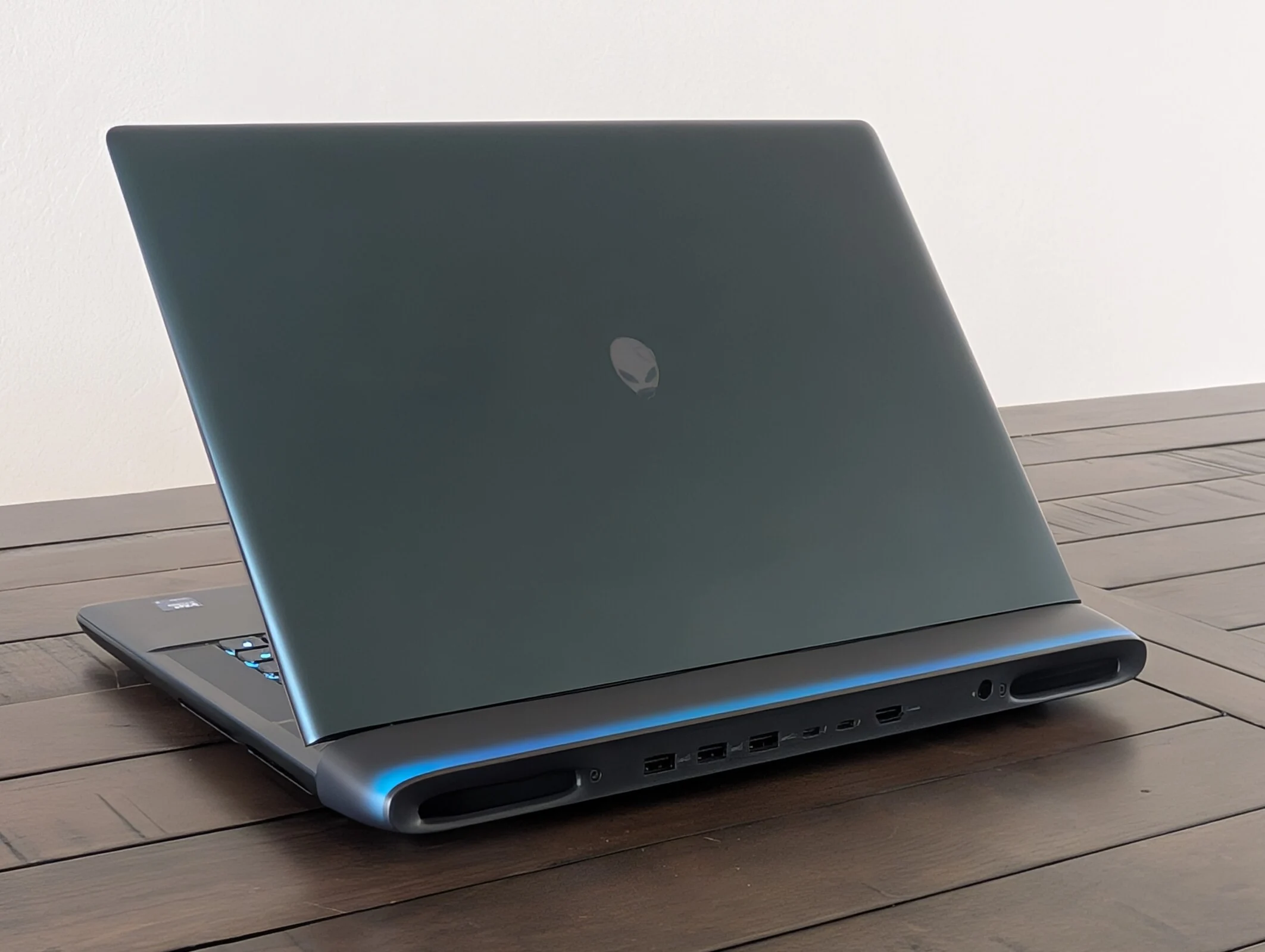
    The Alienware Area-51 is significantly heavier and larger than the Razer Blade 16, weighing nearly 60 percent more and being twice its size. This size advantage enables the Dell laptop to utilize GeForce RTX 50 GPUs at higher power levels, providing improved performance compared to the Razer. In certain situations, the Area-51, with the RTX 5080, can outperform the Blade 16, which has the RTX 5090, during gaming sessions, even when the Alienware’s GPU operates at a lower power of just 150 W TGP instead of the maximum 175 W.

    Benchmark Comparisons

    For instance, our benchmarks below show the Area-51 with the RTX 5080 in Balanced mode versus the Blade 16 with the RTX 5090 in Performance mode. While synthetic benchmarks, like 3DMark, suggest that the Razer outperforms, the reality is more complicated when we look at real gaming. Games such as Monster Hunter Wilds and Assassin’s Creed Shadows often favor the Alienware, while titles like Cyberpunk 2077 and Indiana Jones are closely matched, with only small percentage differences. Thus, the extra 8 GB of VRAM on the mobile RTX 5090 doesn’t significantly impact most gaming situations.

    Overdrive Mode Benefits

    If you run the Alienware in “Overdrive” mode instead of Balanced, the performance gap against the Blade 16 could increase by an additional 5 to 10 percent during gaming.

    This trend isn’t something new; similar patterns were noticed in the previous generation of gaming laptops that used older GeForce RTX 40 graphics. The size of the laptop remains a crucial factor, just as much as the GPU models, for users aiming to extract maximum performance from their devices.