Category: Gaming

  • RedMagic Launches Ice Blade Magnetic Axis RGB Gaming Keyboard

    RedMagic Launches Ice Blade Magnetic Axis RGB Gaming Keyboard

    Key Takeaways

    1. RedMagic has expanded its product range to include the Gaming Tablet 3 Pro, launching globally next month as the RedMagic Astra.
    2. The company has refreshed its gaming keyboard lineup with the Ice Blade Magnetic Axis Keyboard.
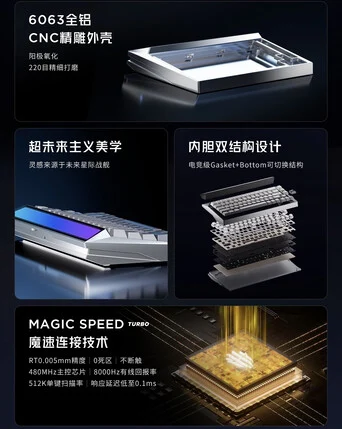
    3. The Ice Blade features a 6063 all aluminum CNC anodized exterior and an 8,000 Hz wired polling rate with 0.1 ms response times.
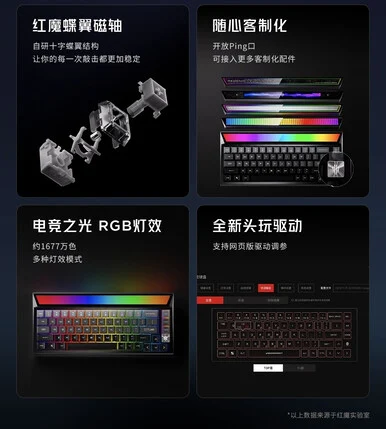
    4. The keyboard uses RedMagic Butterfly Magnetic switches and includes a customizable RGB light bar.
    5. The Ice Blade Magnetic Axis Keyboard is priced at CNY 1,099 (~$153) but is currently available at a launch discount for CNY 999 (~$139).


    RedMagic is well-known for its gaming smartphones, such as the latest 10S Pro and 10 Air (curr. $589 on Amazon). Recently, the company has been expanding its product range to include more various items. For instance, just today, it introduced the Gaming Tablet 3 Pro, which will be globally launched next month as the RedMagic Astra.

    New Gaming Keyboard

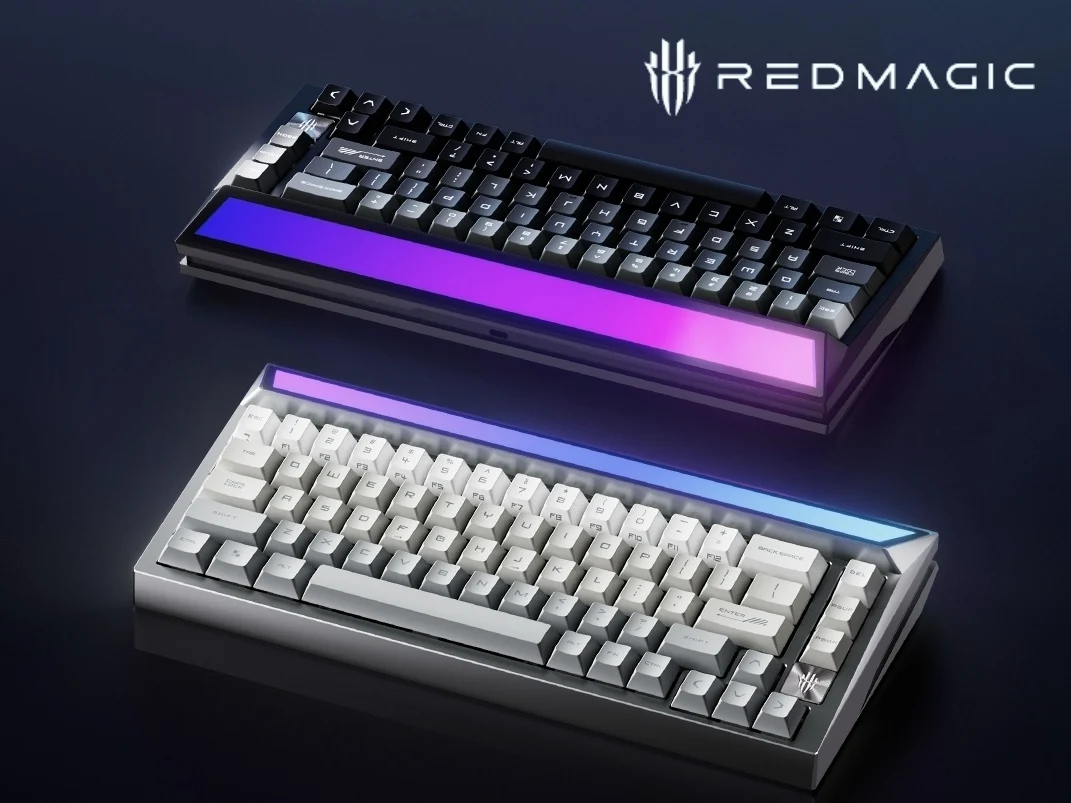
    In addition to the tablet, RedMagic has also refreshed its gaming keyboard lineup with the Ice Blade Magnetic Axis Keyboard, which is already on sale in China. The initial announcements suggest that the Ice Blade boasts a 6063 all aluminum CNC anodized exterior, offering an impressive 8,000 Hz wired polling rate and response times of just 0.1 ms. Furthermore, the keyboard utilizes RedMagic Butterfly Magnetic switches, positioned under a broad and customizable RGB light bar.

    Pricing and Availability

    Although there has been no announcement regarding global availability yet, RedMagic typically makes its devices available outside of China eventually. Keeping that in mind, the Ice Blade Magnetic Axis Keyboard is priced at CNY 1,099 (~$153). However, it is currently available at a launch discount for CNY 999 (~$139).

    Source:
    Link


  • PlayStation Handheld: AI Upscaling, 16GB RAM, and More Leaks

    PlayStation Handheld: AI Upscaling, 16GB RAM, and More Leaks

    Key Takeaways

    1. Xbox has confirmed its development of a handheld device, while PlayStation’s plans remain unclear but have leaked details.
    2. The PlayStation handheld is expected to feature 16 GB of LPDDR5X RAM, with improved cache compared to the PS5.
    3. It will include AI upscaling, aiming to run PS5 games natively at reduced resolution and visual quality.
    4. Mass production for the PlayStation handheld, codenamed ‘Jupiter’, is not expected until 2028, potentially launching alongside the PS6.
    5. Xbox’s upcoming handheld consoles, the ROG Xbox Ally and ROG Xbox Ally X, are set to launch by the end of this year.


    Both Xbox and PlayStation have been said to be developing their own handheld devices. While Xbox has confirmed its efforts, PlayStation’s plans remain unclear. Recent leaks and speculations have provided some insights into what the PlayStation handheld might offer, with new details emerging from the same source. According to the leaker, this device is expected to feature 16 GB of RAM, AI upscaling, and a greater memory cache compared to the PS5.

    Specifications Revealed

    A member named KeplerL2 on the NeoGAF forum has claimed that the PlayStation handheld will utilize 16 GB of LPDDR5X RAM since LPDDR6 is still a few years away from being available. The device will have only a third of the PS5’s memory bandwidth, but it will include more cache and better memory compression. Reportedly, the handheld will sport 4MB of L2 cache and 16 MB of MALL cache, which is not found in either the PS5 or the PS5 Pro. This addition aims to compensate for the handheld’s lower bandwidth.

    AI Upscaling Feature

    The leaker further mentions that the PlayStation handheld will be the first AMD-powered handheld to incorporate AI upscaling, at least for the immediate future. This feature is expected to support the device’s earlier promises of being able to natively run PS5 games, though it may do so at reduced resolution and visual quality.

    Production Timeline Uncertain

    In May, there were rumors that the PlayStation handheld would operate on a 2 nm chip produced by Samsung. It has been suggested that the internal codename for the handheld is ‘Jupiter’, with mass production not expected to begin until 2028. This schedule appears to be inconsistent with other reports and Sony’s usual seven-year console cycle, which indicates a potential PS6 release in 2027. Moreover, it’s believed that the handheld will launch alongside the PS6.

    Meanwhile, the ROG Xbox Ally and ROG Xbox Ally X have been officially revealed as Xbox’s upcoming handheld consoles, powered by the AMD Ryzen Z2A and Ryzen Z2 AI Extreme respectively. These devices are set to be launched by the end of this year.

    Source:
    Link

  • RedMagic Astra Global Release Coming Soon: What to Expect

    RedMagic Astra Global Release Coming Soon: What to Expect

    Key Takeaways

    1. The Gaming Tablet 3 Pro will be known globally as the RedMagic Astra.
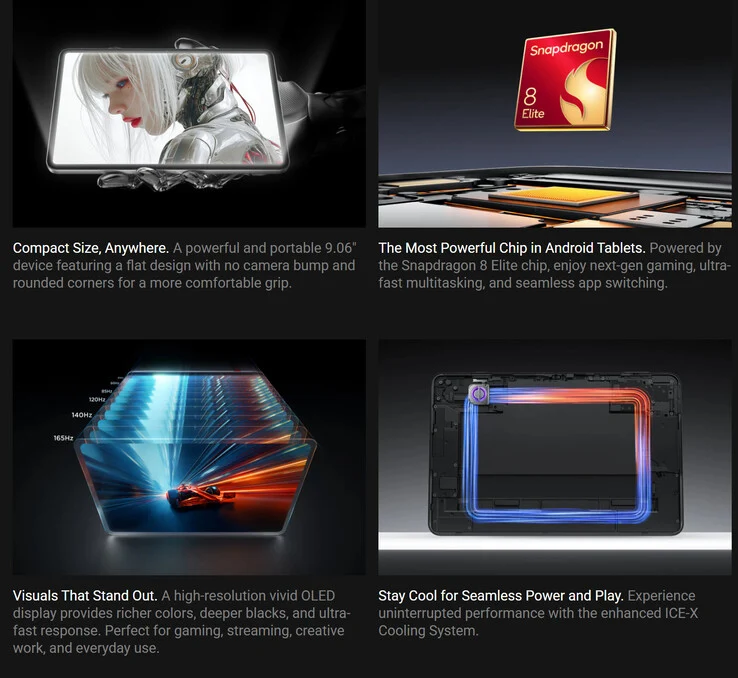
    2. Key features include the Snapdragon 8 Elite chipset, ICE-X cooling system, and a 9.06-inch OLED display with a 165 Hz refresh rate.
    3. Pre-orders for the Astra will start on July 1 at 12:00 UTC, with general sales expected around July 10 or 11.
    4. The Astra aims to provide a better gaming experience compared to the Legion Tab Gen 3 and iPad mini 7.
    5. RedMagic is focused on distinguishing the Astra in the competitive tablet market with its advanced specifications.


    The launch of the Gaming Tablet 3 Pro by RedMagic took place today in China, but the company is already focusing on its global version. Similar to the RedMagic Nova, the Gaming Tablet 3 Pro will be sold worldwide under a different name than it is known by in China.

    Global Release Details

    RedMagic has disclosed that the Gaming Tablet 3 Pro will be known globally as the RedMagic Astra. The company also hinted that the Astra will keep key features from its Chinese counterpart, including the Snapdragon 8 Elite chipset, ICE-X cooling system, and a 9.06-inch OLED display. This display offers an impressive 165 Hz refresh rate and a peak brightness of 1,600 nits.

    Competing Devices

    The Astra is expected to provide a better gaming experience compared to the Legion Tab Gen 3 or the iPad mini 7 (currently priced at $399.99 on Amazon). RedMagic has often made comparisons between its tablet and these devices on Chinese social media platforms. According to RedMagic, the Astra is set to be available starting July 1 at 12:00 UTC. This date likely marks the opening of pre-orders for individuals who registered via email on RedMagic’s website for early access. General sale for the RedMagic Astra is anticipated to begin around July 10 or 11. For additional details, please visit RedMagic’s website.

    Conclusion

    With the features and specifications that the RedMagic Astra is expected to have, it aims to stand out in the crowded tablet market. Gamers and tech enthusiasts alike are keen to see how this device performs against its competitors.

    Source:
    Link


  • Maingear Launches Ultima 18″ Gaming Laptop with 4K 200Hz RTX 5090

    Maingear Launches Ultima 18″ Gaming Laptop with 4K 200Hz RTX 5090

    Key Takeaways

    1. The Maingear Ultima 18 features an Intel Core Ultra 9 processor and optional Nvidia RTX 5090 GPU, aimed at providing desktop-level performance.
    2. The laptop includes a high-refresh-rate 4K display, but lacks a dual-mode setting and has a maximum refresh rate of 200Hz.
    3. It supports up to 192GB of dual-channel DDR5 RAM and has space for four M.2 SSDs, enhancing upgradability and expandability.
    4. Weighing 8.8 lbs, the Ultima 18 has a robust design and features a 98WHr battery, which may affect portability.
    5. Maingear’s laptops are sourced from original equipment manufacturers, meaning similar models might be available from other brands with slight differences.


    Maingear has unveiled a new premium gaming laptop that claims to deliver desktop-level performance and connectivity. The American company aims to produce robust custom systems suitable for both workspaces and gaming environments. The Ultima 18 is set to uphold this tradition, featuring an Intel Core Ultra 9 processor and the option for an Nvidia RTX 5090 GPU. Although it is on the heavier side, the 18-inch laptop boasts a high-refresh-rate 4K display. The starting price for the Ultima 18 is $3,599, with customization options available on Maingear’s website.

    Similarities with Competitors

    Customers might notice that the latest Maingear laptop shares features with the newly launched Razer Blade 18. Both laptops are powered by the 24-core Core Ultra 9 275HX CPU, making it one of the most powerful mobile processors available. They also both come with a 4K 3840×2400 resolution display and a 16:10 aspect ratio. However, the Ultima 18’s screen does not have a dual-mode setting and is limited to a refresh rate of 200Hz. For gamers looking for competitiveness, Maingear promotes a respectable response time of under 7ms. In contrast, the 2025 Blade 18 is slightly lighter at just over 7 lbs.

    Upgradability and Expandability

    When it comes to upgrades, the Ultima 18 stands out with limited competition. This is the first laptop from Maingear to feature dual-channel DDR5 memory, allowing users to install as much as 192GB of low-latency RAM. Additionally, the chassis has space for four M.2 SSDs, including one PCI Express 5.0 slot.

    The aesthetic of the Maingear device showcases a rugged, industrial design, heavily incorporating metal materials. Gamers may enjoy the keyboard, which offers per-key RGB lighting effects that also illuminate its rear. Unlike some of its rivals, the Ultima 18 includes rear connectivity options, featuring dual 2.5Gb LAN ports. Other notable features include two Thunderbolt 5 ports and compatibility with WiFi 7.

    Weight and Battery Performance

    With high-end specifications and a reinforced casing, the 18-inch laptop weighs a substantial 8.8 lbs. The battery life could influence how frequently the Ultima 18 is moved from stationary locations. Maingear has equipped the laptop with a 98WHr lithium polymer battery. Users can recharge the laptop using a compact 330-watt adapter or via USB-C.

    It’s important to note that Maingear, similar to brands like Schenker/XMG and Eluktronics, does not independently design its laptops. Instead, it acquires mostly complete systems from original equipment manufacturers like Clevo and Tongfang. This means that other companies might offer essentially identical laptops to the Ultima, albeit with minor variations in design, specifications, and pricing.

    Source:
    Link


  • Nintendo Switch 2 Achieves Record-Breaking Sales Figures

    Nintendo Switch 2 Achieves Record-Breaking Sales Figures

    Key Takeaways

    1. The Nintendo Switch 2 sold over 3.5 million units within four days of its release.
    2. Sales for the Switch 2 are expected to grow as it becomes available in more regions.
    3. The Switch 2 aims to surpass recent handheld consoles, which collectively sold around 6 million units since 2022.
    4. The predecessor of the Switch 2 sold around 150 million units, nearing the PlayStation 2’s record of 160 million.
    5. Samsung Foundry is benefiting from the Switch 2’s success, projecting $1.2 billion in earnings from the Tegra T239 SoC.


    Nintendo has shared impressive news about the Switch 2’s sales performance. In just four days after its release, the console has already sold over 3.5 million units. This isn’t too shocking, considering it was a highly anticipated upgrade to an already beloved gaming system. It’s likely that these numbers will continue to grow in the next few months as the console becomes available in more regions.

    Switch 2’s Sales Projections

    The Nintendo Switch 2 is set to become a top seller among handheld consoles from the last three years. According to IDC (via The Verge), the combined sales of the ROG Ally, Steam Deck, Lenovo Legion Go, and MSI Claw have reached around 6 million units since 2022. While achieving 4.5 million sales in such a short time is notable, the Switch 2 still has a long journey ahead. Its predecessor managed to sell around 150 million units overall, which is just a bit shy of the 160 million record held by the PlayStation 2.

    Impact on Partners

    The remarkable success of the Nintendo Switch 2 has also positively influenced an unexpected ally: Samsung Foundry. The chip manufacturing sector of Samsung had been facing difficulties due to low demand and subpar production yields. The Tegra T239 SoC, which powers the console and is produced on Samsung’s 8 nm node, is projected to bring in $1.2 billion in earnings. Furthermore, Nintendo may utilize its 5 nm technology for a future ‘performance enhanced’ model of the Switch 2.

    Source:
    Link

  • Dune Awakening: Survivalist’s Early Impressions and Insights

    Dune Awakening: Survivalist’s Early Impressions and Insights

    Key Takeaways

    1. Official Launch Date: Dune: Awakening launched on June 10, 2025, initially available on PC, with PlayStation and Xbox releases expected in 2026.

    2. Gameplay Mechanics: The game features a tutorial, a flexible quest system, and emphasizes building, survival, and looting, with a unique focus on water management as the primary survival metric.

    3. Challenges: Players face challenges like managing water and avoiding sandstorms and sandworms, which can lead to severe penalties such as losing gear.

    4. Performance and Compatibility: The game runs smoothly on high-end hardware, achieving over 100 FPS at 4K on RTX 4070, and shows good stability and netcode, even with higher latency.

    5. Player Experience and Reception: While it launched on a Monday, leading to some player frustration, Dune: Awakening is praised as a stable and enjoyable survival game with a solid progression system and optional PvP.


    Dune: Awakening has officially launched for gamers, sticking to its planned release date of June 10, 2025. The game draws from Funcom’s extensive experience in the survival genre, known for titles like Conan Exiles.

    Availability and Player Engagement

    Right now, it’s available on PC, with future releases for PlayStation and Xbox expected in 2026. Current Steam stats show a peak of over 142,000 concurrent players as of this writing.

    The game introduces players through a tutorial that covers most of its mechanics and features a quest system that you can tackle at your own speed. It’s quite straightforward, making it easy to keep track of your objectives.

    Unique Gameplay Elements

    If you’re hoping for a simple rehash of what made Conan appealing to fans, Dune: Awakening offers a fresh experience. It leverages its unique intellectual property, emphasizing building, survival, and looting, with the order depending on your priorities in the harsh desert.

    The game scales effectively, allowing players to enhance their weapons, vehicles, and shields, which become crucial as you navigate more perilous areas.

    It’s important to always monitor your water gauge; however, unlike many survival games, this is the primary survival metric you need to focus on.

    Challenges and Player Experience

    In addition to managing water, players must be wary of sandstorms, which become more critical over time. Water is also essential for processing iron ore into ingots, serving various purposes.

    With around 25 hours of gameplay without dying to a Sandworm, I consider myself lucky compared to my guildmates, who include builders, fighters, and a few trolls. One member manages to die to a sandworm every two hours, leading to frequent rage quits.

    Sandworm deaths can be severely punishing; losing all your gear, including your new desert bike, can happen if a sandworm catches you on the dunes, even though you can later gear up or take to the skies to avoid danger.

    Overall Impressions

    Overall, Dune: Awakening is a well-balanced, albeit slightly challenging game for those starting their survival journey, even if my insights are limited based on my current progress and the experiences shared by more advanced players in my guild who have unlocked flight.

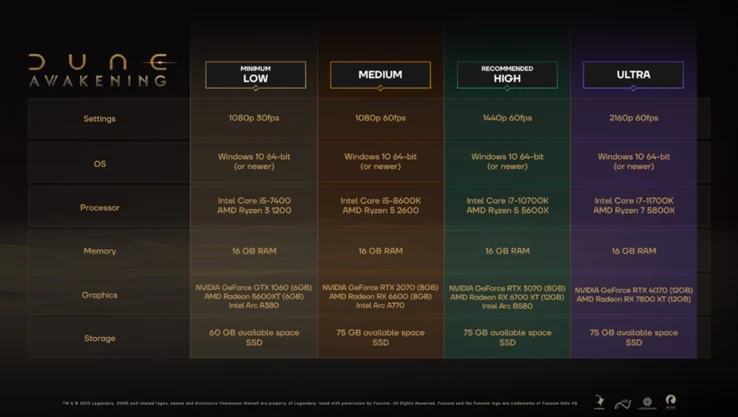
    The minimum hardware requirements are fairly reasonable, with players using an RTX 4070 able to achieve 4K at 60 FPS as promised.

    I tested the game on both a LG C1 OLED 4K 120Hz TV and an ultrawide LG UltraGear 45GR95QE-B monitor at 2K 240Hz, and it performed well on both displays, even with the latter’s 21:9 resolution. The hardware and software mix used for testing included:

    While this isn’t a detailed performance review, it’s my initial impressions; the game runs pretty smoothly on the tested configurations, although we lack data on its performance on lower-tier systems.

    Dune: Awakening consistently delivered over 100 FPS at 4K and below 60 FPS on the RTX 3090 Ti and RTX 3070 Ti with DLSS enabled. I didn’t encounter any crashes during early access, although there were a few bugs initially, most of which were resolved through patches. It’s also worth mentioning that Nvidia released a hotfix (Display Driver version 576.66) that marked the beginning of my journey.

    The game doesn’t strictly fall into the shooter category, as it integrates melee combat along with shooting mechanics, which may make it more forgiving for players with lower frame rates.

    Despite playing with a ~110ms ping on the EU server we chose, the game felt smooth. Compared to similar games like Rust and Valheim at similar latencies, this could suggest superior netcode in Dune: Awakening. This might be attributed to the extensive processes occurring on the client side, including the Spice Dreams that require you to reconnect to the server once you complete the quest.

    Launch Timing and Player Reception

    As one of the year’s most awaited games, it’s a bit disappointing to see it launch on a Monday, unless you paid extra for early access through the Deluxe and Ultimate editions, which offered five days of pre-release play. While I was unaffected, I can understand the frustration of players who have to wait until the next weekend to dive into the game, which demands a significant time investment.

    Nonetheless, the game distinguishes itself as one of the most stable survival titles at launch, featuring a solid progression system and an enjoyable PvE experience that can be approached at your own pace, with optional PvP for those interested.

  • Rare Steam Deck Prototype Unveiled: One-Third the Power of ROG Ally

    Rare Steam Deck Prototype Unveiled: One-Third the Power of ROG Ally

    Key Takeaways

    1. Engineering Sample 34, a Steam Deck prototype, was sold for $2,000 on eBay and features an AMD Picasso-based APU with 8 GB of RAM and 256 GB of storage.
    2. The prototype was initially uncertain to resurface but was acquired by Bradley Lynch and is now with Bringus Studios for preservation.
    3. Bringus Studios has uploaded a Linux probe and successfully run Bazzite on the prototype, which was finalized in February 2020 but produced in November 2019.
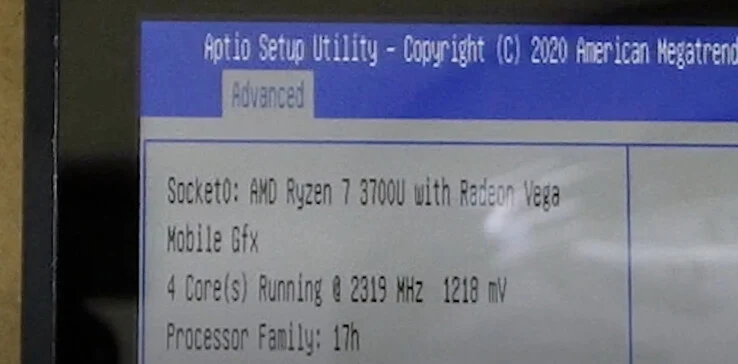
    4. The APU in Engineering Sample 34 is a modified Ryzen 7 3700U, utilizing four Zen+ CPU cores and an integrated Radeon RX Vega 10 GPU with over 5 GB of shared RAM.
    5. The performance of Engineering Sample 34 is about one-third that of the Ryzen Z1 Extreme found in current gaming handhelds, leading to difficulties in running many games.


    Around two months have passed since a unique Steam Deck prototype was sold on eBay. Just to summarize, ‘Engineering Sample 34’ was purchased for $2,000 by an unidentified buyer on eBay. The listing indicated that Valve had been testing the Steam Deck with an AMD Picasso-based APU, along with 8 GB of RAM and 256 GB of storage nearly two years before they released the handheld device we are familiar with today.

    Discovery and Ownership

    Initially, there was uncertainty about whether Engineering Sample 34 would ever surface again. However, the eBay listing was acquired by none other than Bradley Lynch, who runs the SadlyItsBradley YouTube channel. Reportedly found at a Seattle Goodwill, Engineering Sample 34 has now landed in the possession of Bringus Studios, which has begun the process of preserving the device.

    Technical Insights

    For example, Bringus Studios has already uploaded a Linux probe to the internet. Additionally, the YouTuber has succeeded in getting Bazzite to run on the prototype, and you can check out the walkthrough in the video below. While the prototype was finalized in February 2020, it appears Valve actually produced it months earlier in November 2019. Bringus Studios further shows that the APU powering the sample is indeed the Ryzen 7 3700U, though it is a modified version of it.

    Performance Comparison

    Consequently, Engineering Sample 34 utilizes four Zen+ CPU cores along with eight threads and a Radeon RX Vega 10 integrated GPU that has access to just over 5 GB of shared RAM. Therefore, the performance of the prototype is roughly one-third that of the Ryzen Z1 Extreme, which powers contemporary gaming handhelds like the Asus ROG Ally (currently priced at $639.99 on Amazon). It’s not surprising that Engineering Sample 34 has difficulties running many games, even more so than Pierre-Loup Griffais hinted at a few years ago. Be sure to watch the video below for further details.

    Source:
    Link


  • Anbernic RG Slide Release Update: Watch the First Promo Video

    Anbernic RG Slide Release Update: Watch the First Promo Video

    Key Takeaways

    1. Anbernic has released a promotional video for the RG Slide, showcasing its features and specifications.
    2. The RG Slide uses components from the RG Cube or RG556, featuring a Unisoc T820 chipset, 8 GB of RAM, and 128 GB of storage.
    3. The RG Slide offers more power than many recent Anbernic devices but is less powerful than the RG557 for demanding emulation tasks.
    4. The device includes a compact cooling system, a 3.5 mm jack, USB Type-C ports, and high-fidelity speakers alongside a 4.7-inch IPS display.
    5. There are currently no updates on pricing or availability for the RG Slide.


    Anbernic is back focusing on the RG Slide after recently launching the RG35XX Pro. The company has just released the first official promotional video for the RG Slide, which we have included below. This video not only showcases an exploded view of the new gaming handheld but also verifies the specifications that were hinted at last week.

    Device Specifications

    As per the earlier specifications, Anbernic has basically used the components from the RG Cube or RG556 (currently priced at $229 on Amazon) to build the RG Slide, rather than opting for the newer RG557. The RG Slide will feature a Unisoc T820 chipset, paired with 8 GB of LPDDR4X RAM and 128 GB of UFS 2.2 flash storage. This hardware setup will give the RG Slide more power than several of Anbernic’s recent devices, but it won’t quite meet the performance of the RG557, especially when it comes to tougher emulation tasks like PlayStation 2 or Nintendo Wii games.

    Cooling System and Design

    Nevertheless, Anbernic’s recent video also reassures that the RG Slide includes a compact cooling system to help manage overheating and thermal throttling. The video illustrates that the device has a 3.5 mm jack and USB Type-C ports located on the bottom edge, along with volume and power buttons on the right side. Additionally, the RG Slide is equipped with two ‘high fidelity’ speakers positioned on either side of its 4.7-inch IPS display, which has a resolution of 1,280 x 960 pixels. For further details, check out the video from Anbernic below; however, there are still no updates on pricing or when it will be available.

    Source:
    Link

  • Chizha Docking Station for Steam Deck: Touchscreen & SSD Space

    Chizha Docking Station for Steam Deck: Touchscreen & SSD Space

    Key Takeaways

    1. Dockcase has launched the Chizha docking solution, designed for gaming handhelds like the Steam Deck.
    2. The docking station features multiple ports, including USB 3.2 Gen 2 Type-C, HDMI 2.0, optical audio output, and Gigabit Ethernet.
    3. It supports video output for 4K content at 60 FPS and has two USB 3.2 Gen 2 ports and one USB 2.0 port.
    4. The Chizha includes space for an M.2 2280 SSD and a built-in 40mm fan for cooling.
    5. It has a touchscreen for easy adjustments, but pricing and release date details are not yet available.


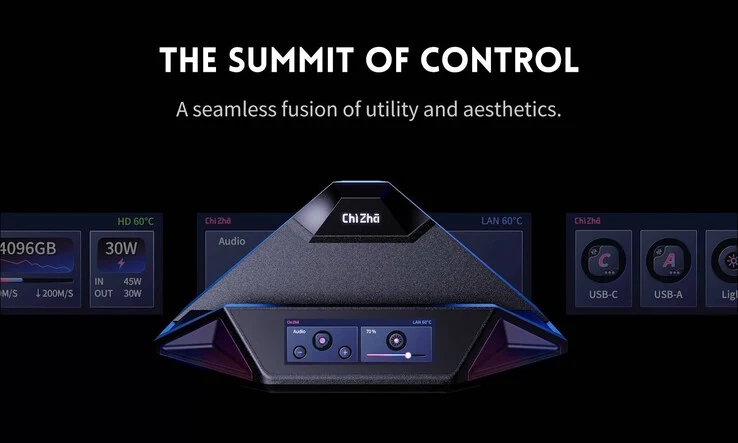
    Dockcase has introduced a new docking solution called the Chizha. This product is specifically designed for gaming handheld owners, especially those with the Steam Deck. Its design resembles a sleek mountain, providing a secure hold for the Steam Deck while enhancing its storage and connectivity options.

    Versatile Connectivity Options

    Measuring 212.4 x 178.7 x 90.1 millimeters, this docking solution comes with various ports. To begin with, it has a USB 3.2 Gen 2 Type-C port for connecting the gaming device. Users can take advantage of HDMI 2.0 for video output, which supports 4K content at 60 FPS. For audio, there is an optical output option. Additionally, a Gigabit Ethernet port is included for those who prefer a wired internet setup. The device also features two USB 3.2 Gen 2 ports in both Type A and Type C formats, along with a USB 2.0 port. The docking solution supports USB PD with a power output of 100 watts.

    Enhanced Storage and Cooling

    This docking station can fit an SSD in M.2 2280 format and has a built-in 40mm fan for cooling. It also comes with a touchscreen, allowing for easy setting adjustments. There is no information available yet about the pricing or release date.

    Source:
    Link


  • ROG Xbox Ally Handheld: No OLED Screen, Focus on VRR

    ROG Xbox Ally Handheld: No OLED Screen, Focus on VRR

    Key Takeaways

    1. Microsoft revealed the ROG Xbox Ally and ROG Xbox Ally X handheld gaming devices with a 7-inch 1080p IPS display, despite some gamers wanting an OLED option.
    2. Asus faced development challenges with OLED screens due to high power consumption and production costs, prioritizing battery life for Windows-based handhelds.
    3. Whitson Gordon emphasizes the importance of Variable Refresh Rate (VRR) for handheld gaming to prevent screen tearing and improve visuals.
    4. The decision to use an IPS screen over an OLED was influenced by pricing concerns, as adding OLED and VRR would increase costs beyond many buyers’ willingness to pay.
    5. The polished Xbox UI on the ROG Ally may be available on other Windows handhelds in the future, with alternatives like the Lenovo Legion Go 2 potentially featuring an OLED display.


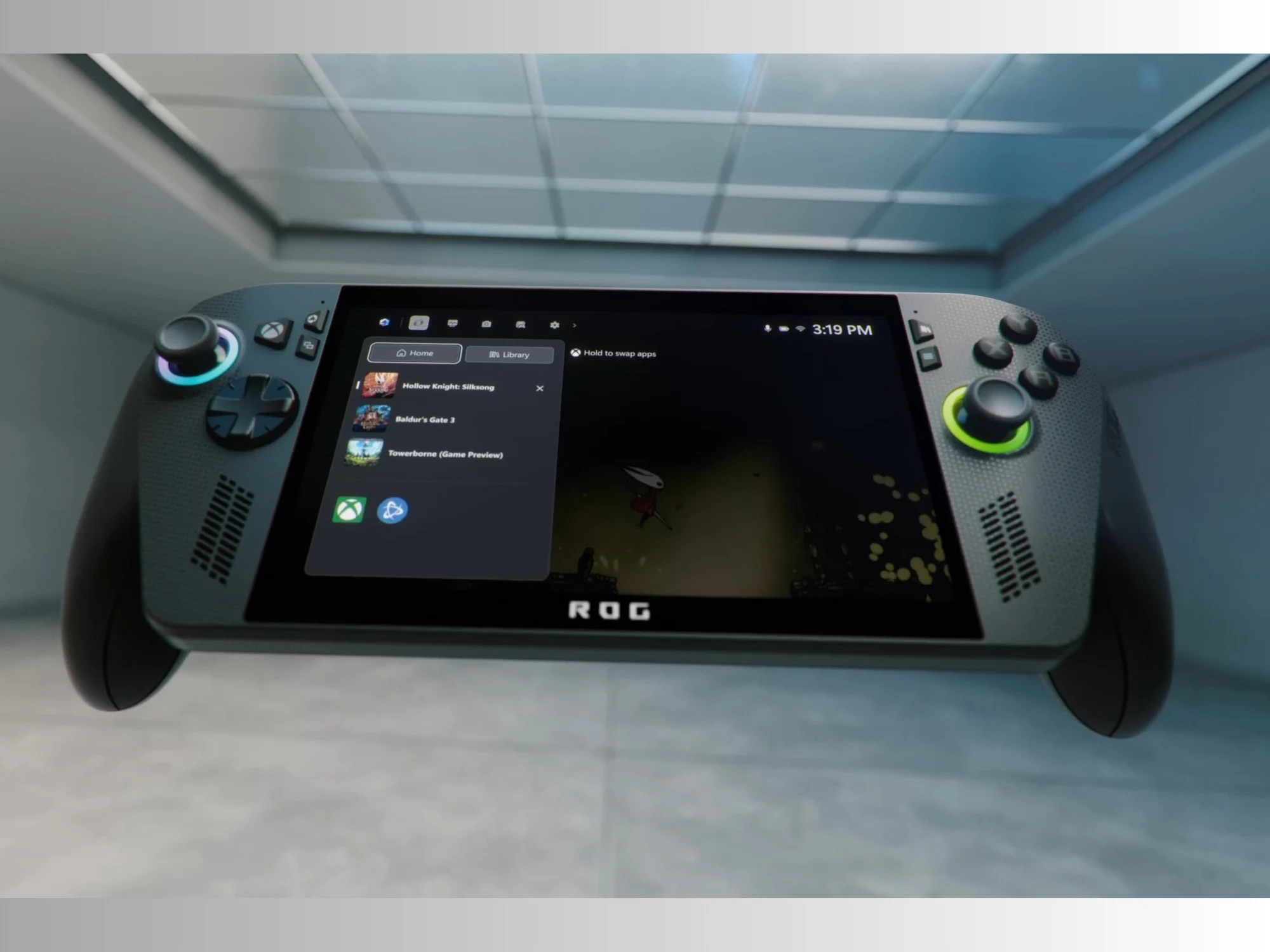
    Many rumors about a new Xbox handheld turned out to be true when Microsoft revealed the device during its latest showcase. However, some gamers were still wishing for an OLED screen option, even if it meant paying a higher price. Instead, both the ROG Xbox Ally and ROG Xbox Ally X come with a 7-inch 1080p IPS display. Whitson Gordon, a Senior Manager of Content Marketing at Asus, discussed this topic on a YouTube podcast. He thinks that VRR is more vital for a handheld gaming PC compared to having an OLED screen.

    Development Challenges

    Asus experimented with prototypes that had an OLED screen while creating the Xbox handheld versions of the ROG Ally. Unfortunately, these devices consumed too much power and would have been pricier to produce. Since battery life is often a concern for Windows-based handhelds, Asus aimed to avoid making this issue worse. The company understands that the price will be a consideration for many buyers, as it will likely serve as a secondary gaming option for them. Gamers are still on the lookout for confirmed pricing details on the new ROG Xbox Ally models.

    Importance of VRR

    Whitson is a big supporter of VRR, which he insists should be available on every modern gaming console. Variable Refresh Rate ensures that the refresh rate of the display matches the frame rate of the game. If not, fast-paced action can lead to screen tearing, causing the visuals to seem choppy. An OLED display with VRR would have raised the price of the Xbox handheld beyond what many buyers would be willing to pay.

    While not all gamers are happy about the choice of an IPS screen, it’s important to recognize that OLED technology offers much deeper blacks and better viewing angles. Nevertheless, the polished Xbox UI on the upcoming ROG Ally may also appear on other Windows handheld gaming PCs in the future. By then, consumers will have more alternatives, like the Lenovo Legion Go 2, which could come equipped with an 8.8-inch OLED display.

    Source:
    Link