1. Sony’s recent digital policy updates, implemented without prior communication, caused confusion and distrust among players.
2. The 30-day online check for digital games was intended to prevent refund scams but was poorly communicated, leading to player concern.
3. Discreet or unannounced policy changes can backfire, damaging consumer trust and perceived loyalty, even if the changes have legitimate security purposes.
Analysis of Sony’s Recent Digital Policy Changes
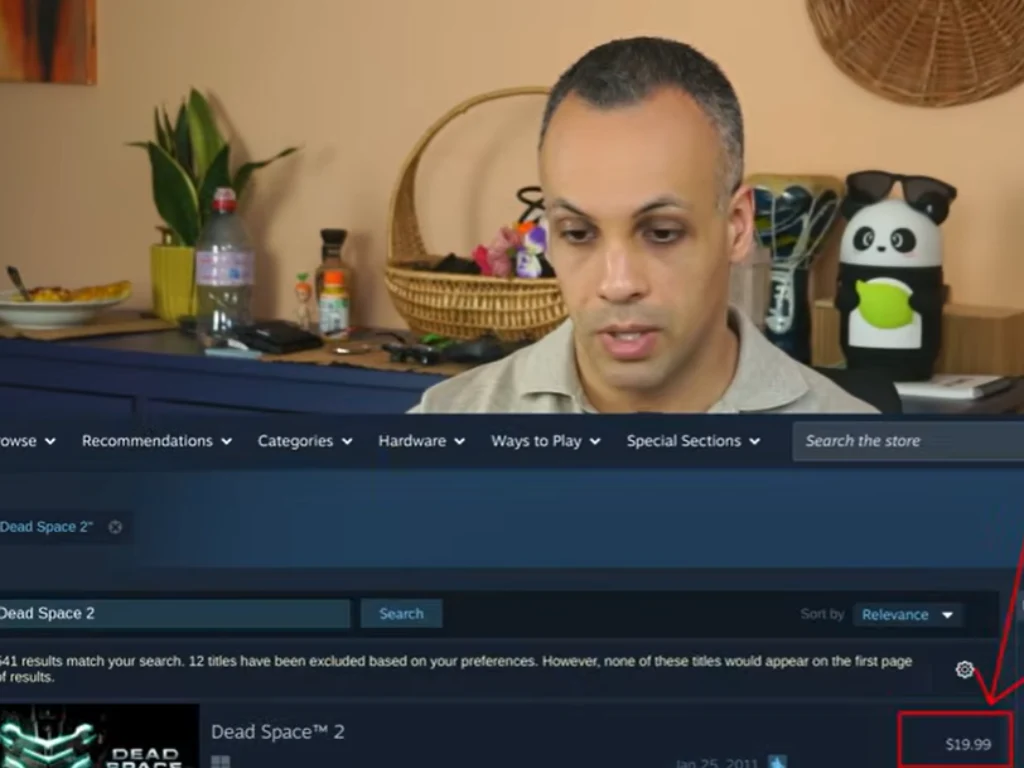
Earlier this week, a former Microsoft high-up shared her thoughts on YouTube about the ongoing complications with Sony, especially regards to how they manage digital game ownership. It is quite noteworthy how she highlights the repetitive mistakes Sony keeps doing, despite the push towards modern digital gaming standards. Her opinion come from her experiance at Microsoft, giving her a credible view about the industry trends and practices.
Details about the Policy and Player Reactions
According to Fryer, Sony quietly introduced a new policy where newly purchased digital games must verify their legitimacy by connecting to the internet within the first 30 days. “After that initial check,” she explained, “the game will function offline permanently, no further login needed.” The controversy lies in the lack of any announcements or explanations, which led to widespread panic among players who thought their ownership might be revoked or their gaming experience compromised. The surprise nature of the update made many gamers feel like Sony was tightening control over their purchases covertly.”
Company Justifications and Fan Sentiments
In response to the backlash, Sony clarified that the 30-day check was intended primarily to limit refund fraud, not to restrict game access. However, many players found this explanation unsatisfactory, feeling the lack of transparency damaged their trust. Fryer, in her heartfelt plea, wishes Sony would revert to their previous approach, where they supported gamers rather than tightening the screws. She reminisces about the times when Sony was seen as a company that truly cared about its community, contrasting it with the current situation.
- The PS5 continues to outsell the Xbox Series X|S despite these issues.
- The latest policy updates have caused concern among many digital gamers.
- Players seek clear communication from Sony regarding future changes.
Specifications and Pricing for PlayStation 5
The PlayStation 5 is powered by a custom RDNA 2 GPU, with 36 compute units clocked at 2.23 GHz, and a custom AMD Zen 2 octa-core processor at 3.5 GHz. It offers 16 GB of GDDR6 RAM and storage options starting from 825 GB SSD, with the option to expand via NVMe SSD slots or external USB drives. The console retails for around $499 for the standard edition, with the Digital Edition priced at approximately $399. Its high-speed SSD and innovative controller design are often praised for delivering seamless gaming experiences that set it apart in the current market. The device is engineered to captivate gamers seeking cutting-edge tech for their entertainment needs.