Category: Gaming

  • Sony State of Play Set for September: Updates on Wolverine & More

    Sony State of Play Set for September: Updates on Wolverine & More

    Key Takeaways

    1. A new State of Play livestream is expected by the end of September, possibly featuring multiple game announcements.
    2. Industry insider Jeff Grubb is confident in the event’s occurrence but is unsure if Fairgames will be included in the lineup.
    3. Fans are speculating that updates on the new God of War project and the rumored Wolverine game may be showcased.
    4. There is also anticipation for gameplay from Saros, the next title from Housemarque, known for Returnal.
    5. Recent confusion about the status of Fairgames was clarified, but Sony has not officially confirmed details about the upcoming event.


    It appears that a new State of Play livestream is on its way, potentially featuring some thrilling reveals and announcements. The last event showcased a gameplay deep dive for Ghost of Yotei, which took place on July 10, and the next one is anticipated to happen by the end of September. This insight comes from an industry insider who expresses confidence in the event, yet is uncertain if Sony will provide any updates on the possibly canceled Fairgames.

    Insights from Jeff Grubb

    In a recent video from Giant Bomb, Jeff Grubb discussed Fairgames and its current status. He noted that Sony is gearing up for a State of Play event or a showcase towards the end of September, which he mentioned around the 20-minute mark in the video. Grubb feels assured that an event will happen around that time, but he is not sure if Fairgames will be featured in the announcements. However, it seems this upcoming State of Play will not focus on just one game like the previous streams for Ghost of Yotei or Borderlands 4.

    Speculation Among Fans

    Reddit users are buzzing with theories that the event may offer updates on the new God of War project that has been making headlines recently. There’s also chatter about possible updates regarding the rumored Wolverine game, which is claimed to be in development at Insomniac as a PS5 exclusive. Some fans speculate that Sony might showcase gameplay for Saros, the next title from Housemarque, the studio known for Returnal.

    Fairgames Updates

    Regarding Fairgames, recent reports suggested that the multiplayer extraction shooter had been canceled. However, it was later revealed that this information was incorrect, as the industry analyst who initially shared the cancellation news admitted he had misspoke and is unclear about the game’s current status.

    That said, Sony has yet to provide any official details about an upcoming State of Play event, so it’s best to take this news with a grain of salt.

    Source:
    Link


  • Boost Elden Ring FPS on Lenovo Legion Go S with Lossless Scaling

    Boost Elden Ring FPS on Lenovo Legion Go S with Lossless Scaling

    Key Takeaways

    1. The Lenovo Legion Go S benefits significantly from Lossless Scaling, which boosts FPS in games without native support.
    2. The device features an 8-inch IPS display with a 120 Hz variable refresh rate, 32 GB of RAM, and an 8-core Ryzen Z1 Extreme processor.
    3. Performance tests showed Elden Ring’s FPS increased from 40-50 to 70-80 FPS with Lossless Scaling enabled.
    4. Oblivion Remastered’s FPS improved from 40 FPS to around 70 FPS after activating Lossless Scaling, resulting in smoother gameplay.
    5. Lossless Scaling enhances performance and battery life on handheld devices, making them more efficient for users.


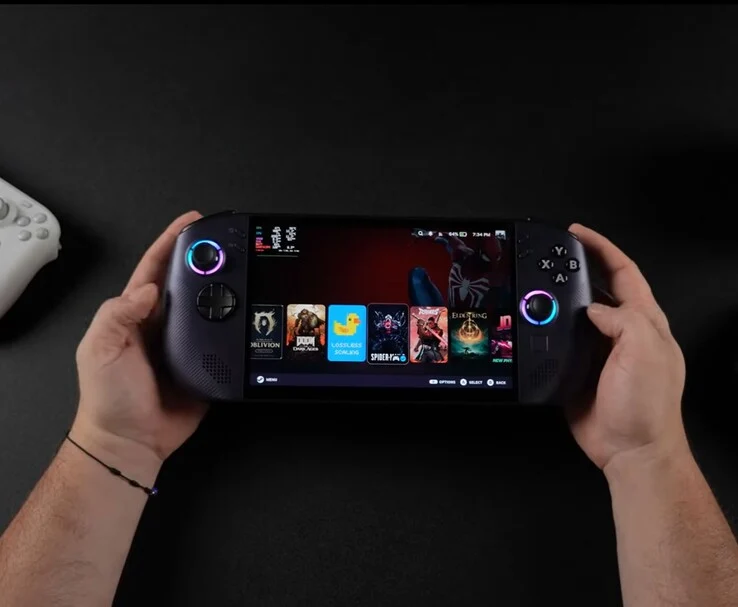
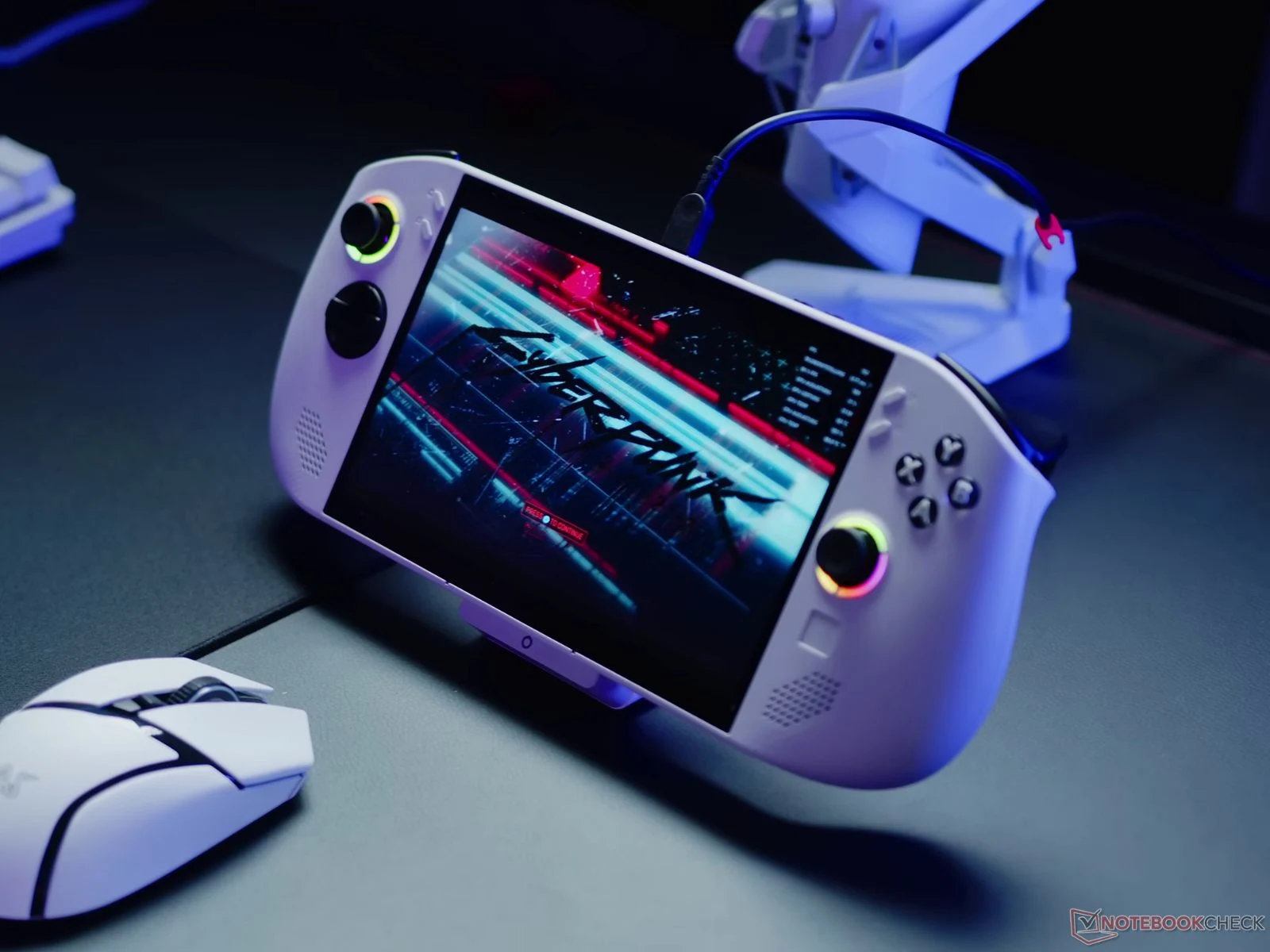
    A recent experiment conducted by YouTuber ETA PRIME shows how the Lenovo Legion Go S (now priced at $729 on Amazon) greatly advantages from Lossless Scaling. This is a frame generation tool that increases FPS in games that do not have native support. The video features the handheld device running SteamOS while playing games like Elden Ring and Oblivion Remastered at noticeably higher frame rates.

    Specifications Overview

    The Legion Go S showcased in the video comes equipped with an 8-inch IPS display that has a 120 Hz variable refresh rate. It also includes 32 GB of RAM and is powered by an 8-core, 16-thread Ryzen Z1 Extreme processor. This version, which runs on SteamOS, is distinct from the Windows version that uses the Ryzen Z2 Go APU, which we have previously reviewed, although many hardware design aspects are similar.

    Previously, we pointed out its comfortable grip, solid build quality, and the upscale feel of its large 8-inch screen. These features continue to highlight the unique aspects of the Legion Go S. For a detailed exploration of its design and user-friendliness, you can check out our complete review of the Windows version or watch the video.

    Performance Insights

    In performance evaluations, ETA PRIME observed that Elden Ring at 900p on high settings achieved around 40–50 FPS while using 18 W TDP. However, once Lossless Scaling was activated, the frame rate improved dramatically, averaging between 70 and 80 FPS.

    On the other hand, Oblivion Remastered initially provided an average of 40 FPS at 900p with medium settings when frame generation was off. After enabling FSR, it saw an increase to 60 FPS but experienced occasional drops to 55 FPS or lower. When ETA PRIME turned on Lossless Scaling at 2x, the game played smoothly, maintaining around 70 FPS and even hitting 80 FPS in some areas.

    Conclusion

    The core concept behind Lossless Scaling is straightforward: it seeks to enhance performance while consuming less power, thus prolonging battery life on handheld devices and making them more efficient for users on the go.

    ETA PRIME delves deeper into how Lossless Scaling functions on the SteamOS-powered Lenovo Legion Go S, so be sure to check out the complete video below. In it, they also examine Lossless Scaling in Cyberpunk 2077, where they encounter some ghosting issues, but you’ll gain a clearer understanding by watching it for yourself.

    Source:
    Link


  • Nvidia Enhances Project G-Assist with New Features and RTX Support

    Nvidia Enhances Project G-Assist with New Features and RTX Support

    Key Takeaways

    1. G‑Assist acts as a command hub for various gaming tasks, performing checks and modifying settings offline.
    2. The updated AI model is faster and uses 40% less memory, making G‑Assist compatible with more hardware.
    3. A new Plug-In Hub allows users to discover and manage official and community plug-ins easily.
    4. Community-driven enhancements include tools for lore access, custom app launching, and image creation with NIMs.
    5. Developers can create plug-ins using JSON and Python, with an upcoming update for laptop-specific commands.


    Alongside ACE and RTX Remix, Nvidia is also releasing a bunch of updates to Project G‑Assist to make the on-device assistant more useful for PC gamers and DIYers.

    Enhanced Functionality

    G‑Assist now serves more like a command hub for frequent tasks that are usually hidden in various utilities and control settings. It can perform performance checks, display or plot frame rates, latency, and GPU temperature, and even modify GPU or peripheral settings like keyboard lighting. The assistant will keep working offline.

    Improved AI Model

    This update is based on a quicker, more memory-friendly AI model. Nvidia claims that responses are quicker while utilizing 40% less memory, which allows G‑Assist to function on a wider array of hardware, including laptops and desktop GPUs with 6GB of VRAM or more. The installation process is quite simple: just update to the latest Game Ready Driver, install the Nvidia app, download the G‑Assist update from the home screen, and then hit Alt+G to activate it.

    New Plug-In Hub

    Nvidia is also introducing a G‑Assist Plug‑In Hub in partnership with mod.io. This hub enables users to discover, download, and manage both official and community plug-ins, including the ability to ask G‑Assist to install them directly. Recent efforts from a community hackathon demonstrate how this can enhance the tool: Omniplay for accessing wiki lore or taking in-game notes, Launchpad to launch and switch custom app groups, and a Flux NIM (Nvidia Inference Microservices) to create images with on-device NIMs.

    Tools for Creators

    For developers, Nvidia is offering a straightforward way to create plug-ins using JSON and Python, along with a Plug‑In Builder that supports natural-language scaffolding. An update in September will introduce laptop-specific commands, including features for BatteryBoost and Battery OPS.


  • Nvidia Unveils Voice-Driven NPCs and RTX Remix at Gamescom

    Nvidia Unveils Voice-Driven NPCs and RTX Remix at Gamescom

    Key Takeaways

    1. Nvidia is launching an on-device ACE speech pipeline and RTX Remix particle system at Gamescom, aimed at enhancing modding for 165 classic games.
    2. The ACE speech pipeline will be used in the upcoming game “The Oversight Bureau,” allowing for fast, context-based character dialogues without menus.
    3. RTX Remix is an open-source toolkit that enables modders to edit particle effects in older games, integrating with popular tools like Adobe Substance 3D.
    4. The Remix particle editor allows customization of various particle attributes, and a $50,000 Remix Mod Contest highlights community projects.
    5. The future success of these tools depends on their adoption by development teams and modders in both current and upcoming remasters.


    Two fresh updates from Nvidia are making their debut at Gamescom: an on-device ACE speech pipeline and a RTX Remix particle system. These tools are designed to provide modders with editable and physically-accurate particles across 165 classic games. Both of these innovations are set to launch in September.

    ACE Speech Pipeline

    Nvidia’s generative AI toolkit, ACE, is being utilized in an upcoming dialogue-intensive puzzle game called The Oversight Bureau, developed by Iconic Interactive. In this game, players converse with characters; the speech-to-text technology feeds into Iconic’s narrative engine, which then picks pre-recorded lines that match the situation. This process operates locally on RTX PCs and aims for response times under one second. It allows the original writing to remain central while giving players a way to carry on conversations without needing menus or dialog wheels. The Oversight Bureau is scheduled for release later this year and will be available for play at Nvidia’s B2B suite during Gamescom.

    RTX Remix Particle System

    In addition, Nvidia is introducing RTX Remix, its open-source remastering toolkit. This initiative is boosting community efforts to support older games and includes integration with popular art tools such as Adobe Substance 3D. Also launching in September is a Remix particle editor for 165 classic titles that previously didn’t have one. Modders will have the ability to modify appearance, size, quantity, emission, turbulence, and gravity, along with lighting that aligns with path-traced scenes. Recent community contributions feature glow and emit effects, and increased format support. Nvidia’s $50,000 Remix Mod Contest at Gamescom highlighted projects like Painkiller RTX. If you’re curious, you can explore all mod submissions on ModDB.com.

    Future Adoption

    The key question now is how widely these tools will be adopted. It remains to be seen how many development teams will integrate ACE into their narrative systems and how swiftly modders will implement the new particle tools into both current and upcoming remasters.

    Source:
    Link


  • Nvidia DLSS 4 Games Revealed: Borderlands 4 and Resident Evil Requiem

    Nvidia DLSS 4 Games Revealed: Borderlands 4 and Resident Evil Requiem

    Key Takeaways

    1. Borderlands 4 Enhancements: The game will feature DLSS 4 and multi frame generation support, improving frame rates and reducing input lag with Nvidia Reflex.

    2. Resident Evil Requiem’s Realism: Set to release in February 2026, this game will utilize path tracing for more realistic lighting effects.

    3. Other Notable Titles: Games like Fate Trigger, The Outer Worlds 2, and Phantom Blade Zero will implement DLSS 4 and advanced ray tracing techniques.

    4. Nvidia Bundle Offer: Borderlands 4 will be bundled with RTX 50 series graphics cards at launch.

    5. App Improvements: Nvidia’s updated application now allows easier access to DLSS overrides and additional features for older games, enhancing gameplay options.


    The announcements from Nvidia at Gamescom 2025 revealed exciting updates about which upcoming games will utilize DLSS 4 upgrades. Owners of the RTX 50 series will soon be able to enable multi frame generation to enhance gameplay in Borderlands 4. Additionally, even though Resident Evil Requiem won’t be released until February 2026, gamers have learned that it will feature path tracing.

    Borderlands 4 Enhancements

    Borderlands 4, highly awaited for its DLSS 4 capabilities, is set to include multi frame generation support. On its launch date of September 12th, this unique feature for the Blackwell GPU could greatly improve frame rates. Furthermore, Nvidia Reflex is designed to reduce any input lags that might come from this AI-driven technology. In other news, Nvidia will also be offering a bundle that includes Borderlands 4 with RTX 50 series graphics cards.

    Resident Evil Requiem’s Realism

    Ray tracing has already contributed to the spooky vibe of several Resident Evil titles. Without any mods or patches, the lighting in Resident Evil Requiem could become even more lifelike thanks to path tracing. As players navigate through dark areas, various light rays might illuminate their path to safety. Another survival horror game, Directive 8020 from Capcom, will also use path tracing and is set for a 2026 release.

    Other Notable Titles

    Among the other noteworthy games featuring DLSS 4 are Fate Trigger, which has recently completed a closed beta. This anime-inspired tactical shooter will include features like multi frame generation. Other titles such as The Outer Worlds 2, Phantom Blade Zero, Pragamata, and Cronos: The New Dawn will implement more efficient ray tracing techniques. Lastly, Nvidia intends to introduce RTX Hair effects in Indiana Jones and the Great Circle this September.

    App Improvements

    During Gamescom 2025, Nvidia also shared updates regarding its application, which became available in beta on August 19th. The updated software will showcase improved global DLSS overrides, making it easier to turn on multi frame generation or super resolution. For older games, players can now activate anti-aliasing or ambient occlusion directly through the software.


  • Asus ROG NUC 2025 Mini-PC: Affordable RTX 5060 & 5070 GPUs

    Asus ROG NUC 2025 Mini-PC: Affordable RTX 5060 & 5070 GPUs

    Key Takeaways

    1. Asus has launched the ROG NUC (2025) mini-PC featuring high-end Intel Core Ultra processors and Nvidia RTX GPUs, priced at $3,117 in the US.
    2. More affordable versions with lower-spec Nvidia RTX 5060 and 5070 GPUs, along with 32 GB RAM and 1 TB SSD, have been introduced in China.
    3. Benchmark tests show that the new GPU options significantly underperform compared to the higher-end RTX 5070 Ti and 5080.
    4. Pricing for the new Chinese configurations is approximately $2,368 for the RTX 5070 model and $1,671 for the RTX 5060 model.
    5. There is currently no information on the international release of these new ROG NUC (2025) configurations.


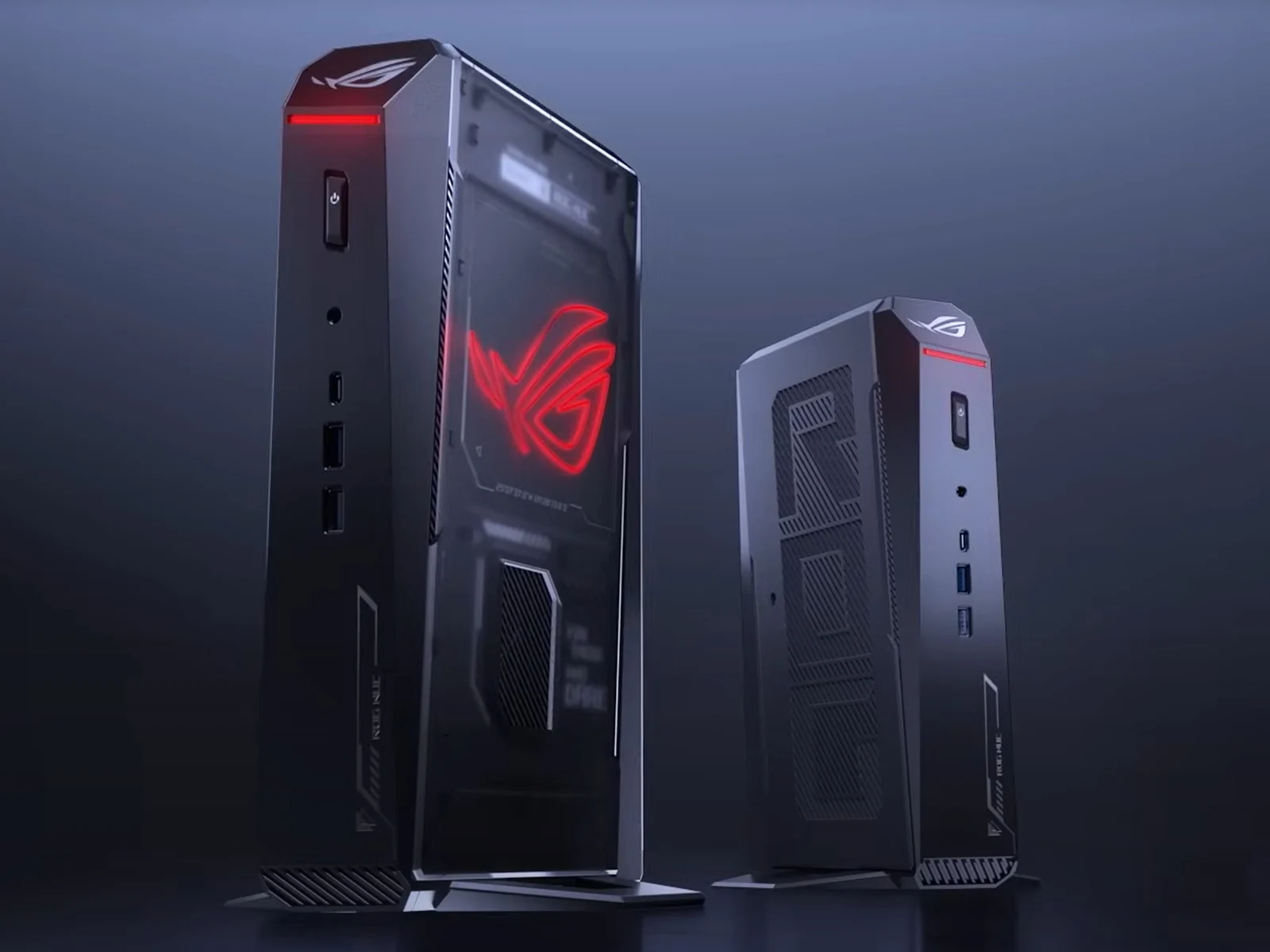
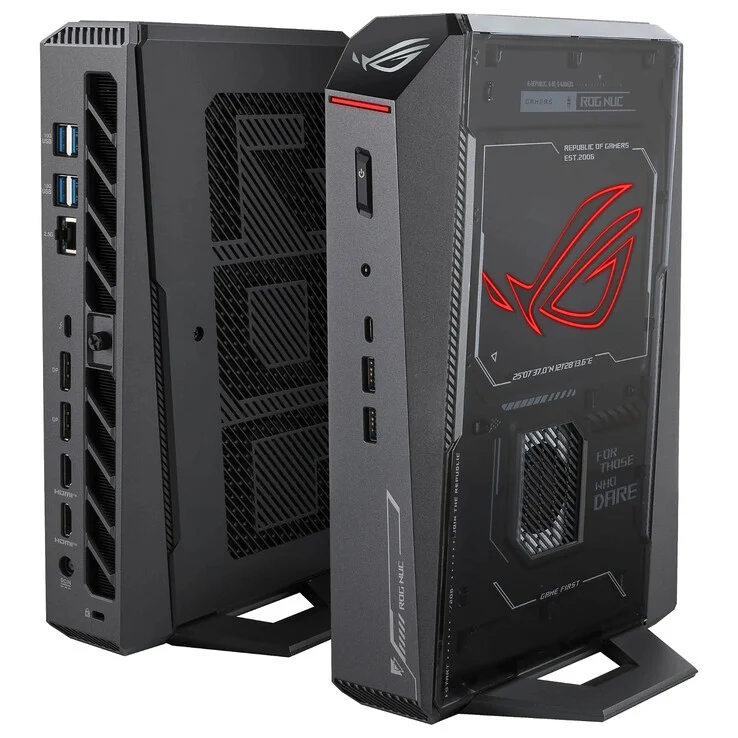
    It appears that Asus is still in the game with the ROG NUC (2025). At first, the company launched this gaming-focused mini-PC featuring an Intel Core Ultra 9 275HX processor alongside a choice of Nvidia GeForce RTX 5070 Ti or GeForce RTX 5080 laptop GPUs, which is currently priced at $3,117 on Amazon.

    New Configurations in China

    While these details hold true in places like the US and Europe, Asus has introduced some more affordable versions of the ROG NUC (2025) in China. This time around, the company has opted for Nvidia’s GeForce RTX 5060 and GeForce RTX 5070 laptop GPUs, both of which include 32 GB of RAM and a 1 TB SSD. Our benchmarks indicate that the new GPU alternatives fall significantly behind the GeForce RTX 5070 Ti and GeForce RTX 5080 in various synthetic and gaming tests. Additionally, the GeForce RTX 5060 model is paired with an Intel Core Ultra 7 255HX processor.

    Pricing and Specifications

    On the other hand, the sibling model equipped with the GeForce RTX 5070 keeps the Core Ultra 9 275HX from Asus’ previous ROG NUC (2025) versions. At the moment, the first option is priced at CNY 16,999 (about $2,368) before any launch discounts or subsidies are applied. Meanwhile, by using the Core Ultra 7 255HX and the GeForce RTX 5060, Asus can offer the latter model for CNY 11,999 (approximately $1,671). In essence, these new configurations position the ROG NUC (2025) to compete with the NUC 15 Performance, which Asus just launched in Europe last week. However, there has been no announcement regarding the international release of these new ROG NUC (2025) configurations yet.

    Source:
    Link


  • Gigabyte Launches MO27Q28G: First Tandem OLED Gaming Monitor

    Gigabyte Launches MO27Q28G: First Tandem OLED Gaming Monitor

    Key Takeaways

    1. Gigabyte has launched the MO27Q28G gaming monitor at a price of CNY 2,899 (around $404) in China, offering a significant discount compared to LG’s UltraGear OLED 27GX700A.
    2. Both monitors feature similar port options despite the price difference, making them competitive in terms of connectivity.
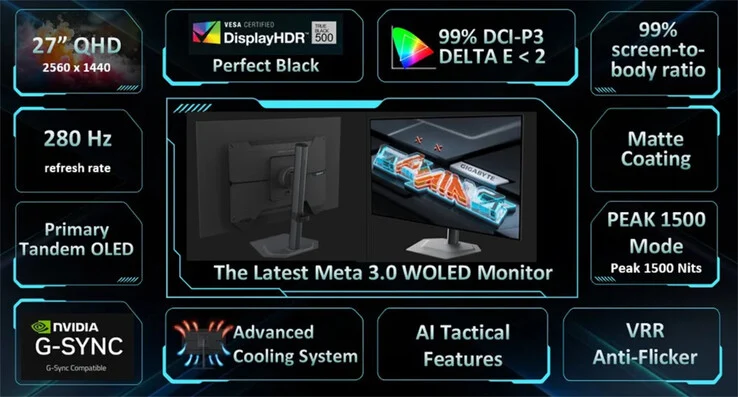
    3. The MO27Q28G offers impressive display specifications, including 335 nits SDR and 1,500 nits HDR peak brightness, along with a native resolution of 1440p and a refresh rate of 280 Hz.
    4. The monitor supports advanced technologies such as AMD FreeSync Premium Pro and Nvidia G-Sync VRR, and has a quick 0.03 ms GtG response time.
    5. Gigabyte plans to release the MO27Q28G in the US by the end of the month, with an expected price of around $499.


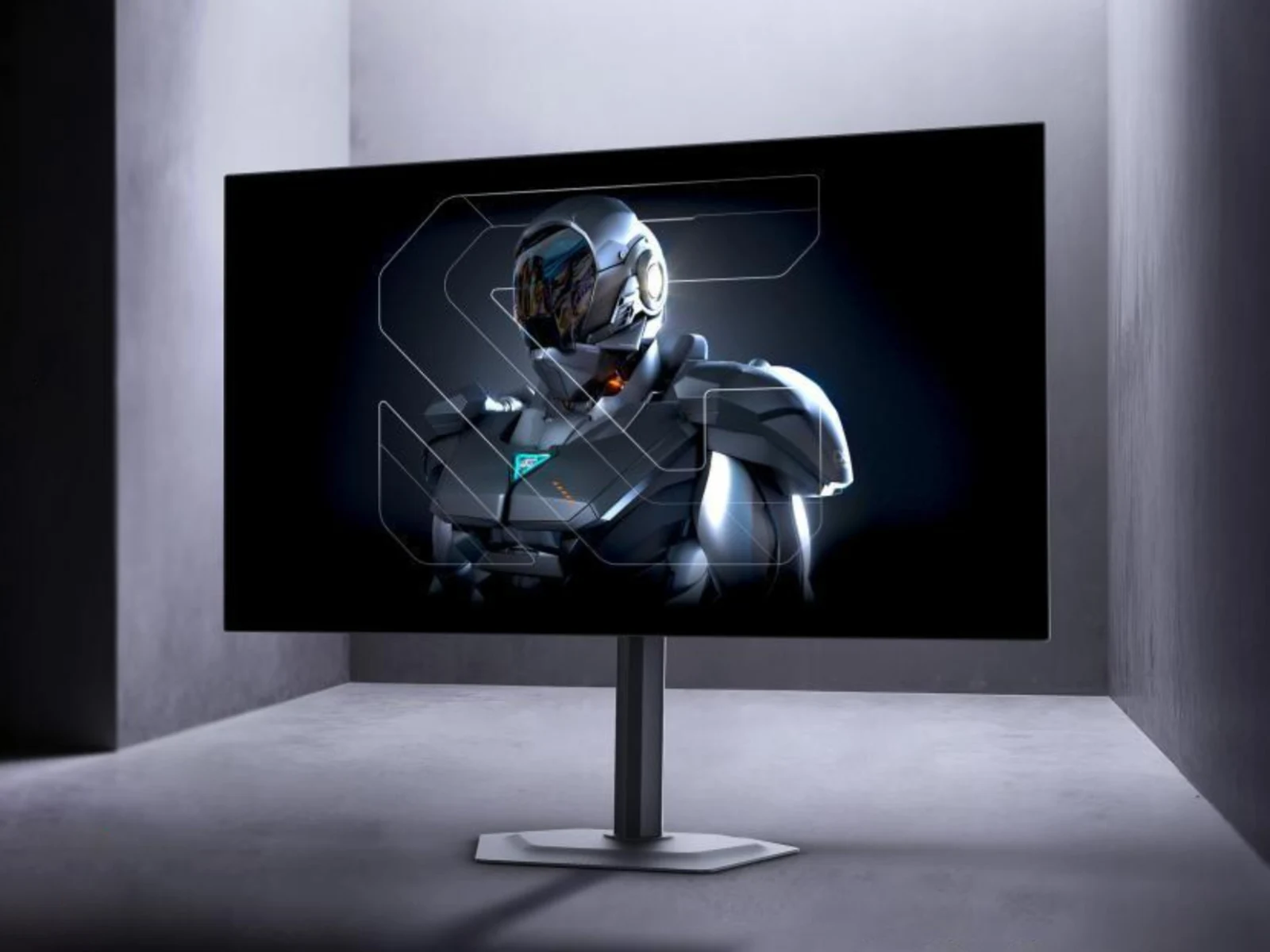
    Now, Gigabyte has taken a step to offer a better price than LG with the MO27Q28G, which they showcased at Computex 2025 along with several other gaming monitors. The company has started to sell the MO27Q28G for CNY 2,899 (around $404) in China, which is a 37% discount compared to the UltraGear OLED 27GX700A. For this price, Gigabyte has provided a variety of ports:

    Ports and Features Comparison

    In essence, both the MO27Q28G and the UltraGear OLED 27GX700A come with similar port options, even though there’s a significant price difference between them. Additionally, the MO27Q28G is reported to deliver 335 nits SDR and an impressive 1,500 nits HDR peak brightness, mirroring what the UltraGear OLED 27GX700A offers, while maintaining a native resolution of 1440p and a refresh rate of 280 Hz. Furthermore, Gigabyte’s model also includes AMD FreeSync Premium Pro and Nvidia G-Sync VRR technologies, boasting an incredibly quick 0.03 ms GtG response time.

    Anticipated US Release

    At the moment, Gigabyte is planning to launch the MO27Q28G in the United States before the month ends, with an expected price tag of around $499.

    Source:
    Link


  • Logitech G Cloud Gaming Handheld Refresh Expected After Giveaway

    Logitech G Cloud Gaming Handheld Refresh Expected After Giveaway

    Key Takeaways

    1. The Logitech G Cloud is one of the first gaming handhelds without a successor, launched after the Steam Deck.
    2. The device has received mixed reviews and is currently priced at $299.99 on Amazon.
    3. Logitech is planning a cosmetic refresh for the G Cloud, including a black version with yellow highlights.
    4. A new G Cloud Black Edition running North American software has been distributed, but availability in China is limited.
    5. A wider release of the black variant is expected later this year, as hinted by leaker Evan Blass.


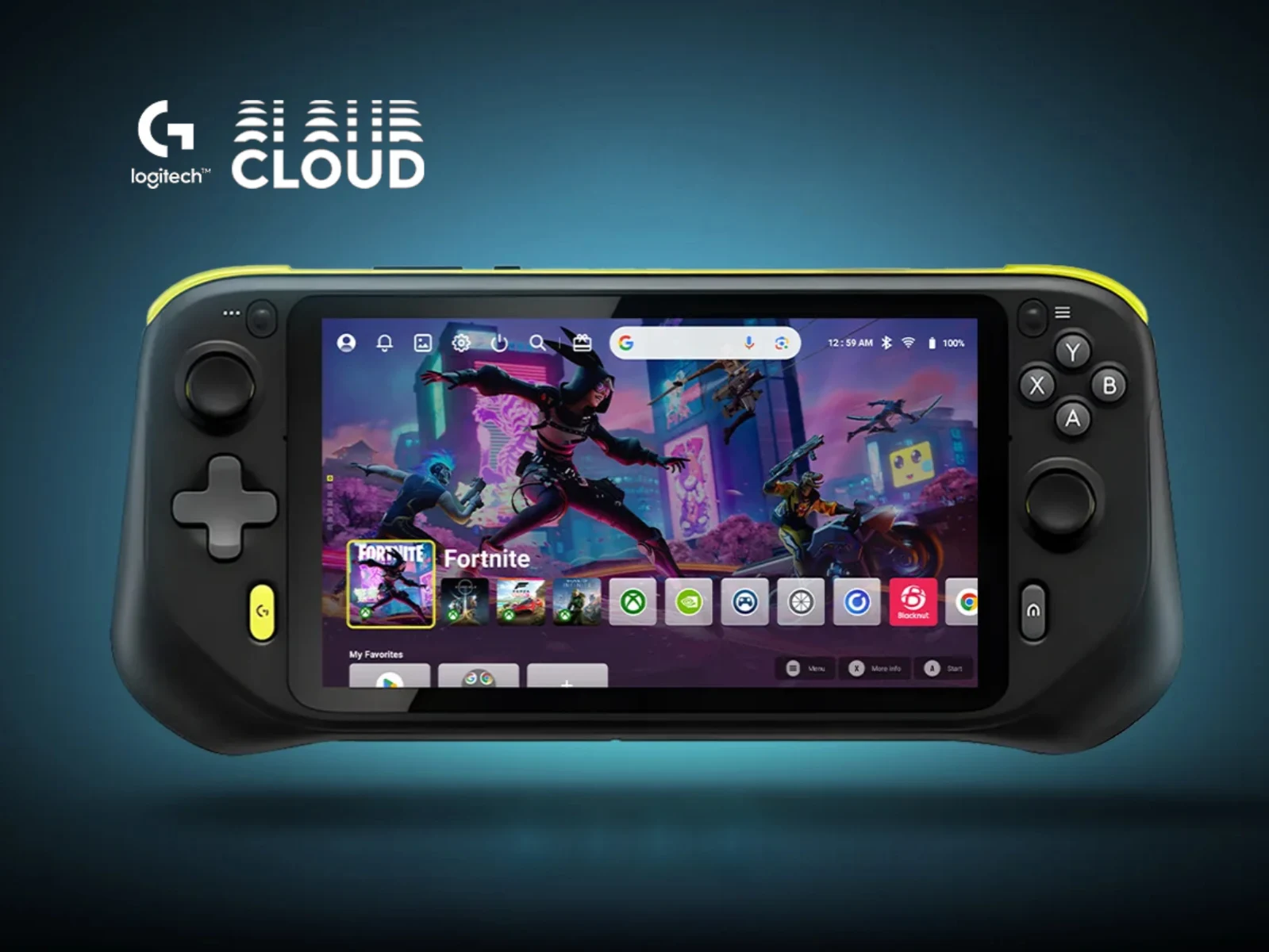
    The Logitech G Cloud is among the earliest gaming handhelds that hasn’t seen a successor yet. It was introduced a few months after the Steam Deck and caused mixed feelings when it launched. As Russ from Retro Game Corps pointed out last year, the G Cloud is a well-built device but suffers from a relatively high price tag (currently $299.99 on Amazon).

    Upcoming Cosmetic Refresh

    Logitech appears to be preparing to launch a purely aesthetic update to the G Cloud later this year. To recap, a version featuring a black exterior with yellow highlights was released nearly a year ago. Although this version seems to be unavailable in China now, Logitech recently distributed a G Cloud Black Edition that runs North American software.

    Wider Release Expected

    According to Evan Blass, this giveaway is actually a precursor to a ‘wider release’ of this variant. Posting on X, the trustworthy leaker claims that Logitech ‘is ready’ to make this version available outside of China. Sadly, Blass hasn’t provided any detailed information on this topic. However, it’s likely that the leaker has seen proof that this release is about to happen later this year.

    Source:
    Link


  • Retroid Dual Screen Add-on Shipping Starts August 19

    Retroid Dual Screen Add-on Shipping Starts August 19

    Key Takeaways

    1. The Retroid Dual Screen Add-On is set to start shipping on August 19, after delays due to USB cable issues.
    2. OTA software updates for the Retroid Pocket 5 and Pocket Mini V2 are expected to roll out this week.
    3. The Retroid Pocket 4 Pro will also receive an update, but it may come later than those for the other models.
    4. The Dual Screen Add-On is priced at $69 and connects to compatible devices via USB-C.
    5. The add-on allows users to mirror displays or run different applications on each screen, enhancing the gaming experience.


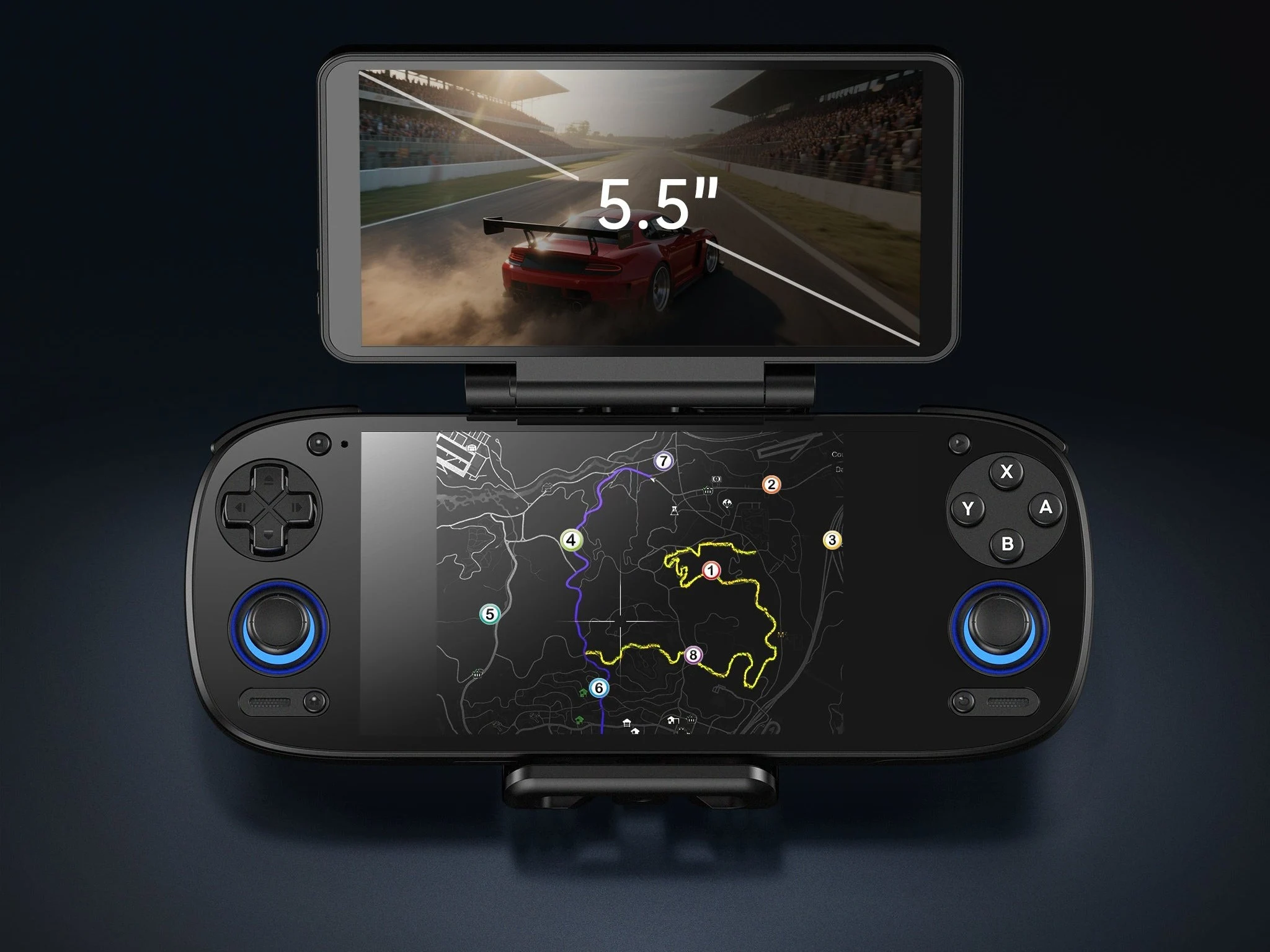
    The Retroid Dual Screen is a new accessory that provides an extra screen for certain handheld devices. Initially revealed in June, it was meant to ship on August 5 but has experienced delays in reaching customers. Fortunately, this situation is about to improve.

    Shipping Update

    Retroid has announced on their social media that the Dual Screen Add-On will start shipping tomorrow, August 19. A post on X mentioned that the final USB cables, which were responsible for the delay, have finally arrived.

    Software Updates Incoming

    In the same post, it was shared that OTA updates for the Retroid Pocket 5 and Retroid Pocket Mini V2 are expected to roll out this week. It’s unclear whether these updates are related to the dual-screen add-on’s features or if they will introduce additional functionalities and fixes for the handheld devices.

    Additional Device Support

    Furthermore, the Retroid Pocket 4 Pro will also receive an update, as noted in a comment on the original post. However, this update may come later than those for the other models.

    The Retroid Dual Screen Add-on can be purchased for $69 directly from the manufacturer’s website. It connects to compatible devices like the Pocket 5, Pocket Mini V2, Pocket Mini, and Pocket 4 Pro via a USB-C cable (currently listed on Amazon for $174). Retroid also offers a version of the Dual Screen Add-on that supports other devices with DisplayPort compatibility via USB-C, as long as their screen size is no larger than 7 inches.

    When the second screen is attached, users will have the ability to either mirror their display or run different applications on each screen. Adding this second display will enhance the experience for users looking to emulate dual-screen handhelds, such as the Nintendo DS.

    Source:
    Link


  • Battlefield Rumor: Call of Duty-Style Release Schedule Coming Soon

    Battlefield Rumor: Call of Duty-Style Release Schedule Coming Soon

    Key Takeaways

    1. Battlefield 6 Beta attracted over 865,000 concurrent players on Steam, showing high interest in the franchise.
    2. EA plans to release a new Battlefield game every year, similar to the Call of Duty model, but it may take up to five years to implement this schedule.
    3. Three studios will collaborate on different Battlefield projects, each with a three-year development timeline.
    4. Concerns arise about potential quality issues and crunch due to shorter development cycles, as seen with Call of Duty: Modern Warfare 3.
    5. Community feedback expresses worries about game fatigue and lack of content if EA pursues an annual release strategy.


    While the Battlefield 6 Beta was available for just a few days, it was sufficient to show that there is a big interest in Battlefield games. The beta reached over 865,000 players at the same time on Steam, making Battlefield 6 one of the largest launches on Steam ever. It even surpassed the peak player count of Call of Duty by a significant amount.

    EA’s Future Plans

    Given this strong demand, it’s not surprising that EA is said to be looking to launch a new Battlefield game every year soon. Industry expert Michael Patcher, sharing insights via charlieINTEL on X, mentioned that EA plans to follow a yearly release schedule for upcoming Battlefield titles, similar to what Call of Duty does. This information comes from an unnamed Battlefield GM who hinted that it could take up to five years for the yearly releases to actually start.

    Development Strategy

    So, what’s the plan of EA to make this happen? Reports suggest that they will have three studios working on new Battlefield games at the same time, each with a development period of three years. This approach is alike to Activision’s method with Call of Duty, where three main studios contribute to the series.

    At first glance, having three studios work together on different Battlefield projects might seem like good news for fans, as it would lead to quicker releases. However, modern AAA games are known for being time-consuming and resource-heavy to create. Putting a shorter development timeline on top of that can lead to serious problems, including crunch.

    Concerns from the Community

    For example, look at Call of Duty: Modern Warfare 3. Sledgehammer Games is said to have developed that game in just 1.5 years—half the standard 3-year timeframe. The studio faced allegations of crunch and excessive overtime. This rushed development likely influenced the game’s quality, resulting in a 4/10 rating from IGN and a mere 2.5 user rating on Steam.

    This situation is what worries many fans of Battlefield. Users commenting on charlieINTEL’s post on X and on r/GamingLeaksAndRumors have shared their fears about possible quality problems, fatigue, and a lack of content if EA pursues an annual release for Battlefield.

    Ultimately, it’s still unclear what will come of this speculation. For the moment, Battlefield Studios is concentrating on Battlefield 6, which is set to launch in October.

    Source:
    Link