
Key Takeaways
1. The Lenovo Legion Go S benefits significantly from Lossless Scaling, which boosts FPS in games without native support.
2. The device features an 8-inch IPS display with a 120 Hz variable refresh rate, 32 GB of RAM, and an 8-core Ryzen Z1 Extreme processor.
3. Performance tests showed Elden Ring’s FPS increased from 40-50 to 70-80 FPS with Lossless Scaling enabled.
4. Oblivion Remastered’s FPS improved from 40 FPS to around 70 FPS after activating Lossless Scaling, resulting in smoother gameplay.
5. Lossless Scaling enhances performance and battery life on handheld devices, making them more efficient for users.
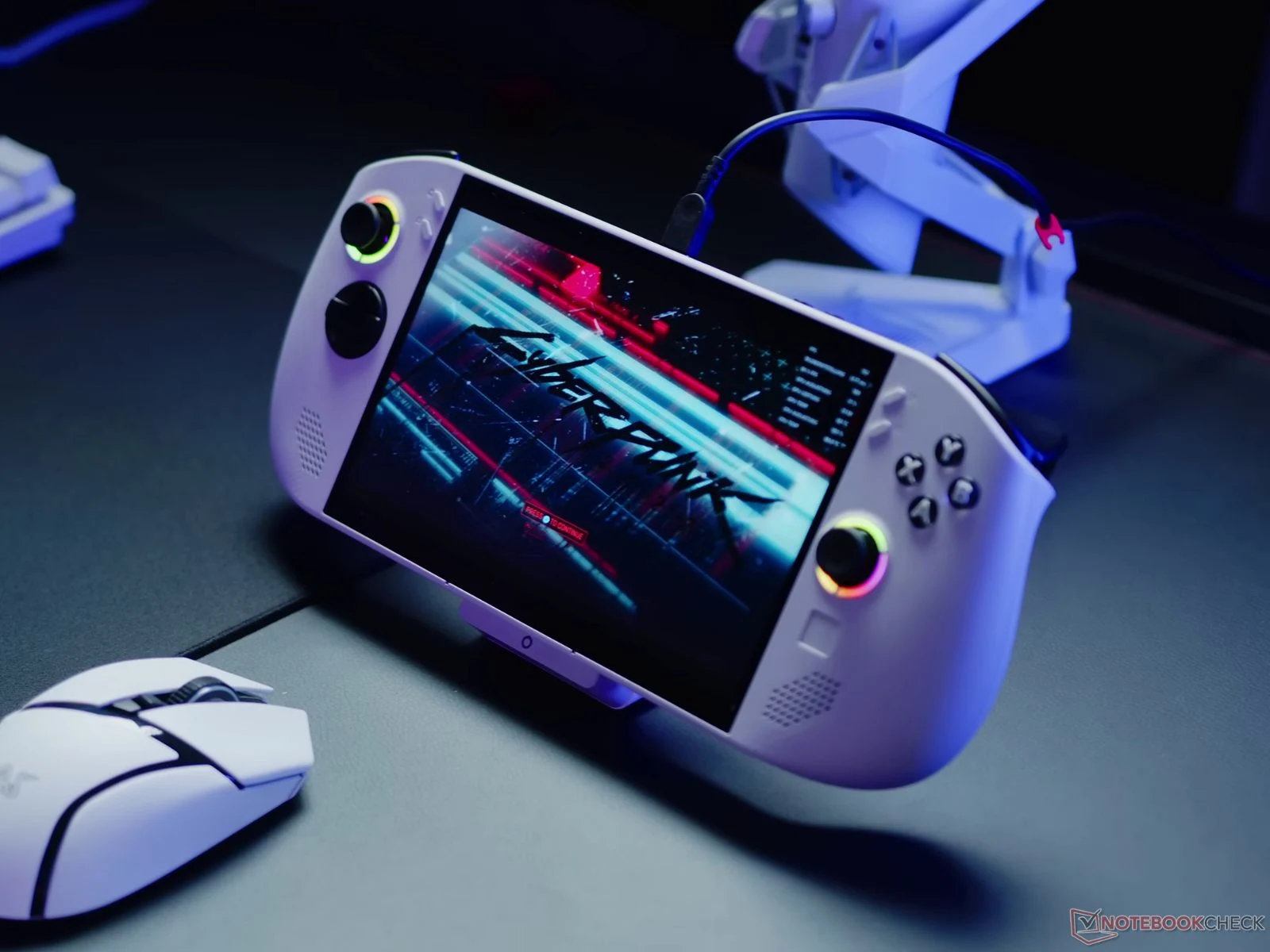
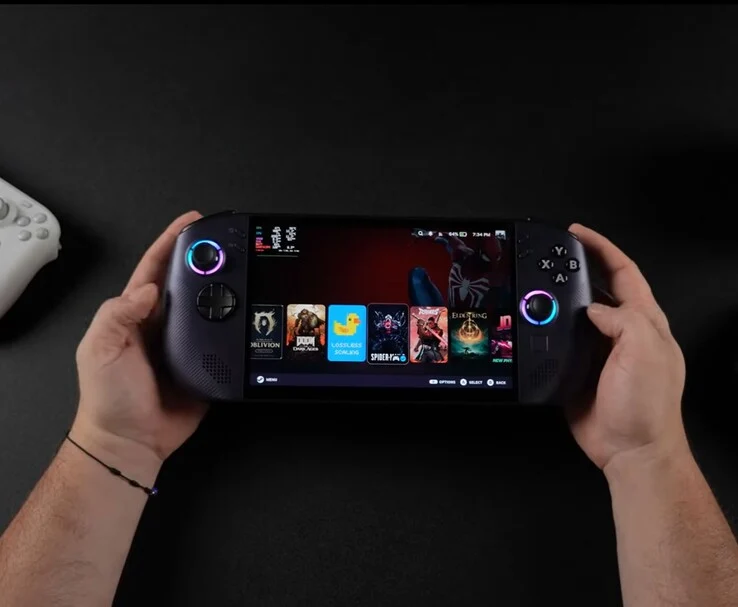
A recent experiment conducted by YouTuber ETA PRIME shows how the Lenovo Legion Go S (now priced at $729 on Amazon) greatly advantages from Lossless Scaling. This is a frame generation tool that increases FPS in games that do not have native support. The video features the handheld device running SteamOS while playing games like Elden Ring and Oblivion Remastered at noticeably higher frame rates.
Specifications Overview
The Legion Go S showcased in the video comes equipped with an 8-inch IPS display that has a 120 Hz variable refresh rate. It also includes 32 GB of RAM and is powered by an 8-core, 16-thread Ryzen Z1 Extreme processor. This version, which runs on SteamOS, is distinct from the Windows version that uses the Ryzen Z2 Go APU, which we have previously reviewed, although many hardware design aspects are similar.
Previously, we pointed out its comfortable grip, solid build quality, and the upscale feel of its large 8-inch screen. These features continue to highlight the unique aspects of the Legion Go S. For a detailed exploration of its design and user-friendliness, you can check out our complete review of the Windows version or watch the video.
Performance Insights
In performance evaluations, ETA PRIME observed that Elden Ring at 900p on high settings achieved around 40–50 FPS while using 18 W TDP. However, once Lossless Scaling was activated, the frame rate improved dramatically, averaging between 70 and 80 FPS.
On the other hand, Oblivion Remastered initially provided an average of 40 FPS at 900p with medium settings when frame generation was off. After enabling FSR, it saw an increase to 60 FPS but experienced occasional drops to 55 FPS or lower. When ETA PRIME turned on Lossless Scaling at 2x, the game played smoothly, maintaining around 70 FPS and even hitting 80 FPS in some areas.
Conclusion
The core concept behind Lossless Scaling is straightforward: it seeks to enhance performance while consuming less power, thus prolonging battery life on handheld devices and making them more efficient for users on the go.
ETA PRIME delves deeper into how Lossless Scaling functions on the SteamOS-powered Lenovo Legion Go S, so be sure to check out the complete video below. In it, they also examine Lossless Scaling in Cyberpunk 2077, where they encounter some ghosting issues, but you’ll gain a clearer understanding by watching it for yourself.
Source:
Link
Leave a Reply