Category: EV vehicles

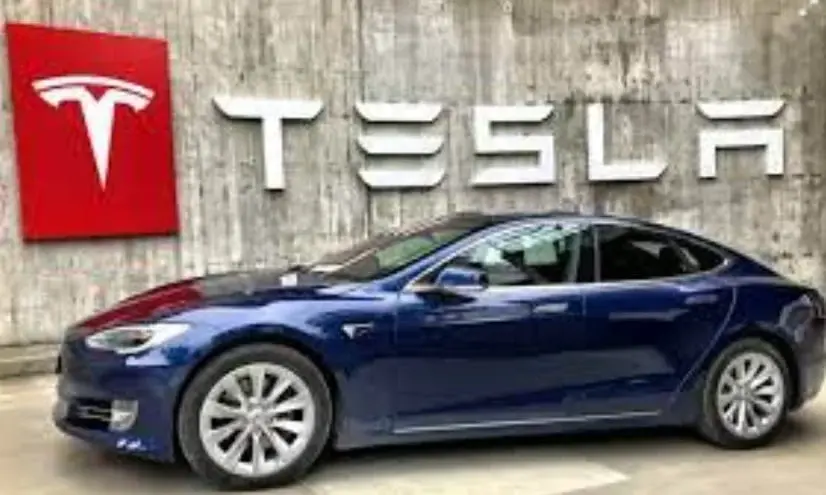
  • Tesla Model X catches fire underwater after accidental slide down boat ramp

    Tesla Model X catches fire underwater after accidental slide down boat ramp

    Tesla Model X Catches Fire After Sliding Down Boat Ramp

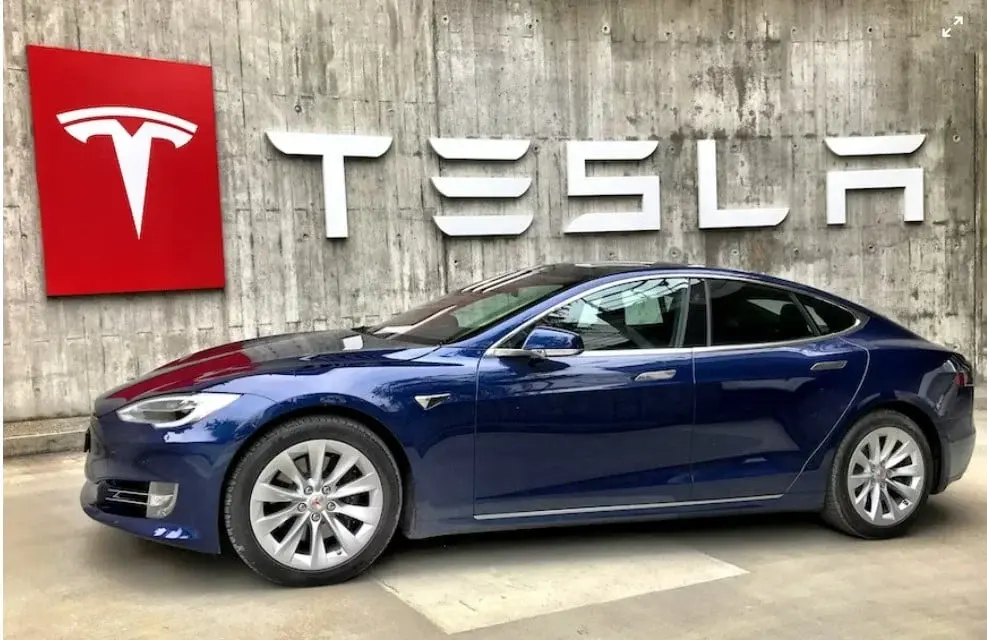
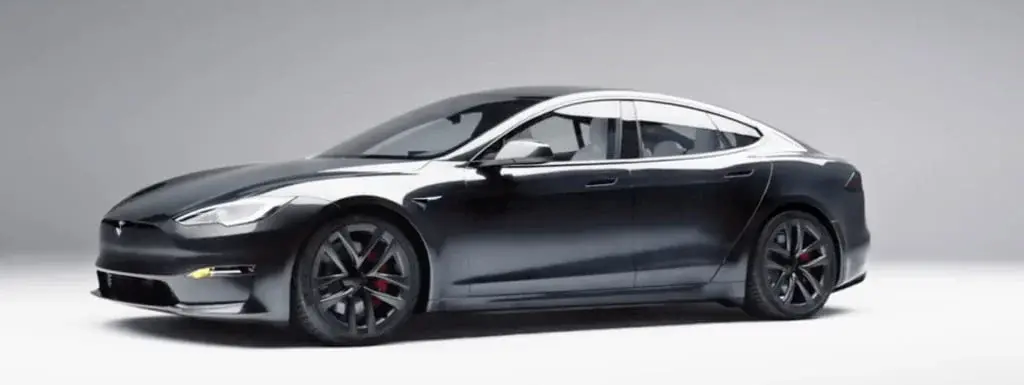
    In another bizarre fire incident involving a Tesla EV, a Model X has been reported to have slid down a boat ramp and caught fire underwater. This incident once again highlights the volatility of the EV’s battery architecture.

    The Incident

    The latest Tesla Model X fire incident took place in Hollywood, Florida. It occurred when a couple was attempting to launch their jet ski into the water. As the driver of the Model X was maneuvering the vehicle, it unexpectedly slid down a trailer attached to their boat. This led to a series of events that resulted in the car catching fire.

    A Dangerous Situation

    Upon sliding down the boat ramp, the woman driving the Model X became trapped inside the vehicle. Warning messages started appearing on the dashboard, indicating a potential issue. Thankfully, her husband was able to come to her rescue and help her exit the car safely.

    Cause of the Fire

    According to a report by the Hollywood Professional Firefighters, the car lost traction and ended up in the inter-coastal waters. The presence of saltwater caused a short circuit in the car’s electronics, ultimately leading to a fire. The fire burned for an extended period of time before extinguishing itself. As a precaution, the Model X had to be carefully loaded onto a special carrier and taken to the Impound lot. It will be closely monitored and isolated due to the possibility of reignition.

    No Injuries Reported

    Fortunately, everyone involved in the incident was able to evacuate the Model X without any injuries. Tesla has yet to release an official response regarding this particular fire incident.

    Conclusion

    This recent incident involving a Tesla Model X catching fire after sliding down a boat ramp serves as another reminder of the potential risks associated with EVs and their battery architecture. As electric vehicles continue to gain popularity, it is crucial for manufacturers to address and mitigate these safety concerns to ensure the well-being of their customers.

  • Electric Vehicle Fueling Cost Estimation

    Electric Vehicle Fueling Cost Estimation

    Analyzing the Expenses Involved in Powering Electric Cars

    The discourse concerning electric vehicles (EVs) traditionally revolves around their positive impact on the environment and the collective drive towards a sustainable future. Nonetheless, a recent investigation has shed light on a different dimension of EVs – their fueling expenses. As per this research, the cost of fueling an electric vehicle equates to approximately $17 per gallon, prompting a more profound comprehension of EV ownership.

    Unveiling the Actual Fueling Expenses of an EV

    Initially, this cost might appear significantly higher when compared to the standard gasoline prices. Nevertheless, this juxtaposition is not so straightforward. The cost per gallon for EVs does not directly correlate with the typical gallons utilized by gasoline vehicles. Instead, it signifies the financial outlay for the electricity necessary to cover the equivalent distance that one gallon of gasoline would propel a conventional car.

    Grasping the Operational Expenditures

    This particular calculation is pivotal in grasping the genuine expenses associated with running an EV. Despite the fact that the initial buying price of electric vehicles could surpass that of their gasoline-powered counterparts, their operational costs, primarily propelled by fueling, are frequently lower. Electricity, as a fuel source, tends to be comparatively more cost-effective than gasoline, and EVs exhibit higher energy efficiency levels compared to internal combustion engine vehicles. Moreover, the pricing of electricity can fluctuate significantly across different regions, with time-based rates potentially influencing the cost of charging an EV.

    Innovations in Battery Technology and Charging Network

    Additionally, the discoveries of the research emphasize the significance of progressing battery technology and the charging network. Enhancements in battery efficiency and accelerated charging durations have the potential to curtail the overall expenses associated with operating an EV. Furthermore, with the escalating prevalence and declining costs of renewable energy sources, the cost of charging EVs might further diminish, rendering them even more economically viable in the long haul.

    Factors to Deliberate for Consumers and Decision-Makers

    For consumers, comprehending the actual expenses involved in fueling EVs is vital when contemplating the transition from gasoline-powered vehicles. Despite the initial surprise sparked by the $17 per gallon value, an in-depth examination demonstrates that EVs could potentially offer superior cost-effectiveness over their lifespan. As for policymakers and key industry actors, these conclusions stress the necessity for continued investments in EV infrastructure and technology to render electric mobility a more appealing and feasible alternative for a broader spectrum of consumers.

    In summation, the initial expense of fueling electric vehicles may seem exorbitant in comparison to gasoline vehicles. Nevertheless, a profound insight into the financial calculation and operational expenditures elucidates that EVs could prove to be more economical over time. The advancements in battery technology and charging infrastructure will likely further bolster the affordability of EVs. As the globe progresses towards a more sustainable trajectory, backing EVs and their corresponding infrastructure stands as a critical component to encourage widespread acceptance of electric mobility.

  • China’s High-Tech Manufacturing Investment Expands from EVs to Semiconductors

    China’s High-Tech Manufacturing Investment Expands from EVs to Semiconductors

    China’s Strategic Investment in High-Tech Manufacturing

    China is making strategic investments in high-tech manufacturing sectors as part of its broader agenda to upgrade its manufacturing capabilities. This move highlights China’s commitment to technological advancement and innovation. The country aims to transition from being the world’s factory of basic goods to becoming a hub for advanced technology products. This shift towards producing high-end electronics, semiconductors, and electric vehicles demonstrates China’s ambition to lead the global technology race and achieve technological self-sufficiency.

    China’s Ambition in High-Tech Manufacturing

    The Chinese government’s decision to invest in high-tech manufacturing sectors is a clear indication of its ambition to transition from being the world’s factory of basic goods to a hub for advanced technology products. This shift towards producing high-end electronics, semiconductors, and electric vehicles is a strategic move aimed at propelling the country to the forefront of the global technology race. It also reflects China’s efforts to achieve technological self-sufficiency, especially in the wake of global supply chain challenges and geopolitical tensions.

    Impact on Global Markets

    However, the surge in high-tech manufacturing raises concerns about the potential impact on global markets. The influx of affordable, high-tech products from China could reshape market dynamics and intensify competition, particularly in sectors like electric vehicles where China is rapidly expanding its footprint. This development poses both opportunities and challenges for global tech companies and economies, prompting them to rethink their strategies in the face of China’s technological ascent.

    Vivo’s X100 Series Smartphones

    Simultaneously, Vivo, a leading tech company, is planning to unveil its highly awaited X100 series smartphones. The series, including the Vivo X100, X100 Pro, and X100 Pro+, is expected to feature MediaTek’s upcoming Dimensity 9300 chipset, signifying a significant step forward in smartphone technology. The launch of these models is not just a milestone for Vivo but also a testament to China’s growing capabilities in cutting-edge consumer electronics. The X100 series smartphones are already breaking pre-order records across China, highlighting China’s growing influence in the tech sector.

    China’s Technological Advancements

    These developments in China’s tech sector, from high-tech manufacturing to innovative consumer products, underscore the country’s ambition to lead in technological innovation. They reflect a strategic shift in China’s approach to technology development, focusing on creating a robust ecosystem that supports the entire value chain from production to innovation. As China continues to advance its technological prowess, it is poised to play an increasingly influential role in shaping the future of global technology.

  • EICMA 2023: Horwin’s Project Horizon and Sustainable Electric Mobility

    EICMA 2023: Horwin’s Project Horizon and Sustainable Electric Mobility

    The Emergence of Electric Two-Wheelers at EICMA 2023

    Fusion of Austrian Design and Chinese Manufacturing Effectiveness

    A notable presence at the exhibition was Horwin, a company that merges Austrian design aesthetics with the efficient manufacturing capabilities of China. Their most recent endeavor, dubbed "Project Horizon," serves as a testament to their dedication to sustainable transportation. In partnership with renowned custom motorcycle builder, Arjan van der Boom, this project underscores a human-centric approach. Central to this initiative is Horwin’s electric scooter, the Senmenti 0, which offers a fresh perspective on conventional mobility ideologies.

    Wendsor Zhou, the founder of Horwin, elucidates, "Project Horizon is in perfect harmony with Horwin’s vision for a sustainable tomorrow." Going beyond just fabricating environmentally friendly vehicles, this endeavor strives to cultivate a mutually beneficial rapport among riders, innovators in the mobility realm, and the Horwin team. The collaborative objective is to craft practical, efficient, and aesthetically pleasing urban mobility solutions that incorporate cutting-edge technologies. This signifies a transition towards a more inclusive and community-oriented product development approach.

    The Ingenious Senmenti 0

    The bespoke Senmenti 0, anticipated to hit the market by 2024 at an estimated price of 14,900 euros, showcases Horwin’s innovative ethos. Boasting a robust electric motor and a battery unit capable of delivering up to 300 kilometers in range, this model reflects the escalating standards for electric vehicles concerning distance coverage and performance.

    Kevin Liu, co-founder of Horwin, emphasizes, "Embracing novel methodologies and technologies is imperative for sustainable progress." Through their strategy of engaging with experts and community stakeholders, the company plays a pivotal role in propelling their products forward and making a positive impact on the world. This ethos is progressively gaining significance in an age where sustainability and user experience are fundamental factors in the evolution of the mobility sector.

    Wrapping Up

    The 2023 EICMA exhibition underscored the mounting significance of electric two-wheelers in the transportation domain. Horwin’s "Project Horizon" emerged as a prime illustration of harmonizing Austrian design elements with Chinese manufacturing efficiency. Their electric scooter, the Senmenti 0, embodies a transition towards sustainable mobility solutions that prioritize user-centric design and collaborative engagement with communities. With its potent engine and impressive travel range, the Senmenti 0 epitomizes the escalating expectations for electric vehicles. Horwin’s unwavering dedication to embracing novel approaches and technologies underscores their commitment to sustainable development within the mobility sector.

  • Take a Peek at the Electric Volkswagen Beetle Incorporated with Tesla’s Batteries

    Take a Peek at the Electric Volkswagen Beetle Incorporated with Tesla’s Batteries

    Twisted Voltage LLC: Merging the Past with the Future

    Blake Rhodes, the founder of Twisted Voltage LLC based in Northern Virginia, is revolutionizing the world of car restoration. Rhodes has taken a unique approach by combining the charm of the past with the technology of the future. His focus? Transforming classic Volkswagen Beetles into electric powerhouses using Tesla components.

    Electrifying Vintage Cars

    Rhodes’ project centers around a 1962 Volkswagen Beetle. However, this isn’t your typical restoration project. Instead of following the traditional restoration path, Rhodes electrifies these vintage cars. He replaces the original 1.3-litre engine with a Netgain Hyper 9 electric motor, boasting an impressive 120 horsepower and 173 pound-feet of torque. This upgrade triples the output of the original internal combustion engine, showcasing the remarkable ingenuity of modern engineering.

    What sets Rhodes’ work apart is his meticulous attention to detail. He seamlessly integrates Tesla Model S batteries into the Beetle’s design, providing a range of approximately 100 miles. This careful balance between vintage aesthetics and modern technology not only represents a technical achievement but also a true work of art.

    A Practical and Nostalgic Experience

    Rhodes’ conversions go beyond just being visually appealing. He ensures that these cars remain practical for everyday use by retaining the original manual transmission and adapting it for the electric setup. This unique combination allows drivers to experience the Beetle in a completely new way, merging the nostalgia of manual shifting with the ease and efficiency of electric power.

    These converted Beetles offer more than just environmental benefits. They are also surprisingly affordable in the high-end car restoration market. Priced between $50,000 to $58,000, these electric Beetles provide a one-of-a-kind blend of classic style and modern performance.

  • Impressive 2023 growth numbers fast bridge worldwide battery usage gap for CATL

    Impressive 2023 growth numbers fast bridge worldwide battery usage gap for CATL

    CATL Expands Global Presence with Impressive Battery Usage Growth

    Chinese battery manufacturer CATL is rapidly expanding its global presence, according to a recent report by Korean firm SNE Research. From January to September 2023, CATL’s worldwide battery usage outside of its home market reached approximately 64 gigawatt-hours, marking a significant 104.9% improvement compared to the same period in 2022. Additionally, CATL’s global market share has increased by 7 percentage points within this timeframe.

    The remarkable results achieved by CATL have placed the company on par with South Korean manufacturer LG Energy Solutions, which currently holds a 28.1% market share. LG Energy Solutions reported a growth of 49.2% in battery usage during Q1-Q3 2023, although its global market share experienced a slight decrease. The fourth and fifth largest battery manufacturers globally, SK On and Samsung SDI, also witnessed an increase in their worldwide battery usage, reaching 24.4GWh and 21.6GWh, respectively.

    Despite CATL’s rising profile, South Korea still accounts for 48.3% of the global market share, representing a decrease of 5.8 percentage points from the previous year. The SNE Research report also revealed that global battery installations in electric vehicles reached 228GWh from January to September 2023, reflecting an impressive 54.9% increase compared to the previous year. This significant growth in battery installations indicates a corresponding increase in electric vehicle sales. Chinese EV maker BYD emerged as the world’s largest EV manufacturer, recording a battery usage of 4.1GWh. Another Chinese company, Farasis Energy, also demonstrated impressive growth with a battery usage of 3GWh.

    The outlook for CATL remains positive as the company continues to supply battery products to a wide range of EV makers. Among CATL’s prominent customers are Tesla, Mercedes, BMW, and Volvo, among others. The company has also expanded its reach by securing Hyundai and Kia as its most recent customers. CATL’s influence has rapidly expanded both locally and globally.

  • Xiaomi Convenes Exclusive Discussion on Electric Cars and Pricing Strategies

    Xiaomi Convenes Exclusive Discussion on Electric Cars and Pricing Strategies

    Xiaomi continues to expand its product lineup. The successful Chinese company, known for its achievements in various fields such as smartphones, smartwatches, headphones, tablets, and smart home devices, now sets its sights on the automotive industry. The tech giant from China has been working on its own electric car model for a while now, and it seems that these efforts are nearing completion. As a result, the highly anticipated electric vehicle is expected to be unveiled in the very near future.

    Finally, the company took a significant step in this direction. Xiaomi held a confidential meeting with company executives, planning behind closed doors. Here are the details…

    Behind Closed Doors: Xiaomi’s Strategic Meeting on Electric Cars

    William Lu, a senior executive at Xiaomi, made an announcement at the Qualcomm Snapdragon Summit in Hawaii, revealing that Xiaomi’s electric car models will officially be launched in 2024. This announcement has already generated significant anticipation among both users and the automotive industry. The company is genuinely excited about hitting the roads with their car in 2024.

    To avoid making mistakes, Xiaomi CEO Lei Jun gathered executives together for a meeting. Individuals from various departments of the company attended the meeting with a special invitation. Unfortunately, the discussions that took place behind closed doors remain unclear. The topics likely revolved around the electric car market, the vehicle’s pricing, strategies to be implemented, and production planning.

    Making production in China is not an easy task. You need to obtain permission from the government for many things. Fortunately, Xiaomi received the necessary permission to produce electric cars some time ago. Now, all that’s left is to prepare the factory. Although it’s not certain, there’s talk of a two-stage facility plan.

    According to this plan, the company will establish an almost 720,000 square meter facility in the first stage. Construction of this began in April 2022 and was completed in June 2023. The second stage will commence in 2024 and is expected to be completed by 2025. Details about how sufficient the current section is, of course, remain uncertain.

  • Introducing RangeXchange: The Lucid Air’s Innovative Capability to Charge Other EVs

    Introducing RangeXchange: The Lucid Air’s Innovative Capability to Charge Other EVs

    Lucid Motors is revolutionizing the electric vehicle (EV) industry with its latest innovation, the RangeXchange feature. This groundbreaking technology allows Lucid Air owners to share their car’s battery power with other EVs, paving the way for a more cooperative future.

    Introducing RangeXchange

    The RangeXchange feature was introduced through a simple over-the-air (OTA) software update. It is a vehicle-to-vehicle (V2V) charging system that enables Lucid Airs to transfer electricity to other electric cars, regardless of the manufacturer. With just an hour of charging, Lucid Air owners can provide an additional 24 to 40 miles of range to another EV.

    This innovative system utilizes Lucid’s proprietary Wunderbox, a bi-directional charger that was previously used solely for receiving power. However, with RangeXchange, the Wunderbox now has the ability to share power as well. Lucid is also hinting at future uses for this technology, such as powering homes or feeding energy back into the grid.

    Practicality and Versatility

    While the concept of sharing power between EVs is not entirely new, Lucid’s implementation brings it into the realm of practicality for everyday users. This advancement is a significant step towards addressing range anxiety and reducing dependence on charging stations. However, it is important to note that many EV owners may not frequently utilize this feature due to the availability of robust charging networks.

    Nevertheless, the ability to assist another EV driver in need or use your car as a backup power source adds an extra layer of security and versatility to owning an EV. Lucid Air owners will soon have the option to purchase the RangeXchange adapter, transforming their vehicles into potential lifelines for other EVs on the road. This highlights the idea that sharing is caring, especially when it comes to the future of sustainable transportation.

  • Unveiling of Stellantis Ram 1500 Ramcharger EV featuring a V6 engine backup generator

    Unveiling of Stellantis Ram 1500 Ramcharger EV featuring a V6 engine backup generator

    The Stellantis Ram 1500 Ramcharger EV is set to revolutionize the pickup truck industry with its unique combination of electric and gas-powered technology. As the brand’s first electric pickup, the Ramcharger aims to address the challenges of charging infrastructure and range anxiety that currently exist in the electric vehicle (EV) market.

    Features

    The Stellantis Ram 1500 Ramcharger takes inspiration from the Stellantis Ram Trucks and offers a powerful and versatile driving experience. Equipped with a 3.6L V6 gas engine, the Ramcharger features an onboard electric generator that kicks in when the battery runs out. This hybrid technology ensures that the vehicle always has power, making it a reliable option for those concerned about EV range limitations.

    By combining the best aspects of electric and gasoline configurations, the Ram 1500 Ramcharger is truly a game changer in the truck industry. It offers the environmental benefits of an electric vehicle while providing the convenience and reliability of a gas-powered engine.

    Expected to hit the market next year, the Stellantis Ram 1500 Ramcharger EV will be released alongside the all-electric Ram 1500 truck. This demonstrates Stellantis’ commitment to providing a range of options to cater to different consumer needs and preferences.

    Specifications

    The Ram 1500 Ramcharger boasts an impressive estimated range of 690 miles. This range is made possible by its 92kWh battery, which accounts for approximately 145 miles of the total range. The remaining range is achieved through the use of a 130kW electric generator and the gas engine.

    In terms of fuel capacity, the Ramcharger features a 27-gallon tank. This capacity aligns well with the performance of both the all-electric Ram 1500 REV and the traditional gasoline-powered Ram 1500 model.

    Pricing

    Although the pricing details for the Stellantis Ram 1500 Ramcharger EV have not been released yet, Stellantis hopes that this model will serve as a stop-gap solution for those who are not yet ready to fully transition to all-electric vehicles. The challenges surrounding charging infrastructure and range anxiety can be significant barriers to EV adoption, and the Ramcharger’s multiple range-extending features aim to address these concerns.

    As the market for electric trucks continues to grow, the Stellantis Ram 1500 Ramcharger EV stands out with its innovative hybrid technology and impressive range. While pricing information is still pending, it is clear that this model offers a compelling solution for those seeking a versatile and reliable truck option.

  • Polestar Acknowledges Decrease in Worldwide EV Demand, Updates Targets & Profit Projections

    Polestar Acknowledges Decrease in Worldwide EV Demand, Updates Targets & Profit Projections

    Adjusting Sales Targets in the Electric Vehicle Sector

    Polestar’s Shift in Sales Goals within the Electric Vehicle Segment

    Polestar, a key player in the realm of electric vehicles, finds itself recalibrating its approach amidst the challenging market conditions of today. Their initial aim of delivering 80,000 cars this year now transitions towards a more tempered target of 60,000 units. This strategic adjustment reflects the prevailing market dynamics; notwithstanding an uptick in sales and revenue, the company is not immune to the prevailing headwinds of subdued global demand, particularly within the electric vehicle (EV) domain.

    Surge in Sales Offset by Profit Pressures

    Despite encountering adversities, there exists a glimmer of hope. Polestar’s recent sales figures showcase a noteworthy surge, marking a fifty percent increase from the preceding year. Even as they pivot towards a reduced delivery goal, the company has successfully vended over 40,000 cars within a span of nine months – a commendable achievement within an era marked by economic constraints.

    However, the impediments extend beyond mere sales figures, encroaching upon profit margins. Projections have necessitated a downward revision from an anticipated 4% to a diminished 2%. The increment in prices has not been adequate to buoy profit margins, given the escalating operational costs characteristic of the EV industry.

    Financial Resilience and Blueprint for Tomorrow

    From a financial standpoint, Polestar finds itself in a stable position. They possess a substantial financial buffer, coupled with fresh injections of capital from Volvo Cars and a Geely Holding affiliate. This financial robustness serves as a source of reassurance for stakeholders monitoring the company’s health.

    Looking towards the horizon, Polestar does not merely idle in the waters; instead, they embark on an accelerated trajectory. An upcoming model is slated for debut in China shortly, with customer deliveries slated by the culmination of the year. By the year 2026, their intentions encompass an expansion of their product range to encompass five distinct models – embodying ambition writ large.

    However, Polestar remains cognizant of the arduous path towards profitability, acknowledging it as a marathon rather than a sprint, with aspirations for achieving a break-even point by 2025. Navigating the rough waters of the EV industry, Polestar’s voyage holds promises to carve a distinctive niche within the sector, setting the stage for a captivating narrative of progression among fellow EV manufacturers.