Category: All News

  • Spotify Taste Profile Beta: Premium Users Customize Recommendations

    Spotify Taste Profile Beta: Premium Users Customize Recommendations

    Key Takeaways

    1. Spotify has launched a new feature called “Taste Profile” for Premium subscribers in New Zealand, currently in beta form.
    2. Taste Profile allows users to actively tailor their music recommendations based on personal preferences and changing habits.
    3. Users can modify their preferences as often as they like or continue using Spotify without changes, impacting personalized suggestions.
    4. The feature addresses issues with recommendation algorithms by providing a broader view of users’ musical tastes beyond just their listening history.
    5. Taste Profile is part of Spotify’s effort to enhance personalization and AI-driven recommendations, with no current timeline for global release.


    Spotify has unveiled a new feature called “Taste Profile” that provides certain users with a more hands-on approach to tailoring their recommendations for Discover Weekly, Wrapped, and other customized options. The feature is currently being launched in beta form exclusively for Premium subscribers in New Zealand.

    Enhancing User Experience

    Spotify states that the Taste Profile aims to improve beyond just passive listening behavior by allowing users to share more details about their music preferences. This tool can adapt to changing tastes and habits, such as needing more energetic tracks for exercising or seeking out additional news podcasts during commutes on weekdays.

    Personalization Control

    Taste Profile is described by Spotify as a means for users to “shape” the algorithm that generates personalized suggestions. The company emphasizes that listeners have the option to modify their preferences as often as they like or simply continue their usual Spotify usage without making changes. This feature is intended to affect recommendations related to Spotify’s personalization system, which includes playlists and annual summaries.

    Addressing Feedback

    This initiative seems to tackle a long-standing issue with recommendation algorithms: they can be influenced by brief listening trends or by content that doesn’t accurately represent a user’s typical preferences. Spotify particularly highlights this feature as a way to capture a broader view of a user’s musical tastes beyond just their play history.

    Currently, Spotify has revealed that Taste Profile is in beta for Premium subscribers in New Zealand and is not yet available on a global scale. Reports from SXSW suggest that this feature was introduced as part of Spotify’s larger effort to enhance personalization and implement AI-driven recommendation features.

    Due to this limited rollout, the majority of Spotify users will not have immediate access to Taste Profile. As of the information available, Spotify has not provided a specific timeline for when it will be released internationally.

    Source:
    Link
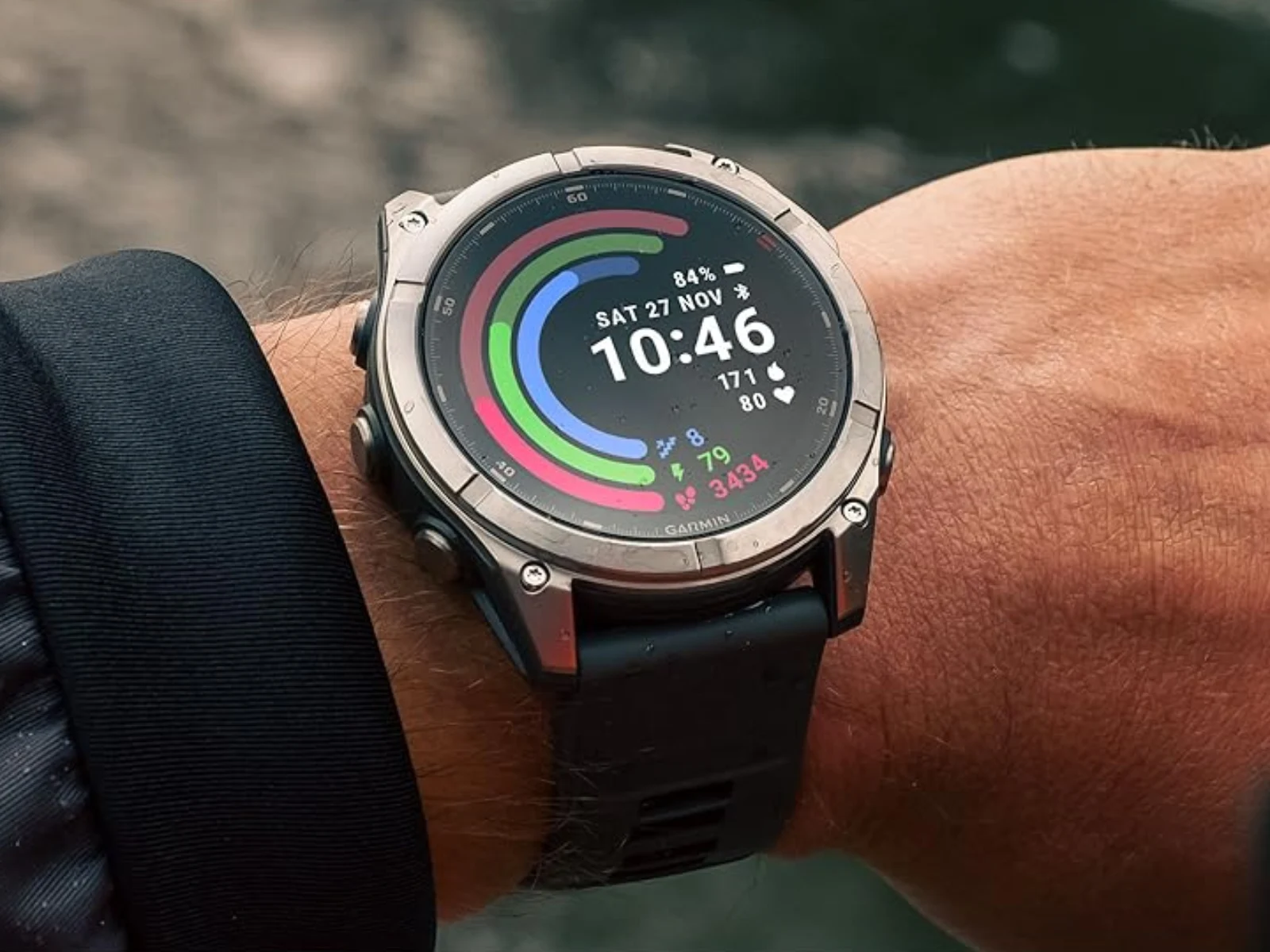


  • Garmin Smartwatch with Cellular Now Cheaper in More Countries

    Garmin Smartwatch with Cellular Now Cheaper in More Countries

    Key Takeaways

    1. Garmin has reduced the price of the MicroLED version of the Fenix 8 Pro in multiple regions, including the US, Europe, and the UK.
    2. The new price for the Fenix 8 Pro MicroLED in the US is $1,699, which reflects a $300 decrease from the previous price.
    3. In Europe, the price has lowered to €1,799 from €2,099, making it €500 more expensive than the AMOLED version.
    4. In the UK, the MicroLED version now costs £1,499.99, with a £300 difference between the MicroLED and AMOLED models.
    5. Garmin has not announced these price changes as temporary, suggesting that the new prices are permanent.


    Garmin has recently lowered the price of the MicroLED version of the Fenix 8 Pro in more regions. Just to remind you, last month the company reduced the price by $300 in the United States. Although Garmin hasn’t made a formal announcement about this, the new price of $1,699 has been in effect ever since.

    Price Changes in Europe

    Now, a month later, Garmin has quietly adjusted the price of its sole MicroLED smartwatch in Europe as well. For example, the Fenix 8 Pro is now available for €1,799 in the Eurozone, a decrease from the previous price of €2,099 that was set when the device launched last September. This means that the MicroLED model now costs €500 more than its AMOLED version, which is currently listed for $1,199.99 on Amazon.

    Updates in the UK Market

    In the UK, there is now a £300 difference between the two Fenix 8 Pro models, with the MicroLED version dropping to £1,499.99. It appears that these new prices are here to stay, as Garmin has not indicated that they are temporary sales. It’s important to note that Garmin only offers the Fenix 8 Pro MicroLED in a 51 mm size. You can find additional information about the Fenix 8 Pro and its optional 4,500-nit display in our launch article.

    Source:
    Link


  • Apple AirPods Max 2: 50% Better ANC, HDR Amplifier & New Features

    Apple AirPods Max 2: 50% Better ANC, HDR Amplifier & New Features

    Key Takeaways

    1. Design and Comfort: The AirPods Max 2 resemble the original design with aluminum ear cups and a mesh headband for weight distribution, weighing 386 grams.

    2. Controls and Battery Life: Features a digital crown for volume and playback control, lacks a power button, and has a battery life of 20 hours with active noise cancellation.

    3. Improved Noise Cancellation: The new version claims 50% more effective active noise cancellation compared to the original.

    4. Audio Quality Enhancements: Supports reduced Bluetooth latency, 24-bit 48 kHz high-fidelity music via USB-C, and improved sound processing with an HDR amplifier.

    5. Release Information: Pre-orders start on March 25, with deliveries in early April, available in various colors at a price of $549.


    The Apple AirPods Max 2 bear a close resemblance to the original AirPods Max ($409 on Amazon), with only slight modifications in their design. These over-ear headphones feature large aluminum ear cups, contributing to their hefty weight of 386 grams. To enhance comfort during use, the mesh headband is crafted to distribute this weight across a wider area.

    Features and Functionality

    The digital crown, utilized for managing volume and playback, remains a key feature, and notably, the headphones still lack a power button. A special energy-efficient standby mode is triggered only when the headphones are placed inside the included carrying case. Apple still promotes a rather limited battery life of 20 hours when active noise cancellation is on. However, the ANC on this new version is claimed to be 50 percent more effective than its predecessor.

    Audio Enhancements

    Apple has highlighted reduced Bluetooth latency along with support for 24-bit 48 kHz high-fidelity music when connected through a USB-C cable. An HDR amplifier is said to enhance music processing, allowing for a broader dynamic range and improved sound quality. The H2 chip introduces several new features, such as live translation and Conversation Awareness, which automatically activates transparency mode during conversations.

    Availability and Pricing

    Pre-orders for the AirPods Max 2 will begin on March 25 through the Apple Online Store, with deliveries anticipated to start in early April. These over-ear headphones will come in a variety of colors: blue, purple, starlight (beige), orange, and midnight (black), each priced at a suggested retail price of $549.

    Source:
    Link


  • Govee Launches Smart Bulbs with 1,600 Lumens Brightness

    Govee Launches Smart Bulbs with 1,600 Lumens Brightness

    Key Takeaways

    1. The Govee Smart Bulb A21 offers a brightness of up to 1,600 lumens and high color accuracy (CRI over 90) with LuminBlend+ technology.

    2. Users can choose from over 16 million colors and adjust the color temperature from 1,000K to 10,000K.

    3. The Govee Home app allows remote control, simultaneous control of multiple bulbs, and access to over 60 preset scene modes, including music sync.

    4. Voice control is available through Amazon Alexa, and the bulbs support the Matter protocol for smart home integration.

    5. Pricing in the US is $49.99 for a two-pack and $89.99 for a four-pack, with a current sale price of $39.99 for the two-pack; in the EU, prices are €29.99 for a one-pack and €49.99 for a two-pack.


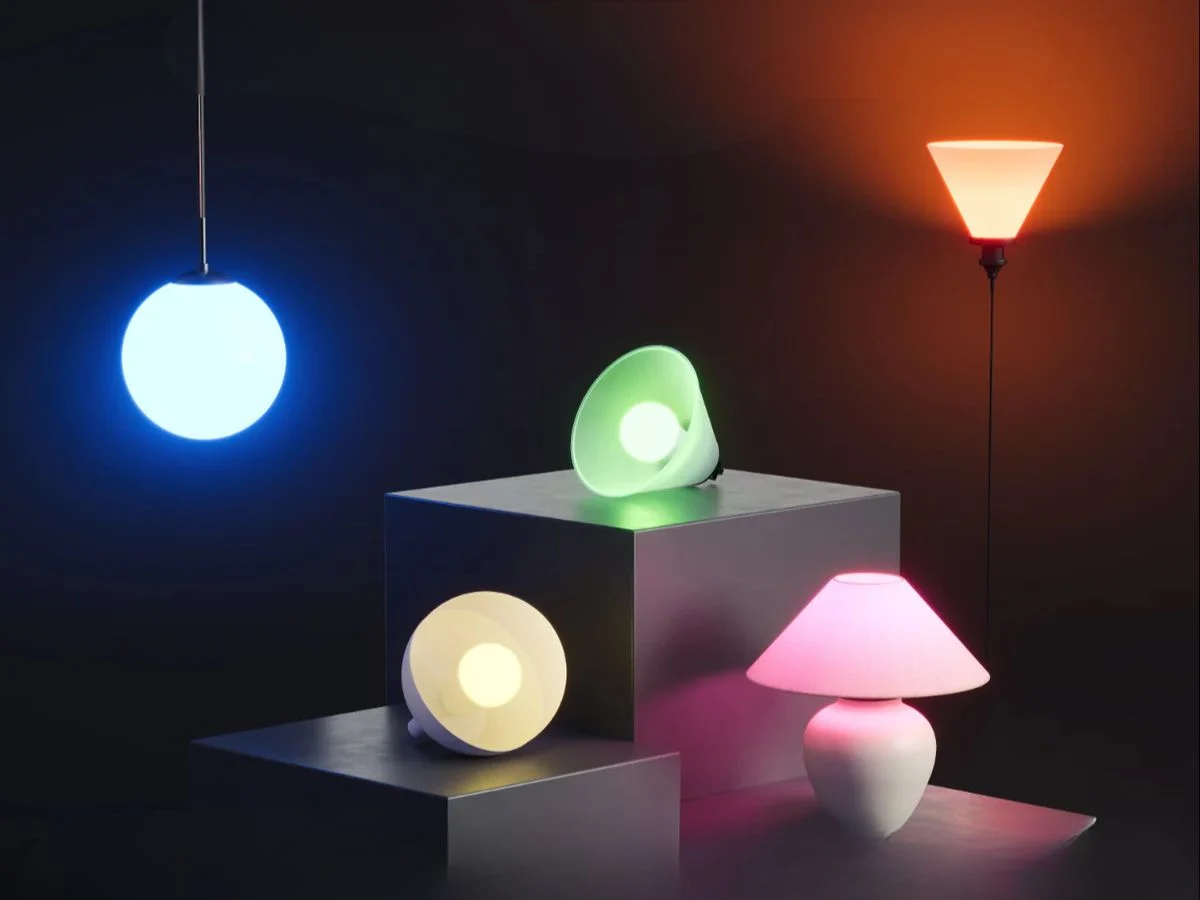
    The Govee Smart Bulb A21 has just launched in North America and Europe. In the US, it’s known as the Govee E26 Smart Light Bulb 1600lm, while in Europe, it’s called the Govee Smart Bulb E27 A21 1600lm.

    Brightness and Color Options

    These Govee Smart Bulbs provide impressive brightness of up to 1,600 lumens. They are designed with high color accuracy, boasting a Color Rendering Index (CRI) of over 90, thanks to LuminBlend+ technology. Users can select from more than 16 million colors, and adjust the color temperature ranging from a cozy 1,000K to a cooler 10,000K.

    Remote Control and Features

    Users can control the Govee Smart Bulbs remotely using the Govee Home app, which requires version 1.00.24 to unlock all features. The app allows for simultaneous control of multiple lights and offers over 60 preset scene modes, including options that sync with music. Additionally, these bulbs can be operated using voice commands through Amazon Alexa, and they also support the Matter protocol for integration with various smart home systems.

    Pricing Options

    In the US, the Govee E26 Smart Light Bulb 1600lm is available in two-pack and four-pack options, priced at $49.99 and $89.99, respectively. Currently, the 2-Pack is on sale for $39.99 at Amazon. Meanwhile, in the EU, the official online store offers a 1-Pack for €29.99 and a 2-Pack for €49.99.

    Source:
    Link


  • Apple Watch Causes Wrist Burns and Scars, Users Face Support Issues

    Apple Watch Causes Wrist Burns and Scars, Users Face Support Issues

    Key Takeaways

    1. Smartwatches, like the Apple Watch, can pose serious risks, including burns from battery malfunctions.
    2. A user reported burns from an overheated Apple Watch, which left a noticeable scar.
    3. Apple initially downplayed the incident, attributing burns to an allergic reaction and failing to follow up on the user’s concerns.
    4. The user faced significant challenges in getting support from Apple, including missed appointments and unresponsive representatives.
    5. Caution is advised when interpreting user reports, as the actual cause of burns remains unclear despite the likelihood of a battery defect.


    A Reddit user has highlighted the risks that smartwatches, including the Apple Watch ($299 on Amazon), can pose if there is a major battery malfunction. On September 24, 2025, while the user was working on a laptop, the back of the Apple Watch reportedly got extremely hot. The owner quickly removed the watch, but not before sustaining burns to their skin. Months later, a scar shaped like the smartwatch is still noticeable.

    Communication with Apple

    The user reached out to Apple on the same day of the incident; however, even after six months, the issue remains unaddressed. Initially, Apple seemed to downplay the burn blisters, attributing them to an allergic reaction, but they expressed a desire to investigate further. Unfortunately, the customer never heard back from them again. When the user followed up, it was supposed that the smartwatch would be sent to Apple in Ireland for investigation, but Apple did not arrange the promised collection of the device.

    Lack of Support

    The next Apple support representative the user spoke to outright refused to set up a pick-up. After a few weeks of waiting, an appointment was finally scheduled at the Genius Bar in an Apple store—supposedly. However, when the user arrived, the store had no record of the appointment, refused to accept the watch, and the device was never sent to Ireland. Furthermore, the support representative stopped responding to any follow-up messages.

    Skepticism About User Reports

    As is often the case, such user accounts should be taken with caution. Since the Apple Watch doesn’t show any visible damage, the actual cause of the burns remains unclear, although a defect in the battery is the most probable explanation.

    Source:
    Link


  • Apple iPhone 19e Set for Long-Awaited Upgrade

    Apple iPhone 19e Set for Long-Awaited Upgrade

    Key Takeaways

    1. The iPhone 17e features a 60 Hz OLED screen, a single rear camera, and a 4,005 mAh battery, making it feel outdated.
    2. The iPhone 19e is expected to launch in spring 2028 with a 120 Hz LTPO OLED display.
    3. The new display may use parts from the iPhone 17, with a resolution of 2,622 x 1,206 pixels and high brightness levels.
    4. The iPhone 19e’s display technology is designed for energy efficiency, potentially extending battery life.
    5. Higher-end models, like the iPhone Air, will receive an even more efficient LTPO+ panel in 2028.


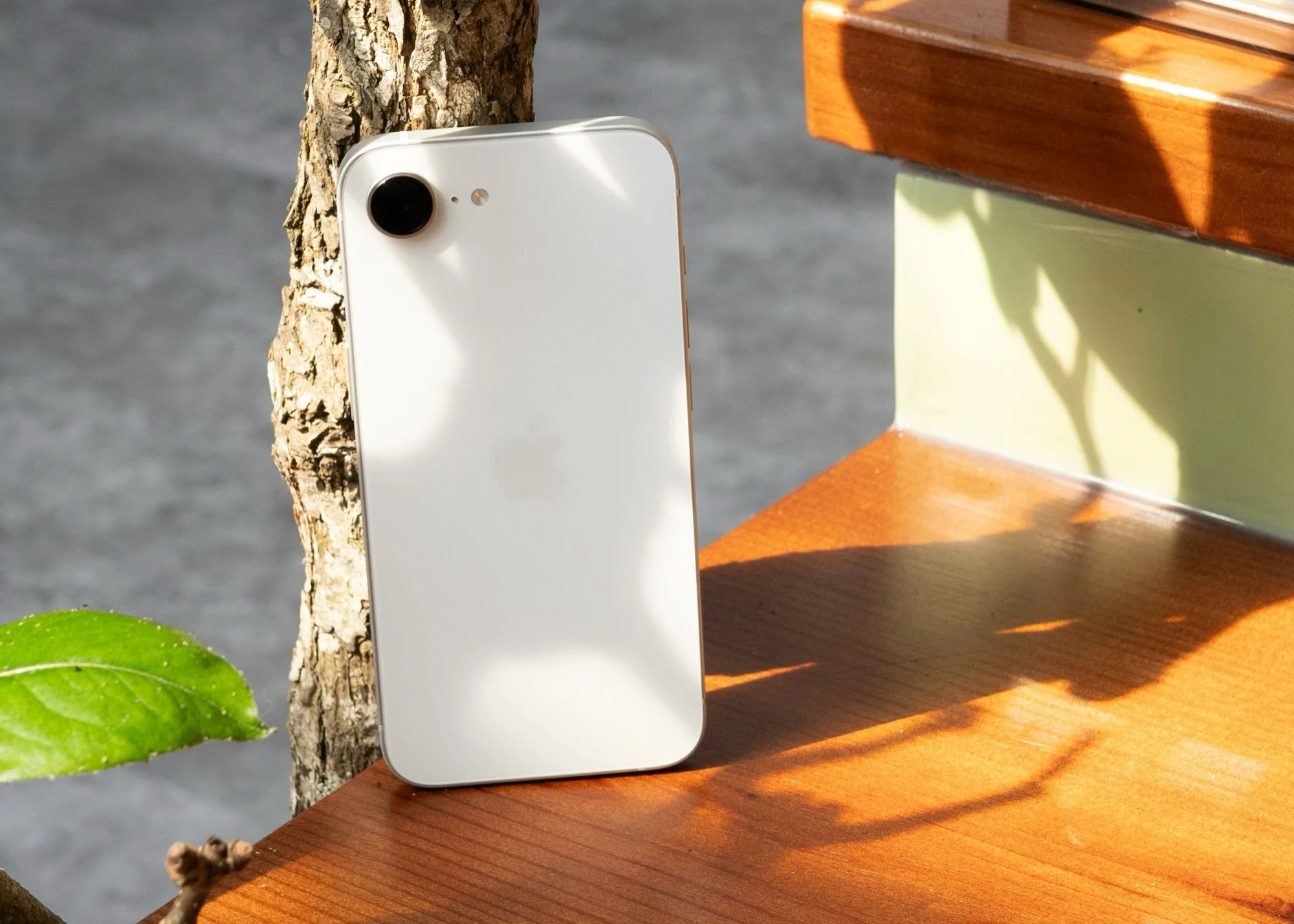
    The Apple iPhone 17e has recently been released, but it features a 60 Hz OLED screen, a single rear camera, and a small 4,005 mAh battery, making it feel a bit outdated. As per the latest details from ZDNet Korea, Apple is looking to make improvements with the upcoming iPhone 19e.

    Anticipated Launch of iPhone 19e

    Expected to debut in spring 2028, the iPhone 19e will finally come with a 120 Hz LTPO OLED display. Apple often incorporates parts from previous models into the e-series to minimize expenses, so there’s a chance the display from the iPhone 17 could be utilized. This 6.3-inch OLED screen boasts a resolution of 2,622 x 1,206 pixels, a 120 Hz refresh rate, a maximum brightness of 1,600 nits, and an HDR peak brightness of 3,000 nits.

    Advantages of the New Display

    The frame rate adjustment according to the content on the screen means this display uses less energy compared to the LTPS OLED panel used in the iPhone 17e, potentially leading to extended battery life for the iPhone 19e. Another notable benefit is the inclusion of an always-on display feature, which reduces the frame rate to just 1 Hz, ensuring minimal impact on battery performance. Meanwhile, pricier models like the iPhone Air ($815 on Amazon) are slated to upgrade to an even more energy-efficient LTPO+ panel in 2028, promising greater brightness and efficiency.

    Source:
    Link


  • Samsung Switches to Affordable Chinese Displays for Galaxy S26 FE, A57

    Samsung Switches to Affordable Chinese Displays for Galaxy S26 FE, A57

    Key Takeaways

    1. Samsung is shifting to more affordable OLED screens from CSOT, a Chinese manufacturer, instead of producing them in-house.
    2. The CSOT OLED panels are 20% cheaper than Samsung’s usual displays, helping to reduce overall manufacturing costs.
    3. The rising prices of memory and processing chips have made cost-cutting essential for Samsung’s midrange models.
    4. Other smartphone manufacturers have raised prices, but Samsung is focusing on maintaining competitive pricing for its devices.
    5. Samsung has ordered at least 15 million OLED panels from CSOT for future Galaxy A57 and Galaxy S26 Fan Edition models.


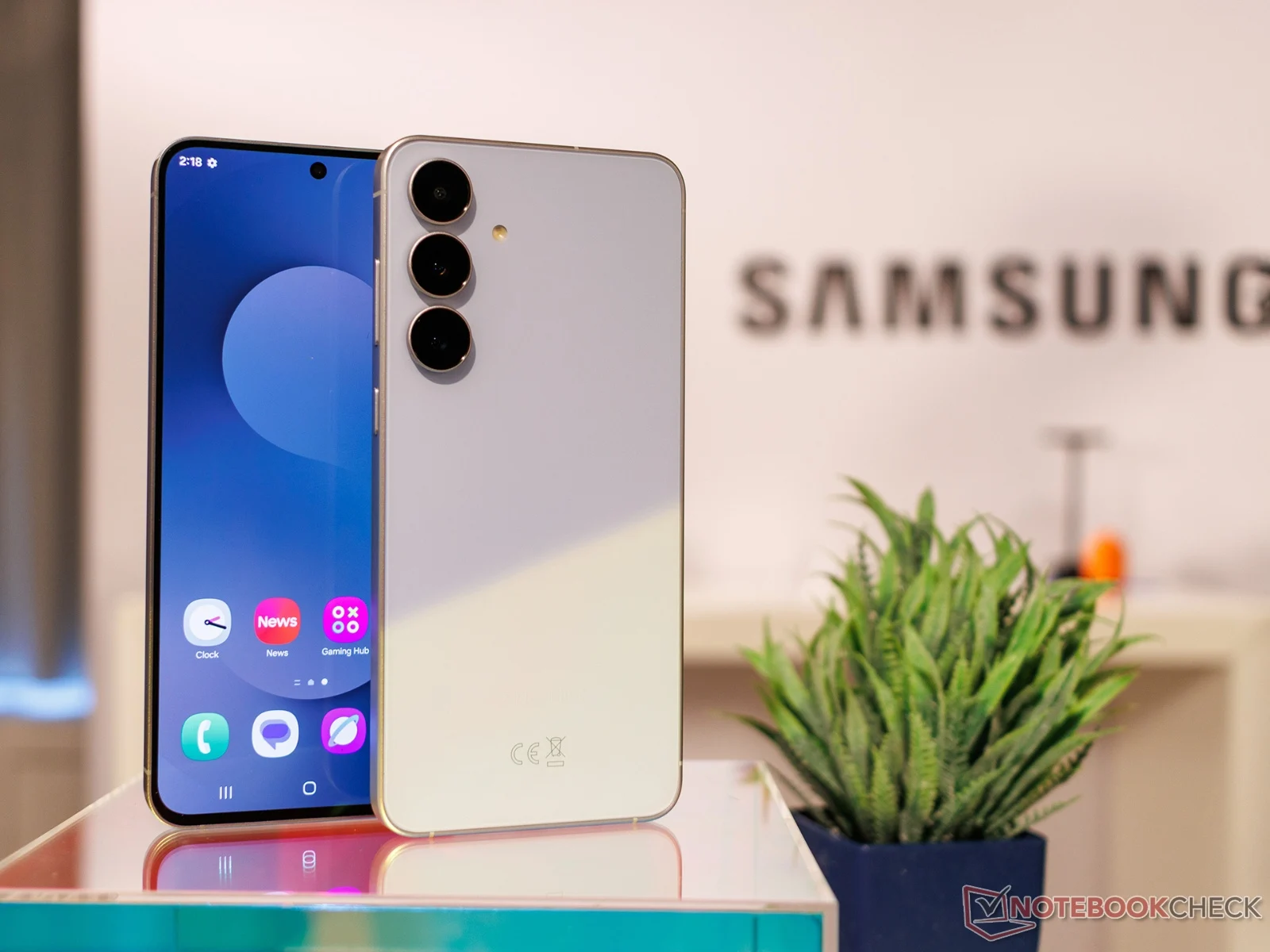
    Samsung is shifting its focus to more affordable OLED screens for its smartphones, moving away from producing them in-house. Instead, they are opting for displays manufactured by CSOT, a lesser-known Chinese company.

    Cost Efficiency

    The OLED panels sourced from China Star (CSOT) come at a price that is 20% lower than the ones Samsung normally makes for the Galaxy A and Fan Edition series. This strategic move aims to counteract the rising costs of memory and processing chips, which have surged dramatically in just a few months. For instance, the Crucial 64GB DDR5 RAM kit is now available for $580 on Amazon, although its price has doubled since November.

    Market Dynamics

    The spike in demand for AI data centers has made RAM and storage memory the priciest components in smartphones, surpassing both the system chip and the display in terms of costs. Several major smartphone manufacturers, such as Oppo, Vivo, and OnePlus, have already increased the prices of their devices in China. However, Samsung’s midrange models are particularly sensitive to price changes, prompting the company to focus on cutting manufacturing expenses instead.

    Internal Disputes

    Reports indicate that Samsung Display has strongly advocated for its case to the company’s leadership, warning that its revenue would take a hit if it loses its A-series line, especially after losing orders from other manufacturers due to the memory price surge. Unfortunately, their efforts have not yielded any results.

    As per industry insiders, Samsung has placed an order for at least 15 million OLED panels from CSOT, with plans to use them in the upcoming Galaxy A57 and Galaxy S26 Fan Edition models. This decision is primarily due to the lower cost of the CSOT displays, which are deemed adequate for Samsung’s midrange offerings.

    Source:
    Link


  • Windows 11 KB5077181 Blocks C: Drive Access on Some Samsung PCs

    Windows 11 KB5077181 Blocks C: Drive Access on Some Samsung PCs

    Key Takeaways

    1. Microsoft acknowledged a problem with Windows 11 affecting specific Samsung computers after security update KB5077181, causing “C: is not accessible – Access denied” errors.

    2. The issue affects certain Samsung Galaxy Book 4 and Desktop models running Windows 11 versions 24H2 and 25H2.

    3. Users may experience difficulties with file access, application launches, and administrative functions due to permission issues linked to the Samsung Galaxy Connect app.

    4. Microsoft clarified that the problem is related to Samsung software, not the Windows update itself, and has categorized it as Mitigated.

    5. Recovery options for affected users are limited, and they are advised to contact Samsung support for assistance while Samsung works on remediation strategies.


    Microsoft has acknowledged a problem with Windows 11 that is affecting certain Samsung computers, following the security update KB5077181 from February 2026 and subsequent updates. As stated on the company’s Windows release health page, some devices may no longer have access to their C: drive, displaying the error “C: is not accessible – Access denied.” This can lead to file access issues and hinder the launch of several applications.

    Affected Models

    On the official known issues page for Windows 11 version 25H2, Microsoft noted that this issue has been seen in certain Samsung Galaxy Book 4 and Samsung Desktop models using Windows 11 versions 24H2 and 25H2. The affected models include NP750XGJ, NP750XGL, NP754XGJ, NP754XFG, NP754XGK, DM500SGA, DM500TDA, DM500TGA, and DM501SGA.

    User Experience

    Users facing this problem may encounter difficulties while performing regular tasks like opening files, starting applications, or executing administrative functions. In some instances, they may also struggle to elevate privileges, uninstall updates, or gather logs due to permission issues.

    Interestingly, Microsoft highlights that this issue is not a result of the latest or past Windows monthly updates, even though it coincided with the recent Patch Tuesday. Their investigation, conducted alongside Samsung, concluded that the symptoms stem from an issue within the Samsung Galaxy Connect app.

    Distinction of Responsibility

    This clarification is crucial since the problem relates to systems that have installed KB5077181, the cumulative update for Windows 11 versions 24H2 and 25H2, and later updates. Microsoft is emphasizing that the root cause is linked to Samsung software, not the Windows update itself.

    Currently, Microsoft has categorized the issue as Mitigated. To address this, the Samsung Galaxy Connect app was temporarily taken down from the Microsoft Store to prevent further installations. Furthermore, Samsung has released a stable earlier version of the app to avoid this issue affecting more devices.

    Recovery Options

    For computers already impacted, recovery solutions are still quite limited. Microsoft states that Samsung is working on remediation strategies with their support and advises those affected to reach out to Samsung’s support for tailored assistance.

    According to Microsoft’s release health page, the issue was logged on March 13, 2026, at 12:13 PT and was updated on March 14, 2026, at 16:59 PT. Users seeking further information can check here.

    Source:
    Link


  • Huawei Mate X7 Challenges Galaxy S26 Ultra Camera Performance

    Huawei Mate X7 Challenges Galaxy S26 Ultra Camera Performance

    Key Takeaways

    1. The Huawei Mate X7 has limitations in cellular connection and overall performance compared to other premium foldable devices.
    2. The 50 MP primary camera with a large sensor and variable aperture is a standout feature, providing excellent image quality.
    3. The Mate X7 differentiates itself from competitors like Samsung and Honor through its unique camera capabilities.
    4. In a comparison with the Samsung Galaxy S25 Ultra, the Mate X7 excelled in image clarity and low-light performance.
    5. The Huawei Mate X7’s strong dynamic range puts it ahead of the Galaxy S25 Ultra, challenging Samsung’s future models.


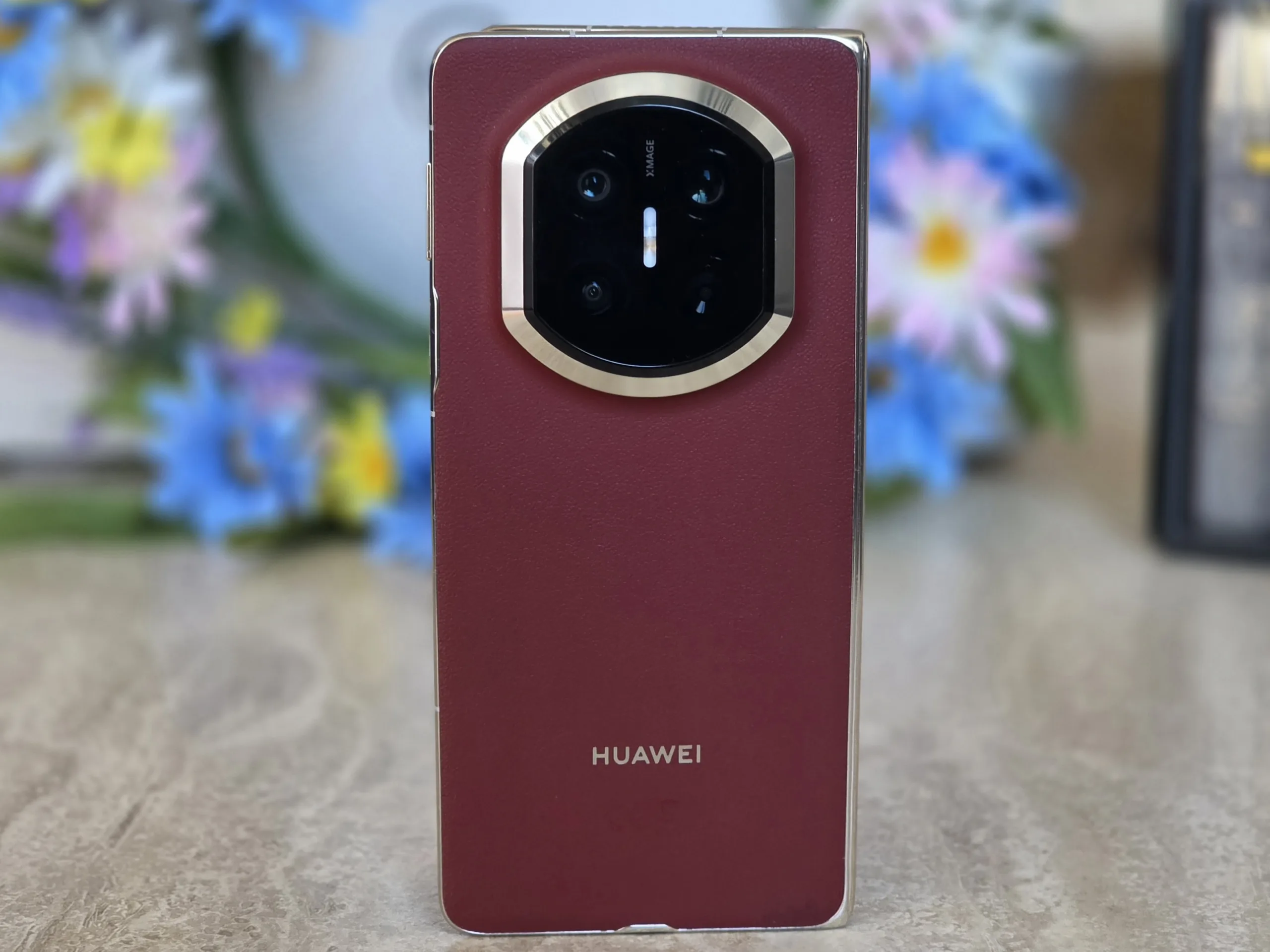
    During our evaluation, the Huawei Mate X7 revealed some limitations in technology when compared to other premium foldable devices, especially in cellular connection and overall performance. Check out our review to see if the device, priced at approximately €1,900 ($2,175), is still a viable option despite these issues.

    Camera Performance

    The image quality from the camera is where the Huawei Mate X7 really shines. It features a 50 MP primary camera that boasts a 1/1.28-inch sensor, which is quite large for a foldable smartphone. Additionally, its variable aperture ranges from f/1.49 to f/4.0, making it a standout feature in this category.

    Comparison with Rivals

    However, the phone’s main strength goes beyond just its primary camera. In our thorough review, we investigate how the Mate X7 differentiates itself from competitors like Samsung and Honor.

    Imaging Analysis

    Even with its thin design, the Huawei Mate X7’s primary camera has what it needs to create appealing photos. To assess its photography capabilities better, we compared it with the Samsung Galaxy S25 Ultra. This comparison allowed us to evaluate how the Mate X7’s 50 MP RYYB sensor performs against the Galaxy S25 Ultra’s impressive 200 MP sensor, in both bright and dim lighting.

    In terms of dynamic range, the Huawei Mate X7 performs excellently. According to the comparison images, the foldable surprisingly outperformed the Galaxy S25 Ultra in image clarity and low-light capabilities, leaving little room for Samsung to compete. With the Galaxy S26 Ultra not significantly improving beyond a quicker lens, it may find it tough to match the impending models from Oppo or Vivo.

  • New Rocky Super-Earth Discovered by TESS Satellite

    New Rocky Super-Earth Discovered by TESS Satellite

    Key Takeaways

    1. A new super-Earth, possibly rocky, has been discovered orbiting a star 83 light-years away, named TOI-1080 b.
    2. The discovery team, led by Yilen Gómez Maqueo Chew, used a technique that has previously uncovered other exoplanets.
    3. TOI-1080 b has a radius about 1.2 times that of Earth and a mass around 1.75 times greater, completing an orbit in just 3.97 days.
    4. The planet is outside the habitable zone and likely has an atmosphere mainly composed of carbon dioxide, with no evidence of life.
    5. Further observations with the TESS satellite are needed to explore the potential existence of other planets around the 5 to 7 billion-year-old red dwarf star.


    Recently, a new super-Earth has been found by astronomers, thanks to data from the TESS satellite. This planet orbits a star around 83 light-years away from Earth and seems to be larger and possibly rocky compared to our own planet.

    Discovery Team

    The team behind this exciting find was led by Yilen Gómez Maqueo Chew from the National Autonomous University of Mexico. They utilized a technique that has previously helped to uncover other exoplanets, like TOI-1452 b.

    Detection Method

    The detection of this exoplanet was achieved by watching a dip in brightness when it crossed in front of the star known as TOI-1080. Initial findings suggest it might be named TOI-1080 b, having a radius approximately 1.2 times that of Earth and a mass around 1.75 times greater. Its orbital period is quite astonishing, taking only 3.97 days to complete one orbit around its star.

    Life on the Exoplanet?

    Even though it is thought to be a rocky planet, there is currently no proof of life on this celestial body. It sits outside the habitable zone of its star, and astronomers suspect its atmosphere is mainly carbon dioxide. The star that TOI-1080 b orbits is smaller than our Sun, with a mass of roughly 0.16 solar masses.

    Future Observations Needed

    In addition, estimates suggest that this red dwarf star could be between 5 and 7 billion years old, which means there may be other planets in its orbit. To find these potential new worlds, more observations will be necessary utilizing the TESS satellite. This device has already found over 7,900 possible exoplanets in the universe.

    Source:
    Link