Category: All News

  • GTA 6 Pre-Order Leak Doubts: Trailer 3 May Not Surface Until July

    GTA 6 Pre-Order Leak Doubts: Trailer 3 May Not Surface Until July

    Key Takeaway

    – Best Buy leak suggests GTA 6 pre-orders could open May 18, but multiple insiders doubt the timing and see a later window (summer) as more likely.
    – Tom Henderson cautions no solid evidence for a May 18 event; expects possible pre-orders or a trailer later, around July–August.
    – Take-Two earnings call on May 21 could bring an update, but may simply reiterate a future release window rather than immediate pre-order/trailer details.

    Excitement grew among Rockstar Games fans after a Best Buy affiliate email appeared. The message suggested that GTA 6 pre-orders will open on May 18th. However, Tom Henderson of Insider Gaming is among several skeptics who have questioned that timing.

    Varying viewpoints emerge from insiders

    Along with a co-panel, Henderson addressed the topic on a recent podcast. The journalist is generally viewed as reliable, even if his track record with Rockstar developments isn’t spotless. While doubting a GTA 6 release date delay, he expects as far as pre-orders or a third trailer, “we’re not going to get anything tangible until uh July, August.”

    Pre-orders doubt and timing considerations

    The insider verified that the Best Buy email was legitimate, but it could have been sent prematurely. Buyers may need to wait until later in the summer to reserve the game. Henderson is careful to note that his prediction isn’t based on any new information. Still, other prominent leakers haven’t seen signs that May 18th will be an eventful day.

    Industry chatter and leak responsiveness

    As mentioned in the podcast, billbil-kun frequently learns about retailers’ plans in advance. Unfortunately, when asked about the Best Buy leak, he said he had “Nothing interesting for now” to report. The trusted NateTheHate also hasn’t shared that pre-orders or that a new trailer is imminent.

    Forecasts ahead of earnings and marketing expectations

    Henderson believes that, ahead of the Take-Two Interactive earnings call on May 21st, gamers will hear an update. Still, the company may simply reaffirm the GTA 6 release date and ask them to stay tuned for more news. Even if pre-orders do begin, that wouldn’t guarantee a trailer premiere.

    Marketing timelines and CEO signals

    Some fans are pushing back on the idea that marketing wouldn’t start until July or later. On the subject, Take-Two CEO Strauss Zelnick has given mixed signals. Recently, he hinted that the game’s development was on track and advertising efforts would step up “soon.” Yet, he previously stated that the campaign would be short and high-impact.

    Promotional duration debate and stock impact

    Gamers are debating whether the title warrants a longer promotional period than 3-4 months. It’s a massively anticipated project, but as discussed on the podcast, GTA 6 leaks often serve as marketing. The Best Buy pre-order report alone led to a surge in the publisher’s stock.

    Insider Gaming podcast, billbil-kun X account
    Sources
  • Fenix LR50R V2.0: 1,800 Lumens, 925 Yards Throw, OLED Display

    Fenix LR50R V2.0: 1,800 Lumens, 925 Yards Throw, OLED Display

    Key Takeaway

    – Higher output and broader beam: 18,000 lumens with a wider beam (down from 1,040 yd range to 925 yd).
    – Long runtime with a substantial battery upgrade: up to 195 hours thanks to a 115Wh “battery stick” (replaceable, proprietary 46950 cell) that also acts as a power bank.
    – New OLED display and multi-color functionality: white main light (spot/flood) plus UV and red lights.
    – Airline travel considerations: battery capacity exceeds 100Wh, requiring special approval for air travel.
    – Practical notes: dual USB-C charging ports (18W and 45W, can be used simultaneously) and a detachable battery stick mounted in the grip section. Price around $370.

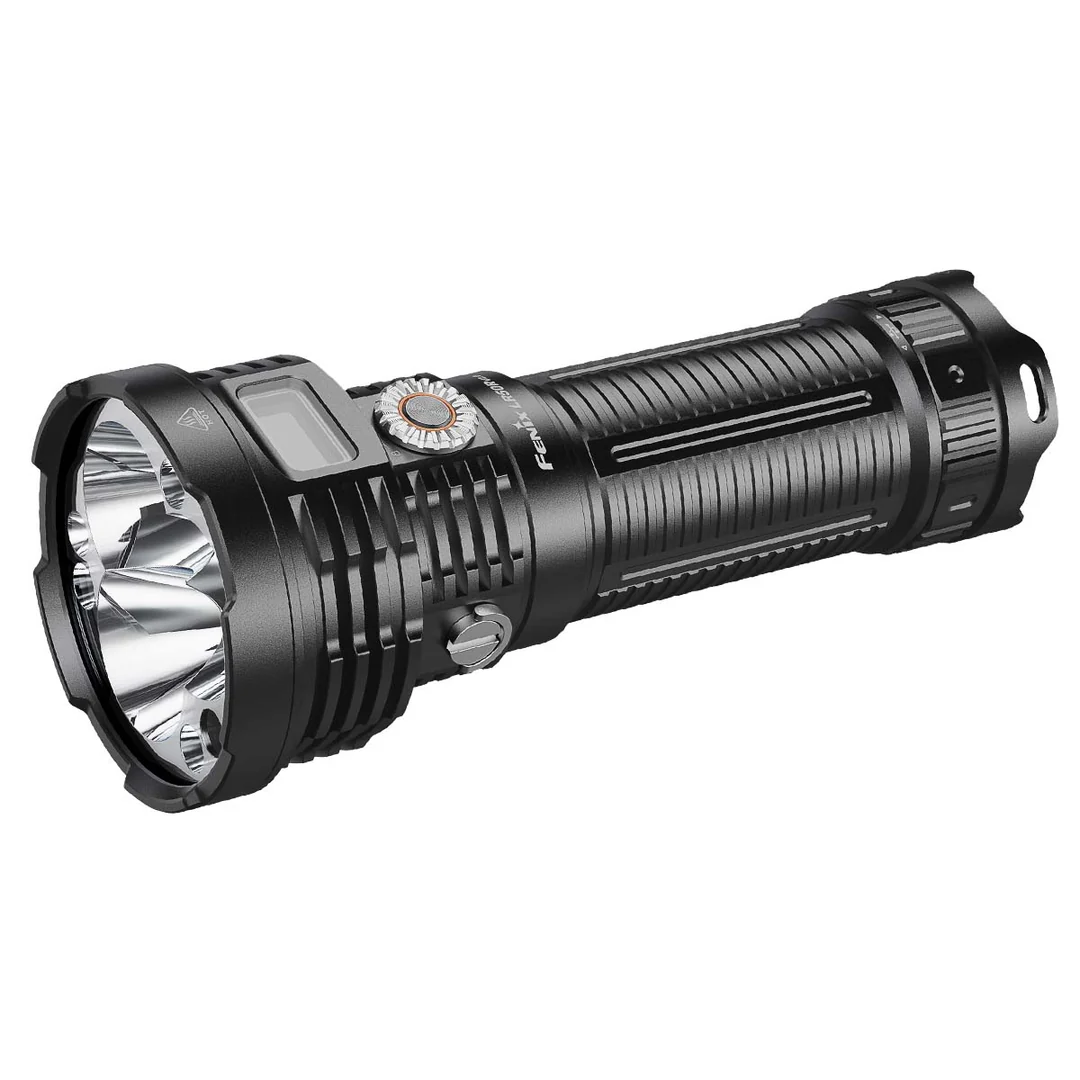
    Fenix Lighting has introduced the LR50R V2.0, and as the name hints, this new flashlight stands as the successor to the older LR50R. The upgrade list is mixed: some improvements are substantial while others carry drawbacks. Output has jumped from 12,000 to 18,000 lumens, yet range has shrunk from 1,040 to 925 yards, resulting in a beam that is broader to illuminate more of the surroundings.

    Design and power

    In a striking departure, the LR50R V2.0 employs a so-called battery stick—an integrated module housing the cell—claimed by Fenix to be a 46950 cylindrical cell. This stick can be removed from the lamp head along with the grip, making it a replaceable yet proprietary battery. The stick also doubles as a power bank, a feature not common on many flashlights. Charging happens via two USB-C ports, one delivering up to 18W (supporting Qualcomm Quick Charge and Power Delivery in 5, 9, and 12 volts) and the other up to 45W via USB PD (15V, 3A). Both ports can be used concurrently, a capability only a few power banks offer. Fenix states the battery reaches full charge in about three hours.

    Performance and usage

    Inside the package, alongside the main white LED capable of spot and flood configurations, there are also UV and red light options for varied tasks. The OLED display is a fresh addition, presenting multiple details in black and white. Runtimes have improved dramatically, with the battery capacity rising to an impressive 115Wh from the prior 58Wh, enabling the extended 195-hour runtime. Airlines typically require special approval for power setups over 100Wh, which applies here due to the enhanced capacity.

    Availability and note

    Officially, Fenix is marketing the LR50R V2.0 in the US for around $370, and it’s available through their official online store. The combination of a higher output, broader beam, longer runtimes, and the unique removable battery stick, along with the added display and extra light modes, marks a notable shift in the product line. Prospective buyers should weigh the benefits of the larger brightness against the reduced range and the proprietary nature of the power container.


    Sources

  • Casio Keyboard Business Declines Quietly

    Casio Keyboard Business Declines Quietly

    Key Takeaway

    – Casio’s sound/keyboard division posted a ¥3.4B loss (about $21M) and essentially flat revenue, signaling a structural profitability issue.
    – The company is cutting costs and restructuring (exit unprofitable markets, online-only in some regions, staff reductions) aiming to break even by FY2029 with a modest 2.1% operating margin on ¥24B revenue.
    – Recovery hinges on Privia line and app-connected experiences, but domestic demand remains weak; overall trend is a slow decline rather than a rebound.

    Casio has long been tied to many people’s first forays into music, from budget keyboards to school rooms around the world. In reading their latest earnings report, it feels a bit uneasy, like watching a familiar friend waver on a long-standing habit. The company’s sound segment, which covers keyboards and digital pianos, posted a loss of ¥3.4 billion (about $21 million) in the last fiscal year. It isn’t just a one-off blip; Casio now presents this as a structural problem, not a temporary one. Revenue for this division came in at ¥21 billion (~$132 million), remaining essentially flat from the prior year. There appears to be no clear route to profitability soon for the vast corporation in Japan.

    To address the issue, Casio’s plan is revealing in its tone. They’re retreating from markets that aren’t profitable and moving some regions to online-only sales. The company is also trimming staff in areas with lower revenue and looking to cut production costs. These moves read like survival measures. The target is to break even by fiscal year 2029, and even that is a modest aim: a 2.1% operating margin on ¥24 billion in revenue. After years of losses, Casio’s ambition seems to be simply stopping the bleed rather than a dramatic turnaround.

    On the product side, Casio is pinning hopes on the Privia digital piano line and new app-connected playing experiences. Whether these efforts can spark real demand in a market that has shrunk for them, including in their home market of Japan, remains uncertain. Taken together, this looks like a slow fade for a brand that once helped shape how a generation learned to play. Not a collapse, but not a strong comeback either. Yet.

    Casio Privia PX-S1100 could be seen as a symbol of their current pivot, though the overall market context remains tough for them.


  • GameSir G7 Pro 8K PC Controller: Another Special Edition

    GameSir G7 Pro 8K PC Controller: Another Special Edition

    Key Takeaway

    – Latest ambassador-backed edition: GameSir G7 Pro 8K PC – Royal2 Edition, a collaboration with Halo World Champion and brand ambassador Royal2.
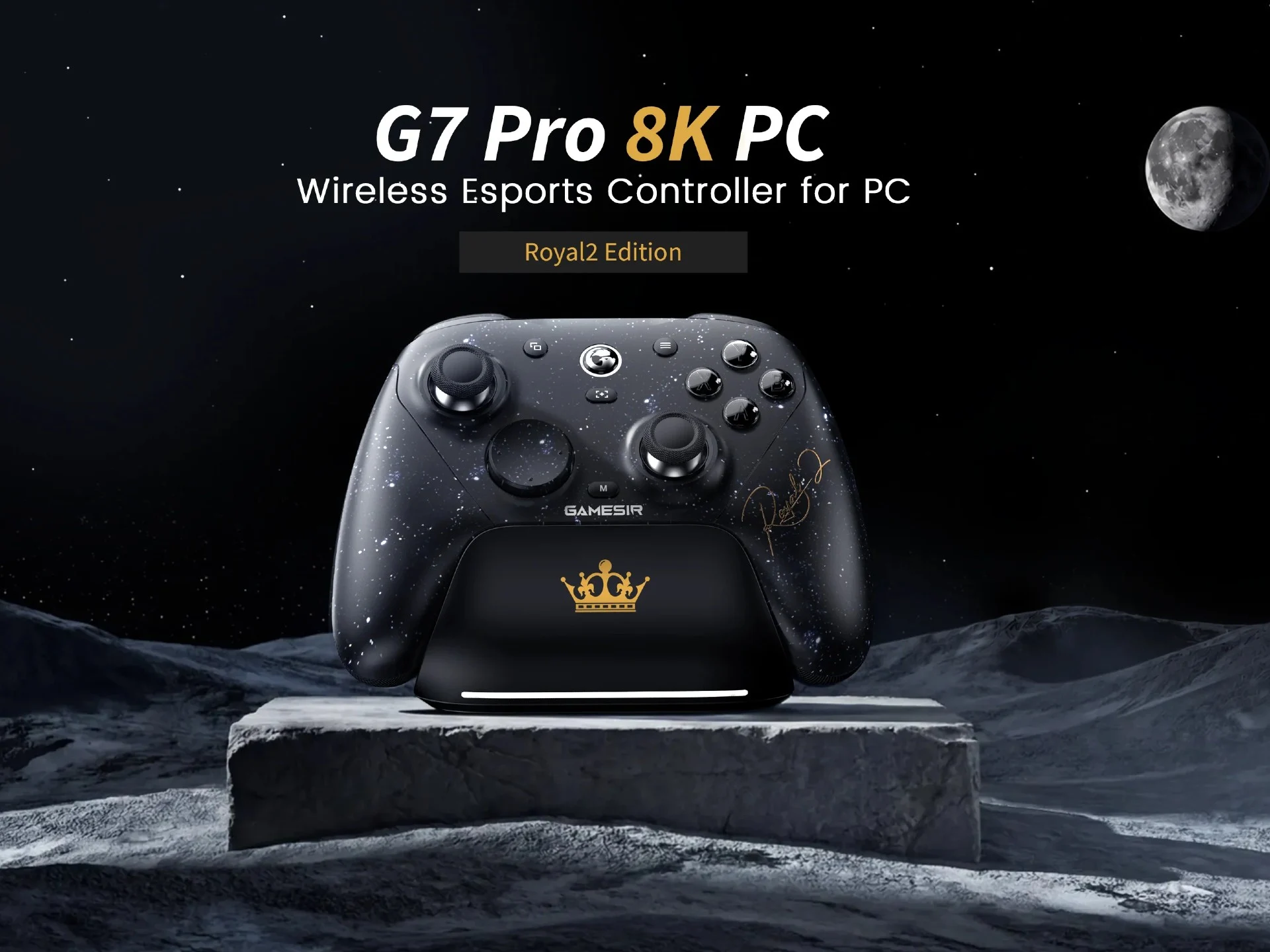
    – Cosmetic design: black with white star-sky specs, gold Royal2 signature on the right grip, crown on the charging dock; includes two extra D-Pads and accessories.
    – Specs and features (same as other G7 Pro 8K PC controllers): Mag-Res TMR sticks, 8000Hz polling rate (wired/wireless), dual-mode trigger stops, four remappable macro buttons, six-axis motion, audio jack, dual rumble motors, three-level turbo, 1200mAh battery.
    – Connectivity and compatibility: 2.4GHz wireless dongle, Type-C cable, cable retainer; PC-only compatibility.
    – Price and availability: pre-order for $89.99.

    GameSir is known for announcing special editions of its controllers that are made in partnership with its brand ambassadors. This year alone, it announced the Teganaria Lite MenaRD Edition and the Tarantula 8K PC – MenaRD Edition, both of which were made in partnership with MenaRD, its Dominican brand ambassador. In late April, it also released the G7 Pro 8K PC Champion Edition which is a partnership with XiaoHai, another of its brand ambassadors. The energy around these launches keeps fans excited and curious about what comes next.

    Edition lineup

    Now, the list has been joined by the launch of G7 Pro 8K PC – Royal2 Edition which is a collaboration with Royal2, a four-time Halo World Champion and GameSir global brand ambassador. The controller is just a cosmetically different version of the GameSir G7 Pro 8K PC Aimlabs Edition, sharing the same core tech but with a distinct look. The Royal2 Edition is black with specs of white that mimic a star-filled sky, and the crown motif is spread across the charging dock, ABXY buttons, and signature ink on the grip. It is priced at $89.99.

    Royal2 Edition visuals

    Beyond looks, the Royal2 Edition carries the same impressive features as its sibling models. It sports second generation GameSir Mag-Res TMR sticks for precision, an 8000Hz polling rate for both wired and wireless modes, dual-mode trigger stops, four remappable macro buttons, and six-axis motion control for versatile input. An audio jack, dual asymmetric rumble motors, a three-level turbo function, and a 1200mAh battery add to its performance and endurance, making it a genuine high-end tool for serious players.

    Pricing, inclusions and compatibility

    The G7 Pro 8K PC – Royal2 Edition is available to pre-order for $89.99. It comes with two additional D-Pads, a 2.4GHz wireless dongle, a Type-C cable, and a cable retainer to keep things tidy during setup. This edition is compatible with PC only, which means gamers who use other platforms would need to consider compatibility needs ahead of purchase.

    • Two additional D-Pads
    • 2.4GHz wireless dongle
    • Type-C cable
    • Cable retainer

    GameSir continues to push product lines with ambassadors and limited edition collabs, showing how hardware can blend pride, performance, and personality into one package that feels personal for players and collectors alike. Every new drop brings a story about the ambassador partnership, the design choices, and the tested performance behind the scenes, which keeps the community talking and the company listening. GameSir

    Sources
  • Intel Core i9-14900KF hits 9.2GHz, world record CPU frequency

    Intel Core i9-14900KF hits 9.2GHz, world record CPU frequency

    Key Takeaway

    – New world record: 9.2 GHz single-core on Intel Core i9-14900KF, beating the 9.1 GHz mark from August 2025, achieved with extreme voltage and sub-zero liquid helium cooling.
    – Not sustainable for everyday use: frequencies are for validation runs lasting only seconds, with a single P-core enabled and no power limits.
    – Stock performance note: the 24-core 14900KF can boost to about 6 GHz on stock settings (all-core).
    – Historical context: AMD previously led frequency records with LN2/helium cooling (FX-8370 era); Intel reclaimed the crown with Raptor Lake, highlighting advances in silicon binning and extreme cooling.

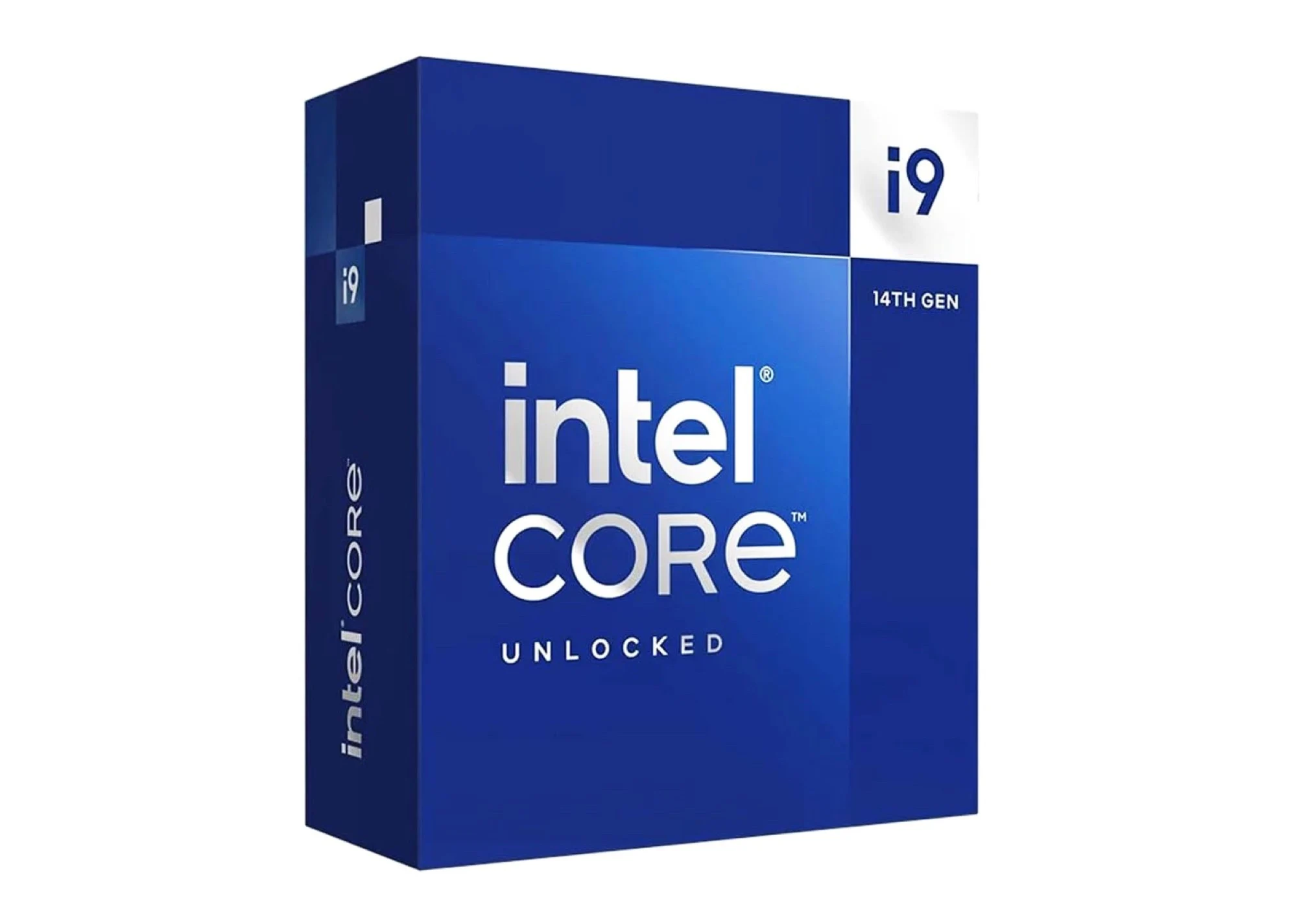
    An Intel Core i9-14900KF has set a new benchmark for desktop CPU overclocking, reaching 9.2GHz and surpassing the previous 9.1GHz world record established in August 2025. The new record, apparently set a few weeks ago, relies on extreme voltage adjustments and sub-zero liquid helium cooling that are far outside the scope of everyday PC use. Before that, the Intel Core i9-13900K was the first consumer processor to cross the 9GHz mark.

    Record-breaking system:

    For years, AMD held the CPU frequency world record with heavily overclocked AMD FX-8370 and other FX-series chips dominating the rankings with liquid nitrogen and helium cooling. Intel only managed to reclaim the crown with its Raptor Lake processors. On stock settings, the 24-core 14900KF can boost to 6GHz.

    Technical notes and validation

    The achievement highlights how far modern silicon binning and extreme cooling techniques have progressed, although such frequencies are only sustainable for validation runs lasting seconds. The overclock was performed with just a single P-core enabled and power limits removed entirely to maximize single-core frequency potential. HWBot, CPU-Z Validator


    Sources

  • Porsche Cuts: 500 Jobs Axed, E-Bike Division Shut Down

    Porsche Cuts: 500 Jobs Axed, E-Bike Division Shut Down

    Key Takeaway

    – Porsche is closing three subsidiaries, cutting over 500 jobs, including winding down Porsche eBike Performance GmbH (about 350 roles in Ottobrunn and Zagreb); e-bikes will be built by Rotwild in Germany going forward.
    – The battery subsidiary Cellforce Group in Kirchentellinsfurt is permanently closed, eliminating about 50 positions.
    – Software unit Cetitec is shutting down, affecting around 60 jobs in Pforzheim and 30 in Croatia (≈90 total).
    – CEO Michael Leiters is streamlining to focus on manufacturing sports cars; Car IT will be dissolved and integrated into general vehicle development from July; executive board reduced from eight to seven divisions.
    – The restructuring is driven by weak demand, notably in China, and new US tariffs, reflected in a significant Q1 2026 result slump.

    Porsche is pushing a broad realignment of its business strategy, tightening its grip on several operations. The Stuttgart-based automaker is shutting down three subsidiaries, a move that will cost more than five hundred jobs. Central to these cuts is the end of its own e-bike venture. Porsche eBike Performance GmbH will be wound down completely, and the impact touches roughly 350 employees in Ottobrunn near Munich as well as staff in Zagreb, Croatia. The decision signals a tighter focus on core auto manufacturing.

    Strategic realignment underway

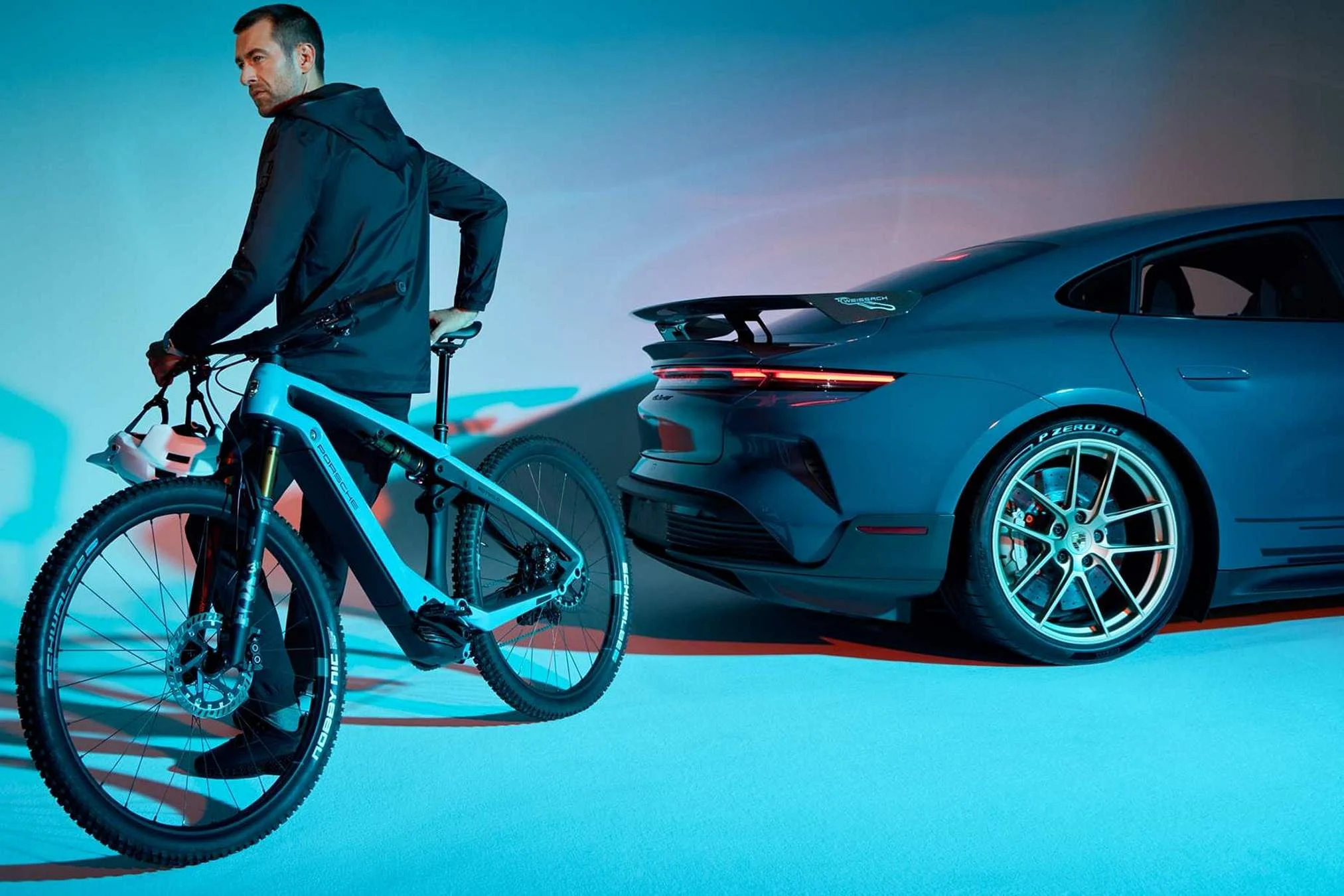
    Although bicycles bearing the Porsche logo will still be offered, their production will be handed over entirely to Rotwild, the German partner, moving forward. This marks a shift away from in-house engineering toward contract assembly, changing how the brand approaches its two-wheeled lineup and leaving uncertainty about future product development. Some fans might still see the Porsche crest on frames, but the work behind them will be done elsewhere henceforth.

    Divisions affected and rationale

    Beyond the e-bike division, two other companies are affected by the cuts. The battery unit Cellforce Group in Kirchentellinsfurt will close permanently, erasing around 50 positions. Battery production there had largely been halted last year, which adds context to the closure. Software firm Cetitec, specializing in data communication, is also being shuttered. This brings about roughly 60 job losses in Pforzheim and about 30 more in Croatia.

    Leadership and market implications

    CEO Michael Leiters is driving the streamline of the group for greater efficiency, refocusing strictly on manufacturing high-performance sports cars. Leiters described the cuts as an essential foundation for a successful realignment. With these steps, Porsche is reacting to a pronounced drop in its first quarter results for 2026. The balance sheet is weighed down by slumping demand in the critical Chinese market and by new tariffs from the United States. The restructure even touches the executive suite, with the Car IT department to be dissolved and folded into general vehicle development starting in July.

    Sources
  • Cybertruck-Style Robotic Mower: AWD, Dual Mowing, 40% Off

    Cybertruck-Style Robotic Mower: AWD, Dual Mowing, 40% Off

    Key Takeaway

    1. Crowdfunding momentum and pricing: Kickstarter raised nearly €200k; backers from $1,899; MSRP $2,999 (37% discount) with bundle savings up to 40%; global shipping expected August 2026.
    2. Power and mowing capability: up to 6 hours runtime with expandable battery; covers up to 4,000 m2; 42 cm cutting width with a dual-blade system (two discs holding six blades each or two large blades).
    3. Navigation and sensing: RTK + VSLAM + NRTK for navigation; AI-driven QuadVision with front left/right cameras for obstacle detection.
    4. Mobility and terrain handling: all-wheel drive; front wheels pivot up to 180°; can tackle slopes up to 90% (42°).

    At CES 2026 in Las Vegas earlier this year, one reveal stood out as among the most impressive in the robotic lawnmower arena. The Goko M6 has moved closer to its official launch, with a Kickstarter campaign now live and reported to have raised nearly €200,000 so far, drawing curious backyard tinkerers.

    Overview

    For those willing to take the plunge—though crowdfunding campaigns carry inherent risks—the backing starts at $1,899 (approx. €1,616). The official MSRP is stated as $2,999, which translates to a 37% discount, while various bundle deals advertise savings of up to 40%. Global shipping isn’t scheduled to begin until August 2026, meaning deliveries will arrive toward the tail end of the gardening season.

    Pricing & Availability

    Visually, the Goko M6 makes a strong statement. The robotic mower sports a bold, brutal-looking silhouette that channels Tesla’s Cybertruck in a way that’s hard to ignore. Its technical specifications read promising on paper, yet real‑world testing will be the true test, and early impressions are still awaiting hands‑on experiences from users.

    Design & Specifications

    Note that prices and availability can change and may vary by region or retailer, and discount windows are time-limited. The information is provided as current at the time of writing, but future changes, stock levels, regional variations, or supply chain shifts could easily alter the deal landscape for this mower. Readers should verify with sellers before ordering.

    Notes

    Manufacturer claims the mower can run up to six hours thanks to an expandable battery and is designed to cover up to 4,000 square meters of lawn. It uses a dual‑blade system with a 42 cm cutting width, and can be configured with either two cutting discs holding six blades each or two large blades, depending on the task.

    Performance & Navigation

    For navigation, the maker relies on RTK and VSLAM, with NRTK support as well. At the front, two cameras—left and right—combine to form an AI‑driven QuadVision system for obstacle detection. With all‑wheel drive and front wheels that can pivot up to 180°, the Goko M6 is claimed capable of handling slopes up to 90% (42°).

    Kickstarter Update

    The project is moving ahead on Kickstarter, drawing attention from enthusiasts who want a premium robotic mower with advanced navigation and rugged styling, and buyers weighing the trade offs between faster delivery and the price tag. If you like bold looks and strong technical specs, this campaign is worth watching, promising updates and possible future refinements via Kickstarter


    Sources

  • Pwn2Own Berlin 2026: Windows 11, Microsoft Exchange Hacks

    Pwn2Own Berlin 2026: Windows 11, Microsoft Exchange Hacks

    Key Takeaway

    – Total prizes exceed $908,000 for 39 zero-days across Windows 11, Exchange, Edge, RHEL, Nvidia infrastructure, and AI platforms, with Day 3 results pending.
    – Orange Tsai (DEVCORE) was the standout, earning $175,000 on Day 1 for four Edge sandbox-escape bugs and $200,000 on Day 2 for a fully patched Exchange Server RCE (highest so far).
    – Windows 11 was breached across multiple days, with AI-related targets (Cursor AI, OpenAI Codex, etc.) also heavily featured.
    – Event hit capacity for the first time in its 19-year history, with over 150 researchers turned away; vendors get 90 days to patch disclosed flaws.

    Pwn2Own Berlin 2026 is wrapping up today at the OffensiveCon conference, and across two confirmed days the numbers is significant. Researchers have collected over $908,000 in prizes after demonstrating 39 unique zero-day vulnerabilities across Windows 11, Microsoft Exchange, Microsoft Edge, Red Hat Enterprise Linux, Nvidia infrastructure, and a string of AI platforms. Day 3 results are still to come.

    Overview

    Day 1 paid out $523,000 across 24 zero-days. The standout was Orange Tsai of the DEVCORE Research Team, who chained four logic bugs to escape the Microsoft Edge sandbox and earn $175,000 in a single demonstration. Windows 11 was hacked three separate times by three independent researchers, each earning $30,000 for privilege escalation zero-days. Valentina Palmiotti of IBM X-Force collected $70,000 across two separate exploits targeting the NVIDIA Container Toolkit and Red Hat Linux. The AI category was equally active: LiteLLM, OpenAI Codex, NVIDIA Megatron Bridge, Chroma, and LM Studio all fell on Day 1.

    Day totals and exploits

    Day 2 paid out $385,750 across 15 zero-days. Orange Tsai appeared again, this time chaining three bugs to gain remote code execution with SYSTEM privileges on a fully patched Microsoft Exchange Server, the single highest-earning exploit of the competition so far at $200,000. Windows 11 was hacked again on Day 2, as was the Cursor AI coding agent. OpenAI Codex was also targeted for a second time by a different researcher. The event hit capacity for the first time in its 19-year history, with over 150 researchers turned away due to scheduling limits, and some choosing to drop zero-days publicly rather than waiting for next year.

    Attendance and patch policy

    All vendors have 90 days from disclosure to patch the flaws demonstrated at Pwn2Own. This rule applies regardless of the vendor’s size or how critical the bug might be, and organizers warn that delayed patches could leave users exposed during the post-disclosure window. The event showcases the accelerating pace of security research, while also reminding vendors to keep patch processes tight, tested, and transparent, so the next Berlin edition builds on lessons learned this year.

  • Citizen Eco-Drive Watch: New Soccer-Inspired Colorful Design

    Citizen Eco-Drive Watch: New Soccer-Inspired Colorful Design

    Key Takeaway

    – New Citizen x Disney Mickey Mouse Goalie AW1656-08W released in the US and Canada; 44 mm soccer-inspired design by Disney artists John and Shelley Loter.
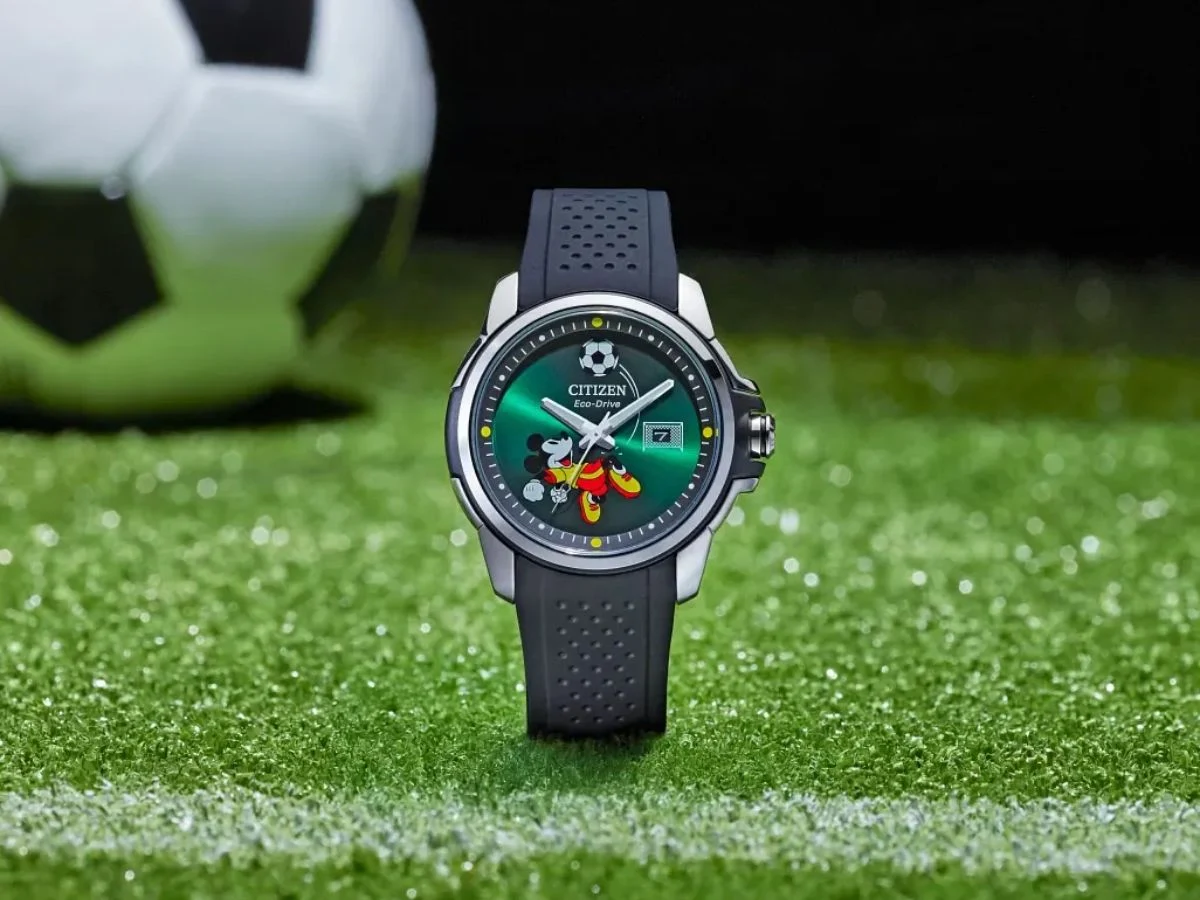
    – Dial details: dark green sunburst dial with Mickey in a red/yellow soccer kit kicking a ball; date display inside a soccer net at 3 o’clock; three hands.
    – Construction and movement: polished silver-tone stainless steel case with black bezel/crown accents; perforated leather strap; J810 Eco-Drive movement powered by any light; 100 m water resistance.
    – Availability and pricing: US $375; delivery as early as May 20 (US) or June 1–15 via Amazon; Canada CA$495 at the Citizen store; Europe release TBD.

    A new Citizen x Disney watch has been released in the US and Canada. The Mickey Mouse Goalie timepiece, also known as model AW1656-08W, has a soccer-inspired design from Disney artists John and Shelley Loter. This collaboration blends practical timekeeping with playful character styling, appealing to collectors and fans alike, and it represents one of Citizen’s more ambitious Disney partnership in recent years.

    Overview

    Citizen’s Mickey Mouse Goalie watch has a dark green dial with a sunburst finish. It features a picture of the cartoon character in a red and yellow soccer kit kicking a ball in the air. The face features three hands, and a date display can be found inside a soccer net in the 3 o’clock position. The Citizen AW1656-08W’s dial is surrounded by a polished silver colored stainless steel casing, measuring 44 mm (~1.73 inches) in diameter. The bezel is accented in black and the crown is matched, and the watch comes with a sporty looking leather strap with perforations. The model is equipped with a J810 Eco-Drive movement, powered by any indoor or outdoor light source. Plus, it is water resistant to 100 m, meaning you could wear it while swimming or showering.

    Details

    You can now buy the Citizen Disney Mickey Mouse Goalie AW1656-08W watch at the Citizen online store in the US for $375. Delivery as early as May 20th is offered. The watch is listed at the brand’s store at the same price, with an estimated delivery window of June 1st to 15th. In Canada, it retails for CA495 at the Citizen store, and there is no confirmed European release yet.

    Availability & Notes

    Citizen continues to surprise with collaborations that blend sport vibes and character design, hoping to attract fans who cares about both accuracy and whimsy. Whether or when the timepiece could be released in Europe remains to be seen, but the AW1656-08W stands as a notable example of crossovers between athletic aesthetics and precise Eco-Drive technology.


    Sources

  • Lenovo Global 16-Inch ThinkPad with 120 Hz Display

    Lenovo Global 16-Inch ThinkPad with 120 Hz Display

    Key Takeaway

    – Lenovo launched the ThinkPad P16s i Gen 5 in Europe and Australia, and started selling the cheaper ThinkPad E16 Gen 3 in Europe based on Intel’s Lunar Lake platform.
    – The E16 Gen 3 in Europe uses an 8‑core Core Ultra 7 256V with Arc Graphics 140V, but is limited to 16 GB of RAM due to Lunar Lake packaging.
    – Storage options are 256 GB, 512 GB or 1 TB; batteries available in 48 Wh or 60 Wh (the 60 Wh option adds a small surcharge); displays include a default 1200p/60 Hz/300 nit 45% NTSC and an optional 1600p/120 Hz/400 nits with 100% sRGB.
    – Pricing and availability: UK from £1,126.99; Australia AUD 1,412 for the base config; Eurozone €1,208–€1,334; North America availability/pricing not confirmed; PSREF appearance suggests broader rollout.

    Lenovo has just released the high-end ThinkPad P16s i Gen 5 in Europe and Australia. At the same time, it has started selling the cheaper ThinkPad E16 Gen 3 based around Intel’s Lunar Lake platform. The latter’s appearance on Lenovo’s PSREF website in February suggests that the laptop will eventually be available in other markets, such as North America. In a sense, rollout plans vary a bit by region, and sometimes the timing for different SKUs disagrees from place to place, which might confuse some buyers.

    Market rollout

    In Europe, Lenovo has begun selling the laptop with a Core Ultra 7 256V processor. An 8-core part from Intel’s older Lunar Lake platform, the Core Ultra 7 256V outperforms the ThinkPad E16 Gen 3 that we have already reviewed (curr. $999 on Amazon) thanks to the former’s Arc Graphics 140V iGPU. The inclusion of the Core Ultra 7 256V limits the ThinkPad to 16 GB of RAM though, with Intel including RAM on Lunar Lake packages. The chioce of the 256V model signals a focus on compact performance while keeeping costs in check for Europe.

    Hardware and performance

    Additionally, the ThinkPad E16 Gen 3 finds itself with 256 GB, 512 GB or 1 TB of storage. Also, Lenovo includes 48 Wh or 60 Wh batteries, the latter of which carries a small surcharge. By default, the laptop comes with a 1200p, 60 Hz and 300 nit IPS display that covers a mere 45% of the NTSC colour space. However, Lenovo also sells a 1600p alternative that offers 100% sRGB colour space coverage with 400 nits peak brightness and a 120 Hz refresh rate. The overall balance between display options, battery choices, and price makes it a mixed bag for buyers with varied needs, and that variability may lead to some confusion among retailers too.

    Display and power options

    The ThinkPad E16 Gen 3 starts at £1,126.99 in the UK for almost a £300 discount on the similarly-equipped ThinkPad T16 Gen 4. By contrast, Lenovo charges AUD 1,412 in Australia for the same entry-level configuration featuring a Core Ultra 7 256V processor, 16 GB of RAM and 256 GB of storage. At the time of writing, the same configuration retails for between €1,208 and €1,334 in the Eurozone. Lenovo has not confirmed North America availability or pricing for the time being