Category: All News

  • New PDA with Solar Charging and Physical Keyboard

    New PDA with Solar Charging and Physical Keyboard

    Key Takeaway

    – DIY Orion PDA: a modern, offline Personal Digital Assistant project with potential crowdfunding if there’s interest.

    – Hardware and power: low-power STM32U SoC, 536×366 non-color LCD, integrated solar cell in the lid for extended battery life, microSD storage, USB-C for charging and data syncing.

    – Input/output: QWERTY keyboard, microphone for voice notes, headphone jack.

    – OS and connectivity: cannot run Android; lacks cellular connectivity by design, trading broad app ecosystem for security and offline use.

    The abbreviation PDA may not be entirely unfamiliar today, but it is no longer commonly used. It stands for Personal Digital Assistant, meaning a mobile system with functions such as a calendar, notebook, and address book, but without cellular connectivity. PDAs have more or less been made obsolte by smartphones, so the Orion PDA is likely more of a project for enthusiats. However, there could be practical reasons to use a PDA like this. The lack of network connectivity out of the box could also be an advantage in terms of securty.

    PDA History and Orion Project

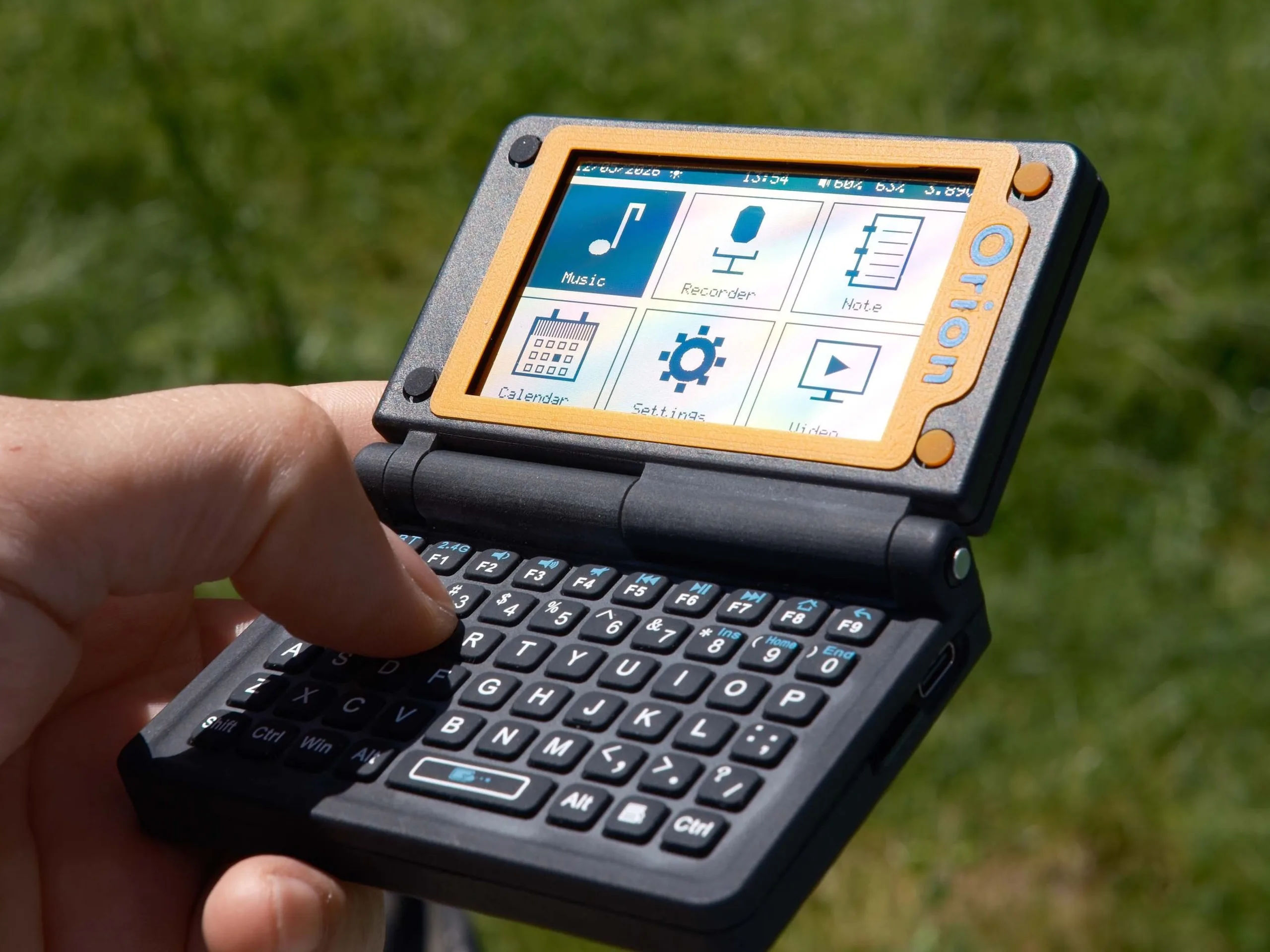
    The Orion PDA is a DIY project that could potentially be made available to a wider audience through crowdfunding if there is enough interest. It uses an LCD that does not support color output and has a fairly low resolution of 536 x 366 pixels. In return, it is said to require very little power and should remain easy to read in sunlight. A solar cell is integrated into the lid, which could significantly extend battery life even without charging. Pricing is not provided in the brief, which means readers must rely on other details to measure practicality.

    Display and Power Notes

    It uses an STM32U SoC, which should not consume too much power. Naturally, a complex operating system like Android is not feasible on this hardware. There is a headphone jack. A microphone can be used to record voice notes. Larger amounts of data can also be stored on a microSD card. The USB-C port can be used not only for charging and firmware updates but also for syncing data. Text should be relatively quick to enter thanks to the QWERTY keyboard.

    Sources

  • Steam Machine price over $1000 Valve readies release-date bundles

    Steam Machine price over $1000 Valve readies release-date bundles

    Key Takeaway

    – Price uncertainty: leaks suggest Steam Machine could exceed €1,000 (~$1,160) for a bundle with a mini PC and Steam Controller.
    – Possible alternatives: backend hints could also point to the Steam Frame VR headset with a rumored MSRP of $800–$1,000.
    – Configurations and flexibility: multiple SKUs (512GB/2TB SSDs) and Steam Controller variants, with pricing potentially adjustable in the UI due to memory shortages.
    – Mixed expectations: some support a lower-end target around $600–$650, while the overall trend hints at a higher price and a release date getting closer.

    Even as leaks suggests the Steam Machine release date is approaching, estimates of its cost vary widely. The discovery on Valve’s backend won’t calm gamers anxious about a high price. However, the code could refer to a bundle with the mini PC and the Steam Controller, a deal that sounds good for some buyers.

    Leaked Clues

    Discussed on Reddit, Steam Tracking found traces of a reservation queue for Valve hardware. Formatting in a few lines implies the Steam Machine price will exceed 1000 euros. Converted to USD, that figure becomes an imposing $1160. Some commenters noted the log could be misread, but the numbers stay firm.

    Price Guesswork

    Since the site doesn’t mention the product by name, it could also be referring to the Steam Frame. Fewer leaks about the upcoming VR headset’s MSRP circulate, but $800-$1,000 is a popular guess. Its maker indicated that it would be less expensive than the discontinued $999 Valve Index kit, a claim some doubt.

    VR Headset Tie-ins

    Perhaps a more likely explanation is a bundle that stretches buyers’ wallets. It’s known that gamers will be able to choose from versions of the Linux system with 512GB and 2TB SSDs. Accounting for two more SKUs could be variations of each with the recently debuted Steam Controller, a pairing that will complicate choices.

    Bundles and SKUs

    Some Redditors point out the code may also be written with flexibility in mind. Amid the memory shortage, Valve reportedly considered various responses. As configured, the site’s UI would accept a range of Steam Machine prices, which hints that the final cost might wobble depending on stock, demand, and unseen factors.

    UI and Market Reactions

    Regardless of the reason, the discovery adds uncertainty ahead of the hardware’s release date. Even though the manufacturer said it would mirror an increasingly costly gaming PC, asking $1000 invites criticism. Still, not all insiders see worst-case scenario, and some whisper the frame might ship sooner than skeptics expect, if only quietly. Steam Machine subreddit, Steam Tracking@GitHub

    Sources
  • ROG Xreal R1 AR Glasses Release Date for Europe & North America

    ROG Xreal R1 AR Glasses Release Date for Europe & North America

    Key Takeaway

    – Asus/ Xreal unveil the ROG Xreal R1 AR glasses with pre-orders starting May 17 in Europe and North America; release this summer; price and whether the ROG Control Dock is bundled are not yet disclosed.
    – Key specs include Micro-OLED displays at 240Hz with 0.01ms response, up to a 171-inch virtual screen, and a 57° field of view, plus native 3DoF head tracking and Auto Transparency.
    – Compatible with ROG Ally handhelds, PC, and consoles; brightness, weight, and dimensions have not been revealed.
    – Competes with Lenovo Legion Glasses Gen 2 (120Hz, up to 126-inch screen, USB-C), which are priced at $249.99; the ROG Xreal R1 may cost more due to higher refresh rate and larger virtual screen.

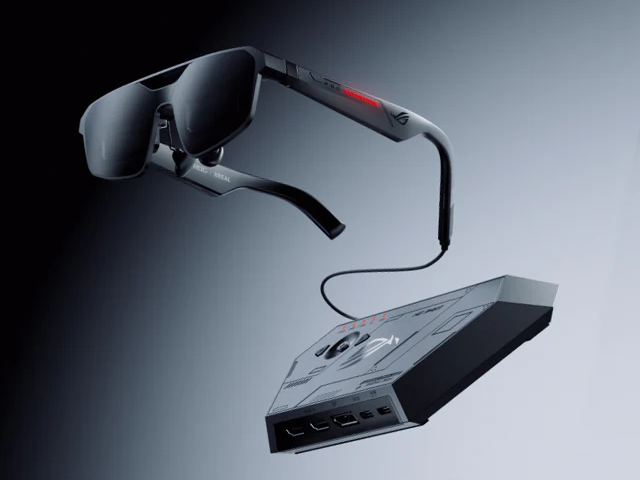
    Back at CES earlier this year, Asus showed off a pair of AR glasses made in collaboration with Xreal. Called the ROG Xreal R1, the device will soon be available to pre-order ahead of its release this summer. The reveal painted a picture of a hybrid device meant to bridge gaming and augmented reality without demanding a gaming desktop to function. The move felt bold, pairing gaming pedigree with mobile AR in a compact form factor that could fit into living rooms and on the go. Enthusiasts and critics alike awaited more concrete details.

    CES reveal and collaboration

    According to a post on X by Xreal, the ROG Xreal R1 will be released in Europe and North America, and interested buyers will be able to pre-order the glasses starting on May 17. Sadly, there’s still no price yet. It is also not clear whether the glasses will come bundled with the ROG Control Dock shown in the image, or if it will be sold separately.

    Preorder details and price uncertainty

    On the spec sheet, the ROG Xreal R1 packs Micro-OLED displays rated at 240Hz with a 0.01ms response time. It can render up to a 171-inch virtual screen while offering a 57° field of view. There’s also native 3DoF support with head tracking and Auto Transparency, giving users a sense of passthrough brightness when needed.

    Specs and unannounced details

    The Asus ROG Xreal R1 glasses are compatible with handhelds such as the ROG Ally series, PC, and console. However, there are still a handful of features that have not yet been revealed such as the brightness, weight, and dimensions. Nevertheless, with the launch of the ROG Xreal R1, Asus can now take on Lenovo’s Legion Glasses Gen 2 which have a 120Hz refresh rate, can display up to a 126-inch screen, and are compatible with any device that has a USB-C video output such as the Legion Go handhelds. With the higher refresh rate and larger virtual screen size of the ROG Xreal R1, there’s a chance they will cost more than the Legion Glasses 2 which are available for $249.99. Xreal; Xreal on X

    Sources
  • Asus ROG Zephyrus Duo GX651 Review: Unique but Expensive

    Asus ROG Zephyrus Duo GX651 Review: Unique but Expensive

    Key Takeaway

    – Dual 16-inch OLED touchscreens with a removable keyboard and stylus support enable versatile multitasking, backed by improved battery life.
    – RTX 5090 delivers strong gaming performance at max details, with quieter modes available (sound trade-offs at full power).
    – Premium price (~$5,500) and upgrade limitations: memory soldered to 64 GB (128 GB only on the Core Ultra 9 386H with SO-DIMM); no Thunderbolt 5.
    – Fast storage options with PCIe 5.0 SSD out of the box and a second M.2 PCIe 4.0 slot, but RAM expansion paths remain constrained.

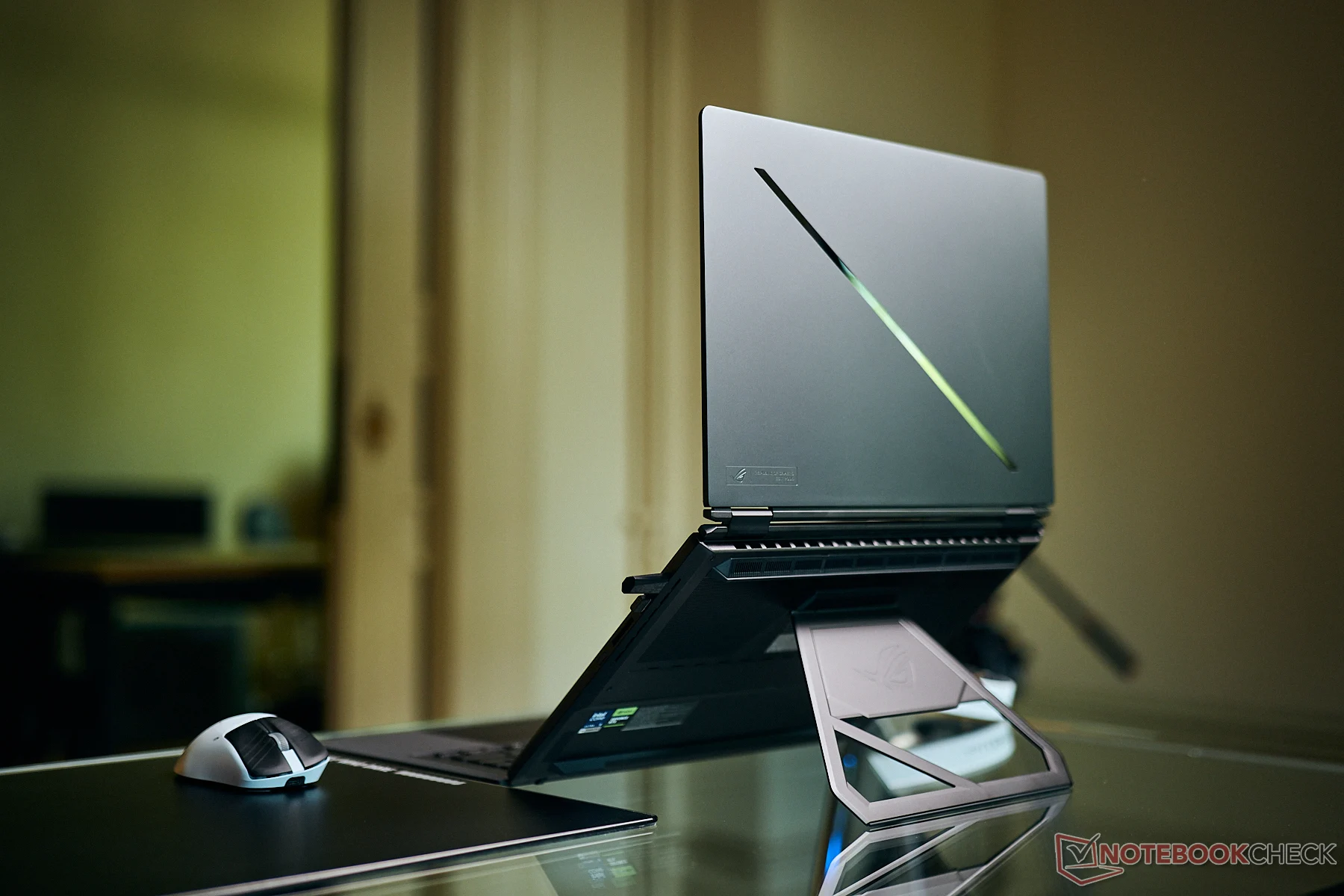
    Some laptops have a certain wow-factor, perhaps because of a very low weight, high performance or because they are just very unique. The new Asus ROG Zephyrus Duo is one of these devices and impressed with high performance figures as well as perfect multitasking with two 16-inch OLED touchscreens during our review. Thanks to a removable keyboard and stylus supports, the usage scenarios are very versatile and the Zephyrus Duo GX651 is an unrivaled package right now, but it also comes with a corresponding price tag. The SKU with 32 GB RAM, 1 TB SSD storage and the RTX 5090 retails for $5,500.

    Dual-Screen Prowess and Price Tag

    Even though the new concept sacrifices some performance compared to the previous model from 2023, there are massive advantages in terms of multitasking, because you can use two identical screens and you simply notice that Asus has plenty of experience with dual-screen devices for a smooth user experience. The battery runtimes are also significantly improved and the new Asus Pen 3.o also worked flawlessly during our tests.

    Performance versus Efficiency Trade-Offs

    The gaming performance is obviously also very good and the RTX 5090 also handles demanding games at highest details without any issues. If you use the maximum performance, you will obviously hear the two fans, but you can also use quieter operating modes if you want. This part of the test showed that the GPU headroom exists, yet the system remains practical for everyday use in balanced settings.

    Drawbacks Spark the Price Consideration

    However, there are also some drawbacks, and they are suprising considering the high price. The Panther Lake processor from Intel has a bigger focus on efficiency, which results in a comparatively low multi-core performance. Asus also decided to use soldered memory, so the limit is 64 GB. The Core Ultra 9 386H, however, can also be combined with regular SO-DIMM modules, which would increase the maximum capacity to 128 GB. If you purchase such a specialized device you would probably benefit from more RAM as well. Asus does not implement Thunderbolt 5, either, which is a shame. You do get a fast PCIe 5.0 SSD out of the box, though, and there is a second M.2-slot (PCIe 4.0) if you want to expand the storage capacity.

    A Final Note on Build, Specs and Expandability

    To wrap things up, the Zephyrus Duo GX651 clearly emphasizes its wow factor through the two OLED touchscreens and the unusual keyboard detour, while delivering a surprisingly complete package for multitasking and gaming alike. The PCIe 5.0 SSD comes ready out of the box, with an extra M.2 slot (PCIe 4.0) waiting if you want to expand memory or storage further, things considered. Still, the price will remain a hurdle for some buyers and the two-screens setup remains the defining trait that makes this device stand out in its class. And yet the optional upgrades and dual screens make it a unique choice in its class.


    Sources

    • Anbernic RG DS: New Linux OS, no Android uninstall needed

      Anbernic RG DS: New Linux OS, no Android uninstall needed

      Key Takeaway

      – Anbernic RG DS can boot a new Linux OS from a microSD card without erasing the preinstalled Android, an update after shipping with Android 14.
      – Installation method: use a microSD card of at least 64GB, flash the Linux image, insert the card to boot into Linux; to return to Android, power off, remove the card, and power on again.
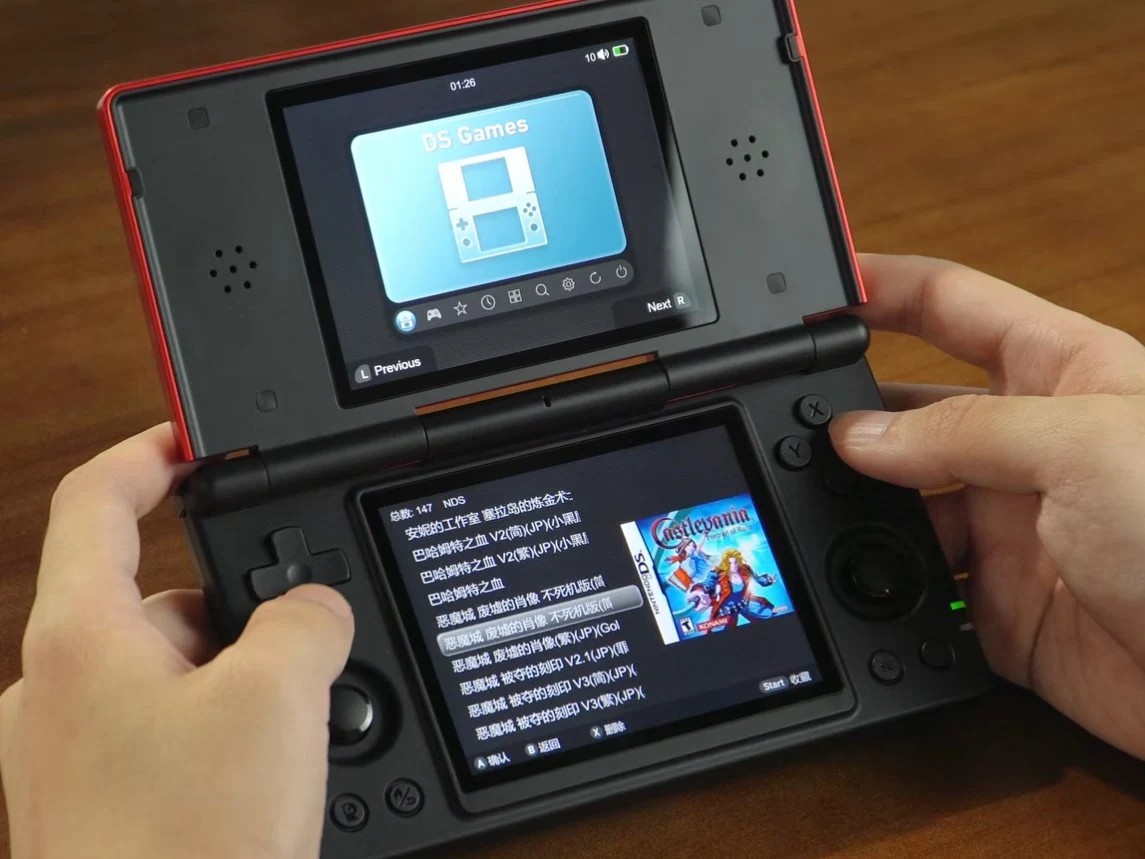
      – Linux OS features: three themes (DS Dark, DS Light, Classic); independent screen brightness; swap content on each screen; custom fonts; new button test interface; secondary screen shows platform icons for single-screen games.
      – Availability and access: Linux OS is downloadable from the provided source link and includes the tools to flash it; the RG DS is listed on Amazon for $124.99.

      Anbernic has released handhelds that ship pre-installed with either Android, Linux, or both as is the case with the RG Vita Pro. However, what is unusual is for it to launch a device with one operating system, and then release a different operating system later that users can manually install, which is what it has done with the RG DS. The approach keeps buyers guessing and curious about what will come next.

      Background

      The Anbernic RG DS ships with Android 14 out of the box. Unfortunately, the software experience leaves a lot to be desired such that people have to resort to installing a custom firmware such as GammaOS. Now, Anbernic has released a Linux OS for the RG DS, that users can install without erasing the preinstalled Android OS.

      Linux OS Details

      The features of the new Linux OS as well as how to install it on the RG DS, priced at $124.99, have been detailed in a video. According to the video, users can flash the new OS onto a microSD card with a capacity of at least 64GB. Once done, simply insert the microSD card into the device, and it will boot into Linux instead of Android. To switch back to Android, power off the device, remove the microSD card, and power it on again.

      Within the Linux OS, you can choose from three themes — DS Dark, DS Light, and Classic — and it brings a handful of practical tweaks that sharpen the handheld’s usability. Independent screen brightness adjustments let you calibrate each display separately, you can swap the content on each screen to suit the game you are playing, you can load custom fonts, and there is a new button test interface to verify input.

      Additionally, the OS design considers multi-screen gaming. When you are playing a single-screen title, the RG DS’s secondary display automatically shows an icon that corresponds to the platform being emulated, for example a PlayStation controller icon for PS1 games or a Game Boy Advance emblem when you enjoy a GBA title. This cue helps players recognize the game family at a glance, even while focusing on action.

      Features and UX

      The Linux OS package is available to download in the referenced location, and it includes the software needed to flash the OS onto a microSD card. For those who want to experiment, the bundle provides flashing tools and a concise guide that walks you through copying the system image, preparing at least a 64GB card, and mounting it so the device boots Linux rather than Android. No data on Android gets erased during the switch.

      Anbernic has a YouTube presence where the maker posts updates, demonstrations, and tips for the RG DS. Viewers can watch hands-on runs of the Linux install, see how the themes change the interface, and get practical advice for maintaining the device alongside Android. The videos add context to the written guides and help new owners get up and running.

      In summary, Anbernic’s RG DS opens doors to dual-OS flexibility with a path from Android 14 to Linux without erasing the original setup. The Linux option, priced at $124.99, ships with three themes and features tailored for portable gaming and power users alike, while the boot-from-microSD approach keeps the change reversible. Fans should stay tuned for fresh tweaks and enhancements as this line evolves.

      Sources
    • INIU SnapGo Air: Magnetic Aluminum Body, 45W Fast Charging

      INIU SnapGo Air: Magnetic Aluminum Body, 45W Fast Charging

      Key Takeaway

      – MagSafe-style, Qi 2.2-compatible powerbank: 25W wireless charging or 45W wired via USB-C, 10000 mAh slim aluminum shell.
      – Premium features: two USB-C ports, mini LED display, and INIU Temp Guard protection for safe cell handling.
      – Dual-purpose lanyard included; six color options: Space Gray, Lunar Silver, Metallic Mocha, Soft Lilac, Sunset Orange, Midnight Navy.
      – Not INIU’s first MagSafe release; emphasizes premium build and upgraded wireless features; available at INIU Shop and Amazon.

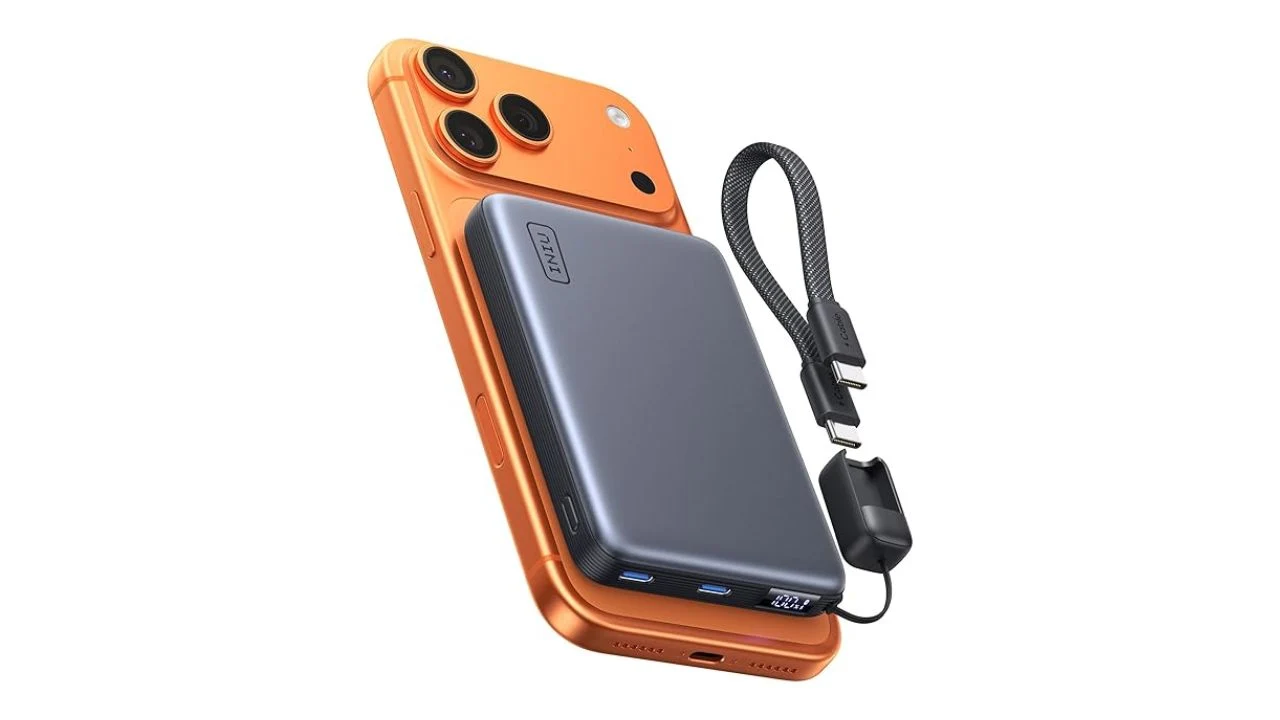
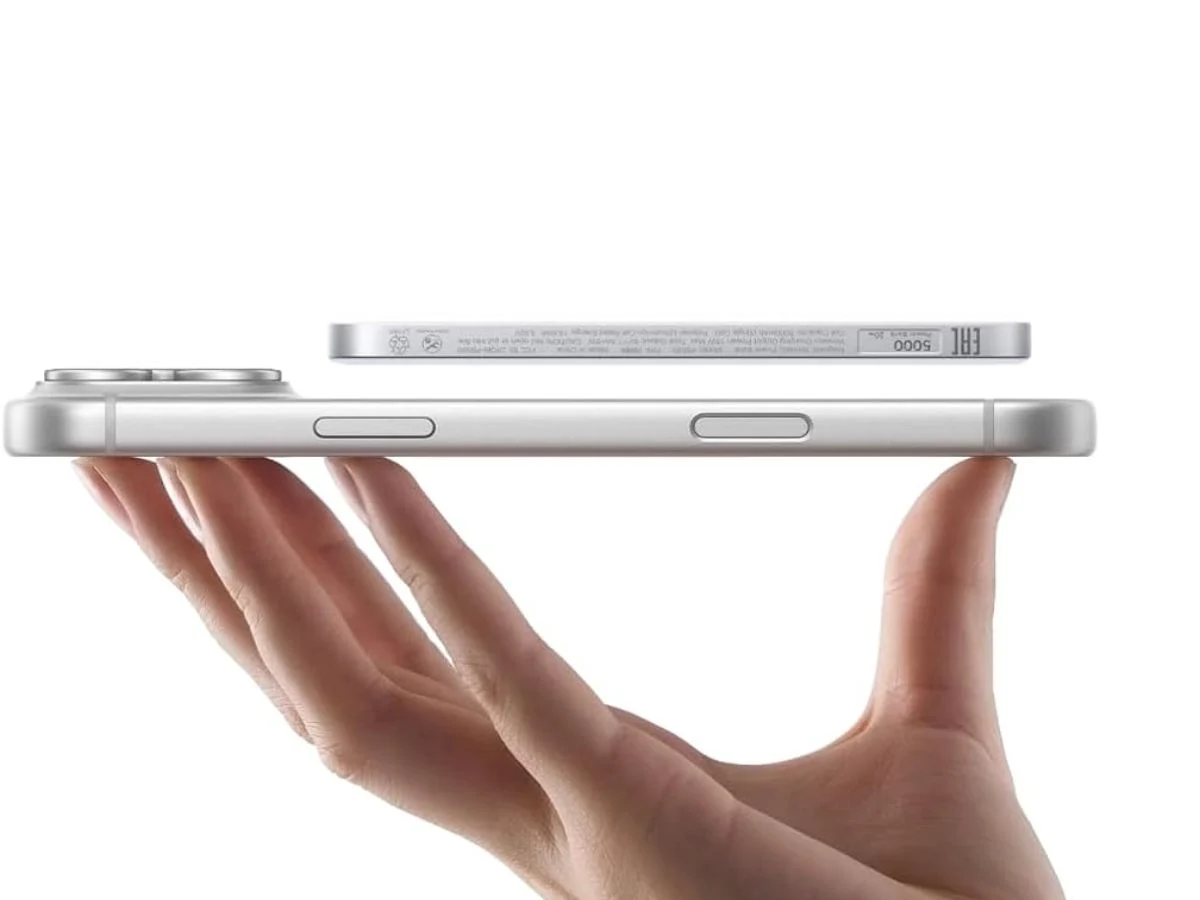
      INIU has just launched a slim new powerbank designed with the iPhone and other Qi-capable devices in mind. The INIU SnapGo Air is a Qi 2.2-compatible charger with a MagSafe design that delivers 25W of wireless charging or 45W via a charging cable. Additionally, for INIU devices, the charger is conveniently available with their dual-purpose lanyard. For the body, the INIU SnapGo Air leans more toward premium build quality, with an aluminum shell, two USB-C ports, a mini LED display, and INIU’s own Temp Guard tech to protect the 10000 mAh cells housed within. With this level of battery capacity, users should expect to fully charge their devices about two times or, at the very least, have enough power for a full day of device use.

      Overview and Key Specs

      From a design perspective, the SnapGo Air balances portability with a premium vibe that craft‑minded buyers tend to appreciate, and the aluminum shell helps keep weight down while resisting dings in daily carry. Two USB-C ports expand charging flexibility, while the mini LED display provides quick status checks. The quoted 25W wireless, 45W wired, and the integrated Temp Guard system all point to a charger built for people who depend on a reliable pocket power source when they travel.

      Build Quality and Features

      Notably, this is not INIU’s first release in the MagSafe charger space. INIU previously had a few varieties of this battery pack style, and although they weren’t made of metal, they did feature a kickstand that effectively extended the device’s capabilities. However, the focus on premium build materials and upgraded Qi wireless features is certainly an enticing offer for users who need a slim, portable battery pack. Additionally, the color ways, Space Gray, Lunar Silver, Metallic Mocha, Soft Lilac, Sunset Orange, and Midnight Navy, play a significant role in accentuating the premium aspect of this new release.

      Heritage and Colorways

      Interested users can find more information on the INIU shop. This release marks INIU’s continued push toward slim, high‑spec power banks that pair with MagSafe ecosystems while delivering real world charge, not just bragging rights. In practice, it stands as a versatile companion for daily commutes, travel, and busy days when every watt matters, whether at work, at home, or on the road.


      Sources

    • Honor Choice AI Projector Pro Launches at Lower Price

      Honor Choice AI Projector Pro Launches at Lower Price

      Key Takeaway

      – Native 1080p resolution (1920×1080) with a 1.2:1 throw, up to 750 nits brightness (ANSI lumens not disclosed), 2500:1 contrast, plus auto focus and 4-point keystone correction.
      – Runs Android 9.0, with Wi-Fi and Bluetooth; HDMI 2.0 and USB ports; 5W speaker; titanium gray body with an integrated gimbal stand for easy angle adjustment.
      – Price in China: CNY 1,199 (~$177); unlikely to be released in North America.
      – For US buyers, an alternative option is the Aurzen D1R Cube Roku (~$169.98).

      The Honor Choice AI Projector Pro has been released in China, and it has been touted as a flexible addition to everyday living spaces. This smart home projector, also known as model MRO-SH01, is designed for use in the living room or bedroom, where people like to watch films, display slides, or play casual games without the heavy setup. Buyers quickly notice how compact the unit feels and how it blends with modern furniture in a home cinema corner.

      Design and specs outline

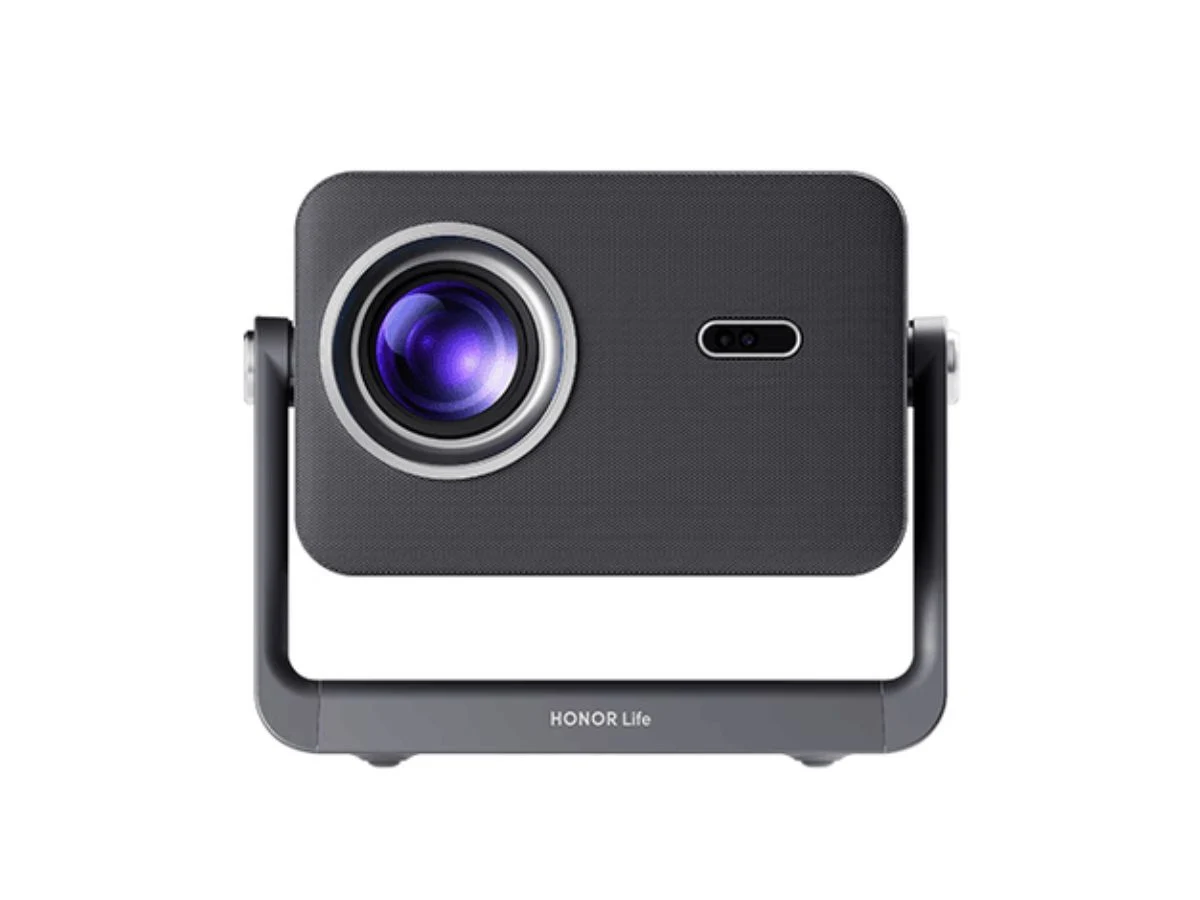
      Honor’s Choice AI Projector Pro has a native 1080p (1,920 x 1,080 px) resolution, with a 1.2:1 throw ratio. Its LED light source is said to generate up to 750 nits brightness; a measurement linked to an internationally recognised standard like ANSI or ISO lumens has yet to be announced. The model is listed with a 2,500:1 contrast ratio, and the image can be adjusted with tools like automatic focus and 4-point keystone correction. In practice, users should understand these figures refer to typical testing environments and may vary with ambient light and screen size.

      Performance and user interface

      The Choice AI Projector Pro runs on Android 9.0, with support for Wi-Fi and Bluetooth. Ports on the cheaper Honor model include HDMI 2.0 and USB ports, and it also has a basic 5W speaker. This device has a titanium gray body, and the integrated gimbal stand makes it relatively easy to adjust the projection angle. Some buyers might want more punch from the speakers, or faster auto focus, yet the compact form keeps things simple.

      Market and pricing context

      In China, the Honor Choice AI Projector Pro retails for CNY 1,199 (~$177). It seems unlikely that this model will be released in other markets like North America. Instead, customers in the US could consider devices like the Aurzen D1R Cube Roku (curr. $169.98).

      Availability and use case

      For shoppers looking for a basic living room setup, this projector offers a reasonable balance of features, including native 1080p support, android compatibility, and a 1.2:1 throw ratio, with the added convenience of a gimbal stand that helps setup the angle without much fuss. Availability outside China remains unclear, and potential buyers are advised to compare brightness, contrast and price with similar models. Overall, the Choice AI Projector Pro seems aimed at casual use rather than a high end home cinema experience.

      Sources
    • Xiaomi Launches Smart Door Lock with Facial Recognition

      Xiaomi Launches Smart Door Lock with Facial Recognition

      Key Takeaway

      – Combines door lock, video doorbell, and security camera with a 2.3 MP camera and 160° FOV.
      – Ten unlock methods, led by AI 3D structured-light facial recognition and fingerprint; also permanent/temporary passcodes, Bluetooth, and NFC.
      – On-device display for video view, plus remote viewing on smart displays/TV; HyperOS Connect integration and Xiaomi app control.
      – Battery life: 5000 mAh pack plus four AA batteries, around eight months; up to three days of free cloud storage.
      – Price in China: CNY 2,799 (~$413); US availability unclear.

      Xiaomi’s latest device, the Smart Door Lock G500, has been unveiled in China. Designed for use on the front door of your house or apartment, this smart home gadget acts as a video doorbell, a security camera and a lock, all rolled into one compact unit. It promises convenient security measures for daily life while blending with modern doors and entryways, offering peace of minds to residents and visitors alike.

      Unlocking Options

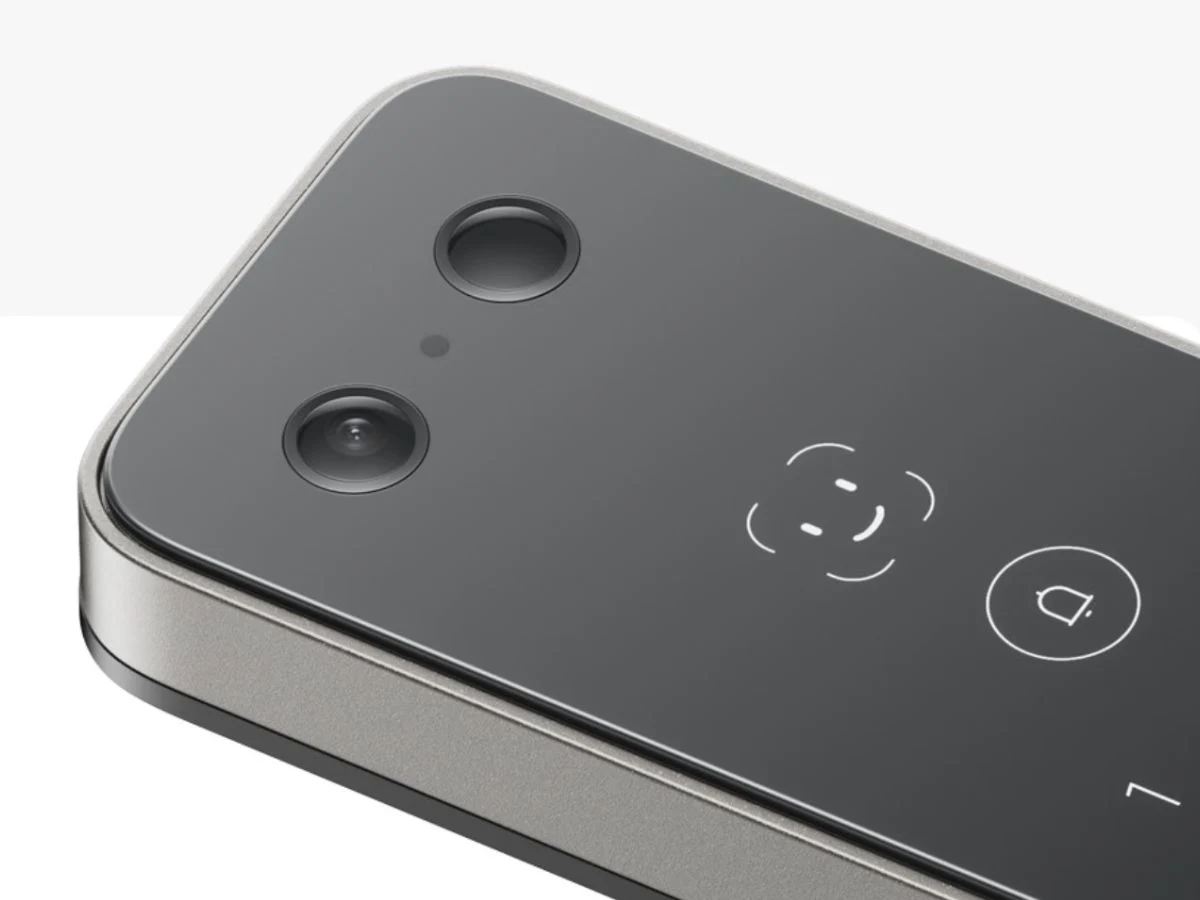
      There are ten ways to unlock the Xiaomi Smart Door Lock G500. The primary methods are AI 3D structured light facial recognition, and a fingerprint scanner. Other options include a permanent or temporary passcode, Bluetooth and NFC. The smart lock has a 2.3 MP camera with a 160° ultra-wide field of view (FOV). The doorbell’s AI algorithm is said to have a reduced number of false alerts from pets and wild animals.

      Smart Home and Power Features

      The video stream from the Xiaomi Smart Door Lock G500 can be viewed on the display built into the inner half of the device, or on a connected smart display or TV. This model supports HyperOS Connect for smart home integration and can be remotely controlled via the Xiaomi app. Other features include up to three days of free cloud storage and an automatic lock body with reduced operating noise. Plus, the combination of a 5,000 mAh battery pack and four AA batteries is said to provide around eight months of runtime.

      Pricing and Availability

      Xiaomi is selling the Smart Door Lock G500 in China for CNY 2,799 (~$413). It is unclear when this product could become available in the US via importers. While Xiaomi has other smart home devices, like the Smart Camera C302, not all markets are the same and availability varies. Xiaomi Youpin.


      Sources

    • Ugreen Ultra-Slim Power Bank: New Version Launches Discount

      Ugreen Ultra-Slim Power Bank: New Version Launches Discount

      Key Takeaway

      – European release: White MagFlow Air Magnetic Power Bank (5000mAh, Qi2 15W) launched in March 2026; priced at €44.99 on Amazon in France/Spain (discounted from €49.99); blue and black variants also discounted.
      – Dual charging: Qi2 wireless up to 15W and USB-C up to 20W (USB-C also recharges the 5000mAh ATL battery).
      – Build and features: compact and light (127 g; 104.9 × 69.7 × 8.6 mm) with dual NTC sensors and a metal heat sink.
      – US availability: Gray version currently discounted to $44.99 on Amazon; no announced release date yet for the white version in the US.

      A white version of the Ugreen MagFlow Air Magnetic Power Bank (5000mAh, Qi2 15W) has been released in Europe. The model launched in the EU in March 2026, offered in gray and light blue colorways. The white variant uses the same compact form and build materials as its siblings, and it is presented to broaden the lineup for different tastes while still sharing the same core specifications.

      European release and color options

      Now, you can buy the white Ugreen MagFlow Air Magnetic Power Bank (5000mAh, Qi2 15W) for €44.99. This is thanks to a discount on the €49.99 RRP at a major online retailer in France and Spain. The blue and black versions of the accessory are also offered at this reduced price. Aside from the different colored metal and silicone casing, this gadget is identical to the earlier variants.

      Pricing and color variants

      Ugreen’s MagFlow Air Magnetic Power Bank offers two charging outputs. The first is a Qi2 certified wireless charging pad for up to 15W power. The second is a USB-C port, delivering a higher output of 20W. The port is also used to recharge the 5,000 mAh capacity ATL battery. Other features include dual NTC temperature sensors and a metal heat sink.

      Power specs and features

      The Ugreen MagFlow Air Magnetic Power Bank (5000mAh, Qi2 15W) is a particularly light and compact model, weighing 127 g (~4.48 oz) and measuring 104.9 x 69.7 x 8.6 mm (~4.13 x 2.74 x 0.34 inches). It is unclear when the white version of this accessory could be released in the US, where the gray version of the device is currently discounted from $59.99 to $44.99 at a retailer.


      Sources

    • Xiaomi Launches New Smart Air Conditioner With Powerful Airflow

      Xiaomi Launches New Smart Air Conditioner With Powerful Airflow

      Key Takeaway

      – Strong performance: 900 m³/h airflow with ultra-fast heating (≈30s) and cooling (≈15s) and a 118 mm fan blade.
      – Efficient operation: APF 6.01 and up to 40% power savings with Xiaomi’s energy-saving algorithm; Super Class 1 energy efficiency.
      – Smart features: self-cleaning mode, remote app control, OTA updates, and HyperOS Connect with intelligent diagnostics.
      – Availability and price: launched in China at CNY 3,999 (~$589); Europe release status unclear.

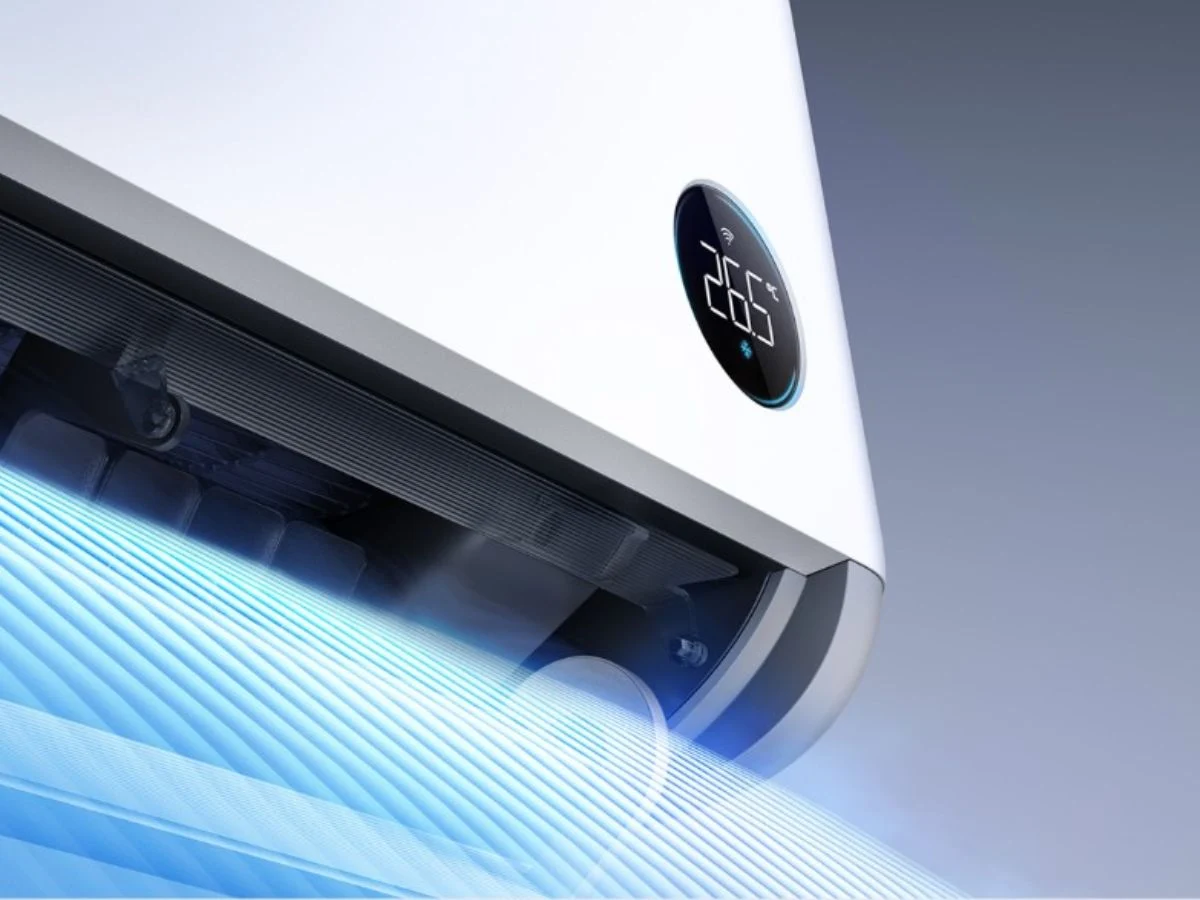
      Xiaomi’s Mijia Home Air Conditioner Powerful Airflow Over 1.5 HP (Super Class 1 Energy Efficiency) has been launched in China. Like many other models, the appliance offers both heating and cooling. Xiaomi’s new Mijia Home Air Conditioner has a 900 m³/h (31,783 ft³/h) airflow rate, starting to heat in as little as 30 seconds, and cool in as few as 15 seconds. The model has a wide 118 mm (~4.65 inches) fan blade. According to Xiaomi, it has an annual performance factor (APF) of 6.01, and the brand’s energy saving algorithm is said to reduce power consumption by up to 40%.

      Overview

      Smart features of the Xiaomi Mijia Home Air Conditioner include a self-cleaning mode. Users can remotely control the appliance via the brand’s app, through which you can push over-the-air (OTA) updates to the device. Plus, it supports HyperOS Connect, with an intelligent diagnostics function. The system also allows monitoring running times, adjusting settings, and receiving alerts, all aimed at making daily use smoother for busy homes and small offices alike.

      Smart features and connectivity

      In addition to the core cooling and heating, the unit presents convenient control options, a portable feel, and a focus on energy efficiency. The combination of rapid response times and the wide fan blade suggests strong performance in variable conditions, while the OTA updates promise ongoing improvements without manual service visits. This approach may appeal to tech minded buyers who wants up-to-date performance with minimal effort.

      Pricing and availability

      In China, the Xiaomi Mijia Home Air Conditioner Powerful Airflow Over 1.5 HP (Super Class 1 Energy Efficiency) retails for CNY 3,999 (~$589). It is unclear whether or not the brand could release a version of this device in Europe, where it sells other models like the Mijia Air Conditioner Eco 7.0 kW.

      Sources