Category: All News

  • Microsoft Exchange Server zero-day exploited via crafted email

    Microsoft Exchange Server zero-day exploited via crafted email

    Key Takeaway

    – CVE-2026-42897 is a zero-day cross-site scripting flaw in on-premises Exchange Server (not in Exchange Online) that allows arbitrary JavaScript execution via a crafted email and certain user interactions, with no authentication required.
    – Microsoft issued an emergency mitigation (EEMS) and CISA added the flaw to its Known Exploited Vulnerabilities catalog; remediation was mandated for federal agencies by May 29.
    – Mitigation has functional side effects: OWA Print Calendar and inline images may break; OWA Light becomes unusable; cosmetic status bugs can show “Mitigation invalid” despite proper application.

    Microsoft confirms active exploitation of CVE-2026-42897 in on-premises Exchange Server

    Microsoft confirmed active exploitation of CVE-2026-42897, a zero-day in on-premises Exchange Server that lets attackers execute arbitrary JavaScript in a victim’s browser by sending a crafted email. No permanent patch exists. Microsoft deployed an emergency mitigation on May 14, and CISA added the flaw to its Known Exploited Vulnerabilities catalog the following day, requiring federal agencies to remediate by May 29. Exchange Online is not affected.

    What the flaw does and who is affected

    CVE-2026-42897 is a cross-site scripting flaw in the Outlook Web Access component of on-premises Microsoft Exchange Server, rated CVSS 8.1. An attacker sends a specially crafted email to a target. When the recipient opens it in OWA under certain interaction conditions, arbitrary JavaScript executes inside the browser session.

    Microsoft classifies the vulnerability as a spoofing issue rooted in improper input neutralization during web page generation. The attack path does not require authentication or server access. It starts with an inbox.

    Scope and immediate actions

    The flaw hits on-prem Exchange Server 2016, Exchange Server 2019, and Exchange Server Subscription Edition at any update level. Exchange Online is not vulnerable.

    On-prem Exchange sits at the center of corporate email for governments, financial institutions, and enterprises that have not moved to the cloud. CISA’s Known Exploited Vulnerabilities catalog lists nearly two dozen Exchange Server flaws already, and ransomware groups have abused several of them to breach targets. CVE-2026-42897 arrived just two days after May’s Patch Tuesday, which patched 120 vulnerabilities but disclosed no zero-days in its release notes.

    Mitigation steps taken by Microsoft

    Microsoft deployed a temporary fix through its Exchange Emergency Mitigation Service, labeled M2.1.x. The EEMS applies the mitigation automatically via URL rewrite configuration on Exchange Mailbox servers where the service is enabled by default. Administrators can verify status using the Exchange Health Checker script at aka.ms/ExchangeHealthChecker.

    For air-gapped or disconnected environments where EEMS cannot reach Microsoft’s servers, admins must manually download the latest Exchange On-premises Mitigation Tool and run it via an elevated Exchange Management Shell. The command targets a single server or can run across the full Exchange fleet at once.

    Potential cosmetic and functional impacts

    There is one cosmetic issue to be aware of. Some servers will show the mitigation status as “Mitigation invalid for this exchange version” in the description field. Microsoft confirms the fix is applied correctly in these cases if the status column reads “Applied”. The display text is a known cosmetic bug under investigation.

    Applying the fix has functional consequences. The OWA Print Calendar feature stops working after the mitigation applies. Inline images no longer display correctly in recipients’ reading panes inside Outlook Web Access.

    Interface changes and future fixes

    OWA Light, the legacy interface accessed via a URL ending in /?layout=light, also stops functioning after the mitigation applies. Microsoft deprecated the interface years ago and does not consider it production-ready, but organizations still using it will need to route users through the standard OWA URL instead.

    Microsoft is developing a permanent fix and has not confirmed a release timeline. When available, Exchange Server Subscription Edition will receive it through the standard update channel. Exchange Server 2016 and 2019 will only get the permanent patch through Microsoft’s Period 2 Extended Security Update program.

    Coordinated response and ongoing exposure

    Organizations running either older version without ESU enrollment will stay exposed until they apply the emergency mitigation manually. CISA added CVE-2026-42897 to the Known Exploited Vulnerabilities catalog on May 15 and requires Federal Civilian Executive Branch agencies to remediate by May 29. Microsoft has not identified the threat actors behind the active attacks or disclosed which organizations attackers targeted.

    The timing of CVE-2026-42897 sits at the other end of the vulnerability lifecycle from proactive discovery. Microsoft’s MDASH AI model recently identified 16 critical Windows flaws before attackers could reach them, a detection approach that CVE-2026-42897 bypassed entirely.
    Sources
  • Steam free game library expands with new additions

    Steam free game library expands with new additions

    Key Takeaway

    – Noteworthy freebies with solid player reception: a few free games released in mid-late April 2026 (and some in May 2026) have gathered positive ratings.
    – Mixed quality among the newly spotted titles: many entries have low player ratings or limited engagement.
    – Disclaimer note: price/deal references are time-sensitive and may change, with availability subject to retailer constraints.

    Steam has expanded its free game library once again, and this time, a bunch of free games that were released between mid to late April 2026 have been spotted. A couple from May 2026 has been discovered as well. The scene feels a bit chaotic, yet there’s a certain charm in seeing developers push for free access to their titles, even if some are rough around the edges and others shine a bit brighter than the rest. The overall vibe is that players can sample new ideas without paying, and that freedom to try is what keeps this platform buzzing in springtime.

    Varied catalog and mixed reception

    Like the last rounds, not all the newly spotted Steam free games seem worth playing. Many of them don’t have decent player ratings, but there are a handful of freebies that have already been received well by players, such as some quirky platformers, experimental multiplayer bouts, and indie charmers that lean into distinctive aesthetics. The sentiment is split, yet a few entries stand out for delivering surprisingly solid times, mechanics, or mood that resonates with fans of the genre. The key takeaway remains: you will encounter a spectrum of quality, but a few gems do emerge from the noise.

    Pricing caveats and player feedback

    Disclaimer: Notebookcheck is not responsible for price changes carried out by retailers. The discounted price or deal mentioned in this item was available at the time of writing and may be subject to time restrictions and/or limited unit availability. This note is clearly a relic of the period when promotions were more volatile, and it reminds readers to verify current details directly on Steam before jumping into any free-to-play experiment. In practice, player reviews continue to shape the perceived value of these titles as more folks try them out over time.


  • LightInk E-ink Smartwatch: Solar, LoRa & GPS, 10 Months Battery

    LightInk E-ink Smartwatch: Solar, LoRa & GPS, 10 Months Battery

    Key Takeaway

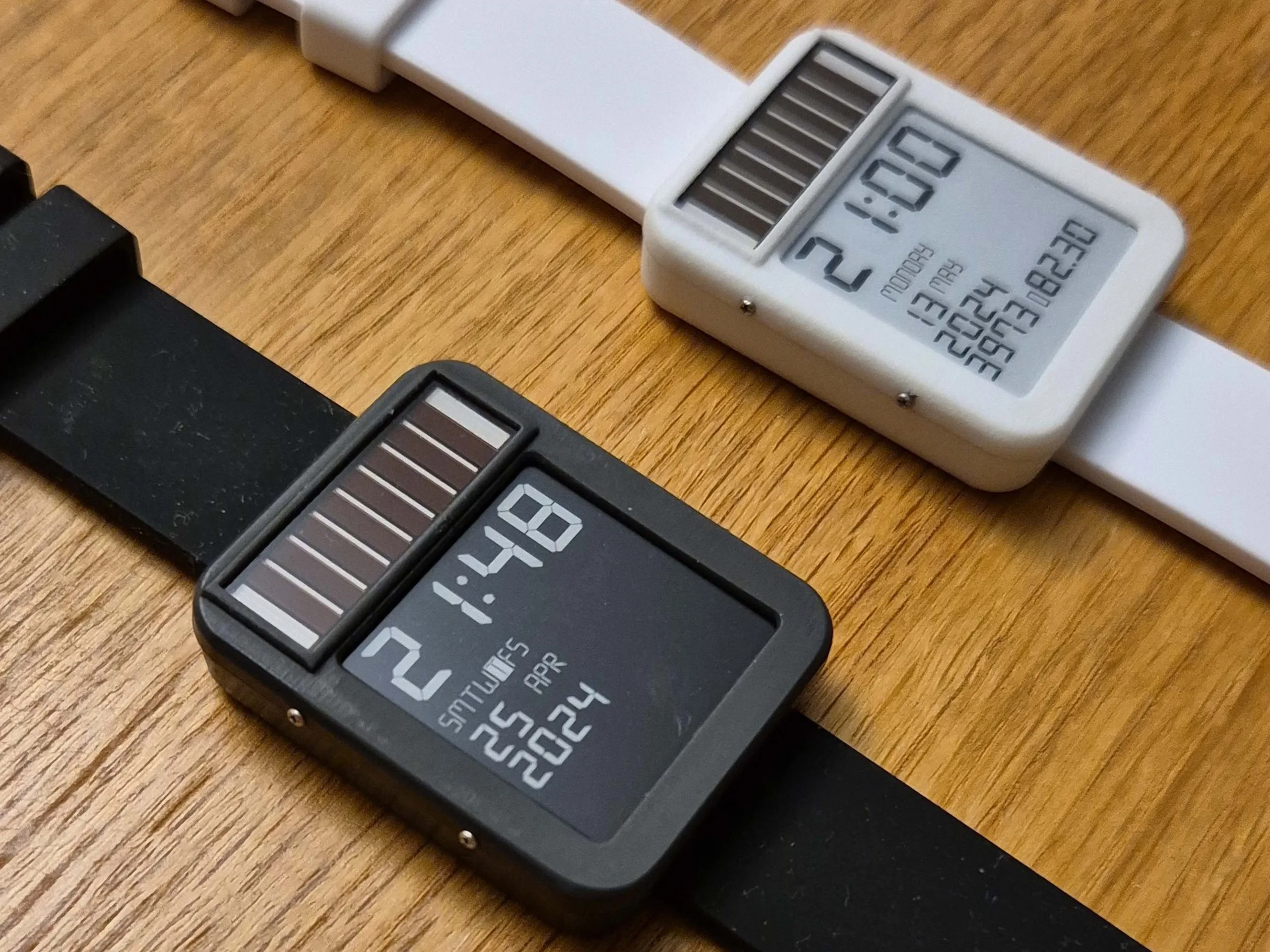
    – LightInk is a visible, DIY solar-powered smartwatch that differs from commercial models by exposing the solar panel and requiring user assembly and custom components.
    – It aims for long battery life (up to ~10 months on a 100mAh cell) but sacrifices some features (no accelerometer) to save power.
    – Key tech: E Ink display readable in sunlight with backlight, LoRa support, GPS, speaker, and no companion app yet, placing it between a wristwatch and a smartwatch.

    Introductory glance at solar-powered wearables

    Solar-powered smartwatches are still niche products in the overall market, though that does not mean such watches do not exist. The best-known models are probably Garmin Fenix smartwatches such as the Garmin Fenix 8 that we reviewed back when it launched. On these smartwatches, the solar panel is more or less invisibly integrated into the display.

    What makes LightInk stand out

    The so-called LightInk takes a different approach. On this smartwatch, the solar panel is clearly visible and separated from the display. There is another major difference, as the LightInk is not a commercially available product but comes from the DIY scene and therefore cannot simply be bought. Instead, interested users have to assemble the watch themselves. A detailed guide is available. In most cases, users have to have a circuit board manufactured by a service provider, own or have paid access to a 3D printer, and be able to do some soldering.

    Performance and design tradeoffs

    The LightInk is designed to offer several months of battery life. More specifically, up to 10 months should be possible with the 100mAh battery. There is no accelerometer because it would simply consume too much power. However, LoRa is supported, it uses an E Ink display that remains readable in sunlight and also has a backlight for use in the dark, and there is a speaker as well. GPS is available, but there is no companion app yet, which means the LightInk sits somewhere on the boundary between a regular wristwatch and a smartwatch, at least in this respect.

    Sources
  • Modder Explains GTA III Liberty City Open World on PS2’s 32MB RAM

    Modder Explains GTA III Liberty City Open World on PS2’s 32MB RAM

    Key Takeaway

    – Rockstar used a streaming, sector-based memory system that loads only nearby assets and continuously swaps chunks in and out as you move, creating a moving window of the city.
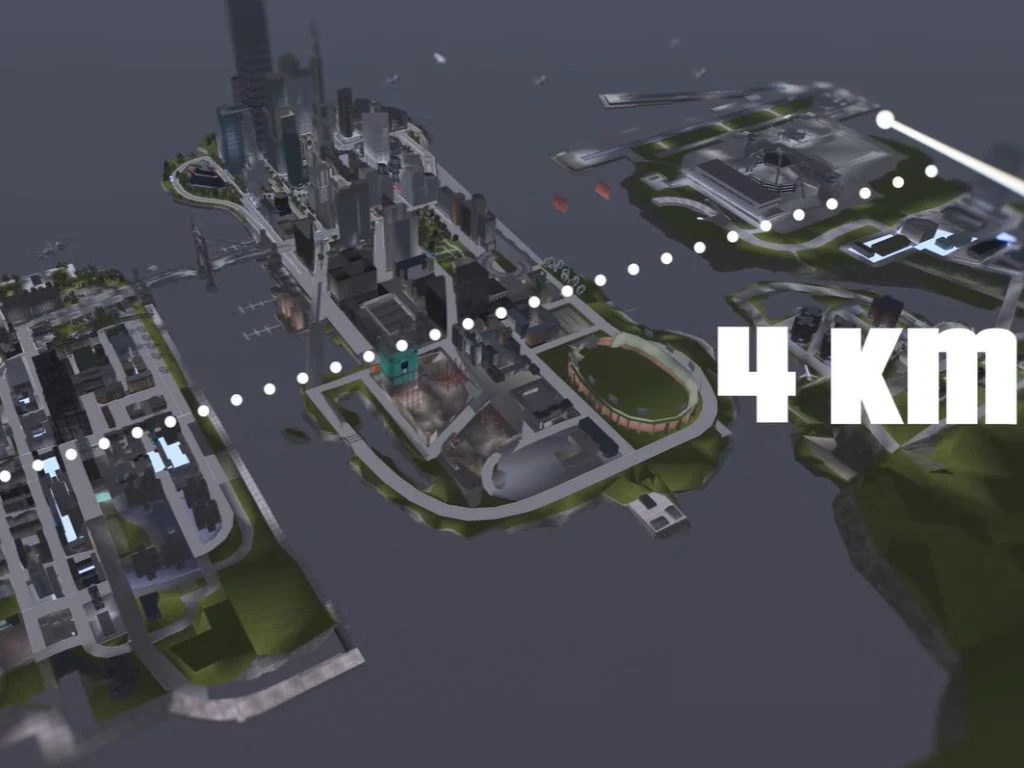
    – The game world was split into three islands (Portland, Staunton Island, Shoreside Vale) and further into thousands of tiny sectors to fit within the PS2’s 32 MB RAM.
    – Despite hardware limits, careful asset budgeting and timing (avoiding DVD-induced stalls) enabled real-time loading to maintain the illusion of a continuous, explorable Liberty City.

    GTA 3 pretty much changed the open-world gaming scene when it launched in 2001, and it’s remarkable how Rockstar Games got Grand Theft Auto III to run on the PlayStation 2, which had only 32 MB of RDRAM to work with.

    Back then, the PS2’s memory was ridiculously tight for a sprawling city, yet the team somehow squeezed a 4-kilometer-wide open world with countless pedestrians, iconic cars like the Banshee, and three explorable islands: Portland, Staunton Island, and Shoreside Vale. The mystery lied in how they managed to fit all that into such a limited byte budget, and the answer isn’t as simple as “magic” or luck alone.

    That’s where Mark Brown from Game Maker’s Toolkit steps in. In his newest YouTube video, he not only broke down the reason but also obtained GTA 3’s source code, rewrote entire chunks of the program, and recompiled a brand-new executable, which revealed the game’s hidden streaming system. He explained in the video:

    “Now, you can see the trick: how Grand Theft Auto 3 loads and unloads a small number of assets into memory as you move around Liberty City. It secretly builds the world in front of you, and it silently deletes the world behind your back. Basically, instead of trying to fit a whole city into memory, Rockstar instead built a moving window that shows just enough of the city to make the illusion work.”

    Brown’s modded GTA 3 executable lets players watch chunks of the city pop in and out in real time, depending on where Claude stands. He also detailed the number of unique cars the game could display on roads at once while you were driving, which explains spotting an EC Cheetah casually cruising on the road after you got hold of one.

    Previously, former Grand Theft Auto III: Liberty City programmer Obbe Vermeij detailed the challenges of bringing the game to the PS2 in a separate interview, stating: “There was no way we could fit the whole map of GTA 3 in the PS2’s memory. Streaming involves loading models from the DVD as the player moves around. This was the hardest technical challenge during the development of GTA 3, and it was coded by Adam Fowler.”

    For context, it sounds impossible on paper to run Grand Theft Auto: Liberty City on the PS2, as the assets alone add up to around 130 MB, nearly four times what the console could contain at any moment. Rockstar used tons of workarounds.

    The first workaround was splitting Liberty City into three distinct sections: Portland, Staunton Island, and Shoreside Vale. Each of these islands would load separately. However, Portland alone accounted for 40–50 MB of assets.

    So, Rockstar broke down each island into thousands of tiny sectors. The game kept the ones right in your field of view in memory and constantly swapped chunks of assets in and out of the limited RDRAM as you drove and roamed around Liberty City.

    Even the slow DVD drive complicated development, as the team had to be extra careful about when to pull data to avoid the game freezing.


    Sources
  • ROG Xbox Ally Look-Alike: Reverse-Engineered PS2 Portable Handheld

    ROG Xbox Ally Look-Alike: Reverse-Engineered PS2 Portable Handheld

    Key Takeaway

    – It uses a custom reverse-engineered mainboard (not Sony) that reuses only six PS2 ICs, marking a first-of-its-kind hardware approach.
    – A Trion T20 FPGA handles video output with integrated deinterlacing, line doubling, and scaling to deliver a crisp display from the PS2’s interlaced signal.
    – Power and input emulation are handled by an RP2040, including USB-C charging and DualShock 2 rumble emulation; it runs on two 21700 batteries for about 4.5 hours.
    – The design draws heavily on Windows handheld ergonomics (ROG Xbox Ally-inspired shell) with premium, PS Vita-like controls and Hall-effect sticks, but requires advanced soldering and DIY skills.

    Overview of the PS2 Portable DIY

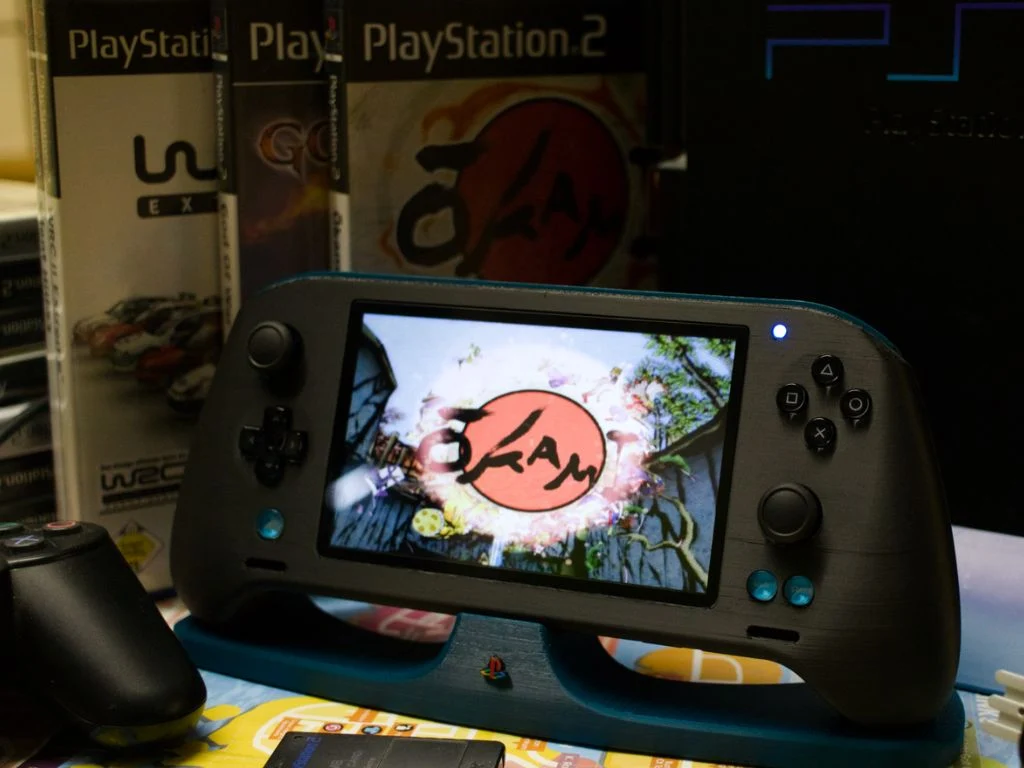
    A solo builder and modder named Tschicki recently created what many retro enthusiasts would consider the ultimate DIY portable PlayStation 2 handheld. Designed, soldered, reverse-engineered, and crafted from scratch, it draws design inspiration from the Asus ROG Xbox Ally and incorporates that Windows gaming handheld’s ergonomics into the outer shell. The project began in early 2022 and went public last year, gaining attention again this week. The device stands out because it uses a reverse-engineered motherboard not sourced from a PS2 or Sony, with only six ICs recycled from SCPH-7900x or SCPH-9000x mainboards.

    Technical Core and Display

    Most internal components are brand new, and a Trion T20 FPGA handles the digital video output, featuring a motion-adaptive deinterlacer, line doubler, and bilinear scaler to convert the PS2’s interlaced signal into a crisp image on the handheld’s LCD. Power management is driven by an RP2040 microcontroller, which also manages charging and even emulates a DualShock 2 controller complete with traditional rumble. The device relies on two 21700 batteries to deliver about 4.5 hours of playtime, and charging is done via USB-C with an undervolting configuration to keep temperatures controlled and stable.

    Design Aesthetics and Controls

    The handheld’s controller section looks notably premium, featuring PS Vita-inspired face buttons and Hall-effect analog sticks. While the project is impressive, it is not for the faint of heart, and the GitHub project description makes that explicit. All PCB designs, FPGA code, 3D printing files, and firmware are freely available, yet successful assembly requires fine-pitch BGA soldering skills, a capable chip programmer, and substantial troubleshooting patience. The author even cautions that prospective builders should think twice before diving in.

    Developer Notes and Accessibility

    In the project notes, Tschicki emphasizes the high difficulty level and the specialized equipment needed. The repository details that the effort goes beyond a simple retrofit or emulator run, involving reverse-engineered hardware and carefully tuned software. Even so, the ambition and craftsmanship demonstrate what passionate hobbyists can achieve when pushing the boundaries of portable gaming hardware. The project remains a testament to hands-on innovation, not just nostalgia.

    Conclusion and Status

    Overall, this portable PS2 project showcases reverse-engineered hardware and a dedicated modding ethos, yielding a handheld that many retro fans would deem the ultimate DIY specimen. It’s a clear reminder that, with the right mix of hardware, software, and tenacity, enthusiasts can craft bespoke devices that blur the line between original consoles and modern portable gaming. The work is publicly documented, inviting others to study, learn, and perhaps attempt similar feats in the future.

    Sources
  • Valve Steam Controller Mixup Affects Fans: Free Games & Forza Horizon 6 Popular Choice

    Valve Steam Controller Mixup Affects Fans: Free Games & Forza Horizon 6 Popular Choice

    Key Takeaway

    – Valve offered a free standard-edition game to affected customers as compensation for the shipping mix-up.
    – The error was caused by a GLS routing mistake that sent shipments to the UK instead of intended destinations.
    – Affected buyers could choose any standard-edition game available in their region and add it to their library.

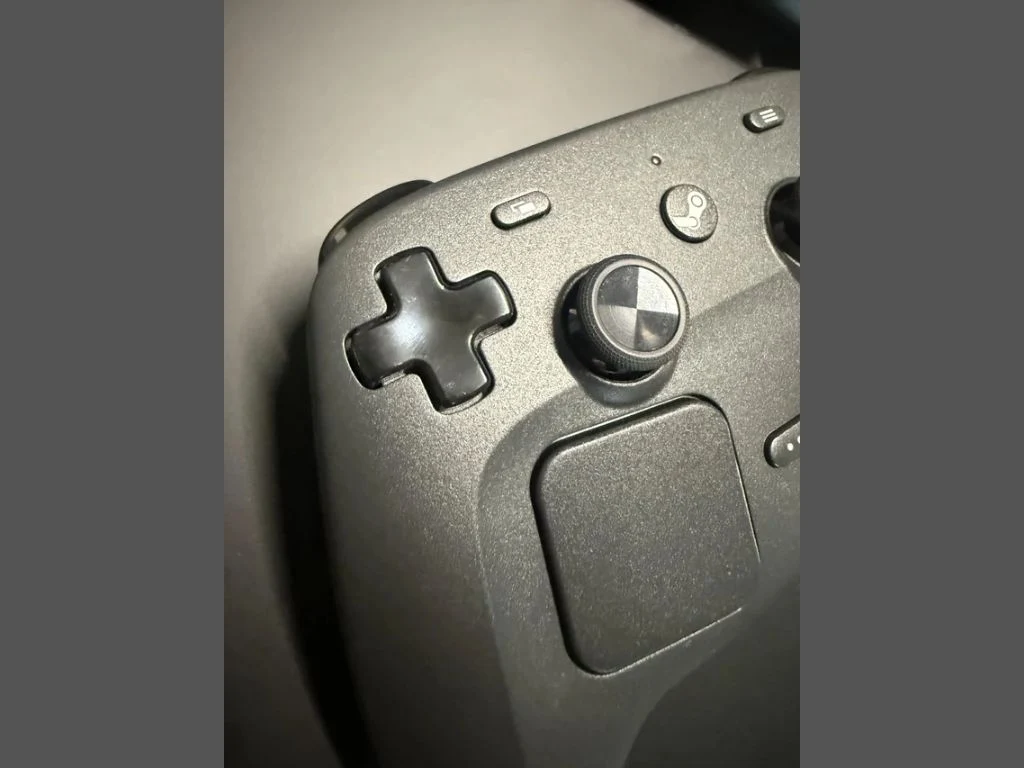
    Valve has proven itself as the good guy in the gaming community once again after a reported botched shipping mix-up involving its newly released Steam Controller. Many gamers are calling it an expected “Valve W,” as the company is offering buyers affected by the shipping error any standard-edition Steam game of their liking for free while they wait for their delayed packages to arrive.

    Shipping mix-up and response

    According to reports, the mix-up stems from a carrier gaffe involving GLS, a major European logistics provider, which accidentally routed a large batch of the new $99 Steam Controller, which recently sold out instantly upon launch, to the UK instead of the intended destinations, such as Hungary and Romania.

    Company’s commitment to customers

    Valve, committed to its reputation in the gaming industry, decided to make things right. The company not only issued an apology but also offered any standard-edition game of the affected Steam Controller customers’ choosing.

    Communication to users

    Steam Support reached out to affected users in an email, stating: “We’re very sorry for the issue with your shipment. The carrier has informed us that a small number of packages were mistakenly routed to the UK. They are actively working to redirect your shipment to the shipping address you provided. Thank you for your patience.”

    Details of the goodwill offer

    Valve sweetened the apology by stating: “To thank you for your patience, we would like to offer to add a game to your library. Please pick any standard edition available for purchase in your region and reply here with your selection.”

    User reactions and choices

    The screenshot was posted on the r/SteamController subreddit, where many users confirmed that the email was real and that they had been offered the same deal. The majority of affected customers chose Playground Games’ upcoming title, Forza Horizon 6, set in Japan. For context, the standard edition of Forza Horizon 6 launches on May 19, 2026.

    Opinions shared by Redditors

    One Redditor commented, “Honestly, I told them the same thing. Forza Horizon 6, especially at that price, is not something I would buy on my own, and it looks really cool.” Another Redditor stated, “Same lol. I guess everyone is getting that game.”

    Value of the offered game

    It makes sense to go with an upcoming game that would normally set gamers back by €70 a pop for Forza Horizon 6’s Standard Edition.

    Final impression of Valve’s approach

    Another Redditor summed up Valve’s “the customer is always right” attitude perfectly by stating: “Valve seems to be one of the only companies that understands that if you treat your customers with the most basic level of human decency and understanding, losing money on the game they’re giving you builds such loyalty that you’ll end up spending more money with them in the long run.”

    Sources
  • Halo: Campaign Evolved on PS5 hits stores; future Xbox exclusives likely

    Halo: Campaign Evolved on PS5 hits stores; future Xbox exclusives likely

    Key Takeaway

    – Microsoft may pivot to more Xbox-exclusive Halo releases as cross-platform ambitions are debated and memory/component challenges are addressed.
    – Windows Central’s Jez Corden predicts the next mainline Halo could be Xbox and PC exclusive, signaling a shift away from PlayStation for future entries.
    – The possibility of Halo remaining on PlayStation appears uncertain, with some insiders suggesting it could be a temporary or limited-crossirk scenario.

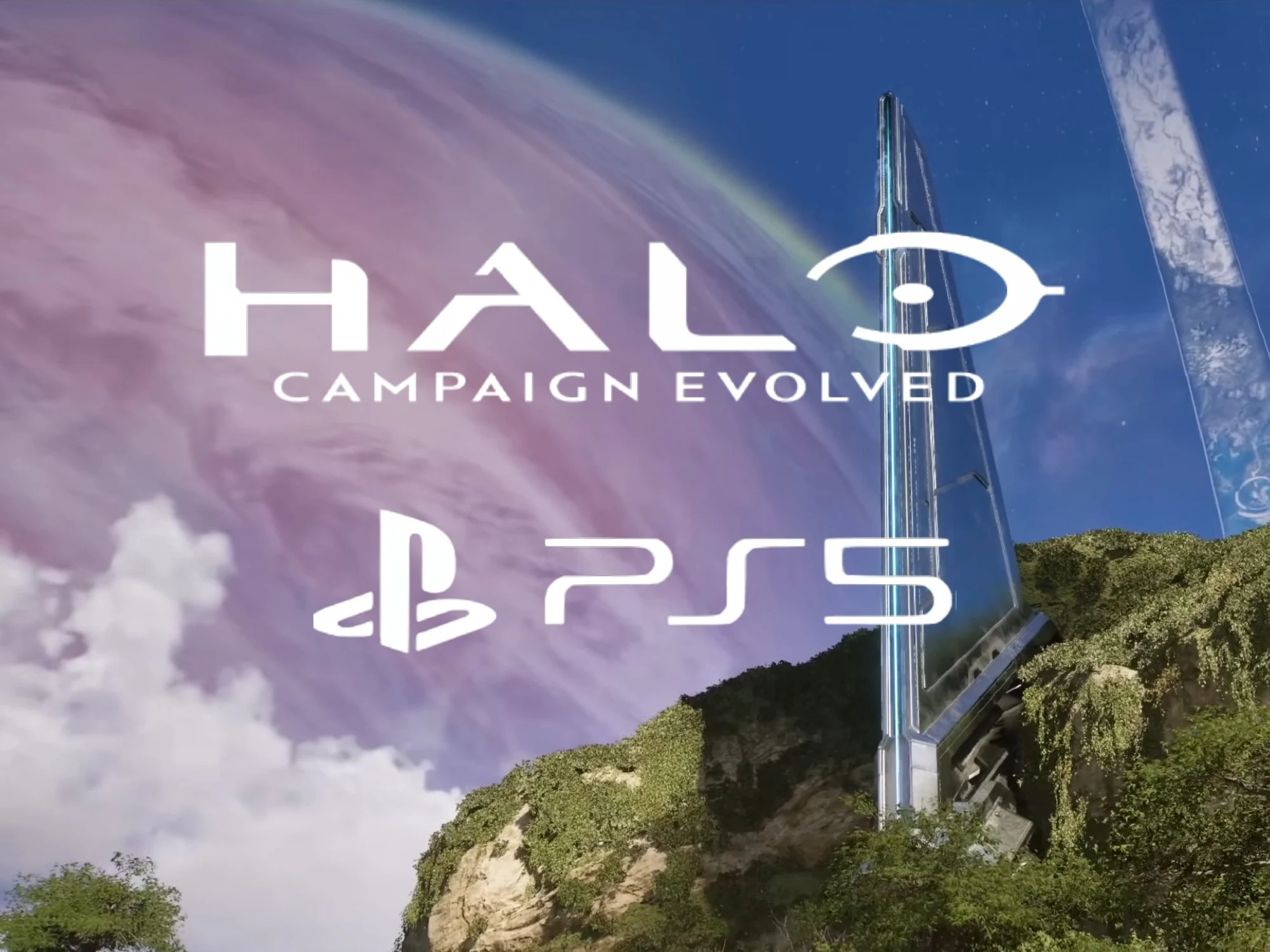
    Even without a Halo: Campaign Evolved release date, GameStop is displaying mockup cases. When a Redditor spotted the PS5 version, it sparked mixed emotions. However, to appease critics, Microsoft may reconsider its cross-platform strategy. One insider anticipates future Halo games will once again be Xbox exclusives.

    Mixed signals and speculative twists

    During his latest podcast, Windows Central’s Jez Corden discussed Microsoft’s attitude toward PlayStation. Addressing the sci-fi shooter franchise, he made a bold prediction. According to Corden, the “next mainline Halo game will be exclusive to Xbox and PC.” He presumably was referring to original projects, rather than the announced remake.

    Industry voices weigh in

    The editor-in-chief hasn’t learned anything specific about the publisher’s intentions. Still, his attitude reflects the view of some gamers commenting on the Halo: Campaign Evolved PS5 port. Redditor Xenephobe375 expects that it will be the “first and last time” the series lands on PlayStation consoles.

    There is reason to believe that Microsoft might return to Xbox exclusive games. In a new article, Corden argues that CEO Asha Sharma wants to limit the company’s cross-platform ambitions. Past leadership chose to pursue lofty profit goals. Unfortunately, buyers are now less likely to purchase consoles, including the upcoming Project Helix.

    Strategy and constraints

    Sharma has welcomed criticism from exclusivity defenders, responding with “I hear you”. She also has pledged to take a “data-driven approach and a strategic-driven approach” before making any decision. Yet, the executive may find that high memory prices prevent prioritizing first-party hardware. Corden thinks the manufacturer is struggling to assemble the machines at high volume.

    Once the component shortage ends, Microsoft could revisit Xbox exclusive games. Nevertheless, it’s anticipated that after the Halo: Campaign Evolved PS5 release date, other entries will arrive on the system. In October 2025, community director Brian Jarrard said, “Halo is on PlayStation going forward.”

    What’s next for Halo on rival platforms

    Earlier, reliable dataminer grunt.api discovered evidence of multiple Halo games destined for the rival console. Whether development is too far along to reverse course now remains to be seen.

  • Lenovo 14-inch Laptop with 120 Hz OLED and 96GB RAM Released

    Lenovo 14-inch Laptop with 120 Hz OLED and 96GB RAM Released

    Key Takeaway

    – Availability and regional pricing: Gen 7 is on sale in Europe and Australia with regional prices (UK £1,990; Australia AUD 2,979; Eurozone €2,069–€2,360); North America pricing/timing is unclear.
    – Broad RAM and storage customization: Supports a wide RAM range (16–96 GB in varied module sizes) and PCIe 4.0/5.0 SSD options up to 2 TB.
    – Display options: Three 1200p/60 Hz IPS displays, plus an OLED 1800p (2.8K) panel with 500 nits, VRR 30–120 Hz, anti-glare.

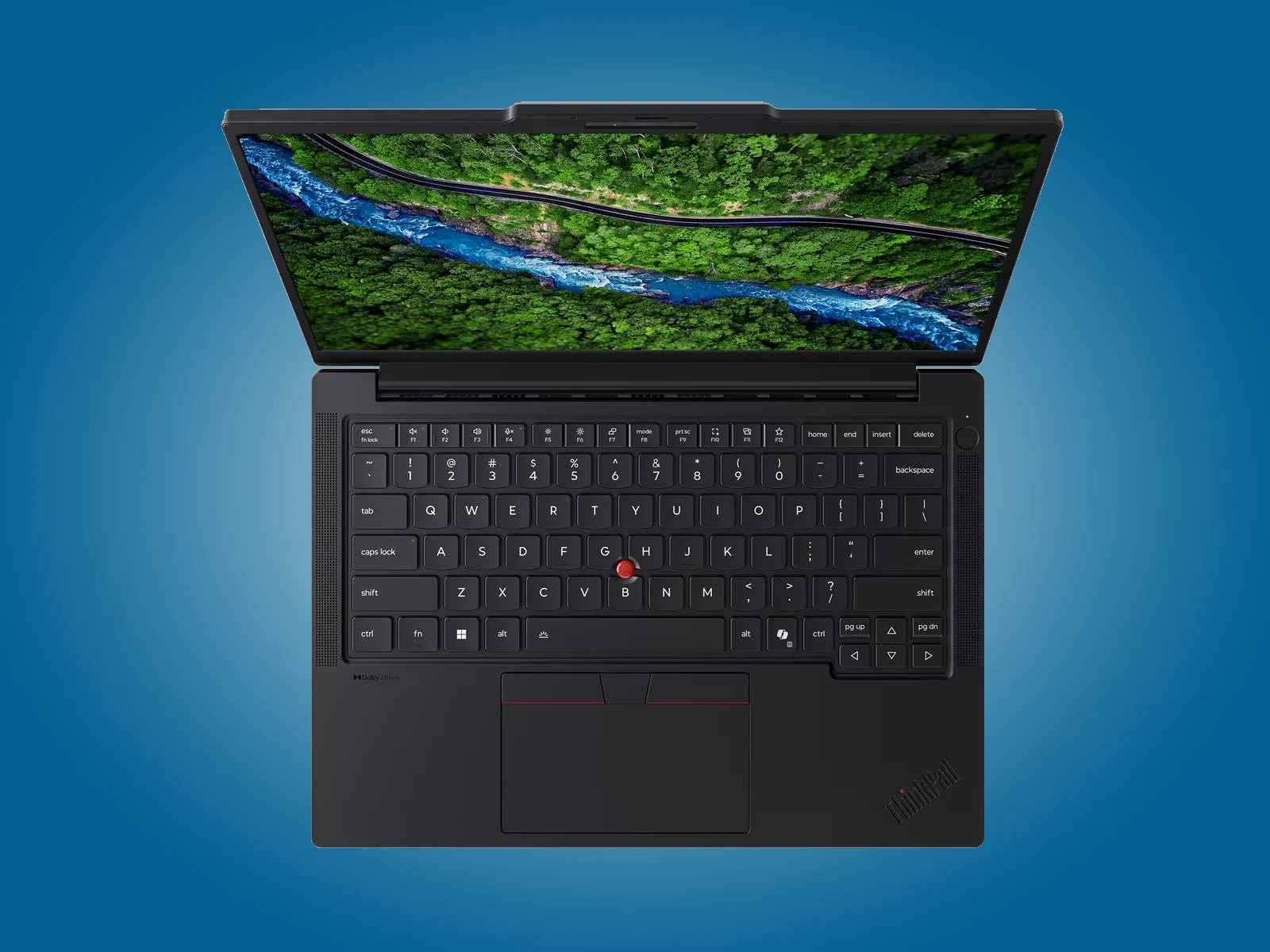
    Lenovo has rolled out several ThinkPads lately, and many of them are now available around the world. Now, the company brings back the ThinkPad P14s, which it refreshed in March with AMD Gorgon Point and Intel Panther Lake processors.

    Global launch details and price notes

    At first, Lenovo did not reveal a selling date or price for the ThinkPad P14s Gen 7. That unchanged for North America, but AMD versions have now slipped into Europe and Australia. Today, Lenovo is listing Ryzen AI 5 Pro 440 and Ryzen AI 9 HX Pro 470 variants to supplant Gen 6 models (curr. $1,049 on Amazon).

    Specs and configurations recap

    In addition, the new P14s can be fitted with 60 Wh or 75 Wh batteries and an optional Snapdragon X61 5G sub-6 GHz modem, as with many modern ThinkPads. Yet Lenovo offers Gen 7 in a rather unusual spread of RAM options. As of writing, the laptop can be bought with 16 GB, 24 GB, 32 GB, 40 GB, 48 GB, 56 GB, 64 GB, 80 GB and 96 GB of DDR5-5600 RAM, distributed across 8 GB, 12 GB, 32 GB, and 48 GB modules.

    Also, Lenovo sells PCIe 4.0 and PCIe 5.0 SSDs up to 2 TB. The new P14s arrives with three 1200p and 60 Hz IPS display options, plus one 1800p (2.8K) OLED panel that offers 500 nits peak brightness, a 30-120 Hz VRR, and an anti-glare finish. The ThinkPad P14s Gen 7 starts at £1,990 in the UK with a Ryzen AI 5 Pro 440 processor and 16 GB of RAM. The same setup shows for AUD 2,979 in Australia and between €2,069-€2,360 in the Eurozone. Other regions’ pricing is still unconfirmed.


  • Nintendo Virtual Boy Adds Five Games, Two More Expected Later

    Nintendo Virtual Boy Adds Five Games, Two More Expected Later

    Key Takeaway

    – Five more classic Virtual Boy games were added to Nintendo Switch Online + Expansion Pack library, bringing the total promised 9 for 2026.
    – The new additions follow February’s launch of 7 titles and March’s addition of Mario’s Tennis and Mario Clash.
    – The lineup includes upcoming releases for 2026, with Zero Racers and D-Hopper among those anticipated for this year.

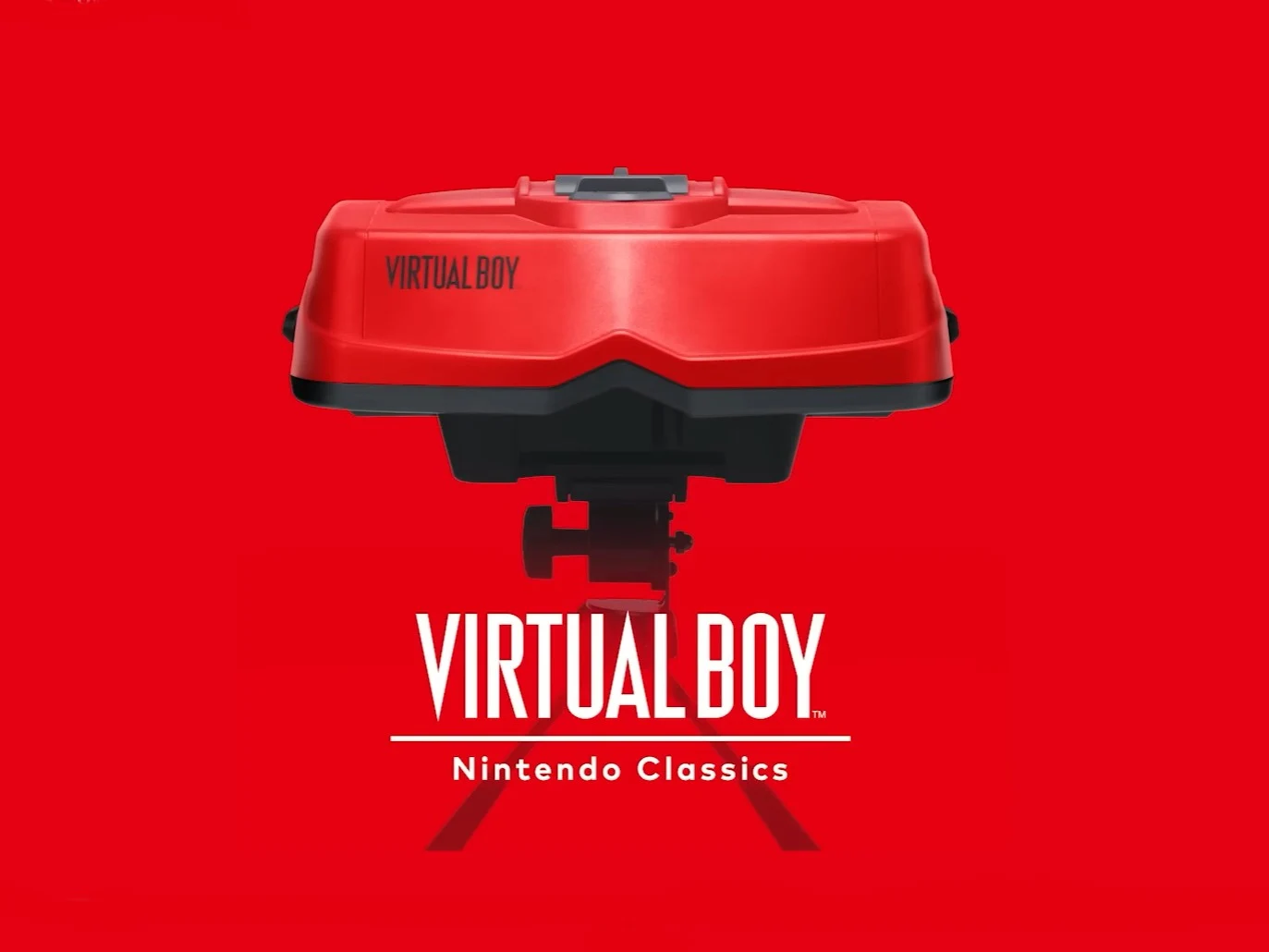
    Shortly before the release of the Virtual Boy VR headset for the Nintendo Switch/Switch 2 systems, it was revealed that games for the device will get a staggered release. Back in February, only 7 games were available at launch, but with a promise that more would be added in the future. Nintendo has kept that promise with the release of five additional games.

    Update on Game Library Expansions

    The first paragraph described the initial plan and the commitment to add more titles over time. The announcement method was a video on Nintendo’s official channel, and the company confirmed that five classic games have joined the Switch Online + Expansion Pack catalog for Virtual Boy. This aligns with the stated 9 games to be added in 2026, and the specific titles were listed in the official release. The tone is informative and straightforward, highlighting a staggered release strategy rather than sudden, all-at-once availability.

    Titles Added This Round

    Below are the titles: Back in March, Nintendo added two extra games — Mario’s Tennis and Mario Clash. However, there are still two more games that are expected to be added this year. One of them is Zero Racers, a spin-off of F-Zero; while the other is D-Hopper. These games were made for the original Virtual Boy in 1995, but were never released for it.

    Sources
  • Chuwi CoreBook Air 226V: Intel SoC & Thunderbolt MacBook Alternative

    Chuwi CoreBook Air 226V: Intel SoC & Thunderbolt MacBook Alternative

    Key Takeaway

    – Intel Core Ultra 5 226V with 16 GB LPDDR5X RAM and a 512 GB PCIe 3.0 SSD (upgradeable via a single M.2 2280 slot; PCIe 4.0 capable lanes).
    – 14-inch 2880×1800 IPS display at 90 Hz, compact 312.9×22.5×16.8 mm chassis, ~1 kg weight.
    – Connectivity: dual Thunderbolt 4 (PD, displays, potential external GPU), plus USB 3.2 Gen 2, USB 2.0, USB 2.0, HDMI 2.0, 3.5 mm jack; Wi‑Fi 6E.
    – Pre-order price $859 with shipping starting around May 21; PCIe 3.0 internal SSD at launch.
    – Notable form factor/feature set trade-offs: strong IO and portability with Thunderbolt 4, but reliance on PCIe 3.0 SSD performance and AMD-less configuration.

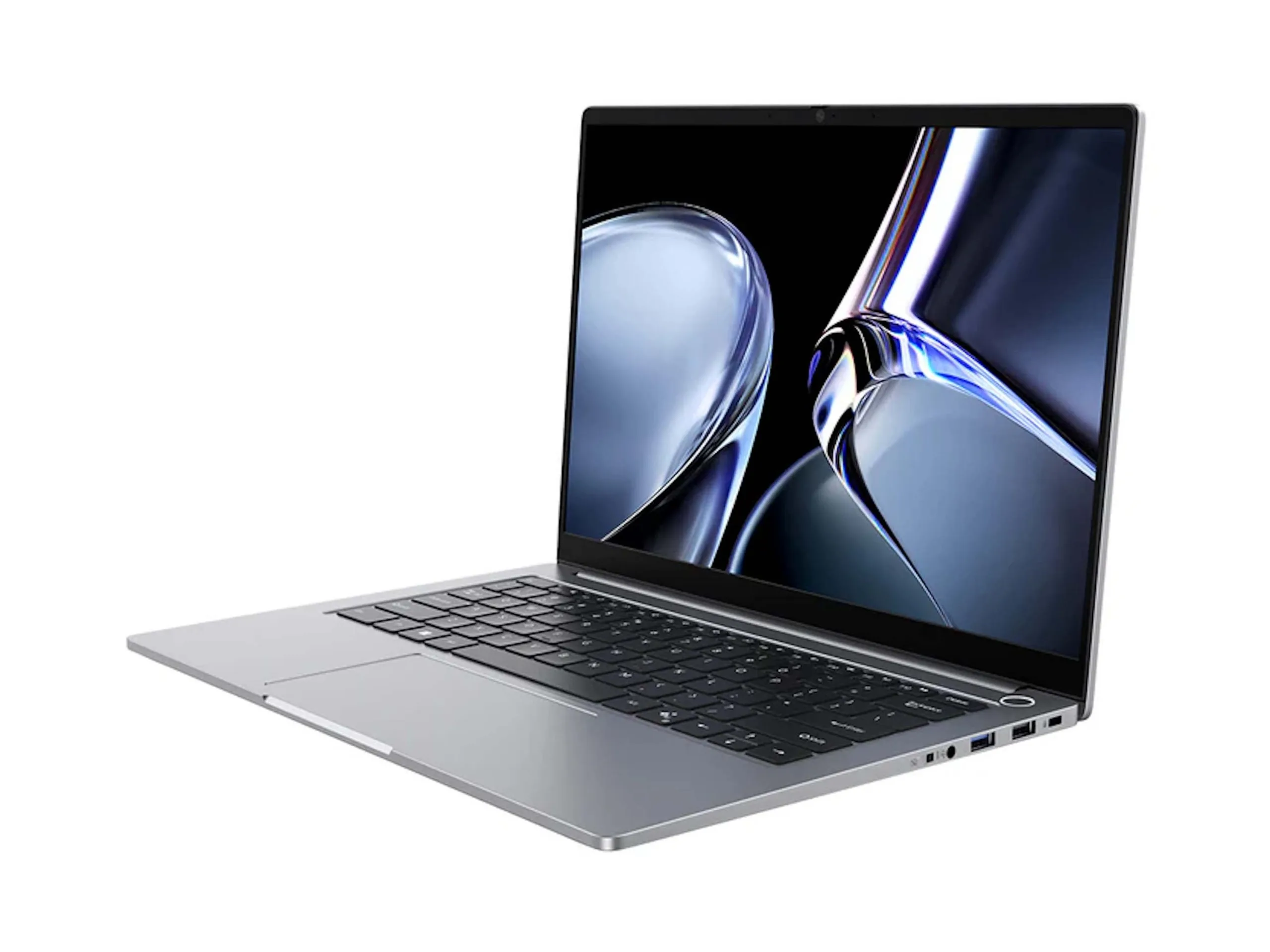
    The CoreBook Air is a device that has likely crossed the eyes of many readers who keep tabs on its lineage, and this update keeps that familiarity alive. Yet there’s a fresh twist here, because Chuwi has introduced CoreBook Air 226V, choosing an Intel-based SoC rather than the AMD path some expected. It houses the Intel Core Ultra 5 226V, paired with 16 GB of LPDDR5X RAM and a 512 GB SSD. The SSD can be replaced thanks to a single M.2 2280 slot, and the existing drive is PCIe 3.0 while the slot supports four PCIe 4.0 lanes. The configuration is shown as the sole option, currently available for preorder at a price of $859, with shipping slated to begin on May 21.

    Design and Display

    The chassis measures 312.9 x 22.5 x 16.8 millimeters, presenting a compact footprint for a 14-inch panel. Its display is an IPS panel with a 2,880 x 1,800 resolution and a 90 Hz refresh rate, which should offer smooth visuals in everyday tasks and light gaming. The build keeps the weight around the 1 kg mark, which could make it a portable companion for travel and commutes. The overall design language remains conservative, echoing previous iterations while integrating the new Intel-based internals.

    Connectivity and Ports

    On the connectivity front, you get two Thunderbolt 4 ports, which deliver fast data transfer, USB Power Delivery for charging, and the ability to connect external displays or even a discrete GPU in theory. In addition to that, there is one USB 3.2 Gen 2 port, one USB 3.0 (Gen 1) Type-A, one USB 2.0 port, HDMI 2.0, and a 3.5 mm audio jack. Wi-Fi 6E is supported, ensuring better wireless performance in congested environments. A 2-megapixel webcam is included for video calls, rounding out the core feature set for everyday use.


    Sources