– Controversial EULA: ownership is licensed to the publisher; restrictive content sharing, potential privacy concerns, and remote game access without consent.
– TOS restrictions for creators: streaming, recording, and monetization require publisher consent, affecting content creators and mod authors.
– Regional and enforcement questions: consumer protections in some regions may limit enforcement; broader concerns about always-online or long-term playability.
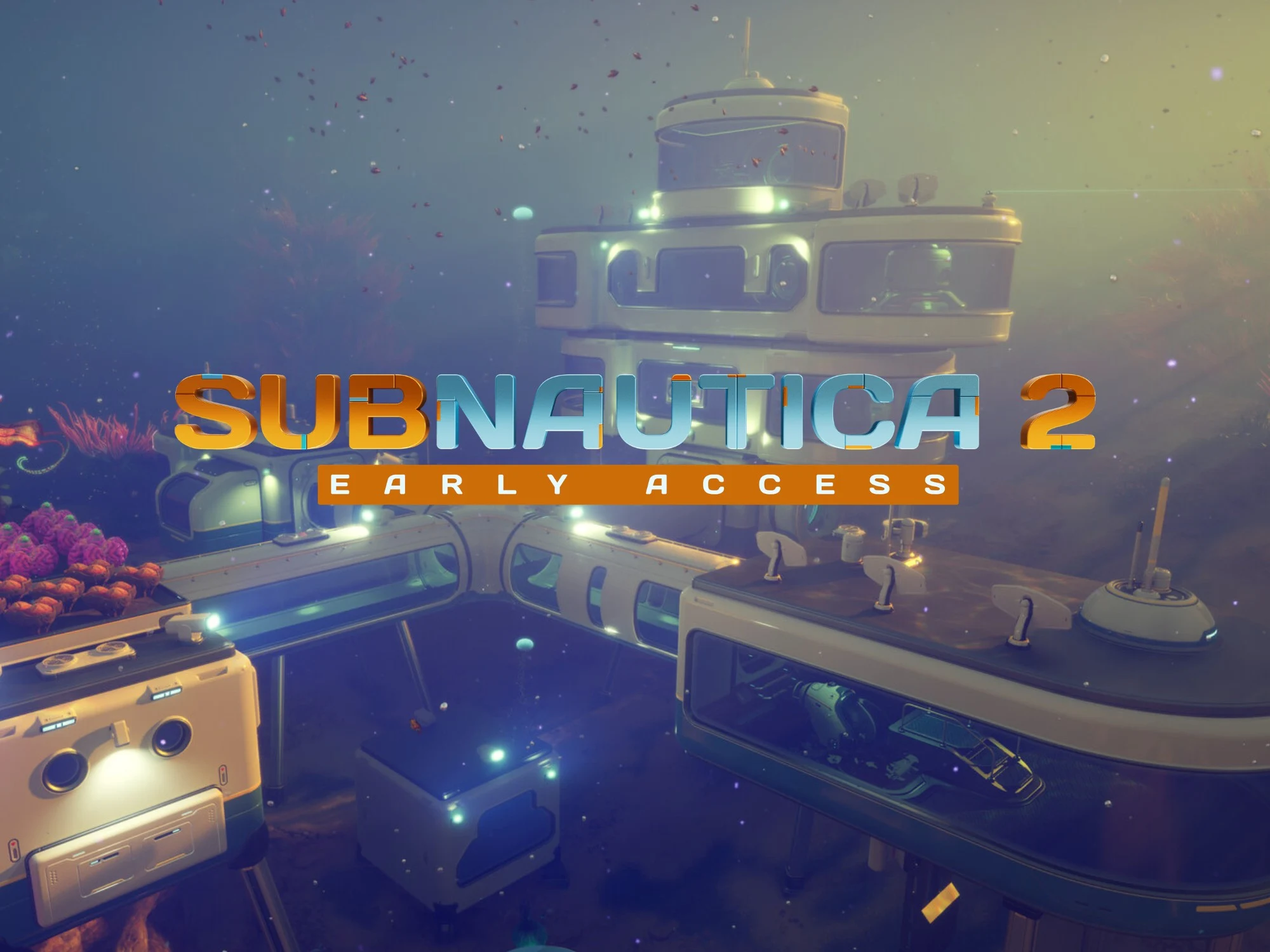
Subnautica 2 Early Access Debut and Rising Controversy
The Subnautica 2 early access debut boasted impressive player counts and sales. Yet, negative Steam reviews increasingly focus on a controversial End-User License Agreement (EULA). Its terms relinquish ownership to the publisher, restrict content sharing, and may infringe on privacy. This paragraph keeps the original pricing and specification details intact, while highlighting the shifting sentiment around the game’s licensing terms.
Ownership and TOS Strains Community Confidence
Unless players agree to the terms of service (TOS), they will be blocked from exploring the waterlogged Proteus in the survival game. Enjoying a strong reception, Subnautica 2 Steam reviews currently stand at Very Positive. Nevertheless, after word spread on social media, most unfavorable evaluations highlight a constrictive EULA. The article preserves pricing and spec specifics as stated and reflects the ongoing debate about ownership rights in modern gaming, with Krafton’s license model under scrutiny.
License Limits and Privacy Concerns
Ownership rights are a common point of contention in modern gaming. Publisher Krafton only grants buyers a license to play the title. The Unknown Worlds project offers a solo campaign that doesn’t appear to rely on server authentication. Still, movements like Stop Killing Games worry that digital games will become unplayable. This section keeps the original details about licensing and potential server checks, while noting community worries about privacy and control.
Privacy Implications and Remote Access Fears
One review that’s attracting attention explains how players may be sacrificing their privacy. Ulrich notes that the EULA prohibits using a VPN to mask IP addresses. Perhaps more concerning, the publisher can remotely access the game without a user’s consent. The handling of personal information like legal names and email addresses is also under scrutiny. The paragraph mirrors the claim layout and the concern over personal data, with a casual nod to potential policy implications.
Influence of Streamers and Content Restrictions
Streamers played a role in promoting the lucrative Subnautica 2 early access launch. Even so, recordings and screenshots are subject to restrictions in the TOS. Content creators can’t profit from showcasing the game without Krafton’s consent. That includes mod authors, who will become more popular following the game’s release date. The content restriction notes remain aligned with the original reporting, while describing how creators must navigate licensing terms.
Regional Enforcement and Consumer Protections
It’s debatable whether gamers in some regions could even face penalties for infractions. In EU countries with robust consumer protections, companies have struggled to enforce similar conditions. The idea of cross-border enforcement is laid out with emphasis on how policy fits into existing protections, referencing regional differences without altering the core facts presented about the license and potential penalties.
Community Sentiment and Publisher Scrutiny
The negative Subnautica 2 Steam reviews may not reflect the majority opinion. Despite passionate opposition, other gamers claim the terms aren’t unique to the survival game. Regardless, Krafton has been under scrutiny since reportedly firing lead developers to avoid bonus payouts. Critics warn that it won’t hesitate to take advantage of its growing community. The closing line preserves the overall narrative of controversy and scrutiny around the publisher’s business choices.