Author: GizNews

  • Google Pixel 11 Pro Fold: First Look at Early Leaks

    Google Pixel 11 Pro Fold: First Look at Early Leaks

    Key Takeaways

    1. The Pixel 10 Pro Fold was announced on August 20 and released in mid-October, priced at $1,499 on Amazon.
    2. Leaker OnLeaks shared CAD render images of the upcoming Pixel 11 Pro Fold, but specific hardware details are not yet available.
    3. The Pixel 11 Pro Fold features a larger cover display due to slimmer bezels and a redesigned camera setup.
    4. The height of the Pixel 11 Pro Fold remains the same at 155.2 mm, with a width of 150.4 mm when opened and 76 mm when folded.
    5. The new model is 0.7 mm thinner, measuring 10.1 mm and 4.8 mm on each side, with a launch date for flagship models expected in summer.


    The Pixel 10 Pro Fold has only been around for about six months. It was announced on August 20, but Google didn’t start sending it out until mid-October (current price $1,499 on Amazon). Despite this, OnLeaks has already shared a sneak peek at the upcoming model through a set of CAD render images.

    Potential Hardware Insights

    At this time, the leaker hasn’t revealed any specific hardware information about the new device. However, the Tensor G6 chipset, which seems to be part of the device, was spotted on Geekbench less than a month ago. Some hardware updates can be seen in the CAD render images that OnLeaks leaked.

    Design Changes

    For example, the Pixel 11 Pro Fold boasts a bigger cover display compared to the previous model, thanks to slimmer bezels. Moreover, Google has redesigned the camera setup to place the LED flash and microphone array under the same glass as the telephoto camera. It’s still uncertain if this alteration is linked to any new camera sensors.

    The height of Google’s foldable device remains the same at 155.2 mm between models. Similarly, the Pixel 11 Pro Fold keeps a width of 150.4 mm when opened, which is said to translate to a width of 76 mm when folded. Google has also trimmed 0.7 mm off the thickness, meaning that the Pixel 11 Pro Fold will measure 10.1 mm and 4.8 mm on each side. As of now, it seems Google won’t be launching the Pixel 11 flagship models until summer.

    Source:
    Link


  • Lenovo Reveals Key Feature of Upcoming High-End Android Tablet

    Lenovo Reveals Key Feature of Upcoming High-End Android Tablet

    Key Takeaways

    1. Lenovo will launch new tablets in China on March 18, including the Legion Y700 Gen 5 and Xiaoxin Pro series.
    2. The Legion Y700 Gen 5 is already available internationally as the Legion Tab Gen 5.
    3. The Xiaoxin tablet will feature the Snapdragon 8s Gen 4 processor instead of the rumored Snapdragon 8 Gen 5.
    4. The Snapdragon 8s Gen 4 chipset offers significant performance improvements with an Adreno 825 GPU.
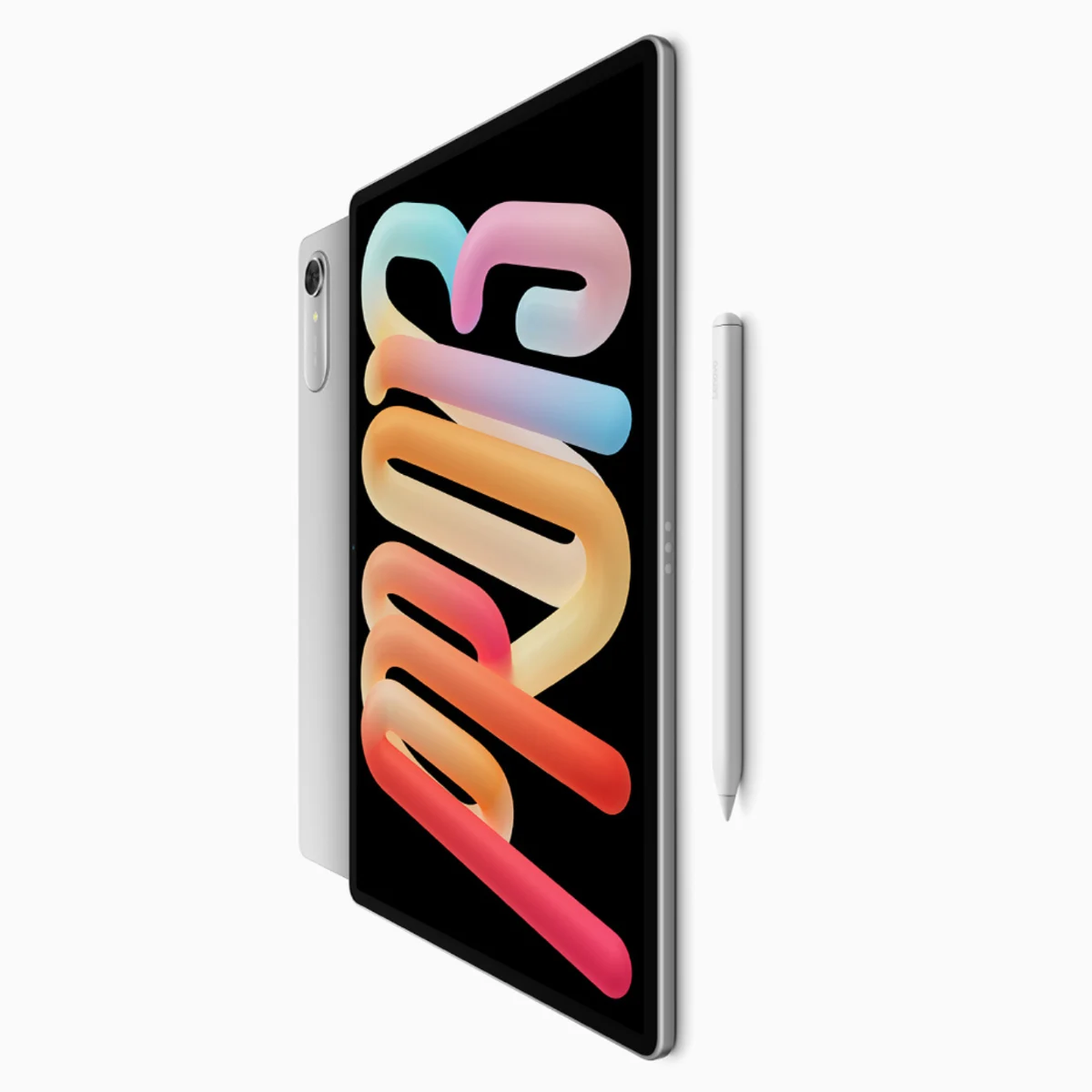
    5. The Xiaoxin Pro 13 will have a 13-inch display with a 144 Hz refresh rate and support for the new Stylus Pro.


    Lenovo is set to launch a range of new tablets in China later this month. Just to remind, the company revealed last week that the Legion Y700 Gen 5, Xiaoxin Pro 13, and Xiaoxin Pro GT13 are all scheduled for a March 18 release. Meanwhile, the Legion Y700 Gen 5 has already started to be sold internationally under the name Legion Tab Gen 5.

    Chipset Details Confirmed

    Additionally, Lenovo has now verified the processor that will be used in its more affordable Xiaoxin tablet. Initially, there were thoughts that Lenovo might opt for the Snapdragon 8 Gen 5, especially with rumors circulating about the Snapdragon 8 Elite Gen 5 being used in the Xiaoxin Pro GT13. However, the brand has decided on the Snapdragon 8s Gen 4, which is found in smartphones such as the Poco F7 and Nothing Phone (3) (currently priced at $639 on Amazon).

    Performance and Specs

    The Snapdragon 8s Gen 4, which is also present in the Xiaomi Pad 8, features a single ARM Cortex-X4 CPU core along with seven ARM Cortex-A720 CPU cores organized across three clusters. Furthermore, Qualcomm has outfitted this 4 nm chipset with an Adreno 825 GPU, delivering a 37% increase in performance compared to the Adreno 725 that powered last year’s Xiaoxin Tablet Pro GT.

    The Xiaoxin Pro 13 is expected to pair the Snapdragon 8s Gen 4 with a 13-inch display that boasts a resolution of 3,504 x 2,190 pixels, featuring a refresh rate of 144 Hz and maximum brightness of 800 nits. Lenovo has already stated that this tablet will support its new Stylus Pro. Other specifics regarding the hardware are still not disclosed at this moment, though.

    Lenovo’s upcoming devices are generating a lot of excitement among tech enthusiasts and users alike.

    Source:
    Link


  • New Razr 70 Foldable Design Leaked Before Release

    New Razr 70 Foldable Design Leaked Before Release

    Key Takeaways

    1. Motorola is expected to launch new foldable phones, the Razr 70 and Razr 70 Ultra, soon.
    2. The Razr 70 and Razr 70 Ultra have passed through regulatory agencies, indicating a global release is imminent.
    3. The design of the Razr 70 closely resembles the Razr 60, featuring a dual outer camera setup and a cover display.
    4. Significant upgrades include a 3x and 50 MP telephoto camera and a new 8-core chipset.
    5. Recently launched models include the Razr 60, Razr 60 Ultra, and Razr Plus 2025, with the latter priced at $419.97 (renewed).


    Motorola is likely to unveil new foldable phones shortly. Just to remind, the company kept quiet during last week’s MWC 2026 in Barcelona. Back in April, they introduced the Razr 60 and Razr 60 Ultra, alongside a third model known as the Razr Plus 2025, which is available in North America for $419.97 (renewed on Amazon).

    Regulatory Approvals

    Recently, the Razr 70 and Razr 70 Ultra have been seen passing through multiple regulatory agencies. These leaks suggested that we might see global launches soon, but they didn’t share any hardware details. However, the TENAA has disclosed these details for the Razr 70 and has also shown off the new foldable’s design. The images embedded above and below indicate that the device could easily be confused with the Razr 60 at first sight.

    Design Features

    In line with this, Motorola has stuck to a dual outer camera setup along with an LED flash neatly positioned on a cover display of a decent size. The light purple hue makes it clear that this is indeed a new model. It is anticipated that the major updates from the Razr 60 will include the addition of a 3x and 50 MP telephoto camera, plus a fresh 8-core chipset.

  • IKEA Unveils New Colorful Desktop Accessories for Your Workspace

    IKEA Unveils New Colorful Desktop Accessories for Your Workspace

    Key Takeaways

    1. IKEA has launched a new vibrant orange version of the Möjlighet Headset/tablet stand in Europe.
    2. The Möjlighet stand is designed to hold a tablet and headphones, helping to keep spaces organized.
    3. It features a lightweight steel frame with a groove for tablets and a hook for headphones, weighing 0.28 kg and measuring 28 x 15 x 8 cm.
    4. The new orange variant is priced at €3.99 in Spain, €5.99 in Germany, and SEK 29 in Sweden, with availability in select physical stores.
    5. The Möjlighet stand is currently not available in the US, where only black and white versions are offered at $5.99.


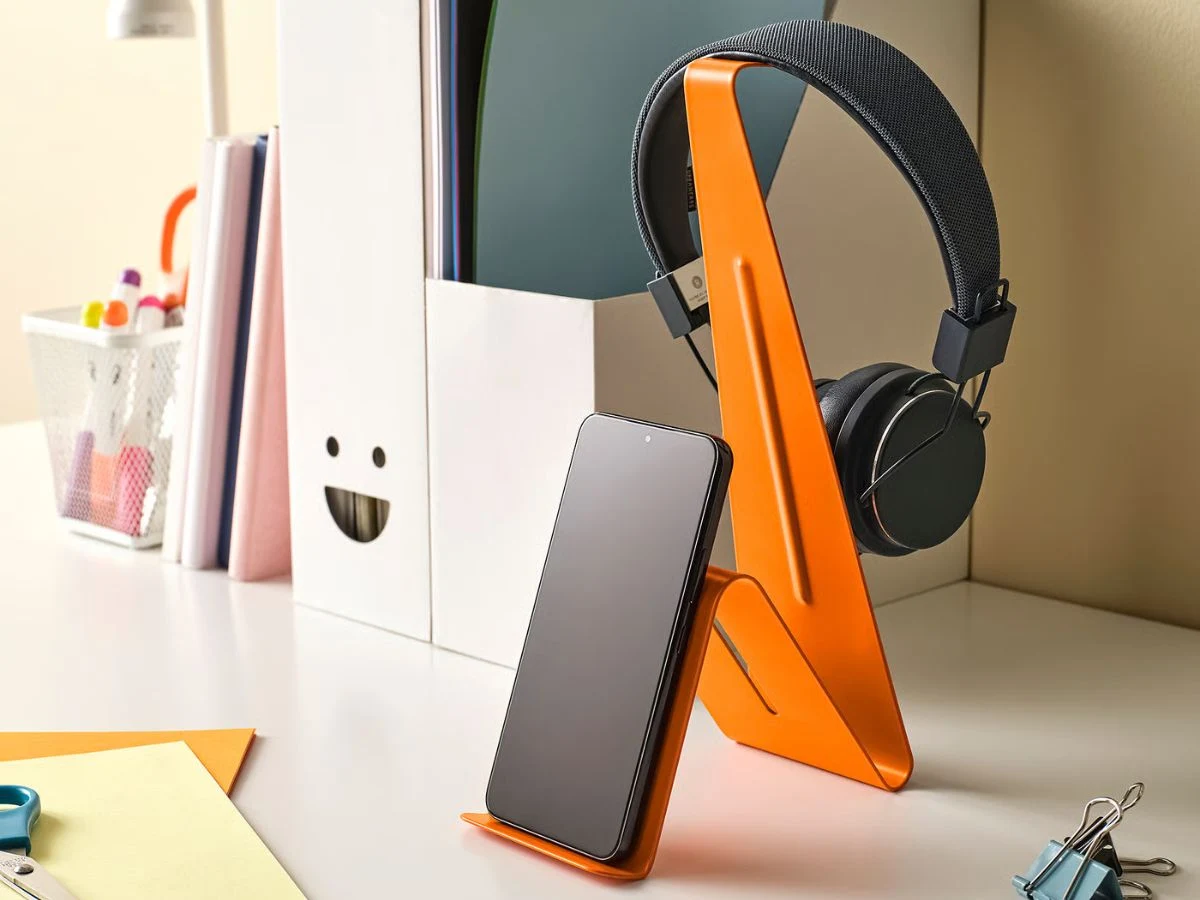
    IKEA has introduced a new vibrant orange version of the Möjlighet Headset/tablet stand in Europe. This popular accessory first appeared in 2019 and has been available in black and white for quite a while.

    Bright Addition to the Collection

    Now, the striking orange variant of the Möjlighet can be found on the brand’s online shops across several European nations. True to its name, the IKEA Möjlighet is made to hold a tablet and a set of over-ear headphones, helping to keep your area organized. The steel frame features a lower groove that fits a tablet or a smartphone at a nice viewing angle. On top of this, there’s a hook for placing the headphones.

    Versatile Use and Design

    The Möjlighet by IKEA is perfect for use on a desk, bedside table, or in a bookcase, as the company notes that its light weight allows for easy relocation. This sturdy frame weighs 0.28 kg (~9.9 oz) and has dimensions of 28 x 15 x 8 cm (~11.0 x 5.9 x 3.1 inches). Additionally, its rounded edges help to avoid scratching any surfaces.

    You can currently purchase the IKEA Möjlighet Headset/tablet stand in orange for €3.99 in Spain, €5.99 in Germany, and SEK 29 in Sweden. Based on the brand’s stock checking tool, it might also be available at select physical IKEA locations. It’s uncertain when this new color will arrive in the US, where the company already offers black and white versions priced at $5.99.

    Source:
    Link


  • New Xiaomi Smart Air Conditioner with mmWave Accessory Available

    New Xiaomi Smart Air Conditioner with mmWave Accessory Available

    Key Takeaways

    1. The Xiaomi Mi Home Central Air Conditioner offers both cooling and heating with a temperature range of -28°C to 65°C (-18°F to 149°F) and an annual performance factor (APF) of 5.75.
    2. It features smart add-ons like the Mi Home Intelligent Sensing Fan Panel, which uses mmWave radar sensors to adjust settings automatically based on room occupancy.
    3. The air conditioner includes a Health Filter that eliminates over 99% of formaldehyde, improving indoor air quality.
    4. It has a self-cleaning function at 56°C (133°F) and AI-driven health check-ups to identify potential issues with the unit.
    5. The product is priced at CNY 25,999 (~$3,762) in China, with no confirmed availability in other regions yet.


    Xiaomi has introduced the latest Mi Home Central Air Conditioner (6HP, Super Level 1 Energy Efficiency) in China. This innovative smart home appliance provides both cooling and heating, featuring a variety of advanced characteristics.

    Advanced Temperature Range

    The Xiaomi Mi Home Central Air Conditioner is equipped with a dual-cylinder compressor that uses gas injection, enabling it to function efficiently across a broad temperature spectrum of -28°C to 65°C (~-18°F to 149°F). It’s also considered to have good energy efficiency, boasting an annual performance factor (APF) of 5.75 and earning a Level 1 energy efficiency rating in China.

    Smart Features Available

    Users have the option to enhance their experience with several smart add-ons for the Mi Home Central Air Conditioner. One such upgrade is the Mi Home Intelligent Sensing Fan Panel, which incorporates mmWave radar sensors to detect people in the room and adjust its settings automatically. Additionally, the Mi Home Central Air Conditioner Health Filter is designed to eliminate over 99% of formaldehyde, thereby enhancing air quality. Moreover, the Xiaomi Smart Air Management Panel allows the device to connect with other compatible smart home gadgets. Other notable smart features include a self-cleaning function at an intelligent 56°C (~133°F) and AI-driven health check-ups that can identify clogs, low refrigerant levels, and various hardware or software problems.

    Pricing and Availability

    In China, the Xiaomi Mi Home Central Air Conditioner (6HP, Super Level 1 Energy Efficiency) is priced starting at CNY 25,999 (~$3,762). While Xiaomi already markets some smart air conditioning units in Europe, such as the Mijia Air Conditioner Pro Eco 2.6 kW (currently €599 at Mi Store ES), it’s still uncertain if this new model will be available in other regions.

    Source:
    Link


  • Xiaomi Mid-Range Smartphones Set for Global Release with Name Changes

    Xiaomi Mid-Range Smartphones Set for Global Release with Name Changes

    Key Takeaways

    1. The Redmi Note 15 Pro Plus launched globally in January, priced at $499.50 on Amazon.
    2. Xiaomi may skip the Redmi Note 16 series and move directly to the Redmi Note 17 series.
    3. Upcoming models under development include names like 2607DRA18C, 26073RA49C, and 2609FRA74C.
    4. The Redmi Note 17 Pro Max is likely to be one of the new devices, with a focus on streamlining model names.
    5. The Redmi Note 17 5G and Redmi Note 17 Pro are also in the works, with a global launch expected soon.


    The Redmi Note 15 Pro Plus just made its global appearance at the start of January (currently priced at $499.50 on Amazon). It launched alongside four other models in the Redmi Note 15 line, first debuting in China back in August. Now, about six months after its release, rumors are swirling about what might come next.

    Rumors on Upcoming Models

    Several sources say that Xiaomi might not release a Redmi Note 16 Pro Plus. In fact, they could skip the entire Redmi Note 16 series. Instead, the company is likely looking to move directly to the Redmi Note 17 series, with new models like 2607DRA18C, 26073RA49C, and 2609FRA74C reportedly under development.

    Future of Redmi Note Series

    It’s said that one of these three upcoming devices could be the Redmi Note 17 Pro Max, as Xiaomi aims to streamline the naming of its flagship and mid-range models. Additionally, Xiaomi Time has reported that the brand is also working on the Redmi Note 17 5G and Redmi Note 17 Pro, which are expected to hit the market soon. Early signs indicate that all three smartphones will launch globally, including the Redmi Note 17 Pro Max. However, details about what upgrades might be coming are still unclear for now.

    Experience more & Xiaomi Time

    Source:
    Link


  • Lenovo Launches 14-Inch ThinkPad with 120Hz VRR OLED Display

    Lenovo Launches 14-Inch ThinkPad with 120Hz VRR OLED Display

    Key Takeaways

    1. Lenovo has launched the ThinkPad X1 2-in-1 Gen 11 Aura Edition, replacing the previous Gen 10 model.
    2. The new model features a 58 wh battery, three Thunderbolt 4 ports, and a compact 14-inch design.
    3. The starting configuration includes a Core Ultra 5 325 processor, 32 GB of RAM, 1 TB storage, and a 1200p IPS display.
    4. Upgrade options include a Core Ultra 7 355 processor, a 2.8K OLED display, and PCIe 5.0 SSDs, with additional pricing for each upgrade.
    5. The starting price is £2,489.99/€2,799, with shipments beginning on March 24 in the UK and Eurozone.


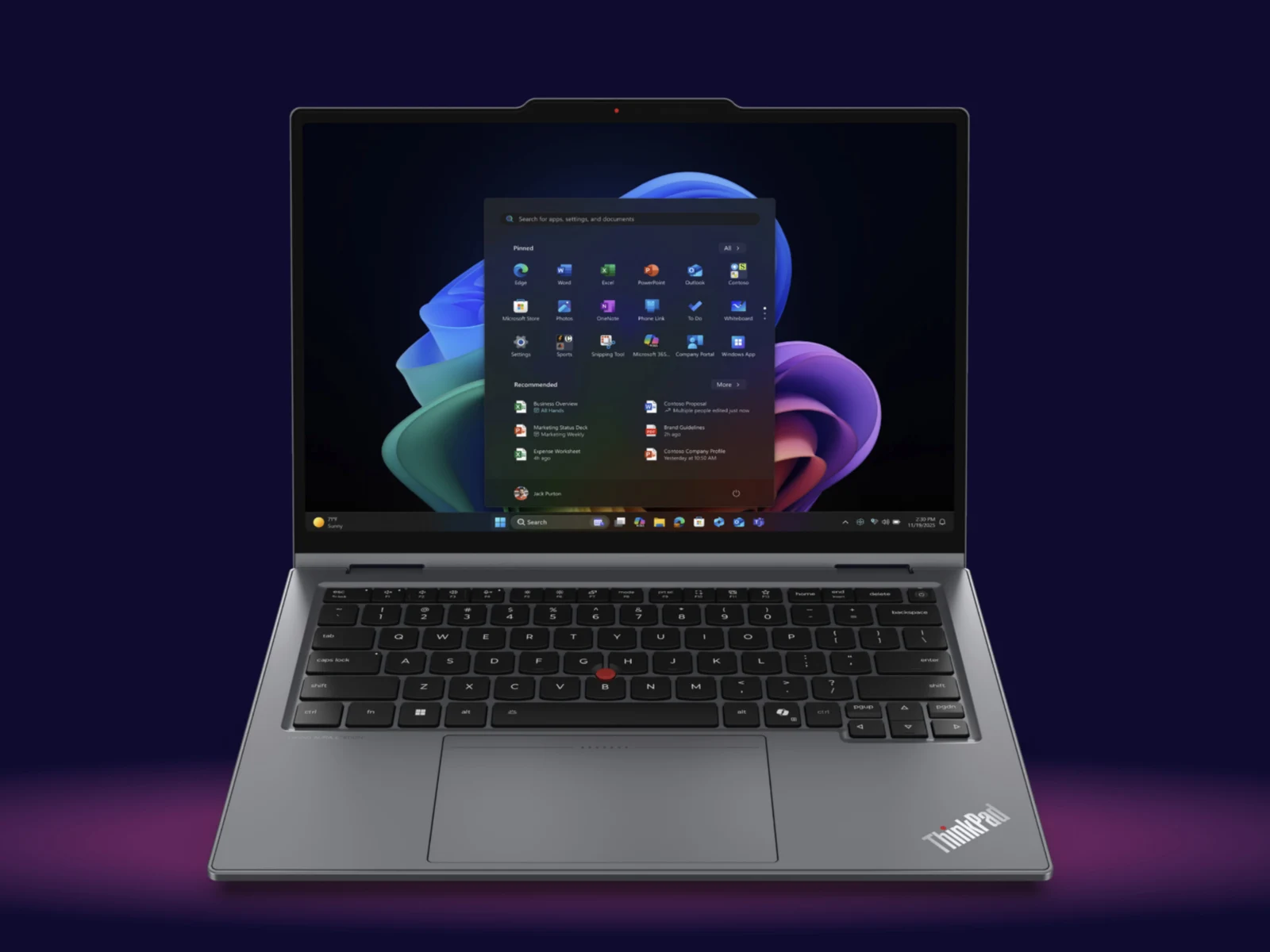
    Lenovo has officially launched the new ThinkPad X1, following its presentation of the 2-in-1 during CES 2026 in January. This model replaces the Lunar Lake-based Gen 10 version (currently priced at $1,897 on Amazon), and the ThinkPad X1 2-in-1 Gen 11 Aura Edition comes with numerous upgrades compared to previous versions, not just with improved processors.

    Specifications and Features

    To give you a better idea, Lenovo has included a 58 wh battery in all models, along with three Thunderbolt 4 ports, all fitted into a compact 14-inch frame that measures 313.5 x 219.3 x 9.4~16.4 mm. At the launch, Lenovo referred to the Core Ultra X7 processors, but the starting model of the ThinkPad X1 2-in-1 Gen 11 features a Core Ultra 5 325 processor, paired with 32 GB of RAM and a 1 TB PCIe 4.0 storage, as well as a 1200p IPS display with a refresh rate of 60 Hz.

    Upgrade Options

    Alternatively, buyers can choose to upgrade to a Core Ultra 7 355 processor for an additional £220/€250, which also includes a 2.8K OLED display with 120 Hz VRR, or opt for a PCIe 5.0 SSD for £110 in the UK, or €120 and €130 in the Eurozone. Additionally, Lenovo offers its Slim Pen 2 for an extra £30/€30 and adds NFC connectivity for an additional £10/€20. Interestingly, only the Core Ultra 7 355 models allow for a configuration with 16 GB of RAM, offering a savings of £290/€330.

    Pricing and Availability

    The starting price for the ThinkPad X1 2-in-1 Gen 11 Aura Edition is listed at £2,489.99/€2,799, though it can be purchased without an operating system for a discount of £50/€60. Lenovo is set to begin shipping on March 24 in the UK and throughout the Eurozone, while other regions like Australia may see shipments start later. For more information, be sure to check our launch article.

    Source:
    Link


  • CachyOS 260308: User-Friendly Arch-Based Linux Distribution

    CachyOS 260308: User-Friendly Arch-Based Linux Distribution

    Key Takeaways

    1. Desktop Enhancements: The desktop edition features animated GIF/WebP previews in the installer for easier desktop environment selection and supports JPEG XL for reduced image sizes.

    2. Cachy-Update Default: GNOME and KDE installations now come with Cachy-Update enabled by default, improving system updates.

    3. Improved Hardware Detection: Enhanced hardware detection and clearer error messages for small EFI partitions.

    4. Handheld Features: The handheld edition now allows easy installation of Winboat via CachyOS-Welcome, which supports keyboard navigation for accessibility.

    5. New Mirrors: New download mirrors have been added in Russia, Sweden, and Canada for faster and more reliable access to the OS.


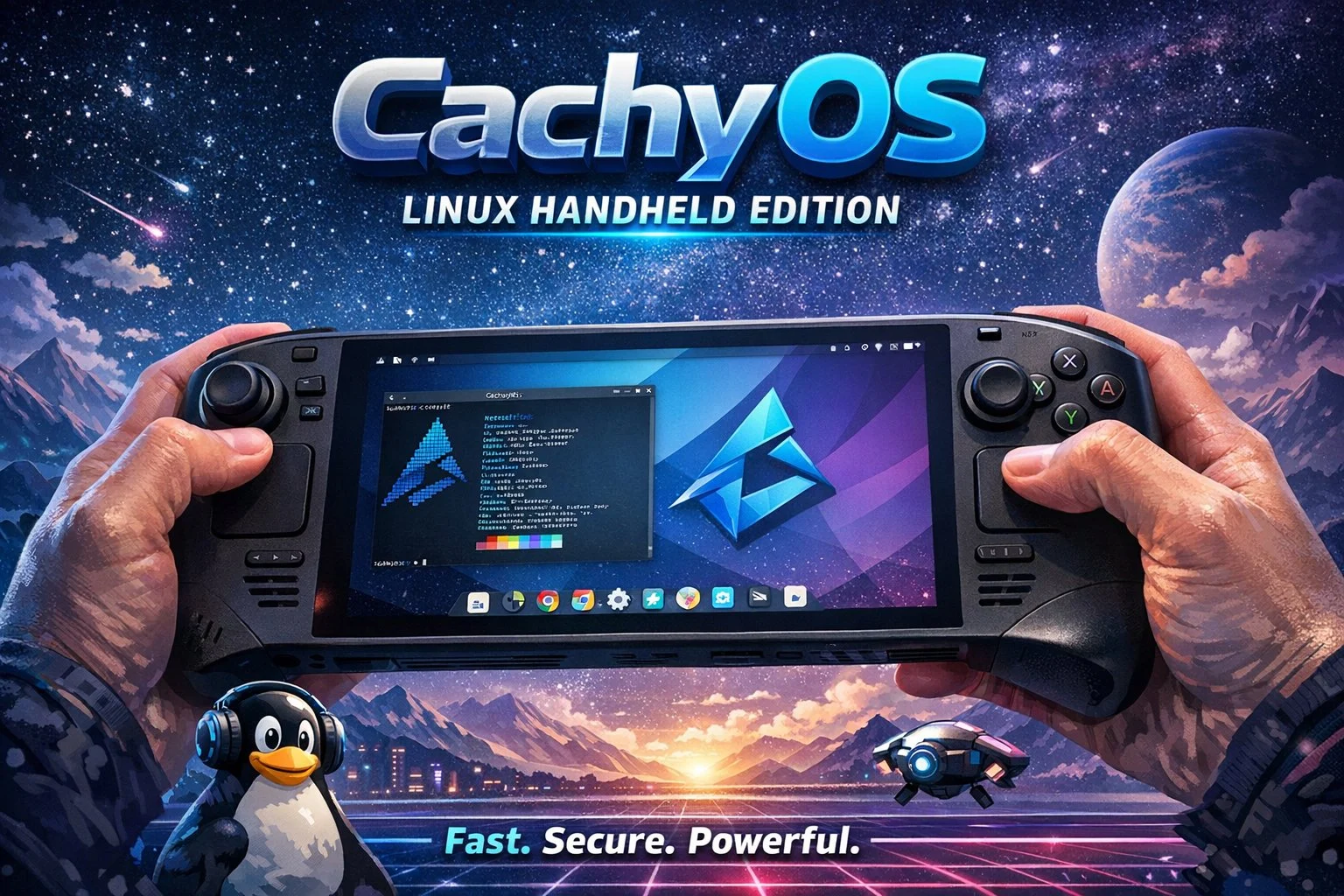
    Arch-based distro CachyOS is back for both desktop and handheld users, as usual. This year’s second update arrived yesterday and is labeled 260308. While the reworked website aims at all users, there are separate goodies for desktop/laptop users and for the handheld crowd as well.

    Desktop Enhancements

    First, we should mention that the desktop CachyOS edition gets animated GIF/WebP previews in the installer when selecting the desktop environment. This feature is enabled for Plasma, GNOME, Niri, and COSMIC, so newbies get to see what they choose before deciding what to go for. The desktop selection stage also gets support for JPEG XL to reduce image sizes.

    GNOME and KDE installations now come with Cachy-Update enabled by default, while the hardware detection has been improved alongside the error message when the EFI partition is too small.

    New Features for Handheld Edition

    Winboat can be easily installed and enabled now via CachyOS-Welcome. This area also supports keyboard navigation for improved accessibility.

    In the handheld edition, SDDM has been replaced with plasma-login-manager, with Limine now the default bootloader with automatic snapshots. However, systemd-boot can still be selected by those who want to go with it instead.

    Minor Improvements and New Mirrors

    In addition to the above, both version received a bunch of minor improvements and fixes. To provide faster and more reliable downloads to more people, new mirrors have been announced: jura12 in Russia, Zyner in Sweden, and All Things Linux in Canada. The download links can be found in the blog post announcing the update that you can see below.

    CachyOS’

    Source:
    Link


  • Smart Fabrics: Health Monitors and Wearable Power Banks

    Smart Fabrics: Health Monitors and Wearable Power Banks

    Key Takeaways

    1. MXenes are tiny metal compounds that can be blended into fabrics, creating flexible and conductive smart textiles.
    2. These smart fabrics enable continuous health monitoring, allowing real-time data collection for remote patient care and infection control.
    3. The clothing can serve as wearable power banks, harvesting solar energy to power biometric sensors and charge devices.
    4. Challenges include the degradation of MXenes when exposed to oxygen and water, affecting washability and longevity.
    5. Researchers are working on sustainable manufacturing methods to ensure the durability and eco-friendliness of these advanced textiles.


    The clothing of tomorrow is evolving far beyond just style. Scientists at the University of Georgia are looking into how MXenes — tiny two-dimensional metal compounds — can be mixed into regular fabrics to create very advanced smart textiles. Unlike older methods that use rigid metal wires or toxic carbon-based materials, MXenes can be easily blended with water and connect smoothly with fibers. This results in a flexible and highly conductive material that keeps the breathable comfort of regular clothes while also blocking unwanted electromagnetic signals.

    Health Monitoring Capabilities

    A key use for this innovative material is continuous health monitoring. These smart fabrics can collect physiological data in real time, enabling medical experts in the United States to keep tabs on patients remotely and get immediate alerts for any irregular heart rates, changes in blood pressure, or fluctuations in body temperature. Moreover, the coatings have built-in bacteria-fighting qualities, making them especially beneficial in hospitals to help stop contamination on medical textiles.

    Wearable Power Banks

    Besides medical uses, these clever garments can be designed to serve as wearable power banks. By incorporating very thin, flexible energy-harvesting and storage layers right into the fabric, the clothing can collect energy from sunlight. This solar power not only runs the built-in biometric sensors but can also charge external gadgets, potentially allowing users to connect their cellphones or smartwatches directly to their shirts.

    Challenges Ahead

    Even with these groundbreaking features, the technology has practical challenges to overcome before it can be widely sold. The tiny metals lose their effectiveness when they come into contact with oxygen or water, which poses serious problems for the long-term washability of these clothes. Additionally, current manufacturing processes are energy-intensive. Researchers are actively trying to solve these degradation problems and create more sustainable, eco-friendly production methods to ensure these multifunctional fabrics are both long-lasting and environmentally friendly.

    Source:
    Link


  • Nvidia GeForce RTX 3060 Relaunch Set for This Month, Report Says

    Nvidia GeForce RTX 3060 Relaunch Set for This Month, Report Says

    Key Takeaways

    1. The Nvidia GeForce RTX 3060 may return in March 2026, despite being five years old.
    2. The RTX 3060 will likely be produced using Samsung’s 8 nm node, similar to its original release.
    3. The RTX 3060 is expected to deliver around 70% of the performance of the RTX 5060, making it suitable for low-end desktop users.
    4. The RTX 5060 offers additional features like multi-frame generation and native FP8 acceleration in DLSS 4.5, enhancing its overall capabilities.
    5. Approach rumors about the RTX 3060’s return with caution, as verification is still pending.


    Amid global shortages, Nvidia seems to have a strategy to satisfy gamers craving more GPUs. The Nvidia GeForce RTX 3060, which is already five years old, might be making an unexpected return as soon as March 2026.

    Specifications of the RTX 3060

    The GeForce RTX 3060 was offered in 8 or 12 GB GDDR6 VRAM options, but it’s still uncertain which version will be released again. The GeForce RTX 5060, currently priced at $339.99 on Amazon, features only 8 GB of VRAM, which is something to consider. It’s also unclear why Nvidia opted for an older model like the RTX 3060 instead of going with a newer GPU like the RTX 4060. However, a recent report has revealed that the RTX 3060 will be produced using Samsung’s 8 nm node, just like before.

    Performance Expectations

    In terms of performance, the RTX 3060 is expected to deliver around 70% of the RTX 5060’s performance, making it a reasonable option for low-end desktop users, potentially at a competitive price. However, the RTX 5060 offers many extra features, such as multi-frame generation and native FP8 acceleration in DLSS 4.5, which enhances its capabilities beyond just raw performance metrics. As with most recent GPU launches, the final market price will largely depend on supply and demand dynamics.

    Caution with Rumors

    It’s important to approach unverified reports and rumors with skepticism. If the GeForce RTX 3060 gaming GPU is indeed scheduled for a comeback later this month, we should learn more about it soon enough.

    This was noted by Hankyung, as seen by TechPowerUp.

    Source:
    Link