

Tag: Gnome

  • CachyOS 260308: User-Friendly Arch-Based Linux Distribution

    CachyOS 260308: User-Friendly Arch-Based Linux Distribution

    Key Takeaways

    1. Desktop Enhancements: The desktop edition features animated GIF/WebP previews in the installer for easier desktop environment selection and supports JPEG XL for reduced image sizes.

    2. Cachy-Update Default: GNOME and KDE installations now come with Cachy-Update enabled by default, improving system updates.

    3. Improved Hardware Detection: Enhanced hardware detection and clearer error messages for small EFI partitions.

    4. Handheld Features: The handheld edition now allows easy installation of Winboat via CachyOS-Welcome, which supports keyboard navigation for accessibility.

    5. New Mirrors: New download mirrors have been added in Russia, Sweden, and Canada for faster and more reliable access to the OS.


    Arch-based distro CachyOS is back for both desktop and handheld users, as usual. This year’s second update arrived yesterday and is labeled 260308. While the reworked website aims at all users, there are separate goodies for desktop/laptop users and for the handheld crowd as well.

    Desktop Enhancements

    First, we should mention that the desktop CachyOS edition gets animated GIF/WebP previews in the installer when selecting the desktop environment. This feature is enabled for Plasma, GNOME, Niri, and COSMIC, so newbies get to see what they choose before deciding what to go for. The desktop selection stage also gets support for JPEG XL to reduce image sizes.

    GNOME and KDE installations now come with Cachy-Update enabled by default, while the hardware detection has been improved alongside the error message when the EFI partition is too small.

    New Features for Handheld Edition

    Winboat can be easily installed and enabled now via CachyOS-Welcome. This area also supports keyboard navigation for improved accessibility.

    In the handheld edition, SDDM has been replaced with plasma-login-manager, with Limine now the default bootloader with automatic snapshots. However, systemd-boot can still be selected by those who want to go with it instead.

    Minor Improvements and New Mirrors

    In addition to the above, both version received a bunch of minor improvements and fixes. To provide faster and more reliable downloads to more people, new mirrors have been announced: jura12 in Russia, Zyner in Sweden, and All Things Linux in Canada. The download links can be found in the blog post announcing the update that you can see below.

    CachyOS’

    Source:
    Link


  • Gnome Linux Desktop Bans AI-Coded Extensions for Better Performance

    Gnome Linux Desktop Bans AI-Coded Extensions for Better Performance

    Key Takeaways

    1. Rise of Vibe Coding: Generative AI systems excel at coding, leading to an increase in “vibe coding,” where code is generated without deep understanding.

    2. Security and Quality Risks: AI-generated code can lead to inefficiencies, errors, and serious security concerns if developers do not comprehend the code they produce.

    3. Gnome Project’s Ban: Gnome has imposed a ban on vibe-coded extensions, requiring developers to manually create and engineer their code while allowing AI as a learning tool or for code completion.

    4. Submission Criteria: Extensions with excessive unnecessary code, inconsistent styles, imaginary APIs, or signs of AI generation will be rejected to ensure quality and understanding.

    5. Broader Trends: Other Linux projects, like Gentoo Linux, are also banning AI-generated code due to copyright, quality, and ethical issues, emphasizing the need for developers to understand their submissions.


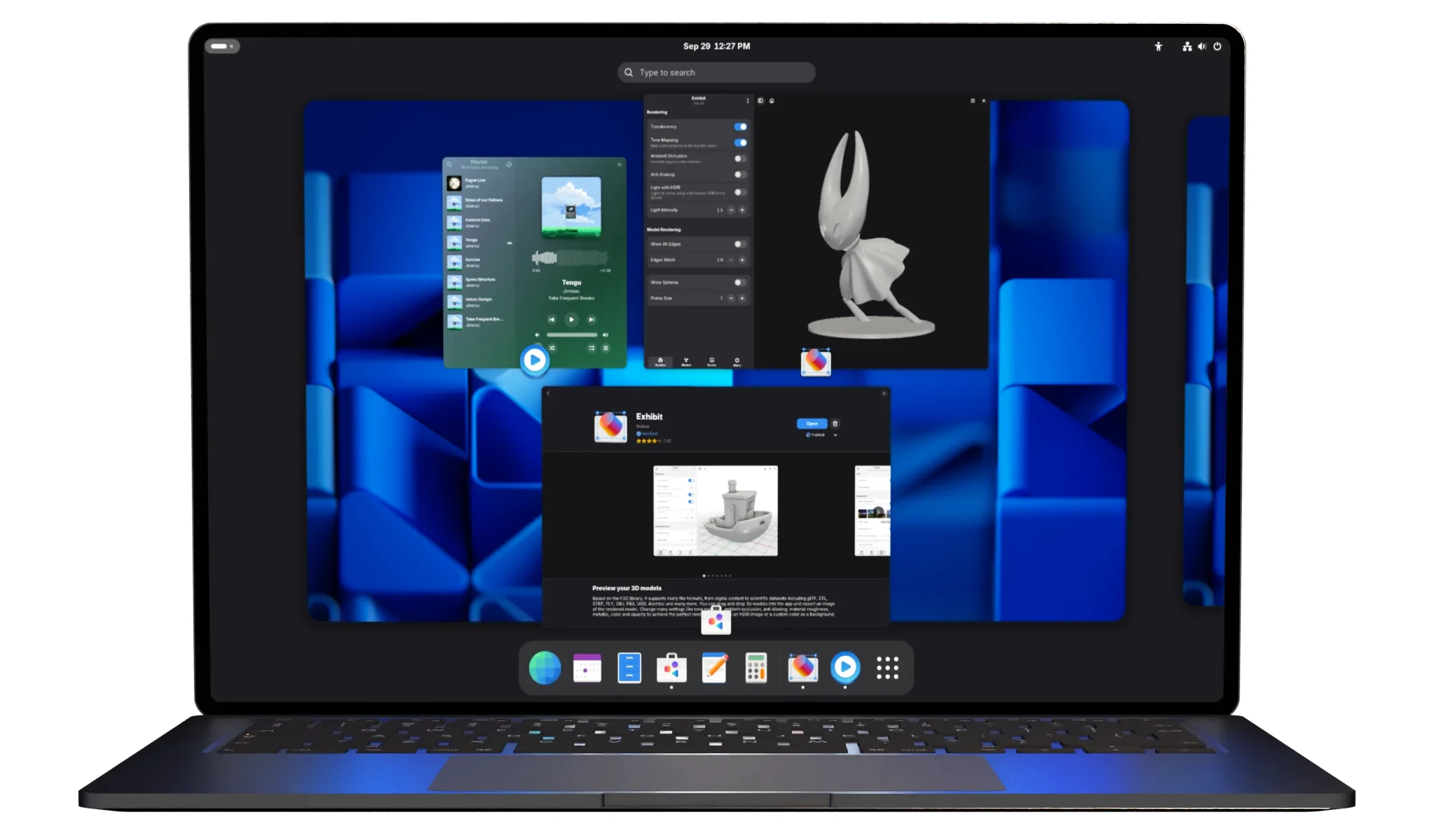
    Coding has become a task that generative AI systems excel at, leading to a rise in vibe coding. However, this convenience of AI-created code comes with risks, especially for those who may not fully grasp the underlying workings of the code they’re generating. Besides potential problems like inefficiency, errors, or neglecting project guidelines, AI-generated code raises more serious concerns, particularly regarding security. With the increasing popularity of AI-generated code, the Gnome Project has observed a surge in AI-generated extensions being submitted to the Gnome Shell Extensions repository. In response, they have decided to impose a blanket ban on vibe-coded extensions.

    Concerns Over Consistency and Understanding

    The main concern for the Gnome project leadership seems to be a mix of stylistic inconsistency and ensuring that developers can clearly understand and explain the code they submit for review. Although the new rule doesn’t completely prohibit code, it does specify that AI should only serve as a learning tool or for code completion. The actual creation and engineering of extensions must be done manually. The Gnome’s new rule regarding AI code states:

    While it’s not forbidden to use AI as a learning tool or for development purposes (like code completions), extension developers must be able to justify and explain the code they submit, to a reasonable extent.

    Criteria for Submission

    Submissions that contain excessive unnecessary code, inconsistent coding styles, imaginary API usage, comments that act as LLM prompts, or any other signs of AI-generated material will be rejected.

    Gnome isn’t the only Linux project to ban AI-generated code; Gentoo Linux announced a ban on any AI-generated code as early as 2024. In Gentoo’s instance, the rationale for the ban relates to issues such as copyright, quality, and ethical considerations. The importance of developers comprehending their code was highlighted when a developer proposed optimizations to the Mesa project without fully understanding or being able to explain the code they were submitting. The extensive back-and-forth that followed is likely one of the scenarios that Gnome aims to avoid with the new shell extension guidelines.

    Conclusion

    Gnome’s approach, shared through Phoronix, shows a clear commitment to maintaining quality and understanding in coding practices, especially as the influence of AI continues to grow.

    Source:
    Link