Tag: health monitoring

  • Qring Smart Ring: Gesture Control, Lightweight Design

    Qring Smart Ring: Gesture Control, Lightweight Design

    Key Takeaway

    – Titan 2 is 35% lighter (2.6g), making it the lightest in the Titan series for all-day comfort.
    – Adds stress tracking and HRV monitoring to existing heart rate, sleep, and SpO₂ tracking.
    – Supports gesture control for page turning, swiping, and snapping pictures.
    – Battery lasts up to 7 days with a 60-minute magnetic charge; IP68 waterproof.
    – Launch price of $99 (normally $129) with no subscription fees for the companion app.


    Expanding the Titan Series

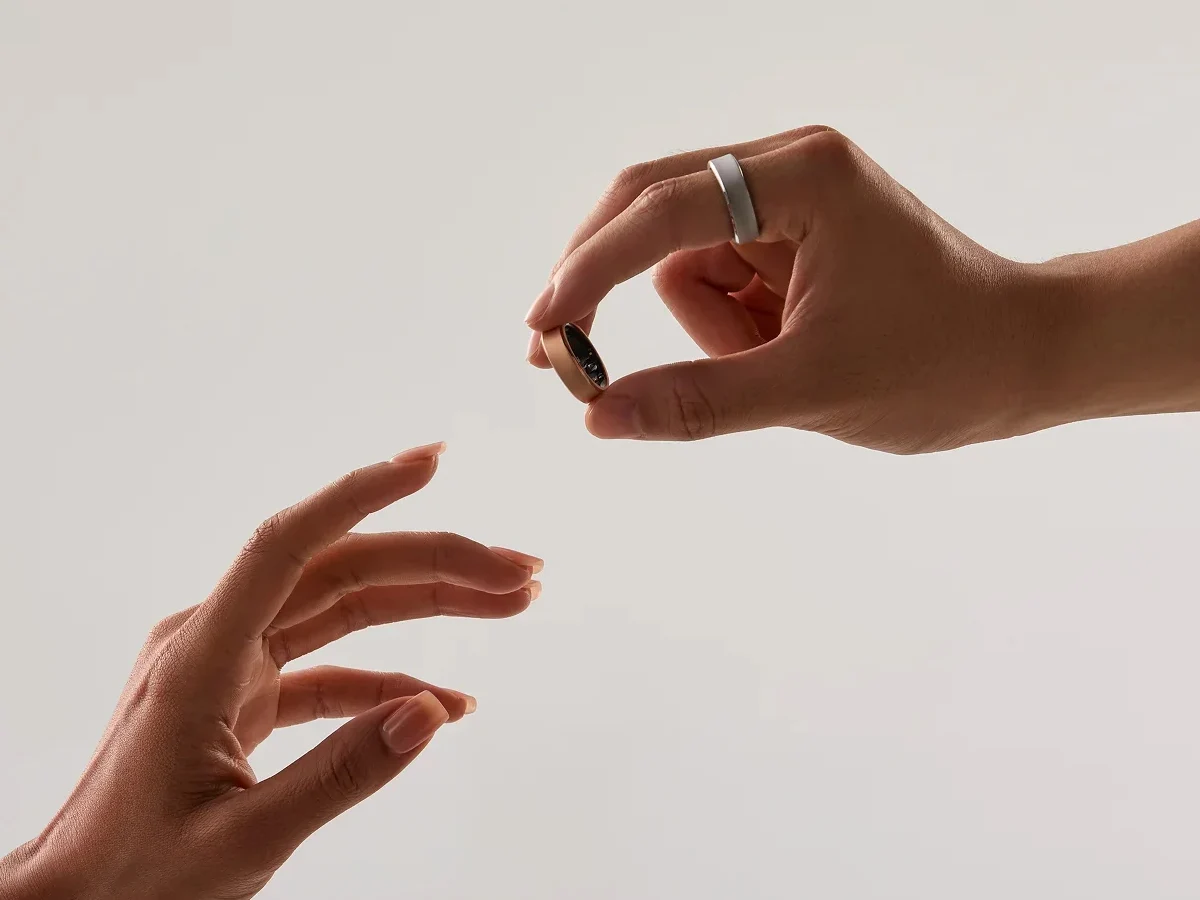
    Qring has expanded its Titan series portfolio by launching the all-new Titan 2 smart ring in the global market, joining the first-generation Titan and the Titan Pro in the brand’s roster. The smart ring brings notable upgrades over the last-generation model in terms of design and health monitoring features. This peice makes a strong move in the wearable tech sector.

    Design and Weight Reductions

    Speaking more precisely, the Titan 2 is now 35% lighter than the Titan, weighing just 2.6 grams (0.091 ounce). This means it is the lightest smart ring available in the Titan series. For context, the Titan and Titan Pro come in at 4.7 grams (0.16 ounces) and 2.7 grams (0.095), respectively. According to Qring, the ring is designed for users who value all-day comfort. It really is a remarkable difference for those who hate heavy jewellery.

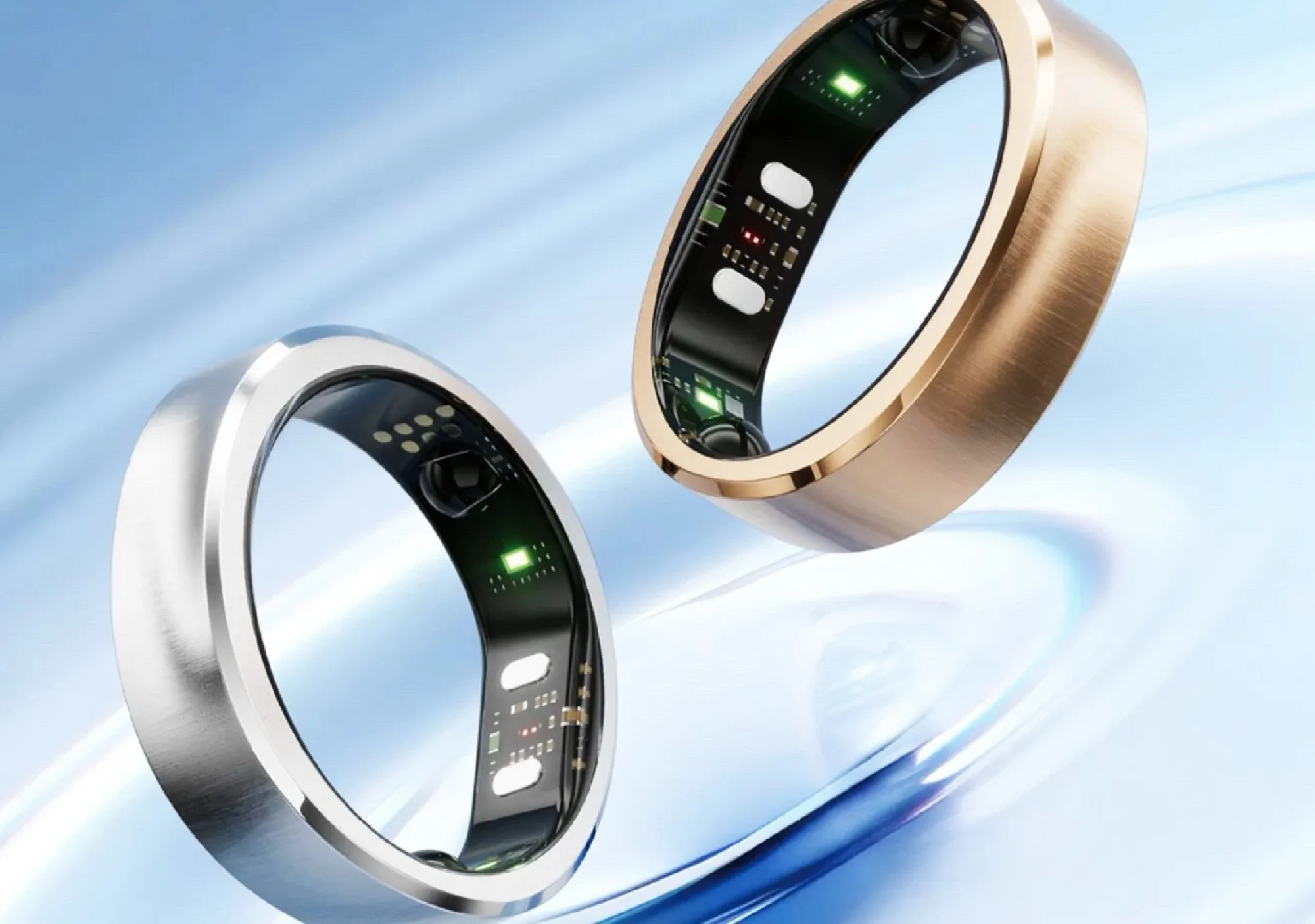
    The Titan 2 now supports a wider size range from size 8 to size 13. This time around, the company has also newly introduced a new silver color option, alongside regular rose gold and black colorways. Furthermore, you can use the Titan 2 to track your heart rate, sleep cycle, and SpO₂ level. Plus, the new addition is stress tracking and HRV (heart rate variability) monitoring, which is absent in its predecessor. So you get more data than ever before, all from your finger.

    Health and Workout Capabilities

    Additionally, QRing offers a range of workout tracking options, including walking, running, cycling, and swimming. It is said to be waterproof to IP68, making it suitable for everyday wear, workouts, and travel. Moreover, the smart ring also supports the RWFit companion app, which is available on both the Apple App Store and Google Play Store, with no subscription fees required. Plus, users can track all the health insights directly from the companion app without any extra cost, which is a huge bonus.

    Battery Life and Unique Features

    According to the company, the Titan 2’s battery life is estimated at up to seven days, and a full charge takes around 60 minutes via magnetic charging. Unlike the Titan and the Titan Pro, the Titan 2 has gesture control, which allows users to turn pages while reading e-books or documents, swipe through reels and shorts, and snap pictures. This is a total game-changer for productivity on the go, making interactions with your phone more seamless.

    The Qring Titan 2 is priced at $129. As a part of the launch offer, the company is offering $30 off for a limited time, meaning interested buyers can snag the ring for $99 via Qring’s official website. It represents a solid value proposition for a device packing so many sensors, especialy when you consider the included features at that price point.

    Sources

  • RingConn Smart Ring Launches with 14-Day Battery and Blood Pressure Monitoring

    RingConn Smart Ring Launches with 14-Day Battery and Blood Pressure Monitoring

    Key Takeaway

    1. The RingConn Gen 3 smart ring features haptic feedback and health insights, with upcoming blood pressure monitoring.
    2. It is priced from $314 during pre-order discounts, with a 14-day battery life and no subscription fees for health data.
    3. The ring is heavier and offers longer battery life than the Samsung Galaxy Ring, with multiple color options and sizing.

    Introducing the New Smart Ring by RingConn

    RingConn has lately revealed its latest competitor to the Samsung Galaxy Ring, which is called the Gen 3 smart ring. Its available now for pre-order, and there’s a special discount for early buyers. The ring itself comes in five different color options to choose from. This new device aims to combine style with functionality, targeting users who wants a sleek wearable with smart features.

    Pricing and Pre-Order Details

    The retail price starts at $349, which is a bit higher then the Galaxy Ring’s discounted price of about $299.99 on Amazon. Nonetheless, if you pre-order, you can get the Gen 3 for only $314, and two exclusive colors are priced at $332 instead of $369. This offer are valid until May 28, 2026, giving potential buyers plenty of time to decide.

    Features and Functions

    The most neat feature of the RingConn Gen 3 is its vibration module, enabling it to give haptic feedback. The company states that it helps deliver health alerts, reminders, and low battery warnings. Strange thing is, it’s not designed to notify you for missed calls, messages, or alarms, despite having vibration capabilities.

    Health Tracking and Future Updates

    An exciting yet future feature involves blood pressure monitoring, which currently is not supported but promised via a software update. The company emphasizes that its purpose isn’t to replace medical devices but to help spot key health patterns that might need professional medical attention. Along with sleep apnea insights, it tracks various health metrics, all without requiring any subscription fees. The device stores up to 10 days of offline health data for analysis.

    Design, Battery Life, and Compatibility

    The smart ring weighs approximately 2.5 to 3.5 grams and offers up to 14 days of battery life if vibration is disabled. In comparison, the Galaxy Ring is rated for about 7 days, weighing between 2.3 and 3.2 grams. The Gen 3 model is available in sizes 6 to 15, ensuring a good fit for many users. Additionally, RingConn provides a companion app compatible with both iOS and Android platforms, making the device versatile and easy to integrate into daily routines.


    Sources

  • RingConn Gen 3 Launches Soon with Blood Pressure Monitoring and Haptic Feedback

    RingConn Gen 3 Launches Soon with Blood Pressure Monitoring and Haptic Feedback

    Key Takeaway

    1. The RingConn Gen 3 Smart Ring will launch on May 5th with no subscription required for core features.
    2. It offers a wider range of sizes (US 6 to 15) to fit most users.
    3. Features include haptic feedback, blood pressure risk estimation, and improved sleep and activity tracking with over ten days of battery life.

    Introduction to the New RingConn Gen 3 Smart Ring

    The RingConn Gen 3 Smart Ring was first teased at CES in January, but the company kept tight lipped about the prices and when it will be available for purchase. Despite this silence, they did clarify that, unlike the Oura Ring 4 which costs about $349, this new ring will not require a subscription to access key features.

    Launch Details and Pricing Expectations

    In their latest announcement, the manufacturer now says the RingConn Gen 3 Smart Ring will officially launch on Tuesday, May 5th. It is unclear whether customers will be able to pre-order on that day or if the ring will be ready for immediate shipping. Also, the price remains a mystery for now. For comparison, the previous version, RingConn Gen 2, is priced at $386. The new version promises various improvements, including more size options, with sizes ranging from US 6 to 15, so most people should find a good fit.

    Innovative Features and Functionalities

    This smart ring offers some clever features, such as a vibration motor that can give haptic alerts — for example, when you’ve hit your daily step goal or if there’s an unusual heart rate detected. Plus, it can estimate blood pressure risk, but it doesn’t measure blood pressure directly. Instead, it uses data from sensors like the heart rate, SpO2, skin temperature, and movement. With over ten days of battery life and improved sleep and activity tracking, the RingConn Gen 3 is designed to be a dependable device you can rely on throughout your daily routine.

    Sources
  • Huawei Launches Slim Smartwatches with Large AMOLED Screens

    Huawei Launches Slim Smartwatches with Large AMOLED Screens

    Key Takeaway

    1. Huawei’s Watch Fit 5 series introduces a new wrist-based micro-movement stretching feature with 30 exercises targeting various body parts.
    2. The series includes two models: the ultra-thin, lightweight Watch Fit 5 with a 1.82-inch AMOLED display and the more premium, larger Watch Fit 5 Pro with a 1.92-inch AMOLED display, sapphire glass, and titanium bezel.
    3. The Watch Fit 5 Pro offers advanced health features, including an ECG sensor and diving support up to 40 meters, while both models aim for around seven days of battery life.
    4. Launch date in China is April 29, 2026, with European pricing expected at €199 for the standard model and €299 for the Pro.

    Introduction to Huawei Watch Fit 5 Series

    Huawei has just announced the new Watch Fit 5 and Fit 5 Pro smartwatches in China, drawing a lot of attention with their updated features and sleek designs. Many of the specs and images were leaked in April 2026, giving fans a good look at what they can expect from the latest models of wearables.

    Unique Features and Tracking Abilities

    These new watches bring a innovative wrist-based micro-movement stretching feature, which supplies users with 30 different types of excercises to stretch 10 body parts, including the neck, shoulders, and back. It’s a smart move to promote health and flexibility. Both watches can track various health metrics, especially with an upgraded sensor that enhances heart rate monitoring accuracy. They also support third-party apps, GPS tracking, and promise about a week of usage on a single charge under typical conditions.

    Design and Display Details

    The Huawei Watch Fit 5 is touted as being “ultra-thin and light”. It features a 1.82-inch AMOLED screen that’s brighter with a peak of 2,500 nits, making it more vivid in sunlight. The body is made of aluminum alloy, curiously just 9.5 mm thick, a tiny bit thinner than the Apple Watch Series 11. Weighing roughly 27 grams, it’s very comfortable for extended wear. Pre-orders in China start at around CNY 1,099-1,199, roughly translating to $161-176.

    Pro Version and Its Upgrades

    The Watch Fit 5 Pro steps up the game with a larger 1.92-inch AMOLED display, dramatically brighter at 3,000 nits, and protected by sapphire glass for durability. It’s housed in a titanium alloy bezel, adding luxury and strength. The Pro model tips the scale slightly heavier at about 30.4 grams. This version includes advanced features like ECG sensors for heart rhythm detection, aside from the fitness basics, and is designed for diving, capable of withstanding depths up to 40 meters. The retail price for the Pro sits between CNY 2,099-2,199, or approximately $308-323.

    Availability and Pricing

    In China, these stylish smartwatches will release on April 29th. The European release date is yet to be confirmed, but rumors suggest that the standard model will cost around €199, and the Pro €299. To compare, the previous Watch Fit 4 was launched at €169, which converts to about €105.18 at Amazon Germany. As the new series arrives, it’s clear Huawei is aiming to capture a wider audience with both affordable and premium options suited to different preferences.

    Sources

  • Garmin May Launch New Muscle-Tracking Feature Soon

    Garmin May Launch New Muscle-Tracking Feature Soon

    Key Takeaway

    1. Garmin’s upcoming “Muscle Battery” feature aims to analyze muscle oxygen saturation and sports performance metrics using specialized algorithms.
    2. It likely requires dedicated hardware, such as a near-infrared spectroscopy (NIRS) sensor, which would be separate from current Garmin wearables.
    3. The feature might be integrated into existing devices as a display function but may necessitate new hardware placed directly on muscles.
    4. Garmin has shown interest in muscle-related metrics through surveys and concept ideas like Neuromuscular Readiness Score and Muscle maps.

    Garmin’s New Muscle Battery Feature Might Be Coming Soon

    So there is this new thing that Garmin was working on called Muscle Battery, and it sounds pretty cool kinda like a health tech upgrade. It was just recently spotted in a trademark registration filed at the USPTO, somewhere around mid-February 2026, with serial number 99661177. What it is supposed to do, is kinda like a software that captures, processes, and analyzes muscle oxygen saturation, or sometimes related to sports performance, using some special algorithms, according to the official description.

    What We Know About The Technology

    Now, this Garmin Muscle Battery is meant to be sold as part of personal electronic gadgets, like fitness trackers, smartwatches, and devices for health monitoring. It probably will need a particular hardware to work, such as a near-infrared spectroscopy sensor, better known as NIRS, to measure oxygen saturation in muscles (SmO2). As of now, there’s no Garmin wearable device with such a sensor, hinting that this might be a new product line entirely.

    Hardware and Implementation

    Plus, the sensor has to be placed directly onto the muscle group you’re trying to measure, which makes it a bit tricky for watches—probably not gonna fit on a regular Garmin smartwatch. Though you could see the data on a watch screen, the sensor itself will likely need to be attached directly to your muscles, maybe through a specialized strap or patch. And it’s probably not gonna be part of the upcoming CIRQA smart band after leaks earlier this year, since that was basically a wrist-worn thing, not designed for direct muscle contact.

    Garmin’s Moving Toward Muscle Metrics

    Interestingly, there are other signs Garmin is looking into muscle-related data for fitness. During a recent survey about strength training, they mentioned different “concept ideas,” like a Neuromuscular Readiness Score, a muscle recovery map, and something called Acute Strength Load. All these concepts suggest Garmin is seriously interested in personalized muscle metrics, but it’s still just in the idea stage for now.

    Future Prospects and Uncertainties

    It’s not clear yet if or when Garmin will officially release a wearable with this Muscle Battery feature. The trademark is still pending, so we’re in the wait-and-see phase. Overall, it seems Garmin is exploring some pretty advanced health tech that could potentially revolutionize how we track muscular health and performance someday soon.

  • Oppo Watch X3 Launch: Titanium Body, 3000 Nits OLED, ECG Feature

    Oppo Watch X3 Launch: Titanium Body, 3000 Nits OLED, ECG Feature

    Key Takeaways

    1. The Oppo Watch X3 features a lightweight titanium case, making it 16% lighter and 6.4% thinner than its predecessor.
    2. It has an IP69 and MIL-STD-810H certification, allowing it to be used while swimming, and a bright AMOLED display with a maximum brightness of 3,000 nits.
    3. The smartwatch includes advanced health monitoring features such as heart rate, SpO2, skin temperature sensors, and an ECG.
    4. It offers a 60-second health check to provide a snapshot of various health metrics, although it does not measure blood pressure accurately.
    5. The Oppo Watch X3 can connect to both Apple and Android devices simultaneously and supports over 100 apps, with LTE modem and eSIM for independent mobile network access.


    Another option to the OnePlus Watch 3 ($341 on Amazon) will be officially revealed on Tuesday, March 17. A teaser website from Oppo has shown many key details about the smartwatch’s features ahead of time. The new design uses titanium instead of stainless steel for the case, which makes it 16 percent lighter and 6.4 percent thinner.

    Durability and Display

    The case is IP69 and MIL-STD-810H certified, so the smartwatch can be used while swimming. The round AMOLED display achieves a much higher brightness of 3,000 nits, which is especially useful since the maximum brightness of most smartwatches is usually only available in direct sunlight to enhance readability. For operation, besides the touchscreen, there is also a button and a digital crown.

    Health Features and Connectivity

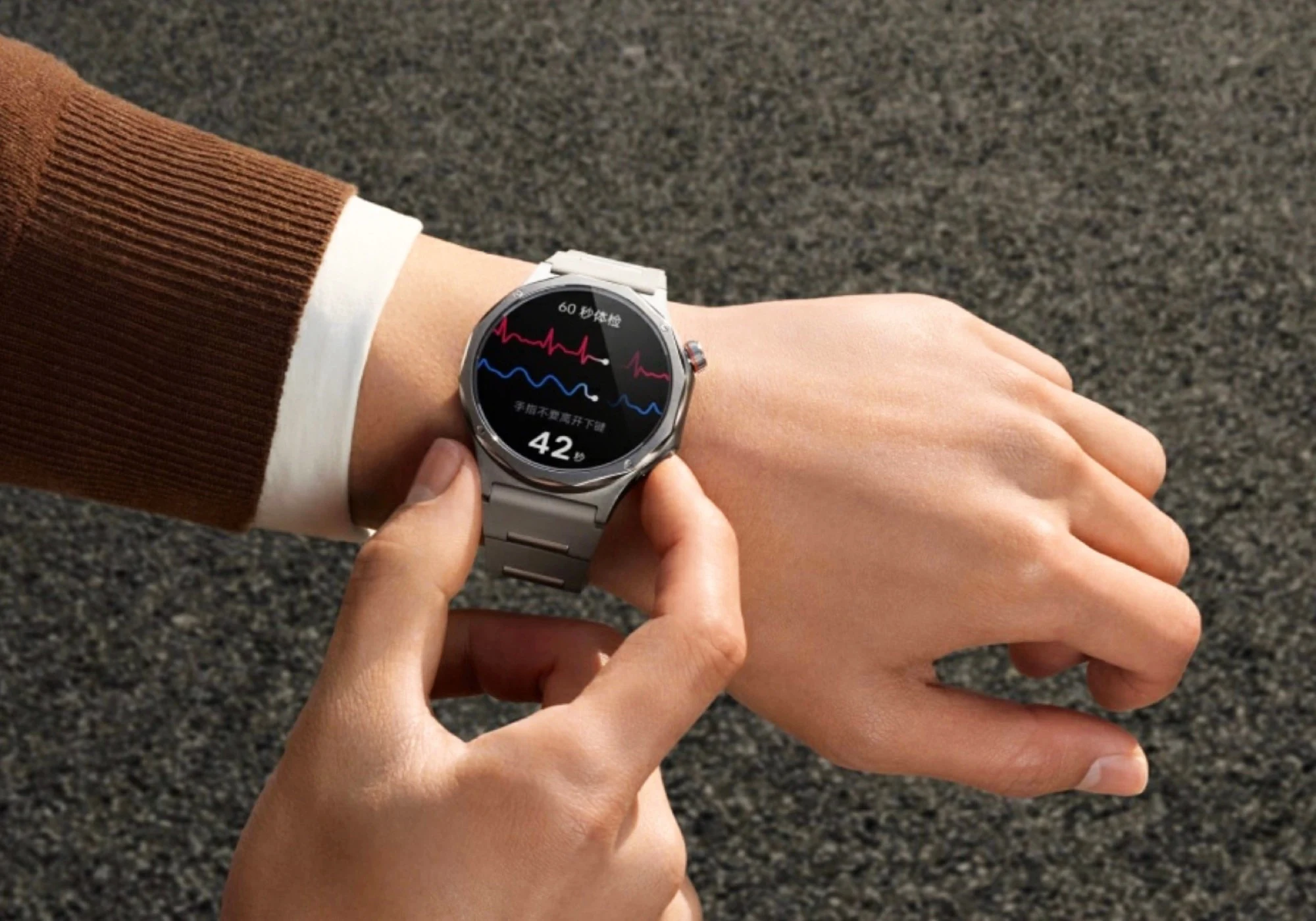
    The Oppo Watch X3 boasts a comprehensive range of functions, particularly regarding health features. It includes a heart rate and SpO2 sensor, a skin temperature sensor, and an ECG. A 60-second health check allows the smartwatch to gather data from all sensors at once, giving a snapshot of all metrics. It is designed to alert users if they might be at risk of high blood pressure, though it does not actually measure blood pressure accurately.

    One neat feature is that this smartwatch can connect to both an Apple iPhone and an Android smartphone at the same time, which is great for users with multiple phones. The Oppo Watch X3 supports over 100 apps. With an LTE modem that has eSIM, the smartwatch can also connect to the mobile network without needing a smartphone when you’re on the go.

    Oppo’s new offering looks set to make a splash in the smartwatch market.

    Source:
    Link


  • Smart Fabrics: Health Monitors and Wearable Power Banks

    Smart Fabrics: Health Monitors and Wearable Power Banks

    Key Takeaways

    1. MXenes are tiny metal compounds that can be blended into fabrics, creating flexible and conductive smart textiles.
    2. These smart fabrics enable continuous health monitoring, allowing real-time data collection for remote patient care and infection control.
    3. The clothing can serve as wearable power banks, harvesting solar energy to power biometric sensors and charge devices.
    4. Challenges include the degradation of MXenes when exposed to oxygen and water, affecting washability and longevity.
    5. Researchers are working on sustainable manufacturing methods to ensure the durability and eco-friendliness of these advanced textiles.


    The clothing of tomorrow is evolving far beyond just style. Scientists at the University of Georgia are looking into how MXenes — tiny two-dimensional metal compounds — can be mixed into regular fabrics to create very advanced smart textiles. Unlike older methods that use rigid metal wires or toxic carbon-based materials, MXenes can be easily blended with water and connect smoothly with fibers. This results in a flexible and highly conductive material that keeps the breathable comfort of regular clothes while also blocking unwanted electromagnetic signals.

    Health Monitoring Capabilities

    A key use for this innovative material is continuous health monitoring. These smart fabrics can collect physiological data in real time, enabling medical experts in the United States to keep tabs on patients remotely and get immediate alerts for any irregular heart rates, changes in blood pressure, or fluctuations in body temperature. Moreover, the coatings have built-in bacteria-fighting qualities, making them especially beneficial in hospitals to help stop contamination on medical textiles.

    Wearable Power Banks

    Besides medical uses, these clever garments can be designed to serve as wearable power banks. By incorporating very thin, flexible energy-harvesting and storage layers right into the fabric, the clothing can collect energy from sunlight. This solar power not only runs the built-in biometric sensors but can also charge external gadgets, potentially allowing users to connect their cellphones or smartwatches directly to their shirts.

    Challenges Ahead

    Even with these groundbreaking features, the technology has practical challenges to overcome before it can be widely sold. The tiny metals lose their effectiveness when they come into contact with oxygen or water, which poses serious problems for the long-term washability of these clothes. Additionally, current manufacturing processes are energy-intensive. Researchers are actively trying to solve these degradation problems and create more sustainable, eco-friendly production methods to ensure these multifunctional fabrics are both long-lasting and environmentally friendly.

    Source:
    Link


  • RingConn Gen 3: Oura Alternative with Blood Pressure and Vibration

    RingConn Gen 3: Oura Alternative with Blood Pressure and Vibration

    Key Takeaways

    1. The new RingConn Gen 3 features a waterproof titanium body and comes in five colors: matte black, brushed silver, polished silver, royal gold, and polished rose gold.
    2. Available in US sizes 6 to 15, the ring can fit a wide range of users.
    3. It alerts users to potential high blood pressure based on heart rate, SpO2, accelerometer, and skin temperature data, rather than medical-grade measurements.
    4. The new model includes a vibration motor for haptic feedback, notifying users of fitness goals or abnormal readings.
    5. The RingConn Gen 3 is expected to have improved battery life, lasting longer than the 10 to 12 days of the previous version, with no subscription fee required.


    The RingConn Gen 2 and RingConn Gen 2 Air (starting at $199 on Amazon) are about to be replaced by a new version that boasts a variety of upgrades. Like its predecessors, this new iteration comes with a waterproof titanium body, but now it’s available in five stylish colors: matte black, brushed silver, polished silver, royal gold, and polished rose gold.

    Size Options

    The ring is offered in US sizes ranging from 6 to 15, making it likely that most individuals can find a suitable fit. One of the standout features is its capability to alert users to high blood pressure. However, it’s important to clarify that this alert is not derived from a medical-grade blood pressure measurement. Instead, the RingConn utilizes data from its heart rate and SpO2 sensors, along with the accelerometer and skin temperature sensor, to assess the risk of high blood pressure. This method is somewhat similar to that of the Circular Ring 2.

    New Features

    Another significant improvement is the inclusion of a vibration motor that delivers haptic feedback. This feature can notify users when they achieve a fitness goal or when an abnormal reading is detected. Additionally, RingConn claims that this new model will have a longer battery life compared to the previous version, which was said to last between ten to twelve days on a single charge. Unfortunately, specific runtime details have not been disclosed yet.

    As of now, it’s uncertain when the RingConn Gen 3 will be available for purchase or what its price will be. Unlike the Oura smart rings, it seems that the RingConn Gen 3 will not necessitate a subscription fee.

    Source:
    Link


  • Smalth’s Ultra-Slim Smart Ring: 8-Day Battery, No Fees

    Smalth’s Ultra-Slim Smart Ring: 8-Day Battery, No Fees

    Key Takeaways

    1. Smalth has launched a new Ceramic smart ring that is slimmer and lighter than the Titanium model.
    2. The Ceramic smart ring is 4 mm wide, weighs 2 grams, and has a ceramic coating for durability and aesthetics.
    3. It offers health monitoring features like heart rate, blood oxygen saturation, sleep tracking, and activity tracking.
    4. The ring has a long battery life of up to 8 days and does not require a subscription fee for full access to features.
    5. Available in sizes 7 to 13 and three colors (white, pink, black), the Ceramic smart ring is priced at $88.


    Smalth has introduced a brand new Ceramic smart ring, adding to the Smalth Titanium already in their lineup. To refresh your memory, the Titanium was launched in December last year. Notably, the new Ceramic smart ring is both slimmer and lighter compared to the Titanium model. Specifically, this smart ring is only 4 mm (0.15 inch) wide and weighs about 2 grams (0.07 ounce). In contrast, the Titanium version is 7.6 mm wide and weighs 2.7 grams (0.095 ounce).

    Design and Features

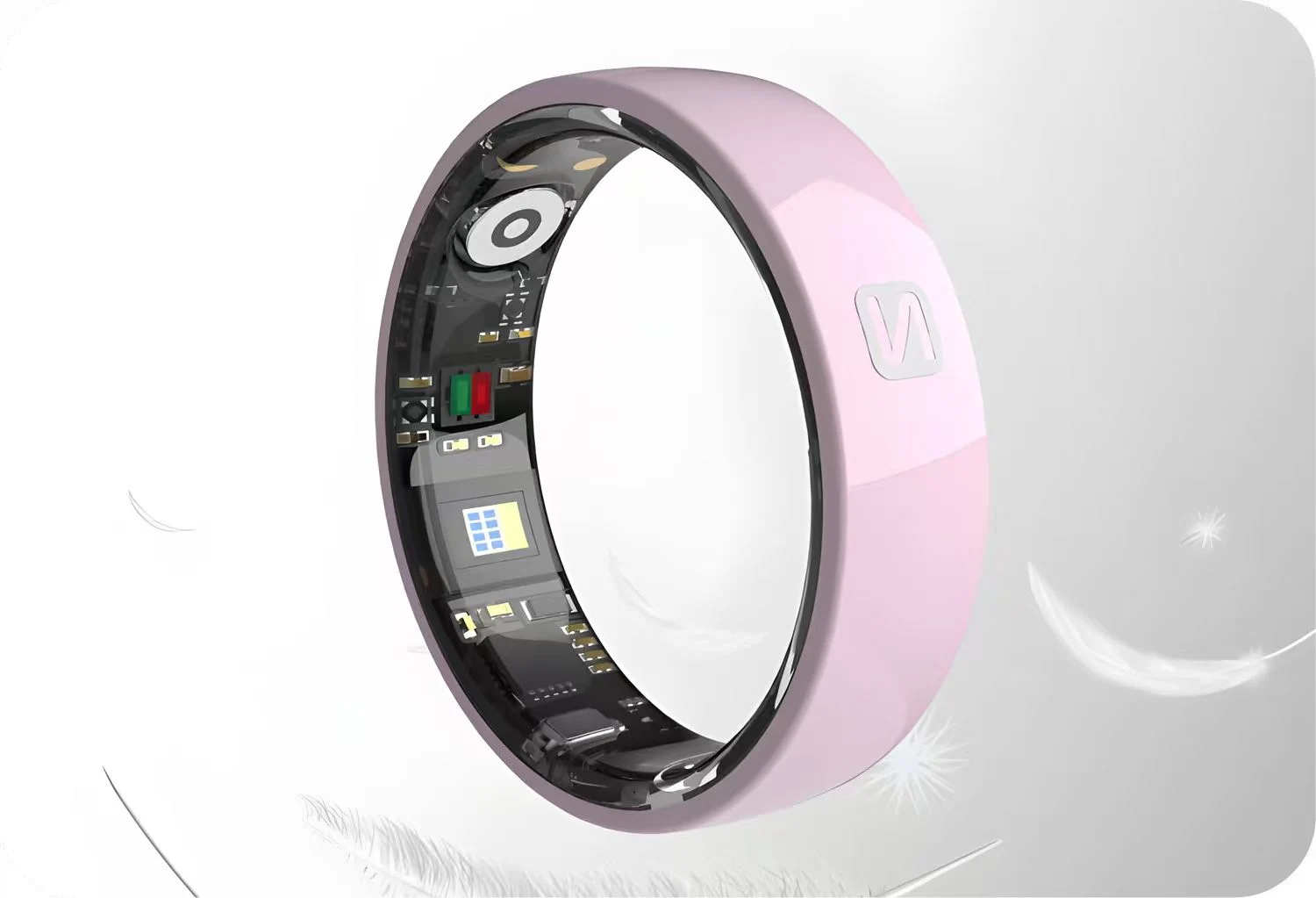
    This latest ring boasts a ceramic coating, providing it with a sleek and polished appearance while maintaining the durability and comfort found in the Titanium variant. Even though it is more slender and lightweight, the 10 ATM-rated smart ring claims to deliver sophisticated health monitoring features similar to those of the Smalth Titanium.

    The Ceramic smart ring is designed to track your heart rate and blood oxygen saturation around the clock. Moreover, it includes functionality for sleep tracking, which allows users to monitor various metrics like sleep cycles, stages, scores, and duration. Additionally, it can track physical activities such as running, walking, cycling, among others. The battery life is impressive, lasting up to 8 days on a single charge.

    User Experience

    Moreover, the new ring enables app-based controls, giving users comprehensive health insights. Unlike competitors such as Oura and Ultrahuman, there’s no subscription fee necessary to access all the features of the Ceramic smart ring. Smalth offers this ring in three different colors: white, pink, and black.

    The Smalth Ceramic Ring is available in ring sizes 7, 8, 9, 10, 11, 12, and 13, with a price tag of $88. Those interested can now buy the smart ring straight from Smalth’s official website.

    Source:
    Link


  • Amazfit Helio Strap: Screenless Fitness Tracker with 10-Day Battery

    Amazfit Helio Strap: Screenless Fitness Tracker with 10-Day Battery

    Key Takeaways

    1. The Amazfit Helio Strap is a lightweight fitness tracker without a screen, weighing about 20 grams, and offers comprehensive health monitoring features.
    2. It includes a BioCharge energy monitoring score to assess energy levels and 27 sports modes for varied fitness activities.
    3. The tracker features a Hyrox Competition Mode for performance monitoring during fitness competitions and provides post-training analysis on recovery and key metrics.
    4. Data from the Helio Strap can be synced with Apple Health and other fitness platforms, and it comes with the Zepp app for data management.
    5. The device has a 10-day battery life, a magnetic charging system, and a waterproof rating of 5 ATM, priced at CNY 699 (about $97) in China, with an expected global price of $79.99.


    Amazfit has revealed the Helio Strap in China, a unique fitness tracker that doesn’t have a screen and weighs roughly 20 grams (which is about 0.04 lbs). Despite its lightness, the brand insists that this smart bracelet is full of health and fitness capabilities. It reportedly offers all-day health monitoring, keeping track of heart rate, sleep patterns, blood pressure, and SpO2 levels.

    Energy Monitoring Features

    This new lightweight tracker also includes a feature called BioCharge energy monitoring score, which is akin to Garmin’s Body Battery. This feature provides insights into the user’s energy levels, helping to gauge the intensity of workouts. Moreover, the Helio Strap boasts 27 different sports modes.

    Special Modes and Analysis

    The company emphasizes a special mode known as Hyrox Competition Mode, which is specifically crafted to monitor performance during fitness competitions. Additionally, the tracker can carry out post-training analysis, offering valuable insights into recovery time, VO2 max, exercise load, and other key metrics.

    Synchronization and Other Features

    All the data gathered by the Helio Strap can be synced with Apple Health and various other prominent fitness platforms. Amazfit also offers the Zepp app, which allows users to manage and view their fitness tracker data. Other notable features include a battery life rated at 10 days, a magnetic charging system, and a waterproof rating of 5 ATM.

    In terms of pricing, the Amazfit Helio Strap was launched in China for CNY 699, approximately $97. The fitness tracker is anticipated to make its way to the global market shortly, with a rumored international price of $79.99.

    Source:
    Link