Author: GizNews

  • Anker Launches New Slim Wireless Power Bank Version

    Anker Launches New Slim Wireless Power Bank Version

    Key Takeaways

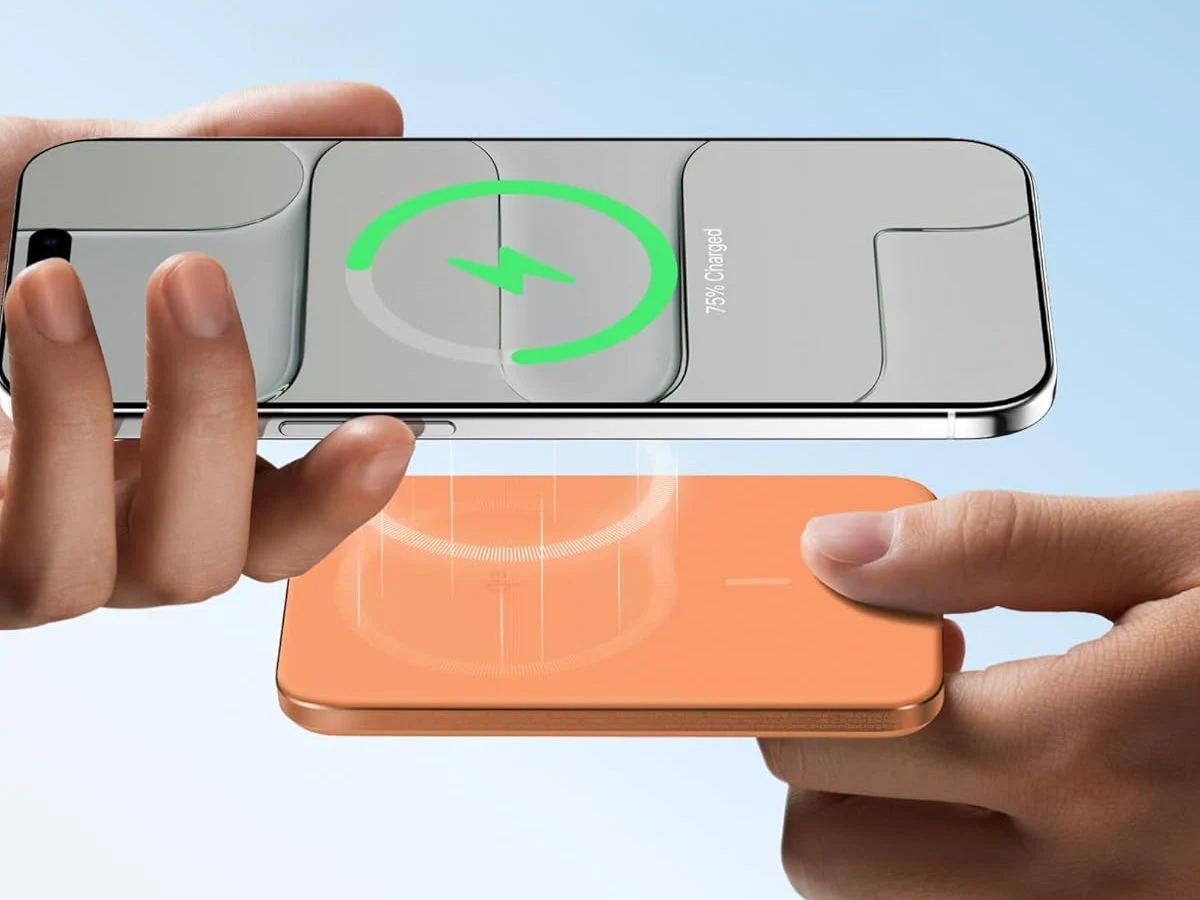
    1. Anker has launched the Nano Power Bank (5K, MagGo, Slim) in a new Cosmic Orange color for North America.
    2. The power bank is priced at $59.99 in the US and CA$69.99 in Canada, but is not listed on Anker’s official website.
    3. It features a Qi2-certified wireless charging pad that delivers up to 15W and can charge an iPhone 17 to 25% in 31 minutes.
    4. The power bank has a capacity of 5,000 mAh, providing about 85% charge for an iPhone 17 and 63% for an iPhone 17 Pro Max.
    5. Its dimensions are 4.02 x 2.78 x 0.34 inches, weighing around 4.3 oz, with a temperature control system to prevent overheating.


    Anker has introduced the Nano Power Bank (5K, MagGo, Slim) in a new Cosmic Orange color for North America. This portable charger made its debut in this market in July 2025, after being launched in Europe earlier. It was previously offered in four different colors: Black, Aurora White, Teal Oasis, and Sand Brown.

    Pricing and Availability

    The Anker Nano Power Bank (5K, MagGo, Slim) is currently available in Cosmic Orange on Amazon in Canada, following its recent introduction in the US. Similar to the earlier models, it is priced at $59.99 in the United States and CA$69.99 in Canada. It remains unclear why this particular color option is not listed on Anker’s official website or in other areas like Europe. Interestingly, Cosmic Orange is also a shade used for the iPhone 17 Pro and iPhone 17 Pro Max, but Anker hasn’t claimed it to be an exact color match.

    Features and Specifications

    Aside from its new color, the Cosmic Orange version of the Anker Nano Power Bank (5K, MagGo, Slim) seems to be the same as the other versions in the series. It has a Qi2-certified wireless charging pad on one side, capable of delivering up to 15W to a connected device. This feature allows for charging an iPhone 17 to 25% in just 31 minutes. Alternatively, you can use the wired USB-C output, which supports up to 20W.

    Battery Performance

    This ultra-slim Anker power bank has a capacity of 5,000 mAh, providing approximately an 85% charge to an iPhone 17 or a 63% charge for the iPhone 17 Pro Max. It recharges via USB-C, with a full charging cycle taking just under two hours. Additionally, its temperature control system makes sure that the power bank does not exceed 104°F (40°C). The dimensions of this accessory are 4.02 x 2.78 x 0.34 inches (approximately 102.1 x 70.6 x 8.6 mm) and it weighs around 4.3 oz (about 122 g).

    Anker via Amazon

    Source:
    Link



  • Two Citizen Attesa Watches Win iF Design Awards

    Two Citizen Attesa Watches Win iF Design Awards

    Key Takeaways

    1. The Citizen Attesa ACT Line models CC4104-53E and CC4105-69E won the iF Design Award for 2026, recognizing their exceptional design and quality.
    2. The watches feature a titanium body with sharp facets, an octagonal ceramic bezel, and an anti-reflective sapphire crystal.
    3. They are powered by the F950 movement, which captures time signals within three seconds and maintains accuracy within five seconds each month.
    4. The watches offer Double Direct Flight functionality to switch between 39 time zones and include features like a three-hand analogue display and a 1/20th second chronograph.
    5. Other winners in the Watches/Jewelry category included models from Casio and Seiko, along with several notable smartwatches.


    Two watches from Citizen’s Attesa ACT Line have been honored with a prestigious design award. The Eco-Drive Satellite Wave GPS models, identified as the CC4104-53E and the CC4105-69E, were introduced worldwide at the beginning of 2025.

    Award Recognition

    Recently, Citizen announced that both the CC4104-53E and CC4105-69E have secured an iF Design Award for 2026. This accolade highlights outstanding design and product quality. The iF International Forum Design has praised the timepieces for their “sharp facets” on the titanium body, the octagonal ceramic bezel with a harline finish, and the anti-reflective sapphire crystal.

    Advanced Features

    The Citizen Attesa houses a movement known as the F950, which can capture time signals within three seconds and is designed to maintain accuracy within five seconds each month. This GPS watch features Double Direct Flight functionality, allowing users to seamlessly switch across 39 time zones. Additionally, it boasts a three-hand analogue display, a 1/20th second chronograph, indicators for light levels and power reserves, along with a perpetual calendar.

    Other Award Winners

    In the Watches/Jewelry category for the iF Design Award 2026, other notable winners include the Casio Sadokei SAN-100H, the Casio G-Shock MT-G MTG-B4000, and the Seiko Prospex Marinemaster Professional SLA081. Moreover, several smartwatches have also received this recognition, such as the Amazfit Balance 2 (currently priced at $249.99 on Amazon), the Apple Watch Series 11, and the Huawei Watch 5.

    Source:
    Link


  • Samsung Mobile Division Faces Potential Loss Amid Rising Chip Costs

    Samsung Mobile Division Faces Potential Loss Amid Rising Chip Costs

    Key Takeaways

    1. The Galaxy S26 has strong sales since its March launch, but Samsung’s mobile division faces financial challenges.
    2. Samsung MX, the mobile division, is under emergency management due to financial difficulties.
    3. Soaring costs of memory semiconductors, with prices up over 850%, are impacting profitability significantly.
    4. Operating profit predictions could drop from $8.62 billion to $3.34 billion by 2026, with profit margins falling from 11% to 3%.
    5. Samsung is implementing financial adjustments, including encouraging early retirement for long-term employees and changing travel policies.


    Compared to previous flagship smartphones from Samsung, the Galaxy S26 has shown strong sales since its launch in March. Nevertheless, the mobile division of Samsung may be facing a financial challenge for the first time.

    Emergency Management

    A report by FNNews highlights that Samsung Electronics has put its mobile division, known as Samsung MX, under emergency management. This division is part of the larger Device Experience (DX) segment, which also includes home appliances, mobile devices, and television products. Other units within DX are already operating under similar emergency measures.

    Rising Costs Impacting Profitability

    FNNews states that the financial difficulties stem from the soaring costs of memory semiconductors essential for producing these devices. Over the past year, prices for these chips have skyrocketed by more than 850% in the memory semiconductor market.

    The steep rise in chip prices is significantly affecting profitability. Last year, the operating profit was around $8.62 billion, but predictions suggest it could plummet to $3.34 billion by 2026. When comparing the first quarter of 2025 to the first quarter of 2026, the profit margin may drop from 11% to just 3%. According to insiders whom FNNews consulted, achieving even a 1% profit or avoiding a loss by the end of 2026 could be nearly impossible.

    Financial Adjustments in Place

    In light of these challenges, Samsung is implementing several financial measures. Long-term employees are encouraged to consider early retirement, and now, travel plans lasting under 10 hours must be booked in economy class instead of business class.

    Source:
    Link


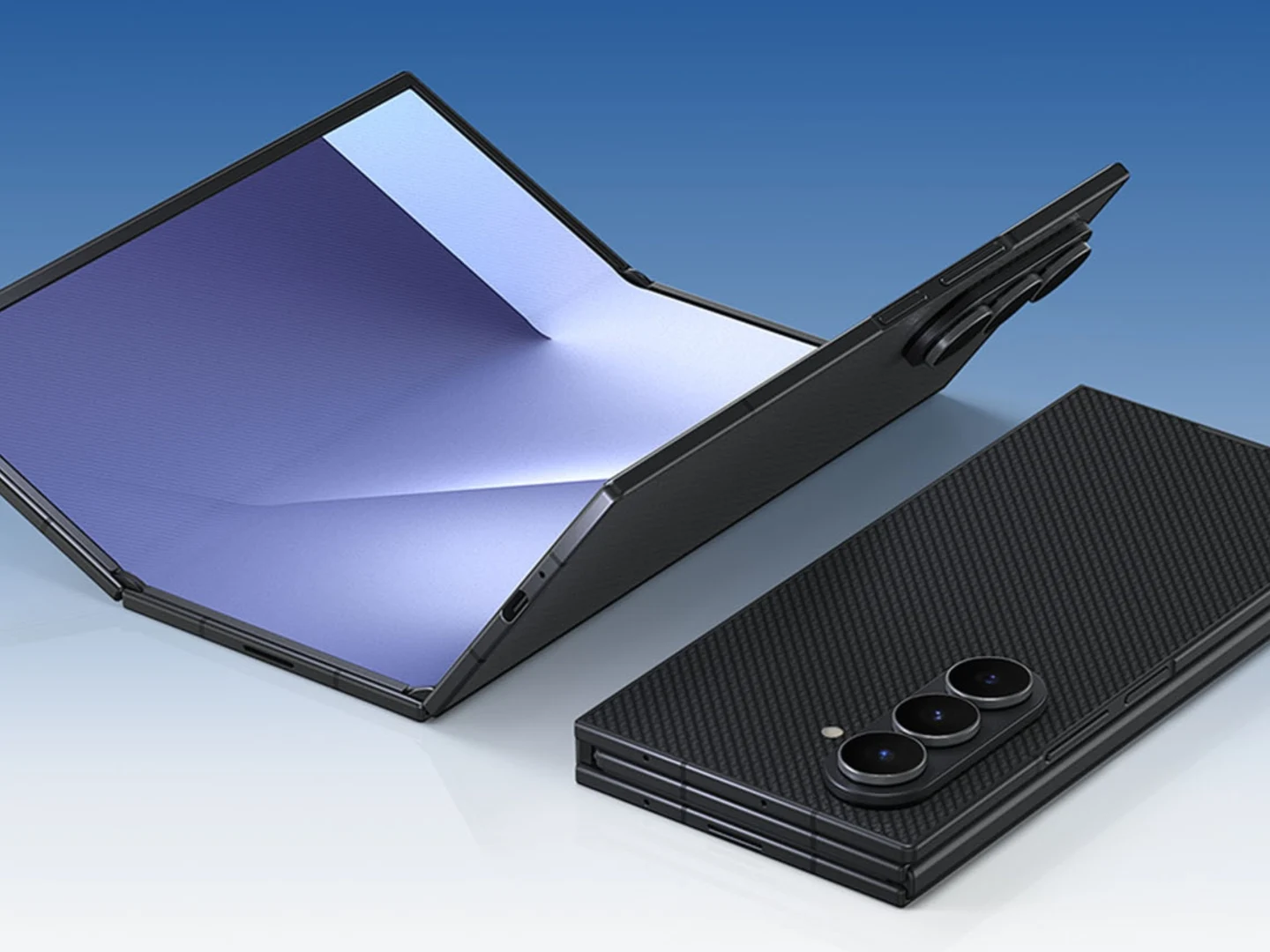
  • Galaxy Z TriFold Sales End in Korea, US Expected to Follow

    Galaxy Z TriFold Sales End in Korea, US Expected to Follow

    Key Takeaways

    1. Samsung’s Galaxy Z TriFold launched in South Korea in December and in the US in January, but only has a limited sales period of three months.
    2. Sales are ending due to high production costs and rising prices for RAM and storage.
    3. The Galaxy Z TriFold was marketed as a showcase product, not intended for mass production.
    4. In the US, the phone is sold out and there is uncertainty about its future availability.
    5. Reports of display issues have led Samsung to issue refunds instead of replacements, but official confirmation about sales ending is still pending.


    Samsung introduced its Galaxy Z TriFold in South Korea in December last year, with the US launch following in January this year. This model is Samsung’s first tri-fold device, although it only folds twice, and it’s not the first tri-fold available on the market. Recent reports suggest that the sales for this high-end phone are coming to a close.

    Sales Ending Soon

    According to a report from Donga (translated from Korean), March 17 is set to be the final day for Galaxy Z TriFold sales in the domestic market. Sources indicate that the brief sales period of just three months is due to steep production costs and fluctuating prices for RAM and storage. With these expenses on the rise, it seems that Samsung has decided it’s not practical to keep selling the Galaxy Z TriFold.

    Limited Availability

    From the beginning, Samsung has mentioned that the tri-fold would be sold in limited amounts, so the news of sales ending isn’t exactly shocking. The company has also officially mentioned that the Galaxy Z TriFold was designed more as a showcase product rather than something aimed at the mass market.

    Uncertain Future in the US

    As for the situation in the US, it’s unclear how much longer the tri-fold will remain for sale. The report indicates that the current production run is the last, but sales will carry on as planned until that stock runs out. The premium phone is priced at $2,899 and is available in limited supply. It is currently marked as sold out on the Samsung store, which has been the only retailer for this device. The US launch occurred at the end of January, meaning it’s been less than two months since the phone was available. Reports have surfaced about display issues, and instead of offering replacements, Samsung has been providing refunds.

    It’s important to mention that Samsung has not confirmed any details regarding the end of sales in either Korea or the US, so it’s wise to take this information with caution.

    Source:
    Link


  • Sony Adds PSSR 2.0 Support for 11 New PS5 Pro Games

    Sony Adds PSSR 2.0 Support for 11 New PS5 Pro Games

    Key Takeaways

    1. Sony has launched PSSR 2.0 technology for the PS5 Pro, enhancing image quality and performance.
    2. The first game to utilize PSSR 2.0 is Resident Evil Requiem.
    3. More games will support PSSR 2.0, including Crimson Desert upon release and patches for Assassin’s Creed Shadows and Cyberpunk 2077.
    4. The new PS5 system software update begins rolling out on March 16 at 10 AM PT, but availability may vary by user.
    5. Users can manually check for the update in the Settings menu if it doesn’t appear automatically.


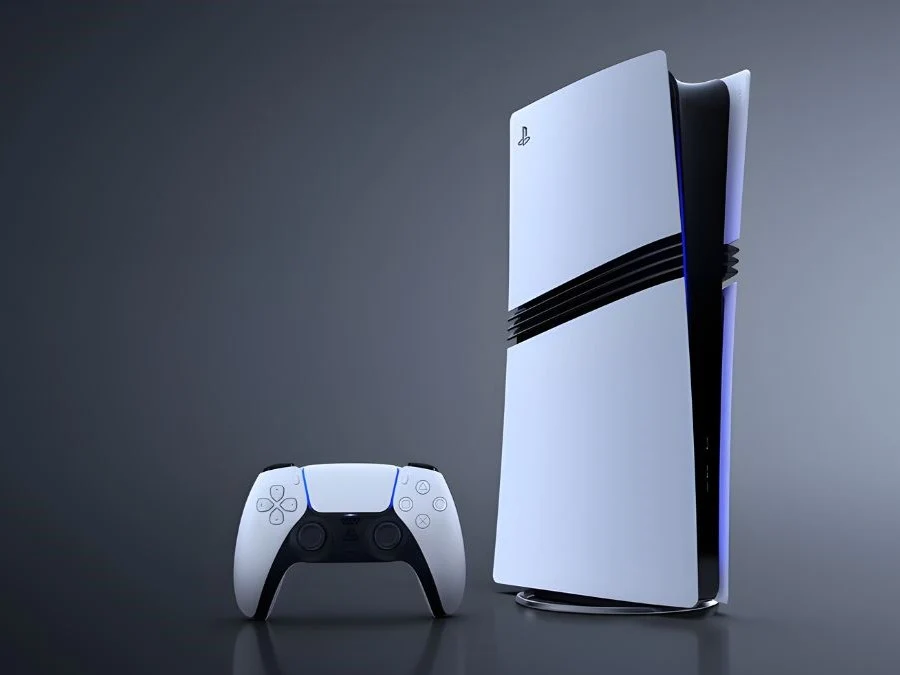
    Sony has recently enhanced its PlayStation Spectral Super Resolution (PSSR) tech on the PS5 Pro by launching the upgraded PSSR 2.0 version. The first game to utilize this new technology was Resident Evil Requiem, showcasing how it could elevate the image quality and performance on the console. Now, Sony has announced that more titles will also support this improved feature.

    Expanded Game Support

    In a recent post on the PlayStation Blog, Sony shared that the newest update for the PS5 system software includes broader support for PSSR 2.0. The games that can now benefit from this upgrade are as follows:

    In addition to these titles, Sony has said that Crimson Desert will also be compatible with PSSR 2.0 upon its release. Meanwhile, both Assassin’s Creed Shadows and Cyberpunk 2077 will get a patch in the upcoming weeks to enable support for the enhanced PSSR.

    Update Rollout Details

    Sony indicated that the new PS5 system software update will begin rolling out today, March 16, at 10 AM PT, but it will be deployed gradually. This means that some users could receive it later than others. The company also suggests that users manually check for the update through the Settings menu if it doesn’t appear automatically. However, over the next few days, all PS5 Pro users should receive the update.

    Source:
    Link


  • Smartphones and Social Media Linked to Lowered Attention Span

    Smartphones and Social Media Linked to Lowered Attention Span

    Key Takeaways

    1. Widespread use of smartphones and social media is leading to a decline in attention spans and cognitive functions across all age groups.
    2. The introduction of internet-connected devices in classrooms has negatively impacted educational progress, reversing decades of improvements in focus and learning.
    3. There is a global decline in democratic stability linked to online misinformation and digital division since the 2010s.
    4. The rise of artificial intelligence may worsen intellectual and psychological issues instead of fostering genuine human connections.
    5. Positive change is possible through intentional cultural shifts, such as limiting smartphone access for children and creating phone-free school environments.


    Jonathan Haidt, a social psychologist and professor at New York University, recently issued a serious warning at the Massachusetts Institute of Technology about the effects of modern digital technology on society. During the MIT Compton Lecture, Haidt argued that the widespread use of smartphones and social media over the last decade is quickly leading to a decline in human skills by drastically reducing global attention spans, cognitive functions, and general happiness levels.

    The Impact on Attention and Learning

    While much of his earlier work concentrated on the anxiety and depression linked to constant connectivity in young individuals, Haidt highlighted that the main problem now impacts almost every age group: the significant decline in our ability to focus. He asserted that bringing internet-connected devices into classrooms has been a disastrous choice for the American education system, effectively undoing 50 years of educational progress. With some students struggling to read books or watch films uninterrupted, Haidt cautioned that humanity is losing its basic ability to concentrate.

    > “Fifty years of progress in education, 50 years of progress, up in smoke, gone. We’re back to where we were 50 years ago. That’s pretty big, that’s pretty serious.” — Haidt.

    Decline in Democracy and the Role of AI

    In addition to personal cognitive decline, Haidt pointed to evidence of a worldwide decrease in democratic stability since the 2010s, which he connects to online misinformation and digital division. He also speculated that the swift rise of artificial intelligence is likely to exacerbate these intellectual and psychological problems, rather than enhance genuine human connections.

    Hope for Change

    Despite the bleak perspective, Haidt emphasized that individuals have the capacity to change these trends through intentional actions. He called for a significant cultural shift away from our obsession with technology, suggesting practical reforms such as keeping smartphones out of children’s hands before high school, limiting social media usage until age sixteen, and creating completely phone-free school environments. Citing recent legislative actions against youth social media in countries like Australia, Haidt expressed hope that a growing global opposition to tech companies indicates that society can still regain its focus and strengthen its civic structure.

    Source:
    Link


  • AMD Medusa Point Laptop CPU with Zen 6 Cores Debuts on Geekbench

    AMD Medusa Point Laptop CPU with Zen 6 Cores Debuts on Geekbench

    Key Takeaways

    1. AMD’s new laptop processor, Medusa Point, is expected to be released in 2027 and may debut at CES.
    2. Medusa Point will feature AMD’s latest Zen 6 cores, likely in a Ryzen 9 variant.
    3. In Geekbench tests, the processor scored 1,210 in single-core and 7,323 in multi-core performance.
    4. The CPU includes ten cores and 32 MB of cache memory, an improvement over the previous model’s 24 MB.
    5. The integrated GPU is expected to remain on RDNA 3.5, rather than upgrading to RDNA 5.


    AMD’s upcoming laptop processor, known as Medusa Point, has recently appeared on Geekbench under the name AMD Plum-MDS1. According to an earlier timeline, it is expected to be released in 2027. If AMD follows its usual pattern, we might see this new CPU at CES.

    New Zen 6 Cores

    Medusa Point is set to be one of the first CPUs featuring AMD’s latest Zen 6 cores. While the specific model name isn’t mentioned in the listing, the backend of Geekbench hints that it is a Ryzen 9 variant, possibly the Ryzen AI 9 565 (this is still tentative).

    In the Geekbench 6.6 tests, it achieved scores of 1,210 for single-core and 7,323 for multi-core performance. The processor features ten cores and 32 MB of cache memory, which is a significant enhancement compared to the 24 MB offered by its predecessor, Gorgon Point. Since this is an engineering sample, the Ryzen AI 9 565 is not running at its full potential, with a boost clock speed of 2.3 GHz.

    Core Layout and Graphics

    Sadly, the listing does not provide details about the arrangement of the CPU cores. However, if earlier leaks are to be believed, Medusa Point will include at least two low-power cores, along with four Zen 6 cores and four Zen 6c cores in the other clusters. On a less positive note, it appears the integrated GPU will not be upgraded to RDNA5, as many rumors suggest it will continue to utilize RDNA 3.5.

    Source:
    Link


  • Oppo Find X9 Ultra: Hasselblad 10x Telephoto 3x Faster Than Samsung

    Oppo Find X9 Ultra: Hasselblad 10x Telephoto 3x Faster Than Samsung

    Key Takeaways

    1. The Oppo Find X9 Ultra is expected to launch in China soon after the Vivo X300 Ultra, potentially debuting globally first.
    2. The Find X9 Ultra features a 10x periscope telephoto lens with a relatively large f/3.5 aperture, outperforming Samsung’s previous model.
    3. The device’s 3x periscope telephoto camera boasts a 200 MP sensor, making it the fastest of its kind in the smartphone market.
    4. The main camera is equipped with a 1/1.12-inch Sony LYT-901 sensor, enhancing its overall performance.
    5. The competition between the Find X9 Ultra and the Vivo X300 Ultra is heating up, with both phones offering advanced camera setups.


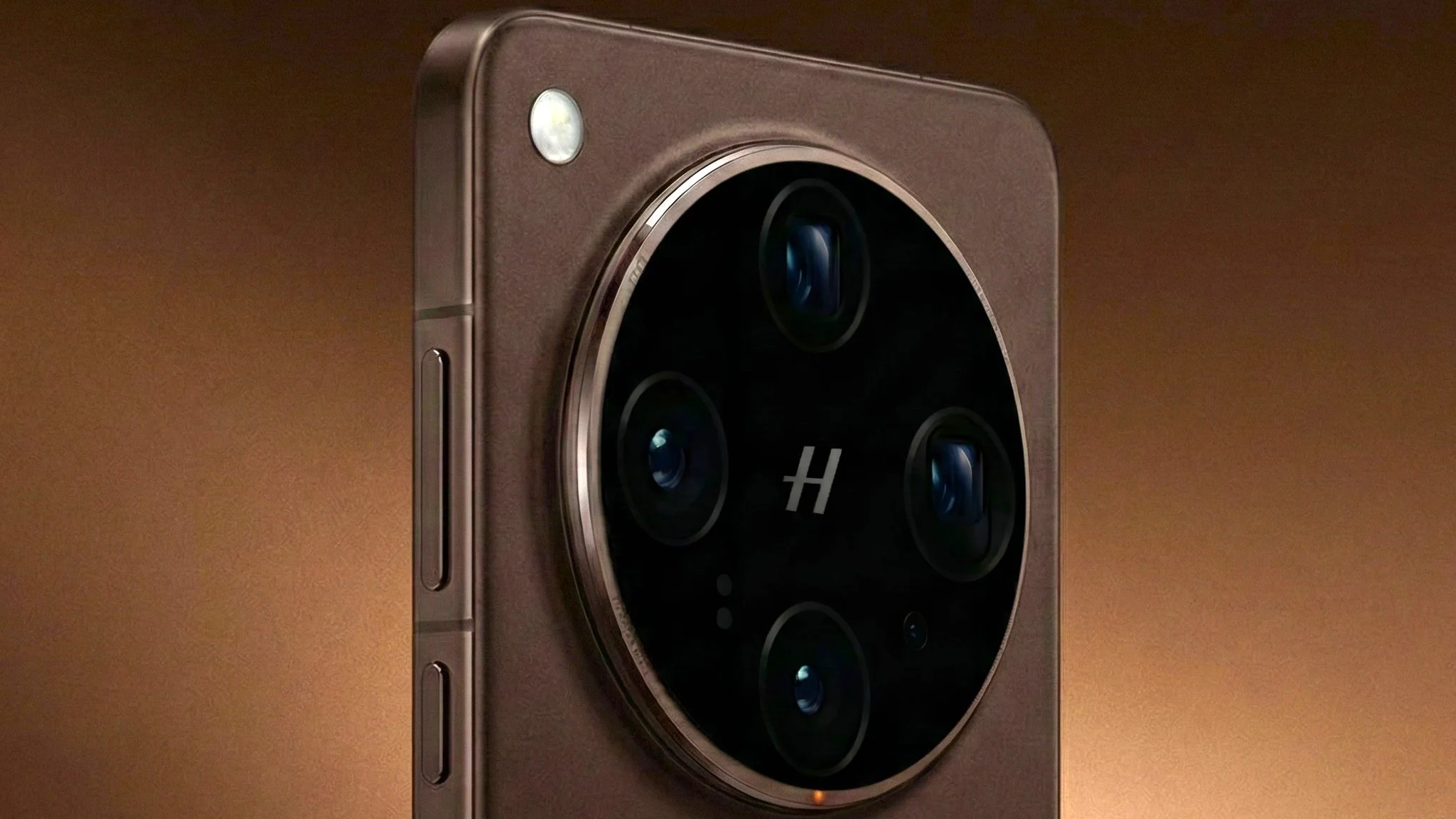
    The Oppo Find X9 Ultra is expected to be released in China soon after the Vivo X300 Ultra, which already has a confirmed launch date. Nevertheless, if rumors from a reliable source come true, the Hasselblad-labeled flagship may actually make its global debut ahead of the Zeiss-branded rival. Regardless, the battle is intensifying between a triple-camera setup that offers no compromises and an upgraded quad-camera configuration that boasts the only 10x periscope telephoto lens in the industry.

    Camera Specs Unveiled

    Famous leaker Digital Chat Station has recently disclosed further information about the camera features of the Find X9 Ultra. Although its 10x periscope telephoto lens might not win sensor competitions with a 1/2.76-inch ISOCELL JN5, the camera is said to have a relatively big f/3.5 aperture. To put it in perspective, Samsung’s earlier 10x telephoto lens seen in the Galaxy S23 Ultra has a much smaller 1/3.52-inch sensor and a narrower f/4.9 aperture. Specifically, the new telephoto camera from Hasselblad is purportedly 3.24 times quicker than Samsung’s previous 10x telephoto lens (230 mm).

    Impressive Telephoto Capabilities

    Oppo seems to have really pushed the boundaries with the Find X9 Ultra’s 3x periscope telephoto camera, equipping it with a 200 MP 1/1.28-inch sensor. According to Digital Chat Station, it is set to be the fastest 200 MP telephoto camera on the market for smartphones, outpacing even the Vivo X300 Ultra’s 85 mm telephoto lens, which has an f/2.55 aperture confirmed by official sample images. When paired with the main camera’s 1/1.12-inch Sony LYT-901 sensor, the Oppo Find X9 Ultra could potentially become the top camera flagship of the year, even though the Vivo X300 Ultra is anticipated to improve performance across all its lenses—if you’re ready to lug around up to two teleconverters.

    Source:
    Link


  • Apple Reduces App Store Commission to 25% in China

    Apple Reduces App Store Commission to 25% in China

    Key Takeaways

    1. Apple is reducing the standard commission rate for paid apps and in-app purchases in mainland China from 30% to 25%.
    2. The commission rates for the App Store Small Business Program and Mini Apps Partner Program will decrease from 15% to 12%.
    3. Changes to commission rates will take effect on March 15, 2026.
    4. Developers do not need to sign new agreements to benefit from the updated commission rates.
    5. Apple aims to provide fair and transparent terms while ensuring App Store commission rates in China remain competitive with other regions.


    Apple has announced a decrease in the commission fees for its App Store in mainland China, following what it termed as talks with the local regulator. In a notice to developers, Apple revealed that the standard commission rate for paid applications and in-app purchases will be reduced from 30% to 25%.

    Changes to Small Business Program

    Additionally, the company indicated that the commission rates for eligible participants in the App Store Small Business Program and Mini Apps Partner Program, as well as the rate for auto-renewable subscriptions after the first year, will be lowered from 15% to 12%. These adjustments are set to take effect starting March 15, 2026.

    Developer Agreement Updates

    In its update for developers, Apple clarified that there is no need for developers to sign new agreements prior to March 15 to benefit from the new commission rates. Furthermore, the Apple Developer Program License Agreement has been modified to align with this updated policy, allowing developers to log in and accept the revised terms.

    Apple has positioned this change as part of its strategy to maintain an appealing environment for developers within the iOS and iPadOS ecosystem in China. The company reaffirmed its commitment to providing “fair and transparent terms” while ensuring that App Store commission rates in China do not exceed those in other regions.

    According to Apple’s announcement, these revised commission rates began on March 15, 2026, for the mainland China App Store on iOS and iPadOS. The standard rate for paid apps and in-app purchases is now 25%, while the rates applicable under the Small Business and Mini Apps Partner Programs, along with auto-renewable subscriptions after the first year, have been adjusted to 12%. This change was made following discussions with the Chinese regulator.

    Source:
    Link


  • Two Indie Devs Launch Same-Named Steam Games: Cooperation Wins

    Two Indie Devs Launch Same-Named Steam Games: Cooperation Wins

    Key Takeaways

    1. Two indie games named “Piece by Piece” launched on Steam just 48 hours apart, created by Neon Polygons and Gamkat.
    2. Instead of legal disputes, the developers collaborated to create a discounted bundle called “Piece by Piece Double.”
    3. Gamkat’s game is a repair simulation, released on March 11, 2026, while Neon Polygons’ puzzle-platformer was released two days later.
    4. The bundle offers both games for $18.57, providing a 17% discount and promoting mutual visibility.
    5. This situation exemplifies “co-opetition,” showing how indie developers can benefit from collaboration rather than competition.


    Two indie game developers recently found themselves in a unique situation when they both launched games named Piece by Piece on Steam just 48 hours apart. Instead of going head-to-head over trademark issues, the teams from Neon Polygons and Gamkat decided to team up and create a “Piece by Piece Double” bundle. This bundle now allows players to purchase both games at a combined discount.

    An Unexpected Coincidence

    The similar titles were first spotted when both games appeared on the Steam storefront in rapid succession. The two games, developed separately, have completely different gameplay styles, yet they share the same name – every single letter is identical. The developers took to social media to acknowledge this coincidence publicly. Instead of initiating legal disputes, they opted for mutual promotion of their games, which is a refreshing approach.

    Game Details and Release Dates

    Gamkat’s Piece by Piece, published by No More Robots, was released on March 11, 2026, as a repair simulation with a price tag of $11.99 and a 93% “Very Positive” rating. Just two days later, Neon Polygons released their version, a puzzle-platformer priced at $12.99, which currently boasts a 100% “Positive” rating. Neon Polygons had a demo available as early as February 2025, while Gamkat’s game was revealed during a Wholesome Games Direct. Despite the lengthy development processes, neither team discovered they were using the same title until the week of their launches.

    Bundle Offer and Benefits

    Both titles can now be purchased together in the “Piece by Piece Double” bundle for $18.57, which gives buyers a 17% discount overall. This is a rather unusual and impressive example of “co-opetition.” In contrast to a larger company that might have sent a cease-and-desist letter, these indie developers likely understand that their target audiences overlap. By creating this bundle, they have managed to draw more attention on Steam and social media, leading to greater visibility for both games than they might have received on their own.

    Source:
    Link