Author: GizNews

  • First Quantum Battery Prototype Promises Instant Charging for EVs

    First Quantum Battery Prototype Promises Instant Charging for EVs

    Key Takeaways

    1. Scientists have created the first working proof-of-concept quantum battery that uses advanced physics for energy storage and release.
    2. The quantum battery can be charged wirelessly with a targeted laser, converting light into electrical current.
    3. Its unique charging mechanism allows larger capacities to recharge faster by synchronizing internal components to absorb energy simultaneously.
    4. Current limitations include a small energy capacity and very brief charge retention, lasting only a few nanoseconds.
    5. Engineers need to enhance the battery’s size and improve energy retention to move from lab prototypes to commercial use.


    Scientists from the Commonwealth Scientific and Industrial Research Organisation have made a big step by creating the first working proof-of-concept quantum battery. Unlike regular batteries that depend on slow chemical reactions, this innovative tech uses advanced physics to both store and release energy. The prototype consists of special tiny layers that capture light, enabling the entire device to be charged wirelessly with a targeted laser, which is then changed into electrical current.

    The Unique Charging Mechanism

    What makes this technology really special is its surprising scaling ability. In standard power units, larger capacities usually take longer to recharge. However, the quantum battery takes advantage of a synchronized physical behavior among its internal parts. When these tiny units come together, they work as a team to absorb energy in a highly parallel manner. Since they share the charging load at the same time, adding more components actually speeds up the overall charging process. Scientists imagine a future where this mechanism could recharge electric cars quicker than filling up a regular vehicle with gas, or even charge a smartphone in an instant.

    Current Limitations

    Even with this impressive achievement, there are still significant barriers that stop the technology from reaching consumers. The current lab prototype has a very small energy capacity and can only keep its charge for a few nanoseconds before natural environmental factors make the stored energy fade away. The fragile, tightly synchronized states necessary for the battery to operate are easily disturbed by everyday conditions.

    To make the leap from lab tests to commercial use, engineers need to find ways to greatly enhance the system’s physical size and improve its energy retention duration. As the research team looks for collaborations with investors and car manufacturers, the main focus is still on stabilizing these tiny systems.

    Source:
    Link



  • OnePlus Pad 3 Pro: New Leak Reveals Upcoming Flagship Tablet

    OnePlus Pad 3 Pro: New Leak Reveals Upcoming Flagship Tablet

    Key Takeaways

    1. OnePlus is developing the Pad 3 Pro, which will keep the 13.2-inch display size of the original Pad 3.
    2. The Pad 3 Pro is expected to feature the Snapdragon 8 Elite Gen 5 processor and improvements in performance.
    3. It may come with 16GB of LPDDR5X RAM and 512GB of UFS 4.1 storage, with potential color options of titanium and green.
    4. OnePlus is also planning a smaller tablet with an 8.8-inch display using the Snapdragon 8 Gen 5 processor.
    5. The launch of the Pad 3 Pro is anticipated first, but there is uncertainty about their global availability.


    The OnePlus Pad 3 made its debut in the international market last year. This flagship tablet boasted a 13.2-inch screen, a Snapdragon 8 Elite processor, and a robust 12,140mAh battery.

    New Developments on the Horizon

    Recent information from the tipster Digital Chat Station indicates that OnePlus is developing the Pad 3 Pro. Reports suggest that this new model will retain the 13.2-inch display size found in the Pad 3. However, significant improvements in performance are anticipated. The Pad 3 Pro is rumored to feature the Snapdragon 8 Elite Gen 5, a chipset also present in OnePlus’s leading smartphone, the OnePlus 15 (currently priced at $899 on Amazon).

    Specifications and Features

    According to the leak, the Pad 3 Pro is expected to be equipped with 16GB of LPDDR5X RAM and 512GB of UFS 4.1 storage. There are also discussions about color choices, including titanium and green. While the leak hints at a substantial battery, its exact capacity has not been disclosed.

    Additionally, OnePlus is said to be working on a smaller tablet that will have an 8.8-inch display. This device will utilize the Snapdragon 8 Gen 5, which is a Qualcomm processor positioned below flagship level. There are also suggestions that it could feature a version with a “soft light” display.

    Launch Timeline and Market Availability

    The information implies that the Pad 3 Pro will be revealed first, followed by the compact tablet. However, there is still uncertainty regarding whether these tablets will be available globally or if they will remain exclusive to China.

    Source:
    Link


  • Xiaomi Poco X8 Pro Launch: Affordable Mid-Range Phone at $299

    Xiaomi Poco X8 Pro Launch: Affordable Mid-Range Phone at $299

    Key Takeaways

    1. The Poco X8 Pro features a 120 Hz AMOLED display with a resolution of 2,756 x 1,268 pixels and peak brightness of 3,500 nits.
    2. It includes a 50 MP primary camera and an 8 MP ultra-wide-angle camera, along with a large 6,500 mAh battery supporting 100 W wired charging.
    3. The smartphone is powered by a MediaTek Dimensity 8500 Ultra chipset and has an IP68-certified casing.
    4. The Poco X8 Pro is priced at $299 for the 8 GB RAM and 256 GB storage version, with higher prices for 512 GB options.
    5. Color options for the Poco X8 Pro include Black, White, and Mint Green, with prices expected to increase after the Early Bird promotion.


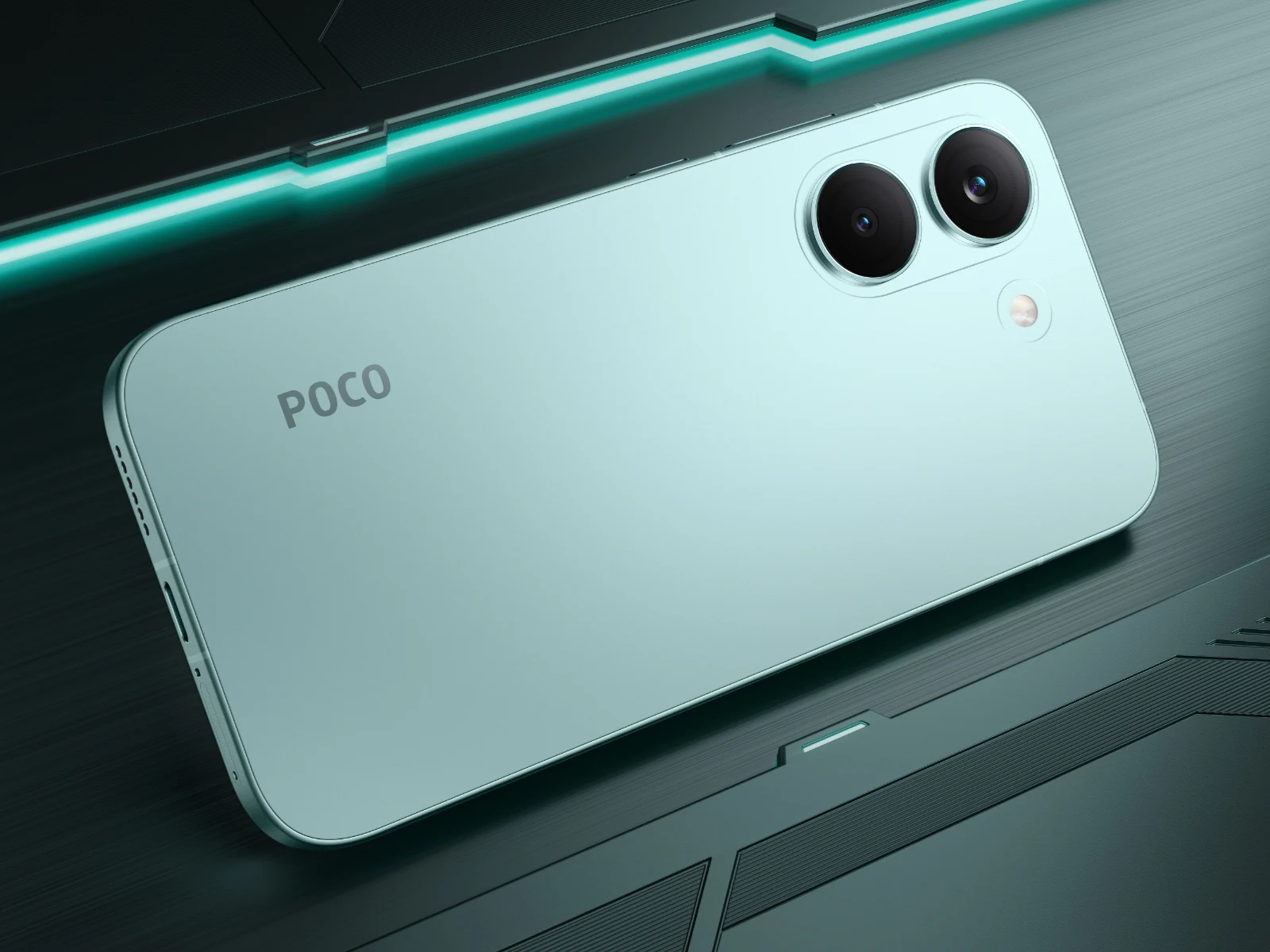
    The Poco X8 Pro is the most affordable of the three new smartphones that Xiaomi has introduced today. To give you some background, the company has also launched the Poco X8 Pro Iron Man Edition and the Poco X8 Pro Max at the same time. Despite this, the Poco X8 Pro has some impressive features that make it a worthy successor to last year’s Poco X7 Pro (curr. $399.99 on Amazon).

    Display and Build

    Xiaomi has packed a 120 Hz AMOLED screen into the Poco X8 Pro, which boasts a resolution of 2,756 x 1,268 pixels and a peak brightness of 3,500 nits (25% APL). The display also incorporates 3,840 Hz PWM dimming along with a 12-bit color depth. To protect the 6.59-inch screen, Xiaomi has used Corning Gorilla Glass 7i, which also shields the 20 MP front-facing camera.

    Camera and Battery

    On the back of the device, there are a 50 MP primary camera (Sony IMX882) and an 8 MP ultra-wide-angle camera. This rear section conceals a substantial 6,500 mAh battery that supports 100 W wired charging (PPS) and 27 W reverse wired charging. Additionally, the Poco X8 Pro is powered by a MediaTek Dimensity 8500 Ultra chipset and is housed in an IP68-certified casing that measures 157.5 x 75.2 x 8.4 mm and weighs 201.5 g.

    Pricing and Availability

    The Poco X8 Pro is available in Black, White, and Mint Green colors. At its launch, Xiaomi is pricing the 8 GB RAM and 256 GB storage version at $299. For those interested in 512 GB options, the starting price is $329 for 8 GB of RAM and $359 for 12 GB of RAM. It’s worth noting that the Poco X8 Pro will eventually be sold for $329, and the prices for the 512 GB models will rise by $40 each after the Early Bird promotion period ends.

  • New Limited Edition Garmin Smartwatches Coming Soon

    New Limited Edition Garmin Smartwatches Coming Soon

    Key Takeaways

    1. Garmin has launched the Instinct 3 Alpine Rush Collection, featuring three new color options for its robust smartwatch.
    2. The collection includes four distinct models: two 45 mm and 50 mm Solar models in Sunburst color, plus a 45 mm AMOLED model in Citrine and a 50 mm AMOLED model in Fern Green.
    3. All watches maintain the same features as previous models, including a metal-reinforced bezel, LED flashlight, multi-band GPS, health tracking, smart notifications, and contactless payments.
    4. The AMOLED models have a battery life of 24 days, while the Solar models can operate indefinitely due to solar cells.
    5. The watches will be available for purchase starting March 20th, with prices beginning at $399.99.


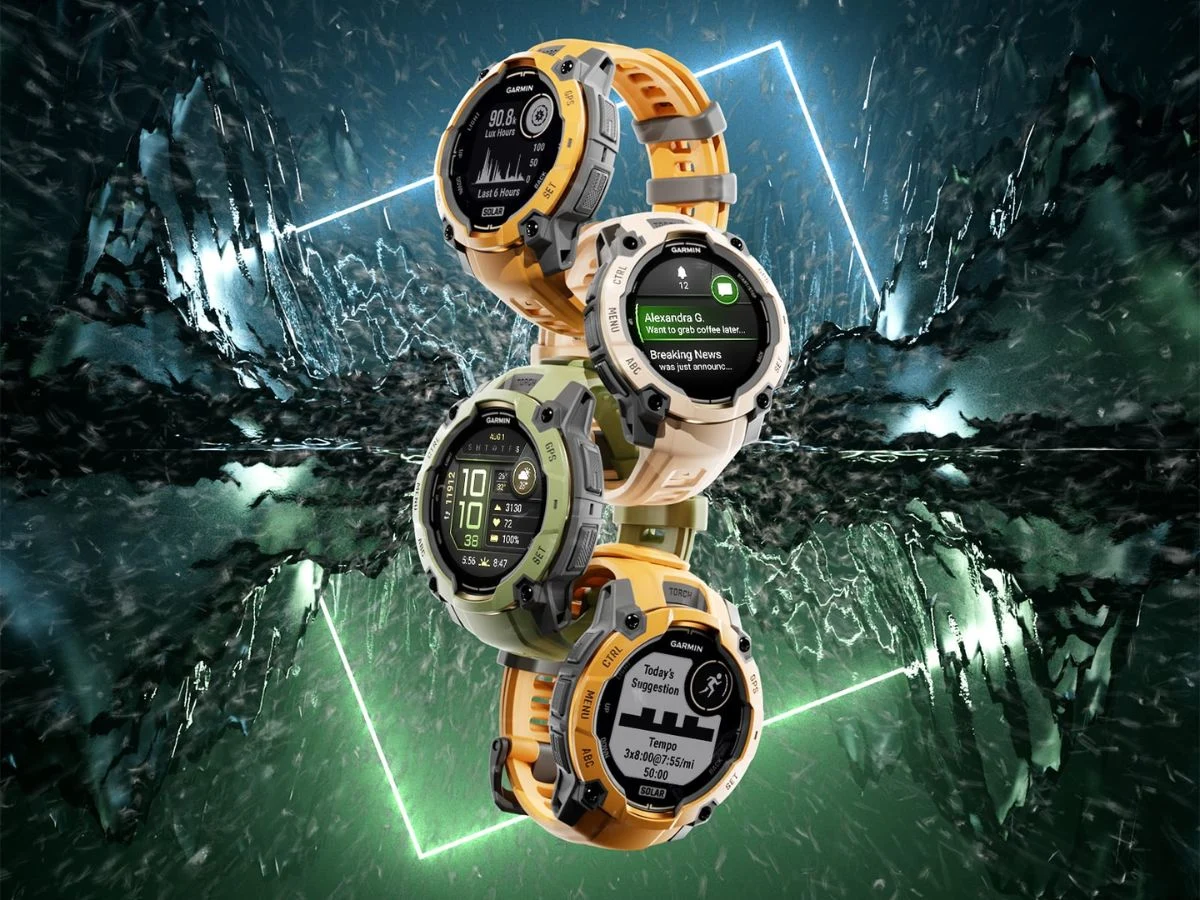
    Garmin has unveiled the new Instinct 3 Alpine Rush Collection watches around the globe. This limited edition series brings forth three fresh color options for the robust smartwatch, which was originally introduced in January 2025.

    Collection Overview

    The Instinct 3 Alpine Rush Collection features four distinct watches. There are two models available with a Sunburst-colored casing paired with a Sunburst/Gray band: the 45 mm Solar and the 50 mm Solar versions of the Garmin Instinct 3. Additionally, the 45 mm AMOLED model is now offered in a new Citrine color, while the larger 50 mm AMOLED model receives a new Fern Green variant.

    Design and Features

    Besides the updated casing and strap colors, these variants of the Garmin Instinct 3 seem to be exactly the same as the previous versions. All the watches come equipped with a metal-reinforced bezel and a built-in LED flashlight. They provide features such as multi-band GPS, health metric tracking, smart notifications, and contactless payments. The AMOLED versions boast an estimated battery life of 24 days under normal use, while the Solar models with a MIP LCD display can operate indefinitely due to their solar cells.

    Availability and Pricing

    The Garmin Instinct 3 Alpine Rush Collection watches are set to be available for purchase starting March 20th through the brand’s online store. Prices start at $399.99/£299.99/€349.99 for the 45 mm Solar variant, with the recommended retail prices aligning with those of the original smartwatch models. It remains uncertain when or if these will be available on the brand’s official Amazon store. You can see the complete price list below.

    Source:
    Link


  • Retroid Stops Production of New Handheld, Increases Prices on Others

    Retroid Stops Production of New Handheld, Increases Prices on Others

    Key Takeaways

    1. Retroid is temporarily halting production of the Pocket G2 due to fluctuations in memory pricing.
    2. The Pocket G2 is currently sold out on Retroid’s official website, but third-party sellers have increased prices significantly.
    3. The older Retroid Pocket 5 remains available at its original price of $199, with discounts on platforms like Amazon.
    4. Retroid plans to increase the price of the Pocket Classic from $129 to $149 starting March 20th.
    5. Fans are expressing concern about the future of Retroid devices following these announcements.


    Weeks after revealing that they are stopping the production of the 12GB RAM variant of the Retroid Pocket 6, the company has shared more troubling news.

    Pocket G2 Discontinued

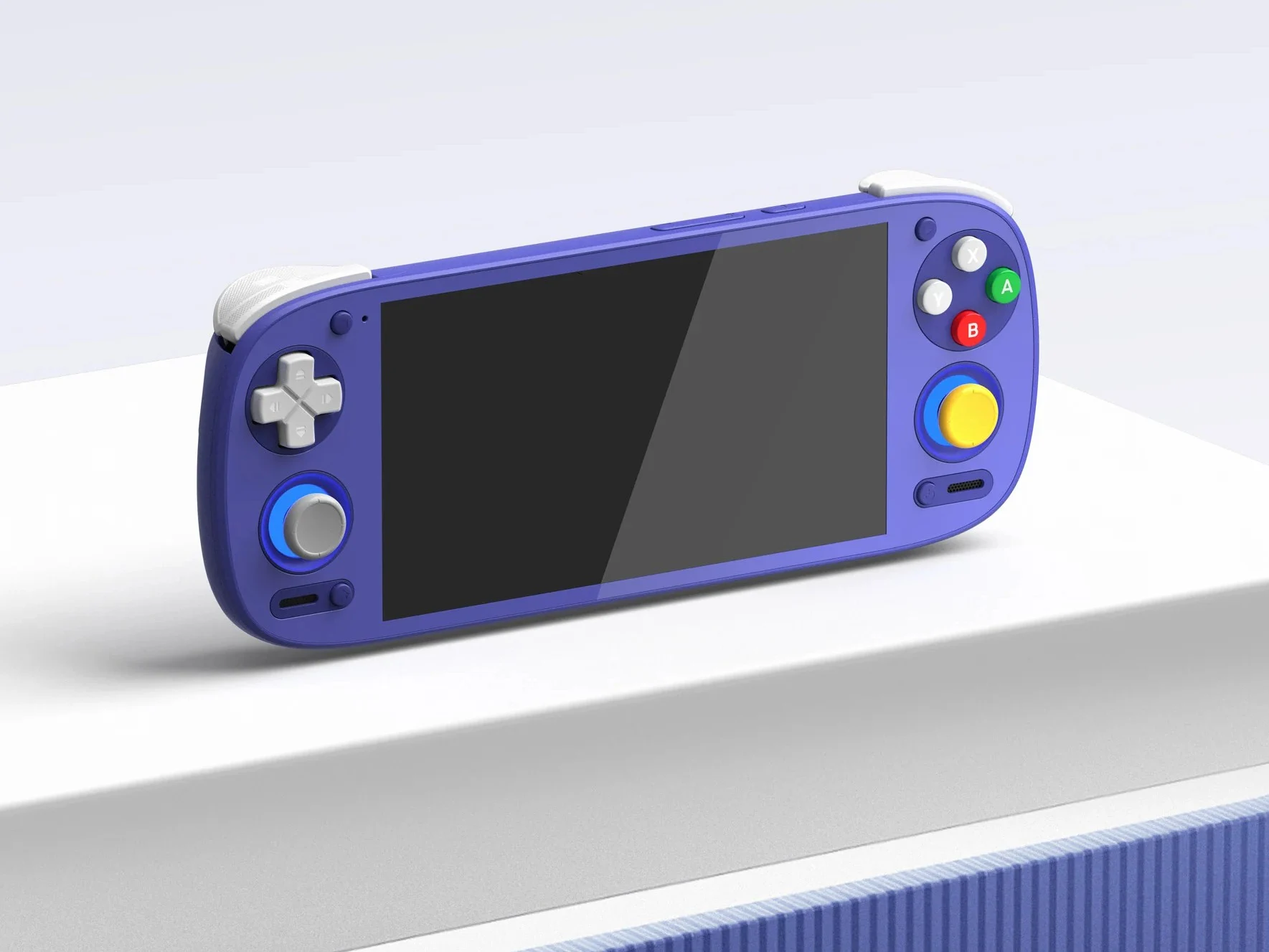
    In a recent post on their social media accounts, Retroid announced that they will be temporarily halting the Pocket G2, a handheld device that was revealed in late October 2025 and started shipping that same month. The company stated that this choice is due to “fluctuations in memory pricing.”

    Following this news, the Retroid Pocket G2 has been marked as sold out on the official website. Nevertheless, third-party sellers on platforms like AliExpress are still offering the device, but they have increased the prices considerably. The original price of the device was $219, but it can now be found for as much as $260 through these sellers.

    Retroid Pocket 5 Still Available

    Interestingly, the older Retroid Pocket 5, which is nearly identical to the Pocket G2 except for its processor, will still be on sale. Thankfully, there hasn’t been any announcement about a price hike for the Pocket 5, so it will stay at $199. Currently, you can buy the Retroid Pocket 5 on Amazon for $209, which is 40% less than its original price of $249. Now would be a great time to get it.

    Unfortunately, the disappointing news doesn’t stop there. Retroid also mentioned that they need to increase the price of their vertical handheld, the Pocket Classic. This device, which is currently priced at $129, will see its cost rise to $149 starting on Friday, the 20th of March.

    Conclusion

    Retroid on X has been the platform for these announcements, leaving many fans concerned about the future of their favorite devices.

    Source:
    Link


  • Asteroid Samples Uncover Full DNA and RNA Building Blocks

    Asteroid Samples Uncover Full DNA and RNA Building Blocks

    Key Takeaways

    1. Life on Earth may have originated through chemical evolution or from organic molecules brought by asteroids and comets.
    2. Asteroid 162173 Ryugu is carbonaceous, containing carbon, water minerals, and organic substances essential for life.
    3. The Japanese spacecraft Hayabusa2 collected samples from Ryugu, revealing the presence of uracil.
    4. Recent research found all nucleobases necessary for DNA and RNA in Ryugu and similar findings in asteroid 101955 Bennu.
    5. Discoveries suggest that fundamental materials for life could form in space, but do not confirm that life began there.


    One of the most intriguing questions in science is how life originated on our planet. Many experts believe that life emerged through a process known as chemical evolution. There are also theories suggesting that asteroids and comets might have brought essential organic molecules, like nucleobases, to Earth. This indicates that the basic components necessary for genetics could develop naturally beyond our planet.

    A Deep Dive into Ryugu

    162173 Ryugu is a type of asteroid known as carbonaceous, which is abundant in carbon, water-containing minerals, and organic substances. Its shape resembles a spinning top, and researchers think it was created from the remnants of a larger asteroid. To explore this fascinating asteroid, the Japanese spacecraft Hayabusa2 was sent into space in 2014 to gather samples and bring them back to Earth. The analysis of these samples revealed the presence of uracil.

    Findings from New Research

    Recent research has expanded on these findings, identifying all nucleobases that are essential for DNA and RNA within the asteroid. Similar discoveries were made on another asteroid, 101955 Bennu, indicating that these molecules might be more common than previously thought. Another exciting finding was the detection of ammonia.

    This new information doesn’t necessarily imply that life began in outer space. Rather, it suggests that the fundamental materials for life could form in space.

    Nature Astronomy

    Source:
    Link


  • MacBook Neo Teardown: iFixit Rates Apple’s Most Repairable Laptop 6/10

    MacBook Neo Teardown: iFixit Rates Apple’s Most Repairable Laptop 6/10

    Key Takeaways

    1. Budget-Friendly Pricing: The MacBook Neo starts at $599, making it Apple’s most affordable laptop, appealing to casual users and students.

    2. High Repairability Score: iFixit awarded the MacBook Neo a repairability score of 6 out of 10, the best score Apple has achieved in over a decade.

    3. Easy Internal Access: The design allows for easy access to internal components, making repairs simpler, with modular USB-C ports and independently replaceable keyboards.

    4. Design Limitations: The laptop’s RAM and storage are soldered to the logic board, potentially hindering long-term competitiveness and making data recovery difficult if the board fails.

    5. Sound and Trackpad Trade-offs: The built-in speakers lack the quality of premium models, and the trackpad sacrifices advanced features for easier servicing.


    Apple has just unveiled its most budget-friendly laptop yet, the MacBook Neo, which runs on the A18 Pro chip, the same chip featured in the iPhone 16 Pro. For the first time in 14 years, repair services are praising Apple’s latest creation, declaring the MacBook Neo to be the most repairable MacBook to date. Starting at $599, the 13-inch MacBook Neo comes with 8 GB of memory and offers storage options of either 256 GB or 512 GB, making it a strong competitor against budget laptops for casual users and students.

    Repairability Score

    iFixit recently conducted a thorough teardown of the MacBook Neo, awarding it a repairability score of 6 out of 10, which is the best score Apple has achieved in over a decade. This time, Apple has moved away from the adhesive stretch-release battery swap, opting for a 36.5-watt-hour battery secured by 18 screws, significantly reducing the risk of damaging the lithium-ion cell during repairs.

    Easy Access Inside

    Despite the improvements, Apple still employs pentalobe screws on the bottom of the device. Once these screws are removed, the bottom shell of the MacBook Neo can be unclipped easily. The advantage of this design is that all internal components are well-organized and easy to access, including the battery, speakers, USB-C ports, trackpad, and display. The USB-C ports are modular, meaning if one breaks, users only need to replace that port instead of the entire logic board.

    Removing the antenna and hinge screws allows the display to come off without any hassle. For the first time, users can replace the keyboard independently without having to swap the complete top shell.

    Downsides of the Design

    However, the MacBook Neo has some drawbacks. To replace the keyboard, users must peel off a layer of adhesive tape and take out 41 screws, which contrasts sharply with many newer laptops like the Lenovo T14 Gen 7, which allows for tool-free keyboard replacement.

    The MacBook Neo features the same A18 Pro chip as the iPhone 16 Pro, which restricts RAM to 8 GB and storage to either 256 GB or 512 GB, both soldered to the logic board. This limitation might hinder the MacBook Neo’s competitiveness against Apple’s MacBook Air and other ultrabooks in the long run. Moreover, if the logic board fails, recovering data can be extremely difficult.

    Sound Quality and Trackpad

    Another trade-off is the quality of the built-in speakers. They are easily replaceable but lack the crispness and dynamic sound found in more premium MacBooks like the new 13-inch MacBook Air M5 or the 16-inch MacBook Pro M5.

    The trackpad on the MacBook Neo also sacrifices haptic Force Touch for more basic controls, which partly simplifies servicing the device.

    Parts Replacement Made Easier

    Lastly, Apple has simplified parts replacement with the Repair Assistant tool introduced last year. Users can easily swap out display panels, trackpads, batteries, or Touch ID modules without the laptop triggering warnings or locking them out of features.

    Source:
    Link


  • Astronomers Discover Ancient Star with Early Universe Clues

    Astronomers Discover Ancient Star with Early Universe Clues

    Key Takeaways

    1. The early universe was mostly hydrogen and helium, lacking heavy elements or metals.
    2. First stars formed hundreds of millions of years after the Big Bang, creating heavy elements through nuclear fusion.
    3. Supernova explosions from dying stars scattered heavy elements into space, enriching gas clouds for future star formation.
    4. PicII-503, a carbon-enhanced metal-poor (CEMP) star, has very low iron and high carbon levels, offering insights into early cosmic history.
    5. The discovery of PicII-503 helps scientists understand the chemical evolution of the universe and the processes behind second-generation star formation.


    After the Big Bang, the universe was primarily made up of hydrogen and helium. There were no heavy elements at that time, and the early universe lacked any sign of metals. A few hundred million years later, the first stars began to form, and nuclear fusion occurring in their cores created the initial heavy elements, including carbon, magnesium, and oxygen. When these stars eventually died, their supernova explosions scattered these elements throughout space. This mix of elements then combined with gas clouds, providing the building blocks for the next generation of stars.

    Early Stars and Their Legacy

    The stars that formed in the early stages of cosmic history had very low metallicity, acting like time capsules of the universe’s past. A star named PicII-503 was discovered in the dwarf galaxy Pictor II, and what sets it apart is its nearly absent iron content and significantly high levels of carbon. This characteristic makes PicII-503 one of the most chemically primitive stars ever identified.

    Discovering CEMP Stars

    This unique star, known as a carbon-enhanced metal-poor (CEMP) star, was found using the Dark Energy Camera attached to the Victor M. Blanco Telescope. Scientists believe that the original star which enriched the gas that led to the formation of PicII-503 experienced a low-energy supernova. This explosion caused the heavier elements to fall back into the remnants, allowing only the lighter elements to escape and eventually form a second-generation star. The discovery of PicII-503 provides a direct chemical record of early stars, enhancing our knowledge of how cosmic chemical evolution unfolded.

    Source:
    Link


  • Internet Reacts to Nvidia DLSS 5: Jawlines and Hyper-Realism

    Internet Reacts to Nvidia DLSS 5: Jawlines and Hyper-Realism

    Key Takeaways

    1. Mixed Reactions to DLSS 5: While some experts praise Nvidia’s DLSS 5 for its advanced technology, others criticize it as a form of “AI mess creator” and accuse it of unmarked marketing.

    2. Power Demand: The technology requires significant computing power, demonstrated by a demo that ran on two GeForce RTX 5090 graphics cards costing nearly $3,849.

    3. Personal Preferences in Gaming Visuals: Gamers have differing opinions on visuals; some prefer hyper-realistic graphics, while others enjoy stylized art that reflects developers’ creativity.

    4. Potential Beyond 3D Games: YouTuber Cary Golomb suggests DLSS 5 could also transform 2D games, leading to unexpected and innovative visual changes.

    5. Impact on Art and Character Design: DLSS 5 may redefine artistic standards, making traditional art less relevant and favoring uniform beauty ideals in game character designs.


    While some people call Nvidia DLSS 5 an AI mess creator, Digital Foundry’s gaming experts actually commend the tech. This praise, however, has drawn harsh backlash in YouTube comments for “unmarked marketing.” The system demands a lot of power, as the demo ran on two GeForce RTX 5090 graphics cards, which cost $3,849 on Amazon.

    Player Choices Matter

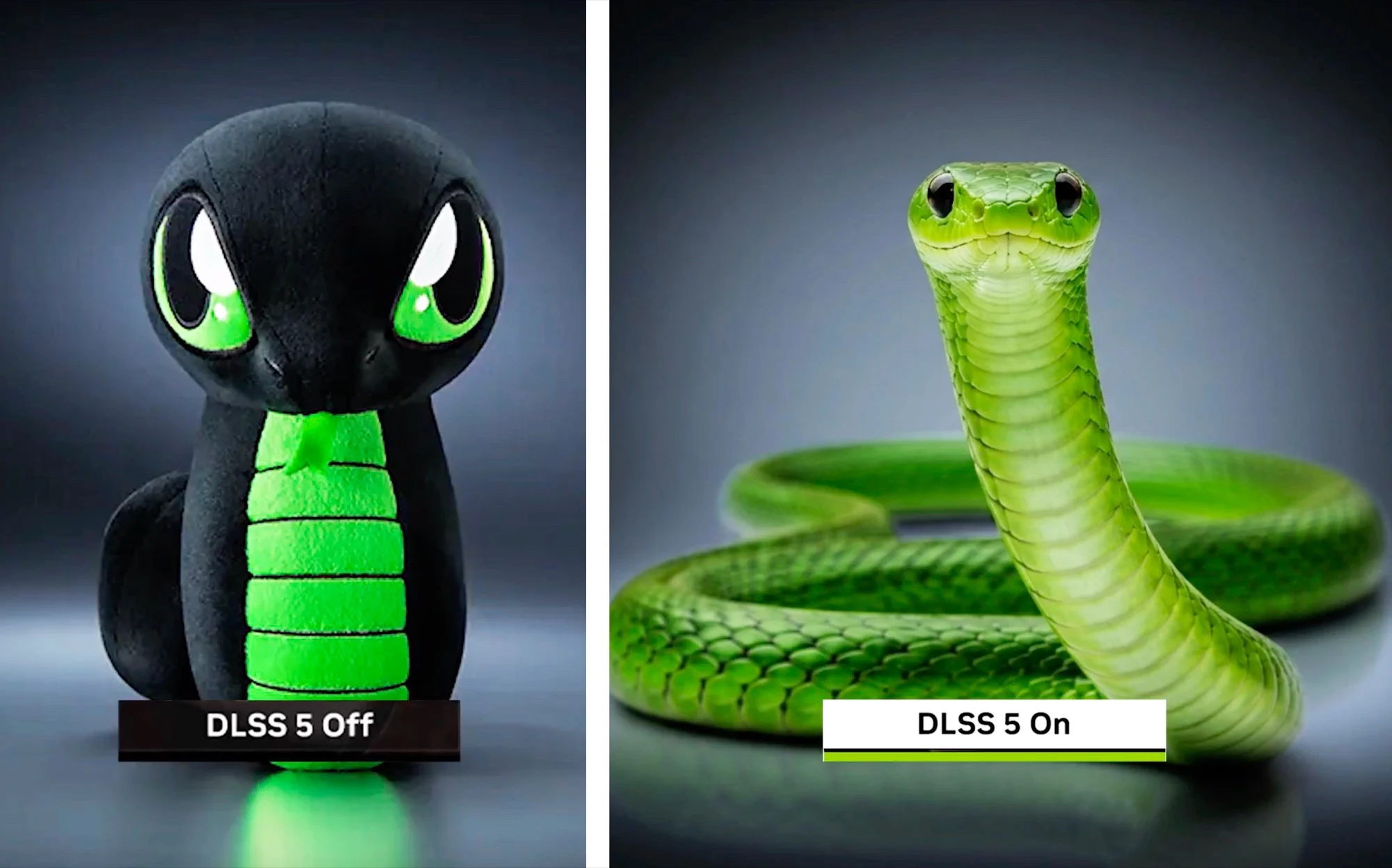
    Ultimately, it comes down to personal preference: some gamers might favor the hyper-realistic and detailed visuals of DLSS 5, while others might enjoy the stylized appearance of a game that showcases the developers’ creative vision. However, the online community has reacted humorously to the introduction of DLSS 5, showing the potential outcomes if the AI filter is allowed to run wild. For instance, Razer illustrated how its well-known mascot, Sneki Snek, could appear with DLSS 5 enabled.

    A New Era for Gaming

    Gaming YouTuber Cary Golomb envisions that DLSS 5 might not just be limited to 3D titles in the future; it could also revolutionize 2D games, transforming them into something almost unrecognizable.

    The Rise of AI Art

    Why bother with artists when you have DLSS? Nvidia’s AI could potentially turn even hand-drawn visuals into stunningly realistic graphics.

    What if Nvidia pushes the boundaries of realism too far? If it doesn’t resemble something filmed with a smartphone, DLSS 5 may not deem it realistic enough.

    Even Jensen Huang, Nvidia’s CEO, seems susceptible to the attractiveness standards set by his own AI through DLSS 5.

    Once traditional art becomes outdated, DLSS 5 will effortlessly adjust it to fit modern beauty ideals.

    After many games have introduced an arachnophobia mode that swaps out spiders for cuter creatures, DLSS 5 could finally give even the most frightening characters a fresh look.

    If Nvidia’s demo footage demonstrates anything, it’s that DLSS 5 favors wide jawlines—why should game characters have diverse facial structures?

    Source:
    Link


  • Free Alpha Nomos Steam Demo Features Rhythm-Driven Roguelite Combat

    Free Alpha Nomos Steam Demo Features Rhythm-Driven Roguelite Combat

    Key Takeaways

    1. A free demo for the roguelite game Alpha Nomos is now available on Steam, with a full release expected in Q3 2026.
    2. The game’s mechanics are rhythm-based, with combat, movement, and environmental reactions synced to the soundtrack.
    3. Players control Cello, a fighter in a puppet-like world filled with corrupted enemies, using music-themed weapons.
    4. The game draws inspiration from titles like Hi-Fi Rush, BPM: Bullets Per Minute, and Crypt of the NecroDancer, featuring an eerie visual style.
    5. The demo offers a preview of the progression system, various enemy types, and a branching power-up system that influences both soundtrack and combat skills.


    A free demo for Alpha Nomos, a roguelite game, is now live on Steam. This title is being developed by the indie studio RibCage Games, with a release scheduled for Q3 2026.

    Gameplay Mechanics

    The game revolves around a straightforward concept: everything happens to the beat. All crucial components, such as combat, movement, and reactions in the environment, are synced with the soundtrack.

    Players take on the role of Cello, a fighter who must navigate a puppet-like world that has been ravaged. It is populated with corrupted foes, and the weapons used against them are music-themed. This means players must keep to the rhythm, as missing it could lead to dire consequences.

    Inspirations and Visuals

    The mix of roguelite replayability and rhythm-based gameplay is inspired by popular titles like Hi-Fi Rush, BPM: Bullets Per Minute, and Crypt of the NecroDancer (which can be found on the Humble store). Visually, the game adopts a somewhat eerie aesthetic, featuring vague circuses, twisted toys, and changing environments.

    The free demo is more than just a brief glimpse; it’s designed to give a fuller taste of the game. According to the developers, it provides a clear preview of the progression system, allowing players to encounter various enemy types. Additionally, there is a branching power-up system, where upgrades affect both the soundtrack and the combat skills.

    Additional Content

    Along with the free demo on Steam, RibCage Games has also released a new gameplay trailer. This video, which you can watch below, showcases how music is not merely a background element but the very heart of the game.