
Key Takeaways
1. Life on Earth may have originated through chemical evolution or from organic molecules brought by asteroids and comets.
2. Asteroid 162173 Ryugu is carbonaceous, containing carbon, water minerals, and organic substances essential for life.
3. The Japanese spacecraft Hayabusa2 collected samples from Ryugu, revealing the presence of uracil.
4. Recent research found all nucleobases necessary for DNA and RNA in Ryugu and similar findings in asteroid 101955 Bennu.
5. Discoveries suggest that fundamental materials for life could form in space, but do not confirm that life began there.
One of the most intriguing questions in science is how life originated on our planet. Many experts believe that life emerged through a process known as chemical evolution. There are also theories suggesting that asteroids and comets might have brought essential organic molecules, like nucleobases, to Earth. This indicates that the basic components necessary for genetics could develop naturally beyond our planet.
A Deep Dive into Ryugu
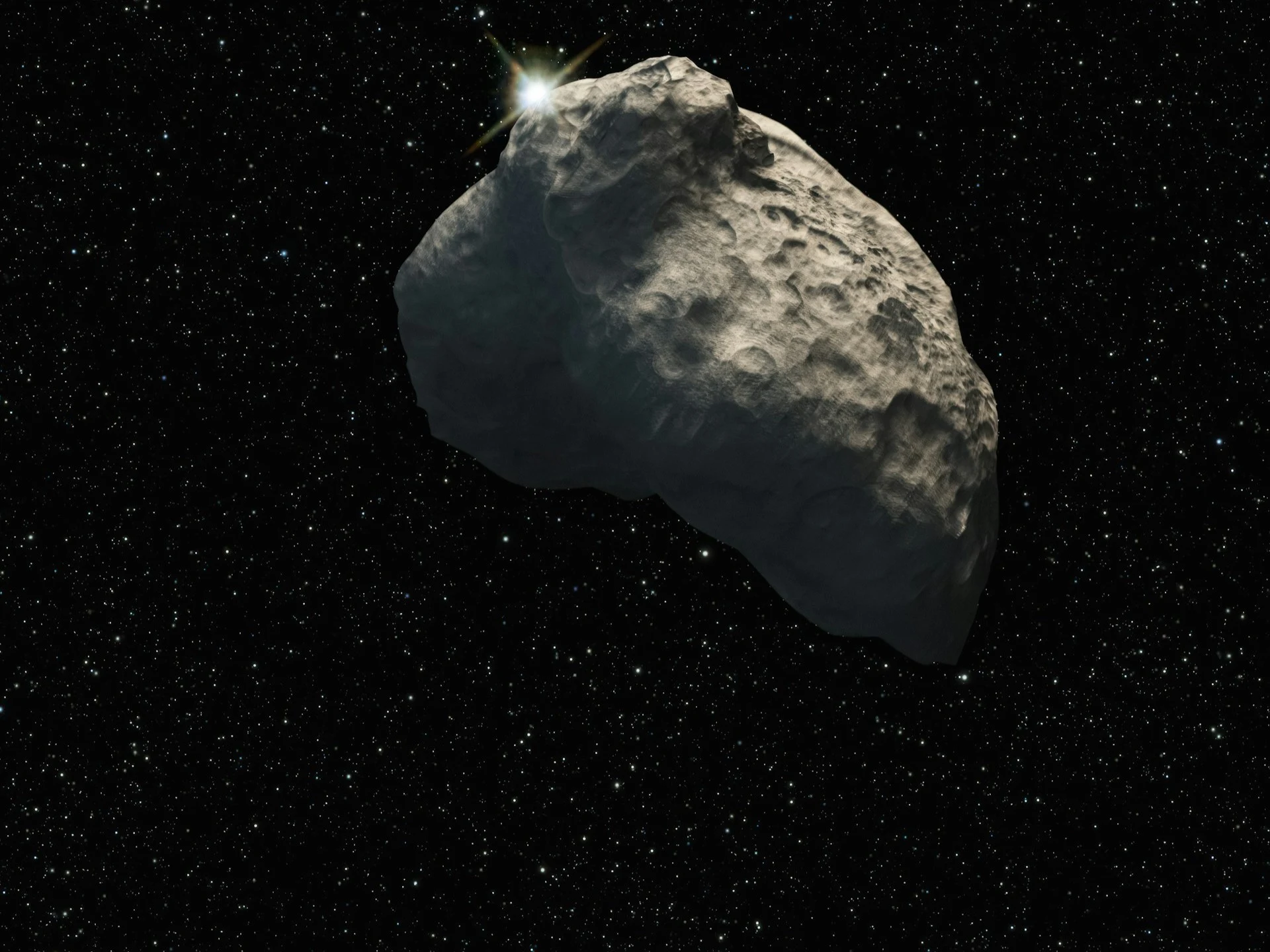
162173 Ryugu is a type of asteroid known as carbonaceous, which is abundant in carbon, water-containing minerals, and organic substances. Its shape resembles a spinning top, and researchers think it was created from the remnants of a larger asteroid. To explore this fascinating asteroid, the Japanese spacecraft Hayabusa2 was sent into space in 2014 to gather samples and bring them back to Earth. The analysis of these samples revealed the presence of uracil.
Findings from New Research
Recent research has expanded on these findings, identifying all nucleobases that are essential for DNA and RNA within the asteroid. Similar discoveries were made on another asteroid, 101955 Bennu, indicating that these molecules might be more common than previously thought. Another exciting finding was the detection of ammonia.
This new information doesn’t necessarily imply that life began in outer space. Rather, it suggests that the fundamental materials for life could form in space.
Nature Astronomy
Source:
Link