Author: GizNews

  • The Division Resurgence: PS5, Xbox, and Backbone Controller Support

    The Division Resurgence: PS5, Xbox, and Backbone Controller Support

    Key Takeaways

    1. The Division Resurgence offers flexible gameplay options, supporting both touch controls and various controllers (PS5, Xbox, Backbone).
    2. The game is set to release on March 31, 2026, for iOS and Android platforms.
    3. Customizable touch control settings are available, including camera sensitivity and button arrangement.
    4. Pre-registration rewards include the NYC Firefighter cosmetic set and Pure Gold weapon skins, along with benefits for Ubisoft Connect users.
    5. Ubisoft aims to differentiate The Division Resurgence in the competitive mobile shooter market with its multiple control methods and launch rewards.


    Ubisoft is taking advantage of the time leading up to the release of The Division Resurgence to demonstrate how players can engage with the mobile shooter. The company highlights that the game offers various input methods, which includes well-designed touch controls, support for PlayStation 5 controllers, Xbox controllers, and Backbone controllers. Ubisoft emphasizes that players have the freedom to combine touch and controller inputs based on their personal preferences.

    Flexible Gameplay Options

    Ubisoft aims to position The Division Resurgence as a true mobile game that can be enjoyed as either a native touchscreen shooter or with a setup similar to consoles. The game is set to be released worldwide on March 31, 2026, for both iOS and Android platforms.

    As per the recent update on controller layouts from Ubisoft, the default touch control scheme is tailored specifically for handheld devices, featuring customizable settings such as camera sensitivity and button arrangement. For those who favor physical controls, Ubisoft confirms compatibility with both PS5 and Xbox controllers, along with support for Backbone for players seeking a more specialized mobile controller experience.

    Emphasizing Variety in Control Styles

    Ubisoft frames this support as part of a larger effort to ensure The Division Resurgence feels adaptable on mobile devices rather than confined to a single control method. This flexibility could be essential for a game that revolves around third-person shooting, cooperative missions, PvP modes, and the series’ characteristic cover-based combat, which can feel distinct based on whether players utilize touch controls or a gamepad.

    The controller update coincides with Ubisoft’s continued push for pre-registration as the launch date approaches. In an announcement made on March 3, the publisher stated that players who pre-register will be able to unlock the NYC Firefighter cosmetic set and Pure Gold weapon skins when the game launches. Ubisoft also notes that players logging into The Division Resurgence with their regular Ubisoft Connect account will gain access to rewards in The Division 2.

    Key Selling Points Before Launch

    For those still on the fence about trying the game on its first day, these developments provide Ubisoft with two significant selling points ahead of the release: multiple ways to play on mobile and a limited selection of launch rewards available through pre-registration and Ubisoft Connect. With March 31 now confirmed, the lingering question remains whether these features will be enough for The Division Resurgence to differentiate itself in a competitive mobile shooter landscape.

    In other gaming news, The Seven Deadly Sins: Origin has officially moved to its full launch on March 23 after its Early Play phase began on PS5 and Steam on March 16. Meanwhile, PUBG: Battlegrounds has released its Anti-Cheat 2026 Roadmap, outlining a more extensive strategy for the year focused on improving detection, reducing false bans, and implementing stricter measures for players who have previously been banned from the game.

    Source:
    Link



  • Apple iPhone 19 Pro May Feature Impressive 200 MP Camera

    Apple iPhone 19 Pro May Feature Impressive 200 MP Camera

    Key Takeaways

    1. 200 MP cameras are becoming a popular trend in smartphones, with brands like Samsung, Xiaomi, Oppo, and Vivo adopting them.
    2. Apple is considering integrating a 200 MP sensor, specifically Sony’s LYT-901, into its upcoming devices.
    3. The new 200 MP sensor will replace the current 50 MP sensor used in the iPhone 17 Pro models.
    4. The sensor is expected to debut in a smartphone around 2027, likely in the iPhone 19 Pro series.
    5. There is a possibility that Apple may also use this sensor in a second-generation foldable smartphone.


    200 MP cameras are rapidly becoming a trend in the smartphone market, with flagship models from brands like Samsung, Xiaomi, Oppo, and Vivo all showcasing different 200 MP sensors. It looks like Apple is keen to join this trend too.

    Potential Sensor Adoption

    According to leaker Digital Chat Station, insights from supply chain sources suggest that Apple might be getting ready to integrate a 200 MP sensor in the near future. Reportedly, the tech giant based in Cupertino is eyeing the same 1/1.12-inch 200 MP sensor that will be featured on the Oppo Find X9 Ultra—specifically, Sony’s LYT-901.

    Upgrading Camera Technology

    The leaker indicates that this sensor will serve as the primary camera on the upcoming phone, representing a substantial improvement over the current 1/1.28-inch 50 MP sensor found in the iPhone 17 Pro models. While the source does not specify which device this sensor will be integrated into, it is expected to debut in a smartphone scheduled for 2027—most likely the iPhone 19 Pro series, or perhaps a second-generation Apple foldable smartphone. The former scenario seems more probable.

    Source:
    Link


  • Honor 600 Debuts on Geekbench with Snapdragon 7 Gen 4, Android 16

    Honor 600 Debuts on Geekbench with Snapdragon 7 Gen 4, Android 16

    Key Takeaways

    1. The Honor 600 series will include two versions: the regular Honor 600 and the advanced Honor 600 Pro.
    2. The Honor 600 features a Snapdragon 7 Gen 4 chipset, 8GB of RAM, and scores of 1,318 in single-core and 4,075 in multi-core tests on Geekbench.
    3. The device is expected to run on Android 16 and may have a 6.57-inch OLED display with a 120Hz refresh rate.
    4. It is likely to include a dual rear camera setup with a 200MP main sensor and a large 9,000mAh battery.
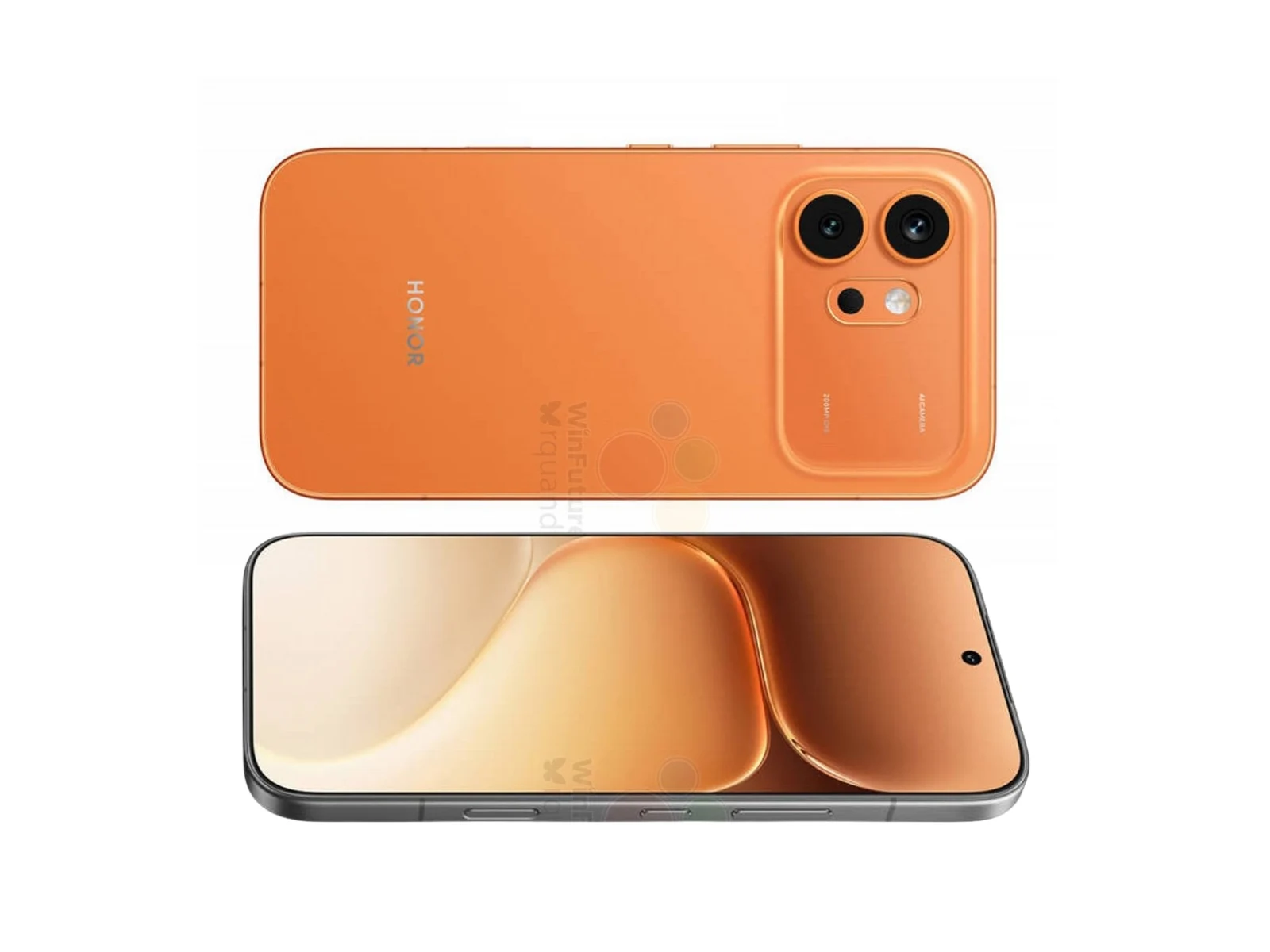
    5. The phone may come in black, white, and orange color options, with a release expected in Europe soon.


    Renders and details about the new Honor 600 series have recently been shared online. This series is rumored to have two versions: a regular Honor 600 and a more advanced Honor 600 Pro. Before any official word from the company, the standard Honor 600, identified by the model number ‘VKJ-NX9’, has been spotted on Geekbench, showcasing its performance specs.

    Performance Insights

    The Geekbench listing indicates that the device is equipped with the Snapdragon 7 Gen 4 chipset and features 8GB of RAM. The Snapdragon 7 Gen 4 is an octa-core processor built using a 4nm technology, complemented by an Adreno 722 GPU. This chipset is also found in various other mid-range smartphones, including the Realme 16 Pro+ which is currently priced at $549 on Amazon.

    The Honor 600 achieves scores of 1,318 in single-core and 4,075 in multi-core CPU exams. The Geekbench entry also verifies that it operates on Android 16. Earlier leaks hint that the Honor 600 might sport a 6.57-inch OLED display with a refresh rate of 120Hz.

    Camera and Battery Features

    It is expected to include a dual rear camera arrangement with a 200MP main sensor. An impressive feature of this phone is likely to be its enormous 9,000mAh battery. The device may be available in black, white, and orange color options. While Honor has not yet confirmed these specifications, the phone is anticipated to be released in Europe soon.

    Source:
    Link


  • MOVA Launches AtomForm Palette 300: 36-Color 3D Printer Features

    MOVA Launches AtomForm Palette 300: 36-Color 3D Printer Features

    Key Takeaways

    1. Innovative Nozzle Design: The AtomForm Palette 300 features a unique revolver-style nozzle, allowing up to 36 colors and 12 filament types in one print, significantly enhancing printing versatility.

    2. Environmental Considerations: Designed to reduce filament waste, the Palette 300 uses advanced sensors and controls to minimize its environmental impact, resulting in cost savings for users.

    3. User-Friendly Automation: High levels of automation in the Palette 300 reduce the need for manual adjustments, making 3D printing more accessible for beginners, especially younger students.

    4. Software Integration: The launch includes AtomForm Studio and AtomVerse, aimed at simplifying the design-to-print process and promoting collaboration within the 3D printing community.

    5. Pricing and Market Position: Priced around $2000, the Palette 300 targets the premium prosumer market, with an expected release in early Q2 of 2026, but it is not intended for commercial use.


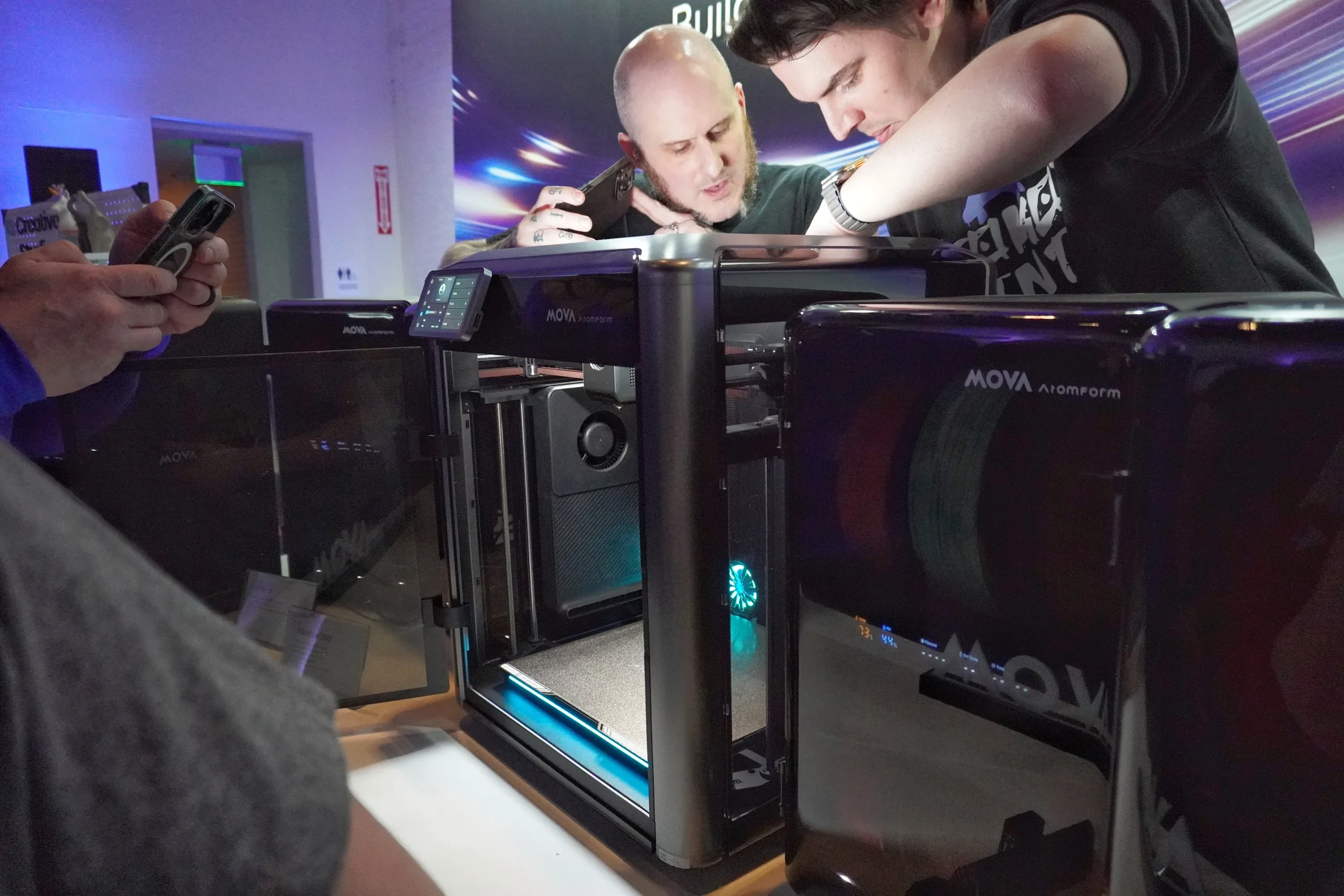
    San Jose was the selected location for MOVA’s launch event of the AtomForm Palette 300. Alongside some well-known creators focused on 3D printing, attendees were able to experience firsthand the thrilling new features that the Palette 300 offers.

    Innovative Nozzle Design

    The AtomForm Palette 300 stands out as the first 3D printer to incorporate a revolver-style nozzle arrangement. Drawing inspiration from CNC machines, this innovative setup not only accommodates up to 36 color choices but also enables the use of 12 different filament types in one single print, all without user interference. This feature has certainly generated buzz, as popular 3D printing YouTubers Jerry Gomes (@ThePrintHouse) and Robbie Burch (@RobbieDoesThingz) named it their top recommendation during the event’s panel. Robbie also highlighted that while the ability to support 36 colors is thrilling, the Palette 300’s capacity to switch nozzles when one clogs is a real game-changer for saving both time and prints.

    Environmental Considerations

    In terms of time and print efficiency, AtomForm’s engineers emphasized that the Palette 300 was designed specifically to minimize filament waste and, consequently, its overall environmental footprint. To achieve this, the Palette 300 employs a variety of sensors, computer vision, and environmental controls to rescue prints before it’s too late. For Berry Katz, a design professor at Stanford, this translates to “less waste,” which means users can spend less on filament.

    User-Friendly Automation

    Alongside waste reduction, the sensors also help to minimize the time users invest in tweaking, calibrating, and other monotonous tasks that come with 3D printing. Education YouTuber Joel Telling mentioned how this high level of automation greatly lowers the entry barriers for a hobby that typically has a steep learning curve. He is eager to see how this printer benefits younger students, particularly those learning TinkerCAD, and the creative opportunities—both practical and artistic—it will provide.

    Software Integration

    Interestingly, AtomForm seems to share Joel’s enthusiasm for making user-friendly software accessible to everyone. Along with the Palette 300, they introduced AtomForm Studio and the AtomVerse, both designed to seamlessly work with the hardware and minimize obstacles in transitioning from a 3D design to a tangible object. For AtomForm Studio, this translates to automatic slicing, calibrating, and much more. The AtomVerse aims to be a comprehensive platform for completely free prints, heavily emphasizing accessibility and artist recognition while encouraging users to share and collaborate on their projects.

    Pricing and Market Position

    While the Palette 300 undeniably boasts idealistic and groundbreaking features, it is not without its drawbacks. For MOVA AtomForm, this printer is clearly positioned in the premium prosumer market. At present, the estimated cost for the printer along with a filament housing is approximately $2000, but there is no clear pricing for achieving the full 36-color functionality. Moreover, AtomForm clarified that while this printer offers a wider range of features, it is not intended as a commercial-ready device. Nevertheless, the Palette 300 is making waves in the 3D printing industry, with pre-orders currently available for a $50 deposit, and the expected release date is set for early Q2 of 2026.

    Source:
    Link


  • PlayStation 5 PSSR 2.0 Uses AMD FSR 4 INT8, Skips PC RDNA GPUs

    PlayStation 5 PSSR 2.0 Uses AMD FSR 4 INT8, Skips PC RDNA GPUs

    Key Takeaways

    1. AMD accidentally exposed the full FSR 4 libraries and source code on GitHub, which were quickly removed but noted by modders.

    2. The leaked files included an INT8 version of FSR 4 that works on older RDNA 2 and RDNA 3 GPUs, though AMD has no plans to officially support it for older Radeon cards.

    3. The INT8 version of FSR 4 is being used by Sony in the PS5 and PS5 Pro under the name “upgraded PSSR” upscaling solution.

    4. There are technical differences between FSR 4 and Sony’s PSSR 2.0, with different implementations due to hardware specifications despite similar core technology.

    5. AMD has not commented on the leak, and the only guaranteed access to official FSR 4 support appears to be through the new RX 9000 series GPUs.


    AMD recently made a significant error by unintentionally exposing the full FSR 4 libraries and source code on its GitHub repository through the AMD OpenGPU Project. Although the company quickly removed the files, modders had already taken note of the leak.

    INT8 Version of FSR 4

    The leaked files included details about an INT8 version of FSR 4, which is a lighter version capable of running on older RDNA 2 and RDNA 3 GPUs. Currently, AMD has no plans to launch FSR 4 for older Radeon cards. Interestingly, both the PS5 and PS5 Pro, which utilize RDNA 2 architecture, are operating with an INT8 version of FSR 4, referred to by Sony as its “upgraded PSSR” upscaling solution.

    Context of FSR 4

    When AMD initially presented FSR 4, also known as FSR Redstone, the company highlighted that it was specifically tailored for its newest RDNA 4 GPUs found in the Radeon RX 9000 series. The GitHub leak reveals that the lighter INT8 version of FSR 4 can function well on RDNA 2 and RDNA 3 GPUs, leaving users with RX 6000 and RX 7000 series without access to this technology.

    Despite this, modders quickly downloaded the libraries before AMD could take them down and have started modifying their games to integrate the INT8 FSR 4 build into RX 6000 and RX 7000 series GPUs.

    PSSR 2.0 Rollout

    Sony has implemented and rolled out an upgraded version of PSSR, which is being dubbed PSSR 2.0, in the game Resident Evil: Requiem. In a recent chat, PlayStation’s lead system architect, Mark Cerny, spoke with Digital Foundry about how the new PSSR technology connects back to AMD.

    Cerny elaborated on the technical distinctions between FSR 4 and the new PSSR, stating, “FSR Redstone and the new PSSR have somewhat different implementations due to the underlying hardware, e.g., FSR Upscaling uses 8-bit floating point, and PSSR uses 8-bit integer.”

    Core Technology

    He added that while the fundamental technology remains consistent, the training process is tailored to each platform, like PC and PlayStation 5. Cerny mentioned, “In practice, the same model is used, but it’s trained on different data, e.g., if targeting a 2:1 fixed upscale, then the training data used is just for that upsampling ratio, and that different training results in different parameters… Not seeing too much difference in the results, the various flavors in the updated FSR Upscaling really are rather close to the new PSSR.”

    This provides pretty much confirmation that PSSR 2.0 on the PS5 Pro is effectively utilizing the INT8 version of FSR 4 that AMD inadvertently exposed in its GitHub libraries. To add to the issue, AMD has not commented on the situation, and it appears that Team Red will not offer FSR 4 for older Radeon GPUs, making the purchase of an RX 9000 series GPU likely the only guaranteed way to access official FSR 4 support from AMD.

    Source:
    Link


  • YouTuber Reveals New 1080p Digital-Bus Mod for SNES

    YouTuber Reveals New 1080p Digital-Bus Mod for SNES

    Key Takeaways

    1. The Super Switch HD mod for the SNES delivers clear 1080p video output using the console’s own hardware, eliminating the need for upscalers.
    2. Created by Stanislav Parhomovich, the mod offers impressive video quality without artifacts or conversion issues.
    3. The mod allows users to adjust resolution, screen size, aspect ratio, and more through an interface activated by specific button combinations.
    4. Unlike other solutions that rely on analog RGB output, the Super Switch HD uses a dedicated digital bus for better performance and reduced input lag.
    5. The mod is still in the prototype phase, with no release date or pricing information available yet.


    A fresh modification for the classic Super Nintendo Entertainment System (SNES) is gaining popularity among retro gaming fans. This new SNES mod is said to deliver clear 1080p output using the console’s own hardware. Dubbed the Super Switch HD, this digital output mod eliminates the need for upscalers or analog RGB signals that are often used with modern televisions.

    Impressive Video Quality

    In a demonstration of the prototype mod, the SNES showcased a pristine 1080p video output, meaning that classic SNES games can now appear visually appealing on the original hardware without any artifacts or conversion problems.

    The creator of the HD digital output mod for the SNES is Stanislav Parhomovich. Previously, he developed the Megaswitch HD for the Sega Genesis last year. To give some context, the Megaswitch HD was directly connected to the Sega Genesis’s digital video bus, allowing for a native HDMI output while maintaining the console’s original hardware. It provided a clear, responsive 1080p experience.

    Exciting New Features

    Now, Parhomovich is extending this 1080p digital-output technology to Nintendo’s 16-bit console. On X, he shared insights about his SNES mod, stating, “I’m working on a digital video output for the SNES. It’s conceptually similar to the Megaswitch HD. No analog RGB.”

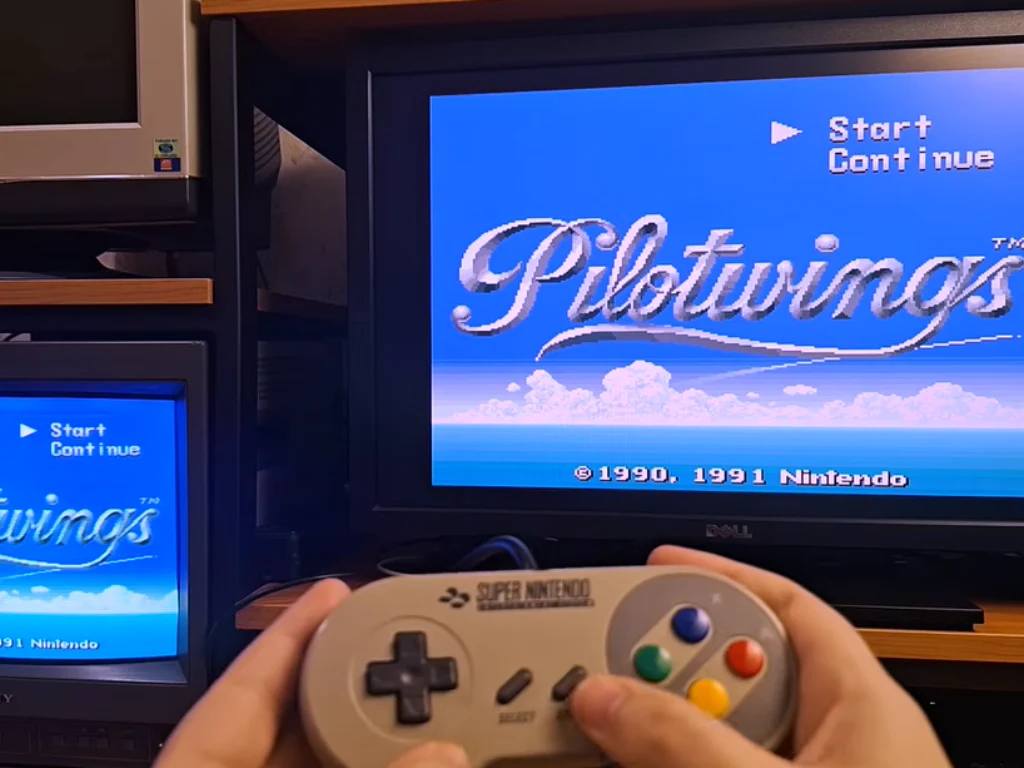
    He demonstrated the Super Switch HD on YouTube by running Pilotwings (1991) on a 1080p Dell monitor. By pressing Start and Up on the D-pad at the same time, the Super Switch HD reveals an interface that lets him modify the SNES’s resolution, screen size, aspect ratio, buffer post-processing, and additional settings.

    Modding the Classics

    In the video (translated from Russian), he said, “I’m developing a digital video output for the Super Nintendo. The Super Switch HD is an internal modification that enhances the image to 1080p. The data source is a dedicated digital bus in the video processor. Both 4:3 and 16:9 aspect ratios are supported.”

    Most alternative solutions have concentrated on analog RGB output through internal hardware mods or special adapters and cables. While these methods can produce 1080p output, they often result in some visual noise and input lag. That’s where the Super Switch HD stands out.

    Currently, this SNES 1080p digital output mod is in a working prototype phase, but there’s no set release date or pricing information available.

    Source:
    Link


  • Dnsys Launches Second Batch of Kojima Death Stranding 2 Knee Exoskeletons

    Dnsys Launches Second Batch of Kojima Death Stranding 2 Knee Exoskeletons

    Key Takeaways

    1. Dnsys is launching the second round of the Kojima Death Stranding 2: On the Beach x Dnsys Z1 knee exoskeleton on March 26, 2026, after the first batch sold out quickly.
    2. The special-edition Z1 exoskeleton is priced at $1,998 and is designed to align with the futuristic themes of the Death Stranding universe.
    3. Interested buyers can register for updates on the upcoming release and should monitor the website for announcements due to high demand.
    4. The Z1 knee exoskeleton enhances mobility and can be used with the X1 hip exoskeleton for improved performance in various activities.
    5. The exoskeleton features AI technology, a dual-core processor, and powerful motors, providing mobility assistance while reducing knee pressure.


    Dnsys is gearing up to launch the second round of the Kojima Death Stranding 2: On the Beach x Dnsys Z1 knee exoskeleton. The initial batch of 100 special-edition exoskeletons flew off the shelves in just an hour, priced at $1,998, after a giveaway in 2025. Interested buyers can register to receive updates about the second release, which is scheduled for March 26, 2026. Given the significant demand, it’s advisable to keep an eye on the website for any news.

    Special Features of the Z1 Exoskeleton

    This limited-edition model is an exclusive variant of Dnsys’s Z1 knee exoskeleton, which debuted on Kickstarter in August 2025. The video game associated with this product, part of Kojima’s celebrated Death Stranding series, is available for purchase on Amazon, and Notebookcheck has reviewed it.

    Kojima Productions’ art director, Yoji Shinkawa, expressed:

    “We crafted this exoskeleton with utmost care and enthusiasm, almost as if it was made for the Death Stranding universe. Every little aspect was polished to bring the game’s futuristic concept into existence, making it something that Sam Porter Bridges could actually wear. Wearing it gives you the sensation that the world of Death Stranding has materialized, merging creativity and reality.”

    Enhanced Mobility Features

    The Z1 knee exoskeleton can be used concurrently with the X1 hip exoskeleton from Dnsys, which has also been reviewed by Notebookcheck and is available on Amazon. This combination provides an extra boost in mobility for various activities, from hiking to sports.

    The collaborative exoskeleton utilizes AI technology with a dual-core 240 MHz processor, which powers 900-watt motors with each step taken. It runs on interchangeable batteries that offer hours of mobility assistance while alleviating pressure on the knees and enhancing trekking distance, as stated by Dnsys.

    Source:
    Link


  • Android Outperforms iPhone in Google Search Speed, Reports Say

    Android Outperforms iPhone in Google Search Speed, Reports Say

    Key Takeaways

    1. Android has surpassed iPhone as the fastest mobile platform for web browsing.
    2. Recent enhancements have improved performance on Android flagship devices in key benchmarks like Speedometer 3.1 and LoadLine.
    3. Speedometer measures browser responsiveness, showing Android devices outperforming iOS models.
    4. LoadLine assesses link opening speed, with Android devices reportedly opening links up to 47% faster than competitors.
    5. Despite significant benchmark improvements, real-world benefits for users are more modest, with only a 5% increase in loading times and 9% in smoothness.


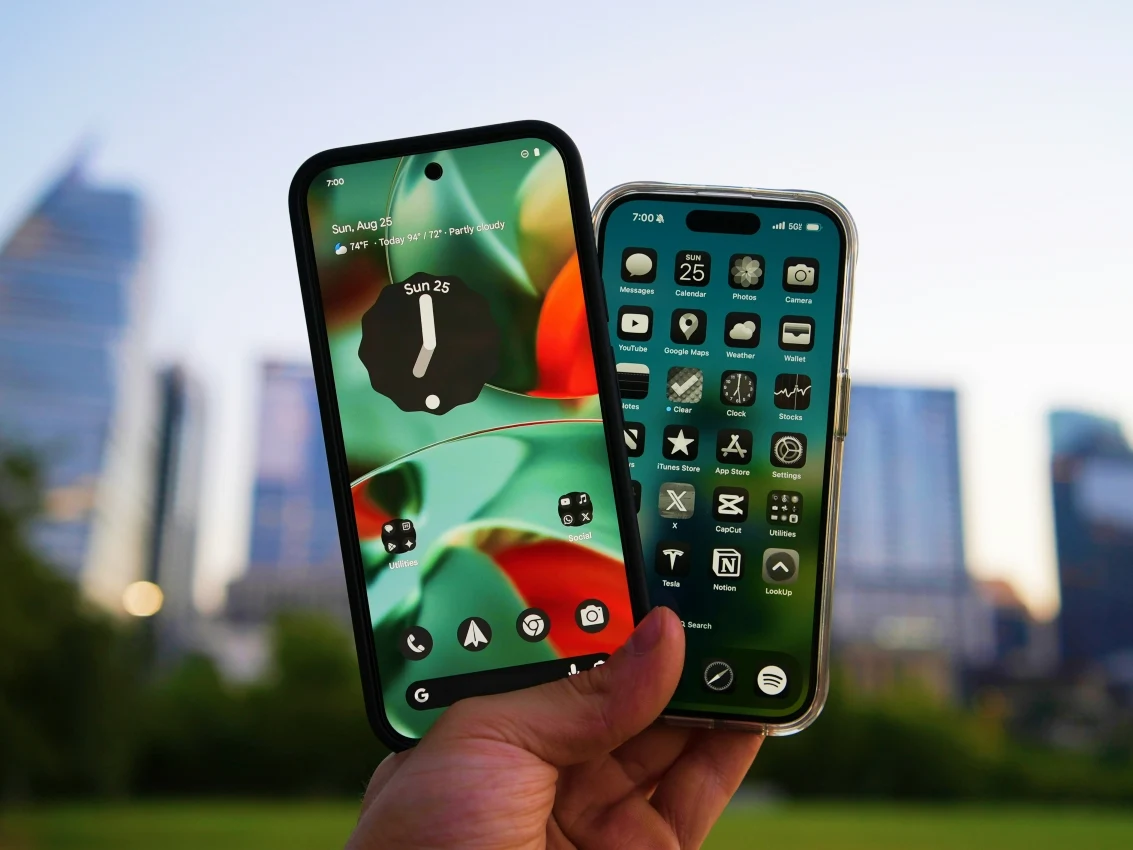
    Just as AirDrop is beginning to expand to a wider range of Android devices, Google has now announced that Android has surpassed iPhone as the quickest mobile platform for browsing the web.

    New Performance Insights

    A recent post on the Chromium Blog reveals that recent enhancements have elevated the performance of Android flagship devices to unprecedented heights in key industry benchmarks, specifically Speedometer 3.1 and LoadLine.

    Speedometer, which is a collaborative effort involving Apple, Google, and Mozilla, mimics typical user activities like clicking on buttons and scrolling to gauge how responsive a browser feels. The benchmark results released by Google indicate that unnamed Android flagship smartphones are outperforming the latest models from a “competing mobile phone platform” (which refers to iOS).

    LoadLine Benchmarking

    The second tool, LoadLine, is a newer benchmark created by Google and its collaborators. It assesses the speed at which links are opened after being clicked. Google asserts that high-end Android devices now open links up to 47% faster than their non-Android rivals.

    Google attributes this increase in web browsing speed to what it calls “vertical integration.” By working closely with chip manufacturers and phone producers, Google has optimized the Android kernel and the Chrome engine for better efficiency with specific hardware. However, there’s a downside – the speed differences might not be as significant as the benchmarks indicate.

    Real-World Performance

    Even though these improvements have purportedly led to a 20-60% increase in benchmark scores year-over-year, Google mentions that users can expect only about a 5% increase in page loading times and a 9% enhancement in smoothness during everyday usage.

    In summary, while Android’s web browsing capabilities are impressive on paper, the practical benefits may be more modest than the statistics suggest.

    Source:
    Link


  • Oppo Watch X3 Mini Unveils Redesigned Crown in First Look

    Oppo Watch X3 Mini Unveils Redesigned Crown in First Look

    Key Takeaways

    1. Oppo is set to unveil a smaller version of its smartwatch called the Oppo Watch X3 Mini.
    2. The design features a silver case, white fluoroelastomer straps, and a new rounded digital crown.
    3. Color options for the Watch X3 Mini are not confirmed, but users can likely change straps for different looks.
    4. There is no official release date yet, but a launch is expected next month.
    5. The Watch X3 Mini is anticipated to be priced lower than the Watch X3, possibly with fewer features.


    Following news that Oppo is planning to unveil a smaller version of its smartwatch called the Watch X3, a recent leak has given us a sneak peek at this upcoming device. Known as the Oppo Watch X3 Mini, the image was shared by Evan Blass.

    Design Details

    The leaked image, posted on X, reveals that the Oppo Watch X3 Mini will sport a silver case paired with white straps, likely made from fluoroelastomer. What stands out is the revamped design of the digital crown. Unlike its predecessor and the Watch X3, which have a flat top, the new crown has a more rounded appearance. The secondary button, however, appears to remain the same.

    Color Options

    It’s unclear whether this will be the sole color option available. Last year’s Oppo Watch X2 Mini, which can be found on Amazon.de for €293.86, was launched in two different shades — Glimmer Gold and Nebula Black. Nevertheless, users should have the flexibility to change straps for different colors or materials as they choose.

    Release Information

    Currently, there is no official release date for the Oppo Watch X3 Mini, but some sources suggest it could be revealed next month. When it does launch, it is expected to be priced lower than the Oppo Watch X3. However, this more affordable price point might come at the cost of some important features that the larger model offers.

    Evan Blass shared this on X.

    Source:
    Link


  • Sony Shifts Focus to PS6 Games, Moving Away from PlayStation PC Ports

    Sony Shifts Focus to PS6 Games, Moving Away from PlayStation PC Ports

    Key Takeaways

    1. Jeff Gerstmann believes game studios are shifting focus to developing projects for the PS6, even if its release is not confirmed for 2027.
    2. Concerns exist about the PS6’s potential high price and impressive specs, especially amid ongoing memory shortages that could affect availability.
    3. Sony’s strategy of limiting PS5 exclusives on PC may encourage more buyers to choose the PS6 console instead.
    4. Sony faces criticism for its investment in live-service games, with the need for strong single-player titles for the PS6 emphasized.
    5. Future announcements regarding the PS6 release date may be delayed, but clarity on PS5 exclusives could come soon.


    Some players are doubtful about the PS6 hitting shelves in 2027. Nevertheless, journalist Jeff Gerstmann is of the opinion that game studios might already be developing projects for the new console. A rumored choice to stop PlayStation PC ports could indicate that Sony is speeding up its plans for this new system.

    Insights from Gerstmann

    The previous Editorial Director of Gamespot and co-founder of Giant Bomb now runs a podcast regularly. In a recent episode, Gerstmann shared that “every studio that isn’t already working on a PS5 game needs to be pushing in the direction of PlayStation 6.” This suggests that many developers might have shifted their focus towards the future.

    Timing and Expectations

    Although the podcaster can’t specify when the PS6 will launch, he wouldn’t find it shocking if it arrives sooner than some fans expect. There are concerns regarding whether the PS6, if it comes with a hefty price, will have specs impressive enough to drive sales. The ongoing memory shortages could also result in delays or higher prices than originally thought.

    Gerstmann points out that, in spite of these worries, Sony seems to be moving towards the next generation. Keeping single-player PS5 exclusives off Steam might actually benefit the upcoming hardware. With fewer PlayStation games available on PC, buyers may be more tempted to opt for the console instead.

    Criticism and Future Plans

    Sony has been criticized for pouring a lot of resources into live-service games. Concord underperformed significantly, and Marathon hasn’t yet achieved Bungie’s expectations. However, the company understands that multi-platform shooters alone won’t attract all gamers to its next console. Just like before, there’s a need for distinctive single-player PS6 games.

    Whether PlayStation will alter its strategy again is up for debate. For the time being, players can still look forward to multiplayer games like Horizon Hunters Gathering making their way to Steam. Sony might postpone the announcement of the PS6 release date, but Jason Schreier from Bloomberg believes it could soon provide clarity on its position regarding PS5 exclusives.

    The Jeff Gerstmann Show

    Source:
    Link