Author: GizNews

  • Revolutionizing Smart Mobility: Haomo.AI’s Affordable ADAS Kits Set the Pace

    Revolutionizing Smart Mobility: Haomo.AI’s Affordable ADAS Kits Set the Pace

    In a significant stride towards democratizing smart driving technologies, Haomo.AI, a promising autonomous driving tech startup backed by Great Wall Motor, unveiled a series of cost-effective Advanced Driver Assistance Systems (ADAS) kits. These groundbreaking kits were showcased at the 9th AI Day event, underscoring Haomo.AI’s commitment to fueling the widespread adoption of smart driving features across China​1​.

    A Leap Towards Affordable Smart Driving

    The hallmark of Haomo.AI’s new offerings is their affordability without compromising on performance. The three newly launched systems, tagged HP170, HP370, and HP570, are priced significantly lower than many of their counterparts in the market, making smart driving tech more accessible. These kits range from around 3,000 yuan ($411) to 8,000 yuan, a stark contrast to the typical market prices of $1,500 to $2,000 for similar systems​2​.

    The HP170 kit, adept for highways and expressways, incorporates features like automatic emergency braking and short-distance memory parking. Transitioning to urban scenarios, the HP370 extends support with intelligent obstacle avoidance capabilities, while the HP570 kit, priced higher, offers comprehensive parking assistance alongside automatic driving on urban roads​1​​3​.

    Performance Meets Affordability

    Haomo’s ADAS kits stand out not just for their price point but also their performance. With computing power ranging from 5 Tops to 100 Tops coupled with a sophisticated sensor system, these kits promise robust assistance without relying on high-definition maps. This innovation dovetails with Haomo’s vision to capitalize on the anticipated 70% penetration of smart driving features in China by 2025​1​.

    The company’s Chairman, Zhang Kai, envisages these second-generation HPilot passenger car ADAS products to be integrated into production vehicles between 2023 and 2024, marking a significant advancement in the autonomous driving sector. The introduction of these kits reflects a broader trend in China’s automotive industry towards embracing smart driving technology, backed by supportive data from the China Passenger Car Association​1​​3​.

    Global Aspirations

    With the backing of Great Wall Motor, China’s largest sport utility vehicle (SUV) maker, Haomo.AI is not just eyeing the domestic market but also has global ambitions. Great Wall Motor’s plans to establish an electric car assembly plant in Vietnam by 2025 exemplifies the global impact of China’s innovative strides in the electric and smart vehicle industry​3​.

    The trajectory Haomo.AI is carving with its affordable ADAS kits is poised to significantly impact the smart driving landscape, ushering China, and potentially the broader global market, into an era of intelligent and accessible mobility solutions.

    Sources:
  • Google Pixel 8 Series Unveils an In-built Troubleshooter for Battery and Network Issues

    Google Pixel 8 Series Unveils an In-built Troubleshooter for Battery and Network Issues

    n a bid to enhance the user experience and tackle common technical glitches, Google has rolled out a new feature exclusively for its Pixel 8 and Pixel 8 Pro users. The tech giant introduced a built-in troubleshooting app aimed at identifying and resolving typical battery and network issues that users often encounter​1​​2​.

    Seamless Troubleshooting at Your Fingertips

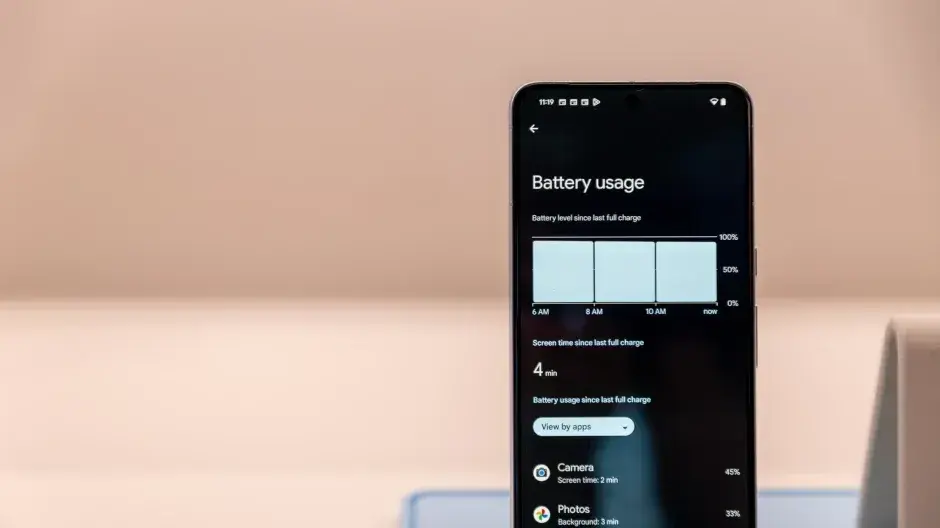
    The Pixel Troubleshooting app, embedded as a system app within the device settings, facilitates a smooth self-diagnostic experience for users facing battery drainage or network connectivity problems. To access the app, users simply need to navigate to the “Battery” section under settings and select “Battery diagnostics” for battery-related issues, or choose “Network and Internet” for the network troubleshooter to address connectivity concerns. Once initiated, the app conducts a thorough scan to identify any prevailing issues and provides apt recommendations to rectify them​2​.

    Google Pixel 8 Series Unveils an In-built Troubleshooter for Battery and Network Issues

    The app’s Battery Diagnostics section offers various options to describe the battery issues accurately, followed by diagnostic tests based on the chosen issue. For instance, if a user is experiencing battery drain, a test can be run to identify apps guzzling the battery, followed by tips on enhancing battery life. Similarly, the Network Troubleshooter section of the app provides tips to improve connectivity and offers assistance to contact Pixel support for further help​2​.

    Bridging the Troubleshooting Gap

    The introduction of the Pixel Troubleshooting app marks a significant step towards self-service troubleshooting, enabling users to address common tech glitches without the need for external support. While the app currently caters only to the Pixel 8 series users, it’s anticipated to extend its support to older Pixel models in near future, potentially with the Android 14 QPR1 release, broadening the spectrum of self-help diagnostics across the Pixel lineup​1​.

    This move by Google is not just a leap towards enhancing user satisfaction but also a catch-up to Apple, which has had a similar tool for some time. The addition of an in-built troubleshooting app is indeed a laudable initiative, offering a quick and easy solution to the common issues that often hinder the smooth operation of smartphones​2​.

    It’s a step forward in the right direction, ensuring that users have the necessary tools at their disposal to enjoy an uninterrupted smartphone experience.

    Sources:

  • Unveiling the Mystery: Kirin 9000S Chipset’s True Origin and Specifications

    Unveiling the Mystery: Kirin 9000S Chipset’s True Origin and Specifications

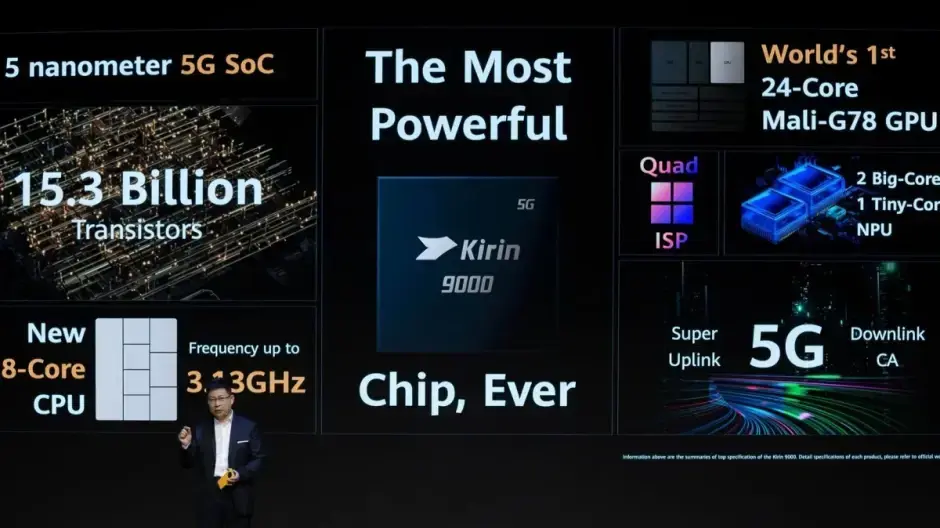
    In a recent twist of events, the enigmatic Kirin 9000S chipset, which powers the Huawei Mate 60 Pro, has sparked a whirlpool of discussions among tech enthusiasts and experts. Initially, it was believed that the Kirin 9000S was manufactured by China’s largest foundry, SMIC, utilizing its 7nm node technology. However, new revelations suggest a different narrative, hinting at the Kirin 9000S being a rebranded version of the 5nm Kirin 9000 chipset from 2020, produced by TSMC.

    The Revelation

    A tipster, known as @RGcloudS on Twitter, shed light on this perplexing scenario. Through a series of investigative tweets, he presented evidence suggesting that the Kirin 9000S chipset is essentially the Kirin 9000 chipset, originally manufactured by TSMC three years ago, and not by SMIC as previously believed. A screenshot shared by the tipster lists the Kirin 9000S as a 5nm chip. Further, a date stamp on one of the Kirin 9000S chipsets from the Mate 60 Pro teardown reveals that it was manufactured during the 35th week of 2020, reinforcing the claim that the Kirin 9000S is indeed a rebranded Kirin 9000.


    Implications for Huawei and SMIC

    The initial belief that SMIC was behind the Kirin 9000S’s production had raised eyebrows, especially among U.S. lawmakers and officials who had been advocating for tighter sanctions against Huawei. The backdrop to this is the expanded export rules by the U.S. in 2020, aimed at preventing foundries using U.S. technology from shipping cutting-edge silicon to Huawei without a license. The Mate 60 Pro, powered by the Kirin 9000S, stood as an exception to the trend where previous Huawei flagship series had to rely on Qualcomm Snapdragon chipsets tweaked for 4G connectivity due to these restrictions.

    The revelation that the Kirin 9000S is potentially a rebranded Kirin 9000 made by TSMC brings a new dimension to the narrative, casting doubts over the previously held beliefs regarding SMIC’s capability in producing such an advanced chipset without access to extreme ultraviolet lithography (EUV) machine, a crucial technology for etching extremely thin circuitry patterns on silicon wafers.

    The Road Ahead

    With the new findings, there’s a brewing discussion among analysts regarding how Huawei managed to work around the U.S. sanctions. The stockpile of Kirin 9000 chipsets could explain Huawei’s ability to offer 5G connectivity in its Mate 60 Pro model for the first time since 2020. This revelation might also prompt a re-evaluation of the sanctions and export control measures in place, potentially impacting the global semiconductor landscape and the ongoing tech cold war between the U.S. and China.

    In conclusion, the Kirin 9000S saga unfolds a complex narrative intertwining technology, geopolitics, and corporate strategy. As the tech community delves deeper into this matter, one can anticipate more discussions and analyses shedding light on the intricacies of global tech supply chains and the relentless pursuit for semiconductor supremacy.

    Source: PhoneArena

  • Upcoming Redmi 13C 5G: A Sneak Peek into its Features and Capabilities

    Upcoming Redmi 13C 5G: A Sneak Peek into its Features and Capabilities

    The smartphone market is about to witness a new entrant, the Redmi 13C 5G, which is anticipated to create ripples with its impressive specifications and cutting-edge features. The Redmi 13C 5G is expected to be a significant upgrade to its predecessors and a strong contender in the mid-range smartphone segment. Here’s a glimpse into what this upcoming smartphone is set to offer.

    Superior Imaging Capabilities

    One of the most touted features of the Redmi 13C 5G is its high-resolution 50 MP primary camera. The leaked images of the device have already generated a lot of buzz among tech enthusiasts, showcasing a design that aligns with modern aesthetics while promising superior imaging capabilities. The Redmi 13C 5G is expected to deliver crisp and clear photos, making it a viable choice for photography enthusiasts on a budget.

    Seamless Connectivity with 5G

    In the era where high-speed internet and seamless connectivity are the norms, the Redmi 13C 5G is not left behind. The smartphone is expected to come with 5G connectivity, courtesy of the MediaTek Dimensity 6100 chipset. This not only ensures rapid internet speeds but also promises a smoother user experience, be it for streaming, gaming, or any other online activity.

    Performance and Other Features

    Under the hood, the Redmi 13C 5G is said to be powered by a robust processor which, coupled with an ample amount of RAM, is expected to provide a smooth performance even during intensive multitasking. Additionally, the smartphone might feature a robust battery life, ensuring that users can get through a day of regular use without constantly worrying about charging.

    The global anticipation for the Redmi 13C 5G is palpable, with its IMEI number already spotted on the IMEI database, indicating a global launch in the near future. Other details regarding the smartphone such as its price, exact launch date, and additional features are yet to be unveiled. However, with the specs and features that have been leaked so far, it’s evident that the Redmi 13C 5G is gearing up to be a notable addition to the mid-range smartphone market.

    In conclusion, the Redmi 13C 5G appears to be a promising device that could provide a good balance of price, performance, and features. As the tech community awaits more details and the official launch, the Redmi 13C 5G is certainly a device worth keeping an eye on.

    Upcoming Redmi 13C 5G: A Sneak Peek into its Features and Capabilities

    Sources:

    1. TudoCelular
    2. 91Mobiles
    3. OPP Today
    4. GizmoChina
  • Anticipated Poco C65: A Redmi 13C Rebrand with Enhanced Features

    Anticipated Poco C65: A Redmi 13C Rebrand with Enhanced Features

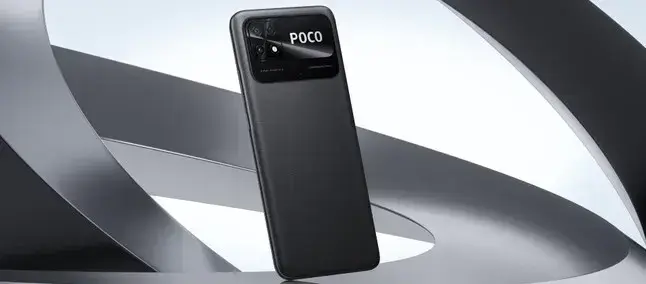
    The upcoming Poco C65 is creating waves in the smartphone market, with its appearance on various certification websites hinting at an imminent launch. This smartphone is anticipated to be a rebrand of the Redmi 13C but with its unique touches. Here’s a deep dive into the specifications and features that are currently known about this intriguing device.

    Core Specifications

    The Poco C65, like its counterpart Redmi 13C, is expected to be powered by the MediaTek Helio G85 chipset. It’s likely to come with at least 6GB of RAM and 128GB of storage, providing a smooth performance for daily tasks and ample space for your files and apps​1​.


    Camera and Display

    Photography enthusiasts will appreciate the Poco C65’s expected 50 MP primary camera, part of a triple-rear camera setup, which promises to capture high-resolution, crisp images. Coupled with an LED flash, low-light photography might also be commendable​2​.

    The smartphone is likely to feature a 6.7-inch IPS LCD display with HD+ resolution. Although the refresh rate hasn’t been confirmed, it might follow its predecessor Poco C55’s footsteps, which had a 90Hz refresh rate, offering a smooth scrolling experience​2​.

    Connectivity and Battery Life

    Although the Poco C65 doesn’t support 5G connectivity, it compensates with robust 4G LTE connectivity, ensuring fast internet access for streaming and browsing. Other connectivity features include Bluetooth, Wi-Fi, and NFC, which facilitates contactless payments​1​​3​.

    A robust 5000 mAh battery is expected to back these features, providing a long-lasting battery life. The device might also support 10W wired charging, ensuring a quick recharge when needed​1​.

    Operating System and Additional Features

    The smartphone is expected to run on Android 13 with MIUI 14 skin on top, providing a user-friendly interface with additional features and customization options. Moreover, it’s speculated to house a USB Type-C port, replacing the micro USB port seen in its predecessor, Poco C55​2​.

    Global Availability

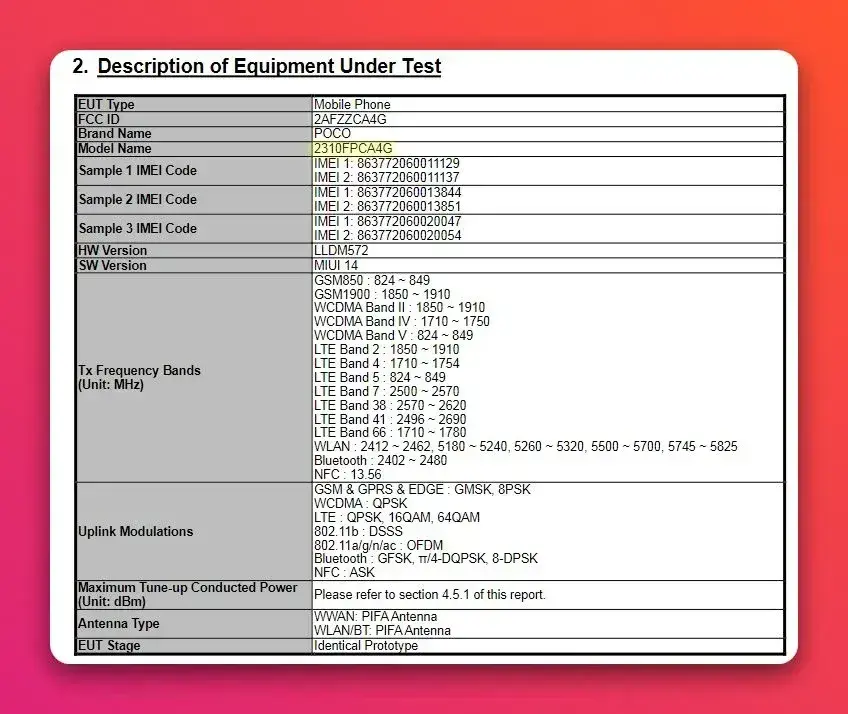
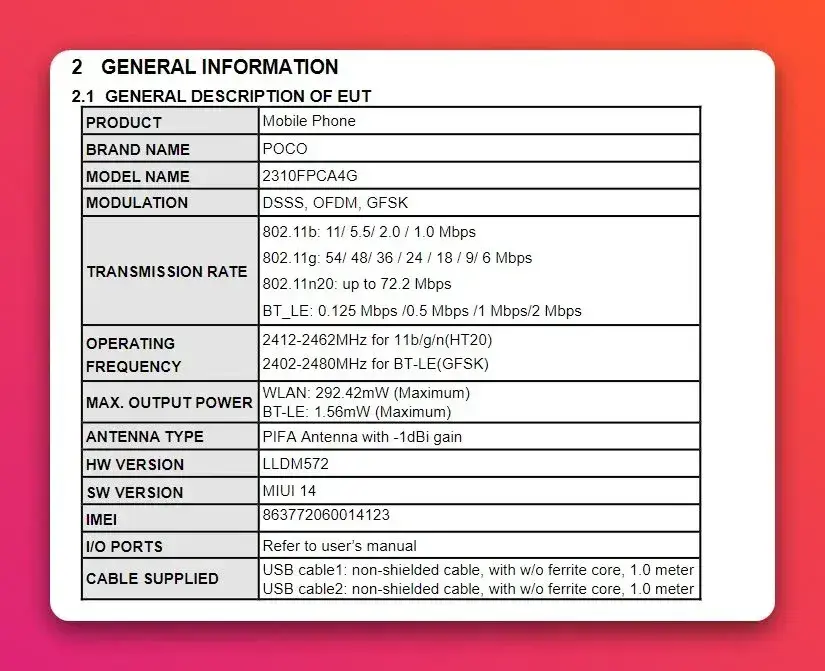
    The Poco C65 is expected to have a global variant alongside an Indian variant, as indicated by its model numbers 2310FPCA4G (Global) and 2310FPCA4I (India) appearing on the IMEI database. This suggests a wider availability for consumers across different regions​4​.

    In conclusion, the Poco C65 is shaping up to be a feature-packed mid-range smartphone. Its combination of a powerful camera setup, robust battery, and other enhanced features, all likely housed in a sleek design, makes it a highly anticipated device in the smartphone market.

    Sources:

    1. TudoCelular
    2. 91Mobiles
    3. MySmartPrice
    4. Gizmochina
  • Addressing iPhone 15 Series Issues: Apple’s Road to Resolutions

    Addressing iPhone 15 Series Issues: Apple’s Road to Resolutions

    The highly anticipated iPhone 15 series has been making headlines not only for its advanced features but also for a slew of issues that users have been facing. This article delves into some of the major problems encountered by iPhone 15 users, and the steps Apple has taken or is taking to rectify them.

    Overheating Woes

    One of the most prominent issues was the overheating problem, particularly on the iPhone 15 Pro and Pro Max models. Users reported their devices becoming excessively hot, especially during gaming, video recording, or charging. The problem seemed to be stemming from the iPhone 15’s thermal design. However, Apple addressed this issue through a software update. With the release of iOS 17.0.3, many users found their devices to be less prone to overheating, thereby improving the user experience significantly【25†(PhoneArena)】.

    Battery Drain Dilemma

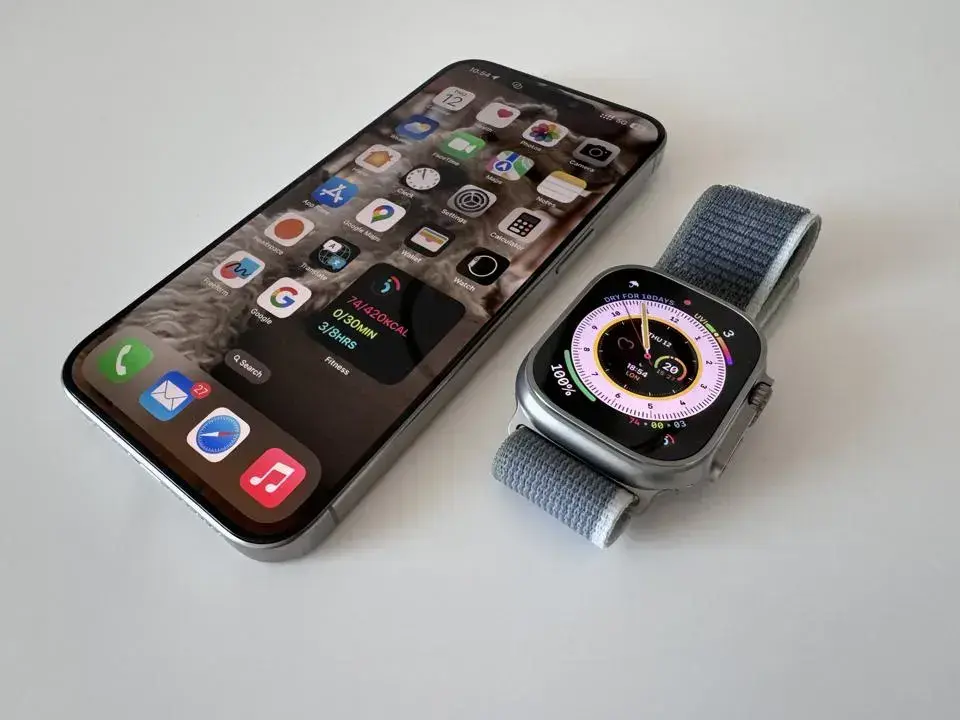
    Battery drain was another headache for iPhone 15 series users. Initially, it was believed that the iPhone 15 Pro was the primary culprit, but the problem was widespread across other models as well. It was discovered that if an Apple Watch running the latest beta software was paired with an iPhone, it could lead to increased power consumption, causing the battery to deplete faster and potentially causing the iPhone to heat up. Apple acknowledged this issue and mentioned that it had been addressed in the beta version of iOS 17.1, which was expected to hit general release soon【29†(Forbes)】.

    Mysterious Shutdowns

    Lastly, a peculiar issue of iPhones mysteriously shutting down overnight and restarting right before alarms go off was reported. This problem wasn’t exclusive to the iPhone 15 series but was also seen in iPhone 13, iPhone 14 Pro, and even earlier models. The devices, mostly running on iOS 17, would shut down after reaching a 100% charge and restart a few hours later. Users could check if their device faced this issue by examining the battery level graph in the settings. However, the cause of this issue remained unclear, with Apple yet to provide a concrete solution【35†(Business Today)】.

    Apple’s journey towards rectifying these issues showcases a prompt response to user complaints, albeit with some solutions still in the pipeline. The anticipation is high among the user base for further updates that will hopefully resolve the ongoing issues and improve the overall iPhone experience.

    Some solutions to try:

    IssueAffected ModelsDescriptionPossible Solutions
    OverheatingiPhone 15 Pro and Pro MaxPhones getting excessively hot, especially during gaming or video recording.Update to iOS 17.0.3, which addresses overheating issues.
    Battery DrainAll iPhone 15 ModelsReports of battery life falling short of expectations.Ensure you’re on the latest iOS version, consider disabling features like Background App Refresh and Location Services.
    Apple Logo Boot-Up LoopAll iPhone 15 ModelsUsers stuck in a loop during data transfer.Upgrade to the latest iOS 17 during setup or download it afterward. If stuck, reset and upgrade to new iOS.
    Slow and LaggyAll iPhone 15 ModelsPhones feeling sluggish, especially when running multiple apps or games.Keep iOS updated to the latest version. Try restarting your iPhone and close unused apps.
    Chassis Issues (Dirt, Scratches, etc.)iPhone 15 Pro and Pro MaxTitanium frame attracting dirt, fingerprints, and scratches.Clean the frame regularly or embrace those fingerprints.
    Distorted AudioAll iPhone 15 ModelsCrackling and distortion, especially at high volumes.Ensure you’re on the latest iOS version. Try cleaning the speaker or restarting your iPhone.


    Sources:

    • PhoneArena
    • Forbes
    • Business Today

  • The Resilient Google Pixel 8 Pro: A Showcase of Durability

    The Resilient Google Pixel 8 Pro: A Showcase of Durability

    In a world inundated with fragile smartphones that succumb to the slightest mishaps, the Google Pixel 8 Pro emerges as a beacon of durability. The recent scratch, burn, and bend tests performed on this gadget affirm its robustness, making it a worthy contender for those seeking a sturdy, reliable smartphone.

    Exceptional Scratch Resistance

    One of the critical aspects contributing to the Pixel 8 Pro’s durability is its remarkable scratch resistance. The phone’s screen remained unscathed even when subjected to rigorous scratching attempts, showcasing its superior quality. The back panel also exhibited a high level of scratch resistance, making the Pixel 8 Pro an ideal choice for individuals who prioritize longevity in their smartphones. This sturdy build does not compromise the sleek design that the Pixel line is known for, which is an added advantage.

    Impressive Heat Withstandability

    Moreover, the Google Pixel 8 Pro impressed with its ability to withstand exposure to heat. During the burn test, the smartphone’s display sustained a flame for a considerable amount of time before showing signs of damage. Even then, the affected area recovered swiftly once the heat source was removed. This test is a testament to the Pixel 8 Pro’s resilience, reassuring potential buyers about its performance under extreme conditions.

    Bend Test Triumph

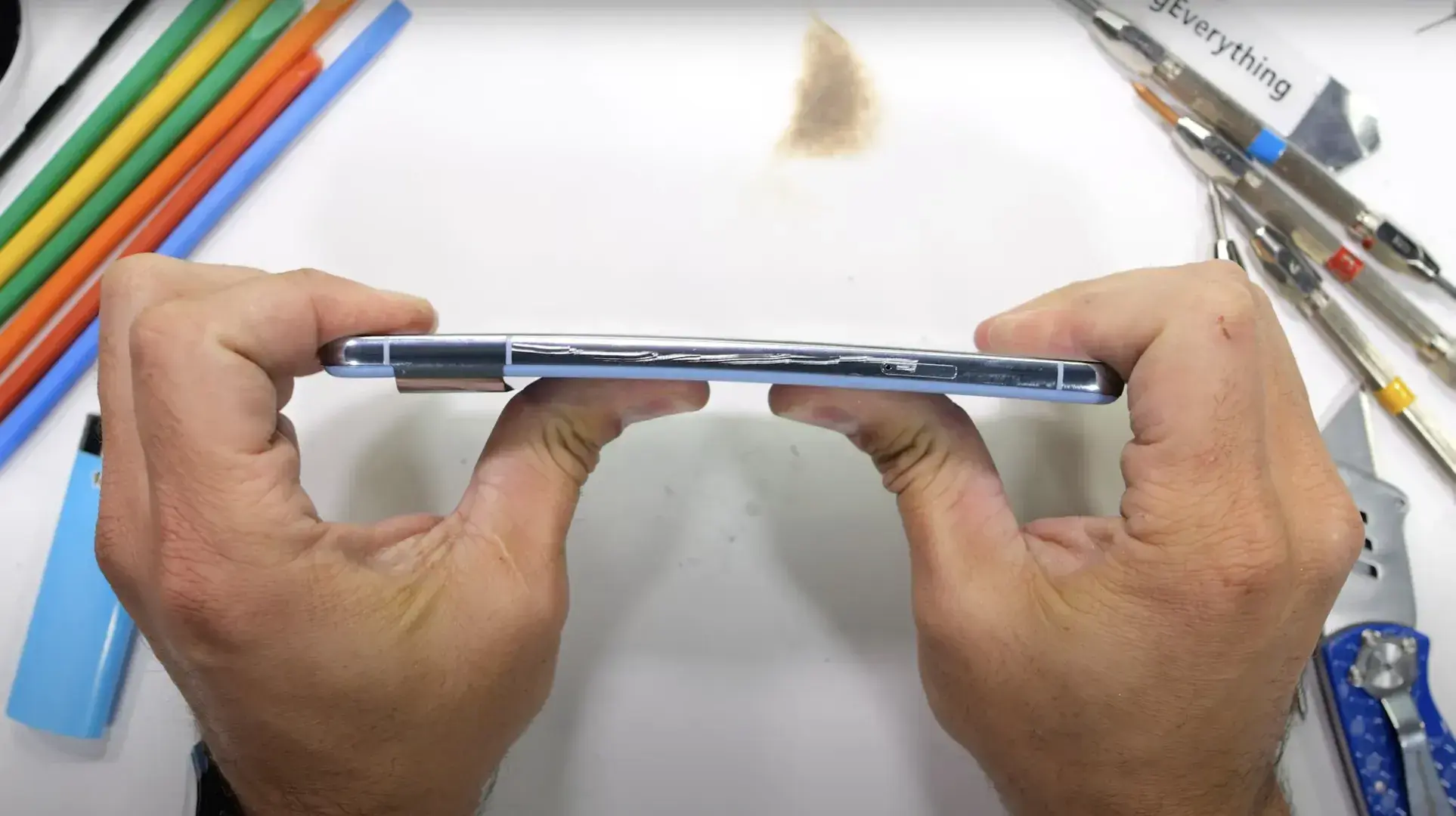
    Perhaps the most noteworthy testament to the Pixel 8 Pro’s durability came from the bend test. Unlike many contemporary smartphones that bend or snap under pressure, the Pixel 8 Pro remained intact even when substantial force was applied. Its structural integrity remained unimpaired, further solidifying its place as a reliable and robust smartphone choice in the market.

    The Google Pixel 8 Pro not only boasts a sophisticated design but also stands tall when it comes to durability. These qualities make it a lucrative option for consumers seeking a blend of aesthetics and reliability in a smartphone. The recent tests have significantly bolstered the Pixel 8 Pro’s reputation, making it a much-talked-about gadget in tech circles. The Pixel 8 Pro is not just a smartphone; it’s a statement of durability melded with elegance. Its price starts at $899, which is a competitive pricing point given its robust features.

    The meticulous tests that the Pixel 8 Pro underwent and triumphed are well-documented in recent articles published on Notebookcheck, GSM Arena, and 9to5Google, which provide a detailed analysis of the smartphone’s performance in scratch, burn, and bend tests.

    Watch the full set of tests:


    Sources: Notebookcheck, GSM Arena, 9to5Google.

  • Xiaomi Poised for a Paradigm Shift: Transitioning from MIUI to MiOS

    Xiaomi Poised for a Paradigm Shift: Transitioning from MIUI to MiOS

    In a realm incessantly propelled by innovation, maintaining a competitive edge necessitates not merely keeping pace with evolution but oftentimes, spearheading it. Xiaomi, a distinguished luminary in the smartphone universe, is envisaged to be at the cusp of a monumental transition in its Android-based UI system. The pivot from the much-celebrated MIUI to a nascent operating system, MiOS, is speculated to be the company’s resolute stride towards encapsulating the new technological wave ushered in by Android 14.

    The Curtain Call for MIUI

    The discourse on Xiaomi’s software transition emerged from reliable industry conduits, hinting at a forthcoming farewell to MIUI with its 14th iteration. The MIUI, an acronym for Mi User Interface, has been the hallmark of Xiaomi’s Android interface since its inception, melding a user-centric design with a wide gamut of features. Its departure is seen as a bid adieu to an era embellished with iconic features and innovations​1​.

    The Dawn of MiOS

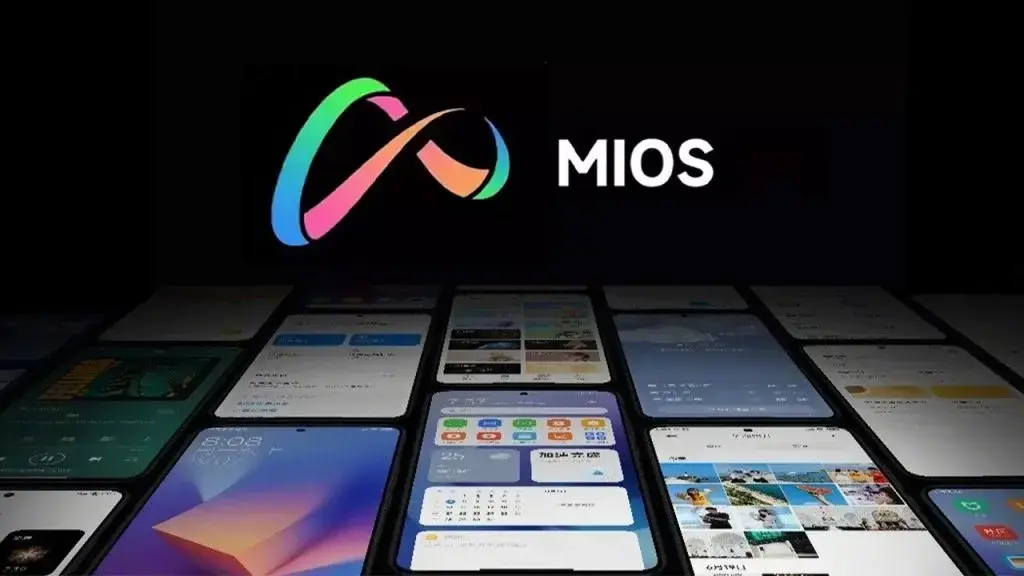
    The inception of murmurs regarding the transition was further fueled by a revelation from a credible tipster, Digital Chat Station, who unveiled Xiaomi’s possible plan to eschew the anticipated MIUI 15 in favor of launching a brand-new operating system, MiOS. The postulation extends to MiOS being a completely fresh construct, engineered from the ground up, with compatibility across a spectrum of devices including smartphones, tablets, and wearable technology​2​.

    An Augury of Enhanced User Experience

    MiOS is envisioned to be a highly-customized, self-developed operating system, signaling Xiaomi’s unwavering commitment to innovation and an enhanced user experience. This new ecosystem is anticipated to usher in a more streamlined and intuitive interface, optimized for superior performance, thereby promising a smoother user interaction. The development of MiOS also aligns with Xiaomi’s objective to diminish reliance on third-party software providers, thereby exuding greater control over the software ecosystem of their devices and offering a more cohesive user experience​3​.

    The conjecture surrounding Xiaomi’s software evolution reflects a broader industry trend towards embracing the perpetual technological advancement. Although the official release date for MiOS remains under wraps, the tech community and Xiaomi aficionados are on tenterhooks, awaiting further elucidation from the company regarding the features and capabilities of MiOS.

    The contrasting narratives around the release of MIUI 15 add a layer of complexity to the scenario, leaving the tech savants and Xiaomi’s clientele in anticipation of official communication from Xiaomi to dispel the clouds of uncertainty​4​.

    Sources:

  • Samsung One UI 6.1 Update: A Milestone in AI Integration

    Samsung One UI 6.1 Update: A Milestone in AI Integration

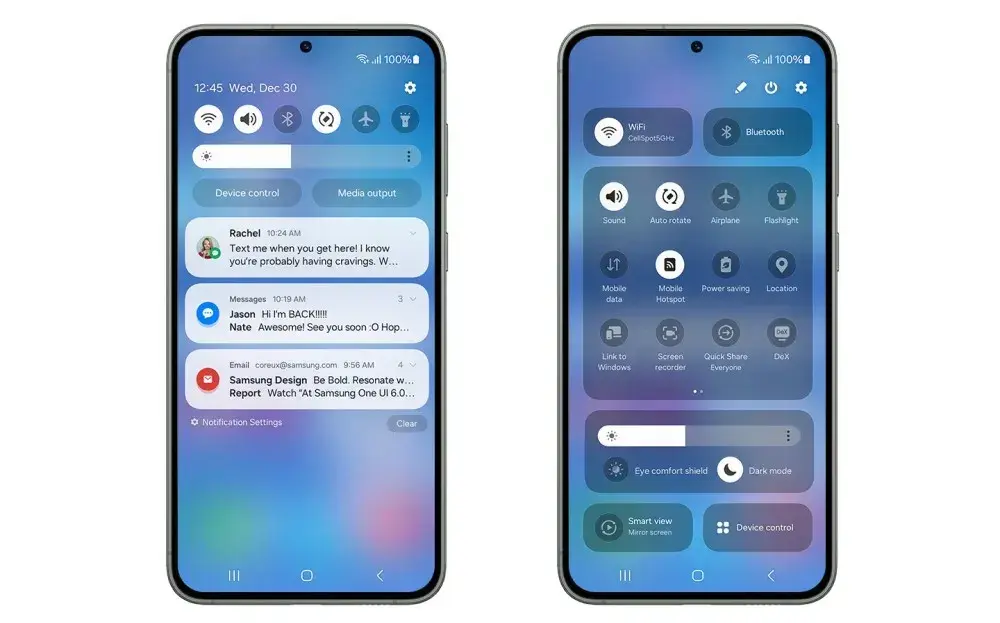
    Samsung‘s ambitious One UI 6.1 update is on the horizon, expected to further solidify its commitment to leveraging artificial intelligence (AI) across its device ecosystem, particularly with the introduction of the Galaxy S24 series. This update is speculated to be a game-changer, marking a significant milestone in Samsung’s journey towards a more AI-centric user experience.

    Embarking on an AI Journey

    With the buzz around AI reaching a crescendo in the tech world, Samsung is not one to be left behind. The One UI 6.1 update, expected to roll out alongside the Galaxy S24 series, is rumored to be a treasure trove of AI-powered features, setting a new benchmark for what users can expect from their devices​1​​2​.

    The information stemming from leaks suggests a robust upgrade to the existing AI capabilities, with a strong emphasis on introducing a more potent AI assistant to replace or augment Bixby, Samsung’s current voice assistant​3​. This move is indicative of Samsung’s resolve to enhance user interaction and provide a more intuitive, personalized user experience.

    Unveiling Cutting-Edge Hardware

    Driving the AI revolution are the powerful chipsets expected to be housed within the Galaxy S24 series. The Exynos 2400 processor, boasting a 1.7x faster CPU and a remarkable 14.7x faster AI performance compared to its predecessor, is a testament to the leaps in performance and efficiency Samsung has achieved​4​.

    Furthermore, the inclusion of the Snapdragon 8 Gen 3 chipset is also hinted, which only cements the notion that Samsung is pulling all stops to ensure superior performance and a seamless AI experience for its users.

    Beyond Bixby: The New AI Horizon

    The quest for a more capable AI assistant underscores the broader aspiration to provide users with a smart, responsive, and intuitive interface. The leaks hint at a major overhaul for Bixby or possibly a new AI assistant that could rival the likes of Google Assistant, thereby elevating the level of AI integration within the Samsung ecosystem​3​.

    The One UI 6.1 update is not just about a transient tech trend; it reflects a significant part of Samsung’s vision for a future where AI is intertwined with every facet of user interaction. As the beta testing for One UI 6.0 continues, the tech community is abuzz with anticipation for what One UI 6.1 holds in store, making the upcoming Galaxy S24 series a highly awaited release among tech aficionados and everyday users alike.

    The integration of advanced AI features in One UI 6.1 and the Galaxy S24 series is a bold statement from Samsung, heralding a new era where smartphones are not just smart, but intelligently responsive to user needs, setting a precedent for future innovations in the smartphone industry.

    Source: The Mobile Indian | Sammy Fans | Sam Lover

  • Space OS: The Digital Harmony We’ve Been Craving?

    Space OS: The Digital Harmony We’ve Been Craving?

    Ah, computers. Can’t live with them, can’t live without them, right? Remember the times when our desktops were a clear canvas, just waiting for us to sprinkle our digital chaos all over them? A playground where you could download all sorts of softwares, without having to recall a zillion passwords for different cloud services. Mustafa Abdelhai, co-founder and CEO of a startup, nudges us back to those days, but with a modern twist.

    The Infinite Canvas: More Than Just a Desktop

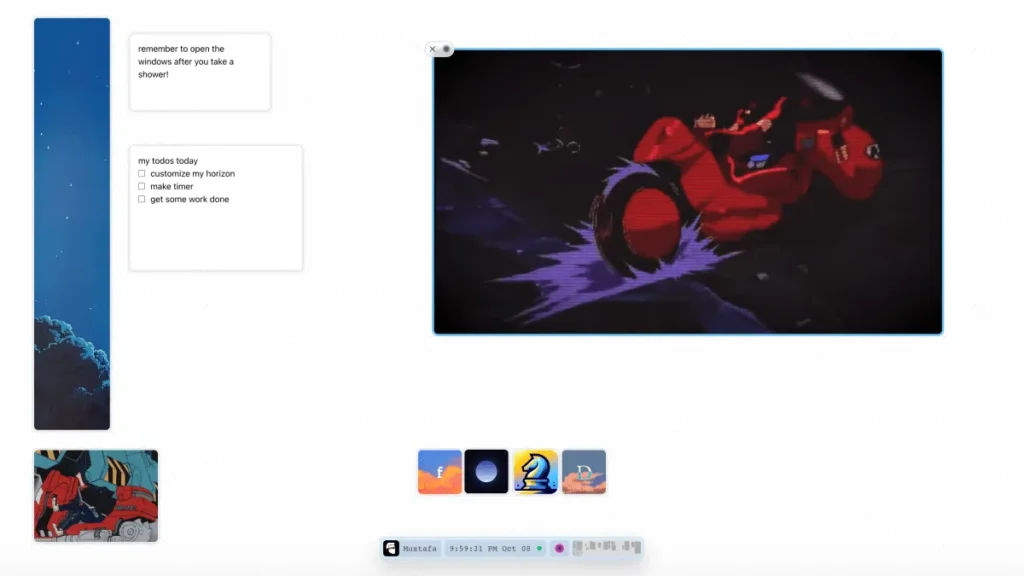
    Picture this: instead of staring at a static screen peppered with icons, your desktop is an infinite canvas. A realm where you can jot down notes, binge-watch your favorite shows, or even run full-blown apps, all by casually drawing a rectangle on the screen. Sounds sci-fi-ish? Well, Mustafa Abdelhai is on a mission to turn this cinematic tech-fantasy into our everyday reality.

    Mustafa envisions a digital world where instead of juggling between various cloud services (over which, let’s be honest, we have zero control), we could simply download software like we did two decades ago. The good ol’ days, where the stuff you downloaded was yours to control, modify, and manage, without the hovering digital overlords known as cloud services.

    Space OS: The Digital Harmony We've Been Craving?

    Mustafa’s Vision: A Seamless, User-Friendly Digital World

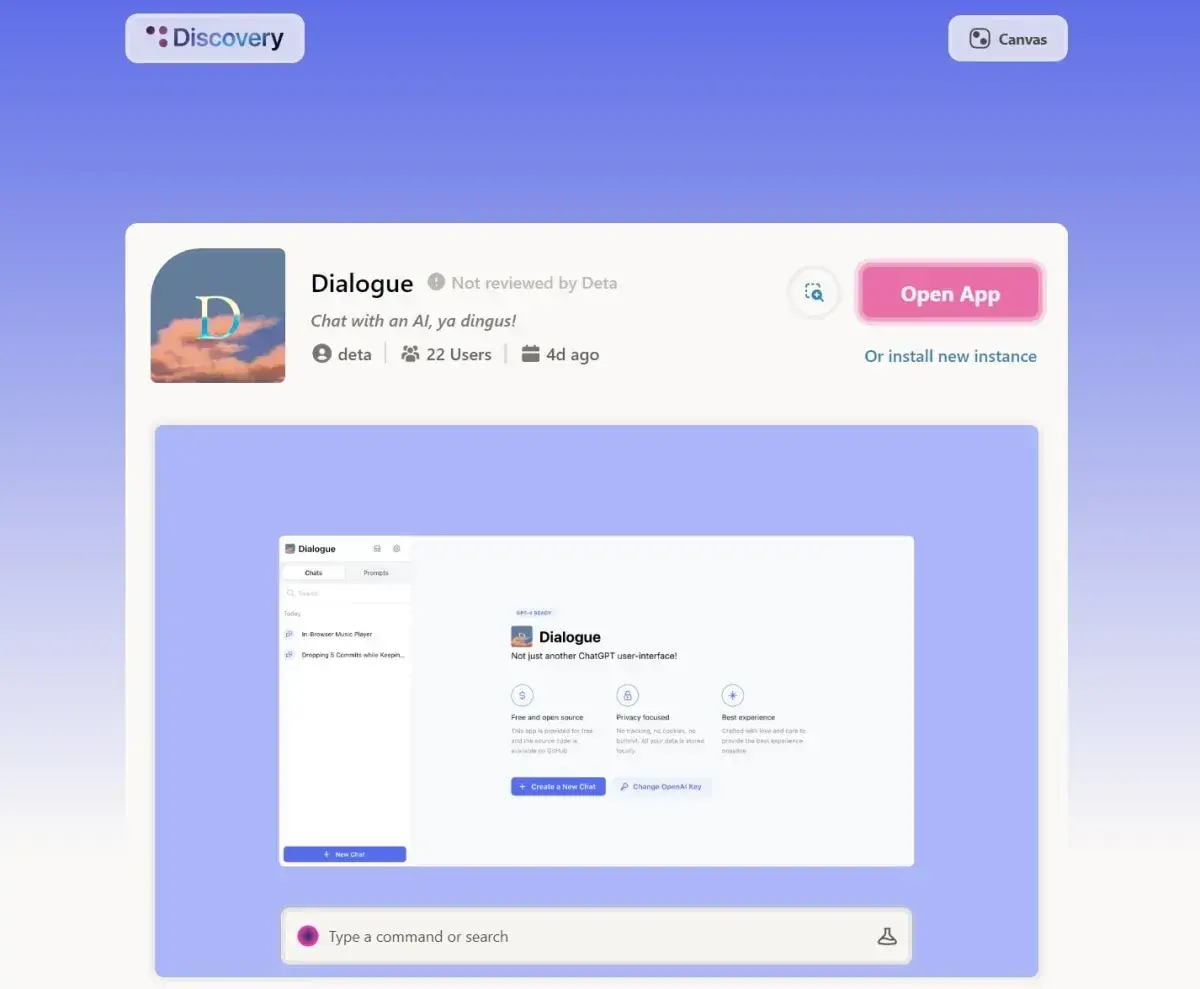
    But wait, there’s more! Mustafa and his team aren’t just stopping at reimagining our digital workspace. They’re actively working on it with a new service called Space OS. Think of it as a wildly different approach to handling your digital life, without the constant digital mess we’re so used to dealing with.

    Now, if you’ve used web apps like Google Docs, Trello, or Miro, you know the drill. They let you manage documents and notes from literally anywhere, which sounds great on paper. But when it comes down to actually getting them to play nice with each other? Well, that’s a whole different, and often frustrating, story.

    Shuffling data between apps can feel like trying to herd cats, and having a clear overview of everything in one place? Pfft, forget about it. This is where Space OS swoops in, promising a digital life that doesn’t feel like you’ve opened all your kitchen cabinets and thrown the contents all over the floor.

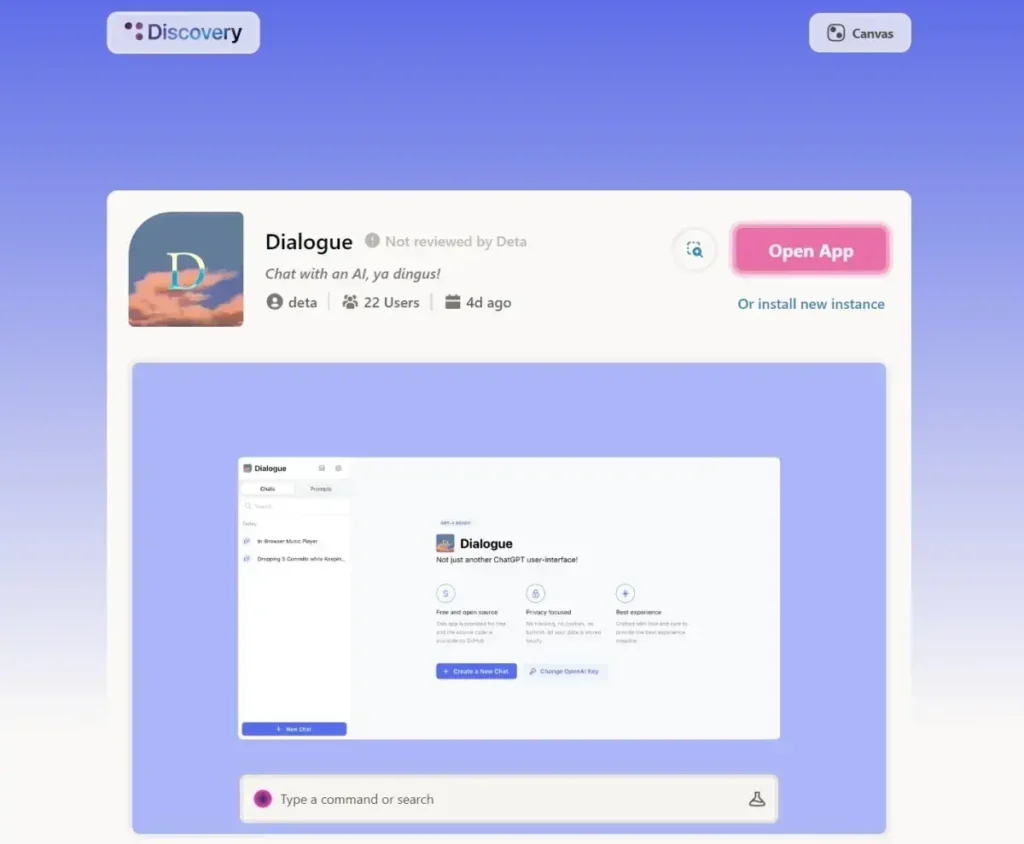
    Space OS is Deta’s endeavor to offer us a breath of fresh digital air by taking a staggeringly different approach to managing our digital spaces. In Mustafa’s world, moving between different apps and services would be a breeze, offering a unified, seamless user experience that, let’s face it, we’re all secretly (or not so secretly) yearning for.


    Space OS: The Digital Harmony We've Been Craving?

    A Nod to the Past, with Eyes on the Future

    Interestingly, while the digital world has been rapidly evolving, many of us find ourselves reminiscing about certain aspects of the “primitive” digital era. An era where software was something you owned, not something you perpetually rented from a faceless corporation. Mustafa Abdelhai taps into this nostalgia, while also acknowledging the conveniences of the modern cloud-based approach.

    His vision intertwines the simplicity and user-control of the past with the accessibility and versatility of the present. Imagine having a digital space that’s as expansive and limitless as the internet, yet as personal and controllable as your private notebook. It’s a vision that certainly has us intrigued and, quite possibly, looking at a future where our digital lives are a tad less chaotic and a lot more harmonious.

    And in this melange of the past and present digital world, Abdelhai is not just stopping at what was good in the past, but amalgamating it with what could be fantastic in the future. A balanced digital ecosystem where you, the user, are firmly in the driver’s seat, steering your digital destiny rather than being a passenger in a vehicle driven by giant tech corporations.

    In a nutshell, Mustafa Abdelhai, through his endeavors with Space OS and his insightful takes on the digital world, invites us to dream of a digital future that’s user-friendly, seamless, and perhaps most importantly, puts control back into our hands. So, here’s to hoping that the future of our digital world is just around the corner and it’s as splendid as Mustafa imagines it to be!

    Sources: Verge, Fastcompany