In a significant stride towards revolutionizing the energy sector’s supply chains, Immensa Technology Labs has earmarked a whopping $6 million for DIS-RT. This substantial financial backing aims to harness the potential of Artificial Intelligence (AI) in additive manufacturing, creating a ripple of innovation across the energy sector.
Pioneering a New Era
Immensa Technology Labs, a leading 3D printing service provider based in Saudi Arabia, has taken a monumental step by investing $6 million in DIS-RT. This investment underscores the crucial role of AI-powered additive manufacturing in transforming the traditional frameworks of energy supply chains. The infusion of funds is envisioned to accelerate the development and deployment of cutting-edge AI software, propelling additive manufacturing into a new era of efficiency and sustainability.
Bridging the Technological Chasm
The collaboration between Immensa and DIS-RT is expected to bridge the technological divide that currently exists within the energy sector’s supply chains. By fostering a seamless integration of AI and additive manufacturing, this alliance aims to drive down operational costs while significantly boosting performance metrics. The resultant innovation is anticipated to be a game-changer, facilitating a faster and more reliable energy supply chain which is pivotal in meeting the burgeoning global energy demands.
Unleashing a Spectrum of Possibilities
With a vision to pioneer new technological horizons, the integration of AI in additive manufacturing paves the way for an array of advancements. It’s not just about enhancing operational efficiency, but also about unlocking new opportunities for customization and on-demand production. The strategic alliance between Immensa and DIS-RT is a testament to the transformative power of AI, heralding a new epoch of innovative solutions in the energy sector.
Immensa’s significant investment comes at a crucial time, as the global energy landscape is in the throes of a major transformation. It’s a bold statement of intent that underscores the indispensable role of technological innovation in shaping a sustainable and resilient energy future. As the world grapples with the challenge of ensuring a reliable energy supply amidst a rapidly changing environment, the Immensa-DIS-RT collaboration is a beacon of hope, signaling the advent of a new era of robust, AI-driven supply chains that are well-equipped to navigate the complexities of the modern energy ecosystem.
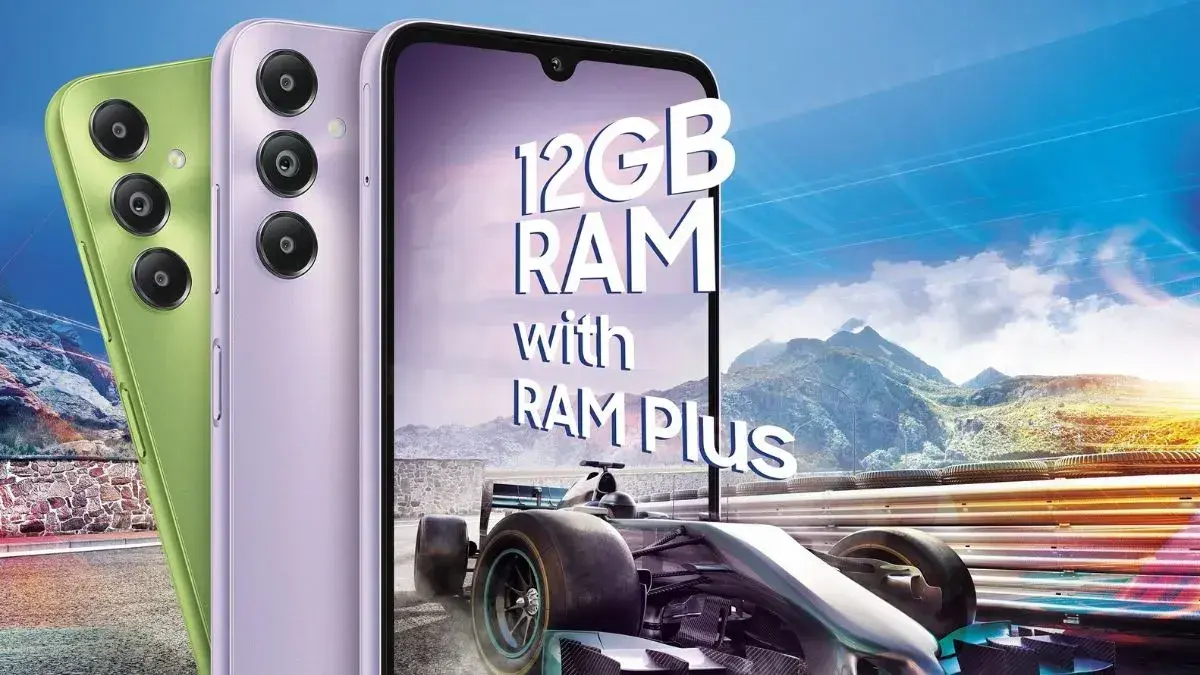
Samsung is extending its galaxy of smartphones with the introduction of the Samsung Galaxy A05s, launching in India on October 18. The tech giant has confirmed this new addition to its budget-friendly segment, with the price expected to be under Rs 15,000. This move comes as Samsung continues to make strides in capturing a significant share of the budget smartphone market in India.
Heralding New Possibilities
The Samsung Galaxy A05s carries the legacy forward from its predecessor, the Galaxy A04s, embarking on a journey to provide quality features at an affordable price. This new entrant is anticipated to be a game-changer in the budget segment, potentially giving a tough competition to other brands eyeing the budget-conscious consumers.
Exciting Features to Look Forward to
The Samsung Galaxy A05s is not just about affordability; it’s about providing value. While the exact price will be revealed next week, it is expected to be lower than the Galaxy M15, which debuted at Rs 13,490. This smartphone will be available in three enticing colours – Black, Light Green, and Light Purple, adding a touch of personalization to the tech-savvy user. The design reveals a sleek look with a waterdrop notch to house the selfie camera and noticeable bezels around the screen, ensuring a modern yet functional design.
Competing in the Budget Segment
The budget smartphone segment is fiercely competitive, and pricing strategy plays a crucial role. Samsung seems to be playing its cards right by launching the Galaxy A05s during the festive season, a time when consumers are on the lookout for deals and new purchases. Although the Galaxy A05s is priced lower, it doesn’t compromise on the features, making it an attractive option for potential buyers.
With the launch date fast approaching, the anticipation among the tech enthusiasts and potential buyers is palpable. The Samsung Galaxy A05s is all set to make its mark in the Indian smartphone market, and it will be interesting to see the reception it receives post-launch.
Samsung Galaxy A05s specifications:
Display: The Galaxy A05s sports a 6.7-inch FHD+ display with a waterdrop notch.
Processor: The Galaxy A05s will be powered by the Qualcomm Snapdragon 680 processor. This means, there won’t be 5G network support.
RAM and storage: The chipset could be paired with 6GB RAM and 128GB of onboard storage which could be expandable further up to 1TB via a microSD card. There’s support for up to 6GB RAM Plus.
Cameras: The Samsung Galaxy A05s features a 50MP primary sensor, a 2MP depth camera, and a 2MP macro sensor. There could be a 13MP shooter on the front for selfies and video chats.
Battery, fast charging: There could be a 5,000mAh battery with 25W fast charging support.
Sonos, the reputable name in the audio industry, has recently launched its new smart speakers, the Sonos Era 300 and Era 100, in India. These premium category speakers are not only remarkable for their sound quality but also for their sustainable design. Their launch comes right ahead of the festive season, making it a timely addition for audiophiles looking to upgrade their sound setup.
The Sonos Era 300: A Leap in Sound Quality
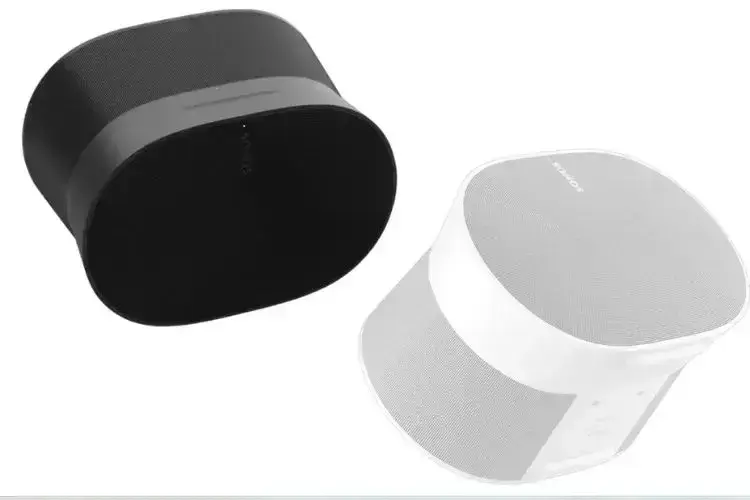
The Sonos Era 300, priced at Rs 54,999, is designed with an eye-catching ‘cinched’ hourglass figure, which is not only aesthetically pleasing but also functional. It’s the first of its kind to support multi-channel surround sound when utilized as home theatre rears. Users can pair two Era 300 speakers using Arc or Beam 2 for a full immersive experience. With six audio drivers powered by Dolby Atmos, the Era 300 promises a sound output from all directions, ensuring an enveloping audio experience. Its durable and sustainable design is a testament to Sonos’ commitment to responsible design, featuring post-consumer recycled (PCR) plastic and 100% recyclable packaging, with a reduced use of adhesives transitioning to screws for easy repairability12.
The Sonos Era 100: Compact Yet Powerful
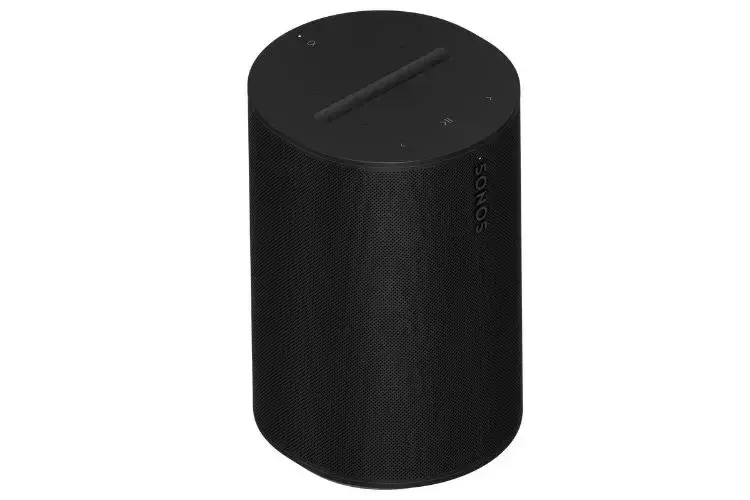
On the other hand, the Sonos Era 100, available at Rs 29,999, is a compact smart speaker with a portable and slim design. It comes with two angled tweeters and a large mid-woofer, delivering crisp, clear audio along with deep bass output. Like the Era 300, a pair of Era 100 speakers can be combined for a surround sound experience or simply paired together for room-filling stereo sound. This smart speaker is a refresh based on its predecessor, the Sonos One, but with next-gen acoustics and a modern design that makes it a chic accent piece12.
Enhanced User Experience
Both the Era 300 and Era 100 come with the Trueplay feature, which utilizes the microphone array for sound optimizations via the Sonos app. Additionally, they support Wi-Fi 6, Bluetooth 5.0, touch controls, Apple AirPlay 2, and voice assistants, providing an intuitive user interface for simple control over your music. The new capacitive volume slider is a notable feature, offering quick and private control of your music with Sonos Voice Control1.
The Sonos Era 300 and Era 100 are set to be available starting October 20, with pre-booking going live on October 15. Their launch reflects Sonos’ continued commitment to sound innovation, responsible design, and a deep connection to the creator community. With the festive season around the corner, these smart speakers are a promising choice for those looking to enhance their audio experience
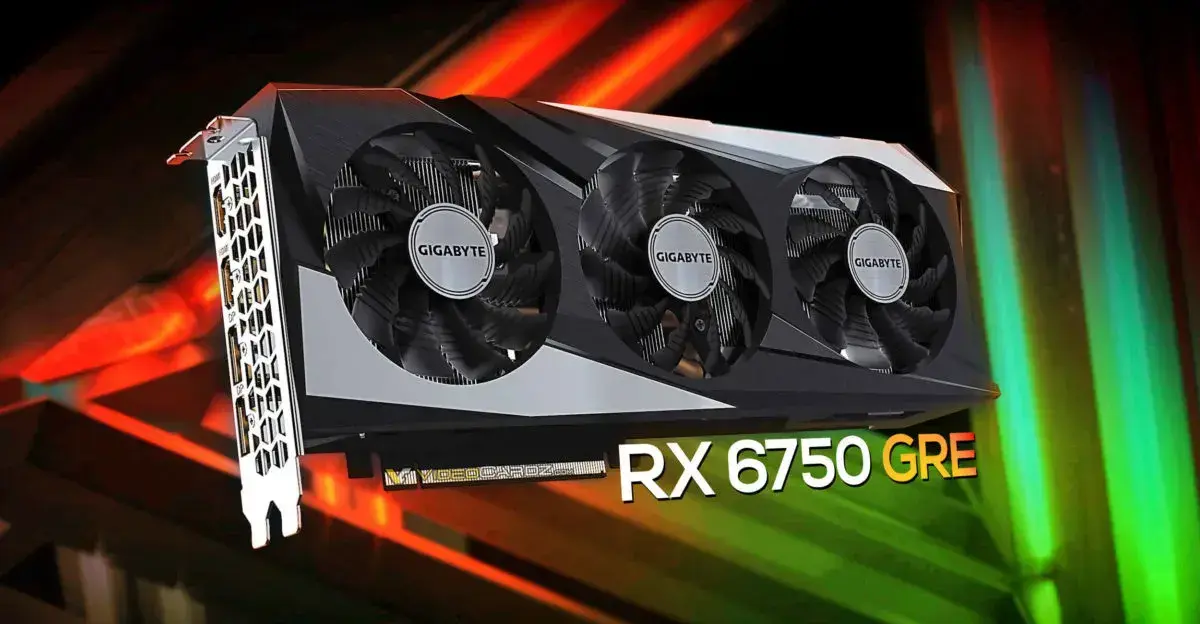
The world of graphics cards is about to witness a significant evolution with the introduction of AMD’s Radeon RX 6750 GRE 12GB Graphics Card, set to launch on October 18th. This highly anticipated release showcases AMD’s continuous efforts to provide groundbreaking graphics solutions for both dedicated gamers and professionals.
Stellar Specifications
One of the key highlights of the Radeon RX 6750 GRE is its robust 12GB GDDR6 memory, ensuring smoother performance even in the most graphics-intensive scenarios. This feature is particularly beneficial for individuals who enjoy high-end gaming or engage in professional graphic design and video editing tasks. The improved memory bandwidth will significantly enhance the user experience by reducing potential lag and rendering issues.
Moreover, the RX 6750 GRE is expected to come with a set of cutting-edge features that will push the boundaries of what gamers can expect from a mid-range graphics card. The launch is particularly timely, given the current high demand for more advanced graphics solutions capable of supporting the latest gaming titles and professional applications.
A Competitive Edge
AMD has been in a stiff competition with other industry giants like NVIDIA. The launch of Radeon RX 6750 GRE is a clear indication of AMD’s commitment to keeping up with, if not surpassing, the competition. The upcoming graphics card is not only about superior performance but also about providing a more cost-effective solution to gamers and professionals alike.
The Radeon RX 6750 GRE is expected to provide a better price-to-performance ratio, making it an attractive option for those who are looking to upgrade their graphics solution without breaking the bank. While the exact pricing details have not been disclosed yet, the buzz surrounding the release suggests that AMD is aiming to provide a competitively priced product while not compromising on performance.
Launch and Availability
The Radeon RX 6750 GRE is set to launch on October 18th, with a primary release in China. The graphics card will also be available for DIY enthusiasts, as confirmed by Gigabyte. This opens up a new avenue for those who prefer building their own PCs to tailor the specifications to their individual needs.
As the launch date approaches, the excitement within the gaming and professional communities continues to build. The AMD Radeon RX 6750 GRE 12GB Graphics Card is not just a new product; it’s a statement by AMD, showcasing its dedication to delivering high-quality, performance-oriented graphics solutions.
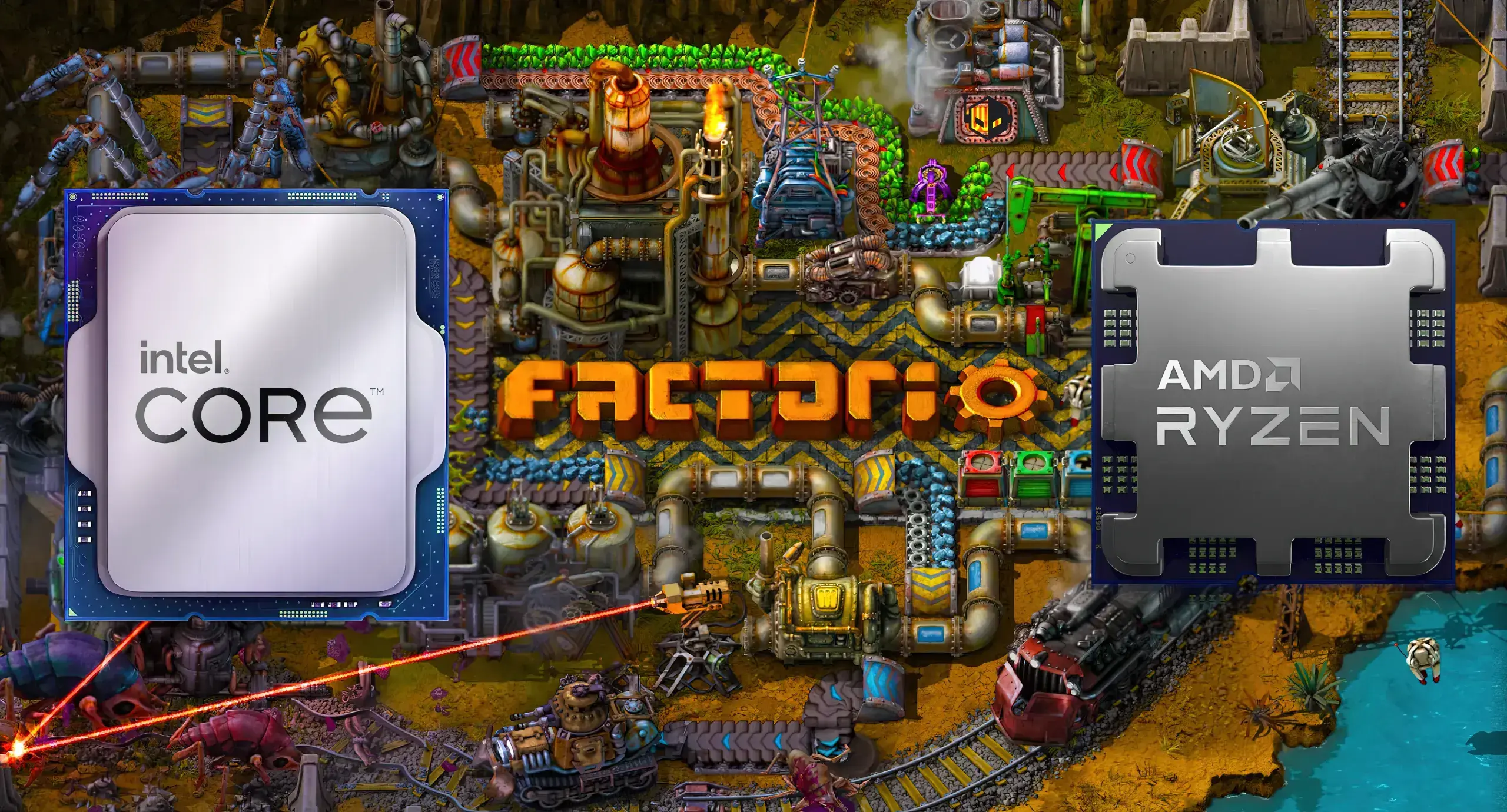
The relentless competition between Intel and AMD continues as Intel’s upcoming 14th Generation Raptor Lake Refresh CPUs face off against AMD’s Ryzen 3D V-Cache chips in the popular simulation game, Factorio. The 14th Generation lineup, including models Core i9-14900K, Core i7-14700K, and Core i5-14600K, has been put to the test, and the results have stirred the gaming community.
Performance Discrepancy Unveiled
The simulation game Factorio, known for its relatively low graphical and CPU intensity, was the chosen battleground. Here, a metric known as UPS (Updates Per Second) reflects the processor’s capability to perform calculations quickly. The higher the UPS, the faster factories within the game can operate in real seconds relative to a lower UPS rate1.
Results revealed a noticeable performance gap, with Intel’s chips lagging significantly behind AMD’s Ryzen 3D V-Cache chips. The 14th gen Intel CPUs, while faster than their 13th gen counterparts by a small margin (Core i9-14900K being +3.7% faster than i9-13900K, Core i7-14700K +6.8% faster than i7-13700K, and Core i5-14600K +1.2% faster than i5-13600K), were outperformed by AMD’s offerings2.
AMD’s Technological Edge
AMD’s Ryzen 7000 “X3D” series leverages a pioneering 3D chip-stacking technology which propels it to lead in gaming performance. A comparison test showed the Ryzen 7 7800X3D outperforming its predecessor, the Ryzen 7 5800X3D, in all tested games by a significant margin, indicating a promising trajectory of performance enhancement with the new tech3.
Competitive Landscape
Intel’s latest offering, although falling short in this particular test, shouldn’t be dismissed outright. The chips are expected to compete for a spot on the list of best CPUs4. The 14th Gen CPUs indeed show a performance improvement compared to the 13th Gen CPUs, albeit a narrow one. In 1080p gaming comparisons, Intel Core i9-14900K was seen trading blows with AMD’s flagship CPU, the Ryzen 9 7950X3D, indicating that under different circumstances or in various gaming environments, the competition could be neck and neck5.
The benchmarks serve as a reminder of the stiff competition between Intel and AMD, pushing each tech giant to innovate further. As the release date for Intel’s 14th gen CPUs approaches, the eyes of gamers and tech enthusiasts will be keenly focused on the evolving battlefield of CPU performance.
Sharp NEC has recently announced the launch of its innovative NC1503L digital cinema projector, an equipment tailored for small booth cinemas and business applications, showcasing an outstanding brightness level of 14,000 lumens. This portable projector employs an RB laser light source, ensuring a colossal life expectancy of up to 50,000 hours, which starkly reduces maintenance requirements compared to older Xenon lamps1.
Exceptional Image Quality
The Sharp NEC NC1503L embraces the 3-chip DLP Cinema technology, ensuring a remarkable image quality with a DCI 2K native resolution of 2048 x 1080 pixels. The projector can cast images up to 17 meters (~56 feet) wide, delivering a captivating viewing experience for the audience. With a 1600:1 contrast ratio, the imagery projected is crisp, with the motorized zoom, focus, and shift tools further enhancing the image quality, allowing for a tailored viewing experience12.
User-Friendly Connectivity and Quiet Operation
Connectivity is a breeze with the NC1503L as it comes equipped with various ports including USB 2.0, USB 3.0, HDMI, and RJ45, catering to different user needs. One of the highlights of this projector is its quiet operation. Emitting less than 50 dB of fan noise, it ensures a distraction-free environment whether in a small booth cinema or a business presentation setting12.
Versatile Installation and Robust Design
With dimensions of 27.6 x 11.3 x 32.0 inches and weighing 68kg, the NC1503L offers versatility in installation. It can be comfortably mounted on either the floor or ceiling, providing flexibility in setup according to the venue requirements. The robust design coupled with efficient lamp architecture significantly reduces maintenance, marking it as a reliable choice for long-term use2.
The Sharp NEC NC1503L digital cinema projector is slated to hit the market this November, however, the full details regarding pricing and global availability are yet to be released. As the launch date approaches, more information about this promising projector is anticipated to surface, providing a clearer picture of its offerings to the digital cinema and business sectors.
The spotlight is certainly on the Sharp NEC NC1503L digital cinema projector as it beckons a new era of superior image quality and user-centric features, setting a high bar in the digital projection landscape.
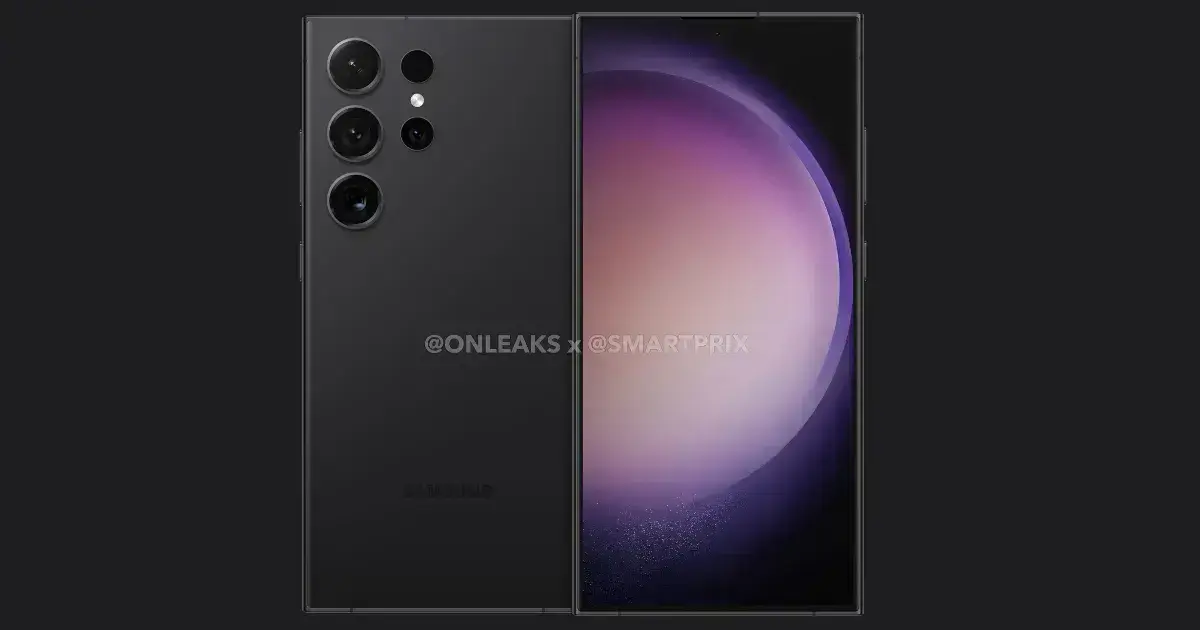
The smartphone arena is always ripe with anticipation for the next big thing. This time, Samsung has once again captured the attention of tech enthusiasts around the globe. Recent leaks have shed some light on the specs of the yet-to-be-released Samsung Galaxy S24 Ultra. While it’s common knowledge that the ‘Ultra’ moniker signifies Samsung’s top-tier flagship model, the new leaks have highlighted some mouth-watering technical details.
Snapdragon 8 Gen 3: A New Era of Processing
Arguably the most notable revelation is the Samsung Galaxy S24 Ultra’s inclusion of the Snapdragon 8 Gen 3 chipset. This chipset promises unprecedented performance levels and energy efficiency, which could position the Galaxy S24 Ultra as the zenith of Android performance in 2023.
Geekbench scores, a metric tech aficionados regularly rely on to gauge a device’s performance, have surfaced, revealing the potential of this beastly chipset. While exact numbers can vary, it’s evident that the Snapdragon 8 Gen 3 is well-equipped to handle any task with ease.
Other Noteworthy Specifications
Beyond the Snapdragon 8 Gen 3 revelation, other rumored specifications have emerged, pointing towards the Galaxy S24 Ultra as a formidable contender in the smartphone race.
The device appears to come with 8GB of RAM. While this might seem like a standard for most flagship phones, when paired with the Snapdragon 8 Gen 3 chipset, it can deliver blazing fast multitasking and app performance. Furthermore, with Samsung’s track record of optimizing its One UI software, the combination promises a smooth user experience.
While the mentioned sources primarily focused on the chipset and RAM, it’s important to note that other leaks will inevitably emerge as the device’s launch date nears. Historically, the ‘Ultra’ variant from Samsung has showcased the best of camera technology, battery capacity, and display prowess. Hence, it’s safe to assume that the Samsung Galaxy S24 Ultra will pack other high-end features to accompany its robust processing power.
Final Thoughts and Anticipation
The leaks concerning the Samsung Galaxy S24 Ultra have undoubtedly ramped up the anticipation among tech enthusiasts and potential buyers. The integration of the Snapdragon 8 Gen 3 chipset, combined with other speculated features, paints a picture of a device ready to redefine the smartphone experience in 2023.
As with all leaks and rumors, it’s crucial to await official announcements from Samsung to confirm any specifications. However, if these details prove accurate, the Samsung Galaxy S24 Ultra could be the smartphone to watch out for in the coming months.
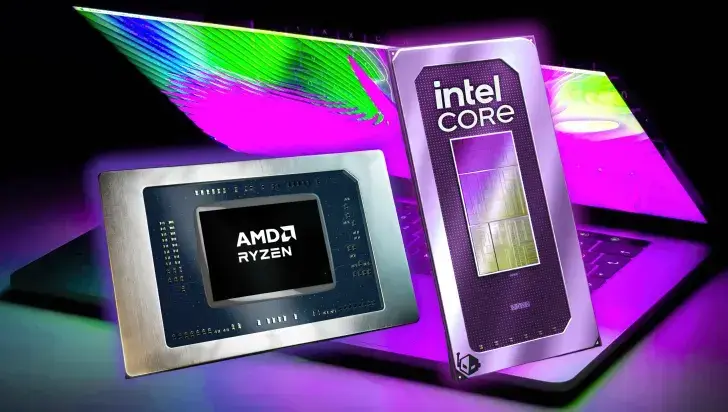
When it comes to processor technology, the battle lines between AMD and Intel have always been distinctly drawn. Both tech giants are in a constant scramble to outdo each other, and the upcoming AMD Ryzen 8000 series and Intel’s future CPUs—particularly the Arrow Lake-H/HX and Lunar Lake-M—indicate that the race is nowhere near slowing down. Leaks and revelations about these future chipsets provide a peek into what might be the next big things in the laptop CPU arena.
AMD Steps Up with Ryzen 8000 Series
AMD’s progression in the CPU landscape has been remarkable, and the expected arrival of the Ryzen 8000 series (codenamed Strix Point) in 2024 heralds the next chapter in their evolution. While details about clock speeds, core counts, and TDP are still under wraps, the Ryzen 8000 series is anticipated to be based on the 3nm Zen 5 architecture. This leap forwards could potentially deliver significant improvements in performance and energy efficiency compared to its predecessors.
Developers and gaming enthusiasts are eagerly awaiting more details about the Ryzen 8000 series, as it promises to uphold AMD’s legacy of providing robust performance for various computing needs.
CPU FAMILY NAME
AMD KRACKAN POINT
AMD FIRE RANGE
AMD STRIX POINT HALO
AMD STRIX POINT
AMD HAWK POINT
AMD DRAGON RANGE
AMD PHOENIX
AMD REMBRANDT
AMD CEZANNE
AMD RENOIR
AMD PICASSO
AMD RAVEN RIDGE
Family Branding
AMD Ryzen 9040 (H/U-Series)
AMD Ryzen 8055 (HX-Series)
AMD Ryzen 8050 (H-Series)
AMD Ryzen 8050 (H/U-Series)
AMD Ryzen 8040 (H/U-Series)
AMD Ryzen 7045 (HX-Series)
AMD Ryzen 7040 (H/U-Series)
AMD Ryzen 6000 AMD Ryzen 7035
AMD Ryzen 5000 (H/U-Series)
AMD Ryzen 4000 (H/U-Series)
AMD Ryzen 3000 (H/U-Series)
AMD Ryzen 2000 (H/U-Series)
Process Node
4nm
5nm
4nm
4nm
4nm
5nm
4nm
6nm
7nm
7nm
12nm
14nm
CPU Core Architecture
Zen 5
Zen 5D
Zen 5C
Zen 5D + Zen 5C
Zen 4
Zen 4
Zen 4
Zen 3+
Zen 3
Zen 2
Zen +
Zen 1
CPU Cores/Threads (Max)
TBD
16/32
16/32
12/24
8/16
16/32
8/16
8/16
8/16
8/16
4/8
4/8
L2 Cache (Max)
TBD
TBD
TBD
TBD
4 MB
16 MB
4 MB
4 MB
4 MB
4 MB
2 MB
2 MB
L3 Cache (Max)
TBD
TBD
64 MB
32 MB
16 MB
32 MB
16 MB
16 MB
16 MB
8 MB
4 MB
4 MB
Max CPU Clocks
TBD
TBD
TBD
TBD
TBD
5.4 GHz
5.2 GHz
5.0 GHz (Ryzen 9 6980HX)
4.80 GHz (Ryzen 9 5980HX)
4.3 GHz (Ryzen 9 4900HS)
4.0 GHz (Ryzen 7 3750H)
3.8 GHz (Ryzen 7 2800H)
GPU Core Architecture
TBD
RDNA 3+ 4nm iGPU
RDNA 3+ 4nm iGPU
RDNA 3+ 4nm iGPU
RDNA 3 4nm iGPU
RDNA 2 6nm iGPU
RDNA 3 4nm iGPU
RDNA 2 6nm iGPU
Vega Enhanced 7nm
Vega Enhanced 7nm
Vega 14nm
Vega 14nm
Max GPU Cores
TBD
2 CUs (128 cores)
40 CUs (2560 Cores)
16 CUs (1024 Cores)
12 CUs (786 cores)
2 CUs (128 cores)
12 CUs (786 cores)
12 CUs (786 cores)
8 CUs (512 cores)
8 CUs (512 cores)
10 CUs (640 Cores)
11 CUs (704 cores)
Max GPU Clocks
TBD
TBD
TBD
TBD
TBD
2200 MHz
2800 MHz
2400 MHz
2100 MHz
1750 MHz
1400 MHz
1300 MHz
TDP (cTDP Down/Up)
15W-45W (65W cTDP)
55W-75W (65W cTDP)
25-1250W
15W-45W (65W cTDP)
15W-45W (65W cTDP)
55W-75W (65W cTDP)
15W-45W (65W cTDP)
15W-55W (65W cTDP)
15W -54W(54W cTDP)
15W-45W (65W cTDP)
12-35W (35W cTDP)
35W-45W (65W cTDP)
Launch
2025?
2H 2024?
2H 2024?
2H 2024?
Q1 2024?
Q1 2023
Q2 2023
Q1 2022
Q1 2021
Q2 2020
Q1 2019
Q4 2018
Intel Fights Back with Arrow Lake and Lunar Lake
Not to be outdone, Intel is gearing up to counter with its own set of innovations. The Intel Arrow Lake-H/HX CPUs, expected to drop in the 2024 timeframe, signal Intel’s efforts to sustain their competitive edge in the high-performance computing market. Although the nitty-gritty specifications remain elusive, it’s apparent that Intel is focusing on enhancing multi-thread performance and graphical capabilities with these chips.
Looking further ahead, Intel’s Lunar Lake-M, anticipated in 2025, showcases the company’s commitment to pushing the boundaries of mobile computing. Although specific details about this chipset are sparse, the innovation is expected to continue Intel’s pursuit of superior performance and energy efficiency in the laptop domain.
CPU FAMILY
LUNAR LAKE
ARROW LAKE
METEOR LAKE
RAPTOR LAKE
ALDER LAKE
Process Node (CPU Tile)
Intel 20A?
Intel 20A ‘5nm EUV”
Intel 4 ‘7nm EUV’
Intel 7 ’10nm ESF’
Intel 7 ’10nm ESF’
Process Node (GPU Tile)
TSMC 3nm?
TSMC 3nm
TSMC 5nm
Intel 7 ’10nm ESF’
Intel 7 ’10nm ESF’
CPU Architecture
Hybrid
Hybrid (Four-Core)
Hybrid (Triple-Core)
Hybrid (Dual-Core)
Hybrid (Dual-Core)
P-Core Architecture
Lion Cove?
Lion Cove
Redwood Cove
Raptor Cove
Golden Cove
E-Core Architecture
Skymont?
Skymont
Crestmont
Gracemont
Gracemont
LP E-Core Architecture (SOC)
Skymont?
Crestmont?
Crestmont?
N/A
N/A
Top Configuration
TBD
TBD
6+8 (H-Series)
6+8 (H-Series) 8+16 (HX-Series)
6+8 (H-Series) 8+8 (HX-Series)
Max Cores / Threads
TBD
TBD
14/20
14/20
14/20
Planned Lineup
U Series?
H/P/U Series
H/P/U Series
H/P/U Series
H/P/U Series
GPU Architecture
Xe2-LPG (Battlemage)
Xe-LPG (Alchemist)
Xe-LPG (Alchemist)
Iris Xe (Gen 12)
Iris Xe (Gen 12)
GPU Execution Units
64 EUs
192 EUs
128 EUs (1024 Cores)
96 EUs (768 Cores)
96 EUs (768 Cores)
Memory Support
TBD
TBD
DDR5-5600 LPDDR5-7400 LPDDR5X – 7400+
DDR5-5200 LPDDR5-5200 LPDDR5-6400
DDR5-4800 LPDDR5-5200 LPDDR5X-4267
Memory Capacity (Max)
TBD
TBD
96 GB
64 GB
64 GB
Thunderbolt 4 Ports
TBD
TBD
4
4
4
WiFi Capability
TBD
TBD
WiFi 6E
WiFi 6E
WiFi 6E
TDP
TBD
TBD
7W-45W
15-55W
15-55W
Launch
~2025
2H 2024
2H 2023
1H 2023
1H 2022
What This Means for Consumers and the Tech Industry
The coming years in the CPU industry are poised to be incredibly exciting with these impending releases. AMD and Intel, through their upcoming offerings, are not only striving to outshine each other but are also aiming to redefine what users can expect from laptop performance.
For consumers, this signifies not just an improvement in raw computing capabilities, but also potential enhancements in areas like gaming, content creation, and multitasking. As these processors adopt more advanced architectures, users can anticipate laptops that deliver more power, longer battery life, and superior performance across various applications and uses.
The pricing details for these future processors are still undisclosed, leaving tech enthusiasts and experts speculating about the cost versus performance ratio these chips will bring to the table. However, if history is any indication, both AMD and Intel will likely aim to balance premium performance with competitive pricing to capture the attention and wallets of consumers.
As more details unfold, it will be fascinating to see how the rivalry between AMD and Intel shapes the future of processor technology and, by extension, the devices that become integral to our digital lives.
Navigating through the smart home appliance market, Xiaomi introduces a new contender aiming to redefine household washing technology – the Xiaomi Mijia Super Clean Pro Washing Machine. This innovative device stands out not only with its cutting-edge washing technology but also with its eco-friendly and user-centric design. It is apparent that Xiaomi, renowned for blending technology with day-to-day utilities, brings forth a washing machine that caters to contemporary user demands while setting new benchmarks in smart appliance technology.
Impeccable Cleaning with Enhanced Technology
The Xiaomi Mijia Super Clean Pro is not merely a washing machine; it is a testament to Xiaomi’s relentless pursuit of harmonizing technology with daily household activities. Designed with a user-friendly interface, the Mijia Super Clean Pro emphasizes comprehensive cleaning with reduced energy and water usage. Its meticulously engineered washing system assures consumers of a thorough cleaning and rinsing process, promising garments that are not just clean but also handled with utmost care.
This washing machine leverages a robust motor and a versatile drum system, effectively enhancing washing and rinsing cycles. It focuses on ensuring that laundry is processed with optimal water flow and precisely controlled movements, aiming to elevate the standard of cleanliness while safeguarding the quality of the fabrics.
Eco-friendly Approach and Smart Connectivity
Amidst the global stride towards sustainability, the Mijia Super Clean Pro underscores an eco-conscious operation. Xiaomi has taken tangible steps to assure that the machine utilizes water and electricity judiciously, without compromising on the overall washing efficiency. The meticulous design ensures that it adheres to environmental norms, thereby endorsing a responsible and sustainable technology application.
Furthermore, Xiaomi intertwines smart technology with this appliance by ensuring that it can be seamlessly integrated with smart home ecosystems. Users can effortlessly connect the washing machine to their smart devices, enabling them to operate and monitor washing cycles remotely. This smart connectivity elevates user convenience, enabling them to manage their laundry tasks with a few taps on their devices, anywhere, anytime.
Anticipation Among Consumers and Market Dynamics
As market dynamics tilt towards smart home appliances, the Xiaomi Mijia Super Clean Pro Washing Machine is poised to carve out a significant spot in consumer homes. Although pricing details are yet to be unveiled, it’s plausible that Xiaomi will position this appliance competitively, considering their historical pricing strategies and the existing market landscape.
The introduction of the Mijia Super Clean Pro exemplifies a step forward in bringing smart technology into conventional household chores, enhancing user convenience, and advocating for a sustainable approach towards utilizing home appliances. As more details emerge about its pricing and availability, it will be intriguing to witness how this innovative washing machine will reshape the consumer appliance market and user experiences in the impending future.
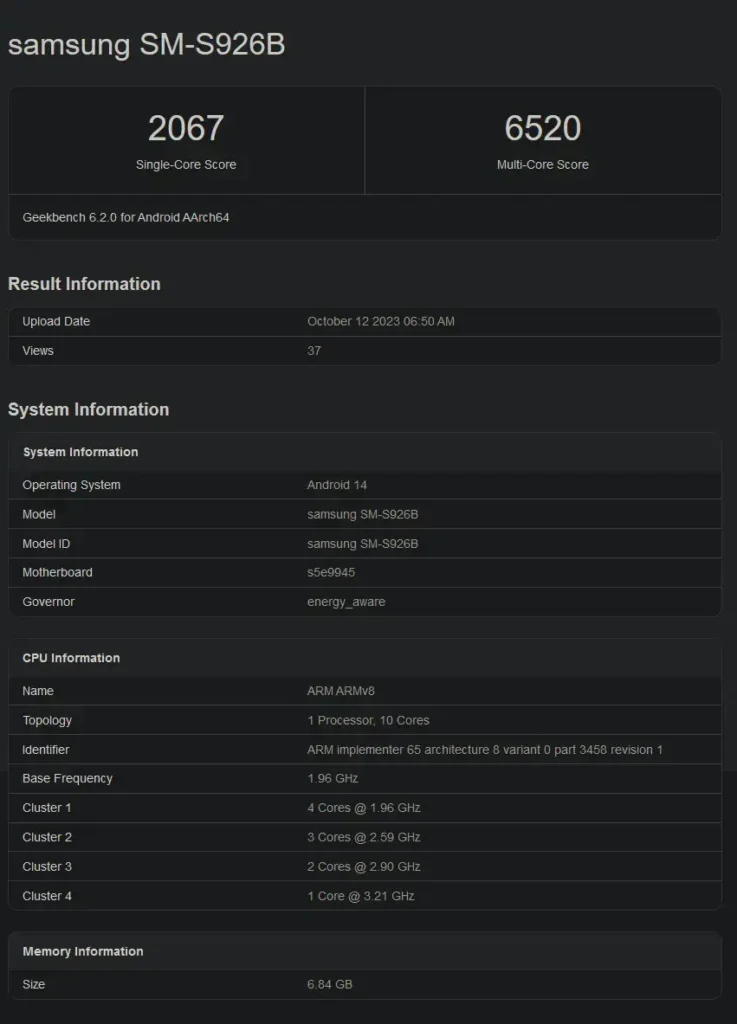
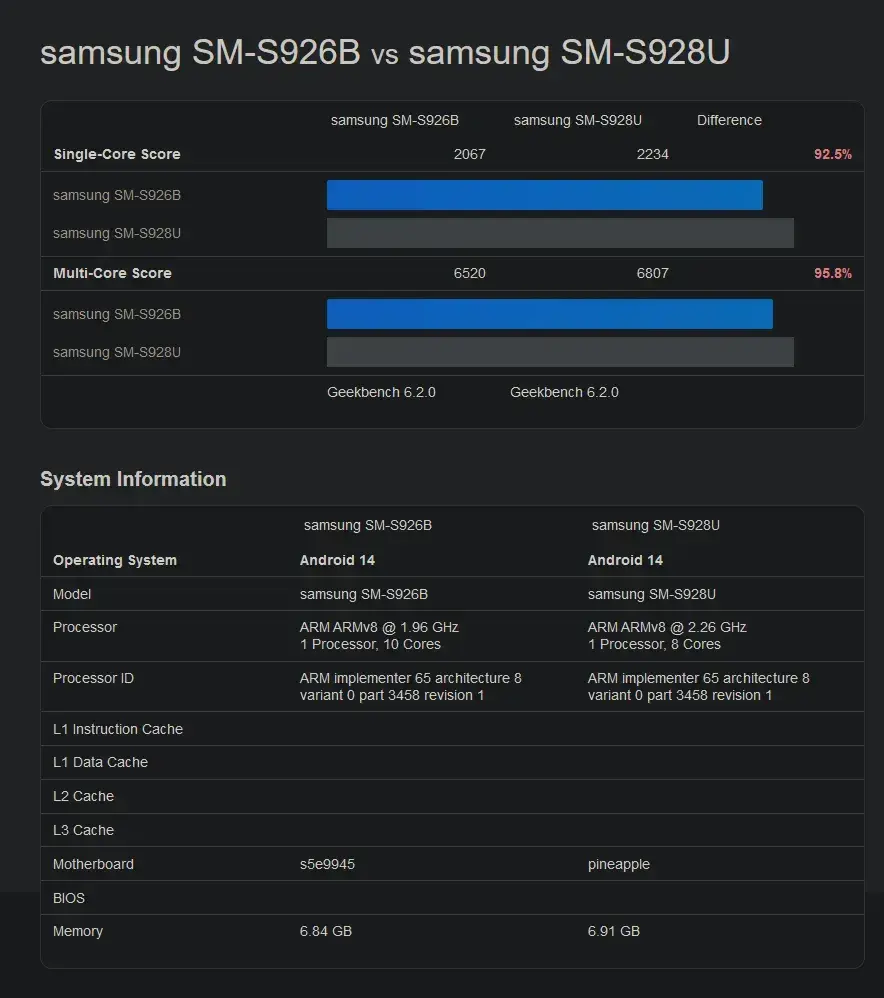
Samsung’s latest foray into the chipset market, the Exynos 2400, shows promising potential, affirming its robust capability and marking it as a credible competitor against the Qualcomm Snapdragon 8 Gen 3. The recent benchmarking stats from Geekbench provide tech enthusiasts and potential users a sneak peek into the performance metrics of this new chipset. Garnering attention for its commendable performance, the Exynos 2400 positions itself as a powerhouse that could notably influence the future dynamics of mobile chipsets.
Performative Parity: Exynos 2400 vs. Snapdragon 8 Gen 3
In its maiden Geekbench run, the Exynos 2400 has exhibited a compelling performance, aligning closely with its contemporary, the Snapdragon 8 Gen 3. Samsung’s newest chipset posted a single-core score of 1,205 and a multi-core score of 3,454, showcasing its potent computational and multitasking capabilities. The scores reveal a chipset that does not merely adhere to the established standards but seeks to push the boundaries of mobile computing further.
When pitted against the Snapdragon 8 Gen 3 – a renowned chipset for its superior performance in various smartphones – the Exynos 2400 doesn’t merely linger in its shadow but stands tall, demonstrating equivalent, if not superior, performative potential. The comparable Geekbench scores of both chipsets spotlight Samsung’s intentional strides in scaling its chipset’s performance to meet the globally recognized standards set by Qualcomm’s flagship processors.
Enhancing Mobile Experiences with Powerful Processing
The potency of the Exynos 2400 signals more than just technological proficiency; it stands as a testament to Samsung’s commitment to enhancing mobile user experiences. With this chipset, Samsung is poised to facilitate smoother, more responsive, and highly efficient mobile operations across various applications and gaming experiences. For the everyday user, this translates into swift application loading times, seamless multitasking, and fluid gaming experiences, devoid of lags and stutters.
The incorporation of the Exynos 2400 in future mobile devices promises an optimized utilization of resources, ensuring that battery life is judiciously used without compromising the device’s operational effectiveness. It is anticipated to support enhanced AI processing, elevated gaming experiences, and superior camera functionalities, thereby promising a well-rounded, rich user experience.
Looking Forward: Market Implications and User Expectations
The introduction of the Exynos 2400 brings with it expectations and speculations about its incorporation into upcoming Samsung devices. The chipset not only presents potential enhancements in device performance but also possibly impacts the pricing dynamics of future Samsung devices. Though specific pricing details related to the Exynos 2400 or devices employing it remain undisclosed, the competitive performance may potentially influence the market, posing a direct challenge to devices powered by Snapdragon 8 Gen 3.
In a nutshell, the Exynos 2400 has confidently stepped into the arena, demonstrating that it can hold its own against established players. As additional details regarding its full capabilities, utilization in devices, and market pricing unfold, it will be engrossing to observe how Samsung leverages this potent chipset to carve its niche and potentially reshape market dynamics.