Author: GizNews

  • Unveiling the Comprehensive ColorOS 14 Beta Rollout Schedule for the Global Market

    Unveiling the Comprehensive ColorOS 14 Beta Rollout Schedule for the Global Market

    Oppo Announces ColorOS 14 Global Beta Rollout Schedule

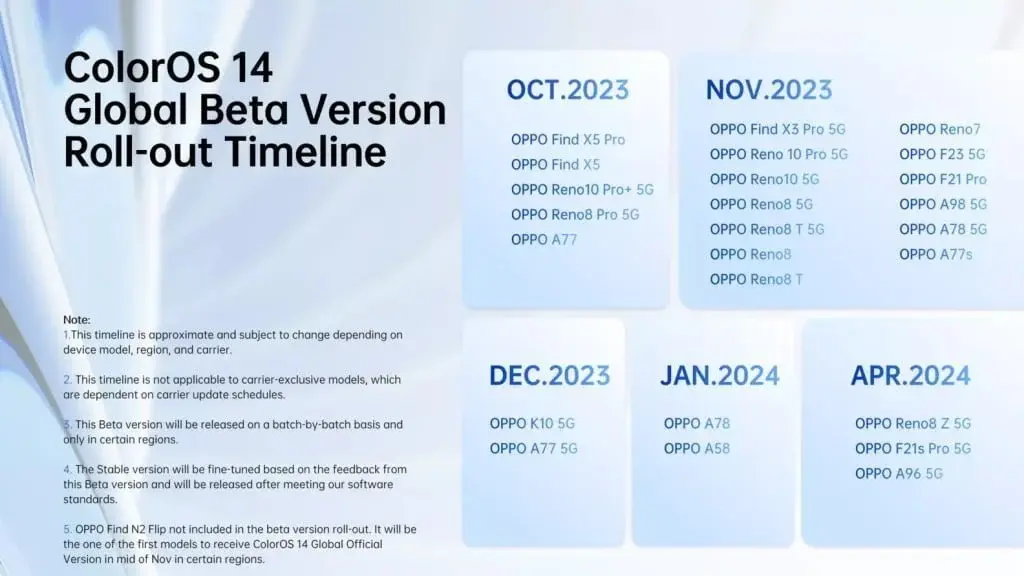
    Oppo has recently unveiled the ColorOS 14 x Android 14 global launch timeline, with the update set to roll out in December. The Oppo F23 5G (India), Oppo A98 5G (Thailand), and Oppo A78 5G (India) are among the smartphones scheduled to receive the update this week. Now, Oppo has also announced the Global Beta rollout schedule for its remaining devices, extending until April 2024.

    Global Beta Rollout Schedule: A Quick Glance

    During October and November, several Oppo devices have already received the beta version of ColorOS 14 in the global market. Looking ahead, here is the official rollout timeline for the coming months:

    December 2023:

    • Oppo K10 5G
    • Oppo A77 5G

    January 2024:

    • Oppo A78
    • Oppo A58

    April 2024:

    • Oppo Reno 8 Z 5G
    • Oppo F21s Pro 5G
    • Oppo A96 5G

    What to Expect with ColorOS 14

    ColorOS 14 brings several exciting features and enhancements to Oppo devices. Here are some highlights:

    Aquamorphic Design Boost

    Building on the success of Aquamorphic Design from ColorOS 13, ColorOS 14 offers improved sound effects, color systems, and interactions. Oppo has collaborated with experts to create ten new Aquamorphic-themed ringtones for calls, alarms, and notifications.

    The Aquamorphic Coloring System has been revamped to dynamically adjust to your device's status, time, and on-screen content. Colors are intelligently matched with context, providing a more intuitive experience. Additionally, the new Aqua Dynamics design simplifies interactions by extending traditional modes like bubbles and panels to the Status Bar.

    Revamped Always-On Display (AOD)

    ColorOS 14 introduces a revamped Always-On Display (AOD) feature. The Homeland AOD showcases nature scenes and includes a Go Green AOD to raise awareness about climate change. Users can also access three Environment Vision pages with animations linked to their daily step counts, providing information on lower carbon emissions through walking.

    The update also brings Smart Touch, an AI-powered feature that streamlines daily tasks. The File Dock on the Smart Sidebar enables seamless content sharing across apps, supporting split-screen and floating windows. Additionally, syncing between devices enhances productivity.

    Trinity Engine Upgrade

    To enhance device smoothness and stability, ColorOS 14 includes the updated Trinity Engine. This upgrade introduces features such as ROM Vitalization, RAM Vitalization, and CPU Vitalization, which optimize computational resources, memory, and storage.

    The AI-powered Smart Charging system is another groundbreaking addition. It adjusts the charging current based on usage conditions, reducing unnecessary battery wear automatically.

    Safety and Privacy Assurance

    ColorOS 14 prioritizes safety and privacy. The update integrates Android 14's privacy capabilities and has been approved by ISO, ePrivacy, TrustArc, and other organizations. Picture Keeper prevents apps from misusing permissions for personal photos and videos.

    Snapchat integration also makes a return with a Bitmoji AOD, featuring a lock-screen shortcut and a Snapchat widget for Shelf. Users can customize their access for faster app navigation and stay updated on messages and friend activities. With ColorOS 14, users have more control over their devices.

    With the ColorOS 14 Global Beta rollout schedule now available, Oppo users can look forward to experiencing the latest features and improvements on their devices.
  • Anticipated Arrival: AI Enhancements in Windows 12 by 2024

    Anticipated Arrival: AI Enhancements in Windows 12 by 2024

    Microsoft Prepares to Launch AI-Enhanced Windows 12 (Codename "Hudson Valley")

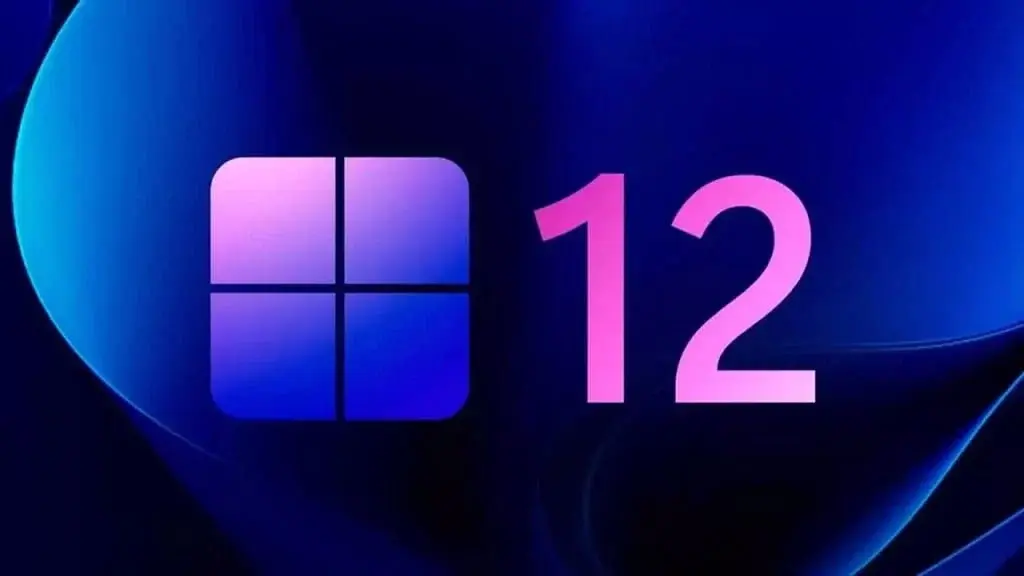
    Microsoft is getting ready to unveil a fresh version of Windows known as "Hudson Valley," speculated to emerge as Windows 12. This upcoming update, scheduled for a release in the latter part of 2024, is set to incorporate cutting-edge advancements in artificial intelligence (AI) directly into the operating system.

    Embracing AI in Windows ‘Hudson Valley’

    Current iterations of Hudson Valley are undergoing testing within the Windows Insider Canary channel, with the final release to manufacturing (RTM) version anticipated to arrive in April 2024.

    Hudson Valley’s primary objective is to enhance user experience through the power of AI. At its core will be the AI-driven Windows Shell, accompanied by a sophisticated co-pilot AI aide. This assistant, named Copilot, is designed to seamlessly operate in the background, enriching functions such as search capabilities, launching applications, managing workflows, and interpreting contexts.

    In order to fully harness this AI integration, the operating system will necessitate new Neural Processing Unit (NPU) hardware. Consequently, computer hardware requirements are expected to escalate, potentially making older computers incompatible with specific AI-centered functionalities.

    IDC foresees a surge in the adoption of AI-enabled PCs equipped with NPUs, predicting an 81% market penetration by 2027. This points towards a burgeoning inclination towards mainstream AI utilization within the PC domain.

    Microsoft’s dedication towards AI-driven enhancements is clear from recent upgrades in Windows 11, including the Copilot AI enhancement and the Background Removal feature in Paint. Furthermore, murmurs about a new roadmap for Windows update cycles are circulating within the tech sphere.

    Exciting Features Envisioned for Hudson Valley

    In addition to the advanced Copilot AI assistant, Hudson Valley is speculated to introduce a variety of AI-infused functions:

    • AI-Driven Wallpapers: Featuring dynamic parallax effects and interactive attributes.
    • Super Resolution: Enhancing image quality in photos, videos, and games.
    • Enhanced Energy-Saving Mode: Improving battery efficiency.
    • Revamped Desktop Interface: Positioning the system tray at the top.

    The definitive name and features of Hudson Valley are yet to be officially confirmed.

    Molding the Future with AI

    The imminent launch of Windows 12, codenamed Hudson Valley, promises to revolutionize the operating system landscape with a resolute emphasis on AI. Microsoft’s AI-centric Windows Shell and Copilot AI assistant aspire to offer users a more intuitive and enriched computing environment. As AI pervades the world of PCs, it is set to play a pivotal role in the progression of operating systems.

  • Redmi Note 11 Pro 4G to Receive Xiaomi’s Upcoming HyperOS Update

    Redmi Note 11 Pro 4G to Receive Xiaomi’s Upcoming HyperOS Update

    Xiaomi's Redmi Note 11 Pro 4G model is set to receive the new HyperOS update soon, according to reports from GSMChina. The HyperOS test build for the Redmi Note 11 Pro 4G has been discovered on Xiaomi's internal server.

    HyperOS Builds and Testing

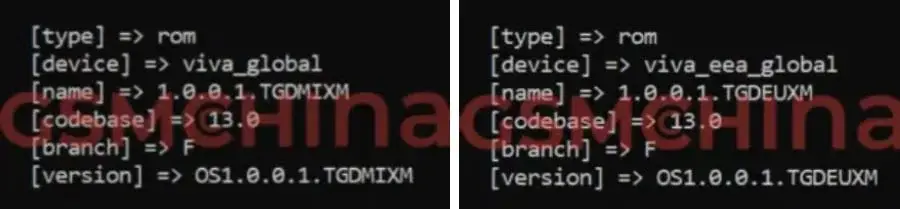
    The HyperOS builds for the Redmi Note 11 Pro 4G are currently undergoing testing and have firmware versions OS1.0.0.1.TGDMIXM and OS1.0.0.1.TGDEUXM. This suggests that an official rollout of the HyperOS update will happen in the near future.

    Android 13 Update

    The HyperOS update for the Redmi Note 11 Pro 4G will be based on Android 13, as indicated by the code snippet "[codebase] => 13.0". This follows Xiaomi's software update policy for its budget Redmi Note series, which promises two years of major platform updates.

    Major Upgrades for Redmi Note 11 Pro 4G

    Since the Redmi Note 11 Pro 4G was launched with Android 11, it has already received its two major upgrades up to Android 13. While this may disappoint some users, it is still commendable that Xiaomi is offering the HyperOS update to the Redmi Note 11 series.

    Expected Rollout and HyperOS Pilot Testers

    According to GSMChina, the HyperOS update is expected to roll out in the second quarter of 2024. It is likely that HyperOS Pilot Testers will be the first to receive the update. If you are interested in getting the update early, you can apply to become a HyperOS Pilot Tester.

    Redmi Note 11 Pro Specifications

    To recap, the Redmi Note 11 Pro features a vibrant 6.67-inch FHD+ OLED display with a smooth 120Hz refresh rate and 1200 nits of brightness. It boasts a 108MP quad-camera setup on the back for capturing high-quality photos and videos.

    Under the hood, the phone is powered by a MediaTek Helio G96 processor and offers up to 8GB of RAM and 128GB of storage, which can be expanded via microSD. It is equipped with a 5,000mAh battery that supports 67W fast charging, ensuring long-lasting usage.

    Other notable features of the Redmi Note 11 Pro include a side-mounted fingerprint scanner, dual speakers, a headphone jack for an immersive audio experience, and IR blaster support.

    With the upcoming HyperOS update, Redmi Note 11 Pro 4G users can look forward to enhanced features and improvements to their device's performance.

  • Newly Released Acemagic S1 Mini PC with Intel N100 CPU and LCD Display Available at 1099 yuan ($154)

    Newly Released Acemagic S1 Mini PC with Intel N100 CPU and LCD Display Available at 1099 yuan ($154)

    Acemagic Introduces the S1 Mini PC: Compact Design and Powerful Performance

    Acemagic, a leading technology company, has recently unveiled its latest product, the S1 Mini PC. This highly anticipated device is now available for pre-orders in China at a price of 1099 Yuan ($154). Let’s take a closer look at the key features and specifications of this mini PC.

    Compact Design and Personalized Content Settings

    The Acemagic S1 Mini PC stands out for its compact design, measuring just 123.8 x 128 x 40.9mm. This makes it an ideal choice for small spaces, such as offices or dorm rooms. The front panel of the mini PC features a unique LCD display that allows users to personalize their content settings. This adds a touch of customization and convenience to the device. Additionally, the side panel incorporates a magnetic quick-detach system, providing easy access to the internals of the PC. The attractive RGB lighting effects further enhance the aesthetics of the device.

    Powerful Performance and Efficient Cooling

    Under the hood, the Acemagic S1 Mini PC is powered by an Intel N100 processor. This processor is manufactured using a 10nm process and includes 4 small cores. With a turbo frequency of up to 3.4GHz, it delivers impressive performance for various computing tasks. The mini PC is equipped with 16GB DDR4 RAM and a 512GB SSD, which can be expanded up to 2TB. This provides ample memory and storage space for most users’ needs. The Intel UHD Graphics card ensures smooth operation of everyday tasks as well as more demanding graphical operations. Moreover, the mini PC features efficient heat dissipation, ensuring that it remains cool even during heavy use.

    Versatile Connectivity Options

    The Acemagic S1 Mini PC offers excellent connectivity options. It comes with dual Ethernet ports, which is a standout feature in this category. This allows for faster and more stable internet connections. Furthermore, it is equipped with dual HDMI ports and four USB-A interfaces, offering significant flexibility in connecting external devices and displays. The mini PC supports dual-screen output and can handle 4K resolution, making it an excellent choice for media consumption and multitasking.

    With its compact design, powerful performance, and versatile connectivity options, the Acemagic S1 Mini PC is set to be a popular choice among tech enthusiasts and professionals alike. Don’t miss out on the opportunity to pre-order this impressive device and experience the future of computing.

  • Tipster claims launch of Vivo X100 Pro+ has been postponed

    Tipster claims launch of Vivo X100 Pro+ has been postponed

    Vivo X100 Pro+ Launch Delayed

    According to recent leaks, the launch of the Vivo X100 Pro+ has been delayed from its initially rumored timeframe. Vivo introduced the Vivo X100 and X100 Pro last month in China, featuring the Dimensity 9300 chipset. The company has also been developing the Vivo X100 Pro+, powered by the Snapdragon 8 Plus Gen 3 chipset.

    New Launch Event in China

    Recent reports suggest that Vivo’s next launch event in China will introduce three products: the Vivo Pad 3 tablet, the Vivo 100’s flat-screen variant (likely to be called Vivo X100s), and the Vivo X Fold 3 series. The event is expected to take place in March or April 2024.

    Delayed Arrival

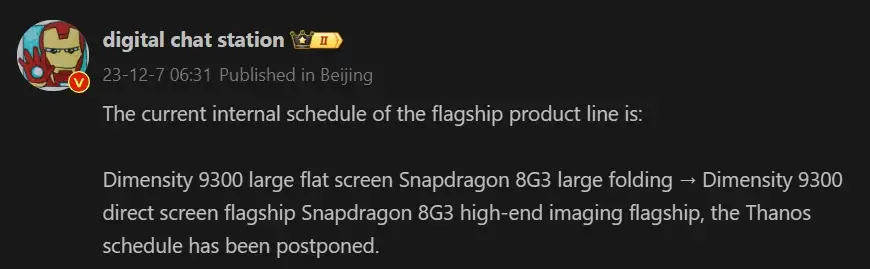
    The tipster Digital Chat Station revealed on Weibo that the arrival of the Vivo X100 Pro+ has been delayed. However, no details regarding the revised launch timeframe have been disclosed. It is still expected that the Vivo X100 Pro+ will go official within the first half of 2024.

    Other Devices in the Pipeline

    In addition to the Vivo X100 Pro+, Vivo is also said to be working on the Vivo X Flip 2 foldable phone. It is unclear whether this device will launch alongside the Vivo X Fold 3 or at a later date with the Vivo X100 Pro+.

    Conclusion

    While the launch of the Vivo X100 Pro+ has reportedly been delayed, Vivo fans can still look forward to the upcoming launch event in China, where the Vivo Pad 3 tablet, Vivo X100s, and Vivo X Fold 3 series are expected to be unveiled. Stay tuned for more updates on the revised launch timeframe for the Vivo X100 Pro+.

  • Despite US sanctions, China’s Huawei launches latest 5nm Kirin 9006C chip

    Despite US sanctions, China’s Huawei launches latest 5nm Kirin 9006C chip

    Despite facing crippling US sanctions, Chinese tech giant Huawei has managed to release a new 5nm chip called the Kirin 9006C SoC. This is a significant development following the unveiling of the 7nm Kirin 9000S chip just a few months ago, which is used in the latest Mate 60 series smartphones.

    Impact of US sanctions on China’s tech sector

    The US sanctions have had a severe impact on China’s tech sector, particularly on homegrown brands like Huawei. These sanctions have limited access to critical semiconductors and silicons from American companies such as Qualcomm, affecting numerous Chinese firms.

    Breakthrough with the Kirin 9000S

    Earlier this year, Huawei achieved a breakthrough with the 7nm ARM processor, the Kirin 9000S. This processor, manufactured by SMIC (Semiconductor Manufacturing International Corporation), powers the Huawei Mate 60 and has shattered sales records in China. Despite not matching the latest offerings from Qualcomm or MediaTek, the Kirin 9000S is a remarkable advancement considering SMIC’s current hardware capabilities.

    Introducing the Kirin 9006C

    The release of the Kirin 9000S was not a one-off accomplishment. It marked the beginning of a series of chips designed to overcome the US sanctions. Huawei is now taking it a step further with the introduction of the Kirin 9006C SoC.

    Specifications of the Kirin 9006C

    The Kirin 9006C features eight ARM CPU cores, comprising four A77 and four A55 cores, with a maximum clock speed of 3.13GHz. While these specifications may not appear groundbreaking, the real highlight is the chip’s 5nm process node technology. This is a significant milestone achieved by Huawei despite the US sanctions. Similar to the Kirin 9000S, the Kirin 9006C is expected to be manufactured by SMIC.

    Future possibilities for the Kirin 9006C

    Currently, the Kirin 9006C can only be found in Huawei’s Qingyun L540 laptop. However, its potential extends far beyond that. There are rumors suggesting that Huawei will incorporate this powerful new 5nm Kirin chip into their upcoming P70 smartphone series, which is expected to be announced early next year.

    In conclusion, despite facing challenges due to US sanctions, Huawei has managed to defy expectations and release the Kirin 9006C, a 5nm chip that pushes the boundaries of technology. This achievement showcases Huawei’s determination to overcome obstacles and continue innovating in the tech industry.

  • Nubia Z60 Ultra to Include OIS in Three Rear Cameras

    Nubia Z60 Ultra to Include OIS in Three Rear Cameras

    Comprehensive Overview of the Nubia Z60 Ultra: Complete Breakdown of Camera Features and Specifications

    Nubia is gearing up for the upcoming launch of its newest smartphone, the Z60 Ultra, scheduled for release in China on December 19. Anticipation is high for this device, as it will be powered by the robust Snapdragon 8 Gen 3 chip. Leading up to the official launch, Nubia has been gradually unveiling the remarkable camera capabilities of the Z60 Ultra, offering a glimpse into what users can expect.

    Detailed Insights into the Rear Camera Configuration

    At the core of the Nubia Z60 Ultra lies its exceptional rear camera setup. The company has officially confirmed that the smartphone will sport a 50-megapixel primary camera featuring optical image stabilization (OIS) support. This camera will deliver with a spacious 1/1.56-inch sensor size, an impressive f/1.8 aperture, and functionalities reminiscent of those found in an ultra-wide camera.

    Speculations hint at an additional 50-megapixel camera, likely an ultra-wide lens, and a remarkable 64-megapixel periscope telephoto camera featuring 3x optical zoom. Both of these cameras will be equipped with OIS capabilities, ensuring steady and top-notch photography experiences.

    Anticipated Specifications Overview

    The rumored specifications for the Nubia Z60 Ultra paint a picture of a device equipped with a 6.8-inch OLED display boasting a 1.5K resolution and a silky smooth 120Hz refresh rate. Driving the performance will be the Snapdragon 8 Gen 3 chipset, paired with a generous offering of up to 16 GB of LPDDR5x RAM and up to 1 TB of UFS 4.0 storage. Operating on the MyOS-based Android 14 platform, the Z60 Ultra aims to deliver a seamless user experience.

    Catering to selfie aficionados, the smartphone will introduce a 16-megapixel under-display camera, ensuring an uninterrupted and immersive display interaction. To sustain prolonged usage, Nubia has integrated a substantial 6,000mAh battery with 80W fast charging support. Moreover, the Z60 Ultra will hold an IP68 rating for dust and water resistance, enhancing its overall durability.

    Pricing and Market Availability

    As of now, concrete details regarding the pricing of the Nubia Z60 Ultra have not been officially disclosed. Nevertheless, given its top-tier specifications and cutting-edge camera features, it is anticipated to be positioned as a premium flagship offering. The device will be initially accessible in the Chinese market, with international availability yet to be confirmed.

    The countdown to the launch date continues, with Nubia steadily building excitement around the Z60 Ultra. With its robust camera system, impressive technical specifications, and elegant design, this smartphone is poised to captivate the interest of photography enthusiasts and tech aficionados alike. Keep an eye out for further updates on the Nubia Z60 Ultra as it steps into the limelight in the days ahead.

  • Huge Discounts on OnePlus 10 Pro, Tablets & Audio Products in India during OnePlus Community Sale

    Huge Discounts on OnePlus 10 Pro, Tablets & Audio Products in India during OnePlus Community Sale

    OnePlus Community Sale in India: Discounts on Accessories and Tablets

    The OnePlus Community Sale is now live in India, offering exciting discounts on accessories and tablets. The sale, which will run until December 17, presents a great opportunity for OnePlus enthusiasts to grab their favorite products at reduced prices. Moreover, ICICI Bank and OneCard users have an added advantage with exclusive discounts. Let's delve into the details of this enticing sale.

    OnePlus Pad: A Great Deal for Tablet Enthusiasts

    One of the most attractive offers in the OnePlus Community Sale is on the OnePlus Pad. Originally priced at Rs. 37,499, it is now available for a starting price of Rs. 35,499. But that's not all! ICICI Bank card and OneCard users can enjoy an additional discount of Rs. 5,000, bringing the price down to an enticing Rs. 30,499. The discount is also applicable to the 12GB RAM + 256GB storage variant, making it available for as low as Rs. 32,499.

    Exciting Discounts on OnePlus Buds

    If you're in the market for premium earbuds, the OnePlus Community Sale has got you covered. The OnePlus Buds Pro 2, originally priced at Rs. 11,999, can now be purchased for as low as Rs. 7,999 with an ICICI Bank card or OneCard. The Buds Z2, on the other hand, are available for an attractive price of Rs. 3,499. Additionally, the OnePlus Nord Buds 2 Series and the Bullet Wireless Series are up for grabs at discounted prices of Rs. 1,599 and Rs. 1,349 respectively.

    Massive Discount on OnePlus 10 Pro 5G

    The OnePlus 10 Pro 5G, a flagship smartphone, is also part of the OnePlus Community Sale with a massive discount. The phone comes with a Rs. 17,000 coupon, and ICICI Bank card and OneCard users can avail an additional Rs. 5,000 off. With these discounts, the OnePlus 10 Pro 5G, which originally sells for Rs. 66,999, can be yours for as low as Rs. 44,999.

    Impressive Features of OnePlus 10 Pro 5G

    The OnePlus 10 Pro 5G offers a powerful Snapdragon 8 Gen 1 processor, ensuring a seamless performance. It is equipped with a robust 5000 mAh battery and supports rapid 80W fast charging for quick and convenient power-ups. The device features a camera system that includes an OIS-enabled 48MP IMX 789 sensor with Hasselblad tuning, an ultra-wide-angle camera, and an 8MP telephoto lens. While it may not boast the latest sensors, it still delivers impressive photography capabilities. The OnePlus 10 Pro 5G has already received the OxygenOS 14 x Android 14 update, with expectations for one more major Android update in the future.

    Don't miss out on these incredible discounts offered during the OnePlus Community Sale. Whether you're in need of a tablet, earbuds, or a flagship smartphone, this sale has something for everyone. Remember, the sale is live until December 17, so make sure to grab your favorite OnePlus products at discounted prices while you can!

  • Security concerns prompt Apple to close down Beeper Mini app for Android

    Security concerns prompt Apple to close down Beeper Mini app for Android

    Apple Shuts Down Beeper Mini: Bringing iMessage to Android Comes to an End

    Apple has swiftly taken action to shut down the Beeper Mini app, which allowed Android users to access and send iMessages. This move came just days after Beeper launched the app on December 5th.

    The Approach of Beeper Mini

    Beeper's original app, now known as Beeper Cloud, operated by rerouting iMessage messages through a remote Mac computer. However, Beeper Mini took a different approach by directly connecting to Apple's servers, completely bypassing Beeper's own servers.

    This innovative process eliminated the need for Apple ID logins within the app, providing Android users with a seamless iMessage experience. However, it did not sit well with Apple. Citing potential security risks such as metadata exposure and spam, Apple decided to shut down Beeper Mini.

    Apple's Statement

    Apple confirmed the shutdown in a statement, emphasizing their commitment to privacy and security. They stated, "At Apple, we build our products and services with industry-leading privacy and security technologies designed to give users control of their data and keep personal information safe. We took steps to protect our users by blocking techniques that exploit fake credentials in order to gain access to iMessage. These techniques posed significant risks to user security and privacy, including the potential for metadata exposure and enabling unwanted messages, spam, and phishing attacks. We will continue to make updates in the future to protect our users."

    Beeper's Stance

    Beeper, on the other hand, maintains that Beeper Mini is secure and offers better privacy than unencrypted SMS. The company has even offered to share its entire source code with a third party for independent security evaluation.

    While Beeper Cloud continues to operate, Beeper Mini is currently unavailable. Beeper has taken the initiative to deregister all Android phone numbers on behalf of its users and has extended the free trial period by an additional week to compensate for the downtime.

    Future Security Measures

    Apple has also announced its plans to introduce further security measures in the upcoming iOS 17.2 update, including iMessage Contact Key Verification. These measures aim to enhance the security and privacy of iMessage for all users.

    In conclusion, Apple's swift action to shut down Beeper Mini highlights their commitment to user security and privacy. While Beeper may argue the security of their app, Apple remains firm in their decision. Users will have to wait for future updates and improvements in iMessage to potentially bridge the communication gap between Android and Apple devices.

  • Xiaomi unveils price list for Redmi K70 Pro repair parts

    Xiaomi unveils price list for Redmi K70 Pro repair parts

    Xiaomi’s latest release, the Redmi K70 series, has taken the Chinese market by storm. In just 5 minutes, the company managed to sell over 600,000 units, which is double the sales of its predecessor, the Redmi K60 series. This impressive feat is a testament to the popularity and demand for Xiaomi’s smartphones.

    In a move to provide transparency to potential buyers, Xiaomi has now released the repair and spare part prices for their flagship model, the Redmi K70 Pro. These prices are exclusively for the Chinese market and offer insight into the affordability of individual components.

    The breakdown of prices for the spare parts reveals some surprisingly low costs. The rear cameras, depending on the type, range from 45 to 110 yuan. The front camera is priced at 45 yuan, and the battery comes in at 119 yuan. These prices make it more accessible for users to replace these components if needed.

    However, there are a few components that come with a higher price tag. The motherboard replacement ranges from 2,390 yuan to 2,780 yuan, depending on the storage configuration. The display replacement cost is set at 550 yuan, and the battery cover replacement is priced at 95 yuan.

    For those interested in the specific prices of the spare repair parts for the Redmi K70 Pro, here is a breakdown:

    • Display: 550 yuan
    • Motherboard:
      • 2,390 yuan (12GB+256GB)
      • 2,430 yuan (16GB+256GB)
      • 2,480 yuan (16GB+512GB)
      • 2,780 yuan (24GB+1TB)
    • Rear camera:
      • 110 yuan (main)
      • 55 yuan (telephoto)
      • 45 yuan (ultrawide)
    • Front Camera: 45 yuan
    • Battery: 119 yuan
    • Battery cover: 95 yuan

    It’s important to note that these prices are for the spare parts only. The total repair cost will also include a 40 yuan labor fee, which is charged once per repair.

    In terms of pricing for the Redmi K70 Pro itself, it is one of the most affordable Snapdragon 8 Gen 3 phones on the market. The base model, with 12 GB of RAM and 256 GB of storage, starts at 3,299 Yuan ($465). The phone also comes in higher RAM and storage configurations, with the 16 GB RAM + 256 GB storage priced at 3,599 Yuan ($508), the 16 GB RAM + 512 GB storage at 3,899 Yuan ($550), and the top-of-the-line 24 GB RAM + 1 TB storage at 4,399 Yuan ($620).

    In conclusion, Xiaomi’s Redmi K70 series has been a massive success in the Chinese market. The company’s decision to release the repair and spare part prices for the Redmi K70 Pro demonstrates their commitment to transparency and customer satisfaction. With affordable prices for individual components and competitive pricing for the phone itself, the Redmi K70 Pro is an attractive option for smartphone buyers.