Author: GizNews

  • Gogoro unveils CrossOver GX250 All-terrain e-scooter & Battery-swapping network in India

    Gogoro unveils CrossOver GX250 All-terrain e-scooter & Battery-swapping network in India

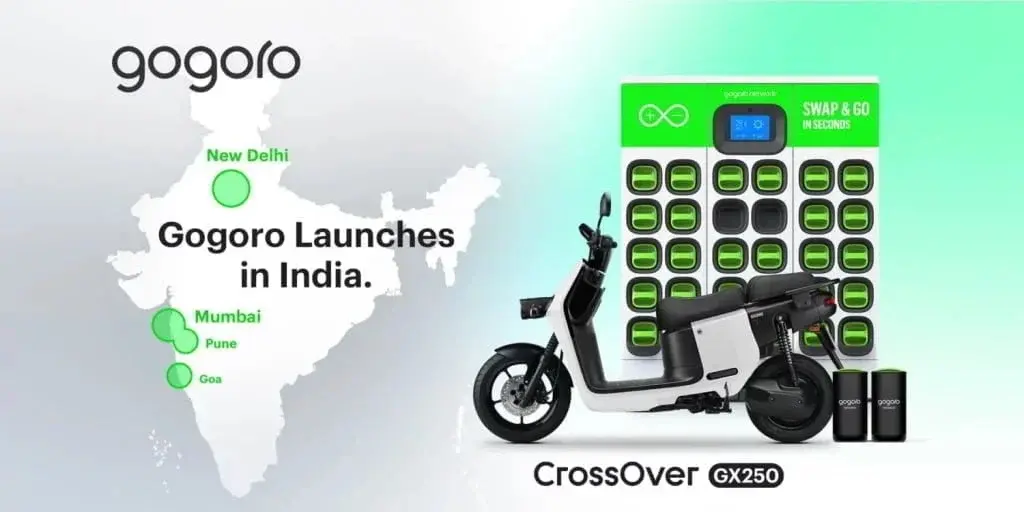
    Taiwanese electric bike manufacturer Gogoro has expanded its battery-swapping network to India, alongside the launch of two new e-scooter models. The highlight of the lineup is the CrossOver GX250 e-scooter, which is produced domestically in India. This move reflects Gogoro’s understanding of the unique needs and preferences of Indian riders.

    The CrossOver GX250: Designed for the Indian Landscape

    The Gogoro CrossOver GX250 is a variant of the recently revealed CrossOver SUV-like scooter, designed to cater specifically to the diverse and dynamic landscape of India. The scooter integrates features that have been carefully curated based on feedback from Gogoro’s pilot riders in India, ensuring a product that resonates with the local audience.

    The all-terrain frame of the GX250 enhances the scooter’s strength and stability while providing unparalleled ground clearance. This is particularly important for Indian riders who navigate diverse terrains. The scooter’s optimized design allows it to perform well on various road surfaces, making it suitable for different environments.

    Supporting the Indian Economy

    In line with the ‘Make in India’ initiative, Gogoro has chosen to manufacture the CrossOver GX250 in Maharashtra. This decision not only supports the Indian economy but also creates job opportunities within the region. By producing the e-scooter locally, Gogoro is able to contribute to the growth of the Indian manufacturing sector.

    Democratizing Access to Electric Scooters

    Gogoro’s strategic move with the GX250 goes beyond environmental considerations. The company aims to democratize access to electric scooters by offering a lower entry price. This makes sustainable and eco-friendly transportation more accessible to a broader segment of the Indian population.

    Pricing and Availability

    Alongside the CrossOver GX250, Gogoro has also announced two other models, the CrossOver 50 and CrossOver S. However, these models will not be available until 2024. The CrossOver GX250, on the other hand, will be available right away to B2B customers in New Delhi and Goa. The company plans to expand its availability to Mumbai and Pune in the first half of 2024.

    With its battery-swapping network and the introduction of the CrossOver GX250, Gogoro is making significant strides in the Indian market. The company’s focus on catering to the unique needs of Indian riders and its commitment to manufacturing locally demonstrate its dedication to providing innovative and accessible electric transportation solutions.

  • Vivo V30’s Design and Key Specifications Revealed through NCC Certification

    Vivo V30’s Design and Key Specifications Revealed through NCC Certification

    Vivo Plans to Launch S18 Series on December 14th in China

    Vivo is gearing up for the release of its S18 series, a collection of premium mid-range smartphones, in China on December 14th. The lineup is set to feature three distinct models: Vivo S18, S18e, and S18 Pro. These models are anticipated to undergo rebranding for the international market, potentially seeing the Vivo V30 and V30 Lite as the rebadged versions of the S18 and S18e smartphones.

    Insights into Vivo V30 Specifications Unveiled through Recent NCC Listing

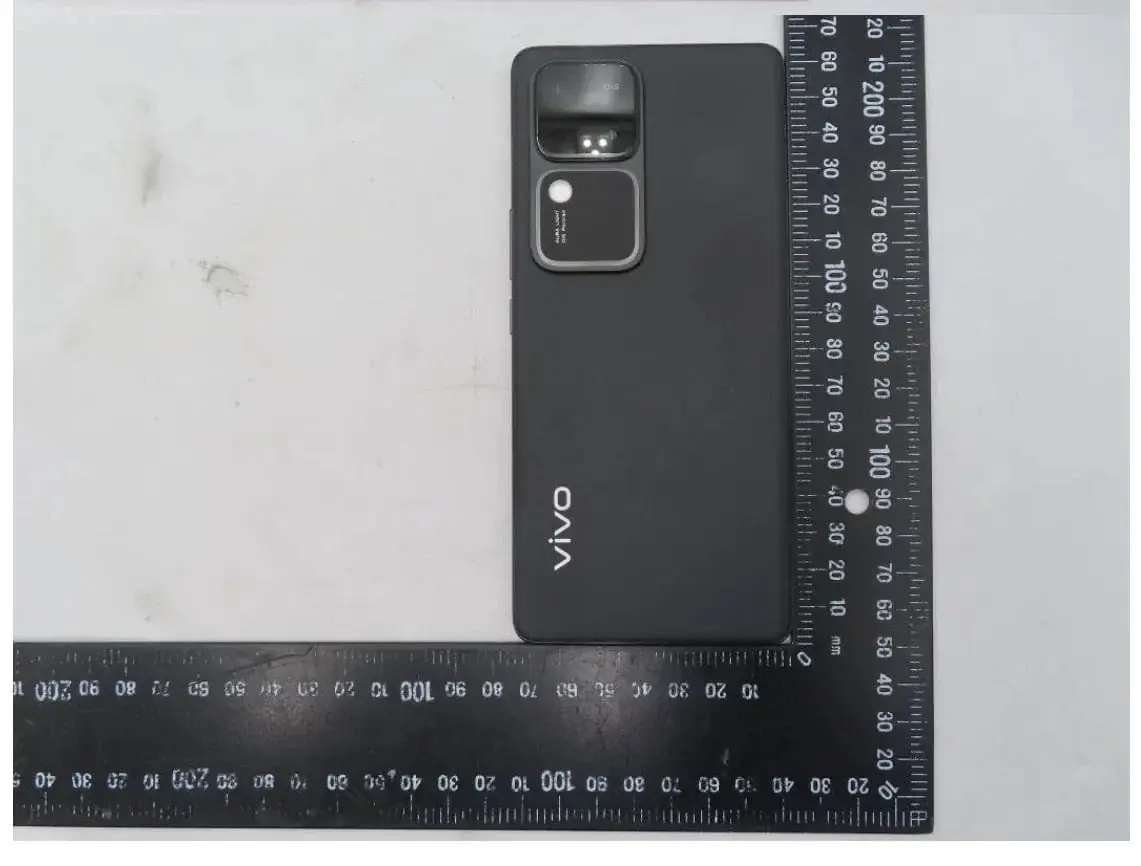
    A fresh NCC listing has brought forth a glimpse of what to expect from the Vivo V30, shedding light on its design and essential specifications. Identified by the model number V2318, this listing showcases the smartphone’s availability in a sleek Black color variant, along with other color choices. To the rear, a sizable rectangular module will accommodate dual square camera setups alongside an LED flash. Curved edges have been incorporated to enhance the grip and ergonomics for users.

    At the front, the V30 will flaunt a curved display housing a centrally positioned punch-hole cutout tailored for the selfie camera. The device’s right edge will host the volume controls and power button, while the bottom will be home to a USB Type-C port, a speaker grille, a SIM tray compartment, and the primary microphone.

    On the battery front, users can expect a 4,895mAh battery, likely marketed as 5,000mAh, seamlessly integrated within the V30. This powerhouse will also support 80W fast charging capabilities. Moreover, the listing discloses that the V30 will feature a generous 12GB of RAM and a spacious 512GB of storage.

    Drawing insights from a prior Geekbench Vulkan benchmark listing, it has been revealed that the V30 will operate on the cutting-edge Snapdragon 7 Gen 3 processor. Although an exact launch date remains undisclosed, the unveiling of this device is projected to occur significantly earlier compared to its forerunner. While the global release of the Vivo V29 series unfolded in July, actual availability in stores was not realized until September. With the V30 series, a launch is anticipated in the early months of 2024.

  • Burnt Marks Emerge on Pixel 6 Pro’s Heat Sink After Just 10-Minute Phone Call

    Burnt Marks Emerge on Pixel 6 Pro’s Heat Sink After Just 10-Minute Phone Call

    Overheating Issue on Google Pixel 6 Pro Raises Concerns

    A user on Reddit recently reported an overheating problem with their Google Pixel 6 Pro, which resulted in the thermal paste on the device's original Google Tensor chip burning. Surprisingly, this issue occurred during a mere 10-minute phone call. The user shared an image of the device's internals, revealing burnt marks on the SoC (system-on-a-chip), indicating the excessive heat generated. Furthermore, the heat produced exceeded the heat sink's capacity to keep it within safe limits.

    Lower Power Efficiency as the Culprit

    The root cause of this overheating problem appears to be the lower power efficiency of the Google Tensor chip. This means that the chip consumes relatively more power and dissipates more heat for a given operation. It is worth noting that Tensor chips, including the original Google Tensor, are manufactured by Samsung's foundry. This inefficient nature of Tensor chips is also observed in Samsung's Exynos chips. Although Samsung's fabrication process has improved in terms of power efficiency, the first Tensor chip dates back three years, when efficiency was even lower.

    Throttling Issues and Performance Trade-offs

    Despite efforts to improve thermal efficiency, reports indicate that the third version of Google Tensor still experiences throttling during tests, more so than its competitors. To address overheating concerns, Google has prioritized AI-based tasks for Tensor chips and reduced the performance of the Tensor G3 to mitigate overheating issues.

    Looking ahead, it is expected that next year's Google Pixel 9 series phones will continue to face power efficiency challenges. This could result in either competitive performance with higher-than-usual temperatures or reduced performance to prevent overheating. Neither of these outcomes is an ideal solution for users.

    The Future: Google Tensor G5

    Google aims to address these power efficiency issues with the upcoming Google Tensor G5 chip, which is set to be released in 2025. Unlike previous iterations, the Tensor G5 chip will be designed entirely in-house by Google and will utilize the more efficient TSMC 3nm process. This advancement is expected to significantly improve the performance and thermal efficiency of the Google Tensor G5.

    Coping with Overheating

    In the meantime, if your Pixel phone experiences overheating, it is advised to discontinue the operation causing the excessive heat and, if possible, turn off the device until it cools down. This precautionary measure can help prevent further damage and ensure the longevity of your Pixel phone.

  • Huawei Introduces Fashionable FreeClip Open-Ear Buds at €199

    Huawei Introduces Fashionable FreeClip Open-Ear Buds at €199

    Huawei Expands Product Line with FreeClip Open-Ear Buds

    Huawei is making its mark in the smartphone market with the Mate 60 series, and now the company is expanding its product family even further. Today, at an event in Dubai, Huawei introduced several new products, with the most attention-grabbing being the FreeClip open-ear buds. These innovative earbuds are designed to resemble stylish earrings, making them a favorite among fashion enthusiasts who want to look stylish everywhere they go, from sports activities to office meetings.

    Open-Ear Design for Enhanced Awareness

    One of the standout features of the Huawei FreeClip is its open-ear design. This unique design allows users to enjoy wireless audio while remaining aware of their surroundings. It is particularly useful for outdoor sports activities or when multitasking between online calls and in-person collaborations. However, it’s worth noting that this design may not provide the same level of sound isolation and noise cancellation as traditional earbuds.

    Comfortable and Long-Lasting

    The FreeClip features a C-bridge Design that includes an adaptive sensor. This design helps reduce strain on the user’s ear cartilage, ensuring a comfortable fit even during extended use. In terms of battery life, the FreeClip offers up to 8 hours of music playback on a single charge. With the included charging case, the total battery life can be extended to up to 36 hours. Moreover, the earbuds are IP54 rated for water, dust, and sweat resistance, making them suitable for various activities and environments.

    Availability and Pricing

    According to Huawei’s announcement, the FreeClip open-ear buds will be available in the UK and Europe from late December. The suggested retail price for the FreeClip is £179.99 or €199. Customers who pre-order or order from select countries in the Huawei Store between December 12, 2023, and January 29, 2024, will also receive a free HUAWEI Band 8.

    In conclusion, Huawei’s introduction of the FreeClip open-ear buds showcases the company’s commitment to expanding its product offerings. With its unique design, comfortable fit, and long battery life, the FreeClip is sure to appeal to both fashion-conscious individuals and those who prioritize awareness of their surroundings. Keep an eye out for the availability of the Huawei FreeClip in the UK and Europe later this year.

  • Introduction of Huawei MatePad Pro 13.2 Equipped with High-End Features in Global Markets

    Introduction of Huawei MatePad Pro 13.2 Equipped with High-End Features in Global Markets

    Huawei Launches Flagship MatePad Pro 13.2 Tablet Globally

    Huawei held an event in Dubai today to unveil its latest devices, including the flagship MatePad Pro 13.2 tablet. This tablet was initially released in China in September of this year and is now making its way to global markets. The Huawei MatePad Pro 13.2 is set to compete with popular tablets like the iPad Pro and Samsung Galaxy Tab S9 Ultra in the market.

    Huawei MatePad Pro 13.2 Specifications and Features

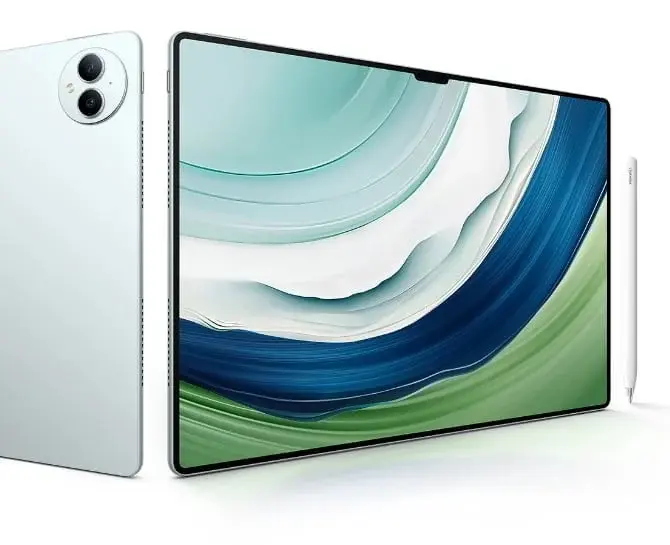
    The Huawei MatePad Pro 13.2 features a large 13.2-inch screen with a notch on the right bezel. It is the world's first tablet to come with a flexible OLED panel. The display offers a resolution of 2,880 x 1,920 pixels, 1,000 nits peak brightness, a 120Hz refresh rate, and a 94 percent screen-to-body ratio. Additionally, it is compatible with the M-pen stylus, which boasts 10,000 levels of pressure sensitivity and 0ms low latency.

    Despite its large size, the MatePad Pro 13.2 is touted as the thinnest and lightest tablet in its category. It features a circular camera module on the back panel that houses a 13MP and 8MP sensor. On the front, there is a 16MP front-facing camera along with a Time-of-Flight (ToF) unit. The tablet also comes equipped with six dual-channel speakers that support Spatial Audio for an immersive audio experience.

    Under the hood, the Huawei MatePad Pro 13.2 is powered by a Kirin 9000s processor. It offers up to 12GB of RAM and up to 512GB of storage. To ensure efficient heat dissipation, the device is equipped with a 52000mm2 VC liquid cooling system. The tablet is backed by a 10,100mAh battery with support for 88W fast charging. On the software front, it runs on HarmonyOS 4, which brings various features like floating windows and WPS Office integration.

    Pricing and Availability

    The Huawei MatePad Pro 13.2 will be available in two storage configurations. The 12GB + 256GB model starts at €999, while the 12GB + 512GB variant is priced at €1,199. Additionally, Huawei is offering the Smart Magnetic Keyboard for €199 and the M-Pencil for €99. Pre-orders for the tablet will begin on January 8, with shipments scheduled to commence from January 22 in Europe.

    With its impressive specifications and features, the Huawei MatePad Pro 13.2 aims to provide a strong competition to other leading tablets in the market. Its flexible OLED panel, powerful processor, and long-lasting battery make it an attractive option for consumers looking for a high-performance tablet.

  • Xiaomi Device Lineup Leaked, Unveiling HyperOS Update

    Xiaomi Device Lineup Leaked, Unveiling HyperOS Update

    Xiaomi HyperOS Global Update List Leaks, First 11 Smartphones Revealed

    The Xiaomi ecosystem is undergoing a significant change with the introduction of a new operating system called HyperOS. This decision marks a departure from the long-standing Android-based interface, MIUI. Xiaomi is determined to make this update available to as many users as possible, promising better animations, lower RAM consumption, and improved energy efficiency. The question on everyone's mind is, when will the HyperOS update be available for specific devices? Fortunately, a recent leak has unveiled the first 11 smartphones that will receive the update. Let's take a closer look at the details.

    The Global Update List

    It's important to note that many Chinese manufacturers produce separate phone models for the Chinese and global markets. While these models may have similar technical specifications, they often differ when it comes to regional ROMs, resulting in variations in software updates. The HyperOS update, for example, is already accessible for certain models in China but has yet to be released for devices in the global market. However, Xiaomi plans to change this in the first quarter of 2024. Here is the list of the first global devices set to receive the HyperOS update:

    • Xiaomi 13T
    • Xiaomi 13T Pro
    • Xiaomi 12T
    • Xiaomi 11T
    • Xiaomi 13
    • Xiaomi 13 Pro
    • Xiaomi 13 Ultra
    • POCO F5
    • POCO F5 Pro
    • Redmi Note 12 4G/4G NFC
    • Redmi Note 12S

    Multiple Lists, Different Models

    It's worth mentioning that this is not the only leaked list of updates for HyperOS. Previous leaks have surfaced, featuring different models. While there are similarities between these two lists, they also have variations, such as the inclusion of devices like the POCO F5 Pro and Xiaomi Pad 6. Determining which list is accurate can be challenging at the moment. However, if your phone is not on either list, there's no cause for concern. Xiaomi has a reputation for delivering consistent Android updates, and the lightweight nature of HyperOS should make the process smoother for the company. All we need to do is exercise patience as Xiaomi's dedicated engineers work on the update.

    In conclusion, Xiaomi's decision to introduce HyperOS brings about exciting changes to its ecosystem. With promises of enhanced performance and efficiency, the upcoming update is eagerly anticipated by Xiaomi users worldwide. While the first 11 smartphones set to receive the HyperOS update have been revealed, there may still be surprises in store as more leaks and announcements emerge. Until then, Xiaomi enthusiasts can look forward to a future where their devices operate on a new and improved interface.

  • Newly Released AOC Q27E12C Monitor: 27″ 2K 100Hz IPS Panel at an Affordable Price of 999 Yuan ($139)

    Newly Released AOC Q27E12C Monitor: 27″ 2K 100Hz IPS Panel at an Affordable Price of 999 Yuan ($139)

    AOC Q27E12C Monitor: Affordable Quality in a Sleek Design

    AOC, a well-known brand in the monitor market, has recently launched its latest addition to its high-quality display lineup – the Q27E12C monitor. This new monitor, which has been released in China, comes with an attractive price tag of 999 yuan ($139), making it a compelling choice for consumers who are looking for both quality and affordability.

    Impressive Specifications

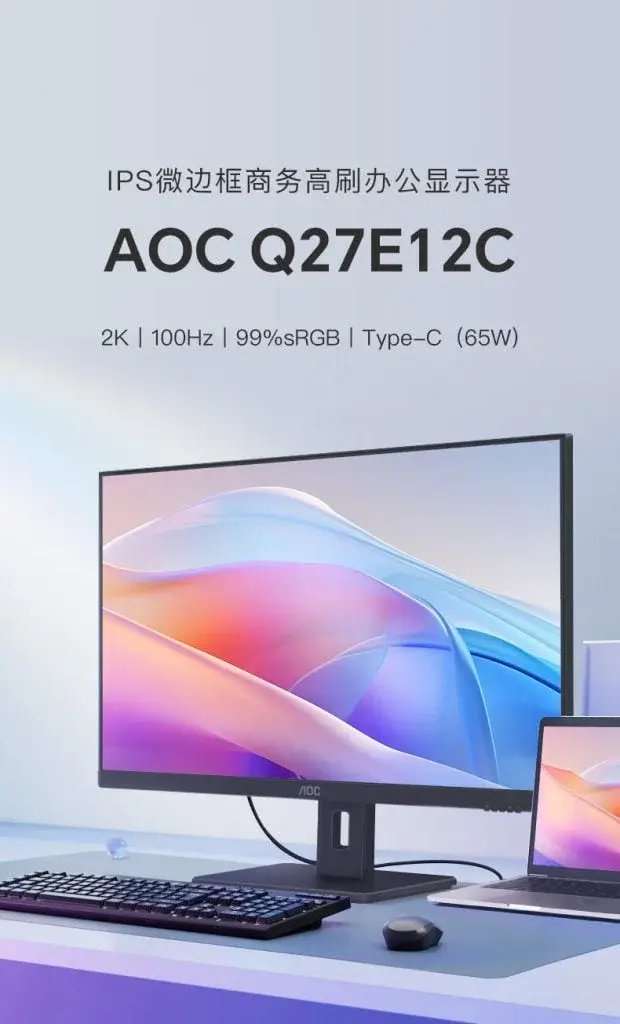
    The Q27E12C boasts a 27-inch IPS display with a 2K resolution of 2560×1440. This resolution strikes a perfect balance between clarity and performance, making it suitable for both high-definition media consumption and detailed work requirements. Moreover, the monitor features a high refresh rate of 100Hz, ensuring smooth visuals that enhance the overall viewing experience.

    Sleek and Modern Design

    When it comes to design, the Q27E12C does not disappoint. It features a slim 1.5mm bezel and 5.9mm narrow screen borders, giving it a sleek and modern look. The monitor is also compatible with VESA wall mounting, providing users with flexibility in terms of setup. Additionally, it offers various display modes, including a specialized Gaming Mode and Scene Mode, catering to different user needs and preferences.

    Enhanced Visual Experience

    The Q27E12C monitor promises an enhanced visual experience with its impressive contrast ratios. It provides a static contrast ratio of 1300:1 and an outstanding dynamic contrast ratio of 20 million:1. These ratios ensure deep blacks, bright whites, and a wide spectrum of colors, resulting in vibrant and true-to-life visuals. The monitor also supports HDR 10 and covers 99% of the sRGB color space, making it ideal for tasks that require color accuracy and vibrancy.

    Extensive Connectivity Options

    In terms of connectivity, the Q27E12C offers a wide range of options. It includes 1 HDMI 2.0 port, 1 DP 1.4 port, 2 USB-A 2.0 ports, and 1 USB-C port. The USB-C port even supports up to 65W reverse charging, allowing users to conveniently charge their devices directly from the monitor. Moreover, the monitor is equipped with tearing-prevention technology, which ensures a smoother visual experience, especially during fast-paced gaming sessions.

    Other Offerings from AOC

    Apart from the Q27E12C, AOC has also introduced other impressive monitors recently. Earlier this month, they unveiled the AOC AGON AG275QZW and AG275QZE gaming monitors. These monitors feature a 27-inch display, a remarkable 260Hz refresh rate, and a 1440p resolution, making them perfect for gamers who demand high-performance displays. Additionally, AOC introduced the AOC U27N3RB professional monitor in China, which offers 4K output at an affordable price.

    In conclusion, the AOC Q27E12C monitor is an excellent choice for consumers who are in search of a high-quality display at an affordable price. With its impressive specifications, sleek design, and extensive connectivity options, this monitor delivers an enhanced visual experience for various tasks and applications. Whether you are a gamer, a content creator, or a professional, the Q27E12C is worth considering for its combination of affordability and quality.

  • Amidst US sanctions, Huawei ventures into automotive partnerships with Audi and Mercedes

    Amidst US sanctions, Huawei ventures into automotive partnerships with Audi and Mercedes

    Huawei Explores Partnerships with German Car Manufacturers for EV and Smart Car Software Sectors

    Chinese tech giant Huawei is actively seeking partnerships with renowned car manufacturers in a strategic move to overcome the obstacles created by US-imposed sanctions. The company recently held closed-door meetings with Audi and Mercedes, the two largest German automotive companies, with the aim of exploring potential joint ventures or partnerships in the electric vehicle (EV) and smart car software sectors.

    Huawei is considering spinning off its Intelligent Automotive Solution (IAS) business unit, highlighting its ambition to become a leading supplier of software and components for smart EVs. The IAS business unit is estimated to be valued between $28 billion and $35 billion.

    Mercedes’ Limited Interest in Huawei’s Smart Car Software and Components Firm

    Mercedes, one of the automotive giants approached by Huawei, reportedly offered to acquire a 3% to 5% stake in Huawei’s smart car software and components firm. However, the German automaker showed limited interest, as it prioritizes retaining control over software and maintaining its premium brand positioning.

    Potential Collaboration with Audi on Autonomous Driving Technologies

    Audi’s level of interest in Huawei’s proposal remains uncertain, but reports suggest the possibility of collaboration in the development of autonomous driving technologies for Audi vehicles in the Chinese market from 2025 onwards. This aligns with the broader trend of global automakers seeking partnerships with Chinese companies to cater to the tech-savvy Chinese consumer base.

    Huawei’s Focus on Partnerships with Electric Car Makers and Established Automakers

    As Huawei faces the challenges posed by US sanctions, the company recognizes the need to secure its position as a primary supplier of intelligent solutions for European, US, and Japanese companies. Richard Yu, who oversees Huawei’s smart car business, acknowledges these challenges and emphasizes the company’s focus on forming partnerships with both smaller electric car makers and established automakers.

    Collaboration Trend in the Competitive Chinese Automotive Market

    While Mercedes and Audi declined to comment on the speculation surrounding the discussions, Huawei has also remained silent on the matter. Industry experts believe that Huawei’s outreach to global automakers reflects a broader trend in the industry, where collaboration is key to introducing advanced features in the highly competitive Chinese automotive market.

    Diversified Approach: Partnerships with Established Automakers and Smaller Players

    As Huawei navigates the challenges posed by US sanctions, its strategy involves partnerships with established automakers as well as collaborations with smaller players like Series Group. Notably, Changan Automobile plans to invest in Huawei’s smart car business, potentially acquiring up to 40% stake. This diversified approach showcases Huawei’s commitment to securing investments and partnerships in the automotive sector.

    In conclusion, Huawei’s pursuit of partnerships with reputable car manufacturers such as Audi and Mercedes underscores its determination to strengthen its presence in the EV and smart car software sectors. As the company faces the impact of US sanctions, these collaborations and investments are crucial for Huawei to secure its position as a leading supplier of intelligent solutions in the global automotive industry.

  • Introducing the LG UltraGear 27GR95UM: An Outstanding 4K 160Hz Nano IPS Mini LED Gaming Monitor, Now Available for 9999 yuan ($1,395)

    Introducing the LG UltraGear 27GR95UM: An Outstanding 4K 160Hz Nano IPS Mini LED Gaming Monitor, Now Available for 9999 yuan ($1,395)

    LG has recently announced the availability of its latest monitor, the UltraGear 27GR95UM Mini LED, in the Chinese market. The monitor is now open for pre-orders on JD.com. Let’s take a closer look at the specifications of this impressive display.

    LG UltraGear 27GR95UM Specifications:

    The UltraGear 27GR95UM features a 27-inch 4K Nano IPS Mini LED panel with a refresh rate of 160Hz, making it perfect for demanding gaming and professional applications. Its sleek design includes a four-edge narrow bezel, and it comes with an adjustable stand that allows for tilt and height adjustments, providing ergonomic comfort for users.

    One of the standout features of this monitor is its 1560-zone backlight, which enhances contrast and delivers vivid, realistic visuals. This is crucial for creating an immersive gaming experience. The monitor is also HDR1000 certified, ensuring a high dynamic range for improved color and brightness. In fact, it covers up to 99.5% of the DCI-P3 color gamut, resulting in more vibrant and accurate colors.

    Enhanced Gaming Experience:

    LG has equipped the UltraGear 27GR95UM with ATW anti-glare technology, which maintains clarity even at wide viewing angles of up to 178 degrees. This is particularly useful in gaming or collaborative work environments where multiple people might be viewing the screen from different angles. Additionally, the monitor boasts a rapid GTG response time of 1ms, minimizing motion blur and capturing each frame clearly. This is especially important for fast-paced gaming and dynamic video content.

    For gamers, the UltraGear 27GR95UM supports both NVIDIA G-SYNC and AMD FreeSync Premium Pro technologies, effectively reducing screen tearing. It also comes with gaming-specific features such as Black Stabilizer for better visibility in dark scenes, FPS Counter for real-time frame rate display, and Dynamic Action Sync for reduced input lag.

    Connectivity and Additional Features:

    In terms of connectivity options, the monitor includes HDMI 2.1 and DP 1.4 interfaces. However, it lacks a full-featured USB-C port. It also features built-in dual 7W speakers, providing users with a decent audio experience without the need for external speakers. Furthermore, the monitor incorporates LG Live Color Low Blue Light technology, which helps reduce eye strain during extended use.

    Pricing and Availability:

    The UltraGear 27GR95UM is currently available for pre-order at a price of 9999 yuan ($1,395). The official release date for this high-end gaming display is set for December 18th. LG has been actively expanding its monitor lineup in China, with the recent launch of a 144Hz curved monitor featuring a Nano IPS panel earlier this month.

    With its impressive specifications and gaming-focused features, the LG UltraGear 27GR95UM Mini LED monitor is sure to catch the attention of gamers and professionals alike. Its high refresh rate, stunning visuals, and ergonomic design make it a promising option for those seeking an immersive and comfortable gaming experience.

  • Xbox Game Pass streaming on Microsoft might offer free access with ads

    Xbox Game Pass streaming on Microsoft might offer free access with ads

    Microsoft Considers Introducing a Free Xbox Game Pass Tier with Advertisements

    Microsoft is reportedly exploring the idea of launching a new free tier for Xbox Game Pass that will support advertisements. Tim Stuart, the Xbox Chief Financial Officer, shared his thoughts on this potential development during the Wells Fargo TMT Summit. The introduction of an ad-supported tier on game streaming could help expand the accessibility of Game Pass, particularly in emerging markets.

    Expanding Game Pass to Every Screen

    Stuart expressed the company’s ambition to bring Game Pass “to every screen that can play a game.” While this goal presents challenges, an ad-supported tier could be a viable solution. By integrating short ads into the streaming experience, Microsoft aims to make Game Pass more accessible to gamers in regions with limited disposable income, such as Africa, India, and Southeast Asia.

    A Win-Win Situation

    The proposed model would allow players in these regions to watch a brief advertisement in exchange for hours of gameplay. This approach is especially appealing in markets where gaming is predominantly done on smartphones and other mobile devices. By offering this option, Microsoft hopes to provide an affordable and inclusive gaming experience to a wider audience.

    No Official Confirmation Yet

    Although rumors of an ad-supported tier for Xbox Game Pass have been circulating, Microsoft has not yet released any official information on the matter. As the company continues to explore this potential business model, gamers and industry enthusiasts eagerly await further updates. Stay tuned for more information as it becomes available.