Author: GizNews

  • Windows Secure Boot Certificates Expiring June 24

    Windows Secure Boot Certificates Expiring June 24

    Key Takeaway

    – 2011 Secure Boot certificates expire in June–October 2023, with October 19 being the most critical for long-term boot integrity; after expiration, you won’t get new boot-level security updates.
    – Windows Update (2023 certificates) is rolling out progressively; Windows 11 on supported builds will auto-update, while older hardware and unsupported Windows 10 versions have a tougher remediation path.
    – You still boot normally after expiration, but you lose the ability to receive new Secure Boot database updates, revocation lists, and firmware-level patches for boot vulnerabilities.


    Overview of Secure Boot certificate expiry and its impact

    the 2011-era Secure Boot certificates backing boot security on most Windows PCs start expiring June 24, one month from today. devices without the 2023 replacement certificates will not stop working, but they will lose the ability to receive future boot-level security patches. Windows 11 users on supported builds are being updated automatically, though older hardware and unsupported Windows 10 machines face a harder path. in this paragraph the focus is on the general timeline and what changes may occur for users with older hardware.

    Key expiry dates and the 2023 certificate rollout

    three certificates are hitting their end dates: the Microsoft Corporation KEK CA 2011 on June 24, the Microsoft UEFI CA 2011 on June 27, and the Microsoft Windows Production PCA 2011 on October 19. the last one signs the Windows bootloader itself, making October the most critical deadline for long-term boot integrity. Microsoft began rolling out 2023 replacement certificates through Windows Update in January and has advanced the rollout with each monthly update, including this month’s KB5089549. this segment repeats the dates and highlights the critical October expiry for the bootloader signer.

    What happens after expiry

    your PC will not stop booting. microsoft says devices with expired certificates will continue to start normally and receive standard Windows updates. what they lose is the ability to receive new Secure Boot database updates, certificate revocation lists, and patches for newly discovered boot-layer vulnerabilities. boot-level exploits like BlackLotus have specifically targeted this layer. a device with expired certificates has no patch path against future threats at the firmware level. the paragraph emphasizes that basic startup remains, but security updates at boot level may be blocked.

    How to check your Secure Boot status

    open Windows Security, select Device Security, and check the Secure Boot section. microsoft’s support article KB5062710 covers what the expiration means and what steps to take if the update has not been applied. users on Windows 10 outside the Extended Security Updates program will not receive the new certificates and have no remediation path from June 24 onward. this section guides users to verify status and consult guidance if updates are missing.

    • KB5062710 provides details on expiration implications and remediation steps
    • Windows IT Pro Blog and Windows Secure Boot resources offer guidance
    • OEM support may be necessary for older hardware where firmware needs a chain update

    What to do if your system shows outdated status

    some older hardware requires a matching OEM firmware update alongside the Windows certificate rollout, because the new certificate chain must be anchored directly in UEFI firmware. devices from manufacturers that have stopped issuing firmware updates may stay on the 2011 certificates regardless of what Windows installs. Microsoft’s guidance is to apply the latest update, verify status using KB5062710, and contact OEM support if the 2023 certificates are not showing on a fully updated system. this paragraph instructs users on steps to take when hardware support is limited.

    References and resources

    the following resources provide official guidance and updates: Windows IT Pro Blog, Microsoft Support, and Windows Secure Boot resources. these sources repeat critical details and offer official steps for verification and remediation. note that no external shopping links or product pages are included in this summary.


    Sources
  • France’s TGV-M Approved to Run at 320 km/h

    France’s TGV-M Approved to Run at 320 km/h

    Key Takeaway

    – TGV-M (Alstom Avelia Horizon) cleared EU safety approval and could enter service around Aug/Sep 2026 for SNCF in France.
    – Train design features two power cars, Jacobs bogies, two decks, and up to 200-meter multi-unit formations with 740 seats (up from 600).
    – Capacity and efficiency gains: ~20% more seats and ~20% lower energy use (potentially up to 30% for Horizon family); 5G Wi-Fi planned.
    – Speed capability varies by system: up to 320 km/h on ETCS/TVM, 220 km/h under KVB, and 160 km/h in Crocodile network; designed for cross-border, multi-voltage operation (1.5 and 25 kV in France; Horizon family supports multiple electrifications, aiding Eurostar compatibility).


    France’s TGV-M is allowed to run. As Elias Van Deun discovered, Alstom’s new high-speed train has cleared the approval hurdle of the European Union Agency for Railways. The step was long overdue, although rolling stock has repeatedly suffered from approval problems in recent years. The news comes a few days after the travel and tourism magazine Voyages D’Affaires pointed out that operator SNCF is no longer giving any dates for the possible commercial entry into service of the new TGV-M trainsets.

    Approval timing and entry into service

    However, the approval that has now taken place matches information from the magazine that the train could transport passengers for the first time in August or September 2026. The TGV-M is the first train based on Alstom’s Avelia Horizon platform. In 2018, according to Alstom, SNCF ordered 100 trainsets and later placed an additional order.

    Platform and cross-border capabilities

    The Horizon will also be important for the Eurostar network with its special requirements, especially when used in the Channel Tunnel. Here, 30 units are intended to replace the aging fleet. They are also intended to support four electrification voltages for the necessary compatibility across national borders. The now approved TGV-M is designed for France and two voltages: 1.5 and 25 kV.

    Train architecture and flexibility

    The Avelia Horizon follows the classic TGV principle: there are two power cars that provide the drive. They are therefore not conventional replaceable locomotives, but the traction equipment is not distributed beneath the cars either. In Germany, this corresponds to the first ICE generation. The train also again uses Jacobs bogies for its running gear. This means that two wagons rest on one bogie.

    Length and capacity

    In regular operation, the trains cannot just be shortened or lengthened. That said, changes to the length of the ICE 1 were also quite rare. Most recently, the train was shortened. However, there is still flexibility with the TGV-M, because a trainset is 200 meters long and can operate in multiple unit formation to provide more capacity.

    Seating, efficiency, and technology

    The new trains also rely on two decks again. Alstom manages, however, to get over 20 percent more seats into the train. According to SNCF, the capacity is now 740 instead of 600 seats. In addition, the energy requirement is expected to drop by another 20 percent. According to Alstom, the potential of the Horizon series is even 30 percent.

    Onboard connectivity and speed

    The trains in the SNCF network will also offer 5G-based Wi-Fi. The maximum speed of the TGV-M depends on the train protection system. According to approval information, 320 km/h is possible under ETCS and TVM. This is especially important for the high-speed lines of the LGV type. Under KVB 220 km/h is possible and in the Crocodile network it is 160 km/h.

    Sources
  • 007 First Light Iceland Mission Leaks on YouTube Before Launch

    007 First Light Iceland Mission Leaks on YouTube Before Launch

    Key Takeaway

    – A pre-release Iceland mission of 007: First Light was leaked via a PS5 copy, corroborating earlier reports about playable content before mandatory downloads.
    – Early impressions praised atmosphere, environmental storytelling, and writing, with some commenters comparing it to Metal Gear Solid V: Ground Zeroes.
    – The leak highlights ongoing piracy concerns around pre-launch access, despite tightened review code distribution and DRM efforts, with potential takedown actions likely.


    Overview

    Update: The video has now been taken down by the uploader after a copyright strike from IO Interactive. The original article continues as below:

    Leak details and source

    Three days ahead of its May 27 release date, 007 First Light’s opening Iceland mission has been recorded and uploaded to YouTube by a user who obtained a physical PS5 copy early. The video (see below) is titled “007 First Light Part 1” and was uploaded by channel Gamingkurosh. It is a small account with around 510 subscribers, and was flagged on r/GamingLeaksAndRumours within the hour and has since attracted a fair amount of attention.

    Verification and implications

    The leak directly corroborates our past coverage. A previous leak of the PS5 disc had already revealed that only the first mission is playable without any mandatory downloads, and the uploader confirmed this via the game’s main menu screen. That effectively made the Iceland opening mission the most leakable part of the entire game, with or without a day-one patch installed.

    Community reactions

    User feedback on the Reddit thread has been largely positive toward the game itself. Top-voted comments compare the game to Metal Gear Solid V: Ground Zeroes for its moody atmosphere, and multiple users add that the environmental storytelling and writing quality seems very polished. One commenter said they were “sold” after being lukewarm on the trailers.

    Commentary on the video

    YouTube comments on the video pretty much reflect the same sentiment. One user pointed out that Bond does not have his gunbarrel sequence yet. His reasoning was that he has not yet “earned the number,” which is a neat detail from the origin story. Comments calling for Part 2 are already appearing.

    Industry context

    To be fair, this leak is coming through at a particularly sensitive moment for IO Interactive. As we reported earlier, review codes were only distributed to press on May 22nd — the same concern around piracy that previously motivated publishers like those behind Forza Horizon 6 and Subnautica 2 to restrict early access, only for Steam builds to surface anyway. Denuvo DRM was added to the PC version less than a week before launch, partly in response to these exact scenarios. The console version was always the more vulnerable vector, and that has now proven accurate.

    Status and expectations

    IO Interactive has not issued a takedown of the video at time of writing, though given the standard industry response to pre-launch footage, that is likely a matter of time.


    Sources
  • OnePlus OLED Tablet: Global Launch and High-End Chipset

    OnePlus OLED Tablet: Global Launch and High-End Chipset

    Key Takeaway

    – A rumored compact OnePlus tablet could feature an 8.8-inch OLED display with 144Hz refresh rate and be powered by the Snapdragon 8 Gen 5, with LPDDR5X RAM and UFS 4.1 storage.
    – Expected cameras: 13MP rear and 8MP front, plus a sizable 8,000mAh battery with 67W fast charging.
    – Software would be OxygenOS 16 based on Android 16.
    – The leak suggests it may be a rebranded Oppo Pad Mini, launching in India as early as Q3 2026, but details are unconfirmed.


    Introduction

    the OnePlus Pad 4 was recently launched as the company’s flagship tablet. it features a large 13.2-inch IPS LCD panel and a Snapdragon 8 Elite Gen 5 chipset. now, a leak suggests that OnePlus may launch a compact tablet with an OLED panel. the text preserves pricing and specification details as stated in the original, though some items are speculative and unconfirmed at this time.

    Specification Rumors

    the leak comes from tipster @yabhishekhd on X. according to the source, OnePlus may launch a new compact tablet globally. the tablet is expected to feature an 8.8-inch OLED panel with a 144Hz refresh rate. it may be powered by the Snapdragon 8 Gen 5, a high-end chipset positioned below the Snapdragon 8 Elite Gen 5. it is tipped to use LPDDR5X RAM and UFS 4.1 storage. these details are presented as rumors and should be treated with caution.

    Camera and Battery

    the tablet may use a 13MP rear camera and an 8MP front camera. it is expected to pack an 8,000mAh battery with 67W fast charging support. in terms of software, the tablet may run OxygenOS 16 based on Android 16. the article keeps the exact camera and battery figures from the source, though they are speculative until official confirmation is provided.

    Comparisons and Context

    the leaked specifications closely resemble those of the Oppo Pad Mini, which launched in China in April. therefore, the upcoming compact OnePlus tablet could be a rebranded version of Oppo’s tablet. according to @Gadgetsdata on X, the tablet may launch in India in Q3 2026. oneplus has not confirmed these details, so treat the information with caution. this paragraph maintains the original’s comparative context with the Oppo Pad Mini and mentions the potential regional timeline as rumor.

    Conclusion

    the overall rumor landscape suggests a compact OnePlus tablet with OLED display, mid-to-high tier performance, and similar features to an Oppo device, yet nothing is official. users should watch for confirmations from OnePlus and rethink any conclusions until an official announcement is made. the text continues to copy the pricing and specification details from the original while noting their speculative nature.

    Sources
  • Fallout Remasters and TES 6 Release Dates Still Far Off

    Fallout Remasters and TES 6 Release Dates Still Far Off

    Key Takeaway

    – Fallout remasters are likely farther off than fans expect, with 2027–2029 framed as realistic windows for releases, and TES6 remaining several years away.
    – The earliest new Bethesda entry fans may see this cycle is a modernized Fallout 3, followed (later) by TES6; Fallout 5 would come after TES6.
    – Insider hints, including past leaks, align on slowed cadence for new titles and potential updates like Fallout: New Vegas refresh, though key source-code issues and development hurdles may delay them.


    New Xbox CSO Matthew Ball recently said the company would focus on “reviving storied franchises.”

    In this paragraph the tone shifts to a more casual, conversational voice while still reporting the core idea that Xbox is prioritizing beloved series again. The text notes that Fallout isn’t dead, but fans have tired of waiting for rumored remasters, and that there’s still no solid The Elder Scrolls 6 date. There is mention of an insider delivering a disappointing update about new entries in both series, with emphasis on pace and expectations.

    Insider insight and timeline hints

    The next paragraph carries a speculative style, presenting Jez Corden’s statements from Windows Central on the XB2 podcast. It explains that Fallout remasters might be further off than people think, and TES6 remains distant. It suggests that releasing some titles sooner could be a priority, hinting at strategic timing rather than immediate new releases, and keeps the focus on how plans could shape the near future for these franchises.

    Potential release windows and project alignment

    Here, the writing takes a cautious, analytical turn, summarizing the insider’s view that 2027 could be realistic for at least one Fallout remaster, with TES6 following in 2028 or 2029. The paragraph retains the reporting of alignment with other leaks about Bethesda projects, while acknowledging that gamers may not witness a flood of new games within a few years. It notes that a modernized Fallout 3 is the most probable first arrival.

    Background context and corporate disclosures

    Adopting a more matter-of-fact tone, this segment references the 2023 FTC case against Microsoft, which revealed Oblivion Remastered and a return of the third Fallout. It states that Oblivion Remastered shipped in April 2025 and increased expectations for its counterpart. It also mentions fan interest in a Fallout: New Vegas refresh, tied to the TV show’s success, while noting that development has faced setbacks and the original writer/designer Chris Avellone questioned Bethesda’s access to critical source code.

    Franchise sequencing and event expectations

    The final paragraph uses an anticipatory style, projecting Fallout 5 as the inevitable next mainline entry but only after TES6 arrives. It cites January remarks from Bethesda Studios director Todd Howard about developers focusing on TES6, and raises the question of whether TES6 footage might appear at a June event, which could influence fan expectations and attendance. The overall narrative closes on the idea that TES6 remains the central anchor for Bethesda’s future releases, with Fallout progress following later.

    Sources
  • First look at all-screen iPhone X successor renders reveal major design changes

    First look at all-screen iPhone X successor renders reveal major design changes

    Key Takeaway

    – Expect a dramatic design shift toward a heavily rounded chassis with a possible quad-curved display and thinner panel assembly using CoE technology.
    – Face ID could move completely under the display, potentially reducing the notch/Dynamic Island to a single camera hole-punch.
    – Camera system may shift to new LOFIC-type sensors with enhanced HDR and dynamic range, possibly starting with a dual-camera setup on the anniversary model.


    Intro

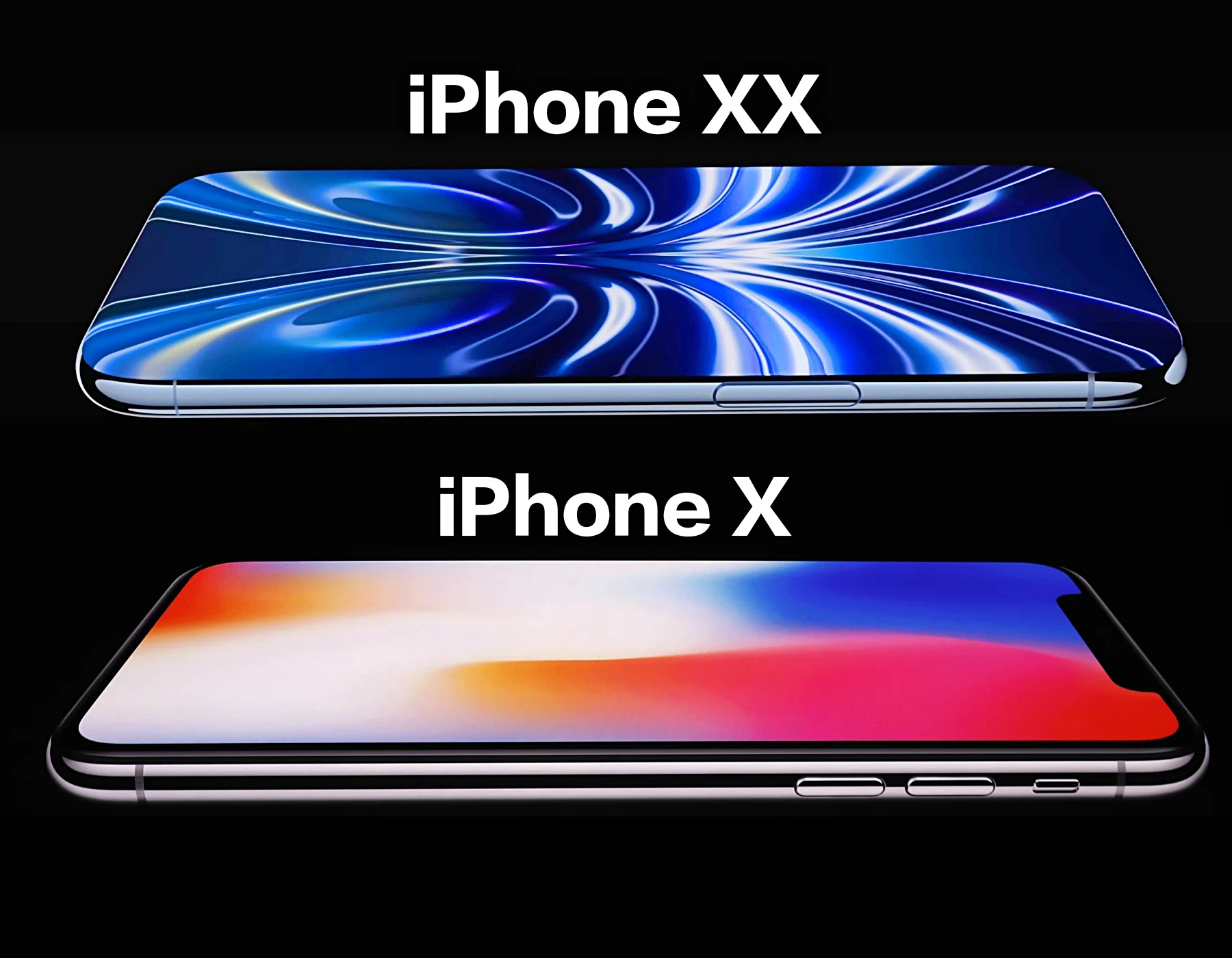
    As we approach the 20th anniversary of the phone that redefined the smartphone industry, anticipation is mounting regarding Apple’s next major design overhaul. While the name remains a mystery, with “iPhone XX/20” being a highly anticipated nod to the 2017 iPhone X (2017), fresh reports have shed light on what to expect from the 2027 flagship.

    Design Expectations

    Now, industry insiders are aligning on the belief that Apple is preparing a significant visual departure from its current iPhone 17 Pro design. Alleged iPhone 20 renders based on prototypes (which might or might not be 100% accurate) suggest a dramatic shift toward a heavily rounded chassis combined with a “quad-curved” display panel. Meanwhile, reports originating from the Apple supply chain suggest that Cupertino is currently evaluating advanced Samsung panels to facilitate this distinctive curved glass look.

    Display and Interface

    While a completely uninterrupted screen may still be a reach for 2027, internal testing reportedly involves moving Face ID hardware entirely beneath the display panel, potentially reducing the notch or “Dynamic Island” to a solitary hole-punch for the front-facing camera. Apple is said to be exploring “CoE” (Color filter on Encapsulation) technology, which promises a significantly thinner display assembly, which calls for a new anti-reflective coating.

    Buttons and Sensors

    Furthermore, rumors continue to swirl regarding the adoption of capacitive, solid-state buttons on the iPhone XX/20, marking a potential end to traditional physical switches. However, it’s important to note that this rumor (and other supply chain leaks) can change at any given moment due to a variety of reasons.

    Camera Tech

    The latest leak also suggests the camera department on the 20th anniversary iPhone might also be seeing a shake-up. New sensor technology is currently in the works, specifically targeted at pushing the limits of HDR performance and overall dynamic range, thanks to a LOFIC sensor (like the one in the Xiaomi 17 Ultra).

    Renders and Speculations

    Speaking of cameras, the renders in the video you see below show a dual-camera setup, which is surprising, to say the least. Of course, Apple’s top flagships have three cameras, including a zoom and ultra-wide-angle snappers.

    Product Strategy

    If the dual camera prototype of the iPhone XX/20 ever ships, it only makes sense it’ll be joined by a set of “Pro” iPhones with a more powerful camera system, while the anniversary iPhone might end up being a “special edition” iPhone (like a fancier iPhone Air). Of course, that’s just an educated guess based on the current leaks/rumors.

    Progress and Timeline

    Once again, these early leaks reflect work-in-progress hardware (at best). With the 2027 release of the iPhone XX/20 still over a year away, much of this design could evolve before the final product reaches the assembly line.

    That said, the iPhone 18 Pro should be launching in September, together with the long-awaited foldable iPhone Ultra.

  • Corsair Starts Sourcing Chinese RAM Supplies

    Corsair Starts Sourcing Chinese RAM Supplies

    Key Takeaway

    – Corsair has started sourcing RAM from CXMT for its Vengeance DDR5 line, marking a notable shift in supply chain dynamics.
    – The CXMT-based Corsair modules support high speeds (around 6000 MT/s) and are positioned for global markets (CN part with potential UK/EU expansion).
    – This move could boost China’s domestic RAM market and, if Chinese supply expands, may help ease global RAM price pressure by reducing reliance on Korea and the US Big Three.


    Corsair taps CXMT for Vengeance RAM, signaling a shift in supply

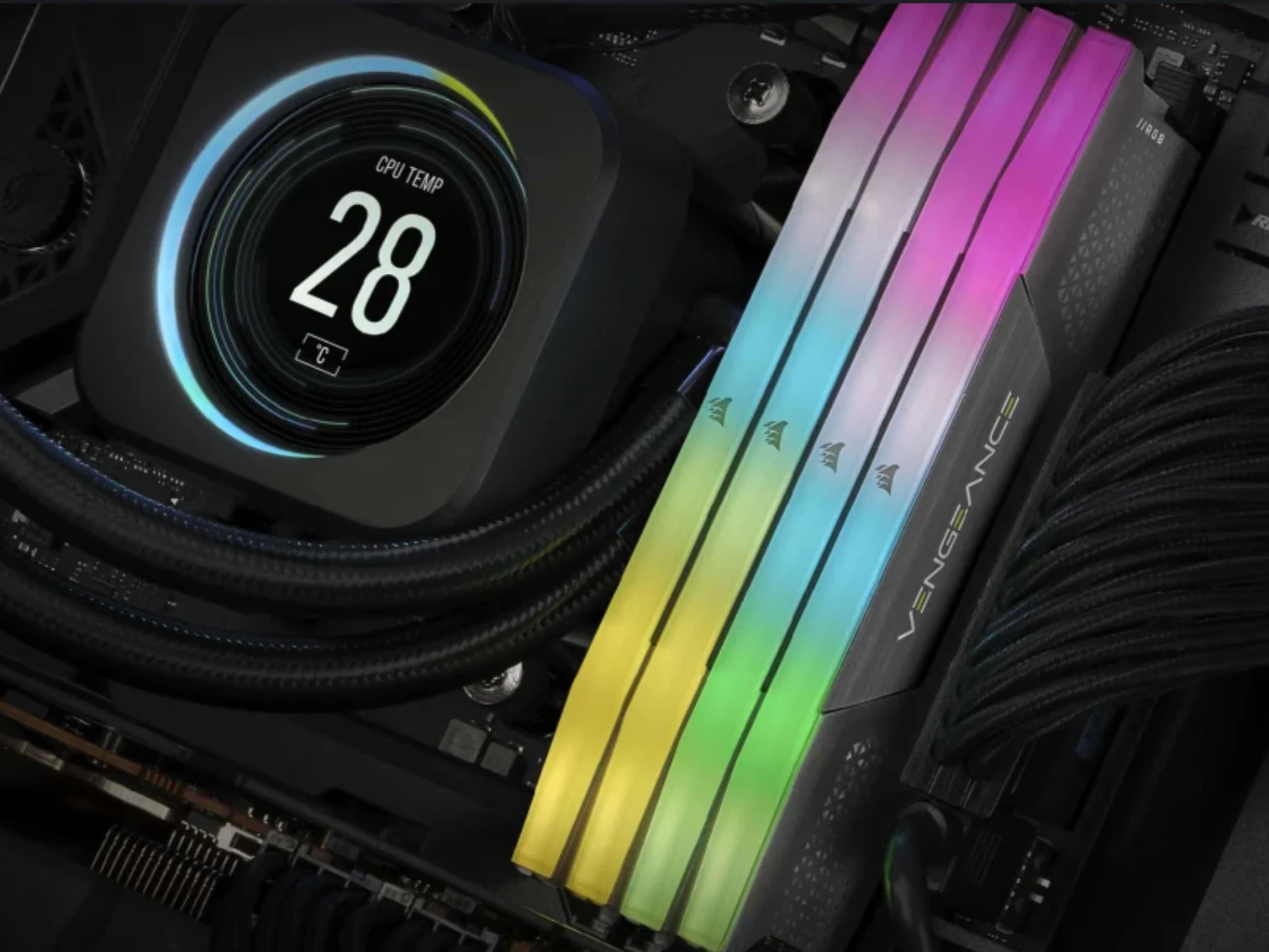
    In a very interesting turn of events, Corsair has been spotted sourcing RAM from Chinese manufacturer CXMT for its Vengeance line of memory products for the very first time. The first person to make note of this was user @wxnod on X/Twitter, and tech press including Tom’s Hardware (h/t) has reported on his findings since. The new Corsair Vengeance DDR5 kit appears to be one of Corsair’s RGB-equipped modules, complete with a CMK5X16G3E60C36A2-CN part number, with the CN denoting Chinese exclusivity but UKCA and CE indicating potential expansion to EU and UK markets.

    Implications for RAM pricing and supply

    In the short-term, this move doesn’t mean very much for existing RAM prices here in the US of A, but it marks an interesting paradigm shift for RAM supply in general. With major brands like Corsair now willing to source from CXMT and showcasing that Chinese RAM can still achieve high 6000 MT/s speeds compatible with AMD EXPO and Intel XMP alike, the potential for more Chinese RAM exports in the future has been raised considerably.

    Industry ripple effects and market prospects

    It also bodes well for China’s domestic RAM market, of course. Should Chinese industry be able to meet its own country’s ravenous demand for memory and semiconductors, reducing its reliance on Korea and the US’s Big Three should reduce overall RAM demand worldwide. The recent prediction from a former Samsung Device Solutions executive (and current Samsung advisor) Khe-hyun Kyung that the shortage could end by the end of 2026 now rings even more feasible.

    Consumer impact and price stability

    For consumers worldwide, it’s a truly tantalizing prospect. Unreasonable surges in RAM prices and the exit of Crucial (Micron’s consumer-facing brand) from the consumer business due to unprecedented AI demand has been an absolute killer for consumer electronics as a whole, especially DIY and smaller PC businesses. If CXMT RAM makes its way Stateside in the near future or at least manages to remove China’s demand from the wider equation, prices should become more palatable more quickly. Here’s hoping.


    Sources
  • First Galaxy Z Fold 8 Wide Screen Protectors Leak Reveals New Aspect Ratio

    First Galaxy Z Fold 8 Wide Screen Protectors Leak Reveals New Aspect Ratio

    Key Takeaway

    – Galaxy Z Fold 8 Wide uses a notably wider cover display (5.4 inches) with a near-square 4:3 inner screen, signaling a more tablet-like productivity mode when open.
    – The design emphasizes a traditional smartphone-like experience on the cover while expanding the inner display for larger tasks.
    – Rumored camera trade-off: potential removal of a telephoto lens in favor of a dual-camera setup to achieve the slimmer/compact form factor.


    New leaked images hint at Galaxy Z Fold 8 Wide design

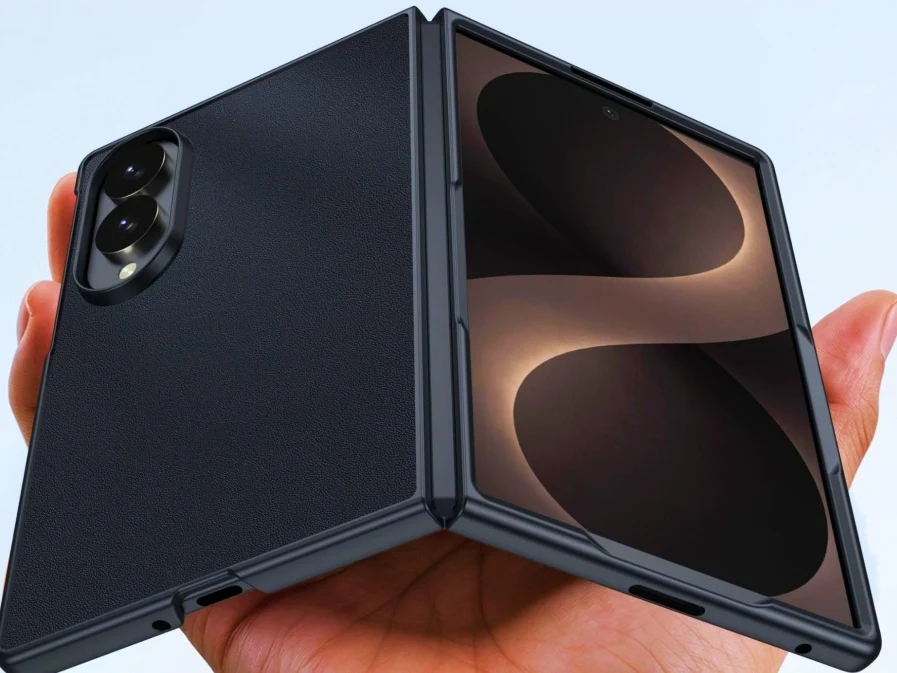
    New leaked images shared by one of the top smartphone tipsters provide a glimpse into the anticipated design of the upcoming Samsung Galaxy Z Fold 8 Wide. The photos showcase a tempered glass screen protector for the first time, emphasizing a significantly wider aspect ratio compared to previous Samsung foldables. The visuals seem to underline a bold shift in how the cover display behaves, which could influence daily usage in ways many users haven’t imagined yet. The imagery also hints at build choices that might affect durability and usability in real world scenarios, making this leak worthy of attention despite being unconfirmed by official channels.

    Wide variant aims for a more traditional cover experience

    This leak reinforces the growing consensus that the “Wide” variant is intended to offer a more traditional, smartphone-like experience on the cover display while transitioning to a near-square 4:3 inner screen for tablet-like productivity. Such a design could please users who favor a familiar single-screen feel when the device is closed, while still delivering expansive multitasking potential when unfolded. It suggests Samsung is balancing familiarity with productivity in its latest foldable strategy, though final specs remain speculative until official announcements are made.

    Overlaid guard image and comparisons

    The leakster has overlaid the screen guard with an image for illustration purposes. We can see a direct comparison of the Fold 8 Wide’s protector to that of the Huawei Pura X Max, suggesting Samsung’s wide foldable will be narrower when closed and wider when opened. This visual juxtaposition implies a design philosophy that prioritizes a more compact closed state without compromising an expansive display when opened, a trade off that many potential buyers will weigh against other competing devices in the market.

    Specifications teased: cover and inner displays

    Previous reports have highlighted that the wider variant of the Z Fold 8 should feature a 5.4-inch cover display and a 7.6-inch inner panel. To achieve its sleek form factor, the phone is rumored to make compromises in the camera department, allegedly ditching the telephoto lens in favor of a dual-camera setup. If true, this could mark a notable shift from Samsung’s typical camera line, affecting zoom performance and overall photo versatility, though final camera specs will only be verified by official disclosures.


    Sources

  • 4.4-Pound DIY Drone Reaches 454 MPH World Speed Record

    4.4-Pound DIY Drone Reaches 454 MPH World Speed Record

    Key Takeaway

    – Ben Biggs extended his RC drone speed record to an average of 685 km/h (425.6 mph), with a downwind peak of 730 km/h and an upwind run of 640 km/h.
    – Upgrades included higher propeller pitch, carbon fiber props, and a toothed propeller design to improve straight airflow and reduce spin effects.
    – The testing involved two drones, one lost to video feedback issues, and the other achieving record speeds but the windy conditions and extended full-throttle runs led to battery depletion and a crash with smoke.


    Overview of the Record Attempt

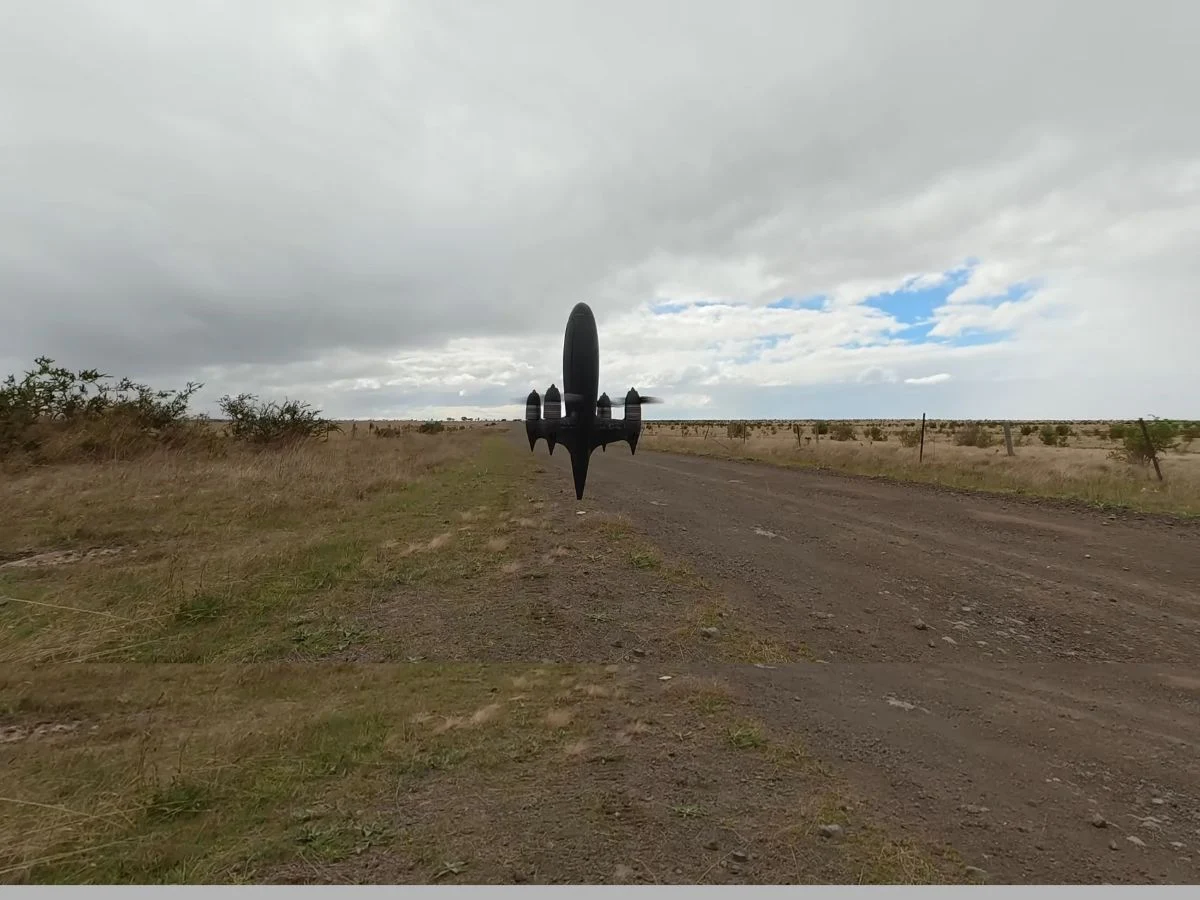
    Nearly four months after breaking the record for the world’s fastest RC battery-powered drone, DIY engineer and tech enthusiast Benjamin Biggs (Ben Biggs) is back with a blast, breaking his own record. The update shows a bold continuation in a rivalry where progress is measured in tens and hundreds of kilometers per hour, a pace that keeps the hobby thrilling and dangerous in equal measure.

    Background and Rivalry

    For those who have not been following the situation, Ben Biggs and the Bells have been going back and forth for a while, breaking each other’s records. But since Ben last took back the crown in January, the Bells have come up with no response (though they admitted they are currently working on it); now Ben has gone ahead to extend the record with a blistering 685 km/h (425.6 mph) average top speed.

    Technical Modifications

    To achieve this feat, Ben increased the pitch of his propellers and also switched to carbon fiber propellers. He also upgraded his propellers with a toothed design, which he says helps ensure the air flows straight past, instead of wrapping around the propellers in spin-wise directions.

    Flight Test Outcomes

    The flight tests went relatively smoothly, with him losing one drone due to a loss in video feedback. With a second drone, however, he was able to hit 730 km/h (453.6 mph) going downwind on a windy day; for the upwind run, he managed 640 km/h (397.7 mph). Because of the windy weather, he pushed the drone for longer at full throttle, which led to the batteries dying out and smoking after the drone crash-landed.

    Power and Performance

    During the runs, the 2-kilogram drone hit a peak power draw of 19.1 kW (25.6 horsepower) at 449 A and 42.5 V. Ben now plans to break the official Guinness World Record with his new drone. This remarkable power usage underscores the intense demands and risk associated with RC high-speed flight, where every watt counts and battery management becomes a critical safety factor.


  • Casio Affordable Sapphire Crystal Chronographs On The Way

    Casio Affordable Sapphire Crystal Chronographs On The Way

    Key Takeaway

    – New Casio Beside BMS-500 line (BMS-500D and BMS-500L) with 48.0 x 43.6 x 10.8 mm stainless steel case; 50m water resistance; sapphire crystal across all variants.
    – Four variants launch simultaneously (two bracelet: D-1A, D-7A; two leather: L-1A, L-7A) with black (1A) and white (7A) dial options; leather models have contrasting sub-dial colors.
    – Roman numeral dial with IIII at 4 o’clock, chrono sub-dials at 9 o’clock (60-min) and 24-hour indicator; main seconds hand for elapsed time; date window present.
    – Movement offers ~±20 seconds/month accuracy; battery life ~5 years; reinforced lugs for both bracelet and strap.
    – Pricing expected from ~$70 (leather) to ~$120 (bracelet); Japan launch window in June 2026 (no confirmed global availability yet).


    The latest chatter from Casioblog hints at Casio rolling out fresh watches in its Beside series as part of the BMS-500 collection, a throwback style chronograph that’s eyed for a June 2026 debut. This model line sits after the BMS-100 and BMS-300, with whispers that the module is a step up from its older kin.

    Four variants and material choices

    There are four versions arriving together: two with a stainless-steel bracelet labeled BMS-500D-1A and BMS-500D-7A, and two with a leather strap labeled BMS-500L-1A and BMS-500L-7A. The suffix decodes the dial color — 1A equals black, 7A equals white. The bracelet and strap versions diverge primarily in the sub-dial styling: leather models showcase sub-dials in a contrasting hue against the main dial.

    Dial details and layout

    The dial sports Roman numeral hour markers, and at the 4 o’clock mark the design sticks with the traditional “IIII” instead of “IV.” Chronograph sub-dials sit at 9 o’clock to mark a 60-minute counter, plus a secondary indicator that reveals 24-hour time. The central seconds hand tracks elapsed time during stopwatch use, and a date window is included for daily practicality.

    The case measures 48.0 × 43.6 × 10.8 mm in stainless steel, with reinforced lugs for both bracelet and strap configurations. Water resistance is rated to 50 meters, and the movement delivers around ±20 seconds of accuracy per month, while the battery life is pegged at about five years.

    noteworthy hardware and pricing

    One standout spec for this price tier is the inclusion of sapphire crystal across all four BMS-500 variants, a feature not always common in this segment. This is likely to appeal to buyers seeking durability and clarity. Price expectations place leather-strap models starting near $70, with bracelet versions climbing to roughly $120.

    Global availability details remain unconfirmed beyond a June 2026 launch window in Japan, leaving the rest of the world to wait for more updates.


    Sources