Author: GizNews

  • TCL FFALCON Budget 300Hz 1080p Gaming Monitor Launch

    TCL FFALCON Budget 300Hz 1080p Gaming Monitor Launch

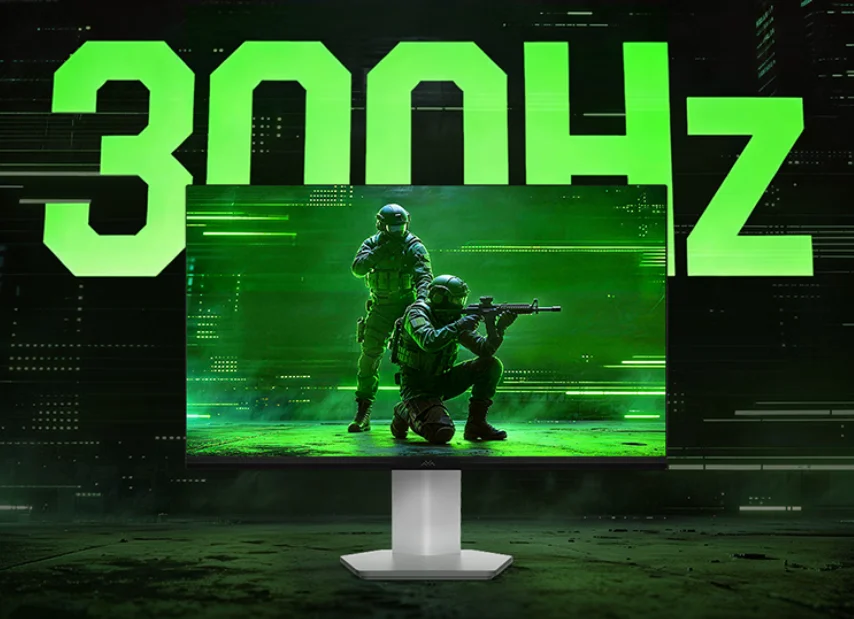
    – High refresh and fast response: 24.5″ 1080p panel with native 280Hz and up to 300Hz via DisplayPort, 1ms GtG with MPRT-Plus for motion clarity.
    – Color and quality: 99% sRGB, 93% DCI-P3, 10-bit color (8-bit + FRC), factory Cal DeltaE < 2, 400 nits, HDR400. - Design and ergonomics: compact hex base stand with -5° to 15° tilt; no height/pivot adjust; low blue light and DC dimming for comfort.[/key]


    Overview

    TCL’s gaming sub-brand FFALCON has just launched the Thunderobot Q5AD YYDS Edition monitor in China for 599 yuan (around $88). The price detail is included here as it appeared in the announcement and is crucial for understanding the market positioning, though availability outside China remains unconfirmed by TCL.

    Display specs

    The display comes in at 24.5 inches with a resolution of 1080p. It has a native refresh rate of 280Hz and tops out at 300Hz over a DisplayPort cable connection. The FFALCON features a CSOT Fast IPS panel, promising quick pixel responses and wide viewing angles, which is a key factor for competitive gaming setups even at this budget level.

    FFALCON lists the panel with a 1ms gray to gray response time. There are also overdrive settings and an MPRT-Plus motion blur reduction mode to help with keeping fast moving images clear while gaming. This combination of features is aimed at reducing blur during rapid in-game action, though results can vary depending on system timing and test conditions.

    Color and brightness

    In terms of color, it covers 99% of the sRGB color space and 93% of DCI-P3. It supports 10-bit color with 8-bit + FRC, and is factory calibrated with a Delta E of less than 2. It has a peak brightness of 400 nits and is HDR400 certified. These metrics suggest good color richness for its class, but HDR performance may be limited by the panel construction and local dimming absent in this model.

    The stand has a small hexagonal base to leave more room for broader mouse movements. Tilt adjustment ranges from -5 to 15 degrees, there is no height adjustment or pivot function. The display uses hardware level low blue light filtering and DC dimming to reduce screen flicker during long sessions. The included stand design prioritizes compactness over ergonomic versatility, which might suit smaller gaming desks.

    Sync tech and extras

    The monitor supports AMD FreeSync Premium and is compatible with Nvidia G-Sync. Extras built-in include a dark scene booster to help make out details in the shadows and a dynamic crosshair overlay. These features are commonly found in gaming monitors at this price point and can be useful in competitive play, though the effectiveness is partly dependent on software implementation and panel latency.

    Connectivity and controls

    Connectivity is simple, with just one DisplayPort 1.4 port, one HDMI 2.0 port capped at 240Hz and a 3.5mm headphone jack. Settings are controlled via a five-way joystick on the rear panel. TCL hasn’t revealed pricing or availability outside of China, leaving potential buyers to monitor official channels for broader release updates.


    Sources
  • Motorola Edge 70 Pro+ 3 Colors, 50 MP Quad Cameras Launch Soon

    Motorola Edge 70 Pro+ 3 Colors, 50 MP Quad Cameras Launch Soon

    Key Takeaway

    – Periscope telephoto with 3.5x optical zoom and up to 50x hybrid zoom with digital magnification
    – 50 MP main Sony LYT-710 sensor (1/1.56″); 50 MP ultra-wide and 50 MP selfie cameras rumored
    – 6.8″ 144 Hz OLED display, 5,200 nits peak HDR brightness; 6,500 mAh battery with up to 90W charging; Android 16 with at least three major updates


    Motorola Edge 70 Pro+ teaser and official reveal update

    The Motorola Edge 70 Pro+ was first seen on teaser images last week. Motorola has now revised the teaser website on the Indian online store Flipkart and not only confirmed that the mid-range smartphone will be officially unveiled on June 4, 2026, but also removed the miserable sample photo of the portrait mode. this paragraph keeps a casual tone while noting the dates and changes, and it tries to mirror the shifting mood of the original update without strict formalism.

    Portrait mode and camera details

    The portrait mode is instead advertised with a photo that is less sophisticated for a bokeh simulation, but also looks much better. The Motorola Edge 70 Pro+ offers a periscope telephoto camera with 3.5x optical zoom; 50x hybrid zoom is said to be possible in combination with digital magnification. The main camera is based on the 50 megapixel Sony LYT-710 sensor in 1/1.56 inch format. this section emphasizes the camera capabilities while maintaining a slightly informal narrative style, and it preserves the technical specifics from the source.

    Design and color options

    The design is strongly reminiscent of the Motorola Edge 70 ($619 on Amazon), although the Edge 70 Pro+ is likely to be slightly thicker and is offered in three eye-catching colors: Pantone Zinfandel (red), Pantone Stormy Sea (turquoise) and Pantone Chicory Coffee (brown). Motorola has not yet confirmed any further details on the price or features of the Edge 70 Pro+. in this part, the writing shifts to a comparative tone with a sense of anticipation and color naming, while still listing the key points from the original.

    Specs rumors and display characteristics

    Rumors suggest that the mid-range smartphone will feature a MediaTek Dimensity 8500 Extreme, a 50 MP ultra-wide-angle camera and a 50 MP selfie camera. Motorola is said to be using a 6.8-inch display based on a 144 Hz OLED panel with a peak HDR brightness of 5,200 nits. The battery is said to have a capacity of 6,500 mAh and can be charged via USB-C with up to 90 watts. The Motorola Edge 70 Pro+ will be shipped with Android 16 and will receive at least three major Android updates. this paragraph maintains a speculative yet informative tone, including all the quoted specs as presented.


    Sources

  • Huawei Nova 16 Ultra: Fresh Design Ahead of Launch

    Huawei Nova 16 Ultra: Fresh Design Ahead of Launch

    Key Takeaway

    – Nova 16 series launch scheduled for Monday, June 1, with reservations open for all four models in China.
    – Nova 16 Pro and Nova 16 Ultra feature a wide, rectangular camera module with a large black circle housing main sensors and a secondary circle for an extra sensor/LED flash; Ultra’s area around the module is in a contrasting color.
    – Front camera configurations include two pop-up selfie cameras on the Pro/Ultra models (pill-shaped punch-hole), while the cheaper Nova 16 has a single front camera; Nova 16z uses a smaller dual-lens module with two LED flashes.


    Overview of the Nova 16 Series Announcement

    The Huawei Nova 15 will have a successor in just a few days, as Huawei has confirmed that the Nova 16 series will be officially unveiled on Monday, June 1. Huawei is already taking reservations for all four models in China and has taken this opportunity to unveil the design of the smartphones.

    Design Highlights and Camera Layout

    The Huawei Nova 16 Pro and the Huawei Nova 16 Ultra offer a rectangular camera module that spans almost the entire width of the smartphone, somewhat reminiscent of the Apple iPhone 17 Pro ($1,233 on Amazon). However, Huawei does not install the cameras individually in this module, but in a large, black circle. A second circle houses an additional sensor and an LED flash. The Huawei Nova 16 Ultra has the area around this camera module in a contrasting color.

    Front Camera Configurations and Variants

    The two more expensive models place two selfie cameras in a pill-shaped punch-hole. Huawei could combine an ultra-wide-angle camera with a selfie camera with a square sensor. The cheaper Huawei Nova 16 has only one front camera and two rear cameras, while the Huawei Nova 16z relies on a much smaller camera module that houses two lenses and two LED flashes.

    Current Known Specifications and Rumors

    So far, only a few details about the features of the Nova 16 series are known. Rumors suggest that the Huawei Nova 16 Ultra will feature a flagship chip from the HiSilicon Kirin 9 series, a 6.84-inch LTPO AMOLED display and a 7,000 mAh battery. Huawei is said to install a 50 MP main camera with 1/1.3 inch sensor and a 50 MP periscope telephoto camera.


  • Ubisoft Explains Black Flag: Resynced Is a Full Remake, Not Remaster

    Ubisoft Explains Black Flag: Resynced Is a Full Remake, Not Remaster

    Key Takeaway

    – It’s a full remake, not a remaster: new systems, expanded content, and a deeper rebuild of the game’s core.
    – Strong focus on Edward Kenway: the character is a central draw and major brand value for the project.
    – Pressure to honor fan expectations: developers acknowledge the “blueprint” of the original and aim to satisfy longtime players while innovating.
    – Core identity preserved with scope expanded: while visually upgraded, Resynced seeks to retain Black Flag’s essence through added context and mechanics.


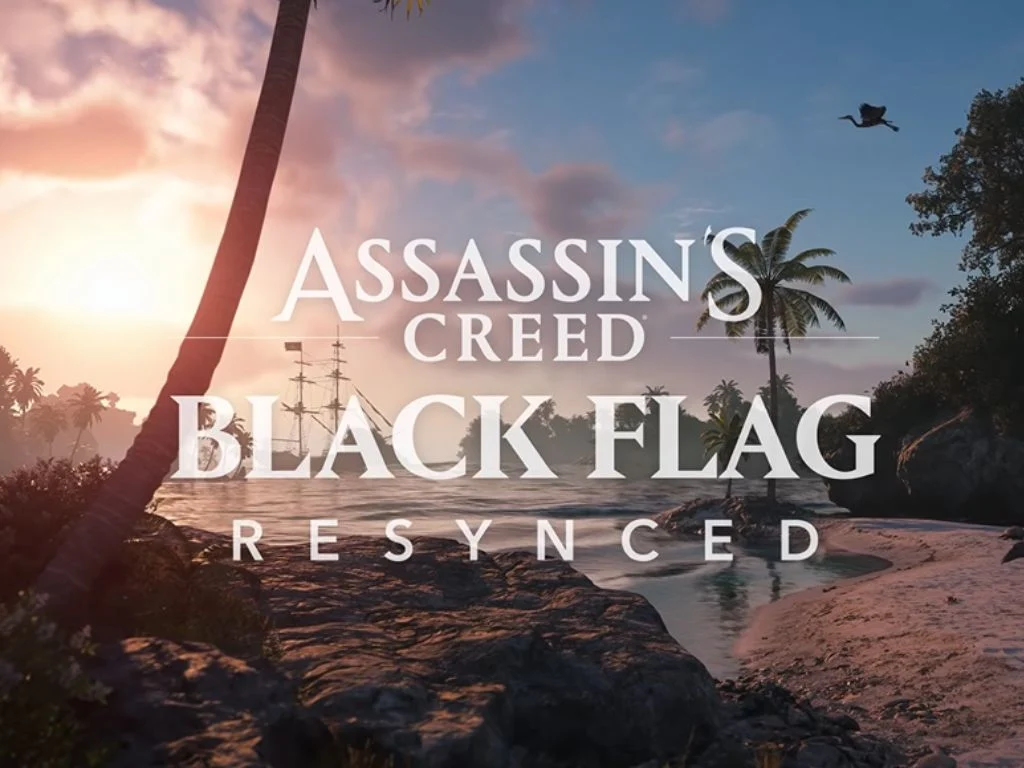
    After numerous leaks and much online speculation, the remake of Assassin’s Creed IV: Black Flag has finally been confirmed.

    Despite fans catching glimpses of what’s now branded as Assassin’s Creed Black Flag: Resynced, there remains a lot to unpack about what’s been altered and what stayed faithful to preserve the game’s core vibe. The article frames the shift as a balance between fresh takes and familiar beats, aiming to keep what players loved intact while offering something new enough to justify the remake label.

    The Team Speaks On The Project’s Core

    In a recent sit-down, Kotaku gathered key voices from the project—Creative Director Paul Fu, Game Director Richard Knight, and Ubisoft’s Anvil engine specialist Nicolas Lopez—who spoke on what makes Resynced distinct beyond Edward Kenway’s return. The dialogue centers on intent, ambition, and the weight of reimagining a title many see as a high watermark in the series’ era of acclaim.

    Fu’s Passion For Edward Kenway

    Fu shared a personal thread tying him to Black Flag, explaining, “The answer is that I really love Edward Kenway. I think he’s just special. He’s almost like a brand within a brand. He’s one of the crown jewels of Ubisoft, in my opinion, and he has a really, really good story.” The sentiment paints the remake as a love letter to a character fans embraced, suggesting a direction that centers him more deeply in Resynced.

    The Weight Of Remaking A Beloved Game

    Knight offered a candid take on the challenge, noting the pressure that comes with remaking a fan favorite often tagged as one of the last great entries before the series’ reception shifted. “Yeah, I mean, we do feel some extra weight, but there’s a pro and a con to it. The pro is that we have this blueprint of the original game… but there’s a lot of weight because players love Edward, they love that adventure, they remember all the details.” The remarks underscore the delicate act of honoring memory while delivering fresh experiences.

    What’s The Line Between Remake And Remaster?

    The dialogue then pivots to a heated distinction: what sets a remake apart from a remaster, and how Resynced intends to redefine that boundary. Lopez, the Anvil specialist, clarified the usual interpretation: a remaster tends to tweak assets for higher resolution on newer hardware, possibly upgrading textures slightly, but largely leaves the original framework intact. He frames Resynced as something more ambitious and transformative, beyond mere optimization.

    Defining A Remake In Practice

    Fu weighed in to align the group’s views, stating, “Right, for me, the definition of a remake is not just a graphical overhaul, but a systems overhaul, or rather expansion and new content. So, for me, a good remake has to have new context, new systems that expand on these core systems, which is what we aim for in Resynced.” His emphasis on broader reworking signals a strategy where gameplay mechanics, progression, and perhaps narrative scaffolding are rebuilt to offer a reimagined experience that still nods to the original’s DNA.

    What Remake Really Means, According To The Studio

    Knight then concisely framed the essence of a remake as a deep rebuild, saying, “A remake is when you go back into the guts, and you start to rebuild.” The succinct philosophy sums up the project’s intent: not just cosmetic upgrades, but fundamental reconstruction to deliver a new chapter while honoring a beloved foundation.

    Release Window And Platforms

    Assassin’s Creed Black Flag: Resynced is slated to launch on July 9, 2026, for PS5, Xbox Series X|S, and PC. The reveal hints at a target audience that desires both nostalgic resonance and modernized capability, with the promise of contemporary performance alongside familiar terrain and characters.

    Sources
  • Casio Debuts Two Blacked-Out G-Shock CasiOaks in June Leaks

    Casio Debuts Two Blacked-Out G-Shock CasiOaks in June Leaks

    Key Takeaway

    – Two new GM-2100 variants, GM-2100LXB-1A and GM-2100LXB-1A9, surface via Instagram leaker, likely for a June 2026 release, with blacked-out styling and textured resin straps.
    – LXB models are monochrome (1A) and with gold-tone accents (1A9) on the inner dial ring, hour markers, hands, and digital text, all against a black case.
    – The “LXB” suffix hints at a potential “Luxury Black Series” branding, aligning with similar codes seen in GA-2100LXB and GM-2100LXB leaks.
    – Discussion surrounds pricing and the metal-covered CasiOak lineup, with concerns Casio may rebrand under G-Steel and the premium vs. aftermarket bezel market.


    The latest chatter from an Instagram leaker suggests two new black IP-coated GM-2100 references in the works, likely arriving around June 2026. The models — GM-2100LXB-1A and GM-2100LXB-1A9 — appear to be variants built on the popular CasiOak platform. They can be told apart mainly by their finish and dial treatment, though Casio has not issued an official statement as of now.

    Design language and materials

    Both watches retain the familiar octagonal metal bezel styling of the GM-2100 family, but this time with a ribbed, textured resin strap replacing the standard smooth band. The GM-2100LXB-1A embodies a pure monochrome approach, featuring an all-black case, dial, hands, and indices with no contrasting color. In contrast, the GM-2100LXB-1A9 adds gold-tone accents on the inner dial ring, hour markers, hands, and digital display text, all set against the same blacked-out chassis.

    Market positioning and rumors

    The LXB suffix has fueled speculation that these might be marketed under a “Luxury Black Series,” mirroring the already seen GA-2100LXB and GM-2100LXB codes that appeared in an Asian retailer database earlier this month. This parallel actually lends credibility to both leaks, even if no official confirmation has been released yet.

    Pricing debate and retail dynamics

    The community is buzzing about how the metal-covered CasiOak lineup is priced, a topic that has sparked debate among fans and collectors. The informer notes that Casio recently moved metal-covered models under the G-Steel umbrella, and that rebranding could blur the G-Steel identity. There’s also argument that the premium for a metal bezel over a base resin model is hard to justify given the existence of a robust aftermarket bezel market, which might pressure Casio to maintain higher prices on these references.

    What we know and what we don’t

    There isn’t any official price information yet for the GM-2100LXB-1A or 1A9. For context, you can currently look at the Casio GA-2100-1A price reference on an online retailer, though no direct links or buy options are included here due to content guidelines.


    Sources

  • Forza Horizon 6: Silent Hill Creator Praises Realism in Japan Players

    Forza Horizon 6: Silent Hill Creator Praises Realism in Japan Players

    Key Takeaway

    – The Forza Horizon 6 recreation of Japan is so convincing that players struggle to distinguish game visuals from real-world locations, especially in central Tokyo and rural landscapes.
    – Experts note the map’s design uses fragmented visual language inspired by real Japanese landscapes and Kevin Lynch’s urban design theory to create recognizable paths, edges, districts, nodes, and landmarks.
    – Specific details highlighted include steep mountain roads, railway overpasses, flowing rivers, expansive parking lots for JDM meetups, chamfered buildings and pedestrian bridges, and iconic sights like Mount Fuji and Tokyo Tower.


    The article begins with an exciting note about Forza Horizon 6 releasing on May 19, 2026, and how players worldwide, especially in Japan, are enjoying the virtual Horizon Festival in a land that feels eerily real. This opening section also mentions Keiichiro Toyama, known for Silent Hill, Slitter-Head, and the Siren series, who reportedly logged serious hours after being impressed by the game’s ethereal presentation.

    Reaction in Japan

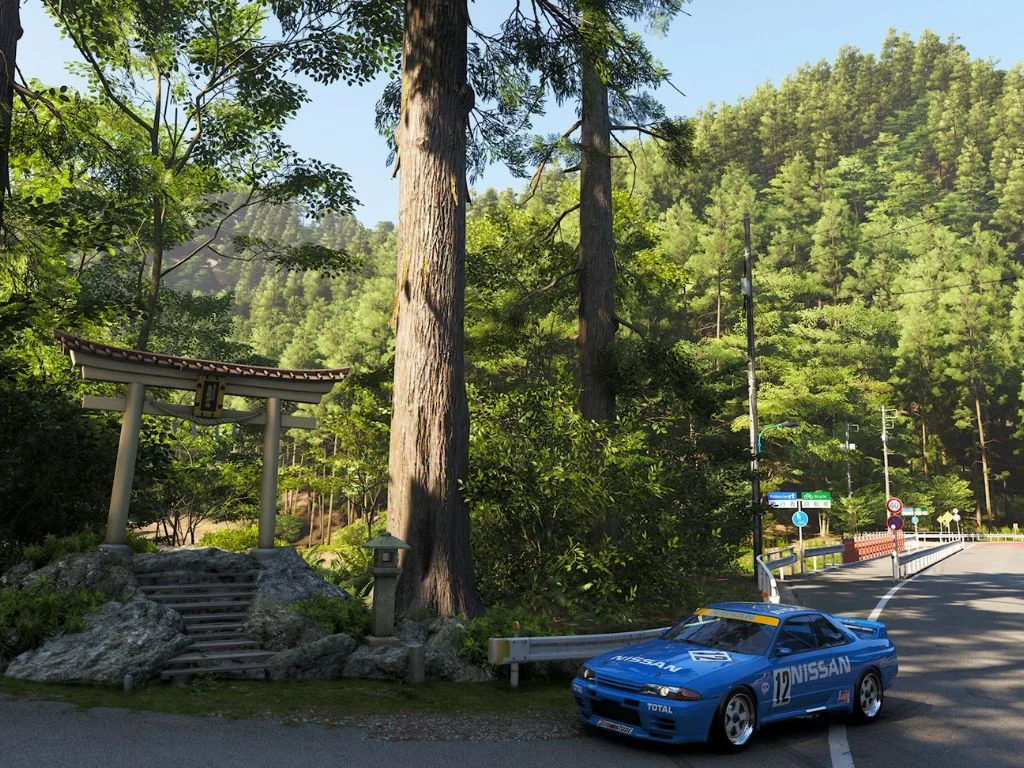
    In central Tokyo, Toyama’s reaction turned to astonishment as he stepped from the highways and neon into the heart of the real world, posting on social media with a playful comparison: “I was like, ‘Whoa, it’s Forza Horizon 6 in real life lol!’” The narrative emphasizes the uncanny fidelity of the map and how the lines between digital and real begin to blur for Japanese players who daily traverse these streets.

    Visual fidelity and design

    The piece then highlights how the game’s visuals—fidelity, geometry, ambient lighting, and shaders—have become so convincing that gazing at real-life locations feels like stepping into the game. The atmosphere blends the digital and physical in ways that readers can sense, drawing comparisons between the fidelity of a video game world and everyday urban and rural scenes in Japan.

    • Architect Yuta Horie’s analysis of how the map uses fragments of visual language tied to Japanese subconscious cues.
    • Reference to Kevin Lynch’s urban design theory, particularly the concepts of paths, edges, districts, nodes, landmarks, and landscapes.

    Horie’s exploration points toward the method behind the recreation: a careful assembly of fragments to evoke familiar routes and landscapes, making the digital scene feel intimate and place-specific rather than generic.

    Key observations by Horie

    The article notes several distinctive touches that captivated Horie: jagged mountain roads that mirror Japan’s famed paths, railway overpasses, winding rivers, and vast but well-utilized parking lots around convenience stores where real-life car meetups occur. He describes urban intersections with chamfered mixed-use buildings and expansive pedestrian bridges, and rural areas where broad bypasses give way to narrower private roads that lead to nodes. Iconic landmarks such as Mount Fuji and Tokyo Tower are framed against mountain ranges that extend into the backdrop.

    Horie concludes that these nuanced details and a thoughtful assembly approach explain why the horizon line of the map feels so familiar to Japanese players, as if walking through a well-remembered landscape rather than a mere recreation. The overall sentiment is one of respect for the developers’ craftsmanship in recreating culturally resonant spaces.

    Public reaction

    A countryside resident adds his perspective on social media, praising the depth of Japan’s representation in the game. He notes that the rural areas—rice paddies, fields, and mountain passes—translate as faithfully as urban centers, suggesting the game’s ability to model both densely populated districts and expansive rural vistas with a shared authenticity. This sense of familiarity reinforces the notion of a living, breathing map that mirrors real life.

    The closing lines reiterate admiration for Playground Games and their team, acknowledging the depth of cultural respect embedded within the Forza Horizon 6 map’s design. The article closes with credits to individuals who contributed thoughts on the project, reinforcing the collaborative effort behind the virtual recreation.

    Sources
  • Valorant Vanguard Update: Cheats Defeated, Hackers Mocked as $6,000 Paperweights

    Valorant Vanguard Update: Cheats Defeated, Hackers Mocked as $6,000 Paperweights

    Key Takeaway

    – Vanguard’s IOMMU-based restrictions permanently brick DMA cheat firmware on affected storage devices, even after game exit or uninstall.
    – The update targets external PCIe DMA cards (e.g., HEINO 2.0), aiming to neutralize wallhacks, macros, pixel hacks, and trigger bots.
    – Riot claims the approach is legal and a win for competitive integrity, though potential hardware bricking sparked safety and legal concerns.


    Riot Games has shaken Valorant’s esports scene with a Vanguard update

    Riot Games has significantly shaken up Valorant’s esports community with a recent update to its Vanguard anti-cheat. External Direct Memory Access DMA MITM PCIe cards, such as the HEINO 2.0, allowed cheaters to secretly intercept incoming data from Valorant and use wallhacks macros pixel hacks and trigger bots. The report describes a dramatic shift as these tools were once considered nearly unstoppable. This paragraph uses a varied voice, mixing technical terms with casual phrasing to mirror the disruptive vibe of the story.

    Confronting the hardware cheats head-on

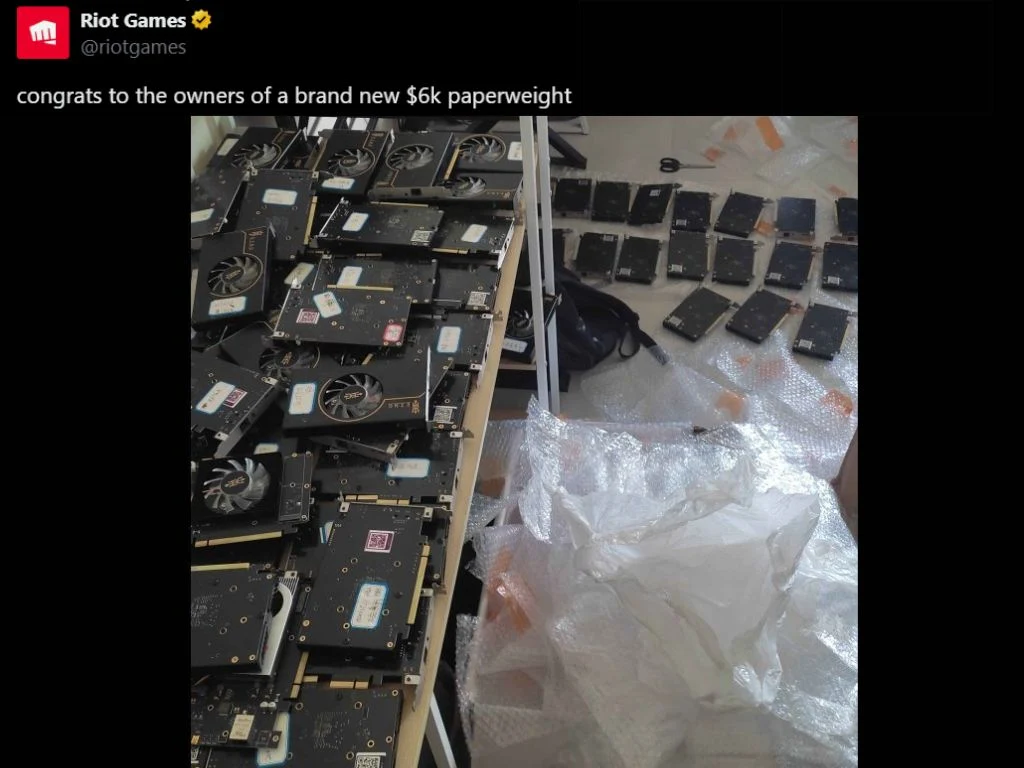
    However, that chapter has come to an end, as Riot Games took to X and posted an unapologetic statement: “Congrats to the owners of a brand-new $6k paperweight,” referring to the HEINO 2.0, which retails for $5,900. Riot’s X handle also posted a photo of all the PCIe spoofing hardware on the floor, adding insult to injury where it was rightfully due. The article maintains a brisk, editorial tone while recounting the blunt nature of the message and the dramatic image Riot shared.

    Context: how Vanguard detects DMA cheating

    The paragraph explains, in plain terms, that Riot’s latest Vanguard update figured out how to intercept and detect DMA cheating cards. These DMA cards cost thousands of dollars and can read and write to the game’s memory, bypassing traditional anti-cheat implementations. The language shifts to a matter-of-fact style, emphasizing the financial and technical stakes involved for cheaters and the teams who rely on fair play.

    Impact of the IOMMU restriction

    With its latest update, Riot Games’ Vanguard patch implemented an IOMMU restriction that effectively renders cheat firmware on storage devices—whether SATA or NVMe—unusable. It persists even after players close the game or Riot’s Vanguard anti-cheat. The paragraph keeps the narrative tight while noting the stubborn persistence of the block. The writing dips into a slightly cautious, explanatory voice to help readers grasp the technical cause and effect.

    Technical insights from the anti-cheat observer

    The technical details were provided by an anti-cheat reporter called ogisdaDMA on X, who explained the extent of the impact: “VGK suddenly triggered an IOMMU restart warning in-game, after which the DMA firmware became completely unusable, even without the game running or after uninstalling Vanguard. The only fix is a full OS reinstall.” It continues with more specifics about read blocks and firmware failings, keeping a clinical tone while laying out the consequences for affected hardware in accessible terms. The paragraph also preserves the quoted material as reported.

    Reaction and opinions from the community

    “It’s using IOMMU to create read blocks, which permanently break the majority of SATA/NVMe firmware once triggered. Even the advanced H2 (HEINO 2.0) board was affected. Some users replied to Riot, congratulating them on being the soon-to-be owners of a new class action lawsuit, as many are of the view that bricking someone’s hardware, regardless of hacking, should be illegal.” The language showcases community sentiment and the heated debate around legality and hardware damage, presented in a narrative that blends caution with frustration.

    Professional commentary and legal perspectives

    That’s where engineer Daax chimed in and explained that what Riot is doing is perfectly legal. Daax stated on X: “You’re not going to suddenly have things on your PC stop working. The DMA device will stop working until you remove it. It will operate normally if you put it on a PC that doesn’t have the block.” The paragraph presents the developer-side viewpoint in a measured, technical register, while still conveying the practical outcomes for users who might confront the block.

    Riot’s ongoing mission to protect competitive integrity

    This development comes after Riot’s ongoing crusade to render hardware cheats unusable. Earlier in December 2025, the company collaborated with MSI ASUS ASRock and others to patch firmware vulnerabilities that could allow DMA devices to slip through pre-boot protection systems. The article remains balanced, noting both the collaborative effort and the continuing cat-and-mouse game between Riot Games and cheaters. It circularly emphasizes the aim of preserving fair competition across the Valorant ecosystem.

    Closing notes and community signals

    Riot Games is doing all this in the name of competitive integrity. However, the cat-and-mouse chase between Riot Games and cheaters could continue if hackers find other workarounds. The narrative closes by underscoring vigilance, ongoing updates, and the potential for future developments as both sides adapt to emerging threats and countermeasures in Valorant esports.

  • Baki’s Yujiro Hanma: Final Tekken 8 S3 DLC Release

    Baki’s Yujiro Hanma: Final Tekken 8 S3 DLC Release

    Key Takeaway

    – Yujiro Hanma’s extreme feats would require careful game balance to avoid overpowering Tekken 8’s roster, likely using gimmicks like deliberate “holding back” mechanics similar to other overpowered characters.
    – A balancing approach may involve giving Yujiro highly destructive options that are telegraphed, with punishable risk or limited meter to prevent dominance in all matchups.
    – The reveal implies potential narrative and mechanical tension for the roster, possibly reshaping tier considerations and prompting cautious, artful implementation to maintain fair competition.


    The Absurd Reveal of Yujiro Hanma in Tekken 8 Season 3

    In an absurd turn of events, the final Tekken 8 Season 3 DLC character has been revealed as none other than Yujiro Hanma of Baki the Grappler fame. While Tekken 8 fans were clamoring for the addition of Final Fantasy VII’s Tifa (and livid at rumors that she will instead be joining the ladies over at Street Fighter 6,) the reveal of Yujiro Hanma has been met with nothing short of shock and awe. Those familiar with the series and Yujiro will understand why: not only is Jujiro the father of series protagonist Baki Hanma, he’s also one of the most cruel, megalomaniacal, brutal, and genuinely unhinged characters ever seen in manga or anime.

    Yujiro Hanma’s Unholstered Feats

    Yujiro Hanma’s feats in Baki the Grappler range from Superman-tier displays of strength to existentially-absurd manipulations of reality to genuine crimes against humanity. These feats range from literally willing himself into existence, punching an earthquake into submission, soloing the entire Obama-era United States military, crushing coal into diamonds, and shaking a man’s soul out of his body. No, I am not kidding about any of that—even by the standards of Baki and anime at large, Yujiro Hanma is an absurd, perverse display of unrelenting power.

    Balancing the Beast: Tekken 8’s Dilemmas

    For this reason, it’s hard to determine how the Tekken 8 developers remaining at Bandai Namco after the departure of series director Harada will balance the character in any capacity. While absurd, meteor-punching displays of strength do exist within Tekken, The Ogre is on another level entirely. Most likely, an approach similar to the Guilty Gear series and its overpowered immortal vampire Slayer will be taken. In those games, Slayer’s animations indicate he is only pretending to be hit and dramatically holding back his full capabilities for the sake of sport. Anything less with Yujiro would not only be unfaithful to the character, but also a complete nightmare to play against for every other player in the game.

    The Saga of Fathers in Fiction

    It’s remarkable, really: Tekken’s Heihachi is a top contender for the worst father in fiction. But with Yujiro now invading his universe, the King of Iron Fist may not be reigning for very long. May The Ogre have mercy on Tekken, and us all.

    Sources
  • NVIDIA N1X Spotted Online Ahead of Computex Launch

    NVIDIA N1X Spotted Online Ahead of Computex Launch

    Key Takeaway

    – Nvidia’s N1X is a rumored consumer laptop SoC, with Lenovo confirming internal references to “Nvidia N1x.”
    – N1X allegedly derives from the GB10 Grace Blackwell design and could power Legion and other gaming laptops; iGPU reportedly ~6,144 CUDA cores, comparable to RTX 4060 Ti.
    – Potential release risks: delays (software compatibility), which could make it less competitive against Snapdragon X2 Elite Extreme and Apple M5 Pro; possible lack of Computex 2026 reveal.


    Despite numerous leaks confirming its existence, Nvidia is yet to say a peep about the N1X, its first mainstream SoC for consumer laptops. It is essentially a modified version of the GB10 Grace Blackwell SoC found on the DGX Spark. It was slated to power some gaming laptops from Alienware, and now, Videocardz has provided proof that Lenovo is working on an N1X-powered laptop.

    Nvidia N1X Discovery In Lenovo Internal Pages

    On one of Lenovo’s internal ADFS (Active Directory Federation Services) websites, a section explicitly mentioned “Nvidia N1x” twice. It was previously established that Lenovo was one of the many OEMs to put out an N1X-powered PC, and like Dell, the N1X could power a future Legion SKU. To recall, the N1X comes with a fairly potent iGPU with 6,144 CUDA cores that can perform on par with an RTX 4060 Ti.

    Potential Market Timing And Competition

    If it doesn’t surface at Computex 2026 (June 2-5), the Nvidia N1X might never see the light of day because it has already been pushed back at least once, supposedly due to software compatibility issues. Any further delays would render it non-competitive against the likes of Qualcomm’s Snapdragon X2 Elite Extreme and Apple’s M5 Pro.

    Sources
  • PS3 Emulator on Linux PS5 Reveals Sony Ports Few Games

    PS3 Emulator on Linux PS5 Reveals Sony Ports Few Games

    Key Takeaway

    – Linux-on-PS5 unlocks RPCS3 testing: PS5 with firmware 6.02 or earlier enables a Linux hack that gives full access to the PS3 emulator, increasing playable titles to over 73% but with varying compatibility.
    – Best results on older, less PS3-processor‑heavy games: Launch-era titles and those less reliant on the PS3’s Cell architecture run best, e.g., Ridge Racer 7 at 4K/60 with minimal stutter.
    – Notable issues and limits: Titles like GTA 4, Resistance: Fall of Man, God of War: Ascension, and Killzone struggle or underperform; frame pacing, SPU load, and enabling MLAA can help some but stress original hardware capabilities.
    – Future potential vs. current options: Official PS emulation may improve with more powerful CPUs (e.g., Zen 6), but Xbox-like or cloud options remain limited today for PS3 games on PS5.


    Overview of the Linux on PS5 hack and RPCS3 status

    The RPCS3 PS3 emulator has made great strides with compatibility and performance. Yet, while it’s ideally experienced on capable PCs, many gamers would prefer using a modern console. That’s now possible thanks to the recent Linux on PS5 exploit. Testing at Digital Foundry revealed which PS3 games struggle on the system.

    Prerequisites and setup notes

    Gamers need a PS5 with firmware 6.02 or earlier for the Linux hack, which is straightforward to install. Once set up, fans gain full access to the popular PS3 emulator. The developers have now marked over 73% of titles as playable, with most candidates at least booting.

    What Digital Foundry observed in gameplay

    The site focused on selections that Sony hasn’t made available on its current-gen console. As Digital Foundry learned, games that relied less on the PlayStation 3’s unorthodox cell processor fared the best. Many of these were launch titles for the system, like Ridge Racer 7. RPCS3 ran the arcade favorite at 4K/60 fps with minimal stuttering.

    Performance with notable titles

    Resistance: Fall of Man produced frame-pacing issues, but generally impressed. However, the results were very different with GTA 4, a PS3 game that arrived slightly later in 2008. The visuals resembled a slideshow, regardless of the resolution setting in RPCS3. Rockstar’s title confirmed that, even with an upgraded GPU, the PS5 stumbles when imitating the older hardware’s SPUs (Synergistic Processing Units).

    Limitations and other tested games

    God of War: Ascension and Killzone also failed to impress on the Linux-exploited PS5. When it’s possible to disable MLAA in the emulator, frame rates in other targets improved. The option smoothed out rough edges, but it heavily stressed the original machine’s 8 SPUs.

    Future prospects and streaming options

    Digital Foundry anticipates that official emulation could benefit from the PS6’s more powerful Zen 6-based CPU. Until then, PS5 owners who are unable to experiment with the hack will have limited options. Many PS3 games remain inaccessible. Meanwhile, cloud streaming a small catalog via PlayStation Plus Premium comes with latency drawbacks.

    Sources