Author: GizNews

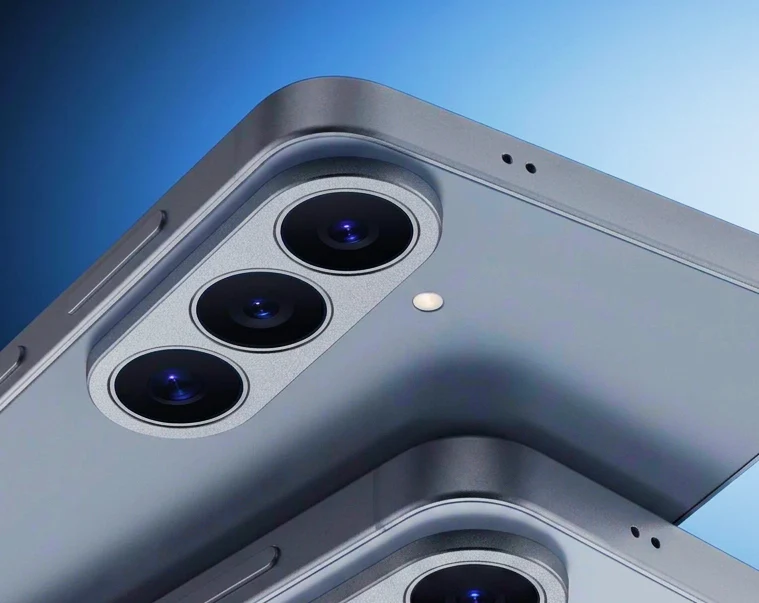
  • New Galaxy Z Fold 8 Ultra vs iPhone Foldable Ultra: Leaked details

    New Galaxy Z Fold 8 Ultra vs iPhone Foldable Ultra: Leaked details

    Key Takeaway

    – Samsung reportedly plans two Galaxy Z Fold 8 models: Galaxy Z Fold 8 and Galaxy Z Fold 8 Ultra, with the latter as the direct successor to the Z Fold 7.
    – The model referred to as the “Galaxy Z Fold 8 Wide” may be marketed simply as the Galaxy Z Fold 8, featuring a wider, shorter form factor.
    – The Galaxy Z Fold 8 Ultra is rumored to offer a 5,000 mAh battery, 45W charging, and an upgraded 50MP ultrawide camera, but might omit some high-end features like S Pen support and 60W charging.


    Fresh leak hints at Galaxy Z Fold 8 naming and lineup

    The rumor mill is buzzing with chatter that Samsung might shake up the naming game for the Galaxy Z Fold 8 series, and the twist focuses on what they call the next-gen foldables. Folks say two different models will arrive, each with its own distinct branding, rather than a broader single line. The details are still unconfirmed, so take them with a pinch of salt from the rumor mill.

    Two models reportedly in the works

    According to reports, Samsung plans to ship two separate devices: the Galaxy Z Fold 8 and the Galaxy Z Fold 8 Ultra. There’s talk that there won’t be a “Galaxy Z Fold 8 Wide” in the final lineup. What’s circulating suggests the device labeled as Galaxy Z Fold 8 Wide in leaks would simply be marketed as Galaxy Z Fold 8, even though it would keep a wider, shorter form factor as previously speculated. The naming drama keeps fans guessing about what the end product will actually look like.

    Ultra version rumored as successor to Fold 7

    Meanwhile, the Galaxy Z Fold 8 Ultra is described as the direct successor to the current Galaxy Z Fold 7. Rumored specs for the Ultra include a 5,000 mAh battery, 45W wired charging, and an upgraded 50MP ultrawide camera. These features would mark incremental upgrades over prior models, but the Ultra tag may not imply the most premium tech across all categories, depending on what Samsung decides to include or exclude.

    Possible caveats and official caveat

    Samsung’s foldable lineup for 2026 is currently shrouded in speculation, and even the “Ultra” label might not guarantee high-end bells and whistles. Some rumors indicate the Fold 8 Ultra may omit features like S Pen support, 60W charging, or Privacy Display technology that exist elsewhere in Samsung’s ecosystem. The naming scheme itself isn’t official, so readers should approach these details with caution until Samsung confirms anything.

    Event timing and cross-brand competition

    In terms of timing, the Galaxy Z Fold 8 series and the Galaxy Z Flip 8 are anticipated to debut at Samsung’s next Unpacked event, widely tipped to occur on July 22. The broader scene includes other major players. Apple, for instance, is said to be eyeing a foldable iPhone Ultra around September with a wider design that resembles the Fold 8 rather than the Fold 8 Ultra. This creates an interesting contrast in how different firms approach foldables this year.

  • Brilliantly Told FPS on Steam Hits Best Price: $7.50 (Originally $30)

    Brilliantly Told FPS on Steam Hits Best Price: $7.50 (Originally $30)

    Key Takeaway

    – BioShock Infinite delivers a strong narrative within a first-person shooter framework, praised as a brilliantly told story despite its 2013 age.
    – The game combines hard-hitting FPS action with supernatural abilities and a linear level design, offering focused gameplay and atmospheric world-building.
    – It remains widely recommended, with high scores (90/100 GameStar, 94% positive on Steam, 8.6 Metacritic user score) and a favorable price history showing it frequently discounted to around $7.50 on Steam.


    BioShock sale and overview

    BioShock is known for being a true first-person shooter while also delivering a genuinely strong story. The latest installment in the series is once again available on Steam at its best price, with a 75% discount bringing it down to around $7.50 instead of $30. Gamers who enjoy first-person shooters and want a game with narrative depth should get their money’s worth here. Those who would rather save their money this month for new releases such as 007 First Light should get another chance soon, however. According to SteamDB’s price history, the most recent BioShock installment is regularly available at this price.

    Setting and premise

    Set in 1912, Infinite puts players in the role of war veteran and former Pinkerton agent Booker DeWitt, who is sent to the flying city of Columbia to rescue a woman named Elizabeth and ends up caught in a conflict between two political factions. What may sound like a rather unspectacular premise becomes a varied and surprisingly deep story in BioShock Infinite. In its review, German gaming magazine GameStar even called it a “brilliantly told first-person shooter” – and in gameplay terms, that is exactly what BioShock is: a hard-hitting first-person shooter with linear levels that relies not only on weapons, but also on supernatural abilities.

    Reception and performance

    BioShock Infinite is also very strong atmospherically, even though the 2013 game no longer looks cutting-edge by modern standards. Steam Deck compatibility is listed as “Playable.” According to GameStar, some players may miss having more freedom of choice in the story. The enemy mechanics are also said to lack variety. Overall, however, the game still received 90 out of 100 points. On Steam, BioShock Infinite has around 144,000 reviews with a very positive average of 94%. On Metacritic, it has a Metascore of 94 and a User Score of 8.6.


    Sources

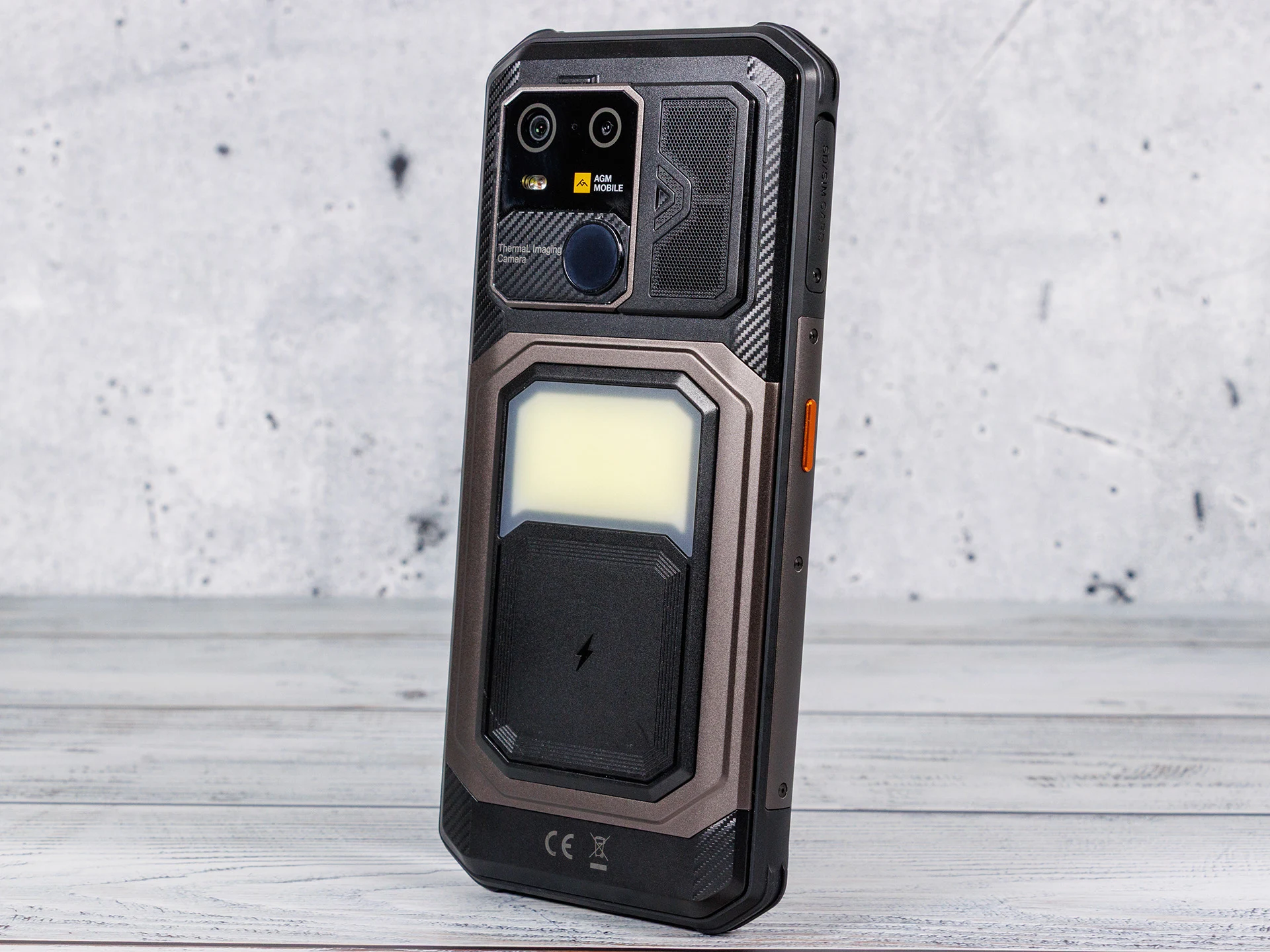
  • AGM G3 Pro: Thermal Imaging Tech for Wide Applications

    AGM G3 Pro: Thermal Imaging Tech for Wide Applications

    Key Takeaway

    – Built-in thermal imaging camera enables quick visualization of temperature differences for trades, maintenance, and outdoor use, including electrical, heating, and building envelope issues.
    – Two modes: user-selected measurement point or automatic hot/cold spot detection for fast problem identification.
    – Readable display with practical detail, but expect up to ~5°C higher readings than reference infrared thermometers, limiting high-precision use.
    – Smartphone integration allows immediate saving, viewing, and documentation of thermal images, effectively replacing a separate thermal camera in many scenarios.


    AGM G3 Pro review summary

    The AGM G3 Pro’s thermal imaging camera is one of the device’s key unique selling points and is primarily aimed at users in the trades, maintenance, or outdoor sectors. It makes it possible to visualize temperature differences that are not visible to the naked eye, such as in electrical installations, heating systems, or heat loss in buildings. There must be some everyday nuances described here, but the core idea stays the same: seeing heat where you normally cannot.

    Operational modes and practical use

    In practice, the camera offers two basic modes: First, a freely selected measurement point in the image can be evaluated directly; second, the system automatically detects the warmest and coldest areas in the captured field of view and highlights them accordingly. This allows potential problem areas to be quickly identified without having to manually search for conspicuous areas. The approach is practical for on‑site checks and quick assessments, though it may miss nuanced patterns if limits or settings aren’t adjusted properly.

    Display quality and accuracy notes

    In testing, the display is easy to read and provides sufficient detail for typical applications. However, there is a certain degree of deviation in accuracy: the measured temperatures tend to be slightly higher than those of a conventional infrared thermometer. In testing, this difference can be up to 5 °C, depending on the surface texture. This is also confirmed by contact measurements taken with the Fluke t3000 FC. The camera is nevertheless well-suited for rough diagnoses and orientation, but only to a limited extent for high-precision measurements in professional settings.

    Smartphone integration advantages

    The direct integration into the smartphone system is particularly practical, allowing thermal images to be saved, viewed, and used for documentation purposes immediately. As a result, the AGM G3 Pro (buy here on Amazon) replaces a separate thermal imaging device in many situations, even if it does not fully match its measurement accuracy. The seamless workflow means fewer devices to carry and faster reporting, though some users may still prefer a dedicated unit for critical tasks.

    Overall assessment

    Despite its limitations in precise measurement, the G3 Pro offers a compelling mix of mobility, immediacy, and functional imaging that suits many field tasks. The camera’s ability to present quick visual cues about heat distribution helps teams identify potential problems earlier, plan repairs, and document findings on the go. In contexts where pin‑point accuracy matters most, operators should calibrate expectations and consider supplementary tools when needed.

    Sources
  • Hogwarts Legacy 2 Reveal Nearing: What to Expect

    Hogwarts Legacy 2 Reveal Nearing: What to Expect

    Key Takeaway

    – Rumors suggest Hogwarts Legacy 2 could be announced at Sony’s State of Play on June 2, but nothing official has been confirmed.
    – The credibility is mixed: leaker Tidux has an inconsistent track record, and Reddit discussions remain skeptical.
    – If real, the game might tie into the HBO Harry Potter series and be set during Harry Potter’s era, with potential timing considerations for marketing.


    Hogwarts Legacy 2 rumors swirl as HBO series chatter grows

    There are ongoing whispers about Hogwarts Legacy 2 alongside talk of HBO’s Harry Potter series. The buzz suggests that the sequel to the acclaimed open‑world game might get announced at a major event — specifically Sony’s State of Play. The PS5 version of the first game is noted around $28 on Amazon, a price detail that some fans keep in mind as prompts for the sequel’s arrival grow louder. Yet despite the momentum, the rumors are not settled and carry a fair amount of skepticism from the community.

    Speculation sources and credibility

    Fresh chatter reportedly came from a post by a known leaker on X, with Tidux cited as the source. Reddit users, meanwhile, responded with wariness and doubt, pointing out that Tidux has a long history of mixed accuracy. The overall sentiment among fans is divided, as some see a plausible path to a reveal at the next State of Play, while others dismiss the talk as unreliable. The credibility of these hints remains unconfirmed and debated in online spaces.

    Marketing timing and strategic considerations

    Some Redditors argue that Warner Bros. Games would want to leverage the success and hype surrounding the Hogwarts world to push the sequel. With an anticipated HBO series adaptation slated for December 2026, a timely announcement would be advantageous for crafting a cohesive marketing campaign. The first game’s association with PlayStation also fuels the theory that Sony might maintain marketing rights, making a reveal at State of Play feel feasible to fans.

    Potential storyline ties and risks

    There are hints that Hogwarts Legacy 2 could tie into the HBO series in terms of its narrative, potentially placing the story during Harry Potter’s era, unlike the original game. This shift has sparked concern among some fans who worry about how changes to lore and timeline might be received by purists. However, until an official statement drops, such connections remain speculative, with no concrete confirmation beyond rumor and discussion.

    Official information and future updates

    At this time, there is no official confirmation about Hogwarts Legacy 2, its release window, or any connection to HBO’s Harry Potter adaptation. The prospect continues to be a topic of lively discussion across fan communities, with many waiting for a formal reveal from publishers or developers. Readers should keep an eye on credible channels for concrete news, rather than relying on speculative posts.

    Sources
  • Windows 11 Insider: Screen Tint and Voice Isolation Added

    Windows 11 Insider: Screen Tint and Voice Isolation Added

    Key Takeaway

    – Accessibility upgrades: screen tint for global color overlay, plus a new on-device voice isolation filter for Voice Access and plug-and-play HID Braille display support.
    – Magnifier update: touch panning bars disabled by default, with an option to re-enable for touchscreen users.
    – Reliability and tweaks: fixes for explorer.exe crash loops, duplicated quick settings, broken IME candidate windows, and sporadic audio muting; new Windows Ready Print toggle.


    Windows 11 Experimental channel adds screen tint, Braille support, and Voice Access isolation

    Microsoft’s latest Windows 11 Experimental channel update lands with a clear accessibility push, introducing screen tint, plug-and-play Braille display support, and a new voice isolation filter for Voice Access. Build 26300.8497, released May 22, arrives alongside three other simultaneous Insider flights and marks the first notable update since the channel formerly known as Dev adopted its new name. The countdown to a more inclusive experience continues to unfold with this release, and the changes are positioned to help a variety of users navigate daily tasks more comfortably.

    New screen tint and accessibility enhancements

    The headline addition is screen tint, a system-wide accessibility setting that applies a color overlay across the entire display to soften its intensity and reduce eye strain throughout the day. It lives in the accessibility settings and targets users who need a gentler screen output without reaching for third-party tools. The tint option aims to provide a quicker, built-in path to a calmer viewing experience, especially during long sessions at the computer, and it marks a noticeable step toward broader in-platform customization.

    Hands-free Braille and Voice Access improvements

    Narrator picks up plug-and-play support for HID-standard refreshable Braille displays, with USB connection working out of the box and Bluetooth pairing available through Windows Settings. This integration brings a more seamless experience for users who rely on tactile feedback devices, reducing setup friction and enabling faster access to on-device content without extra software layers. The move underscores Microsoft’s commitment to inclusive tech during active development cycles, even as other features continue to shift in response to tester feedback.

    Voice isolation and other user interface tweaks

    Voice Access gets a voice isolation toggle that strips nearby speech and background noise while keeping all processing on device. Magnifier also changes in this build: touch panning bars are now off by default, with the option restored for touchscreen users who want them. These adjustments reflect ongoing refinements to accessibility tools, balancing performance with user preferences and ensuring that core capabilities stay responsive across a range of hardware configurations.

    Stability fixes and release context

    Reliability fixes cover the explorer.exe crash loop that has dogged recent test builds, along with duplicated quick settings, broken IME candidate windows, and reports of audio randomly muting across different hardware configurations. A dedicated toggle for Windows Ready Print also lands in this release. The focus on reliability signals Microsoft’s intent to reduce disruptive issues as Insider channels experiment with new features and configurations, even as some changes remain in flux during this development phase.

    Channel lineup and transition notes

    Build 26300.8497 is one of four simultaneous flights released May 22. The others are Beta (26220.8491), Experimental 26H1 (28020.2149), and Experimental Future Platforms (29595.1000). That last track replaces the Canary channel and covers early foundational work on Microsoft’s next-generation Windows platform. Not all enrolled devices have received the updated channel labels yet, and Microsoft notes the transition is still ongoing. Features in the Experimental channel remain subject to change, removal, or cancellation before any stable release. Insiders who want the build immediately can enable rapid updates in Windows Update settings.

    Security timing and closing notes

    With the first Secure Boot certificate expiration arriving on June 24, this build lands at a moment when Windows security plumbing is under close attention. The timing underscores the ongoing emphasis on safeguarding platform integrity while expanding experimental features, balancing experimental flexibility with core protections that undergird daily use across diverse hardware setups. As always, users are advised to monitor update notes for any further refinements or caveats associated with this build.

    Sources
  • Whoop Free Health Wristband Debuts in One Market

    Whoop Free Health Wristband Debuts in One Market

    Key Takeaway

    – Whoop’s hardware is now sold separately in Australia, but use still requires an ongoing subscription, making it overall one of the most expensive options.
    – Subscriptions remain the main cost driver, with annual fees (AU$300) or higher for ECG variants, often making the first-year total comparable to previous bundles but expensive long-term.
    – Competitors (Amazfit Helio Strap, Polar Loop, Google Fitbit Air) offer data access or hardware without mandatory ongoing subscription, presenting a cheaper core option.


    In this piece, the focus is on wearables and how pricing models shift with new hardware options, especially in Australia. The discussion notes that devices like Amazfit Helio Strap and Polar Loop don’t require subscriptions, while Google Fitbit Air is priced at 99 dollars on Amazon and offers access to collected data without monthly fees. Whoop, on the other hand, takes a different route—without a pricey subscription, the wristbands become largely impractical.

    Different pricing approaches in the market

    Historically, subscribers could get hardware for free if they prepaid a subscription for at least a year. This approach is changing as Whoop begins selling wristbands and hardware separately in Australia. The Whoop 5.0 is listed at AU$99 (about $71), but it still needs a subscription to function, which runs AU$300 per year (roughly $215). The idea is that the first year costs remain roughly the same as before, while future years can be cheaper if no new hardware is required.

    ECG option and its costs

    Additionally, the Whoop MG with ECG is priced at AU$149 (about $106), yet it also requires a subscription at AU$450 per year (around $322). Individuals who pay five years in advance can receive a discount, but the total can reach AU$1,580 plus the wristband, which is substantial. This pricing model signals a shift to a more complex value proposition that combines hardware with ongoing service.

    Market impact and justification

    With these price dynamics, Whoop appears to be reacting to rising competition, but the high subscription costs keep it notably more expensive than other options currently on the market. The brand attempts to justify the premium by promising deep health insights, such as sleep, stress, and menstrual cycle tracking, which are centralized features that many competitors also offer but with different pricing structures.

    In Australia, the strategy reflects a broader trend where hardware price is paired with ongoing services, and buyers must weigh the value of ongoing data analytics against upfront costs. The ongoing subscription is the key factor that distinguishes Whoop’s offering from rivals, shaping consumer decisions about whether to invest in the ecosystem as a long-term health platform.


    Sources

  • Samsung Galaxy S26 FE: First Images Reveal New Design Before Launch

    Samsung Galaxy S26 FE: First Images Reveal New Design Before Launch

    Key Takeaway

    – Samsung is likely continuing the FE line with a refreshed vertical camera strip design similar to mid-range Galaxy phones.
    – S26 FE design largely mirrors the S25 FE, featuring slim bezels and a punch-hole camera, with colors in dark gray and blue.
    – Early info points to the S26 FE using an Exynos 2500-based setup (from a prototype) and suggests a launch window near Apple’s iPhone 18 Pro.


    Rumors of the Fe lineup persist and now seem more solid

    In the wake of fresh leaks, the chatter around Samsung keeping the FE lineup looks less like a dare and more like a plan that could actually materialize. The first hints came from case manufacturers who leaked renders that suggest a refreshed styling direction. This time, the visuals align with a shift toward a more cohesive aesthetic shared with the mid-range Galaxy A37 and A57, a move that fans and analysts have been watching intently. The news carries a certain weight because it ties into a broader strategy of uniform design language across multiple series.

    Design cues point to a vertical camera strip and other changes

    Observations from the renders indicate a notable departure from prior FE models, embracing a vertical camera strip that echoes the recent mid-range devices. The rear module appears to retain three lenses, yet the arrangement and depth seem to harmonize with the newer design language. The front remains marked by relatively slim bezels and a punch-hole selfie camera, while color options are presented in dark gray and blue, suggesting a restrained but premium palette. The overall silhouette appears consistent with prior FE iterations, yet with subtle refinements for a cleaner look.

    Performance hints surface through historical benchmarks and timing

    Back in April, chatter about a Galaxy S26 FE prototype surfaced in Geekbench records, where it reportedly carried 8GB of RAM and Android 17, with the Exynos 2500 SoC. These hints echo the broader pattern of Samsung pairing FE models with mid-to-high tier silicon, while keeping eye on software alignment across generations. The historical note serves as a loose calibration point for expectations, even though exact configurations often shift before launch. The context helps frame how Samsung might balance performance, efficiency, and pricing in a competitive segment.

    Pricing history and launch timing give a frame of reference

    As a reminder of recent history, the Galaxy S25 FE debuted in September 2025 with a price tag of €750 and $650 for the 128GB/8GB RAM configuration, with some offers pushing 256GB at the same price. The current chatter about the S26 FE places its launch window around the same period as Apple’s anticipated iPhone 18 Pro, creating a natural crossroads for premium mid-range offerings and flagship-adjacent models. The price scaffolding provides a comparative baseline for potential buyers evaluating value versus feature sets.

    What to expect next and how it fits into Samsung’s lineup

    From a strategic point of view, the S26 FE appears positioned to reinforce Samsung’s stance on delivering a more affordable yet capable device with a design language that mirrors its more premium peers. If renders prove accurate, the device could offer a unified look with the contemporary mid-range series, while preserving FE traits like camera flexibility and battery resilience. The timing, tied to major flagship event windows, could help the brand maximize exposure and sales momentum in a crowded market.

    Conclusion and outlook

    Overall, the chatter surrounding the S26 FE paints a picture of incremental evolution rather than a radical shake-up. The case renders and past benchmarking notes contribute to a cautious optimism about how Samsung might reconcile cost, performance, and aesthetics. Until official confirmation arrives, expectations should remain measured, with attention to how the final specifications and price points will influence consumer choice in the fall season.


    Sources

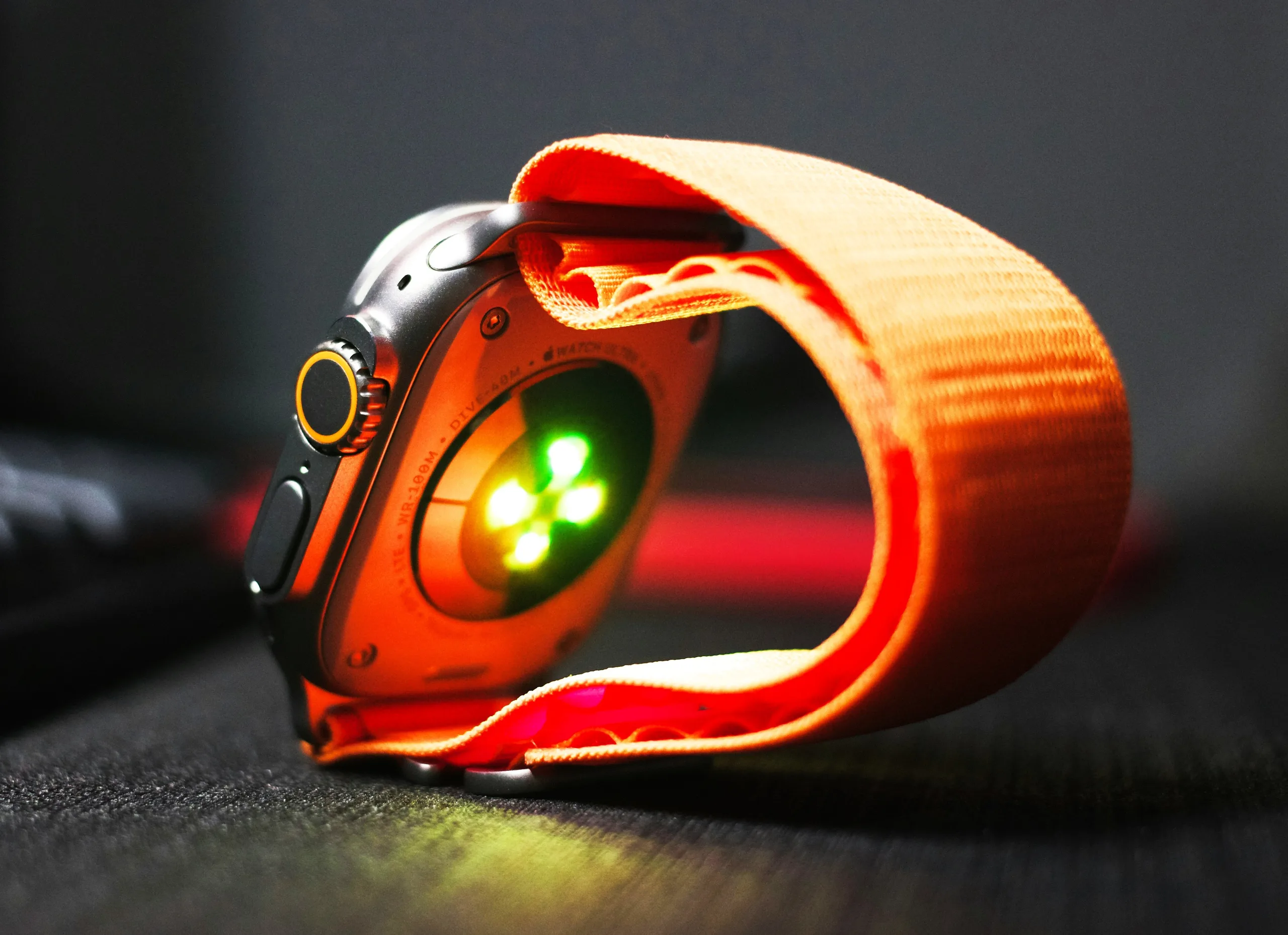
  • Apple Watch sensor upgrade and new features with watchOS 27

    Apple Watch sensor upgrade and new features with watchOS 27

    Key Takeaway

    – watchOS 27 could enable sensor improvements and new features on older Apple Watch models, not just new hardware.
    – A modular “Modular Ultra” watch face will be available across both Ultra and smaller Apple Watches, featuring numerous complications.
    – watchOS 27 aims to enhance performance, stability, Maps access on Ultra 3, satellite photo sharing, AI features, and potential Siri app availability.


    Introductory Overview

    Apple Watch chatter continues with talk of minor hardware tweaks rather than sweeping changes, keepin things relatively constant. The Series 11 priced at $299 on Amazon and the Ultra 3 have not shown dramatic redesigns, and the Series 12 is anticipated to follow suit with only small hardware tweaks. Meanwhile, whispers indicate the Ultra 4 could showcase a totally refreshed silhouette and upgraded sensors, though nothing is set in stone yet.

    Sensor and Software Speculation

    Latest reports from Bloomberg hint that sensor improvements might come not from new gears, but from watchOS 27, allowing older devices to gain enhancements without a hardware overhaul. The exact mechanics of heart rate measurement uplift remain unclear, yet a clearer picture is forming about what the next major OS update could deliver, including a modular watch face inspired by “Modular Ultra” that would be accessible on both the Ultra and the standard Apple Watch.

    What watchOS 27 Promises

    The anticipated update is said to boost overall performance and stability, while enabling the Apple Watch Ultra 3 to interact more deeply with Maps and to transmit and receive photos via a satellite network. This would mark a shift from only supporting emergency calls and texts to a broader suite of satellite capabilities. There is also chatter about new AI features, though it remains uncertain whether the Siri chatbot app will appear on the watch at launch or remain exclusive to iPhone and iPad for now.


    Sources

  • Neverness to Everness 1.1 Dreamwalk Corridor Launches June 3

    Neverness to Everness 1.1 Dreamwalk Corridor Launches June 3

    Key Takeaway

    – Version 1.1 introduces Sunward Island with Corridor of Echoes and expands the story with Nocturne and Pursuit Arcs, plus new events through July 8.
    – Two new S-rank characters, Lacrimosa and Lakshana, with related banners, outfits, and gameplay roles (DPS/Chaos alignment) are added.
    – New collaboration and rewards: Porsche 918 Spyder collab, seven-day login for Solid Dice, and a special gift pack plus multiple redemption codes including DREAMWALK0603.


    Perfect World Games and Hotta Studio have confirmed Neverness to Everness (NTE) Version 1.1 for June 3, 2026

    Perfect World Games and Hotta Studio have confirmed Neverness to Everness (NTE) Version 1.1 for June 3, 2026. The update is titled “Dreamwalk Corridor” and introduces two new S-rank characters, a new island zone outside Hethereau, a Porsche 918 Spyder collaboration, and an expansion to additional platforms. Three redemption codes were distributed during the latest Special Program broadcast.

    Lacrimosa and Chaos Attributes

    Lacrimosa is a Chaos attribute character aligned with the Liquid Arc, built as an on-field main DPS dealing consistent damage over time while reducing enemy break values. Her banner, Fading Reverie, opens June 3 and runs through June 24. Chaos is a Lakshana attribute character aligned with the Condensate Arc, with her banner, Forsaken Path, following Lacrimosa’s. New outfits arrive for both characters in the update.

    Rewards and Codes

    A seven-day login event awards 10 Solid Dice, and all players receive a Hethereau Special Gift Pack containing 5 Fabricated Dice, 5 De-Noise Solutions, and 5 Tri-Keys once maintenance concludes. Redeem code DREAMWALK0603 is live alongside two additional codes distributed during the broadcast.

    Version 1.1 New Locations and Arcs

    Version 1.1 takes players outside Hethereau for the first time with Sunward Island, a new resort-like exploration zone. The Corridor of Echoes is the new location anomaly in this area. New Arcs, Nocturne Special and Pursuit Special, extend the Scarlet Letter storyline. Five new events run through July 8: What’s Baking, Underground Circuit (a 6v6 vehicular combat PvP mode), Sunward Travelogue, The Long Dream, and Beyond the Rails: Uncharted Circle, a Ghost Train anomaly metro event.

    Controversy and Community

    Version 1.1 arrives as NTE works to rebuild community confidence following a damaging launch controversy. Players flagged suspected AI-generated assets in the weeks after the April 29 global release, and VTuber Ironmouse publicly cut ties with Hotta Studio over the claims.

    Sources
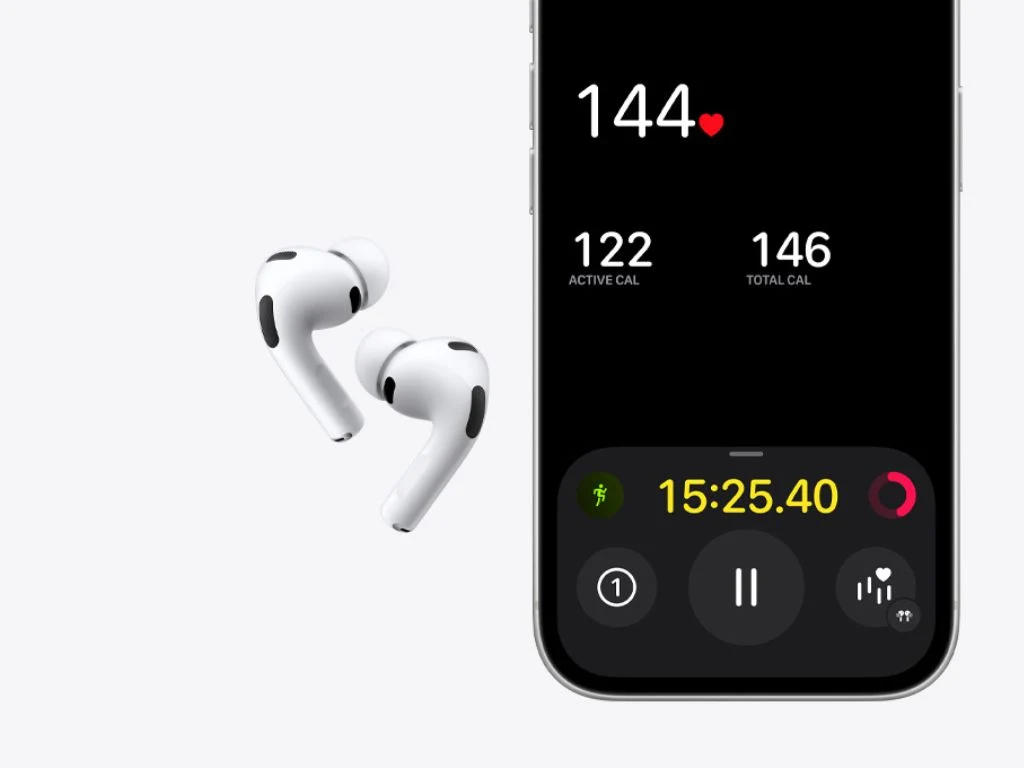
  • Future AirPods-Style Buds Verify Users via Unique Heartbeat Signals

    Future AirPods-Style Buds Verify Users via Unique Heartbeat Signals

    Key Takeaway

    – AccLock proposes passive in-ear biometric authentication using heartbeat- or in-ear BCG signals from earbud accelerometers, aiming for unobtrusive verification with zero user involvement.
    – Early tests reported average FAR of 3.13% and FRR of 2.99% (33 participants), indicating feasibility but not yet reliable enough for broad deployment.
    – Current tech is experimental: performance varies with activity (better for music listening, worse while walking/jaw movement) and differs between 3D-printed buds and real AirPods; no commercial products yet.


    Intro to Ear ID and biometrics After Touch ID and Face ID, we might get Ear ID next. Apple introduced Touch ID on the iPhone 5S as the first reliable iPhone security feature. It was discontinued in 2025 with the end of the iPhone SE (3rd generation) and has now been largely replaced by Face ID, which launched on the iPhone X in 2017 and has become the go-to facial security authentication system. However, that might change with AccLock’s AirPods-style earbuds, which authenticate users based on their unique heart rhythms.

    Heartbeat based security concept

    In this paragraph, the idea of heartbeat authentication is presented as a future security feature, as electrical impulses from a person’s heart and cardiac patterns create unique heartbeat rhythms for each individual (via ScienceDirect). The writing style shifts here to a more explanatory tone, while still keeping the idea of personalized heart rhythms and their potential use in security, and the sentence structure is varied to meet the requirement of a different style per section.

    AccLock earbud system overview

    Now, a research project based in China is developing an earbud system called AccLock that uses a tiny accelerometer found in most earbuds, such as AirPods. In their preprint paper, accessible via Cornell University’s arXiv, the researchers explained why this could be a game-changer, stating: “In this paper, we propose a passive authentication system called AccLock, which leverages distinctive features extracted from in-ear BCG signals to enable secure and unobtrusive user verification. Our system offers several advantages over previous systems, including zero involvement for both the device and the user, ubiquity, and resilience to environmental noise.”

    The description continues in a slightly more casual cadence, noting that real-world testing backs up their statements: “We conducted extensive experiments with 33 participants, achieving an average FAR (False Acceptance Rate) of 3.13% and an FRR (False Rejection Rate) of 2.99%, which demonstrates the practical feasibility of AccLock.”

    Current performance and caveats

    To put it simply, AccLock, while still in its initial stages of research testing, falsely allowed 3.13% of unauthorized users to bypass biometric verification. Likewise, 2.99% of participants were unable to access their devices using AccLock’s heartbeat-based biometric verification. However, the sample size is too small to draw broader conclusions. Despite this, AccLock could become a viable alternative for biometric verification as it matures and undergoes further testing.

    Apple, on the other hand, claims that Face ID has a FAR of one in one million, suggesting a highly secure system. However, no official peer-reviewed research documents are available to support Apple’s claims.

    Prototype testing and limitations

    The research team tested the technology on both 3D-printed earbuds and actual Apple AirPods. The prototype ran at a higher sampling rate and was more accurate when people listened to music, moved their heads around, or shifted their posture. Meanwhile, performance on the AirPods dipped slightly due to data quality issues. After a bit of retraining, the buds learned each user’s pattern after some idle sitting.

    Still, other movements, such as walking, jogging, or moving your jaw, introduce vibrations that reduce accuracy. Currently, AccLock is just a proof-of-concept research trial, and no products are shipping with the technology. However, with a growing number of biometric verification methods, privacy could become an even bigger concern than it already is.

    Sources