Author: GizNews

  • Honor Watch 6 Plus: 35-Day Battery, 3000 nits AMOLED Display

    Honor Watch 6 Plus: 35-Day Battery, 3000 nits AMOLED Display

    Key Takeaway

    – Large 1,000 mAh battery claims long life: up to 35 days in power-saving mode, 17 days normal use, 42 hours GPS-heavy use.
    – Bright 1.46″ round AMOLED display (up to 3,000 nits) with rugged build: 5 ATM waterproof, stainless steel case, aluminum or stainless bezel.
    – Rich health and sports features: heart rate, SpO2, AI Coach/running analysis, 120+ sports modes, GPS maps, NFC payments, and speaker/mic for phone calls.


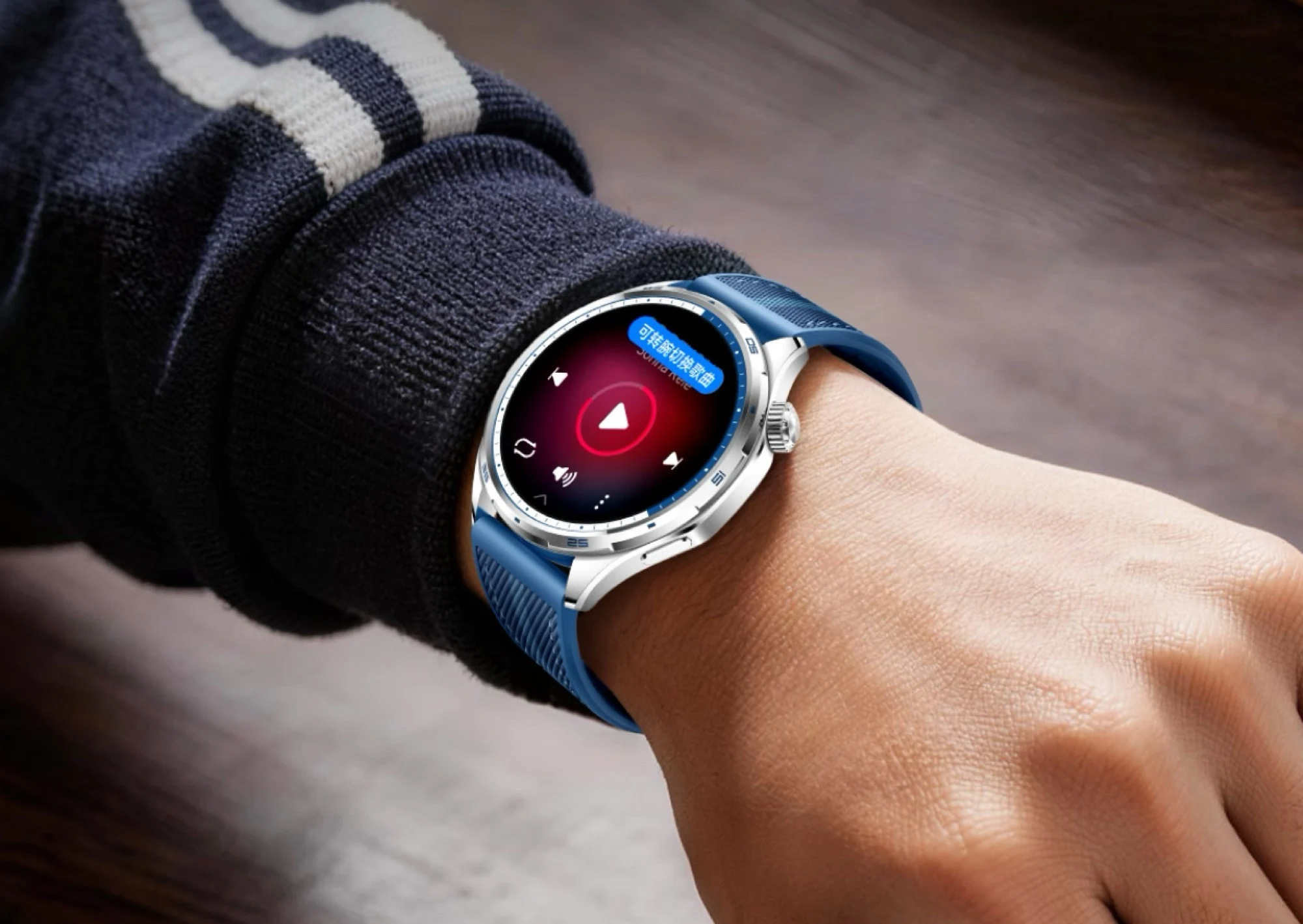
    The first look at the Honor Watch 6 Plus gives nothing out of the ordinary, as Honor sticks with a round display, a slim printed bezel, and a right-side button plus a digital crown. The case is waterproof to 5 ATM, crafted from stainless steel, while the bezel comes in aluminum or stainless steel depending on color.

    Display and Battery

    The watch sports a round AMOLED panel measuring 1.46 inches diagonally, and it reportedly reaches a very bright 3,000 nits, aiming for legibility under direct sunlight. Yet the marquee spec is the battery, rated at 1,000 mAh and larger than most rivals. Honor claims this can push battery life to 35 days in power-saving mode, 17 days with normal use, or 42 hours with GPS activity running continuously.

    • Display: round AMOLED, 1.46 inches
    • Brightness: up to 3,000 nits
    • Battery: 1,000 mAh
    • Expected endurance: 35 days (eco mode), 17 days (typical), 42 hours (GPS)

    Sensors and Health Features

    The smartwatch includes a heart rate sensor and SpO2 monitoring. Honor notes the watch may assess the risk of high blood pressure, but it cannot perform true blood pressure measurements. The Honor Watch 6 Plus supports 120 sports modes, featuring an AI Coach and AI running analysis. For connectivity, it has speakers and a microphone for calls via a paired phone, a maps app for GPS navigation, and an NFC chip for contactless payments.

    Pricing and Availability

    In China, pricing ranges from CNY 1,199 to CNY 1,599, which converts to about $177–$235, depending on the case variant and strap. There has been no public confirmation yet about an international rollout. The prior model, the Honor Watch 5, did receive international availability.


    Sources

  • Huawei unveils 1.4nm chipmaking tech to rival TSMC

    Huawei unveils 1.4nm chipmaking tech to rival TSMC

    Key Takeaway

    – Huawei plans to reach TSMC’s 1.4 nm class through logic folding and advanced stacking, aiming for high transistor density without relying on EUV lithography.
    – China aims to field a functional EUV tool by 2031, plus techniques like SAQP, to move toward 5 nm and denser silicon with SMIC and Huawei.
    – Cooling and thermal management will be a critical challenge for stacked designs, requiring effective solutions within a five-year window.


    In this year, SMIC, china’s leading semiconductor manufacturing foundry, sits behind TSMC, Samsung Foundry and Intel by more than a few nodes, and that gap isn’t vanishing soon, though it might shrink. Huawei has announced it plans to compete with TSMC’s 1.4 nm node in 2031, which would still trail by a generation or so, but could keep China’s tech ecosystem reasonably aligned with Western peers.

    Logic Folding and the Path to Higher Density

    paragraph with a slightly different voice explains how logic folding would work. Huawei says it will use this approach to stack two chips on top of each other, meaning more transistor density within the same die area without relying on smaller patterning techniques. This avoids immediate reliance on EUV tools, which China currently lacks, at least in present capabilities. The next-gen Kirin 2026 is pitched as among the first commercial chips to employ logic folding.

    EUV Progress and 2 nm Ambitions

    Huawei notes that China has allegedly assembled a partially functional EUV machine with input from ex-ASML engineers. It isn’t fully operational yet, but could be by 2031. Paired with Huawei’s ongoing push to conquer the 2 nm barrier using methods like SAQP, this combination might enable Huawei and SMIC to challenge the 5 nm barrier and achieve denser silicon.

    • Cooling remains a critical challenge with stacked designs that generate more heat than traditional layouts.
    • The timeline remains uncertain, but Huawei has five years to resolve process inefficiencies.
    • Progress to date suggests uneven but notable advances in process technology.

    Huawei acknowledges the cooling challenge but stresses that for now it is still early to judge the overall feasibility, and that the strategic plan spans several years to iron out the technological kinks and optimize yields. The company asserts that the momentum is sufficient to keep expectations realistic while pursuing ambitious goals.

    Sources
  • AirPlay Monopoly to End with iOS 27 Update

    AirPlay Monopoly to End with iOS 27 Update

    Key Takeaway

    – iOS 27 (Sept) will allow system-wide third-party AirPlay alternatives, not just per-app.
    – Users can set a default streaming service (AirPlay, Google Cast, etc.) in system settings.
    – This could reduce ecosystem fragmentation by enabling cross-platform streaming across iOS, Android, Windows, macOS, and Linux, though EU applicability is uncertain.


    Overview of EU Influences on Apple’s Changes

    the european union has forced Apple to make numerous big changes over the past few years. due to eu regulations, the iPhone 17 ($789 on Amazon) not only has USB-C instead of Lightning, but also allows apps from third-party stores to be installed, standard apps to be changed and a third-party smartwatch to respond to incoming messages.

    Upcoming iOS 27 and System-Wide AirPlay Alternatives

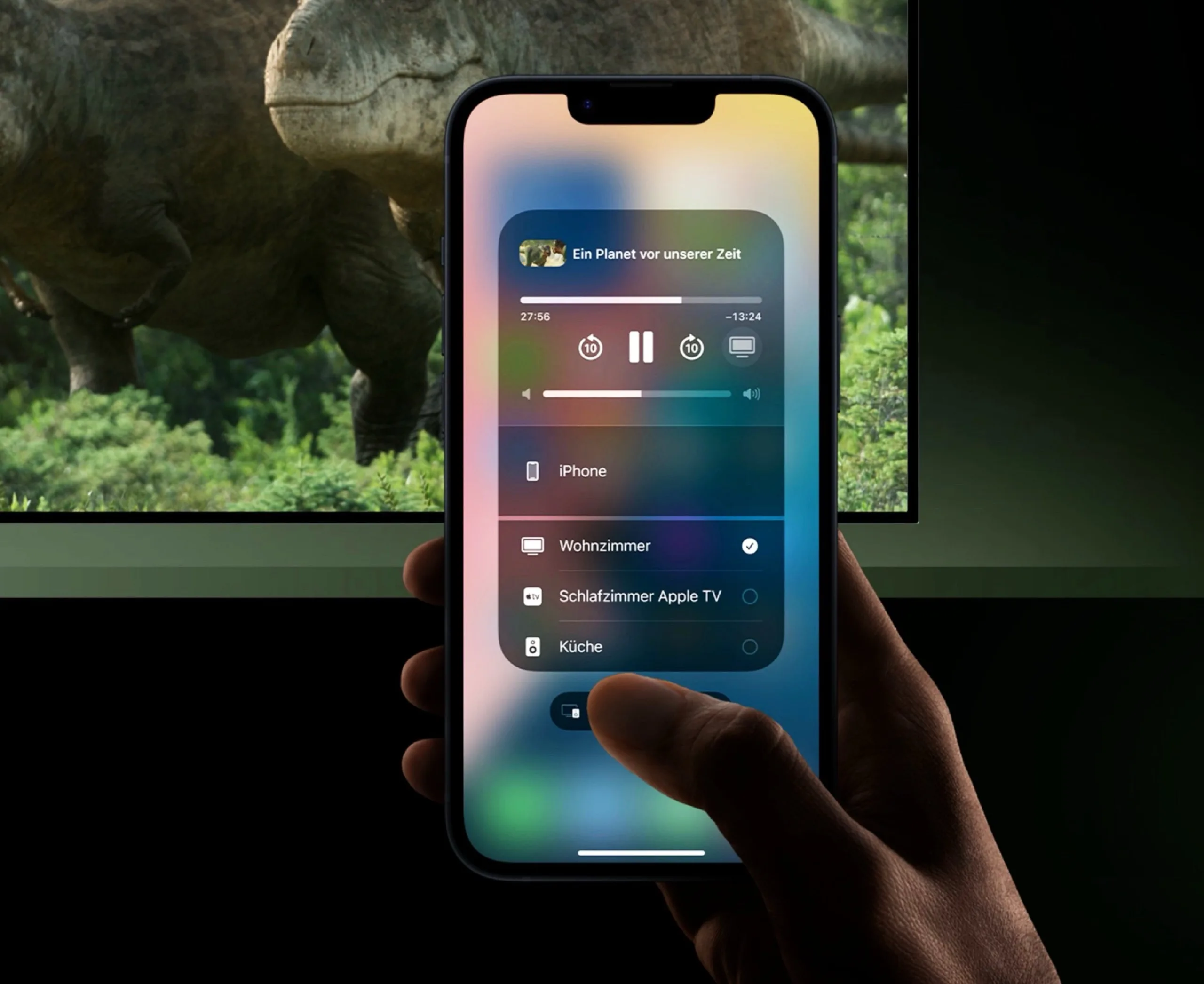
    according to bloomberg the update to ios 27, which is expected to be released in september, will bring another major change. this is because Apple will allow third-party providers to offer alternatives to AirPlay in such a way that they are available system-wide. this is a big step, because until now AirPlay alternatives were usually limited to individual apps and were therefore only available if the same app was open on both the iPhone and the receiving device. iphone users will be able to choose between AirPlay, Google Cast and other services by selecting the default service in the system settings.

    Implications for Cross-Platform Streaming

    on the one hand, this means that it will be easier to stream music, photos and videos from an iPhone to devices that do not support Apple AirPlay. on the other hand, this change would also open the door for an open standard that is supported on iOS as well as on Android, Windows, macOS and Linux to put an end to fragmentation. as this change is likely to be limited to iPhones used within the european union, it remains to be seen whether an alternative can be established.

    Sources
  • Wuthering Waves Cyberpunk Collab Lands in June

    Wuthering Waves Cyberpunk Collab Lands in June

    Key Takeaway

    – Lucy (Lucyna Kushinada) debuts as Phase 1’s limited paid banner, a Spectro Pistol main DPS specializing in mid-range monowire hacking mechanics, with Rebecca acting as a free-to-claim burst-support/sub-DPS pairing to enhance Lucy’s hacks.
    – Rebecca, a free-to-claim Havoc/Electro Pistol character, supports Lucy’s hacking with direct combat synergy, featuring heavy shotgun/rifle animations true to Edgerunners.
    – Lucilla, a non-collab Glacio Rectifier, joins in Phase 2 as a standalone limited unit, while David Martinez appears in the trailer but playable status remains unconfirmed; the crossover uses dedicated collaboration systems rather than new open-world maps.


    Kuro Games has confirmed that Wuthering Waves is getting its first major cross-IP collaboration in Version 3.4, launching June 10 on PC, mobile, and PS5. Lucy and Rebecca from Cyberpunk: Edgerunners are both joining the roster as limited 5-star Resonators, with Rebecca available for free… one of the more generous collab rollouts the gacha genre has seen.

    Overview of the crossover details

    The official trailer “Good Morning, Solaris!” dropped on May 7 via the Wuthering Waves X account, showing Lucy and Rebecca inside the world of Solaris-3 alongside Rover and the new character Lucilla. Lucy, full name Lucyna Kushinada, is a spectro-element pistol user whose combat style leans on her monowire for mid-range attacks and hacking mechanics. She headlines Phase 1 of Version 3.4 as a limited paid banner character and is expected to be the game’s first true Spectro Pistol main DPS.

    Character roles and mechanics

    Rebecca takes an entirely different route into the game. Current data points to her being a Havoc or Electro Pistol character built around a burst-support and sub-DPS role, designed to feed directly into Lucy’s hack mechanics during combat. Her weapon slot is Pistol for gearing purposes, but her combat animations stay true to the anime… expect the signature heavy shotgun and rifle work that made her one of Edgerunners’ most memorable fighters. Kuro Games has confirmed she is free to claim, with community leaks pointing to an event-reward distribution tied to milestone tokens or an event shop during the collab window rather than a standard daily login calendar.

    Lucilla and other crossover specifics

    Lucilla, an original Kuro character and Glacio Rectifier, also debuts in 3.4 as the non-collab limited unit, with Phase 2 of the patch as her expected window. David Martinez, the protagonist of Cyberpunk: Edgerunners, appears in the trailer wearing his iconic yellow jacket, though Kuro Games has not confirmed whether he will be playable beyond a story role.

    Gameplay integration

    Rather than adding new open-world map areas, Version 3.4 integrates the Edgerunners crossover via dedicated gameplay systems centered on the collab characters. Leaked data points to a Tune Hack combat mechanic built specifically around Lucy and Rebecca’s kits and an Adam Smasher boss challenge that doubles as a usable one-piece Echo set effect… a direct nod to the chrome-plated antagonist of both the anime and Cyberpunk 2077. The Yaiba Muramasa motorbike, heavily rumored since the collab was first teased, is expected to arrive as an Expedition vehicle skin rather than a standalone map feature.

    Background and context

    Cyberpunk: Edgerunners is a 10-episode anime co-produced by CD Projekt Red and Studio TRIGGER, released on Netflix in September 2022. Set in Night City, the show revived the game’s player base at launch and pushed its Steam concurrent player count past 1 million. For Wuthering Waves, the announcement marks the game’s first external IP collaboration, and Kuro’s choice of Edgerunners as the debut partner puts it in direct competition with Honkai: Star Rail’s ongoing Fate/stay night: Unlimited Blade Works crossover.

    Banner timing and expectations

    The collab banner is expected to run separately from the standard rotation for the full patch cycle. Based on how Kuro Games has handled collaboration units in Punishing: Gray Raven, reruns are unlikely, making both Lucy and the free Rebecca among the highest-priority targets the game has offered. The Version 3.4 Preview Special Broadcast, which will confirm character kits and full event details, airs May 29, 2026, at 19:00 UTC+8 on the official Wuthering Waves Twitch and YouTube channels.

    Sources
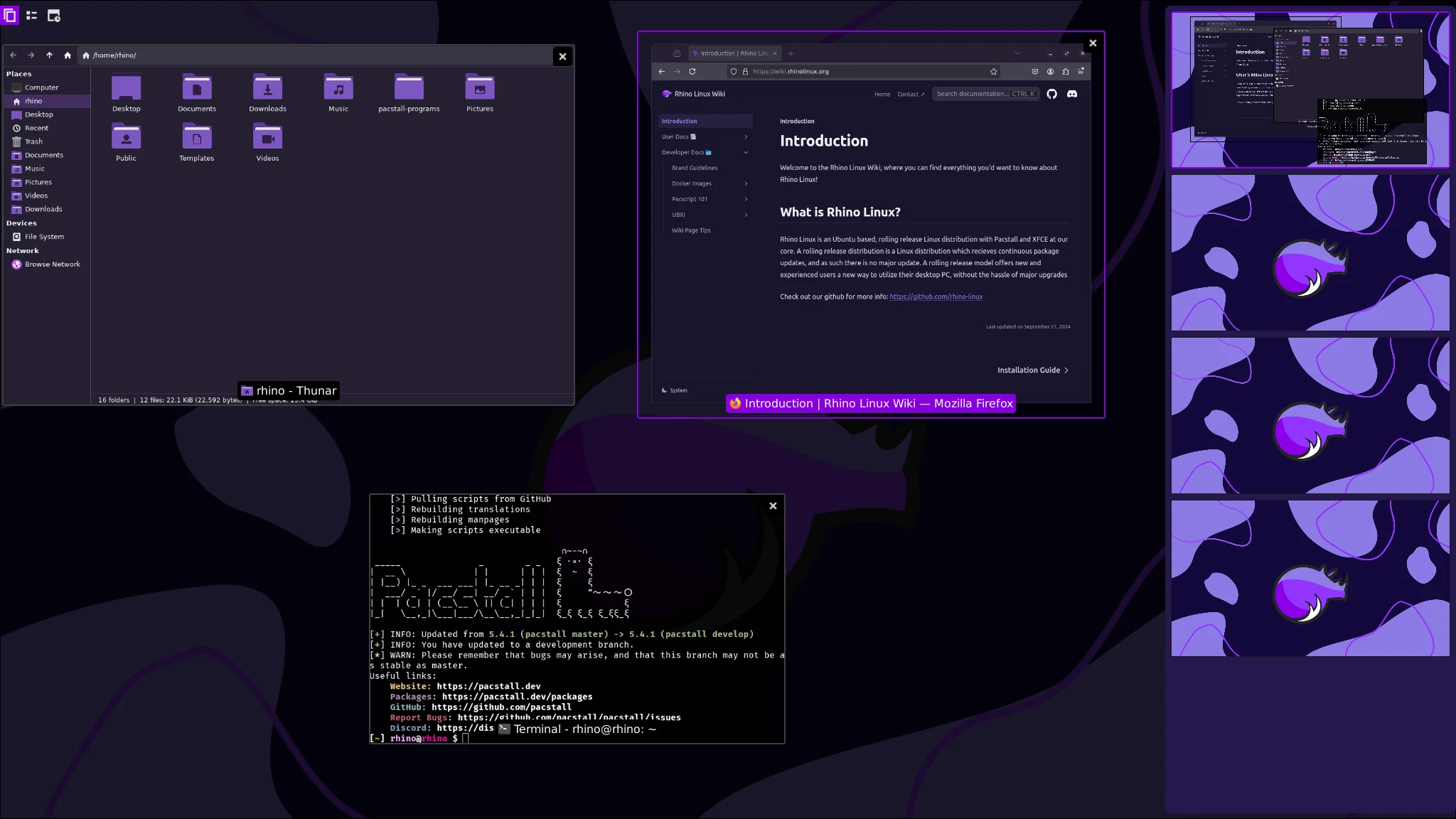
  • Rhino Linux 2026.1 Adds Lomiri on Desktop and Mobile

    Rhino Linux 2026.1 Adds Lomiri on Desktop and Mobile

    Key Takeaway

    – Rhino Linux is a Ubuntu-based rolling-release distro with Lomiri support expanding to generic ISO images (x86_64/ARM64) for desktop and mobile.
    – It features a Pacstall-based package manager wrapper (with APT, Snaps, Flatpaks), a post-install wizard, a Calamares installer, and release ISO builder.
    – 2026.1 snapshot introduces Lomiri on more devices and updates Pacstall 6.4.x, including new internal variables and exportable KVER support for scripts.
    – Downloads are available via a configurable SourceForge ISO download page; Firefox and other tools are not required, but a link is provided in the Rhino Linux Blog.


    Rhino Linux: An Overview

    Rhino Linux is an open-source, community-maintained, Ubuntu-based rolling release distro built atop Pacstall and Xfce. The ecosystem bundles an app for system information and software updates, a post-installation setup wizard, a package management wrapper for Pacstall, APT, Snaps, and Flatpaks, a release ISO builder, and a custom Calamares installer. With the 2026.1 snapshot images, Rhino Linux improves the desktop/mobile user experience by introducing Lomiri on a broader range of devices.

    Lomiri on Generic ISOs

    Formerly mobile-only, Lomiri is now accessible via generic ISO images supporting x86_64 and ARM64 architectures. According to the official blog post, Lomiri support on generic systems “is still considered an evolving experience,” yet the Rhino Linux team is “excited to continue working closely with the UBports team to provide improvements for Lomiri users on desktop and mobile.” The tone suggests ongoing refinement and collaborative effort across platforms.

    Pacstall and Kernel Details

    This release cycle ships with the Pacstall 6.4.x series, featuring the DNUM and CDNUM internal variables, the PACSTALL_XTRACEFD and PACSTALL_XTRACEFDLOG environment variables, and the ability to export KVER to pre/post scripts. A comprehensive list of Pacstall-related improvements and fixes is available on the official page, though the document here notes these updates as part of the ongoing evolution.

    Kernel Options and Hardware

    While the generic ISO images include the 7.0.9-generic kernel, there are other kernel versions available through different images, and those images correspond to the kernels they carry. This highlights Rhino Linux’s modular approach to kernel deployment, enabling users to select builds that fit their hardware or use case.

    Shopping Note and Downloads

    Interest in related hardware can lead readers to external listings, but this article keeps the focus on Rhino Linux itself. The CanaKit Raspberry Pi 5 Starter Kit PRO (Turbine Black, 8/128 GB) is mentioned in context to hardware discussions, with a price noted, though this is ancillary to the distro information. For Rhino Linux downloads, users can initiate from the official page, which provides a quick way (via dropdown menus) to access all ISO images hosted on SourceForge.

    Source and Access

    Rhino Linux maintains a blog and download hub that guides users through image choices and installation steps. The emphasis remains on accessible ISO images and a streamlined path to experimentation with the Lomiri-enabled builds, while keeping focus on the core components like Pacstall, APT, Snaps, and Flatpaks within the system.

    Sources
  • Astronomers Find Super-Earth with Possible Atmosphere Around Red Dwarf

    Astronomers Find Super-Earth with Possible Atmosphere Around Red Dwarf

    Key Takeaway

    – Discovery of exoplanet Ross 318 b orbiting the red dwarf Ross 318, about 28 light-years away, with a 51.5-day period and 0.16 AU distance.
    – PlanetMass ~6.21 Earth masses and radius ~1.74 Earth radii, suggesting a substantial atmosphere.
    – Located in the star’s conservative habitable zone, making it a significant target for future studies and SETI/astrobiology research.


    Overview of the discovery

    The study of the universe allows astronomers to answer many questions. But one of the biggest mysteries is whether life exists elsewhere in the universe. And to answer this question, scientists observe space in order to discover new exoplanets. This is what a team of astronomers led by Giuseppe Conzo from the amateur astronomy association Gruppo Astrofili Palidoro (GAP) did by studying Ross 318. This star is a red dwarf located just 28 light-years from Earth and has an orbital period of about 51.5 days.

    Data sources and methods

    However, its magnetic activity is very high, and astronomers analyzed data from the Carmenes spectrograph, the High Resolution Echelle Spectrometer (HIRES), and data provided by the TESS satellite. As a result, they discovered an exoplanet named Ross 318 b, which is located just 0.16 AU from its star. The team triangulated multiple datasets to confirm periodic signals consistent with an orbiting world, while accounting for stellar noise and jitter.

    Planetary characteristics

    The astronomers also revealed several details about this exoplanet. Indeed, it has a mass of about 6.21 times that of Earth and a radius about 1.74 times that of our planet. In addition, by studying its mass, they believe that this exoplanet has a substantial atmosphere and lies in the star’s conservative habitable zone. These values were derived through modeling that combined radial velocity measurements with transit constraints where available, though the system’s activity required careful interpretation.

    Implications for habitability and future work

    In other words, this new world could be an important target for future studies. This would allow astronomers to better understand exoplanets, but also to conduct further studies to find signs of life elsewhere in the universe. The finding adds to the growing catalog of nearby M-dwarf planets and highlights the need for precise stellar activity correction in the hunt for biosignatures. Researchers emphasize follow-up observations and atmospheric characterization with next generation telescopes.


    Sources

  • Oppo Bubble: Magnetic Secondary Display for Phones

    Oppo Bubble: Magnetic Secondary Display for Phones

    Key Takeaway

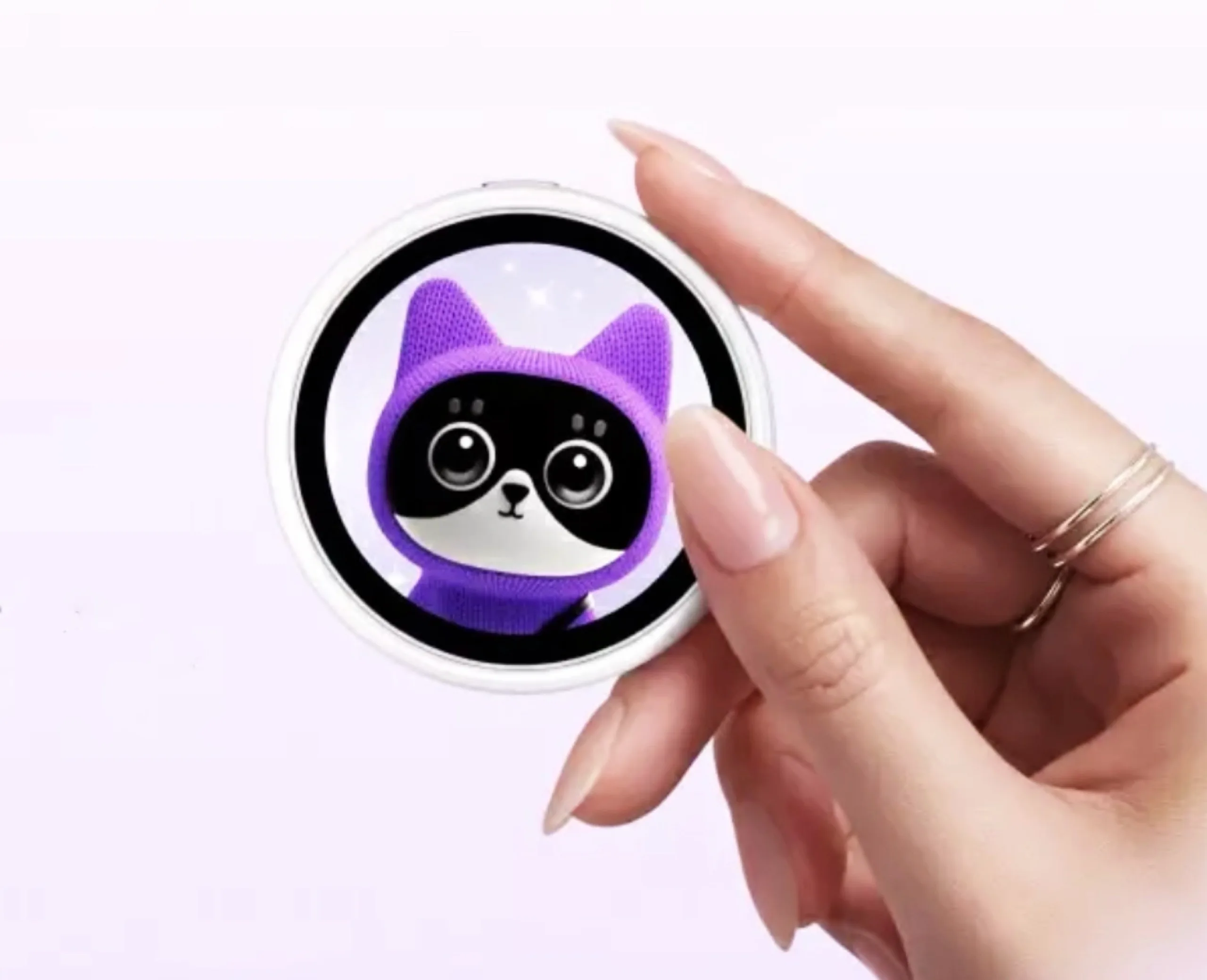
    – Oppo Bubble is a wearable, round AMOLED second display that attaches magnetically to compatible phones and weighs 27.5 g with a 7 mm thickness.
    – The most practical use is with Oppo phones (Reno14/15/16 and Find X series) for selfies using the main or ultra-wide camera; other uses include displaying photos/videos.
    – Current details missing: display resolution/brightness and battery life; official global release and pricing beyond China are not confirmed.


    Overview of Oppo Bubble

    The smartphone world still rarefies with the idea of a back display, yet Oppo pushes forward by turning the second screen into an optional accessory called Oppo Bubble. This round AMOLED touchscreen is encased in a slim 7 millimeter body and weighs just 27.5 grams, aiming to add a quirky yet practical twist to phone usage. There are many details left vague, but the concept remains intriguing for edge‑case use and novelty seekers alike.

    Attachment and Compatibility

    The display attaches magnetically to Qi2‑compatible devices, including the Apple iPhone 17, though practical benefits shine brightest when paired with a compatible Oppo phone. In that ecosystem, users can pair the bubble display with a camera app to snap selfies using the main camera or the ultra‑wide lens, a feature that could appeal to niche photography fans seeking dual‑camera convenience on the fly.

    Functionality and Versatility

    Beyond selfies, Oppo Bubble can show videos or photos, serving as a decorative pendant that you can clip to a backpack or hang on a key ring via the included case. The manufacturer remains tight‑lipped on specific specs like display resolution and brightness, and the 550 mAh battery’s endurance is not detailed, leaving room for curiosity about real‑world performance.

    Official Compatibility and Availability

    Official compatibility lists include several Oppo models—Reno14, Reno15, Reno16—and Find X8/X9 lines (including Pro and Ultra variants). There’s no stated plan for a separate app to work with non‑Oppo smartphones, which suggests a more limited ecosystem for the accessory’s most seamless operation.

    Pricing and Global Release

    In China, Oppo Bubble is priced at CNY 499 (about $73). The company has not confirmed pricing or a launch date for other regions, so potential buyers outside China must wait for further announcements to gauge whether this accessory becomes a global option or remains a regional novelty.


    Sources

  • Sony surveys gamers on PS Plus value after price hike

    Sony surveys gamers on PS Plus value after price hike

    Key Takeaway

    – PS Plus price increases across Essential, Extra, and Premium are sparking questions about overall value and what would make the service feel more rewarding.
    – The survey explores value, discounts, included PS4/PS5 games, online multiplayer quality, cloud saves, and what would influence renewal decisions.
    – Potential competitive gaps highlighted include online multiplayer costs, limited older-game catalog, and a less robust Classics catalog versus competitors like Xbox Game Pass Ultimate.


    PlayStation Plus Price Rise Sparks Discussion and Survey

    The recent PlayStation Plus price increase added to the frustration over more expensive PS5 consoles. Sony’s announcement focused on PS Plus Essential, but the changes to the Extra and Premium tiers took gamers by surprise. Now, a new survey is searching for ways to improve the subscription service.

    Price Changes and Regions

    On May 20th, the cost of PS Plus Essential rose from $9.99 to $10.99 per month. Meanwhile, PS Plus Extra is now $16.99 rather than $14.99, with the Premium tier $19.99 instead of $17.99. The PlayStation Plus price increases affect multiple regions and currencies.

    Purpose of the Survey

    It’s possible the timing is coincidental, but the questionnaire has a section on overall value. Push Square shared a sample of the survey that also addresses PlayStation Store discounts. Other questions touch on included PS4 and PS5 games, the quality of online multiplayer, and cloud saves.

    Questions About Loyalty and Value

    Perhaps trying to gauge the impact on membership counts, Sony’s survey asks how likely customers are to renew their subscriptions. The gaming giant is interested in what changes would make the service “feel more rewarding to you.”

    Industry Context and Hardware Costs

    Early in April, high memory costs and challenging economic conditions prompted Sony to raise the MSRP of PS5 consoles again. While disappointing, the component shortage has a more understandable effect on hardware. Yet, many fans didn’t anticipate subscription services further stretching budgets.

    Critiques and Comparisons

    One of the most common complaints is with the increasingly expensive PlayStation Plus Essential plan. Critics note that, unlike on PCs, players must pay extra for online multiplayer. Other concerns include a sometimes lackluster selection of older PS5 games each month. By contrast, Xbox Game Pass Ultimate, which recently benefited from a price cut, offers day-one releases. PS3 and retro gaming enthusiasts also regularly gripe about a limited Classics Catalog in PS Plus Premium.

    Outlook and Potential Outcomes

    It’s unlikely that Sony will reverse course on the PlayStation Plus price increase. Still, using survey data, it may hope to add or improve on enough features to keep gamers invested in its ecosystem.

    Sources
  • Ubisoft Tests Generative AI in Far Cry 7

    Ubisoft Tests Generative AI in Far Cry 7

    Key Takeaway

    – Ubisoft is heavily investing in generative AI despite a record financial loss and job cuts, using Far Cry 7 as a research testbed for AI tools.
    – Projects like “Teammates” aim to create memory-enabled, real-time conversational NPCs via Google Gemini, with La Forge leading the effort.
    – The AI push follows past controversial experiments (e.g., NFT Quartz) and hasn’t yet shown clear evidence of impacting final releases; investors remain skeptical.
    – The company reported a €1.3B operating loss for 2025-26, cash support from Tencent, and expects a low free-cash-flow year ahead before any rebound.


    Ubisoft is pushing ahead with aggressive investments in generative AI, even as the gaming giant faces its worst financial year in history. According to a recent report, the company is using an early build of the unannounced Far Cry 7 as a testing ground for these new AI tools.

    Industry Developments

    As first reported by The Gamer, Tom Henderson of Insider Gaming briefly posted on X that the generative AI stuff currently “looks like sh*t” before deleting the post. However, Henderson explained that Far Cry 7 is being used purely for research and development purposes, so fans shouldn’t necessarily expect AI generated content to make it into the game’s final release.

    Financial Snapshot

    This news follows Ubisoft’s recent earnings report, which showed a record operating loss of €1.3 billion in the 2025-26 fiscal year. It’s been a tough ride for the publisher. Net bookings have dropped by over 17 percent down to €1.53 billion, seven game projects were outright canceled, six more were delayed, and roughly 1,200 employees lost their jobs over the past year.

    Strategic Support

    A major €1.16 billion cash injection from a Tencent transaction helped keep the company’s balance sheet somewhat stable, but Ubisoft warned investors that the next fiscal year will be a low point for free cash flow before any projected rebound.

    AI Commitments

    Despite the financial bleeding, Ubisoft is heavily doubling down on artificial intelligence. The publisher said in its earnings report that it is increasing investments in generative AI to build dynamic NPCs and quality assurance bots.

    • One of the big ones is a project called “Teammates,” an R&D experiment built on Google Gemini that seeks to make NPCs into conversational companions that can remember player interactions and respond in real-time. Ubisoft’s La Forge division is heading up the project, and the company has already shown off similar AI tech in partnership with Nvidia and Inworld AI at the Game Developers Conference.

    Historical Context

    For longtime observers of the company, this aggressive push into a controversial new tech trend might feel a bit familiar. Back in late 2021, Ubisoft chased the NFT craze by launching the Quartz platform in Ghost Recon Breakpoint, a move that was ultimately abandoned following intense backlash from players.

    Market Reactions

    Now, they are facing similar skepticism from both gamers and the stock market. When Ubisoft first announced its accelerated investments in AI back in January, the news triggered a massive 34 percent collapse in its share price in a single day, dropping the company’s market cap below €1 billion.

    Whether their expensive bet on AI will actually pay off in future titles or become another abandoned experiment remains to be seen, but for now, the publisher is weathering a historic financial storm while banking heavily on the tech.

    Sources
  • Destiny 2 Finale: $764M Impairment Losses, Bungie Layoffs

    Destiny 2 Finale: $764M Impairment Losses, Bungie Layoffs

    Key Takeaway

    – Destiny 2 will end its live-service era with the last update on June 9, 2026; servers will stay online and the game remains fully playable.
    – The Final Shape concluded Destiny 2’s live-service journey but underperformed financially, leading Bungie to shift focus to new projects while “Destiny” itself continues beyond Destiny 2.
    – The final patch, Destiny 2: The Moment of Triumph, will honor players with love letters, a permanent Pantheon mode, rewards overhaul, QoL tweaks, and opportunities to revisit key destinations.


    Destiny 2 enters its final live-service phase

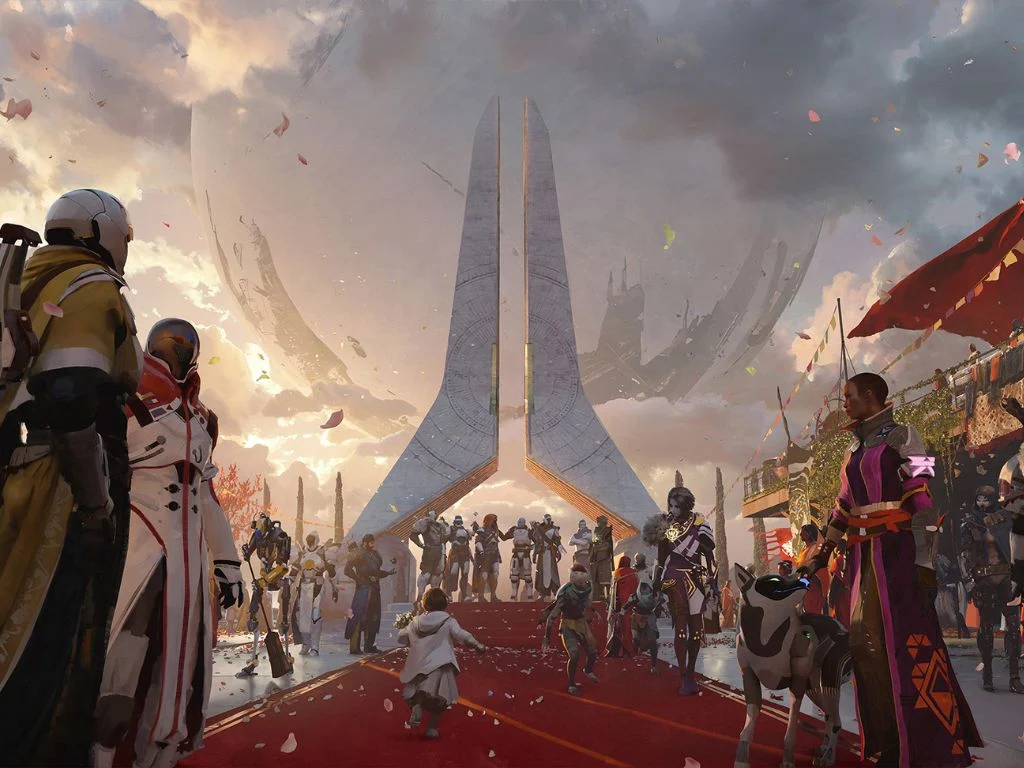
    In a move that would have surprised fans only a few years ago, Bungie announced on May 21 that after nine years of patches, content updates, expansions, and countless memories, Destiny 2 is slated to receive its last live-service update on June 9, 2026. The news signals a shift toward new projects while keeping the existing game alive for players who still dive into its worlds.

    Final phase clarified by Bungie

    Bungie is effectively signaling to fans that Destiny 2 is entering its final phase as it shifts its focus to new projects currently in active development. However, Bungie isn’t entirely abandoning Destiny as it did with Destiny 1. Servers will remain live, and the game will remain fully playable even after the last live-service update—no server sunsets.

    Financial reception and official statements

    Bungie’s epic conclusion to Destiny 2 via The Final Shape was well received by the community. However, it failed to meet financial expectations, resulting in $764 million in impairment losses. Following this, Bungie recently wrote in a blog post: “While our love for Destiny 2 has not changed, it has become clear that after The Final Shape, we have the time for our shared worlds, and Destiny, to live beyond Destiny 2. We’re proud of Destiny 2, the places it took us, and the legacy it has created. Because of you all, our universe is vast, built on years of shared stories, adventures, and victories. From the Cosmodrome to the Pale Heart to the Lawless Frontier, we have forged life-long memories and friendships with you all.”

    Future focus and chapter naming

    The studio continued, adding that “as our focus turns toward a new beginning for Bungie, we will begin incubating our next games.” The company framed June as the start of a new chapter instead of a sunset. The final patch has been named Destiny 2: The Moment of Triumph, and it’s being presented as a memorable send-off for the game, featuring “a collection of love letters to players across all activity types.”

    What players can expect next

    Bungie told Destiny 2 veterans to expect a permanent Pantheon mode with new bosses, an overhauled list of rewards, quality-of-life tweaks, and ample ways to revisit some of their favorite destinations and regions in the game. On June 9, servers will remain online, and players will continue to earn weekly rewards for a while. Furthermore, the Eververse store will stay open, but Destiny 2’s live-service era has officially come to an end.

    Availability and access after the update

    The ongoing availability ensures that fans can continue to explore, complete weekly goals, and enjoy a sense of closure without major disruptions. The emphasis remains on preserving the experiences that have defined the game for nearly a decade, while welcoming a broader future for Bungie’s creative output.

    Sources