
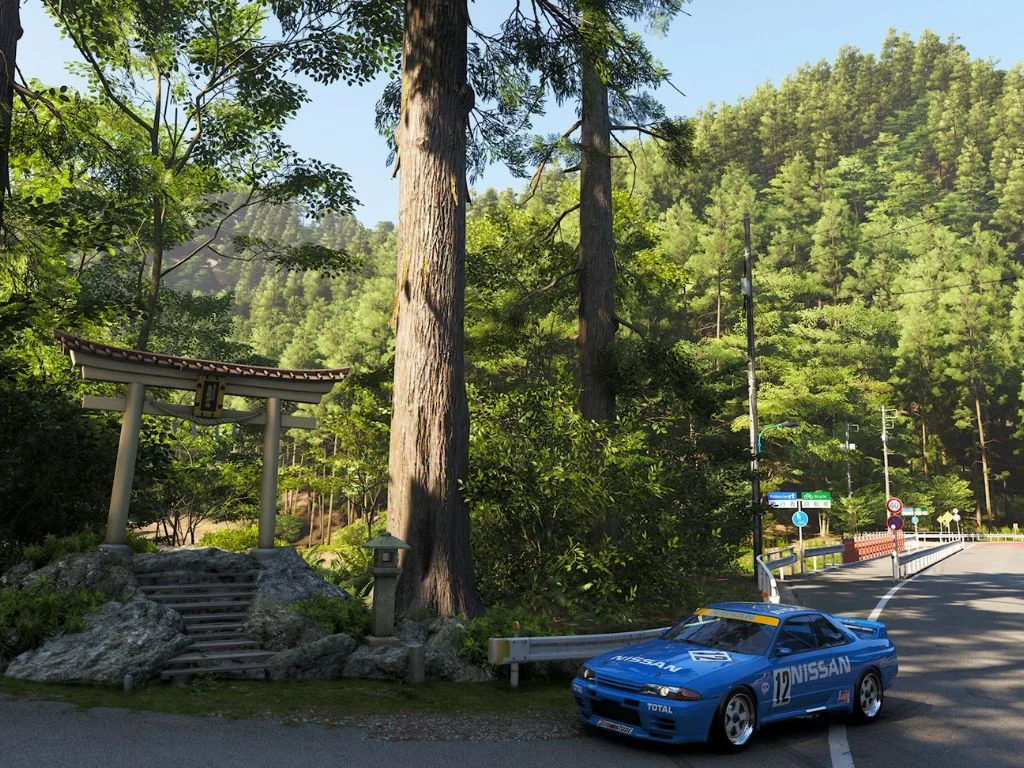
– The Forza Horizon 6 recreation of Japan is so convincing that players struggle to distinguish game visuals from real-world locations, especially in central Tokyo and rural landscapes.
– Experts note the map’s design uses fragmented visual language inspired by real Japanese landscapes and Kevin Lynch’s urban design theory to create recognizable paths, edges, districts, nodes, and landmarks.
– Specific details highlighted include steep mountain roads, railway overpasses, flowing rivers, expansive parking lots for JDM meetups, chamfered buildings and pedestrian bridges, and iconic sights like Mount Fuji and Tokyo Tower.
The article begins with an exciting note about Forza Horizon 6 releasing on May 19, 2026, and how players worldwide, especially in Japan, are enjoying the virtual Horizon Festival in a land that feels eerily real. This opening section also mentions Keiichiro Toyama, known for Silent Hill, Slitter-Head, and the Siren series, who reportedly logged serious hours after being impressed by the game’s ethereal presentation.
Reaction in Japan
In central Tokyo, Toyama’s reaction turned to astonishment as he stepped from the highways and neon into the heart of the real world, posting on social media with a playful comparison: “I was like, ‘Whoa, it’s Forza Horizon 6 in real life lol!’” The narrative emphasizes the uncanny fidelity of the map and how the lines between digital and real begin to blur for Japanese players who daily traverse these streets.
Visual fidelity and design
The piece then highlights how the game’s visuals—fidelity, geometry, ambient lighting, and shaders—have become so convincing that gazing at real-life locations feels like stepping into the game. The atmosphere blends the digital and physical in ways that readers can sense, drawing comparisons between the fidelity of a video game world and everyday urban and rural scenes in Japan.
- Architect Yuta Horie’s analysis of how the map uses fragments of visual language tied to Japanese subconscious cues.
- Reference to Kevin Lynch’s urban design theory, particularly the concepts of paths, edges, districts, nodes, landmarks, and landscapes.
Horie’s exploration points toward the method behind the recreation: a careful assembly of fragments to evoke familiar routes and landscapes, making the digital scene feel intimate and place-specific rather than generic.
Key observations by Horie
The article notes several distinctive touches that captivated Horie: jagged mountain roads that mirror Japan’s famed paths, railway overpasses, winding rivers, and vast but well-utilized parking lots around convenience stores where real-life car meetups occur. He describes urban intersections with chamfered mixed-use buildings and expansive pedestrian bridges, and rural areas where broad bypasses give way to narrower private roads that lead to nodes. Iconic landmarks such as Mount Fuji and Tokyo Tower are framed against mountain ranges that extend into the backdrop.
Horie concludes that these nuanced details and a thoughtful assembly approach explain why the horizon line of the map feels so familiar to Japanese players, as if walking through a well-remembered landscape rather than a mere recreation. The overall sentiment is one of respect for the developers’ craftsmanship in recreating culturally resonant spaces.
Public reaction
A countryside resident adds his perspective on social media, praising the depth of Japan’s representation in the game. He notes that the rural areas—rice paddies, fields, and mountain passes—translate as faithfully as urban centers, suggesting the game’s ability to model both densely populated districts and expansive rural vistas with a shared authenticity. This sense of familiarity reinforces the notion of a living, breathing map that mirrors real life.
The closing lines reiterate admiration for Playground Games and their team, acknowledging the depth of cultural respect embedded within the Forza Horizon 6 map’s design. The article closes with credits to individuals who contributed thoughts on the project, reinforcing the collaborative effort behind the virtual recreation.