
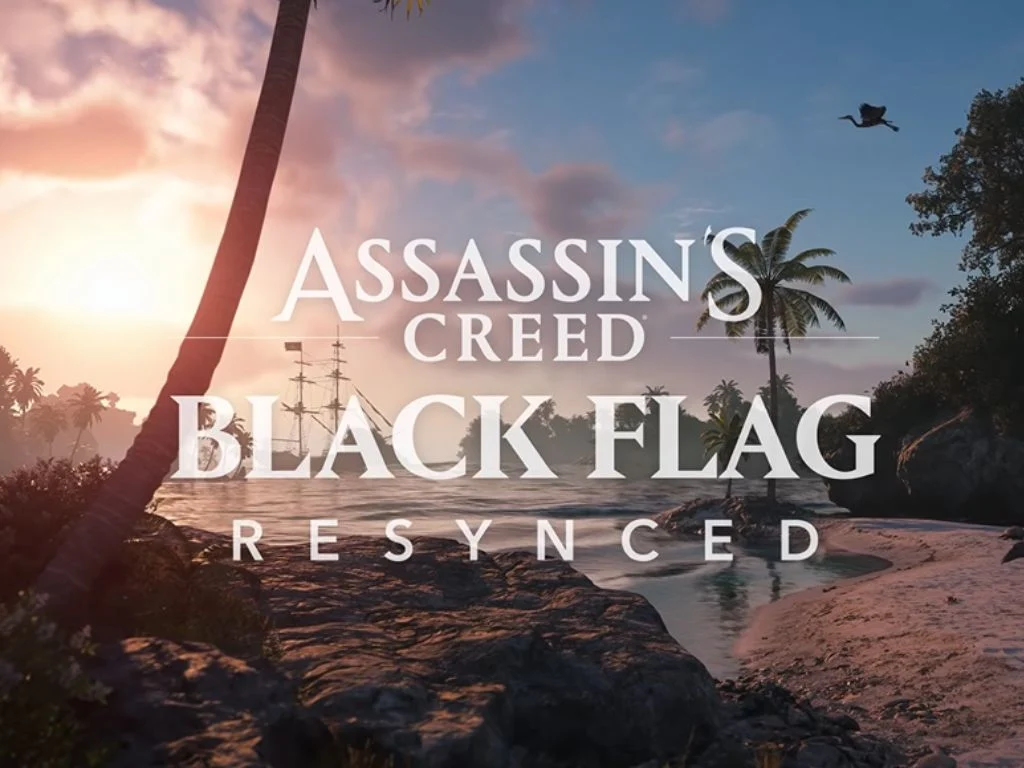
– It’s a full remake, not a remaster: new systems, expanded content, and a deeper rebuild of the game’s core.
– Strong focus on Edward Kenway: the character is a central draw and major brand value for the project.
– Pressure to honor fan expectations: developers acknowledge the “blueprint” of the original and aim to satisfy longtime players while innovating.
– Core identity preserved with scope expanded: while visually upgraded, Resynced seeks to retain Black Flag’s essence through added context and mechanics.
After numerous leaks and much online speculation, the remake of Assassin’s Creed IV: Black Flag has finally been confirmed.
Despite fans catching glimpses of what’s now branded as Assassin’s Creed Black Flag: Resynced, there remains a lot to unpack about what’s been altered and what stayed faithful to preserve the game’s core vibe. The article frames the shift as a balance between fresh takes and familiar beats, aiming to keep what players loved intact while offering something new enough to justify the remake label.
The Team Speaks On The Project’s Core
In a recent sit-down, Kotaku gathered key voices from the project—Creative Director Paul Fu, Game Director Richard Knight, and Ubisoft’s Anvil engine specialist Nicolas Lopez—who spoke on what makes Resynced distinct beyond Edward Kenway’s return. The dialogue centers on intent, ambition, and the weight of reimagining a title many see as a high watermark in the series’ era of acclaim.
Fu’s Passion For Edward Kenway
Fu shared a personal thread tying him to Black Flag, explaining, “The answer is that I really love Edward Kenway. I think he’s just special. He’s almost like a brand within a brand. He’s one of the crown jewels of Ubisoft, in my opinion, and he has a really, really good story.” The sentiment paints the remake as a love letter to a character fans embraced, suggesting a direction that centers him more deeply in Resynced.
The Weight Of Remaking A Beloved Game
Knight offered a candid take on the challenge, noting the pressure that comes with remaking a fan favorite often tagged as one of the last great entries before the series’ reception shifted. “Yeah, I mean, we do feel some extra weight, but there’s a pro and a con to it. The pro is that we have this blueprint of the original game… but there’s a lot of weight because players love Edward, they love that adventure, they remember all the details.” The remarks underscore the delicate act of honoring memory while delivering fresh experiences.
What’s The Line Between Remake And Remaster?
The dialogue then pivots to a heated distinction: what sets a remake apart from a remaster, and how Resynced intends to redefine that boundary. Lopez, the Anvil specialist, clarified the usual interpretation: a remaster tends to tweak assets for higher resolution on newer hardware, possibly upgrading textures slightly, but largely leaves the original framework intact. He frames Resynced as something more ambitious and transformative, beyond mere optimization.
Defining A Remake In Practice
Fu weighed in to align the group’s views, stating, “Right, for me, the definition of a remake is not just a graphical overhaul, but a systems overhaul, or rather expansion and new content. So, for me, a good remake has to have new context, new systems that expand on these core systems, which is what we aim for in Resynced.” His emphasis on broader reworking signals a strategy where gameplay mechanics, progression, and perhaps narrative scaffolding are rebuilt to offer a reimagined experience that still nods to the original’s DNA.
What Remake Really Means, According To The Studio
Knight then concisely framed the essence of a remake as a deep rebuild, saying, “A remake is when you go back into the guts, and you start to rebuild.” The succinct philosophy sums up the project’s intent: not just cosmetic upgrades, but fundamental reconstruction to deliver a new chapter while honoring a beloved foundation.
Release Window And Platforms
Assassin’s Creed Black Flag: Resynced is slated to launch on July 9, 2026, for PS5, Xbox Series X|S, and PC. The reveal hints at a target audience that desires both nostalgic resonance and modernized capability, with the promise of contemporary performance alongside familiar terrain and characters.