
– Vanguard’s IOMMU-based restrictions permanently brick DMA cheat firmware on affected storage devices, even after game exit or uninstall.
– The update targets external PCIe DMA cards (e.g., HEINO 2.0), aiming to neutralize wallhacks, macros, pixel hacks, and trigger bots.
– Riot claims the approach is legal and a win for competitive integrity, though potential hardware bricking sparked safety and legal concerns.
Riot Games has shaken Valorant’s esports scene with a Vanguard update
Riot Games has significantly shaken up Valorant’s esports community with a recent update to its Vanguard anti-cheat. External Direct Memory Access DMA MITM PCIe cards, such as the HEINO 2.0, allowed cheaters to secretly intercept incoming data from Valorant and use wallhacks macros pixel hacks and trigger bots. The report describes a dramatic shift as these tools were once considered nearly unstoppable. This paragraph uses a varied voice, mixing technical terms with casual phrasing to mirror the disruptive vibe of the story.
Confronting the hardware cheats head-on
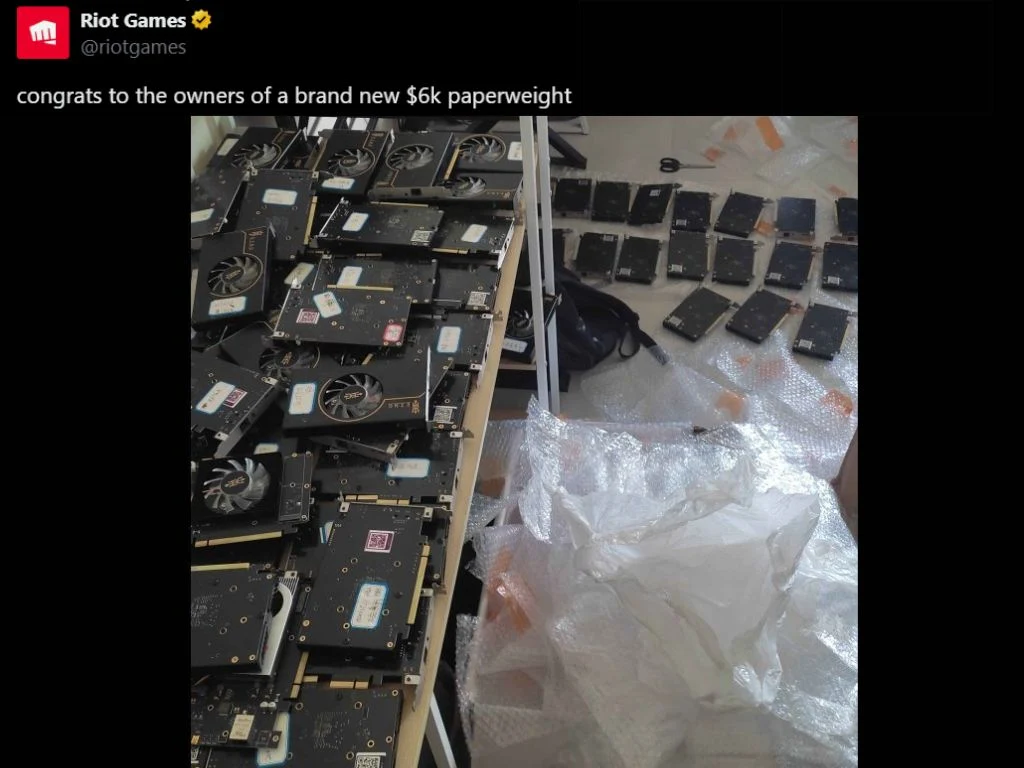
However, that chapter has come to an end, as Riot Games took to X and posted an unapologetic statement: “Congrats to the owners of a brand-new $6k paperweight,” referring to the HEINO 2.0, which retails for $5,900. Riot’s X handle also posted a photo of all the PCIe spoofing hardware on the floor, adding insult to injury where it was rightfully due. The article maintains a brisk, editorial tone while recounting the blunt nature of the message and the dramatic image Riot shared.
Context: how Vanguard detects DMA cheating
The paragraph explains, in plain terms, that Riot’s latest Vanguard update figured out how to intercept and detect DMA cheating cards. These DMA cards cost thousands of dollars and can read and write to the game’s memory, bypassing traditional anti-cheat implementations. The language shifts to a matter-of-fact style, emphasizing the financial and technical stakes involved for cheaters and the teams who rely on fair play.
Impact of the IOMMU restriction
With its latest update, Riot Games’ Vanguard patch implemented an IOMMU restriction that effectively renders cheat firmware on storage devices—whether SATA or NVMe—unusable. It persists even after players close the game or Riot’s Vanguard anti-cheat. The paragraph keeps the narrative tight while noting the stubborn persistence of the block. The writing dips into a slightly cautious, explanatory voice to help readers grasp the technical cause and effect.
Technical insights from the anti-cheat observer
The technical details were provided by an anti-cheat reporter called ogisdaDMA on X, who explained the extent of the impact: “VGK suddenly triggered an IOMMU restart warning in-game, after which the DMA firmware became completely unusable, even without the game running or after uninstalling Vanguard. The only fix is a full OS reinstall.” It continues with more specifics about read blocks and firmware failings, keeping a clinical tone while laying out the consequences for affected hardware in accessible terms. The paragraph also preserves the quoted material as reported.
Reaction and opinions from the community
“It’s using IOMMU to create read blocks, which permanently break the majority of SATA/NVMe firmware once triggered. Even the advanced H2 (HEINO 2.0) board was affected. Some users replied to Riot, congratulating them on being the soon-to-be owners of a new class action lawsuit, as many are of the view that bricking someone’s hardware, regardless of hacking, should be illegal.” The language showcases community sentiment and the heated debate around legality and hardware damage, presented in a narrative that blends caution with frustration.
Professional commentary and legal perspectives
That’s where engineer Daax chimed in and explained that what Riot is doing is perfectly legal. Daax stated on X: “You’re not going to suddenly have things on your PC stop working. The DMA device will stop working until you remove it. It will operate normally if you put it on a PC that doesn’t have the block.” The paragraph presents the developer-side viewpoint in a measured, technical register, while still conveying the practical outcomes for users who might confront the block.
Riot’s ongoing mission to protect competitive integrity
This development comes after Riot’s ongoing crusade to render hardware cheats unusable. Earlier in December 2025, the company collaborated with MSI ASUS ASRock and others to patch firmware vulnerabilities that could allow DMA devices to slip through pre-boot protection systems. The article remains balanced, noting both the collaborative effort and the continuing cat-and-mouse game between Riot Games and cheaters. It circularly emphasizes the aim of preserving fair competition across the Valorant ecosystem.
Closing notes and community signals
Riot Games is doing all this in the name of competitive integrity. However, the cat-and-mouse chase between Riot Games and cheaters could continue if hackers find other workarounds. The narrative closes by underscoring vigilance, ongoing updates, and the potential for future developments as both sides adapt to emerging threats and countermeasures in Valorant esports.
Leave a Reply