
Key Takeaways
1. Apple removed “carbon-neutral” labels from products globally, including Apple Watch Series 11, Apple Watch Ultra 3, and M4 Mac mini, following a German court ruling.
2. The change was prompted by accusations of “greenwashing” from the environmental group Deutsche Umwelthilfe and new EU regulations effective in September 2026.
3. Apple originally claimed carbon neutrality by reducing emissions by 75% and offsetting the remaining 25% with carbon credits, including projects like tree planting in Paraguay.
4. Ecologists raised concerns about the sustainability of Apple’s eucalyptus monoculture approach and its impact on biodiversity and water resources.
5. Despite label removal, Apple maintains that its products meet environmental standards and aims for carbon neutrality across its global supply chain by 2030.
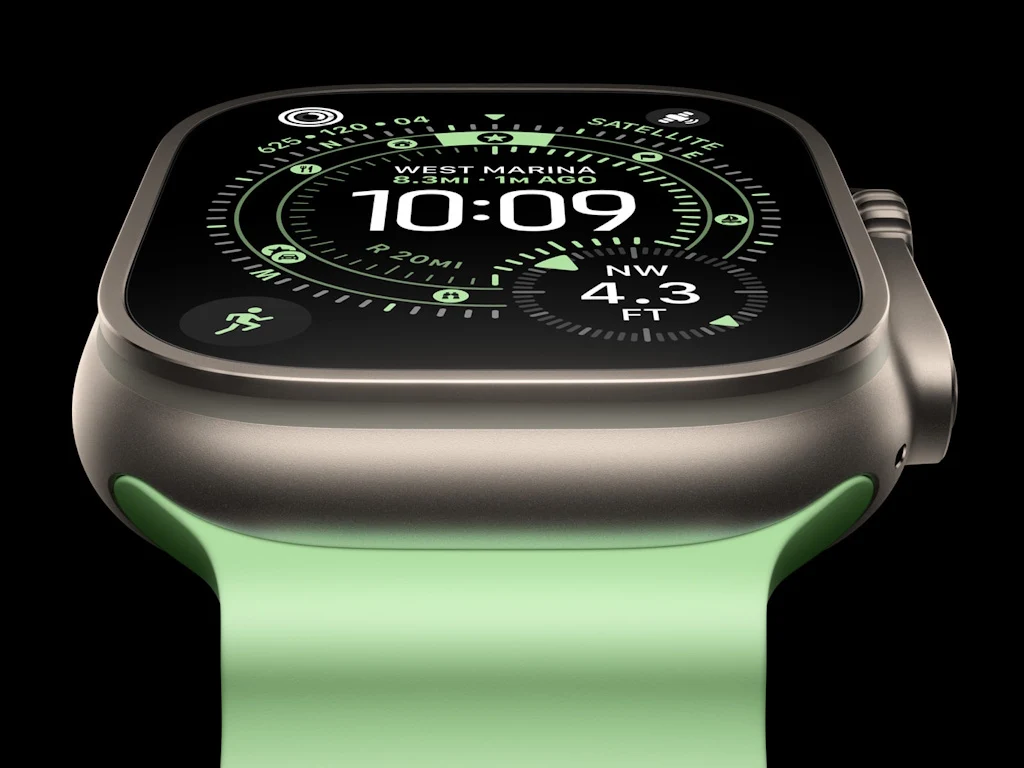
Apple has recently taken down its “carbon-neutral” labels from product pages and packaging all over the globe. This change impacts the Apple Watch Series 11, Apple Watch Ultra 3, and M4 Mac mini. The updates came into effect last month, right after Apple’s iPhone event in September 2025. Notably, the Apple Watch was the initial product line to sport this label back in 2023, which was later adopted by Mac mini versions.
Legal Issues Prompt Changes
The shift was prompted by a German court’s decision in August 2025, which ruled that Apple could no longer market the Apple Watch as “carbon-neutral.” The environmental group Deutsche Umwelthilfe accused Apple of allegedly “greenwashing” its products, thus misleading buyers. New regulations from the EU, effective in September 2026, will prohibit companies from using “carbon-neutral” labels if they depend on carbon credits or offset projects. Initially, Apple removed these labels in Germany and then extended the action globally to prevent any confusion among consumers.
Apple’s Claims and Partnerships
Reportedly, Apple claimed it reached its carbon-neutral status by cutting emissions by 75 percent, while the remaining 25 percent was offset through carbon credits. At that time, Apple stated that its products fulfilled rigorous environmental standards: utilizing 100 percent clean energy for manufacturing and product use, incorporating at least 30 percent recycled or renewable materials by weight, and ensuring that at least half of its shipments were made by land instead of air. The rest of the emissions were offset using “high-quality carbon credits” from initiatives like the Paraguay tree planting project. The company is believed to have teamed up with Forestal Apepu to create fast-growing eucalyptus forests on previously deforested land.
Environmental Concerns
However, ecologists have raised concerns regarding Apple’s eucalyptus monoculture approach, arguing that it poses a risk to biodiversity. Additionally, it’s important to highlight that these carbon offset plantations require significant water resources. The German court pointed out that Apple had not secured 75 percent of the land lease for the Paraguay project by 2029, leaving the contract renewal in question and bringing up concerns about the project’s long-term sustainability.
Internally, Apple may still regard the affected products as carbon-neutral, even though the public labels have been removed. A spokesperson for the company stated that this choice was made to adhere to upcoming regulations, not as a reflection of any changes in their environmental efforts. Apple has reaffirmed its aim to achieve carbon neutrality throughout its entire global supply chain by 2030, claiming that all its products are designed with environmental factors in mind, no matter the new EU marketing limitations.
Source:
Link
Leave a Reply