Tag: Exynos 2600

  • Samsung Partners with LG to Test Galaxy S26 Exynos Chips

    Samsung Partners with LG to Test Galaxy S26 Exynos Chips

    Key Takeaways

    1. Samsung will use its Exynos 2600 chipset in both the Galaxy S26 and S26 Plus models.
    2. LB Semicon has joined the testing process for the Exynos 2600, expanding Samsung’s testing partnerships.
    3. Samsung’s System LSI designs the chips, while its Foundry division handles large-scale production and outsources testing.
    4. The Exynos 2600 chipset is expected to capture a 25% share of the total chip supply, with Snapdragon providing the remaining 75%.
    5. LB Semicon has prior experience in chip testing, previously working with Google on Samsung’s Tensor chips.


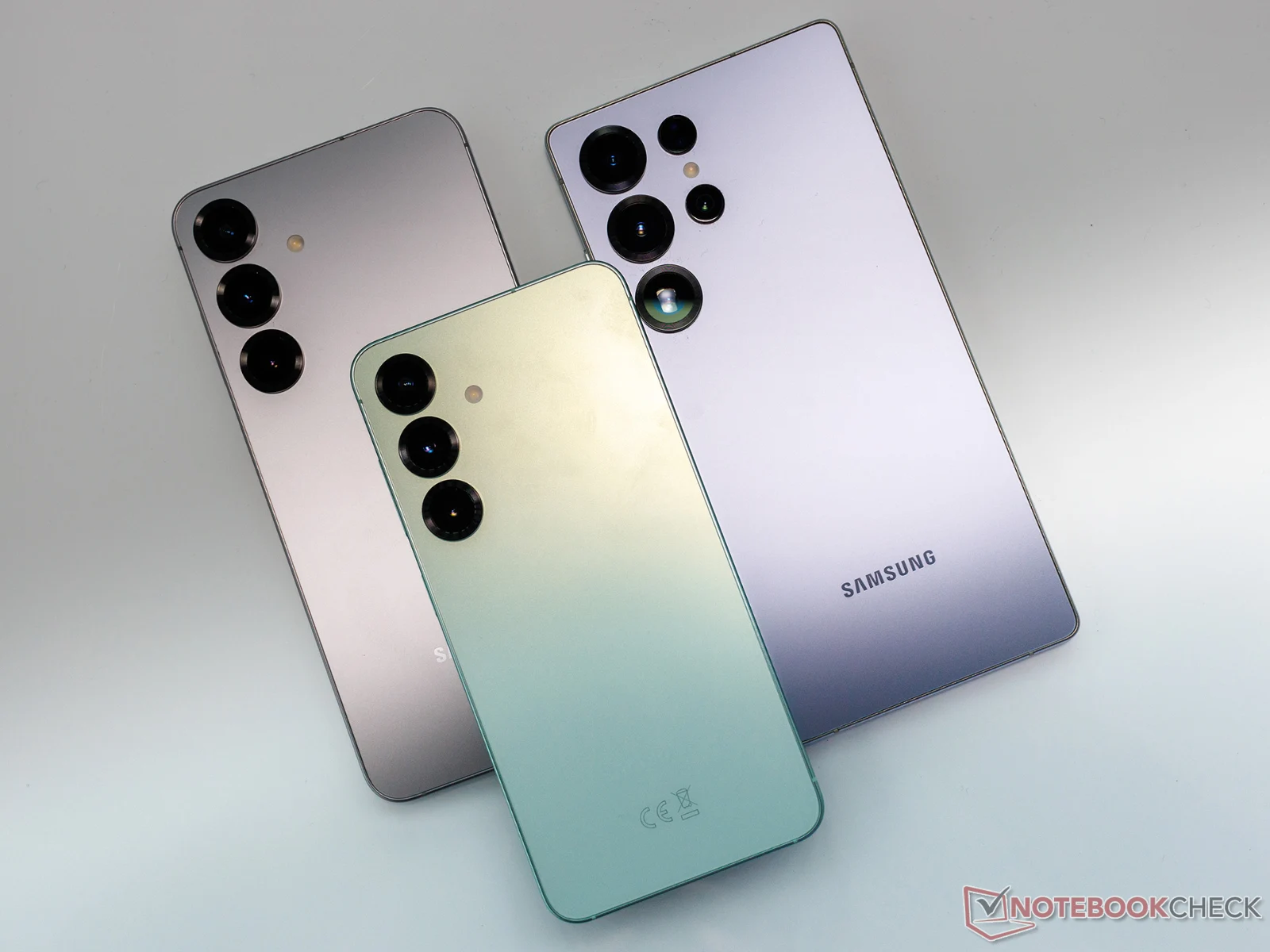
    The Galaxy S26 series is only a few months away, and it’s clear that Samsung will be using its Exynos 2600 in both the standard Galaxy S26 and the S26 Plus versions. Recent reports from etnews reveal that the tech giant is involving an LG affiliate in the chip testing process for the Galaxy S26 to aid in this significant launch. Samsung has officially broadened its Exynos processor testing agreement to include LB Semicon, making it the third vendor working on testing this new in-house chipset.

    Testing Process Underway

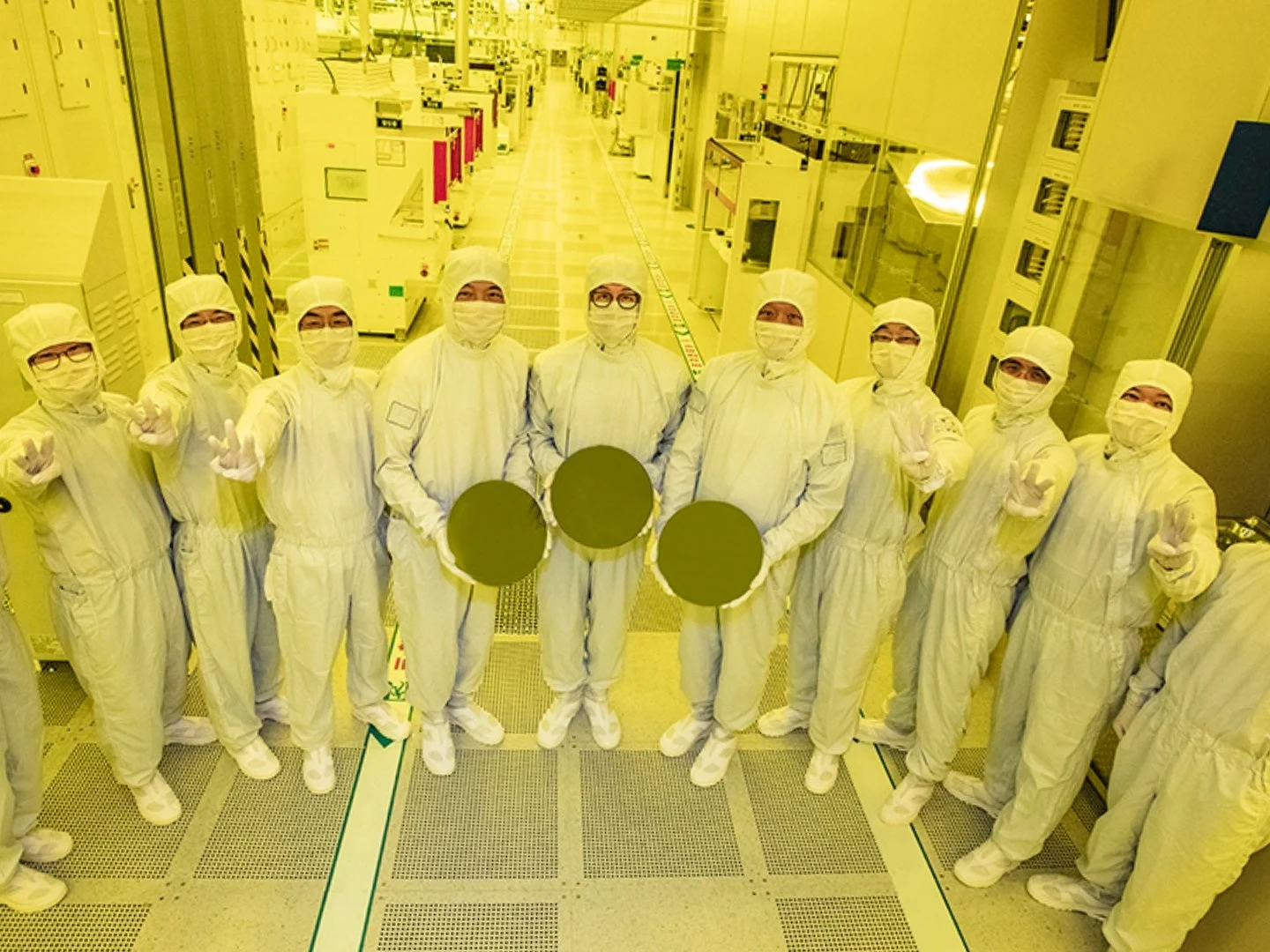
    LB Semicon is set to test the processors for the Galaxy S26 series, despite having previously focused on mid-range Exynos application processors. Following the new contract, the company has begun outfitting its Anseong facility with the necessary equipment and is getting ready for operations. In addition to LB Semicon, Samsung is keeping Doosan Tesna and Nepes in the loop for Exynos 2600 testing. These three partners will assess the electrical properties of the wafers after the circuit pattern is finalized to identify any defects in individual chips.

    Production and Partnerships

    Samsung’s System LSI is in charge of designing Exynos chips, while its Foundry division handles large-scale production. The company outsources wafer testing to various vendors to manage the post-production processes, including testing. The expanded list of testing partners fits with industry insights that suggest the Exynos 2600 is expected to capture a 25% share of the total chip supply, while Samsung will heavily depend on Snapdragon for the remaining 75%.

    Experience in Chip Testing

    LB Semicon has experience in handling crucial testing assignments, as they were responsible for chip wafer testing when Google utilized Samsung’s Tensor chips. Now that the processors for Pixel devices are managed by TSMC, the Taiwanese company oversees post-production testing for those chips, freeing LB Semicon to focus on the upcoming Samsung silicon.

    In conclusion, the Galaxy S26 series is shaping up to be a significant release for Samsung, with a strong emphasis on quality through rigorous testing from trusted partners.

    Source:
    Link


  • Samsung Galaxy S26: 2nm Chips Boost Performance and Efficiency

    Samsung Galaxy S26: 2nm Chips Boost Performance and Efficiency

    Key Takeaways

    1. Historical performance issues: Exynos processors have underperformed compared to Qualcomm chips, leading to doubts about the new Exynos 2600.
    2. Global model differences: European Galaxy flagship models often lag behind U.S. models, a trend expected to continue with the Galaxy S26 and S26+.
    3. Manufacturing advancements: Samsung’s new 2nm GAA process promises modest gains in performance and efficiency, with a 60% manufacturing yield for the Exynos 2600.
    4. Cost savings potential: Samsung could save $20 to $30 per Galaxy S26 unit using the Exynos 2600 compared to the Snapdragon 8 Elite Gen 5.
    5. Optimization concerns: Exynos chips may struggle in real-world usage due to reliance on standard ARM architecture, unlike Qualcomm and Apple’s custom designs.


    Some fans are doubtful about Samsung’s new chip, and they have good reasons for their doubts. Historically, Exynos processors have not performed as well as Qualcomm chips when it comes to efficiency and overall performance. This has led to European Galaxy flagship models often underperforming compared to those in the United States. Reports suggest that this trend will continue into 2026, particularly with the Galaxy S26 and S26+. The successor to the Galaxy S25 Ultra (available here on Amazon) is expected to feature the Snapdragon 8 Elite Gen 5 worldwide.

    Manufacturing Advances

    Recently, Samsung shared its quarterly financial results along with an early look at its new 2nm GAA manufacturing process. They claim this technology offers a 5% boost in performance, an 8% increase in efficiency, and a 5% decrease in chip size when compared to their second-generation 3nm tech. While these enhancements might appear small at first, they have led to approximately 25% of all Galaxy S26 pre-orders being secured, in addition to a significant contract with Tesla valued at over $16.5 billion for producing AI6 chips. Reports indicate that Samsung has achieved a 60% manufacturing yield for the Exynos 2600, surpassing the minimum needed for mass production.

    Cost Savings and Concerns

    Sources from the industry, as reported by Chosun Biz, suggest that Samsung’s Mobile eXperience division could save about $20 to $30 on each Galaxy S26 unit using the Exynos 2600, compared to those with the Snapdragon 8 Elite Gen 5. However, despite Samsung’s positive outlook regarding the Exynos 2600, driven by leaked performance benchmarks, there are increasing worries that Exynos-powered Galaxy flagships might once more fall short in real-world usage. An insider from the industry pointed out that Samsung has chosen to stick with the standard ARM Lumex architecture, while both Qualcomm and Apple have developed their own custom chip designs that offer better optimization.

    Source:
    Link


  • Samsung’s 2nm Chips Achieve 60% Yields, Competing with TSMC

    Samsung’s 2nm Chips Achieve 60% Yields, Competing with TSMC

    Key Takeaways

    1. Samsung’s 2 nm Gate-All-Around (GAA) technology shows a 5% performance boost and 8% power efficiency improvement compared to the previous 3 nm GAA.
    2. The upcoming Exynos 2600 chip is expected to be the first to use the 2 nm technology, potentially making Samsung’s chip division profitable by 2027.
    3. The reduction in chip area by 5% may enhance applications in artificial intelligence and mobile tech with smaller, efficient chips.
    4. Samsung’s chip yield for the 2 nm process has improved significantly to 50-60%, allowing for increased production of the Exynos 2600.
    5. Samsung has secured contracts for its 2 nm technology, including a $16.5 billion deal with Tesla, as it aims to increase its market share in the competitive semiconductor industry.


    Samsung has revealed some noteworthy performance and efficiency improvements tied to its 2 nm Gate-All-Around (GAA) manufacturing process. These figures provide insight into the direction the South Korean firm is taking in the competitive semiconductor industry.

    Exynos 2600 and Future Prospects

    The upcoming Exynos 2600 is anticipated to be the first chip to utilize this new technology, which may assist Samsung’s chip division in becoming profitable by 2027.

    According to reports from Dailian, a South Korean news outlet, Samsung has enhanced the performance of its 2 nm GAA by 5 percent and improved power efficiency by 8 percent. Furthermore, the area has been reduced by 5 percent in comparison to the previous 3 nm GAA.

    Incremental Gains with Big Implications

    Although these enhancements may seem modest and below prior forecasts, the reduction in size could lead to advantages in artificial intelligence and mobile applications by allowing for smaller, more thermally efficient chips.

    A positive highlight in Samsung’s recent update is the improvement in chip yield. The company is now reporting yields between 50 and 60 percent for its 2 nm production, which is a notable increase from earlier predictions of around 30 percent. This boost should allow Samsung to ramp up its wafer output for the Exynos 2600 to about 15,000 units monthly.

    Strategic Partnerships and Market Position

    Additionally, Samsung has secured several contracts for its 2 nm technology, including deals with MicroBT and Canaan, two leading manufacturers of cryptocurrency mining hardware. The company has also entered into a $16.5 billion agreement with Tesla that extends through 2033, showcasing Samsung’s ability to manage long-term wafer supply contracts.

    Currently, TSMC holds a dominant position in the global foundry market, commanding a 70.2 percent share, while Samsung lags behind with just 7.3 percent. Nonetheless, the latest report on Samsung’s 2 nm GAA suggests that the company is prepared to compete for relevance in the foundry sector.

    Source:
    Link


  • Qualcomm CEO Expects Galaxy S26 Ultra with Snapdragon 8 Elite Gen 5

    Qualcomm CEO Expects Galaxy S26 Ultra with Snapdragon 8 Elite Gen 5

    Key Takeaways

    1. Samsung is considering shifting away from exclusive reliance on Qualcomm chipsets for the Galaxy S26 series, potentially using Exynos chipsets for some models.
    2. The Snapdragon 8 Elite Gen 5 may only be featured in the Galaxy S26 Ultra, while the Galaxy S26 and S26 Plus are expected to use the Exynos 2600.
    3. Qualcomm CEO Cristiano Amon noted that Samsung’s use of Qualcomm chipsets has shifted from a 50% share to around 75% in recent years.
    4. Sales volume predictions indicate that the distribution of Exynos and Snapdragon chipsets for the Galaxy S26 series may resemble that of the Galaxy S24 series.
    5. The Galaxy S26, S26 Plus, and S26 Ultra are set to be unveiled together on February 25, 2026, in San Francisco.


    Every year, there’s a lot of uncertainty regarding which chipsets Samsung will use in its upcoming Galaxy S flagship phones. It often appears that Samsung has been planting hints by regularly alternating between equipping all or just a few of its Galaxy S series smartphones with Exynos or Qualcomm chipsets. For example, Samsung was seen testing different models of the Galaxy S25 with the Exynos 2500 before ultimately deciding to use that chipset exclusively in the Galaxy Z Flip7 (currently priced at $1,099 on Amazon).

    Possible Changes Ahead

    Recently, whispers have surfaced suggesting that Samsung might shift away from relying solely on Qualcomm chipsets for the upcoming Galaxy S26 series. As we mentioned earlier this week, it looks like the Snapdragon 8 Elite Gen 5 could only be featured in the Galaxy S26 Ultra. In contrast, the Exynos 2600 is said to be the chipset for the Galaxy S26 and Galaxy S26 Plus. Qualcomm’s latest Q4 Earnings Conference Call supports this, with the company believing that Samsung and Xiaomi, among others, may prefer to use their own chipsets rather than Qualcomm’s.

    Qualcomm’s Insights

    As has been the case in past years, Qualcomm CEO Cristiano Amon provided more details about Samsung’s use of Qualcomm Snapdragon 8 series in the Galaxy S26 series. During the same earnings call, the CEO explained:

    “The second part is our relationship with Samsung. We’ve mentioned for several years now — for a number of reasons. This has been true in the past, and I think, in recent years, what was once a standard relationship at a 50% share has now become about 75% share. We consider that our new baseline. When we perform well, we sometimes exceed 75%. For the Galaxy S25, we achieved 100%. Our expectation for any new Galaxy will always be around 75%. That’s how we view things for the Galaxy S26.”

    Sales Volume Predictions

    Interestingly, ET News has elaborated on this figure, stating that the distribution of Exynos and Snapdragon chipsets for the Galaxy S26 series may return to the levels seen with the Galaxy S24, Galaxy S24 Plus, and Galaxy S24 Ultra. Most of the Galaxy S26 series is expected to run on Qualcomm’s Snapdragon 8 Elite Gen 5, but the Galaxy S26 and Galaxy S26 Plus are set to launch in Europe and South Korea with the Exynos 2600, which ET News estimates will account for about 30% of sales volume, differing from the 25% that Amon anticipates. In any case, Samsung is likely to reveal the Galaxy S26, Galaxy S26 Plus, and Galaxy S26 Ultra all together on February 25, 2026, in San Francisco.

    Source:
    Link


  • Galaxy S26 and S26 Ultra 3x Camera Sensor Change Confirmed

    Galaxy S26 and S26 Ultra 3x Camera Sensor Change Confirmed

    Key Takeaways

    1. The rear camera configuration of the Galaxy S26 series will be similar to previous models, with minor adjustments.
    2. The Galaxy S26 Ultra will replace the 12 MP Sony IMX754 sensor with the smaller Samsung ISOCELL S5K3LD 12 MP telephoto sensor.
    3. All models in the Galaxy S26 lineup are expected to feature the same 12 MP ISOCELL S5K3LD telephoto sensor with a f/2.4 aperture.
    4. While hardware changes are minimal, improvements in photo quality may arise from the new ISP of the Exynos 2600 and image processing advancements.
    5. A leaker has confidently predicted these specifications, encouraging users to remember them for comparison after the series launch in February 2026.


    As we approach the launch of the new Samsung Galaxy S series, there has been a flood of information regarding the Exynos SoC, battery technology, design, display, and more. Among all this speculation, the details about the camera setup have sparked the most debate. Currently, it appears that the rear camera configuration of the Galaxy S26, Galaxy S26 Plus, and Galaxy S26 Ultra will not differ significantly from their earlier models, with just a few minor adjustments.

    Camera Sensor Changes

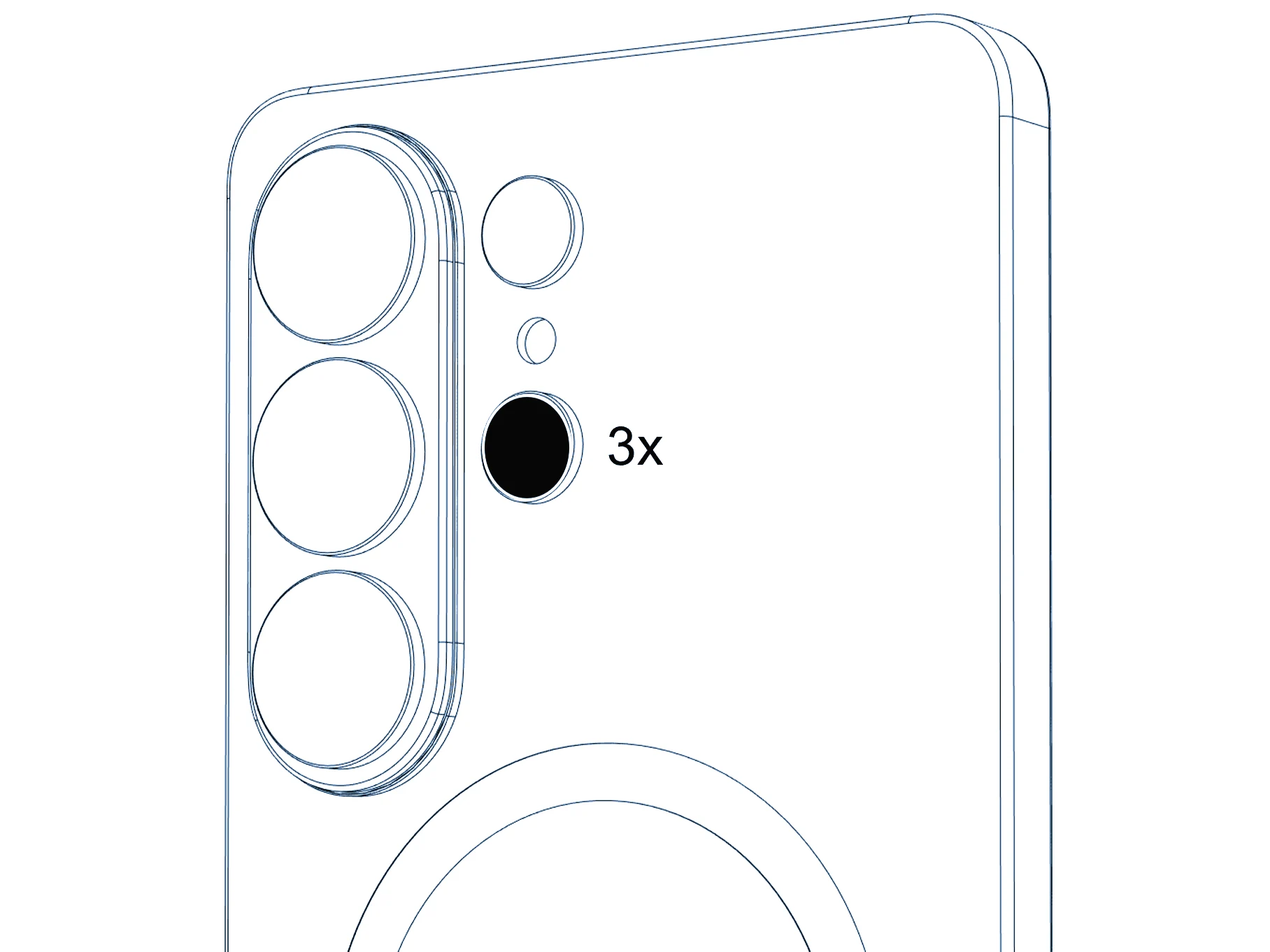
    One notable adjustment is the introduction of a 3x Telephoto sensor. Reports suggest that the Galaxy S26 Ultra will swap out the 12 MP Sony IMX754 found in the Galaxy S25 Ultra for the Samsung ISOCELL S5K3LD, which is also a 12 MP sensor. Interestingly, the new sensor is smaller, measuring at 1/3.94-inch compared to the 1/3.52-inch size of the Sony IMX754 used in the Galaxy S25 Ultra (Available on Amazon).

    The leaker Ice Universe, who has previously validated the existence of this 3x Telephoto sensor, has reiterated this information with confidence. They described it as a “certainty,” asserting that all three models in the Galaxy S26 lineup will feature the 12 MP ISOCELL S5K3LD telephoto sensor with a f/2.4 aperture, along with a 10 MP effective sensor crop.

    Confident Predictions

    The leaker is so sure about this information that they are urging everyone to “take a screenshot and save it,” so they can compare it against the actual camera specifications of the Galaxy S26 once the series launches in February 2026.

    In addition to this sensor update and the larger apertures for both the main and 5x Telephoto cameras on the Galaxy S26 Ultra, most of the camera hardware is anticipated to stay consistent with previous models. Therefore, from a hardware standpoint, it seems we are not likely to see significant enhancements in photo quality with the Galaxy S26 series.

    Potential Upgrades

    That being said, there could still be improvements in photo quality due to the new ISP of the Exynos 2600 and advancements in image processing.

    Source:
    Link


  • Galaxy S26 Ultra to Feature Exclusive Snapdragon Chips, Leak Says

    Galaxy S26 Ultra to Feature Exclusive Snapdragon Chips, Leak Says

    Key Takeaways

    1. The Galaxy S26 Ultra will feature the exclusive Qualcomm Snapdragon 8 Elite Gen 5 processor, while the standard S26 and S26 Plus will use Samsung’s Exynos 2600 chip.

    2. The return of the Exynos chip for the S26 base models marks a significant win for Samsung’s 2nm chip design and may improve its negotiating position against Qualcomm.

    3. Analysts predict the Ultra model will not use an Exynos chip until at least the Galaxy S27, expected in 2027.

    4. The Galaxy S26 series is anticipated to launch in February 2026, with a potential Unpacked event in late January.

    5. The Snapdragon 8 Elite Gen 5 may lead to a price increase for the S26 Ultra, while the S26 and S26 Plus might offer better performance without a price hike.


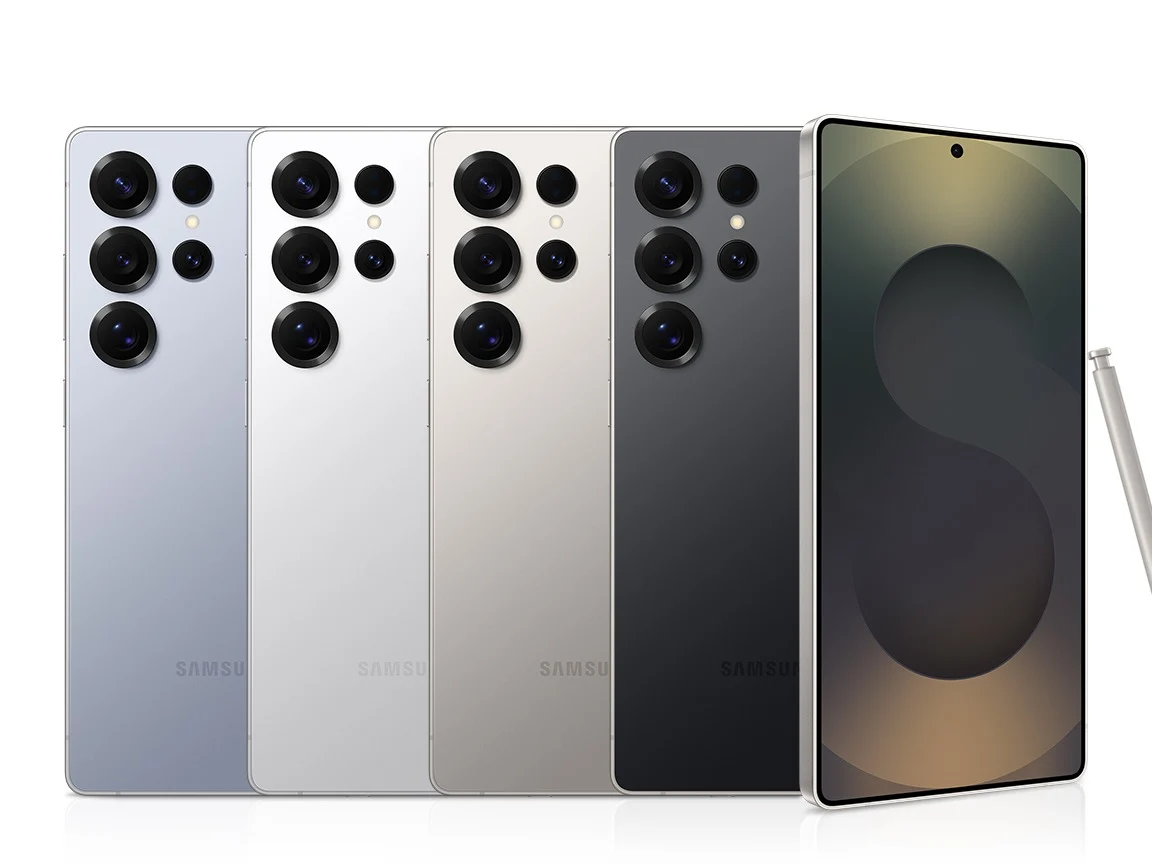
    The Galaxy S26 series, which many have been eagerly anticipating, appears to be ready to mark a new phase in the ongoing battle between Exynos and Snapdragon. According to a recent report, despite Samsung’s semiconductor division making strong efforts, the company seems to be maintaining a known structure for its upcoming flagship processors. The Qualcomm Snapdragon 8 Elite Gen 5 chip will be reserved exclusively for the Samsung Galaxy S26 Ultra, its highest-end model.

    Processor Specifications

    As reported by the Korean media outlet Chosun Biz, the Galaxy S26 Ultra is set to be the sole model featuring the Qualcomm Snapdragon 8 Elite Gen 5 processor. In contrast, the standard Galaxy S26 and the Galaxy S26 Plus will be equipped with Samsung’s own Exynos 2600 chip. If this information holds true, it suggests that Samsung is confident enough in the Exynos 2600 to use it in major flagship models, while still recognizing the “Snapdragon” brand as a significant selling point for the Ultra version.

    Chip Design and Production

    Having used Snapdragon chips across all Galaxy S25 models, the return of Exynos for the base and Plus models in the S26 lineup marks a significant win for Samsung’s 2nm GAA (Gate-All-Around) chip design and production process. Experts in the industry believe this could enhance Samsung’s negotiating power against Qualcomm. However, analysts predict that the Ultra model won’t incorporate an Exynos chip until at least the Galaxy S27 launching in 2027.

    Launch Timeline and Pricing Implications

    While the focus remains primarily on processor choices, the same report reinforces previous leaks concerning the launch schedule. It suggests that Samsung aims to launch the Galaxy S26 series in February 2026, aligning with earlier hints of a February 25 date. Nonetheless, Chosun Biz also leaves room for the Unpacked event to occur in late January 2026, without altering the devices’ availability for the following month. Reportedly, Samsung has been working diligently to accelerate this timeline, as initial changes to the product lineup—such as removing the “Edge” and bringing back the “Plus” model—threatened to push the launch back to March.

    For consumers, this decision regarding chip selection could have a significant impact on pricing. The Qualcomm SoC is notably more expensive than the Exynos 2600, and with the rising global costs of components, many in the industry anticipate that the Snapdragon-exclusive Galaxy S26 Ultra will experience a price hike. On the other hand, buyers of the S26 and S26 Plus may see enhanced performance without a corresponding price increase—though this remains speculative for now.

    Source:
    Link


  • Samsung Galaxy S26 Exynos 2600 to Boost Camera Features

    Samsung Galaxy S26 Exynos 2600 to Boost Camera Features

    Key Takeaways

    1. Resurgence of Snapdragon-Exynos Comparisons: Anticipation for Samsung’s Exynos 2600 chip could lead to renewed interest in performance comparisons between Snapdragon and Exynos models, especially for the Galaxy S26 series.

    2. Performance and Efficiency Claims: Expectations for the Galaxy S26 tests include improved efficiency, lower heat production, and high performance, supported by recent Geekbench leaks.

    3. Advanced Image Signal Processing: The Exynos 2600 ISP is expected to support high-resolution camera capabilities, including processing for 320 MP sensors and advanced video recording features.

    4. Power Efficiency: The Exynos 2600 ISP is rumored to consume 30% less power than its predecessor, the Exynos 2400, while offering enhanced features like real-time stabilization and AI-driven processing.

    5. Caution Regarding Leaks: There is skepticism about the accuracy of the leaked information, as past leaks have been shown to spread misinformation, suggesting a cautious approach to accepting the details as true.


    Who recalls the once popular comparison videos, like those showcasing the Galaxy S22 Ultra, which pitted a Snapdragon version from the US against its Exynos counterpart in Europe? These clips not only highlighted performance and efficiency, but also looked at differences in camera quality, particularly in low-light video scenarios. If rumors are true and Samsung makes a significant comeback with Exynos next year, debuting the first commercial 2nm chip, the Exynos 2600, and potentially utilizing it for the entire Galaxy S26 series in Europe, these Snapdragon-Exynos comparisons could see a resurgence in interest.

    Expectations for Galaxy S26 Tests

    It’s hoped that the tests for the Galaxy S26 will affirm Samsung’s claims about improved efficiency, which includes lowered heat production and high performance, as suggested by some recent Geekbench leaks. Moreover, a well-balanced ISP, which plays a crucial role in smartphone camera quality and features, is also anticipated. A currently controversial leaker claims that Samsung is diligently working on a completely new image processing system as part of the Exynos 2600 development, which is expected to deliver console-like gaming experiences along with professional-grade camera capabilities and enhanced photo/video quality for the Galaxy S26 series.

    Specifications of Exynos 2600 ISP

    The Exynos 2600 ISP is said to handle processing for 320 MP from a single sensor or 108 MP from three sensors simultaneously, boasting a 14-bit RAW pipeline with 5x frame fusion in HDR. It can record 8K videos at 4K60 in HDR10+ or 4K120. In burst mode, the ISP is rumored to reach 30 frames per second in 108 MP RAW quality. The leaker indicates that the bandwidth between the ISP and NPU could be around 1.8 TB/s. Other features include hybrid OIS and AI-EIS stabilization in real time, along with AI-driven scene segmentation and super-res zoom. Notably, the Exynos 2600 ISP is expected to use 30% less power than the ISP found in the Exynos 2400.

    Caution About Leaks

    It’s important to mention that the leaker has faced scrutiny for various other posts, including unverified Geekbench leaks. Recently, many leaks that are overly favorable to Samsung have been shown to spread misinformation, like the Galaxy S26 specs leak from a few days ago. Thus, it’s wise to approach this leak with caution. However, since we can’t dismiss the chance that some of the details could be accurate, we’ve chosen to share this information with the appropriate disclaimer.

    Source:
    Link


  • Samsung Exynos 2600 Runs 30% Cooler Than Exynos 2500

    Samsung Exynos 2600 Runs 30% Cooler Than Exynos 2500

    Key Takeaways

    1. Samsung confirmed the addition of a Heat Pass Block (HPB) on the Exynos 2600 SoC to reduce thermal output.
    2. The HPB has achieved a 30% reduction in heat generation compared to the Exynos 2500.
    3. Early benchmark results for the Exynos 2600 show strong performance, with scores over 3,400 in single-core and over 11,600 in multi-core tests.
    4. Rumors suggest the Galaxy S26 Ultra may feature the Exynos 2600, marking a potential return to using Exynos chips alongside Qualcomm.
    5. Caution is advised regarding the authenticity of Exynos 2600 benchmark scores and specifications until official announcements are made by Samsung.


    Back in July, we mentioned that Samsung might incorporate a Heat Pass Block (HPB) on top of the Exynos 2600 SoC to control the chip’s thermal output. This was confirmed by Samsung’s Kim Dae-woo, who holds the position of Senior Vice President and leads the Package Development Team.

    Heat Reduction Achieved

    During a presentation at the ISMP 2025 event, Kim Dae-woo stated that the addition of an HPB atop the SoC has successfully reduced the heat generated by the Exynos 2600 by around 30% compared to its predecessor, the Exynos 2500. If this claim holds, it is significant, as Samsung is likely to utilize this extra thermal capacity to increase the clock speeds of the Exynos 2600.

    Impressive Benchmark Results

    Numerous early benchmark tests of the Exynos 2600 have been conducted. Even in its pre-launch version, the SoC shows promising results. For example, one recent benchmark indicated that the Exynos 2600 achieved scores of over 3,400 in the Geekbench 6 single-core test and more than 11,600 in the multi-core assessment.

    Potential for Galaxy S26 Ultra

    With such impressive performance, there are rumors suggesting that Samsung may equip the Galaxy S26 Ultra with the Exynos 2600. Since the Galaxy S23 Ultra in 2023, Samsung has exclusively used a high-end Qualcomm chip in its Galaxy S Ultra line. Thus, if these rumors are accurate, Samsung could be returning to a mixed strategy, incorporating both Exynos and Qualcomm processors in all Galaxy S26 models.

    It’s important to note that many of the Exynos 2600 Geekbench scores circulating online may not be genuine. This also applies to other specifications, such as camera components. Therefore, approach any information regarding the Exynos 2600 and Galaxy S26 with caution. We will only have clarity on Samsung’s plans when they officially reveal the Galaxy S26 series during a Unpacked event.

    Source:
    Link


  • Samsung Galaxy S26 Specs Leak Reveals Telephoto Camera Upgrade

    Samsung Galaxy S26 Specs Leak Reveals Telephoto Camera Upgrade

    Key Takeaways

    1. Telephoto Camera Upgrade: The Galaxy S26 series will feature a significant upgrade to a 12MP telephoto camera sensor, improving image quality during zoom.

    2. Improved Image Quality: The larger sensor size enhances light capture, leading to clearer images, addressing past performance issues compared to competitors.

    3. Battery Upgrade Possibilities: The Ultra model may receive a battery increase to 5,400mAh for better endurance, pending successful internal testing.

    4. Chip Variants: The Galaxy S26 series will use either the Exynos 2600 or Snapdragon 8 Gen 5 Elite chipsets, depending on the region, with some concerns about performance being alleviated.

    5. New “More Slim” Model: A new Galaxy S26 model with a 6.6-inch display and a 50MP camera configuration is in the works, exclusively using the Exynos 2600 chip.


    Lately, there has been a lot of chatter around the Samsung Galaxy S26 series. Expected improvements such as upgraded chipsets and brighter displays are anticipated, but the most thrilling news from the latest specs leak is a significant enhancement to the telephoto camera that many Samsung enthusiasts have been hoping for. Additionally, there might be a battery upgrade for the Ultra version.

    Telephoto Camera Upgrade

    The most remarkable change seems to be in the 3x telephoto cameras across the standard, Plus, and Ultra Galaxy S26 models. Historically, Samsung’s flagship phones have relied on a smaller 1/3.52-inch, 10MP sensor for their 3x optical zoom. However, the recent leak indicates that Samsung might finally upgrade to a much larger 1/2.55-inch, 12MP sensor. Interestingly, for the Ultra model, it has been suggested that the 3x zoom telephoto sensor could be even “larger” than 1/2.55-inch, but this information is not yet verified.

    Improved Image Quality

    This increase in sensor size means better light capture, resulting in significantly clearer images when zooming. This enhancement could potentially resolve one of the key areas where the Galaxy S flagships have lagged behind their competitors.

    The Galaxy S26 Ultra is set to retain its impressive high-end configuration, featuring a 6.9-inch QHD M14 OLED display and an upgraded 200MP primary camera. Reports indicate that the zoom system might include an improved 50MP 5x telephoto lens, similar to the existing model. Additionally, a 50MP ultra-wide camera with enhancements compared to the S25 Ultra is also in the works.

    Battery Upgrade Possibilities

    One of the more intriguing updates from the leak is a possible battery increase to 5,400mAh. This would deliver a better endurance boost compared to earlier models. However, the report states that this is a tentative change, and its final implementation will depend on internal tests and whether Samsung can fit the larger battery without increasing the phone’s thickness. Let’s hope for the best!

    Both the S26+ and the basic S26 models will come equipped with QHD M14 OLED displays measuring 6.7 and 6.3 inches, respectively. In terms of camera upgrades, they may receive new 50MP main and ultra-wide sensors. The enhancements will be particularly notable for the ultra-wide camera, as the current S25 and S25+ models feature only 12MP cameras. This also includes the previously mentioned 3x telephoto camera improvement.

    Chip Variants

    As for chipsets, Samsung plans to use the Exynos 2600 and Snapdragon 8 Gen 5 Elite, depending on the region. The leak also suggests that the “Ultra” variant may be powered by Exynos in some markets, although this is not confirmed yet. While earlier benchmarks raised some concerns about the Exynos 2600’s performance, recent results have alleviated some of those worries.

    Lastly, the leak touches on the newly emerged “More Slim” Galaxy S26 project, currently listed as “Status: Unknown.” This model would feature a 6.6-inch QHD M14 OLED display. Unlike the S25 Edge and the discontinued S26 Edge, it would include a 50MP ultra-wide plus telephoto configuration, along with a 50MP main camera sensor. Samsung plans to exclusively use the Exynos 2600 chip for this version, complemented by a battery around 4,300mAh.

    Source:
    Link


  • Samsung Galaxy S26: New Features and Camera Sensors Revealed

    Samsung Galaxy S26: New Features and Camera Sensors Revealed

    Key Takeaways

    1. Confusion surrounds the Galaxy S26 series, including camera details and chipset choices.
    2. The Galaxy S26 Edge has been canceled, and the return of the Galaxy S26 Plus may delay the release to March 2026.
    3. Samsung’s vice president hinted at significant advancements in user experience, including next-gen AI and a new second-generation chipset.
    4. The Exynos 2600 chip may be used for some Galaxy S26 models, potentially matching Qualcomm’s 3nm chip performance.
    5. New camera sensors are expected, with minor updates to the telephoto lens on the Galaxy S26 Ultra and enhancements for the Galaxy S26 and S26+.


    The rumors surrounding the Galaxy S26 series have been quite chaotic and rather disappointing till now. There isn’t much fresh information about the cameras, the possible switch to the Exynos 2600 instead of the Snapdragon 8 Elite Gen 5, and the surprising cancellation of the Galaxy S26 Edge. The return of the Galaxy S26 Plus might mean a delay, pushing everything to March 2026.

    Exciting Developments Ahead

    During the announcement regarding the financial results for the third quarter of 2025, Samsung’s Mobile Experience division vice president, Daniel Araujo, dropped hints about some promising advancements for the Galaxy S26 series. This seemed aimed at calming investors’ nerves amidst the confusion.

    According to Araujo, the Galaxy S26 series is set to “transform the user experience with next-gen AI, alongside its own second-generation chipset, enhanced performance, and newer camera sensors.” This statement likely confirms the Exynos 2600 for several Galaxy S26 models in specific regions. Thanks to the new 2nm technology, this chip could perform comparably to the 3nm Qualcomm chip, as indicated by recent benchmark leaks.

    Camera Upgrades

    The mention of new camera sensors is quite intriguing. Besides a likely minor replacement for the 10-megapixel 3x telephoto lens on the Galaxy S26 Ultra, previous leaks suggest that both the Galaxy S26 and Galaxy S26+ will have new camera sensors. If the leaks are accurate, the Galaxy S26 Ultra is expected to mainly gain from a brighter lens.

    Source:
    Link