Tag: Exynos 2600

  • Exynos 2600 Returns with Galaxy S26 Series and Strong SF2 Yields

    Exynos 2600 Returns with Galaxy S26 Series and Strong SF2 Yields

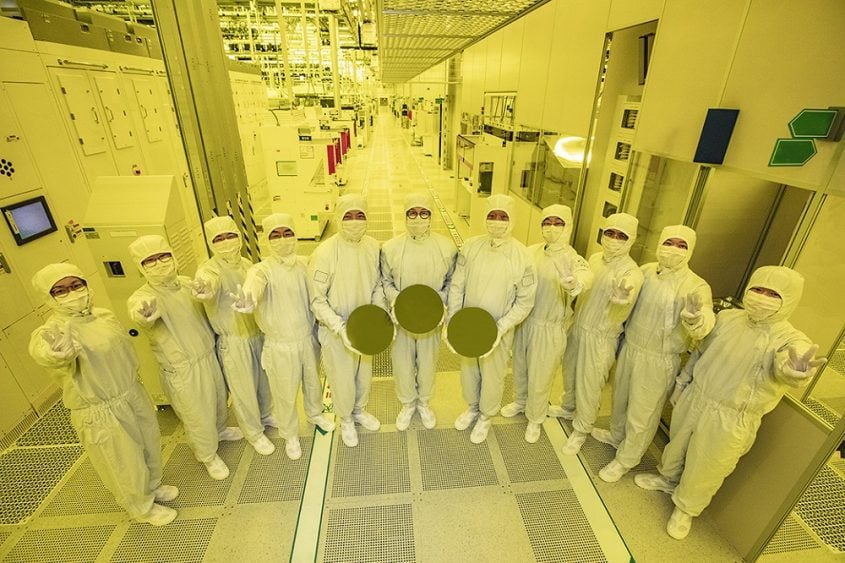
    According to a recent report from The Bell, Samsung’s third-generation 3 nm process, known as SF2, is having a pretty solid start. Although the ‘2’ in its name suggests it could be a 2 nm-class chip, that’s not the case. Early tests show yields of about 30%, which isn’t terrible for a test phase, especially since its previous version took longer to reach similar numbers. The chip being referenced here is the Exynos 2600.

    Future Implications

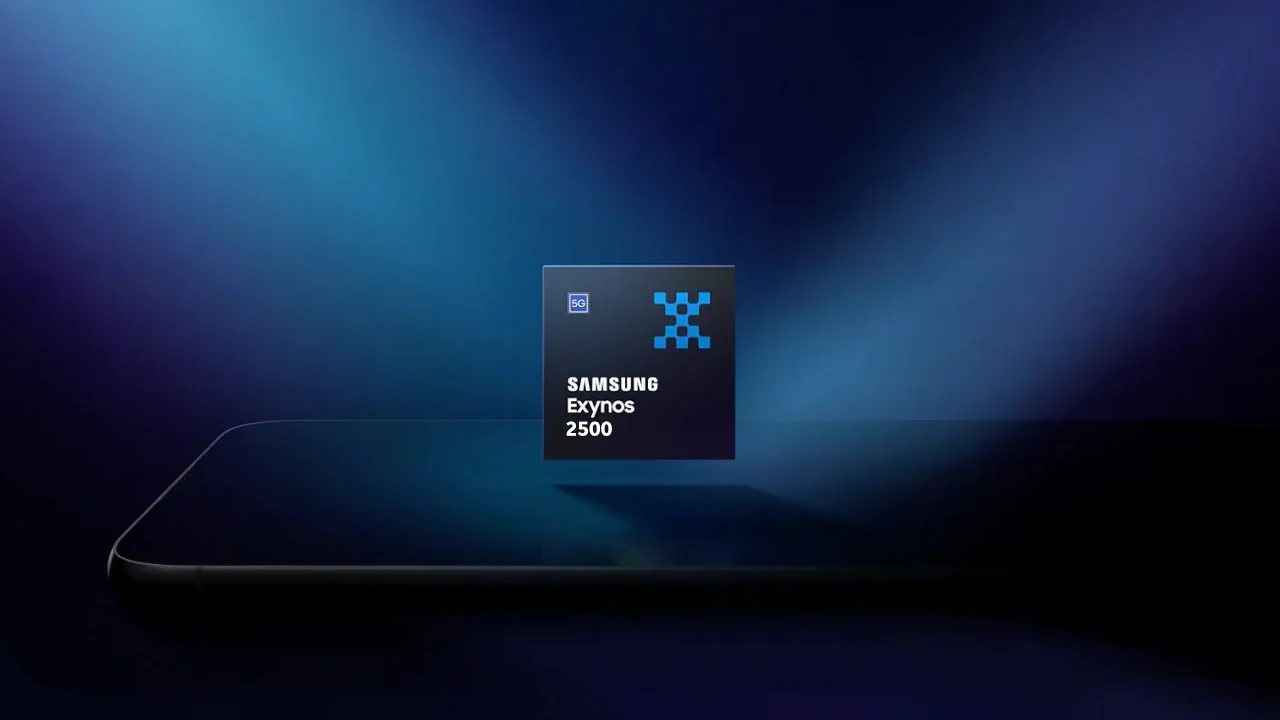
    If Samsung can improve its SF2 yields to around 60% by the time it starts mass production in late 2025, there’s a strong possibility that the upcoming Galaxy S26 phones will feature the Exynos 2600. There’s also speculation about moving away from using an AMD Radeon iGPU in favor of an in-house alternative. However, it’s likely that the Galaxy S26 Ultra and the Galaxy Z Fold 8 will continue to use Qualcomm chips. We’ll get a better understanding of how the Exynos 2600 performs once the Exynos 2500 is revealed with the Galaxy Z Flip 7 later this year.

    Internal Development

    Currently, Samsung has given the Exynos 2600 the internal codename “Tethys.” On paper, this chip should have an edge over Qualcomm’s Snapdragon 8 Elite 2 and MediaTek’s Dimensity 9500, which are expected to be manufactured using TSMC’s N3P technology. However, in practice, TSMC has traditionally been more successful. The competition would have been more balanced if TSMC had accepted Samsung’s proposal to produce Exynos chips, but that opportunity was closed off early on.

    Importance of SF2

    The success of SF2 is crucial for Samsung, as it will influence the future of its foundry business. The company has already put some older nodes (4 nm and lower) on hold due to a lack of demand. So far, SF2 has two confirmed clients: PFN and Ambarella. There’s a possibility that Qualcomm might return to Samsung Foundry, particularly since its name was noticeably missing from the list of TSMC N2 customers, which included big names like Apple, Intel, AMD, and Nvidia.

    Source:
    Link

  • Samsung Galaxy S26 Series Expected to Reintroduce Exynos Chips

    Samsung Galaxy S26 Series Expected to Reintroduce Exynos Chips

    Samsung has just unveiled the Galaxy S25 series, its newest flagship smartphones. However, only a month after this announcement, speculation about the Galaxy S26 series has already begun to emerge. A recent report suggests that Samsung might reintroduce its Exynos chips in the upcoming Galaxy S26 lineup.

    Exynos Chips Could Be Coming Back

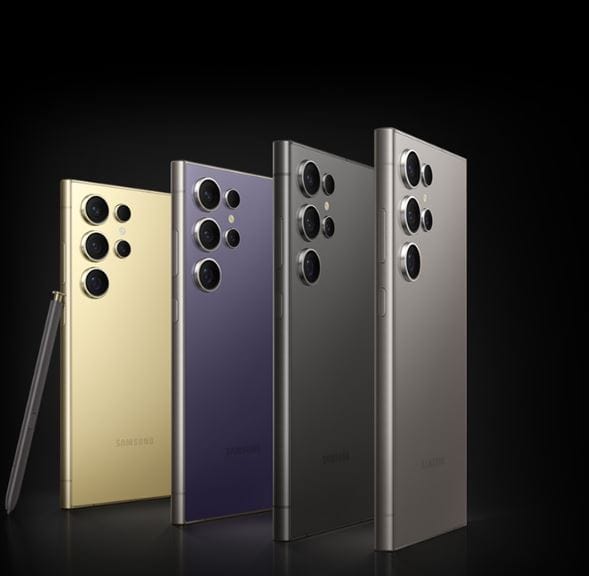
    Samsung Galaxy S25 Ultra
    As per a report from TheBell, the South Korean tech company may be considering the use of its Exynos chips again, which could launch with next year’s high-end smartphones. It appears that Samsung has achieved a yield of over 30 percent in its latest SF2 (2nm) test production. In addition, the company is focused on further stabilizing this process to prepare for the mass production of the Exynos 2600 chipsets.

    Production Timeline and Challenges

    This production is anticipated to kick off in the last quarter of this year, provided that the yield rates meet their expectations. Therefore, if everything goes according to plan, the Exynos 2600 APs might be available with the Galaxy S26 series in early 2026. The report also mentions that both the Samsung Electronics System LSI Division and the Foundry Division are allocating resources to achieve the mass production target for the Exynos 2600. In recent years, Samsung has faced challenges with yield rates, with the Exynos 2500 reportedly achieving only a 20 percent yield.

    Minimum Yield Requirements

    For successful mass production, the company needs to reach at least a 60 percent yield or higher. Speculations suggest that poor chip yields were a factor in Samsung’s decision to use an entirely Snapdragon Galaxy S25 lineup this year. They even collaborated with Qualcomm to create a custom Snapdragon 8 Elite for Galaxy version, which outperforms the standard variant.


  • MediaTek Dimensity 9500: N3P Process for 2025 Flagship Chip

    MediaTek Dimensity 9500: N3P Process for 2025 Flagship Chip

    The new MediaTek Dimensity 9500 processor is going to use TSMC’s N3P process node, moving away from earlier ideas about a 2nm manufacturing method. This change seems to be due to the high costs and low production capacity, especially with Apple readying to adopt TSMC’s 2nm node for its upcoming M5 series chips.

    A Major Design Change

    The Dimensity 9500 represents a big architectural change, shifting to a 2+6 core arrangement rather than the 4+4 setup of its predecessor. The fresh layout includes two Cortex-X930 “super cores” and six Cortex-A730 performance cores, with clock speeds expected to surpass the 4 GHz mark. There’s also talk that this processor will support the SME (Scalable Matrix Extension) instruction set.

    Performance Comparison

    In contrast, the Dimensity 9400 features one 3.62 GHz Cortex-X925 super core, three 3.3 GHz Cortex-X4 large cores, and four 2.4 GHz Cortex-A720 large cores. According to industry insider Digital Chat Station, the X930 cores in the Dimensity 9500 are likely to provide significantly better single-core performance.

    Launch Timeline and Competition

    MediaTek is targeting an October 2025 release, which could lead to a competition with Samsung’s Exynos 2600, rumored to be manufactured using Samsung Foundry’s 2nm technology. Both processors may power various flagship devices, with rumors hinting that the Exynos 2600 could be at the heart of Samsung’s Galaxy Z Fold 7, Z Flip 7, and S26 series.

    While TSMC’s N3P process might not be as power-efficient as the upcoming 2nm, it still offers an upgrade over the N3E process found in the current Dimensity 9400. Choosing N3P also highlights a wider industry trend, as several leading tech firms are seemingly reconsidering their quick shift to TSMC’s 2nm node due to the high costs and limited production capacity.

    Source: Link

  • Exynos 2600: Upcoming 2nm Chipset for Galaxy S26 Series

    Exynos 2600: Upcoming 2nm Chipset for Galaxy S26 Series

    The Exynos 2500 has sparked quite a bit of debate. Many believe that the production of this next-gen chipset has not gone smoothly, causing Samsung to limit its use to the Galaxy Z Flip7. This means that the upcoming S25 series will mostly feature the Snapdragon 8 Elite instead. However, despite these challenges, it appears that the Exynos 2600, which is the successor to the Exynos 2500, is still in development.

    Ongoing Development

    According to Setsuna Digital on Weibo, any speculation about Samsung abandoning the Exynos 2600 due to production issues is simply not true. The South Korean tech giant is still committed to this chipset, which is expected to start mass production by the end of 2025. It will likely debut in the Galaxy S26 series phones at the beginning of 2026.

    Advanced Technology

    The Exynos 2600 is anticipated to use Samsung’s 2nm manufacturing process. There have been recent claims that TSMC may be involved in producing the Exynos 2600, but those seem to be just rumors for now. Regardless, using a 2nm process would give the Exynos 2600 a significant edge over competitors like the Snapdragon 8 Elite 2 and the Apple A19. Both of these rival chips are expected to be made using TSMC’s N3P node, while the N2 node will be reserved for their successors coming in 2026.

    You can purchase the Galaxy Z Fold6 on Amazon.

    Setsuna Digital’s insights are crucial to understanding the future of Exynos chipsets.

    Source: Link


    Image 1
  • Samsung Considers Halting Exynos 2600 Production Due to Issues

    Samsung Considers Halting Exynos 2600 Production Due to Issues

    Samsung’s Exynos 2600 chip, once thought to be a groundbreaking advancement in mobile technology, might not be released at all. A recent report indicates that Samsung is thinking about stopping its production due to difficulties with the 2nm manufacturing process. This news brings up concerns about the future of Samsung’s own chip production and how it will compete in the semiconductor industry.

    Low Production Yields

    The Exynos 2600 was set to use Samsung Foundry’s cutting-edge 2nm process. Nevertheless, the production yield rate—a crucial factor that measures how many usable chips come from a single wafer—has apparently been quite low. Recent data shows yields ranging from only 10 to 20%, which is far from enough for mass production.

    Historical Challenges

    This isn’t the first time Samsung Foundry has faced these types of issues. Its 3nm process, utilized for the Exynos 2500, had similar problems, with yields dropping below 20%. This has sparked rumors that Samsung may consider outsourcing the production of its top Exynos chips to TSMC, which is well-regarded in advanced chip manufacturing.

    Shift in Production Strategy

    Complicating matters further, Samsung has reportedly closed down several manufacturing plants that were using older 4nm, 5nm, and 7nm technologies. The semiconductor division is also said to be dealing with a reduced workforce, restricted by South Korea’s regulation on a 52-hour workweek. A reorganization of Samsung’s application processor (AP) development team is in the works, but it may take years to fully implement.

    Potential Outsourcing Consequences

    While sending production to TSMC might help with yield problems, it could also raise production costs. Traditionally, Samsung has depended on in-house manufacturing to keep expenses low and maintain competitive prices for its products. Outsourcing might lead to even higher prices for consumers.

    Uncertain Future for Exynos

    Despite these challenges, Samsung Foundry is reportedly striving to enhance its 2nm process to stay competitive with TSMC. However, there isn’t much information available about the current state of progress, which leaves the future of Exynos in doubt.

    For consumers, Samsung’s possible switch to Snapdragon 8 Elite or MediaTek Dimensity 9400 for the Galaxy S25 series could offer improved performance and efficiency. Nonetheless, the potential cancellation of the Exynos 2600 underscores the difficulties Samsung faces in balancing innovation with cost efficiency.


    Image 1