
Key Takeaways
1. Historical performance issues: Exynos processors have underperformed compared to Qualcomm chips, leading to doubts about the new Exynos 2600.
2. Global model differences: European Galaxy flagship models often lag behind U.S. models, a trend expected to continue with the Galaxy S26 and S26+.
3. Manufacturing advancements: Samsung’s new 2nm GAA process promises modest gains in performance and efficiency, with a 60% manufacturing yield for the Exynos 2600.
4. Cost savings potential: Samsung could save $20 to $30 per Galaxy S26 unit using the Exynos 2600 compared to the Snapdragon 8 Elite Gen 5.
5. Optimization concerns: Exynos chips may struggle in real-world usage due to reliance on standard ARM architecture, unlike Qualcomm and Apple’s custom designs.
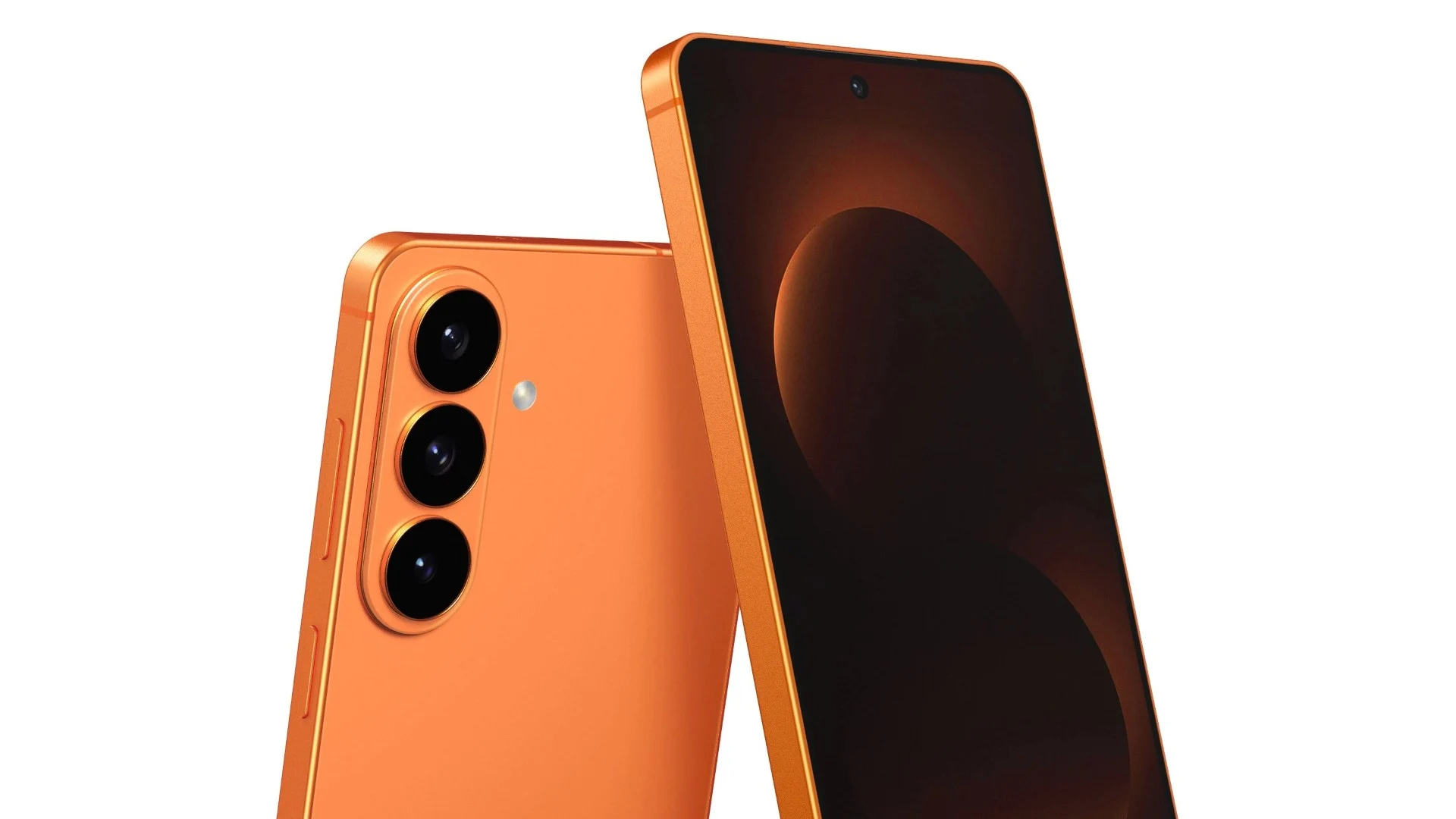
Some fans are doubtful about Samsung’s new chip, and they have good reasons for their doubts. Historically, Exynos processors have not performed as well as Qualcomm chips when it comes to efficiency and overall performance. This has led to European Galaxy flagship models often underperforming compared to those in the United States. Reports suggest that this trend will continue into 2026, particularly with the Galaxy S26 and S26+. The successor to the Galaxy S25 Ultra (available here on Amazon) is expected to feature the Snapdragon 8 Elite Gen 5 worldwide.
Manufacturing Advances
Recently, Samsung shared its quarterly financial results along with an early look at its new 2nm GAA manufacturing process. They claim this technology offers a 5% boost in performance, an 8% increase in efficiency, and a 5% decrease in chip size when compared to their second-generation 3nm tech. While these enhancements might appear small at first, they have led to approximately 25% of all Galaxy S26 pre-orders being secured, in addition to a significant contract with Tesla valued at over $16.5 billion for producing AI6 chips. Reports indicate that Samsung has achieved a 60% manufacturing yield for the Exynos 2600, surpassing the minimum needed for mass production.
Cost Savings and Concerns
Sources from the industry, as reported by Chosun Biz, suggest that Samsung’s Mobile eXperience division could save about $20 to $30 on each Galaxy S26 unit using the Exynos 2600, compared to those with the Snapdragon 8 Elite Gen 5. However, despite Samsung’s positive outlook regarding the Exynos 2600, driven by leaked performance benchmarks, there are increasing worries that Exynos-powered Galaxy flagships might once more fall short in real-world usage. An insider from the industry pointed out that Samsung has chosen to stick with the standard ARM Lumex architecture, while both Qualcomm and Apple have developed their own custom chip designs that offer better optimization.
Source:
Link

Leave a Reply