
Key Takeaways
1. Samsung will use its Exynos 2600 chipset in both the Galaxy S26 and S26 Plus models.
2. LB Semicon has joined the testing process for the Exynos 2600, expanding Samsung’s testing partnerships.
3. Samsung’s System LSI designs the chips, while its Foundry division handles large-scale production and outsources testing.
4. The Exynos 2600 chipset is expected to capture a 25% share of the total chip supply, with Snapdragon providing the remaining 75%.
5. LB Semicon has prior experience in chip testing, previously working with Google on Samsung’s Tensor chips.
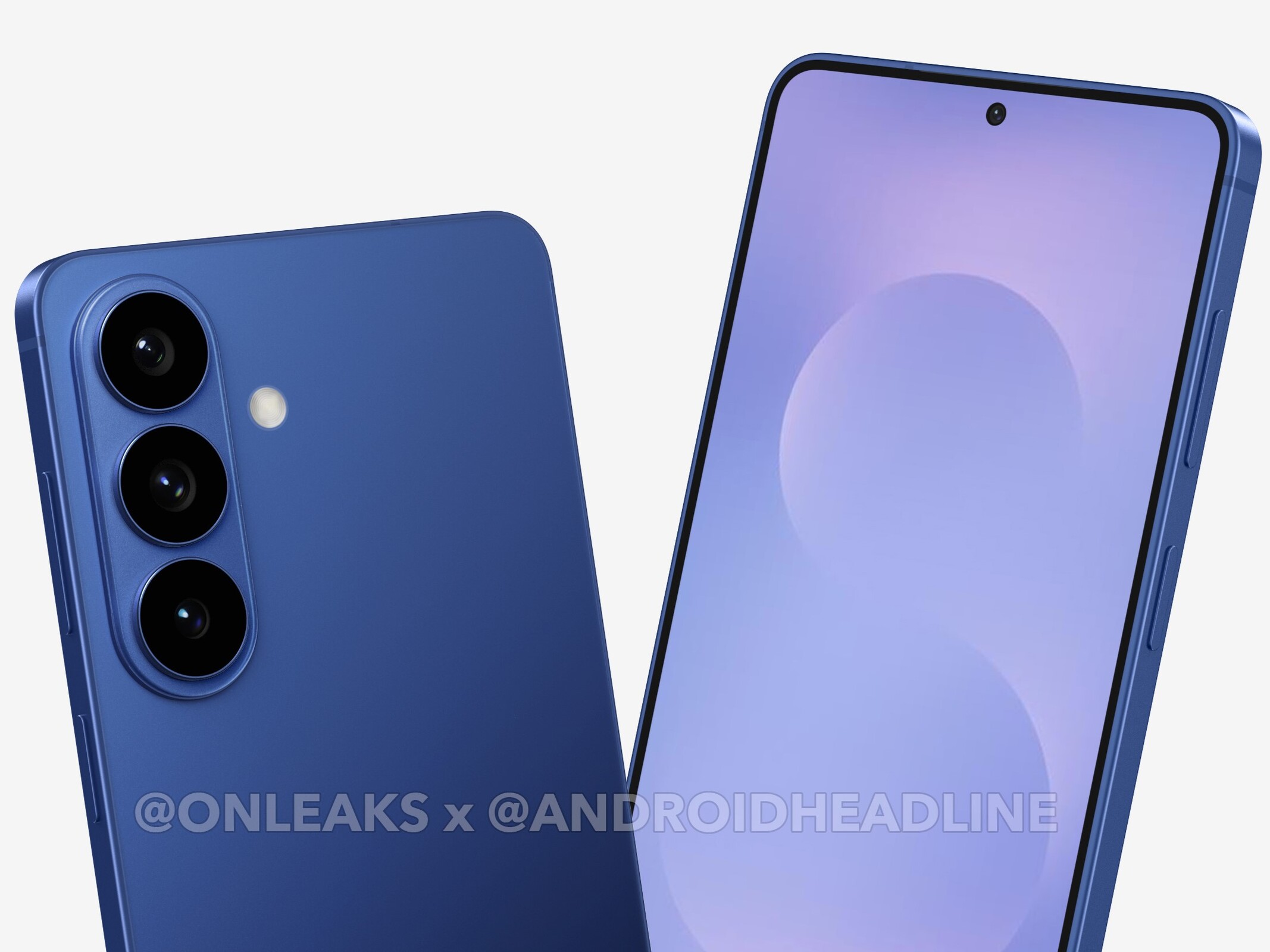
The Galaxy S26 series is only a few months away, and it’s clear that Samsung will be using its Exynos 2600 in both the standard Galaxy S26 and the S26 Plus versions. Recent reports from etnews reveal that the tech giant is involving an LG affiliate in the chip testing process for the Galaxy S26 to aid in this significant launch. Samsung has officially broadened its Exynos processor testing agreement to include LB Semicon, making it the third vendor working on testing this new in-house chipset.
Testing Process Underway
LB Semicon is set to test the processors for the Galaxy S26 series, despite having previously focused on mid-range Exynos application processors. Following the new contract, the company has begun outfitting its Anseong facility with the necessary equipment and is getting ready for operations. In addition to LB Semicon, Samsung is keeping Doosan Tesna and Nepes in the loop for Exynos 2600 testing. These three partners will assess the electrical properties of the wafers after the circuit pattern is finalized to identify any defects in individual chips.
Production and Partnerships
Samsung’s System LSI is in charge of designing Exynos chips, while its Foundry division handles large-scale production. The company outsources wafer testing to various vendors to manage the post-production processes, including testing. The expanded list of testing partners fits with industry insights that suggest the Exynos 2600 is expected to capture a 25% share of the total chip supply, while Samsung will heavily depend on Snapdragon for the remaining 75%.
Experience in Chip Testing
LB Semicon has experience in handling crucial testing assignments, as they were responsible for chip wafer testing when Google utilized Samsung’s Tensor chips. Now that the processors for Pixel devices are managed by TSMC, the Taiwanese company oversees post-production testing for those chips, freeing LB Semicon to focus on the upcoming Samsung silicon.
In conclusion, the Galaxy S26 series is shaping up to be a significant release for Samsung, with a strong emphasis on quality through rigorous testing from trusted partners.
Source:
Link
Leave a Reply