Tag: Digital Foundry

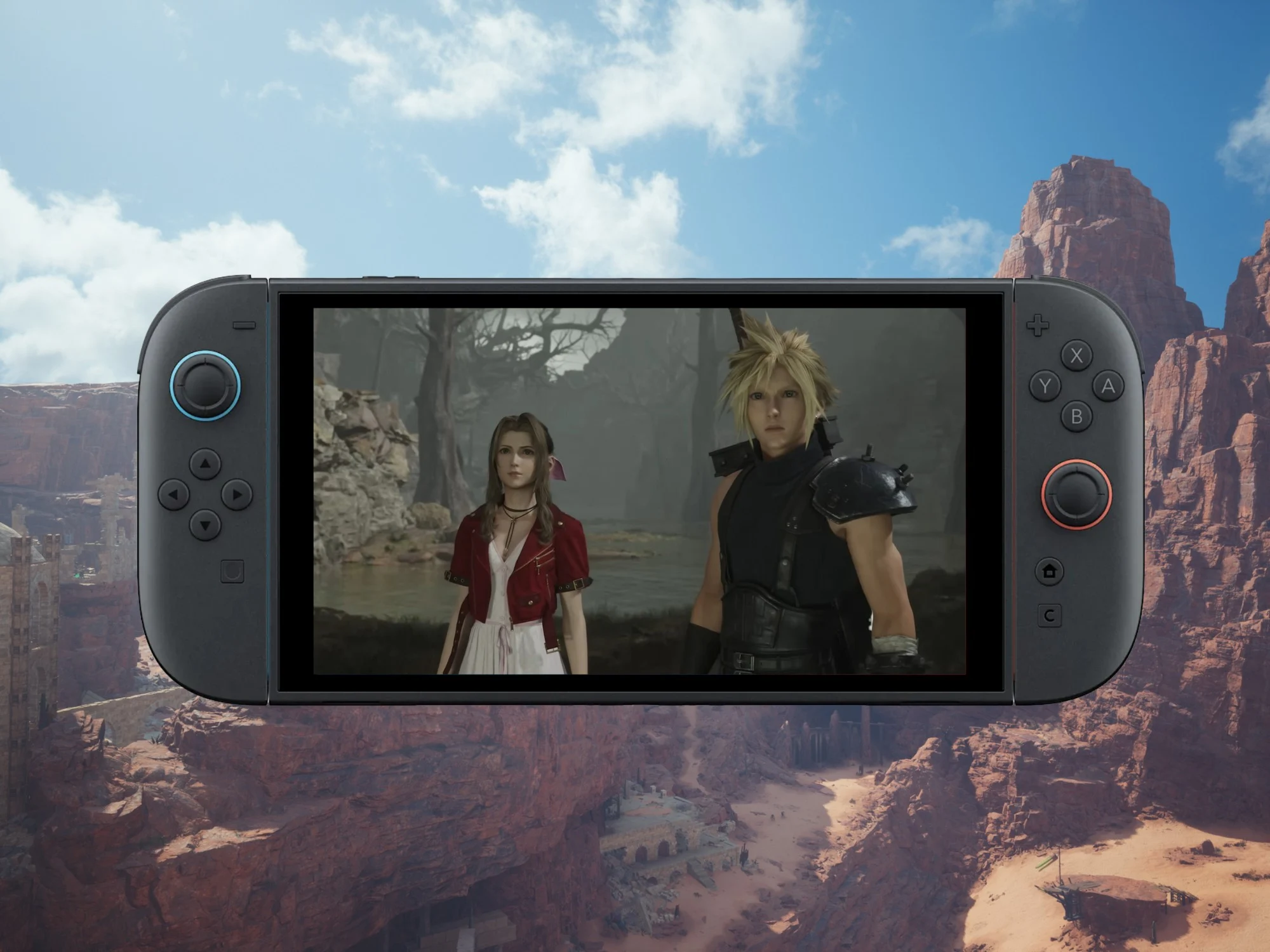
  • Final Fantasy 7 Rebirth on Switch 2: Performance vs PS5 & Steam Deck

    Final Fantasy 7 Rebirth on Switch 2: Performance vs PS5 & Steam Deck

    Key Takeaways

    1. Final Fantasy 7 Rebirth on Switch 2 operates at 720p and 30fps, using DLSS lite for 1080p upscaling.
    2. PS5 version offers nearly 4K resolution but struggles with consistent frame rates and more detailed graphics.
    3. Switch 2 graphics show less detail and foliage compared to PS5, making environments appear more barren.
    4. Performance mode on PS5 has higher frame rates but can result in blurred graphics; Switch 2 version looks better than Steam Deck in busy scenes.
    5. Concerns about frame pacing exist for the Nintendo version, but Square Enix previously improved performance for Remake Intergrade.


    Square Enix has managed to bring Final Fantasy 7 Remake Intergrade to Nintendo’s new handheld device successfully. However, optimizing its sequel for the Switch 2 presents a greater challenge. Digital Foundry took a look at the trailer that’s available to evaluate how this new title might compare to the PS5 version. It seems that Final Fantasy 7 Rebirth on the Switch 2 could leave some Steam Deck users feeling envious.

    Graphics and Performance Insights

    According to the tech website, when docked, the second installment of the trilogy operates natively at 720p with a frame rate of 30fps. Additionally, DLSS lite helps upscale the graphics to 1080p, which notably improves visual quality. However, players on PS5 will notice that some details have been toned down to achieve the desired performance benchmarks.

    Comparison with PS5

    In graphics mode, the PS5 manages to render Final Fantasy 7 Rebirth at nearly 4K resolution, though it struggles to consistently stay at 30fps. Nintendo fans playing on the Switch 2 may find that character details, such as Aerith’s hair, are not as sharp. Furthermore, in the game’s expansive open-world settings, there appears to be less foliage, making the environments seem more barren.

    Performance Mode Considerations

    Performance mode on the PS5 might provide a better point of comparison for the handheld. While frame rates are doubled, the graphics can often appear more blurred, likely due to less effective upscaling techniques. Digital Foundry also pointed out that the AI-driven PSSR on the PS5 Pro makes a significant difference in visual fidelity.

    The video does not include any side-by-side comparisons with the Steam Deck version. Nevertheless, one tester shared their initial impressions regarding Final Fantasy 7 Rebirth on the Switch 2 in relation to Valve’s device. Even though it’s Steam Deck verified, in busy scenes, frame rates often drop into the low 20s. Pop-in issues are frequent at 720p, pushing the hardware to its limits. Oliver Mackenzie expressed that the Nintendo port appears to look a “fair bit better than Steam Deck.”

    Performance Issues

    Frame pacing has become a concern based on the version shown in the Nintendo Direct trailer. However, Square Enix was able to smooth out the performance of Remake Intergrade before its release. For the most part, many of the graphical downgrades from the PS5 version are not easily noticeable without a detailed technical examination.

    Fans will soon find out what enhancements have been made for Final Fantasy 7 Rebirth’s release on the Switch 2. It’s recommended to finish the previous game before June 3rd, as this new title requires more than 100GB of storage space.

    Source:
    Link
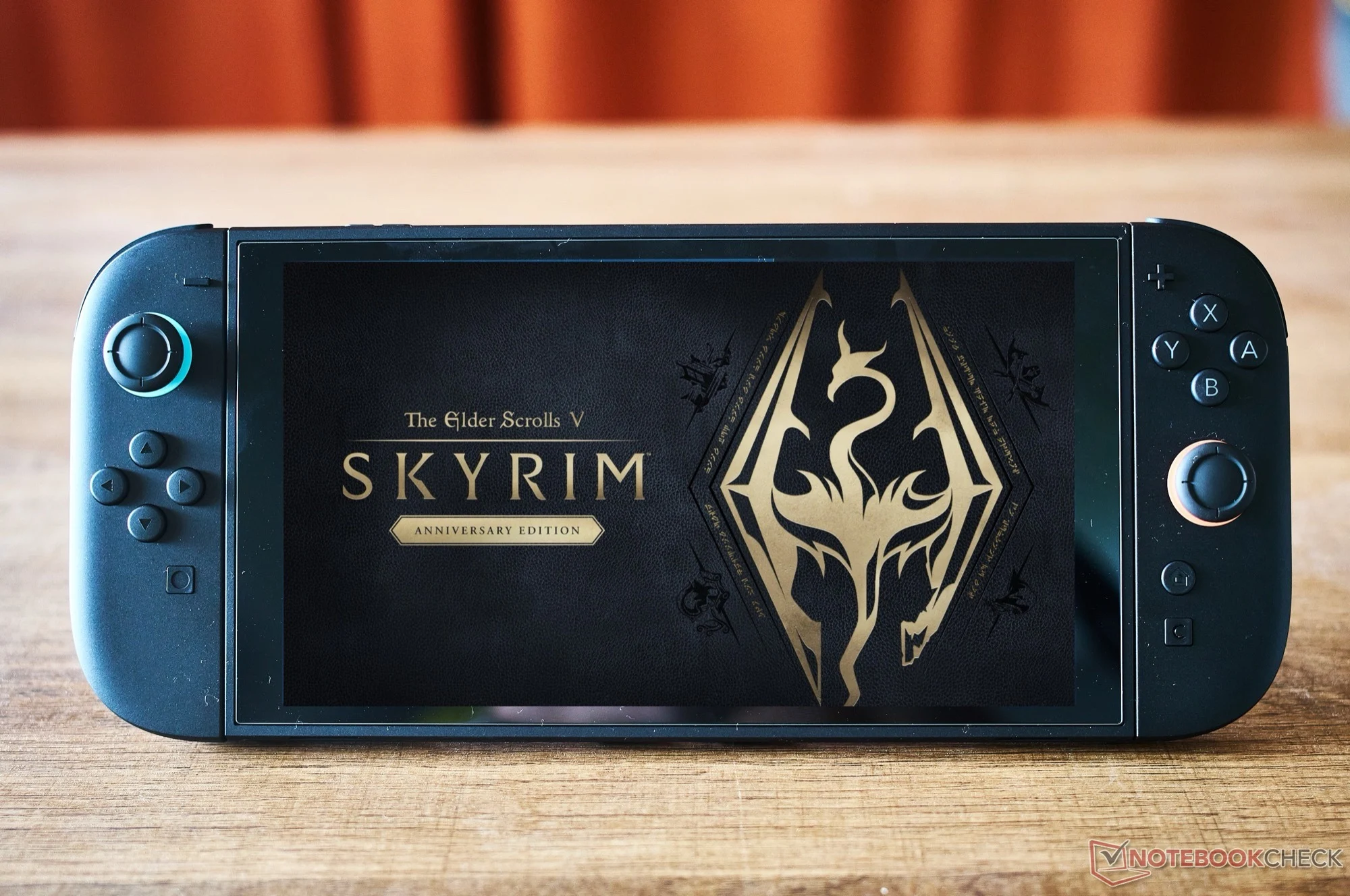


  • Skyrim Issues on Nintendo Switch 2: Digital Foundry Analysis

    Skyrim Issues on Nintendo Switch 2: Digital Foundry Analysis

    Key Takeaways

    1. The Elder Scrolls V: Skyrim was released on Nintendo Switch in 2016, and a new native edition for the Switch 2 was launched recently, priced at around $449.
    2. The Switch 2 version features significant graphical enhancements but is limited to a frame rate of 30 fps.
    3. Digital Foundry’s analysis revealed that the Switch 2 edition has higher input latency (220-240 ms) compared to the original version (150-170 ms).
    4. Many well-optimized games maintain input latency below 100 ms, highlighting the performance issues with the new edition.
    5. Graphical improvements include higher resolution (up to 1440p in dock mode), better lighting, and enhanced textures, but some visual flaws persist, such as water flow issues and color inaccuracies in distant plants.


    The Elder Scrolls V: Skyrim first launched in November 2011 and later made its way to the Nintendo Switch in October 2016. This Switch version came with some noticeable drops in graphics and was limited to 30 fps. Last week, Bethesda finally rolled out a native edition for the Switch 2, which is priced at around $449 on Amazon. This new version promises significant graphical enhancements, although it still runs at a capped frame rate of 30 fps.

    Performance Issues Identified

    An in-depth analysis by Digital Foundry showed that the new Nintendo Switch 2 Edition actually performs worse than its predecessor in various ways, especially when it comes to high input latency. Using a high-speed camera, they found that it takes around 220 to 240 ms—almost a quarter of a second—for inputs to show up on the screen. This latency is quite similar to what Microsoft’s Kinect motion-sensing controllers delivered on the Xbox 360.

    Latency Comparisons

    In contrast, the original version of Skyrim on the Switch displayed latency around 150 to 170 ms on the Switch 2. Additionally, many well-optimized games manage to keep their input latency below 100 ms, even while running at 30 fps. Bethesda has informed Digital Foundry that they are looking into this problem. On a brighter note, the graphical improvements did receive positive feedback from the media outlet.

    Visual Enhancements and Issues

    When played in dock mode, the game’s resolution bumps up from 900p to 1440p and is then upscaled to 4K using DLSS technology. The new edition also adds better lighting, textures, view distance, and wildlife, which enhances the visual experience, especially during nighttime. However, the enhanced graphics are not without flaws: water can sometimes flow the wrong way while moving the camera, and distant plants might appear blue instead of green.

    Source:
    Link


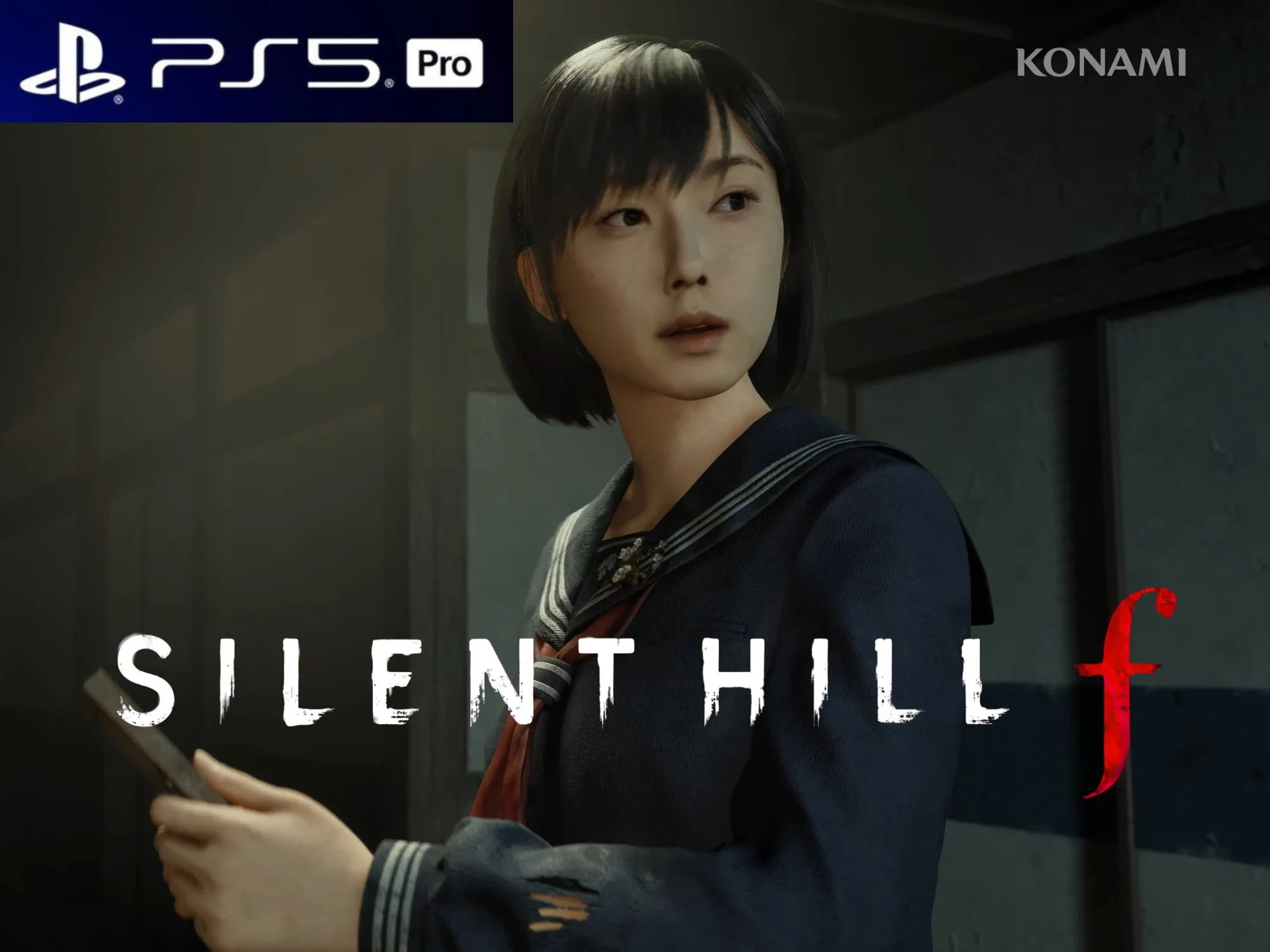
  • Silent Hill f PS5 Pro Artifacts Lead Gamers to Choose Performance Mode

    Silent Hill f PS5 Pro Artifacts Lead Gamers to Choose Performance Mode

    Key Takeaways

    1. Performance Issues: Silent Hill f suffers from performance problems on the PS5 Pro, particularly due to PSSR upscaling, which introduces visual glitches.

    2. Limited Settings: Unlike the PS5, which offers quality and performance settings, the PS5 Pro only has a single setting with PSSR always enabled, affecting overall gameplay experience.

    3. Visual Artifacts: Players are experiencing annoying flickering reflections and noise that detracts from the visual quality, similar to issues seen in Silent Hill 2.

    4. Community Demands: Many players and Digital Foundry are urging Konami to add an option to disable PSSR to improve the gaming experience on the PS5 Pro.

    5. Broader Concerns: Issues with upgraded games on the PS5 Pro are not limited to Konami; other titles, like Borderlands 4, also show minimal improvements compared to standard PS5.


    Not every PS5 Pro upgraded game makes gamers value their expensive PlayStation console. The latest addition, Silent Hill f, is causing some frustration among players due to its performance issues. A review by Digital Foundry reveals that PSSR upscaling introduces visual glitches. This same problem is also seen in Konami’s remake of Silent Hill 2. As the release date for Silent Hill f draws near, fans are already expressing their dissatisfaction.

    Performance Analysis

    Digital Foundry took a close look at how Silent Hill f performs on both the PS5 and the PS5 Pro. The game on PS5 gives players a choice between quality and performance settings, which either enhances image clarity or improves frame rates. In contrast, the PS5 Pro only has a single setting, with PSSR always turned on. This results in a generally higher frame rate and occasionally sharper textures, but these enhancements come with some trade-offs.

    Visual Issues Persist

    Sadly, the annoying flickering reflections that bothered players in Silent Hill 2 have made a return. The review pointed out that upscaling might negatively impact shadows and ray-tracing effects. While some visuals do benefit from the improved GPU of the console, many scenes are affected by an unexpected level of noise, which can detract from the experience.

    Despite its flaws, the survival horror title offers some perks on the PS5 Pro. The Silent Hill f review noted that frame rates frequently reach the 60 fps mark, although there are some dips in more open environments. If gamers can look past the visual artifacts, this performance is a noticeable upgrade compared to the quality mode offered on the standard PS5.

    Community Reactions

    Both Digital Foundry and players using the PS5 Pro are now calling on Konami to include an option to turn off PSSR. Although this feature can showcase the console’s capabilities, it often suffers from poor execution. Many players would prefer the performance of Silent Hill f on PS5 if it meant fewer distracting visual issues.

    Concerns about enhanced games on the PS5 Pro are not exclusive to Konami titles. Several recent releases, like Borderlands 4, also lack proper support, resulting in only minor improvements over the less expensive system.

    Source:
    Link


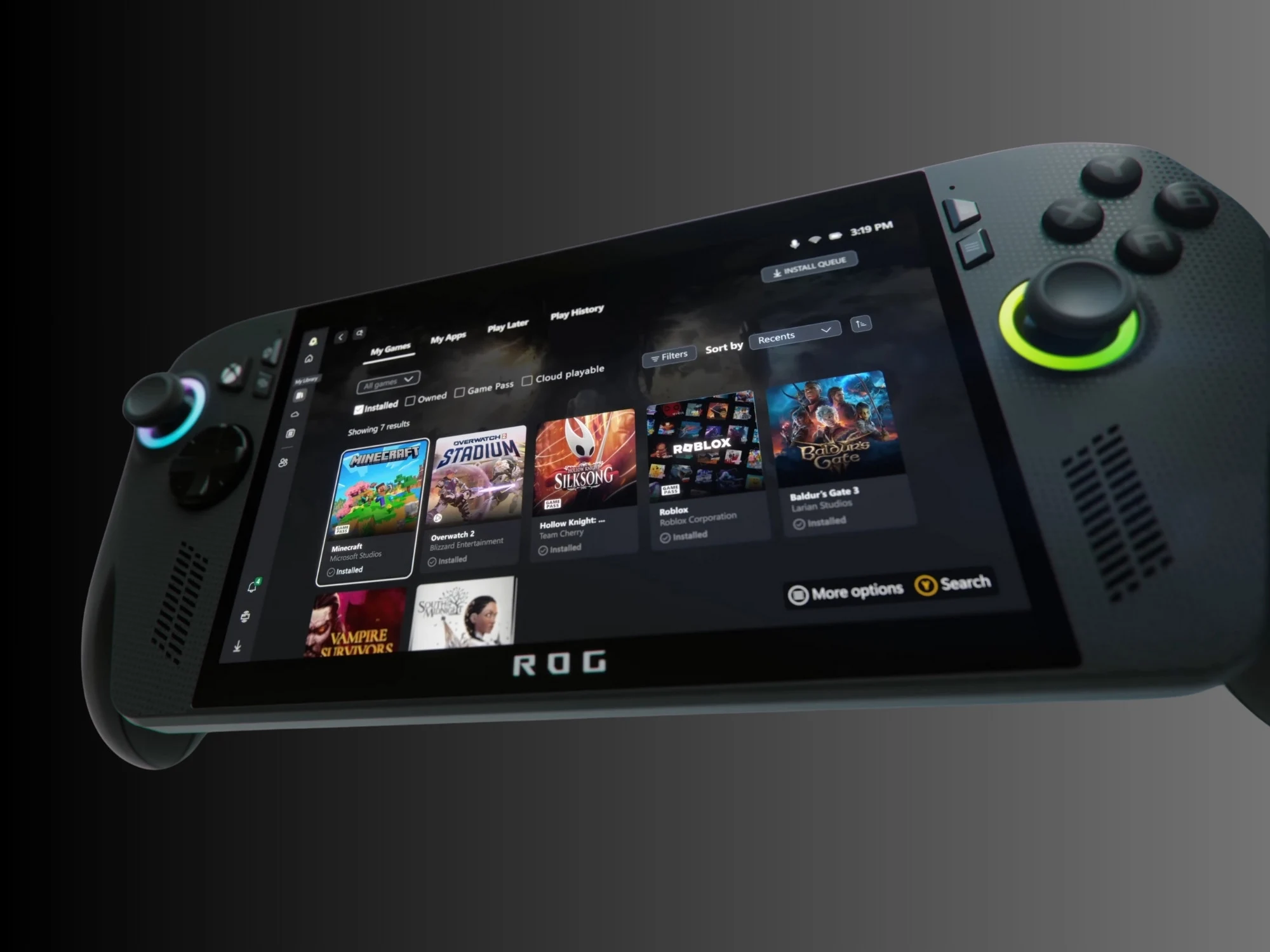
  • Asus ROG Xbox Ally X: Digital Foundry Warns of Poor Performance

    Asus ROG Xbox Ally X: Digital Foundry Warns of Poor Performance

    Key Takeaways

    1. The ROG Xbox Ally and ROG Xbox Ally X handheld gaming devices will be released on October 16th.
    2. Digital Foundry’s performance tests revealed that the ROG Xbox Ally X is still a work in progress and may not meet all gamers’ expectations.
    3. Doom: The Dark Ages ran at around 50 FPS at 540p upscaled to 1080p, while Clair Obscur: Expedition 33 performed poorly at 27-30 FPS at 1080p.
    4. Digital Foundry recommends managing expectations, as the ROG Xbox Ally X is a portable device with limited thermal design power, not a home console equivalent.
    5. The performance of the ROG Xbox Ally X may improve by the release date, but current evaluations are based on pre-release software.


    The first Xbox-branded handheld gaming devices, the ROG Xbox Ally and the ROG Xbox Ally X, are set to be released on October 16th. At Gamescom, various media outlets had their first experience with these portable consoles, showcasing what the new Xbox gaming experience looks like on Windows handheld devices.

    Performance Insights from Digital Foundry

    Digital Foundry took some time to evaluate the ROG Xbox Ally X. Their investigation into the console’s software suggested that it is still a work in progress. Known for their performance testing of games on both PC and console setups, they ran titles such as Doom: The Dark Ages and Clair Obscur Expedition 33 on the ROG Xbox Ally X. The findings, shared in the latest DF Direct, might not meet the expectations of some gamers.

    Game Testing Results

    DF tested Doom: The Dark Ages on the ROG Xbox Ally X at a resolution of 540p upscaled to 1080p, using low settings along with DRS and FSR 3 “Performance.” Under these conditions, the ROG Xbox Ally X was hitting around 50 FPS, which is commendable for a handheld gaming console with a limited thermal design power (TDP). The outlet pointed out that aiming for a 1080p resolution seems a tad excessive for a portable device. Aiming for a resolution of 720p would likely be more appropriate given the small 7-inch screen size.

    On the other hand, Clair Obscur: Expedition 33 did not perform as well as Doom: The Dark Ages. Running at 1080p with low settings and utilizing Unreal Engine 5’s Temporal Super Resolution, the ROG Xbox Ally X managed only about 27-30 FPS in the game’s initial level.

    Managing Expectations

    Based on this performance, DF cautioned that gamers anticipating the Asus ROG Xbox Ally X to deliver a home console experience with consistent frame rates in AAA titles “should temper their hopes.” Even with a robust Z2 Extreme APU featuring Zen 5 CPU cores and an RDNA 3.5 iGPU, the Asus ROG Xbox Ally X remains a portable gaming device with a constrained power budget.

    That being said, the ROG Xbox Ally X units that DF evaluated were likely operating on pre-release software. Therefore, it wouldn’t be surprising if the performance improves a little by the time the ROG Xbox Ally X is officially released. Nonetheless, this remains speculation, and we’ll need to get our hands on the console before making any final assessments.

    Source:
    Link


  • ROG Xbox Ally X Review: UI Issues and Console Interface Lacks Polish

    ROG Xbox Ally X Review: UI Issues and Console Interface Lacks Polish

    Key Takeaways

    1. The user interface (UI) of the Asus ROG Xbox Ally X needs significant improvement for a better gaming experience.
    2. Reports of bugs and crashes, including issues with unresponsive analog sticks and game crashes, highlight performance concerns.
    3. The handheld struggles with managing Windows resources, leading to sluggishness when switching between games.
    4. Mixed reviews suggest that the UI is more unstable than expected, raising doubts about improvements before the release date.
    5. Despite the challenges, the device offers the advantage of combining multiple marketplaces into a single display, but may frustrate gamers seeking a console-like experience.


    One challenge that Microsoft faces with the Asus ROG Xbox Ally X is making the Windows interface better suited for gaming. Impressions from the recent Gamescom event indicate that the user interface (UI) has significant room for enhancement. A member from Digital Foundry reported encountering various bugs and even some crashes. Although tech podcasters see some promise, the ROG Xbox Ally X currently lacks the intuitiveness that gamers are accustomed to with Xbox consoles.

    Concerns About User Interface

    Richard Leadbetter expressed the most troubling thoughts regarding the handheld’s UI. The Xbox Ally X aims to simplify the process of finding and loading games on a portable Windows device. However, at one point, the analog sticks used for navigating menus completely stopped responding. Additionally, Doom: The Dark Ages crashed, which hindered gameplay navigation.

    Performance Issues Under Testing

    The ROG Xbox Ally and Xbox Ally X are designed to manage Windows resources to enhance gaming performance. Nevertheless, during Digital Foundry’s testing, this approach led to some unexpected issues. After playing Gears of War: Reloaded and switching over to Doom: The Dark Ages, the handheld gaming PC failed to properly close Gears of War. Consequently, the device became sluggish when trying to run two games simultaneously.

    Mixed Reviews Ahead of Launch

    From other previews, it’s not shocking that the latest handhelds don’t provide a flawless console interface. These devices operate on a conventional Windows OS, which is built for a variety of tasks beyond gaming. Still, Digital Foundry discovered that the UI is in a more unstable condition than many gamers might have anticipated. It raises doubts about whether Microsoft can resolve these issues by the release date of the ROG Xbox Ally X on October 16th.

    In spite of the negative feedback, Digital Foundry believes that the ROG Xbox Ally handhelds also demonstrate some strengths. They combine multiple marketplaces into a single display, which is a limitation found in current handheld gaming PCs. However, other elements of the UI seem more disjointed. Gamers who are looking for a smoother Xbox console-like experience may quickly find themselves feeling frustrated.

    Source:
    Link


  • Experts Predict PS6 May Feature 24 GB of RAM

    Experts Predict PS6 May Feature 24 GB of RAM

    Key Takeaways

    1. Sony’s PS6 is expected to release in 2027, with speculation about its potential features already circulating among fans and insiders.
    2. The PS6 may feature 24 GB of RAM, enhancing machine learning and ray tracing capabilities compared to the current PS5’s 16 GB.
    3. Digital Foundry’s experts suggest this RAM increase signifies a new generation of consoles, although it remains speculative.
    4. A leak suggests the possibility of a Zen 6 CPU for future consoles, though it’s deemed too bulky for the PS6.
    5. The upcoming Xbox may include a high-end model with a Magnus APU and 36 GB of GDDR7 RAM, potentially exceeding $1,500 in price.


    Sony’s upcoming PlayStation console has been the focus of numerous leaks in recent months. With the console refresh cycle pointing towards a 2027 release, the PS6 is still a bit off, yet this hasn’t stopped fans and industry insiders from speculating about its potential power. In this context, it is believed that the next PlayStation will feature 24 GB of RAM, which would be a significant improvement over the current specifications.

    Insights from Digital Foundry

    In a recent episode of DF Direct Weekly, experts from Digital Foundry weighed in on the RAM capacity for future consoles. Alexander Battaglia mentioned that while he isn’t sure about Xbox’s direction with their next console, he believes that Sony will probably equip the PS6 with 24 GB of RAM. The logic behind this is that since the PS5 and PS5 Pro are already performing well with 16 GB of RAM, the additional memory will enhance on-hardware machine learning and improve ray tracing capabilities.

    Speculation on Upgrades

    This RAM increase seems sufficient to warrant a new generation of traditional consoles, as Alex puts it, but it’s important to note that this is merely speculation at this time. Recently, there was a leak concerning a Zen 6 CPU for a “Magnus” APU, suggesting that it might power the next-gen consoles. However, while this could be plausible for the next Xbox or one of its anticipated devices, it appears too bulky and costly to fit within the PS6, and it doesn’t align with the typical codenames Sony employs.

    Possible Features of the Next Xbox

    Regarding the upcoming Xbox, there may be a higher-end model using the Magnus APU, which is based on a 3nm process and could include 36 GB of GDDR7 RAM. Naturally, this would come with a higher price point, likely exceeding $1,500. Last month, a well-known leaker, Kepler_L2, indicated that the next Xbox could be priced above $1,000, attributing this to its multi-storefront capabilities. Combined with the new APU, this could push the cost beyond $1,500.

    Source:
    Link

  • Donkey Kong Bananza Review: FSR 1 vs. DLSS and Frame Rate Issues

    Donkey Kong Bananza Review: FSR 1 vs. DLSS and Frame Rate Issues

    Key Takeaways

    1. Donkey Kong Bananza shows progress in the 3D platforming genre but does not fully utilize the enhanced specs of the Switch 2.
    2. The game uses older FSR 1 upscaling technology, resulting in softer graphics compared to newer technologies like DLSS.
    3. Handheld mode offers better performance with a stable resolution of 1080p, while docked mode struggles to maintain 1200p and often drops in resolution.
    4. Performance issues arise from double-buffered vsync, leading to noticeable stutters and frame rate drops, especially during boss battles.
    5. Despite technical flaws, the game’s character and map designs are well-received, with impressive destructible physics enhancing player engagement.


    Digital Foundry has released its review focused on the performance of Donkey Kong Bananza. While the site acknowledges that the Switch 2 title marks progress within the 3D platforming genre, it also points out some technical issues. John Linneman indicates that the game does not fully take advantage of the enhanced specifications of the Switch 2.

    Critiques on Graphics

    A lot of the feedback highlights the use of the older FSR 1, which is less effective than the newer DLSS upscaling technology. The vibrant above-ground and underground settings are filled with intricate details. However, Linneman feels that the visuals would benefit from clearer graphics if a more modern upscaler had been used. The combination of FSR and the SMAA post-process anti-aliasing leads to images that may appear softer than what some players anticipated.

    Handheld vs. Docked Performance

    Interestingly, Digital Foundry found that Donkey Kong Bananza performs better in handheld mode. When docked, the game only reaches a maximum resolution of 1200p, but it frequently drops below that level. Naturally, these visual flaws become more apparent on larger screens.

    In handheld mode, the game maintains a stable resolution of 1080p. The Variable Refresh Rate (VRR), which doesn’t work when docked, could help in keeping the gameplay smooth. Unfortunately, similar to other Switch 2 titles, the VRR feature fails to function at 40 fps or lower. This issue arises in Donkey Kong Bananza, particularly during boss battles and certain animations, which heavily impact the frame rates.

    Performance Hiccups

    Linneman also attributes some performance issues to double-buffered vsync, which causes noticeable stutters. Instead of having smaller dips below 60 fps, the game often displays visuals at just 30 fps.

    Fortunately, these graphical drawbacks did not spoil the overall experience for Linneman. Looking at its Metacritic score, many reviews of Donkey Kong Bananza praise the character and map designs as delightful. Additionally, the destructible physics are impressive, enhancing the players’ connection to the game’s virtual environment. Nonetheless, since development began on the original console, not all of the enhanced features of the Switch 2 are fully showcased.

    Source:
    link

  • Nintendo Switch 2 Display Quality Issues: Worse Than Expected

    Nintendo Switch 2 Display Quality Issues: Worse Than Expected

    Key Takeaways

    1. The Nintendo Switch 2 has received criticism for its screen quality, with issues like slower pixel response times causing blurring and trailing in games.
    2. The display’s HDR performance is lacking, with brightness limitations affecting the contrast ratio and making HDR differences hard to notice.
    3. VRR and LFC features have shown performance issues, resulting in stuttering and frame drops in certain games despite initial positive impressions.
    4. There is potential for improvement in VRR implementation and motion blur reduction through future updates or features like ‘Overdrive.’
    5. In some aspects, the Switch 2’s display is reportedly worse than that of the original Switch and the Switch OLED.


    Even though the Nintendo Switch 2 is flying off the shelves, it has not escaped criticism and technical issues. Earlier observations pointed out that the screen didn’t live up to the hype and questioned why Nintendo opted for an LCD over an OLED display. Now, a comprehensive review of the handheld has uncovered further issues with the screen, making it seem inferior to the original Switch.

    Digital Foundry’s Detailed Insights

    On June 21, Digital Foundry released a thorough review of the Switch 2, revealing just how poor the display really is. The pixel response times are slower on the Switch 2, causing problems like blurring and trailing. This issue is especially noticeable in side-scrolling games that require quick movements from side to side. John Linneman from Digital Foundry remarked that the response times are actually worse than those of the original Switch, which is unexpected.

    Brightness and HDR Limitations

    Additionally, HDR performance was found to be underwhelming due to the screen’s brightness constraints. This was also noted in a prior display review, which mentioned how the backlight tends to wash out darker colors, negatively affecting the contrast ratio. The difference between HDR being turned on or off in games is hardly noticeable.

    The reviewers discovered that VRR and LFC (Low-framerate compensation) function, at least during the Welcome Tour. However, when testing Hitman World of Assassination, they observed stuttering and frame drops into the 30 to 35 FPS range, indicating that VRR isn’t operating effectively with LFC below 40 Hz, contrary to what the Welcome Tour suggests. Similar issues were seen in Cyberpunk 2077 and No Man’s Sky.

    Some Hope for Improvement

    On the brighter side, there is potential for enhancing the VRR implementation, which could provide a more stable experience in demanding games. Motion blur problems could also be addressed with features like ‘Overdrive.’ Nevertheless, as it stands, the display of the Switch 2 is, in some scenarios, worse than that of the original Switch and the Switch OLED.

    Source:
    Link

  • Switch 2 Specs Enhance Pokémon Scarlet and Violet Performance

    Switch 2 Specs Enhance Pokémon Scarlet and Violet Performance

    Key Takeaways

    1. Nintendo assures improvements for Pokémon Scarlet and Violet with the Switch 2, addressing previous player doubts.
    2. Gameplay footage shows the game achieving 60 fps, enhancing performance and graphics in both docked and handheld modes.
    3. Handheld mode runs at about 648p with DRS, while docked mode can upscale visuals to 4K on compatible screens.
    4. The game features smoother animations but still has limitations, such as dull textures due to hardware constraints.
    5. The update is free, and players have responded positively to the performance boosts, with anticipation for Pokémon Legends: Z-A.


    Nintendo has guaranteed that Pokémon Scarlet and Violet would improve with the enhanced specs of the Switch 2. However, many gamers were doubtful until they could actually try the console and the upgrade patch. A lot of players who had stopped playing the 2022 game are now discovering it is much easier to enjoy. A new analysis from Digital Foundry explores how the Switch 2 has affected this creature-catching RPG.

    Initial Impressions of the Upgrade

    Prior to the launch of the Switch 2, Nintendo shared some gameplay footage of Pokémon Scarlet and Violet running on the new device. It looked like the game was hitting 60 fps, which tackled one of the main issues critics had with the original version. Digital Foundry verified that the game on Switch 2 achieves this frame rate, although there are still frame drops in certain open-world areas. Players can look forward to smoother graphics whether they are in docked or handheld mode.

    Resolution and Performance Differences

    When playing the Pokémon game in handheld mode, the increase in resolution doesn’t feel as striking. The handheld mode runs at about 648p, using DRS (Dynamic Resolution Scaling) to hit a 1080p resolution. In contrast, without DRS, the docked Switch 2 is capable of upscaling 1080p visuals to 4K on compatible screens. The tests also showed a basic level of DLSS upscaling being utilized during gameplay.

    Animation Improvements and Limitations

    Additionally, Pokémon Scarlet and Violet now has smoother animations, even when viewed from a distance. However, the specs of the Switch 2, featuring a custom Nvidia T239 processor and expanded memory, do have constraints. Some players have pointed out the dull textures, causing the Game Freak title to appear outdated upon its initial release. Simply having more power won’t necessarily create environments as realistic as those found in more advanced competitors.

    Nintendo’s update comes at no cost, and most players are pleased with the significant performance boosts. Still, on October 16th, Pokémon Legends: Z-A could provide the next-gen experience that fans have been wanting.

    Source:
    Link

  • PS5 Powers Every Frame of GTA 6 Trailer 2, Says Rockstar

    PS5 Powers Every Frame of GTA 6 Trailer 2, Says Rockstar

    Key Takeaways

    1. Trailer 2 for GTA VI received over 1 million likes within an hour and has now reached 5 million likes.
    2. The trailer showcases a mix of real-time gameplay and in-game cutscenes, highlighting the game’s visual achievements.
    3. Some minor aliasing issues were noted, which may not affect performance on the more powerful PS5 Pro.
    4. GTA VI is expected to launch at 30 FPS, with no 60 FPS option likely available at release.
    5. GTA VI may not be compatible with the rumored Nintendo Switch 2, and other handheld devices may struggle to run the game efficiently.


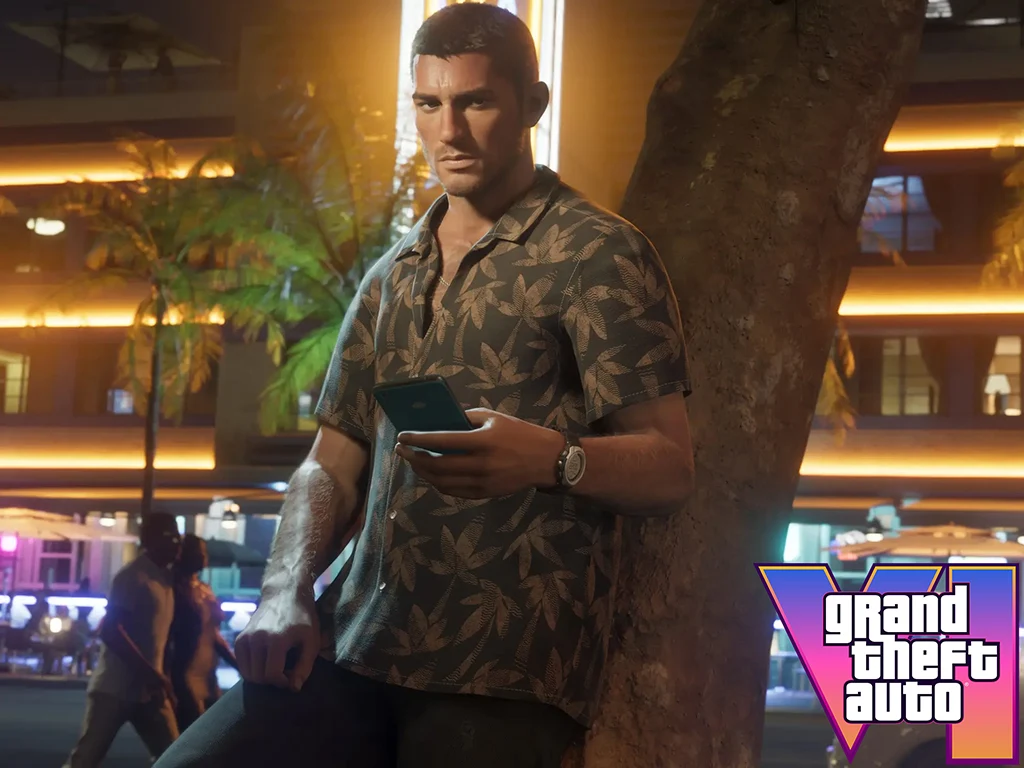
    Rockstar Games has recently unveiled Trailer 2 for GTA VI, which quickly gained traction, amassing over 1 million likes within just an hour of its upload. As of now, the total likes have soared to 5 million. This trailer isn’t only a successful reveal; it also provides a closer look at Grand Theft Auto 6. Rockstar confirmed that the entire footage was recorded on a PlayStation 5 and not the PS5 Pro.

    Gameplay and Cutscenes

    In a statement shared on X, Rockstar Games mentioned that Trailer 2 features a blend of real-time gameplay and in-game cutscenes. The seamless transition between these two elements is a significant accomplishment for the game. Returning to the point about the PS5 capturing the new trailer, many YouTubers have scrutinized the video, with most of them praising the game’s environment, special effects like explosions, and particularly the intricate details of the characters.

    Performance Insights

    However, as noted by Digital Foundry, some specifics and minor aliasing issues detract from the overall visual quality of the trailer. It’s suggested that these concerns may not be present on the PlayStation 5 Pro, which has superior hardware compared to the standard PS5.

    Digital Foundry also mentioned that GTA 6 is likely to be limited to 30 FPS at launch, even on the PS5 Pro. This assumption doesn’t stem solely from the impressive visuals of Grand Theft Auto VI, but rather from Rockstar’s pattern of releasing significant titles without a 60 FPS option at launch.

    Console Compatibility

    Regarding the rumored Nintendo Switch 2 version, Digital Foundry believes that GTA VI is “too big” for the system. Analysts speculate that devices like the Steam Deck or even the ROG Ally X and Legion Go (currently priced at $599.99 on Best Buy) might struggle to run Grand Theft Auto 6. Nevertheless, Rockstar Games has not disclosed any plans for supporting handheld gaming devices. It’s possible the developers are already taking steps to optimize the game for better performance on lower-spec systems.

    Source:
    Link