Key Takeaways
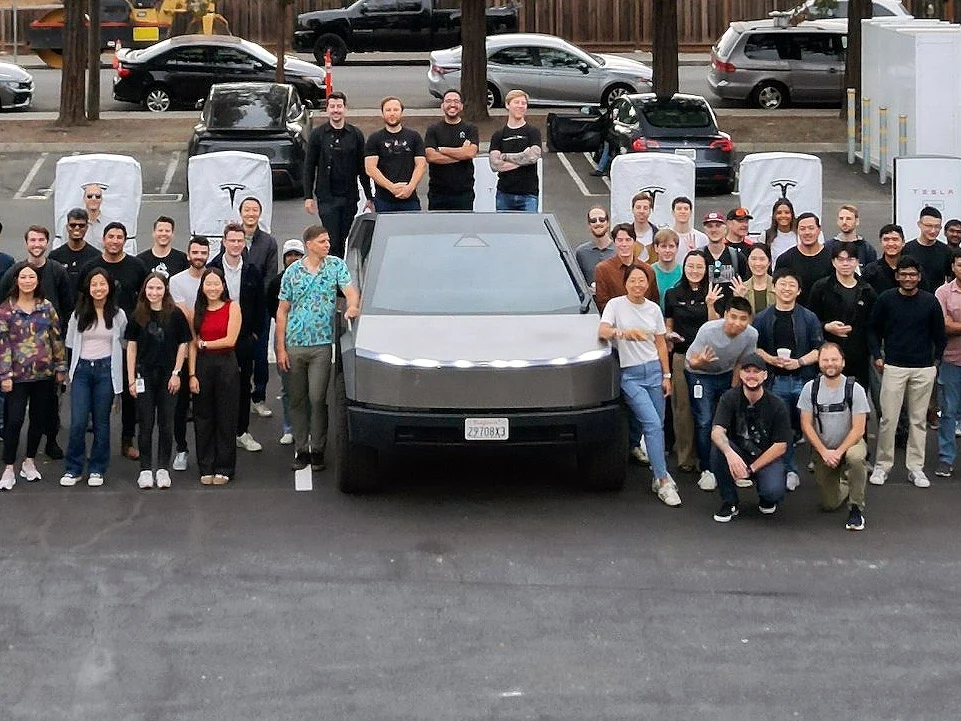
1. Tesla’s first V4 Supercharger station is now operational in California, providing up to 500 kW, specifically for the Cybertruck.
2. Initial charging tests revealed that the Cybertruck could only sustain the 500 kW rate for a few seconds, leading to disappointing performance.
3. The Cybertruck can recover up to 44% charge in 15 minutes at the V4 station, but this is still slower than earlier expectations of an 18-minute charging time for 10%-80% range.
4. The charging speed improvement from the V4 Supercharger is minimal, with an average sustained rate of around 170 kW, only a 10%-15% increase over V3.
5. The Cybertruck’s charging limitations are largely due to its second-gen 4680 battery, which struggles with thermal performance and prevents higher sustained charging rates.
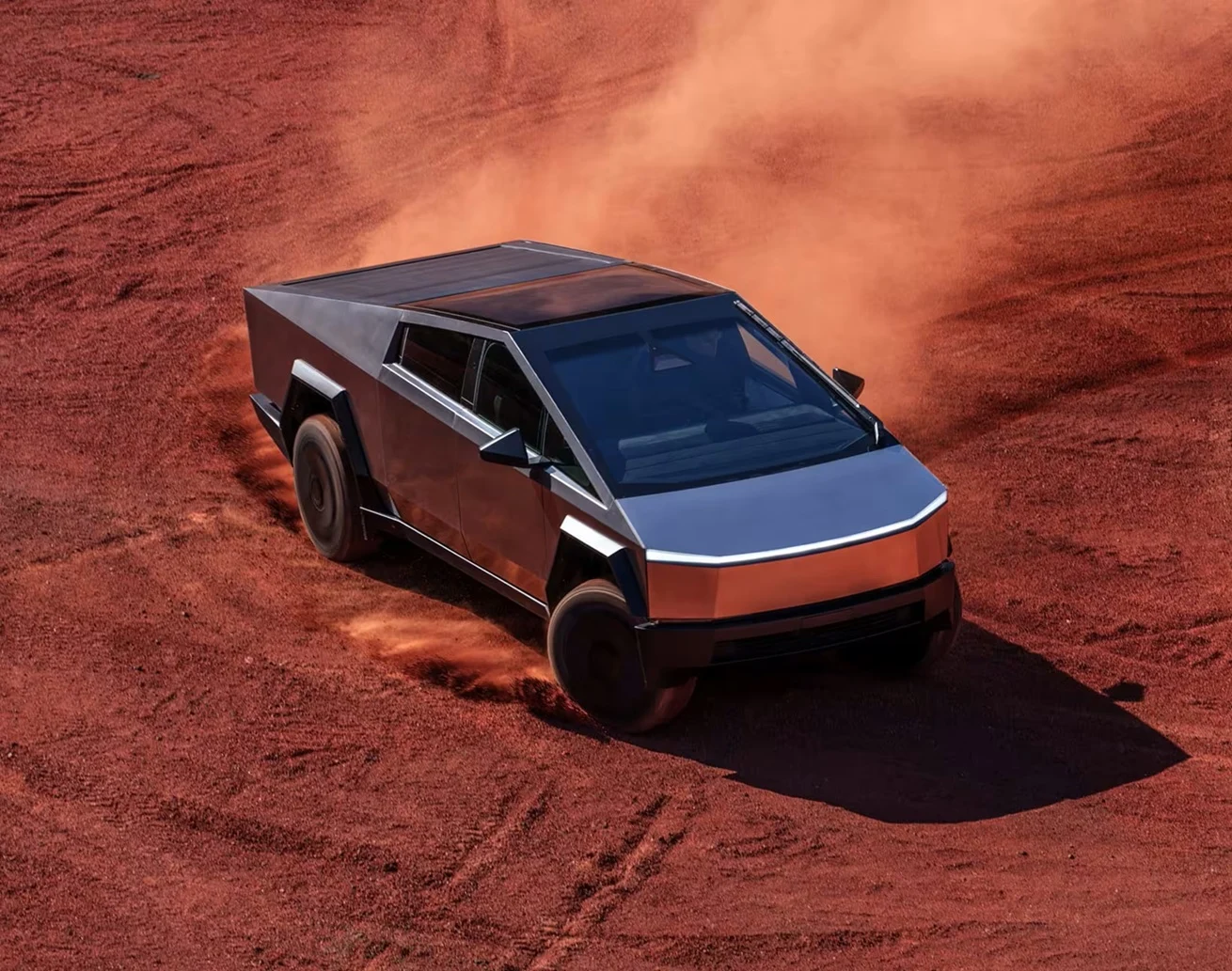
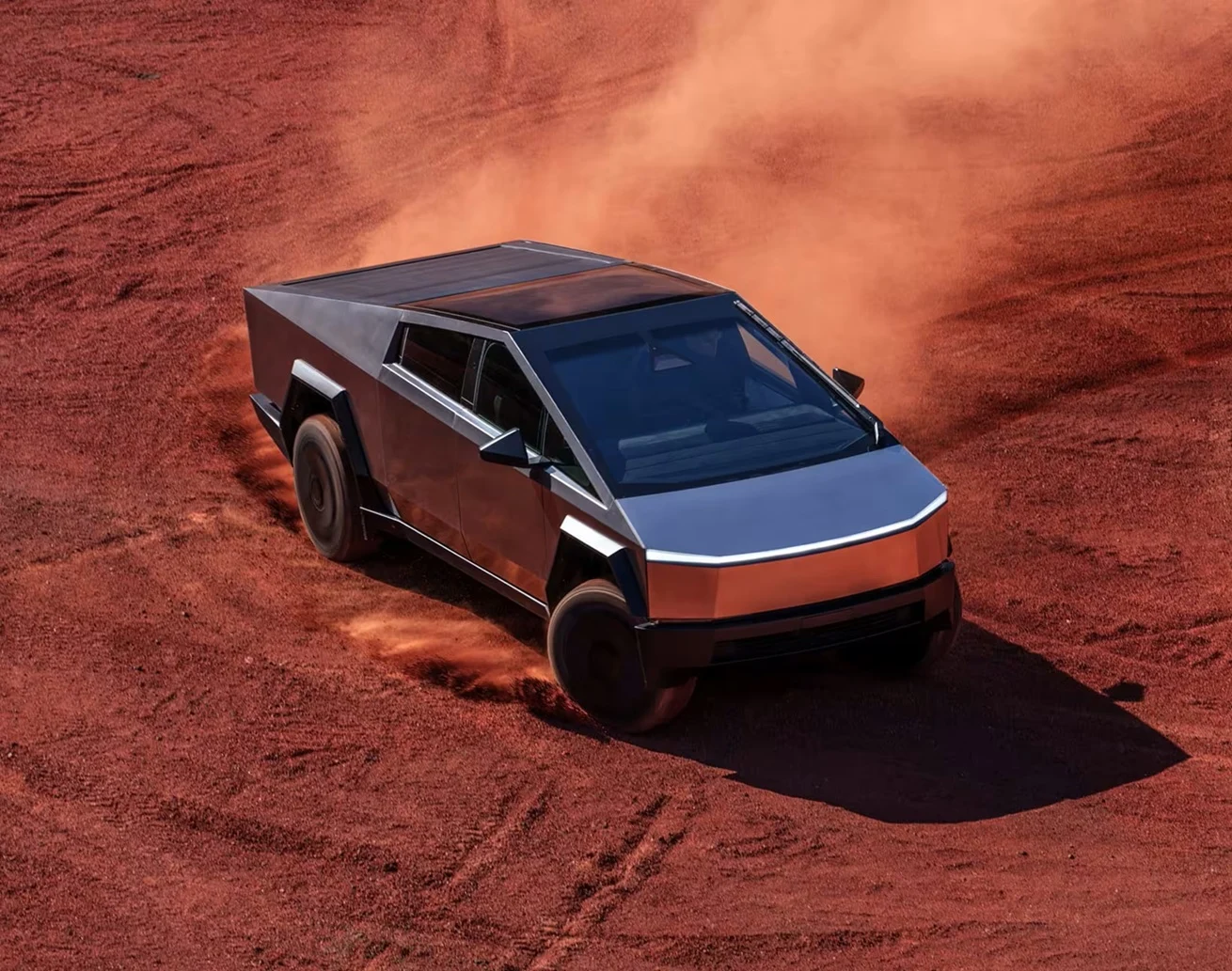
The first real V4 Supercharger station launched by Tesla is now operational in California, providing a maximum output of 500 kW to the Cybertruck, the only passenger vehicle capable of utilizing this power.
Charging Expectations vs. Reality
However, the initial charging test of the Cybertruck at this new 500 kW V4 stall was a letdown. While Tesla did share a brief video demonstrating that the V4 Supercharger could indeed deliver 500 kW to the Cybertruck, the key issue is that the vehicle could only maintain this charging rate for a few seconds.
As Wes Morrill from Tesla noted, the Cybertruck is now able to “recover up to 44% in 15 minutes” at a V4 station, assuming it starts with a low charge and the battery is preconditioned. Although this is faster than what the V3 Supercharger offers, it’s still quite a distance from the 18-minute charging time for a 10%-80% range that Tesla’s lead engineer Lars Moravy hinted at during early reviews of the Cybertruck.
Performance Metrics
Tesla did display a few seconds of the Cybertruck receiving 500 kW, achieving a charging rate of 1441 miles of range per hour. However, the Cybertruck’s charging limiter was active, and the software indicated it would take 35 minutes to reach an 80% charge. This is not significantly better than the current 40-minute charging time at a V3 stall, even on the upgraded 325 kW versions that have V4 hardware but use a V3 cabinet.
In fact, a 35-minute charge session for the Cybertruck to reach 80% of its 123 kWh battery translates to an average sustained charging rate of around 170 kW. Considering that the Cybertruck’s charging curve has typically peaked at just over 150 kW, the 500 kW V4 Supercharger only enhances the charging speed by about 10%-15%. Wes Morrill confirmed this, stating that the true V4 chargers provide only a 13% increase in charging speed for the Cybertruck.
Comparative Charging Speeds
When compared to other electric vehicles with an 800V architecture, this is still quite underwhelming. Even if we set aside Chinese EV manufacturers boasting 10-minute charging times, Hyundai’s electric models available in the US can achieve average charging rates exceeding 220 kW. For example, the Ioniq 6 can recover more than 900 miles of range per hour at an appropriate fast charger.
The lackluster charging capabilities of the Cybertruck can largely be attributed to its second-gen 4680 battery. The thermal performance of Tesla’s 4680 cell does not measure up to those from companies like BYD or CATL. It struggles to maintain high charging rates for extended periods without overheating, forcing the Cybertruck’s software to reduce the input to prevent damage and maintain safety.
In summary, even if Tesla’s Supercharger network consisted solely of authentic 500 kW V4 stalls, the overall charging speeds for their vehicles wouldn’t see much improvement, primarily because they only have one passenger vehicle with an 800V architecture, and that vehicle is hampered by a thermally limited 4680 battery.
Source:
Link