Tag: Apple

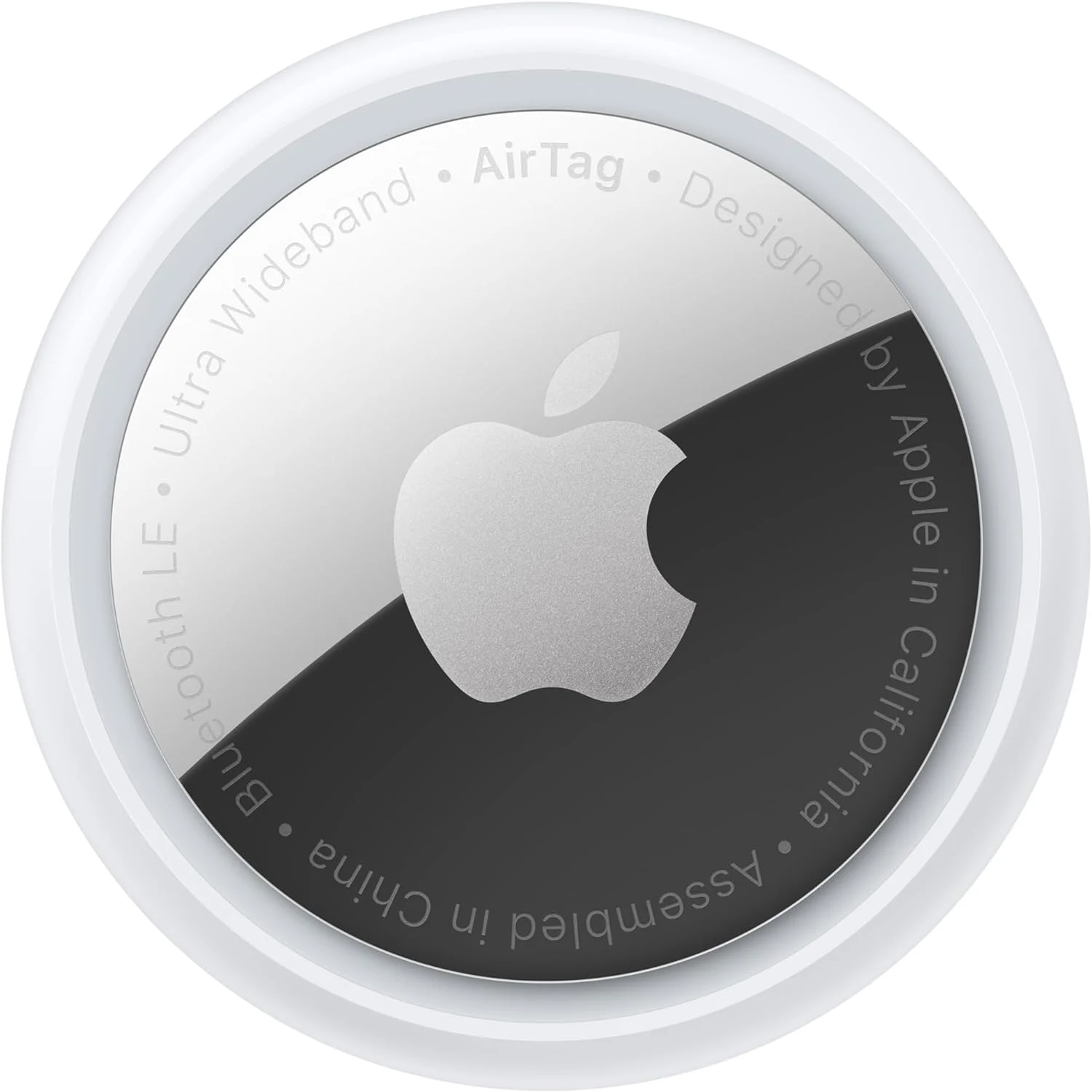
  • Apple Set to Launch AirTag 2 This Summer with Major Upgrades

    Apple Set to Launch AirTag 2 This Summer with Major Upgrades

    Key Takeaways

    1. Apple’s AirTag tracker, launched in April 2021, may get a refresh this summer.
    2. Rumors suggest the new AirTag (or AirTag 2) could be released in May or June 2024.
    3. Anticipated features include an Ultra Wideband chip for improved signal range (up to 60 meters).
    4. The new AirTag is expected to have better compatibility with the Apple Vision Pro and a louder, more secure speaker.
    5. Caution is advised regarding rumors, as the official announcement from Apple is still pending.


    Apple’s AirTag tracker has become a very popular way to keep track of small things, like keys, wallets, and even iPhones. However, this small tracker is starting to feel a bit old; it was launched nearly four years ago in April 2021. A new rumor suggests that Apple may refresh the AirTag this summer.

    Rumored Release Dates

    The speculation, coming from a leaker known as Kosutami, indicates that Apple might introduce the new AirTag (or AirTag 2) in May or June of this year, just in time for the summer season. This coincides with a statement from Bloomberg’s Mark Gurman, who mentioned that a new AirTag would be expected around the middle of 2025.

    Anticipated Features

    Current rumors suggest significant upgrades for the AirTag 2, such as the Ultra Wideband chip found in the iPhone 15 and 16 series and the Apple Watch Ultra 2. This chip is said to enhance the signal range by as much as 3 times, which would be around 60 meters (about 200 feet).

    The AirTag 2 is also rumored to have better compatibility with the Apple Vision Pro (whatever that means), according to well-known Apple analyst Ming-Chi Kuo. Some believe that the new AirTag will feature an upgraded speaker that will be not only louder but also more challenging to remove, making it harder for potential wrongdoers to modify an AirTag to track someone.

    Caution on Rumors

    As always, it’s wise to take these rumors lightly. The AirTag is certainly due for a refresh, but we will have to wait to see when Apple officially plans to unveil the AirTag 2.

    You can currently grab a 4-pack of AirTags on Amazon for $67.99 as of the latest update (usually priced at $99.99).

    Source:
    Link

  • iPhone 17 CAD Renderings Reveal Unique 2025 Apple Smartphone Design

    iPhone 17 CAD Renderings Reveal Unique 2025 Apple Smartphone Design

    Key Takeaways

    1. Significant redesigns are expected for the iPhone 17 Pro and iPhone 17 Air, while the standard iPhone 17 will resemble the iPhone 16.
    2. Recent leaks, although from a credible source, may not fully represent the final design of the iPhone 17 series.
    3. The iPhone 17 Pro might be more compact compared to the iPhone 16 Pro, which had a larger screen.
    4. The new camera design may only be featured on three out of the four models, raising questions about its consistency across the lineup.
    5. User reactions to the rumored designs have been largely negative, with many expressing disappointment.


    The upcoming iPhone models are shaping up to be quite different from what we’re used to seeing, as hinted by recent leaks. A well-known insider has talked about the revamped designs for the iPhone 17 Pro and iPhone 17 Air, and now we have more leaked images showing a protective case for the iPhone 17 Pro Max that gives us a glimpse of what’s to come.

    Expected Changes in the New Lineup

    Currently, it appears that three out of the four new iPhones set to debut in September 2025 will undergo significant redesigns. However, the standard iPhone 17 seems to be left out of this major update. Recent leaks have confirmed that the basic model will look quite a bit like the familiar iPhone 16. A shared image on X by the leaker Majin Bu supports these claims.

    Credibility of the Leaks

    Although this leaker has a reputation for providing reliable information, there have been instances when they were incorrect. Determining the authenticity of these new CAD renderings is tricky, as we can’t be sure if they represent the final look of the iPhone 17 series. Nevertheless, their dimensions align with earlier rumors suggesting that the iPhone 17 Pro might be more compact, which is a surprising move, given the iPhone 16 Pro had a slightly larger screen than its earlier model.

    Mixed Reactions from Users

    It would be strange for Apple to introduce the new camera design of the iPhone 17 to only three out of the four models. The significance of the red markings on the Pro versions remains unclear, but they might hint at a two-tone color option. Feedback on this post from X has been largely unfavorable, as many users appear to dislike the rumored designs.

    Source:
    Link


  • Apple’s First Foldable Device: iPhone and iPad Hybrid Design

    Apple’s First Foldable Device: iPhone and iPad Hybrid Design

    Key Takeaways

    1. Apple has not yet entered the foldable smartphone market, unlike other major brands.
    2. Rumors suggest a foldable iPhone might feature a 5.49-inch external screen and a 7.74-inch main display.
    3. The design aims to combine features of both iPhone and iPad for a unique user experience.
    4. The expected release timeline for the foldable iPhone is around 2026, with it being a “Fold” model.
    5. The foldable device is likely to use a display sourced from Samsung and will be thicker and shorter than the Oppo Find N.


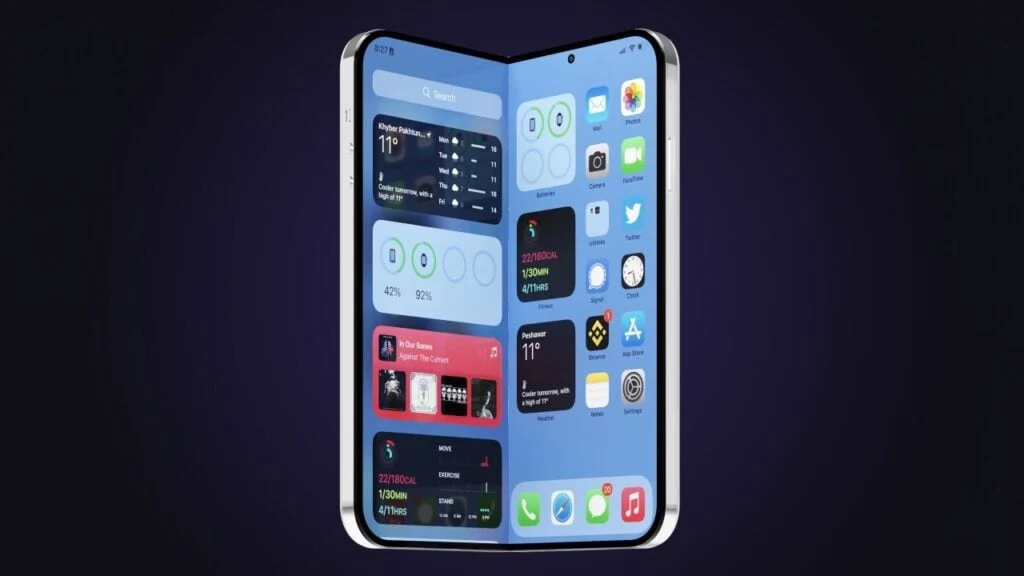
    Apple has not yet joined the foldable smartphone market, unlike other big brands. Still, there are many rumors about a foldable iPhone or iPad being developed. Recently, a new leak from China has shed light on the possible display sizes and design of the foldable iPhone. Let’s dive into the details.

    Insights on Display & Design

    The information comes from a well-known source, Digital Chat Station, who posted on Weibo, a popular Chinese social media platform. According to DCS, the upcoming foldable Apple device might feature a 5.49-inch external screen, while the main folding display could be a spacious 7.74 inches. Although the exact details about the display remain unclear, the tipster suggests that Apple is planning significant enhancements to its foldable design.

    A New Hybrid Experience

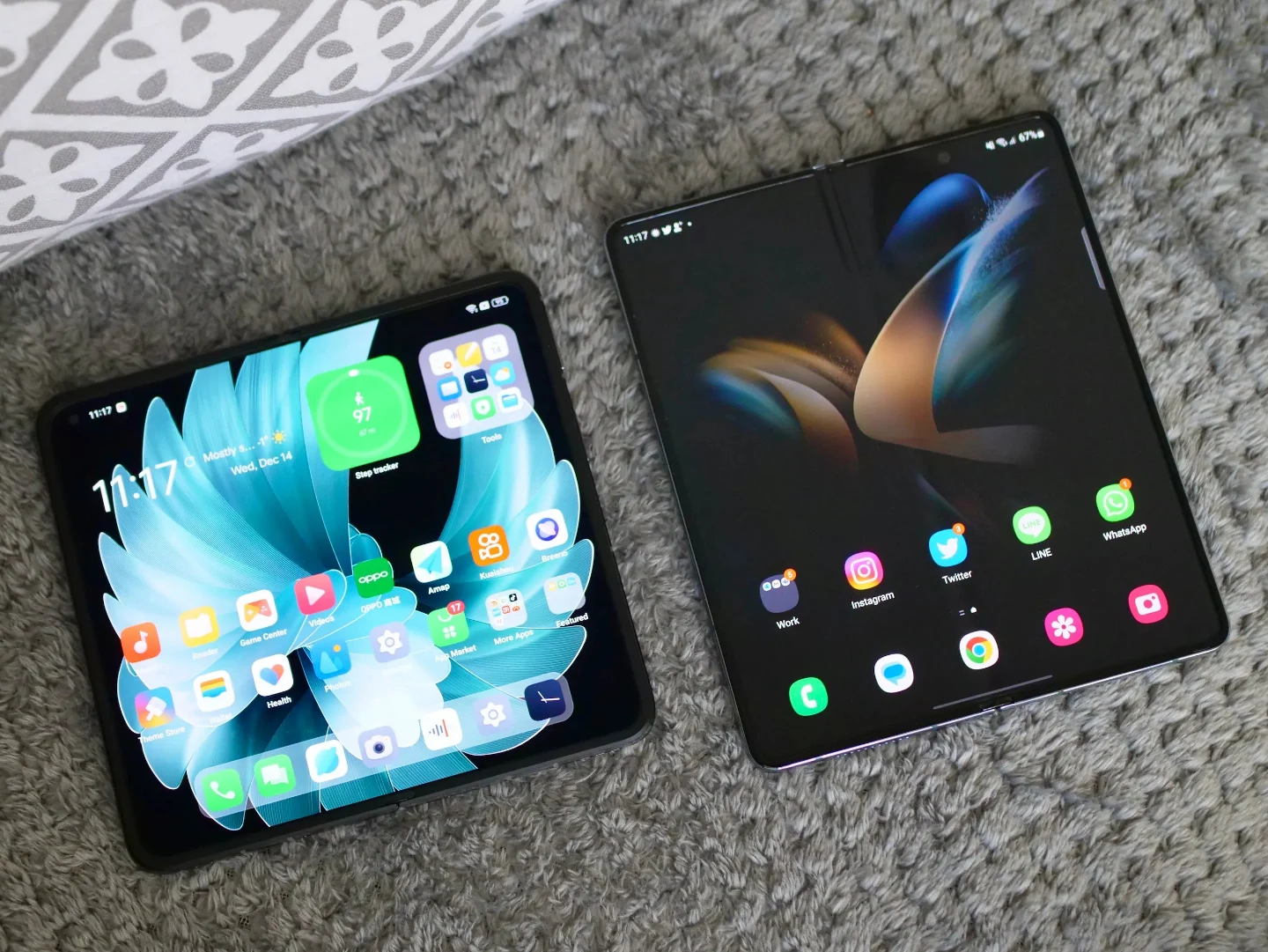
    Typically, foldable phones have a more square primary screen. However, Apple seems to be aiming for a unique blend of both iPhone and iPad experiences. The foldable device is expected to unfold similar to an iPad, creating a more versatile user experience. DCS also compared the design to the Oppo Find N, noting that Apple’s first foldable will be thicker and shorter than the Find N.

    Release Timeline and Future Expectations

    Sadly, we might have to wait a while for the foldable iPhone, with earlier rumors suggesting it could launch in 2026. Current speculation indicates that Apple’s first foldable iPhone will be a “Fold” model rather than a “Flip,” and it is likely to feature a display sourced from Samsung. That’s all the information available for now, so stay tuned for updates.

  • iPhone 16e Missing Features: Is It Worth Buying?

    iPhone 16e Missing Features: Is It Worth Buying?

    Key Takeaways

    1. No MagSafe Charging: The iPhone 16e lacks MagSafe charging, a feature present in all other iPhone 16 models.

    2. Single Camera Setup: Unlike other iPhone models, the iPhone 16e has only one rear camera, missing the ultra-wide lens found in standard models.

    3. Absence of Dedicated Camera Button: The iPhone 16e does not come with a dedicated camera button, limiting quick access to camera functions.

    4. No Dynamic Island Feature: The Dynamic Island feature, standard in other iPhone 16 models, is missing from the iPhone 16e.

    5. Lack of UWB Support: The new C1 modem in the iPhone 16e does not support the UWB chip, removing precision tracking features available in other Apple devices.


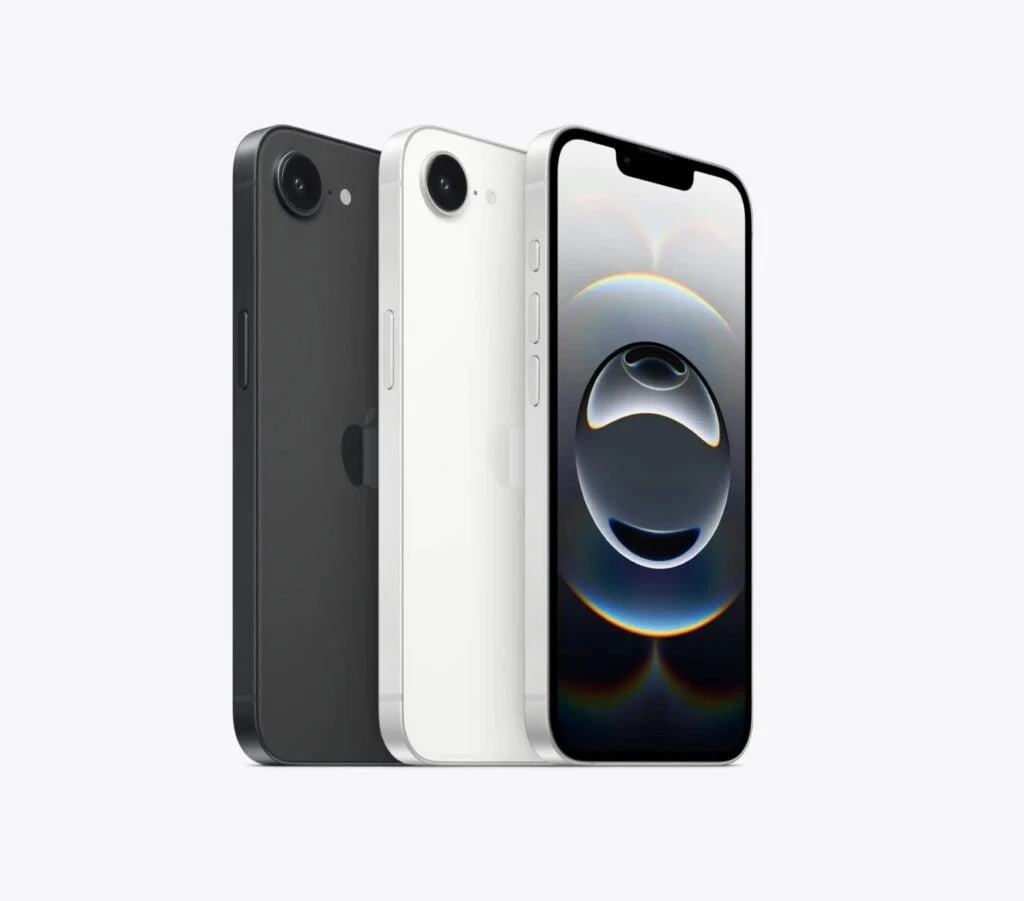
    After many months of speculation, Apple has now unveiled the iPhone 16e, their latest entry-level iPhone. This model stands as the least expensive choice in the iPhone 16 series and serves as a sort of successor to the iPhone SE models. However, to keep the price low, Apple made some compromises with this new phone. Let’s take a look at what features are missing and if it’s worth purchasing.

    Apple iPhone 16e Overview

    One prominent feature that’s missing in the iPhone 16e is MagSafe charging. This technology has been standard since the iPhone 12 series, while Android brands are just starting to catch up. Unfortunately, Apple chose not to include this feature in the iPhone 16e. Although it’s not vital for all users, many people depend on magnetic wireless charging day-to-day.

    Camera Limitations

    Typically, Apple’s standard iPhones come with a dual-camera arrangement that includes a primary lens and an ultra-wide angle lens. The Pro versions have an extra periscope telephoto lens for zoom photography. However, with the iPhone 16e, Apple has eliminated even the ultra-wide lens, leaving users with just a single camera on the rear. While this setup does provide 2x optical zoom-like quality, it lacks ultra-wide capabilities.

    Missing Hardware Features

    The iPhone 16e features the integration of Apple Intelligence, which offers numerous AI-enhanced tools and functionalities. However, unlike the iPhone 16 lineup, it does not include a dedicated camera button. This button would have allowed users to have more control over the camera with a single press, making it easier to capture moments on the go.

    Dynamic Island Excluded

    The Dynamic Island feature, which debuted with the iPhone 14 Pro models, became standard across the iPhone 15 series. This feature carried over to the iPhone 16 lineup, but was omitted in the iPhone 16e. It’s puzzling why Apple chose to leave this out, especially as the design of the iPhone 16e is similar in size and shape to the base iPhone 16.

    Tracking Features Missing

    The iPhone 16e is the first model to use the new C1 modem, moving away from Qualcomm’s Snapdragon modems. However, this new modem means the budget iPhone does not support the UWB chip (Ultrawideband). As a result, users will miss out on precision tracking capabilities that are available with Apple AirTags and AirPods.

    Should You Buy It?

    The iPhone 16e finds itself in a precarious position within Apple’s lineup. For just a bit more money, you could opt for the iPhone 15, which offers a wider array of features. Despite being labeled as “budget,” Apple has made it clear that every iPhone, regardless of the model, is a premium product. You’ll still be spending a significant amount for a minimalist experience from Apple.

  • iCloud End-to-End Encryption Unavailable for UK Users

    iCloud End-to-End Encryption Unavailable for UK Users

    Key Takeaways

    1. Apple has prioritized privacy but has removed Advanced Data Protection (ADP) for new iPhone users in the UK due to government demands.
    2. Existing UK users must turn off ADP to use iCloud services; it is not automatically disabled by Apple.
    3. Advanced Data Protection is opt-in, meaning users who haven’t activated it will not be affected by this change.
    4. Other Apple services like iMessage, Keychain, and Safari History still retain end-to-end encryption despite the removal of ADP.
    5. UK users concerned about data security may consider switching to other cloud storage services or storing data locally.


    Among several factors, iPhones are well-known for their strong focus on privacy. Apple is famous for not compromising on encryption, even when the FBI made requests back in 2015. However, a decade later, Apple has given in to ongoing demands from the UK Government. Consequently, new iPhone users will no longer have access to Advanced Data Protection.

    Notice for UK Users

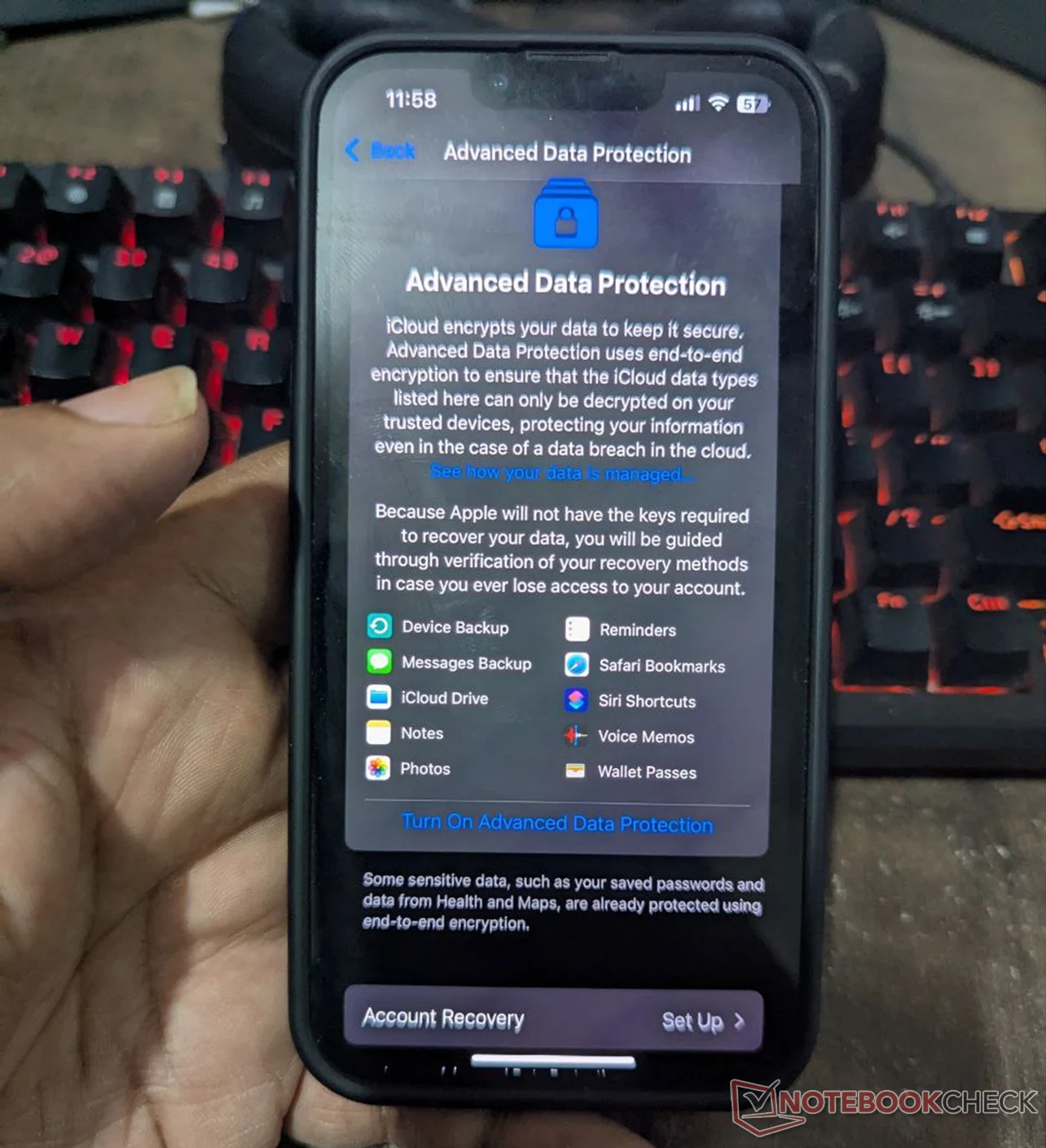
    9to5Mac found a notice on an iPhone in the UK that stated, “Apple can no longer offer Advanced Data Protection (ADP) in the United Kingdom to new users.” Existing users will also need to turn off the feature if they want to utilize iCloud services. The good news is that it’s opt-in, so unless you turned it on yourself, you might not be impacted. This is also why it’s your responsibility to disable it, as Apple can’t deactivate end-to-end encryption remotely.

    Other Security Features Remain Intact

    However, this change won’t impact other Apple services that also use end-to-end encryption, like iMessage, Keychain, and Safari History. If you’re located in the UK and rely on iCloud, it might be a wise decision to consider switching to a different cloud storage service or storing your data locally. While the transition may be cumbersome and not as smooth as what Apple offers, you can feel confident that your data will remain safe.

    Source:
    Link

  • iPhone Fold: Apple’s First Foldable Device Unites iPhone 13 mini Pro and iPad mini Pro

    iPhone Fold: Apple’s First Foldable Device Unites iPhone 13 mini Pro and iPad mini Pro

    Key Takeaways

    1. Apple has not yet entered the foldable smartphone market, unlike Android competitors like Google, Samsung, and Oppo.
    2. There are suggestions that Apple’s first foldable phone could be a clamshell design similar to existing models like the Galaxy Z Flip6.
    3. Apple may also be developing a larger, book-style foldable device to compete with models like the Pixel 9 Pro Fold and Galaxy Z Fold6.
    4. The rumored ‘iPhone Fold’ is expected to have a 5.49-inch cover display, slightly larger than those on the Oppo Find N2 and Google Pixel Fold.
    5. A larger foldable screen of 7.74 inches could mimic an iPad mini-like aspect ratio, with hopes for high-end features like ProMotion displays and better cameras.


    Apple is still not diving into the foldable smartphone market, while Android companies like Google, Samsung, and Oppo are making moves, including the recent launch of the Find N5. Recently, there have been hints that Apple’s first foldable phone might be a clamshell design similar to the Galaxy Z Flip6 or the Razr 50 Ultra (currently priced at $579.99 on Amazon). However, some sources have suggested that Apple is also working on a larger, book-style foldable device.

    New Developments in Foldable Design

    Focusing on this latter option, there are beliefs that this model would compete with the Pixel 9 Pro Fold or Galaxy Z Fold6. In essence, Apple seems likely to follow the popular design trend for book-style foldables, which is evolving toward approximately 6.5-inch cover screens and 8-inch foldable screens. According to a trustworthy source, these assumptions may not be completely accurate, and we have provided more detailed information on this separately.

    Specs and Features

    In brief, the supposed ‘iPhone Fold’ is expected to feature a 5.49-inch cover display, which is similar to the 5.54-inch and 5.8-inch cover displays found on the Oppo Find N2 and Google Pixel Fold, respectively. Since then, both Google and Oppo have shifted towards larger designs that have become popular thanks to Huawei, Honor, and Samsung. Thus, the cover display of Apple’s foldable would only be slightly larger than that of the iPhone 12 mini and iPhone 13 mini.

    On another note, a rumored foldable screen measuring 7.74 inches could result in an iPad mini-like aspect ratio. It’s hoped that Apple will put its best foot forward with this device, including ProMotion displays and good cameras, unlike what was seen with the iPad mini and iPhone 13 mini. If this happens, the iPhone Fold could be seen as the ‘Pro’ version of both devices.

    Source:
    Link

  • Apple iPhone 16e Geekbench Scores Show Lower CPU and GPU Performance

    Apple iPhone 16e Geekbench Scores Show Lower CPU and GPU Performance

    Key Takeaways

    1. The iPhone 16e features a less powerful GPU with a 4-core configuration compared to other iPhone 16 models.
    2. Performance tests show the iPhone 16e has lower CPU scores than the standard iPhone 16, indicating about 10% weaker CPU performance.
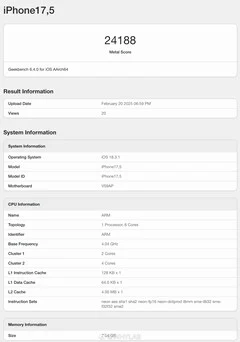
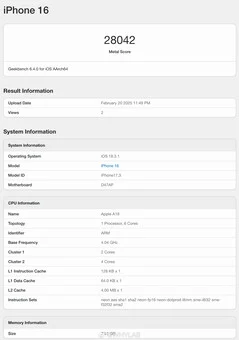
    3. The iPhone 16e scored 24,188 on the Metal test, while the iPhone 16 scored 28,042, highlighting a 15% efficiency gap in GPU performance.
    4. The iPhone 16e is priced $200 lower than the standard iPhone 16, making it a more budget-friendly option.
    5. Buyers may need to compromise on performance and features, such as the absence of an ultra-wide-angle camera, for the lower price.


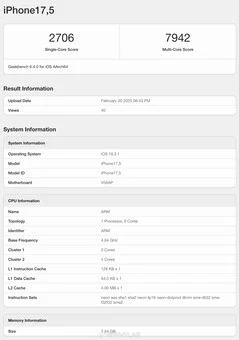
    Apple has just launched its latest mid-tier smartphone, the iPhone 16e, earlier this week. It’s clear that Apple is not trying to conceal the fact that the iPhone 16e comes with a less powerful GPU compared to other models in the iPhone 16 lineup, featuring a 4-core configuration. However, it seems that the new device might also fall short in terms of CPU performance.

    Performance Details

    Recently, the iPhone 16e was spotted on Geekbench under the model number “iPhone 17,5,” equipped with 8 GB of RAM. The results show a single-core score of 2,706 and a multi-core score of 7,942. For comparison, the standard iPhone 16 achieved scores of 3,377 and 8,362 in our tests. This data suggests that the iPhone 16’s CPU might be about 10% stronger than that of the iPhone 16e, which is intriguing since both devices share the same number of CPU cores and clock speed.

    GPU Performance Comparison

    The Metal test results from Geekbench highlight the impact of the missing GPU core in the A18 chip of the iPhone 16e. It scored 24,188 on the Metal test, while the vanilla iPhone 16 managed a score of 28,042. This indicates that the absence of one core likely allows the iPhone 16 to be approximately 15% more efficient in GPU performance.

    Pricing and Trade-offs

    Although it is somewhat disheartening that the iPhone 16e does not match the performance levels of the iPhone 16, there is a silver lining: the new device is priced $200 lower. For prospective buyers, the slightly diminished performance and the absence of an ultra-wide-angle camera might be seen as a reasonable compromise.

    Don’t forget to check out the Apple Watch Ultra 2 available on Amazon.

    Source:
    Link


  • Apple A18’s 4-Core GPU: Surprising Performance Insights

    Apple A18’s 4-Core GPU: Surprising Performance Insights

    Key Takeaways

    1. The iPhone 16e, debuting on February 20, replaces the iPhone SE 3 and features a binned version of the A18 chip with a 4-core GPU, one less than the standard iPhone 16.

    2. The A18e retains the same CPU architecture as the standard A18, with 2 large and 4 small CPU cores, ensuring similar performance for daily tasks.

    3. Reduced GPU cores in Apple’s chips, like the A18e, may not significantly impact performance, based on past tests of the A17 Pro in the iPad mini.

    4. The design of the iPhone 16e could improve efficiency and battery life, with official runtime estimates suggesting up to 26 hours compared to 22 hours for the iPhone 16.

    5. Performance predictions for the iPhone 16e should be viewed cautiously until real-world tests are conducted.


    The Apple iPhone 16e made its debut yesterday, on February 20, aiming to succeed the former iPhone SE 3. Eliminating the “SE” label, the tech giant from Cupertino has equipped the new device with a robust A18 chip, enhancing its attraction for users. However, according to the official statement, this new budget-friendly iPhone comes with a binned version of the A18 SoC, which includes a 4-core GPU—one core less than the standard iPhone 16’s A18 SoC. The question remains: is this sufficient for Apple enthusiasts who enjoy gaming and high-demand applications?

    Chip Production Insights

    Utilizing simplified and less efficient versions of full-featured chips isn’t a new practice. Even with the latest and most advanced manufacturing techniques, achieving flawless chip production yield is nearly impossible. Most companies take this route to optimize every wafer produced, and Apple is no different in this respect.

    In the scenario of the iPhone 16e, the only component that differs from the full version A18 found in the iPhone 16 is the GPU. This means that users will still experience 2 large and 4 small CPU cores, along with a 16-core Neural Engine (35 TOPS), ensuring that performance during daily tasks should be almost identical to the standard model.

    Performance Comparisons

    Apple last implemented a reduced version of its mobile SoC in the 2024 iPad mini, which also featured one less GPU core compared to the standard A17 Pro. If our tests on the 7th Generation iPad mini are a reliable indication, the performance drop of the reduced A18 may not be as drastic as anticipated. As demonstrated in the 3DMark Wild Life/Solar Bay Stress test graph below, the A17 Pro with one less GPU core often performs nearly the same, or even slightly better, than the standard A17 Pro (like in the iPhone 15 Pro Max):

    The remarkable outcomes from the reduced A17 Pro can be partly explained by the superior heat dissipation of its larger (than an iPhone) metal casing. Nevertheless, having one fewer core can enhance efficiency: reduced power consumption could lead to better temperature management. This suggests that with appropriate tuning and adjustments, Apple might successfully minimize the performance gap between the new iPhone 16e and the standard models, potentially making their chips almost indistinguishable in many situations. There might also be improvements in battery life, as indicated by the official runtime figures: up to 26 hours compared to up to 22 hours for the standard iPhone 16 (though this could also be due to a larger battery).

    Final Thoughts

    With all this information, it’s important to keep in mind that we should view the above details with caution, as we can only guess about potential performance outcomes until the actual review unit arrives at our testing facility.

    Source:
    Link

  • New MacBook Air Struggles with Apple M4 GPU in Benchmarks

    New MacBook Air Struggles with Apple M4 GPU in Benchmarks

    Key Takeaways

    1. Apple is expected to update the MacBook Air 13 and 15 models by spring, with March as a possible launch month.
    2. The upcoming MacBook Air models are identified as ‘Mac16,12’ for the 13-inch and ‘Mac16,13’ for the 15-inch in macOS Sequoia 15.2.
    3. The new MacBook Air is likely to feature a 10-core Apple M4 SoC, with potential GPU performance limitations due to its fanless design.
    4. Early benchmark results show the MacBook Air 13 performing about 5% lower than median results for other M4 devices.
    5. The difference in performance between the M3 and M4 models is modest, with only a 10% variation in GPU benchmarks.


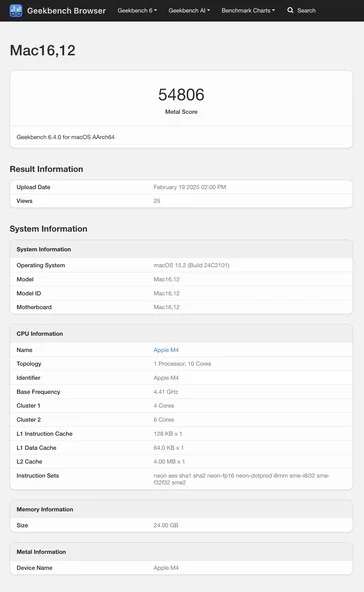
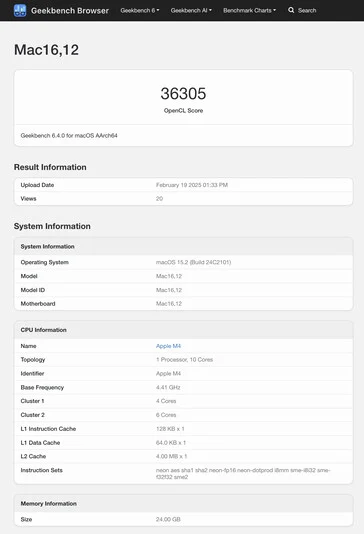
    Apple is likely to update the MacBook Air 13 and MacBook Air 15 (currently priced at $1,099 on Amazon) by springtime, with March being hinted as a potential launch month. In this context, the unreleased ‘Mac16,12’ has shown up on Geekbench, running macOS Sequoia 15.2. Interestingly, this version of macOS also included mentions of the upcoming MacBook Air models.

    Model Identification

    Geekbench doesn’t refer to the Mac by its market name. However, macOS Sequoia 15.2 confirmed back in December that Mac16,12 is linked to the next MacBook Air 13. In contrast, ‘Mac16,13’ stands for the MacBook Air 15 model number.

    Performance Insights

    The two Geekbench entries that have appeared thus far suggest that Apple has outfitted the new MacBook Air with a 10-core variant of its Apple M4 SoC instead of the 8- or 9-core options. These listings also imply that the fanless design might limit GPU performance in certain situations.

    As usual, it’s wise to approach early benchmark results with a healthy dose of skepticism for now. The MacBook Air 13 that was benchmarked shows about a 5% deficit compared to the median Geekbench OpenCL and Geekbench Metal results we’ve collected so far for the M4 versions of the Mac mini and MacBook Pro 14.

    Comparison with Previous Models

    On the other hand, we didn’t notice any significant performance differences while testing the M3 versions of the MacBook Air or MacBook Pro. Furthermore, there is only about a 10% difference seen between M3 and M4 in GPU benchmarks. Therefore, we believe that the M4 and its 10-core GPU could perform better in a fanless setup than what the benchmark results indicate below.

    Source:
    Link


  • Apple iPhone 17 Pro: Compact Design, 45% Bigger Battery, New Features

    Apple iPhone 17 Pro: Compact Design, 45% Bigger Battery, New Features

    Key Takeaways

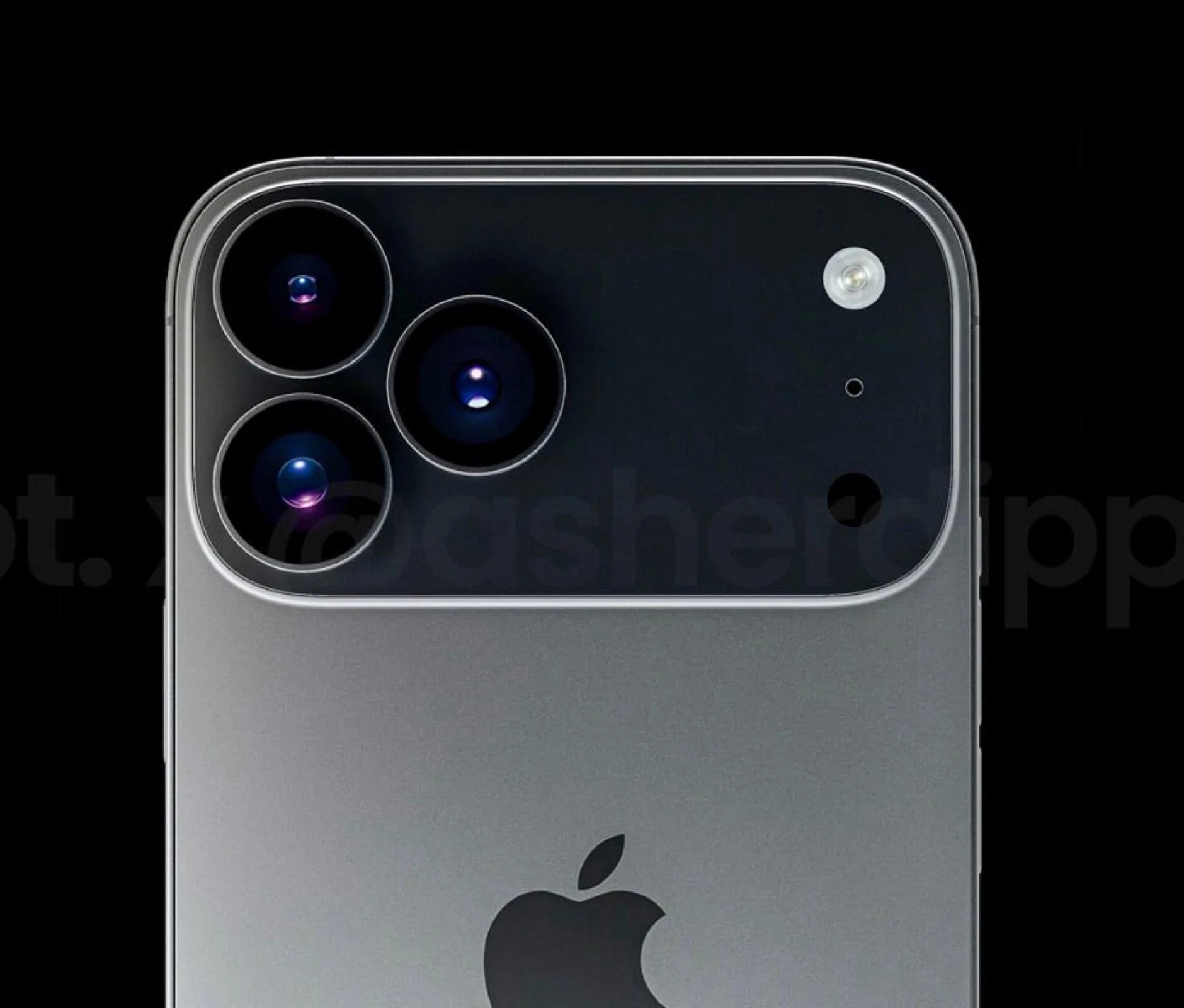
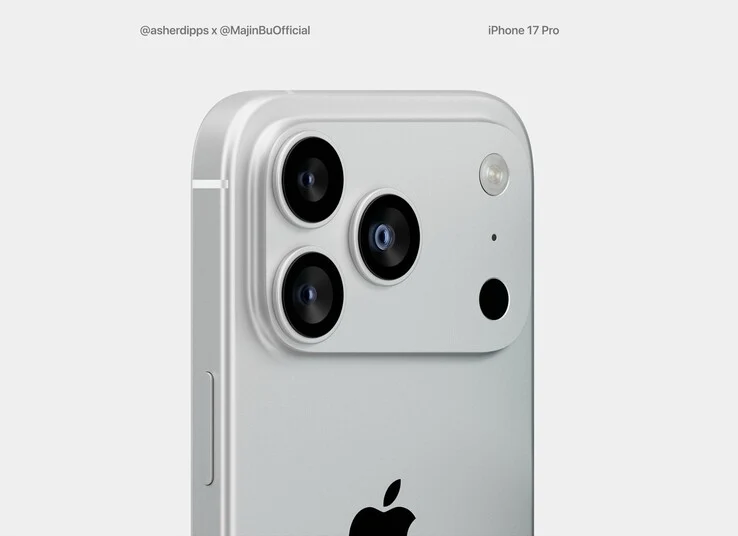
    1. The iPhone 17 Pro may have a wider camera module that protrudes more than 2mm from the chassis, potentially adding thickness from the lenses.
    2. The frame is expected to be made of aluminum instead of titanium, making it lighter, and may have a textured feel similar to leather.
    3. The display size is likely to decrease from 6.3 inches to 6.0 inches, making the phone more compact.
    4. There is a significant potential increase in battery capacity from 3,582mAh to 5,200mAh, a 45% boost.
    5. The iPhone 17 Pro might feature reverse wireless charging for powering up other devices like AirPods Pro.


    Leaker MajinBu has shared a lot of new info about the upcoming Apple iPhone 17 Pro. As usual, these details should be taken with a grain of salt since their accuracy can’t be confirmed. The leaker claims that this information comes from a prototype in the EVT phase, which indicates that Apple is still working on the technical features of the new phone and the final design might not be set yet.

    Camera Design Changes

    In any case, the notably wider camera module is said to stick out more than two millimeters from the chassis, and the three camera lenses could add an additional millimeter to the phone’s overall thickness. It’s still uncertain if the camera bump will simply be black or if it will match the color of the back panel.

    Build Material and Texture

    Reportedly, the phone’s frame is made out of aluminum rather than titanium, which could make the iPhone 17 Pro a bit lighter compared to the iPhone 16 Pro. The frame may also have a textured feel that somewhat resembles leather.

    Screen and Battery Updates

    The leaker’s insights also mention two surprising changes. Firstly, the display is expected to decrease from 6.3 inches to 6.0 inches, which would make the iPhone 17 Pro one of the more compact options available. Secondly, the battery capacity might increase significantly from 3,582mAh to 5,200mAh, representing a 45% boost.

    This suggests that Apple is keeping up with the trend of relatively pocket-friendly smartphones like the Oppo Find X8 Mini, which might come with a massive battery of up to 6,000mAh. Additionally, the iPhone 17 Pro could offer reverse wireless charging, allowing users to power up AirPods Pro and other devices by placing them on the back of the phone. The official reveal of the iPhone 17 Pro is anticipated in September 2025.

    Source:
    Link