
Key Takeaways
1. The Steam Frame VR headset features impressive eye-tracking with foveated rendering for enhanced visual quality.
2. It has a lighter weight, better ergonomics, and higher resolution compared to the Valve Index.
3. The headset offers a more open platform and integrated eye tracking, making it a strong competitor against the Meta Quest 3.
4. Competing headsets like Apple’s Vision Pro and Bigscreen Beyond 2 have their strengths but lack in comfort or have high prices and external dependencies.
5. The PSVR2 is a cost-effective choice but feels more conventional due to its wired setup and basic ergonomics.
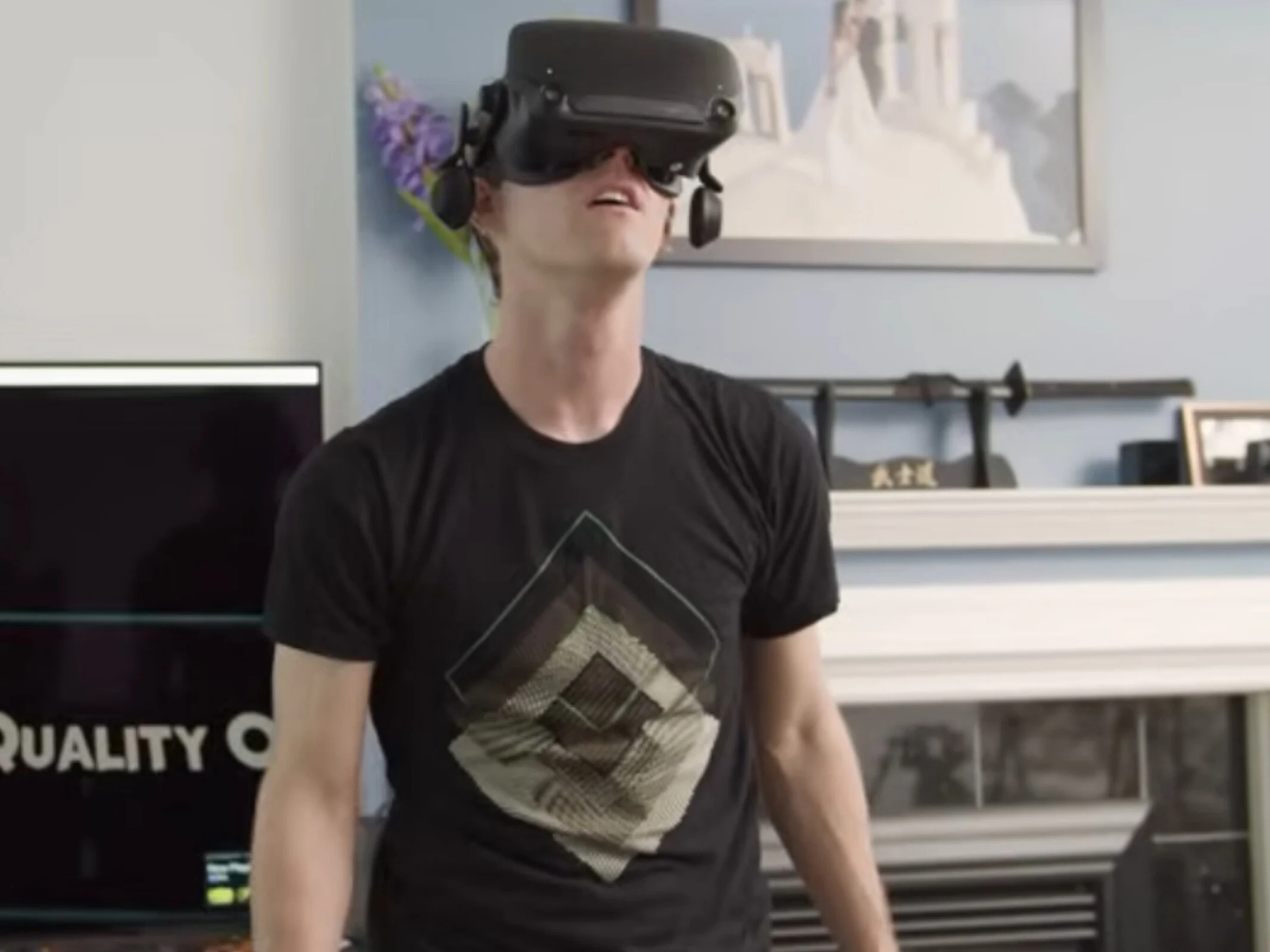
Well-known tech YouTuber Linus Sebastian had the chance to visit Valve’s headquarters to experience the Steam Frame, the company’s latest VR headset. This headset aims to impress with features like cross-platform support, integrated eye tracking, and a completely wireless setup. For more in-depth specifications, check our previous report. Although Linus only had about two hours to test it, he was able to gather initial thoughts and make comparisons to existing models.
Eye-Tracking Innovation
Linus highlighted the Steam Frame’s impressive eye-tracking capabilities as one of its most notable aspects. Thanks to foveated rendering, the parts of the display that users are looking at become clearer, enhancing visual quality where it really counts. He also complimented the headset’s balanced design and its open platform, which he sees as significant advantages. However, he did express concern about the LCD screens, which he believes do not provide the best black levels.
Comparison with Other Models
When looking at the Valve Index, the Steam Frame really shines with its lighter weight, superior ergonomics, and higher resolution, as well as utilizing inside-out tracking with wide-angle cameras. Linus mentioned that the audio quality should be comparable to that of the Index, though he still has a few doubts. In a comparison with the Meta Quest 3, known for its excellent value, he pointed out that the Steam Frame offers a more open platform, is lighter, and includes eye tracking, which are significant benefits.
Competing Headsets
Apple’s Vision Pro excels in display quality, passthrough capabilities, and hand tracking but doesn’t match up when it comes to comfort and gaming appeal. The Bigscreen Beyond 2 remains superior to the Steam Frame in terms of weight and micro-OLED image quality, but it has its own downsides—no built-in sound, a hefty price tag, and reliance on external base stations. On the other hand, the PSVR2 is considered a good choice for its cost, but its wired setup, Fresnel lenses, and basic ergonomics make it seem more conventional and less high-tech overall.
Source:
Link
Leave a Reply